The best MTB trails around Brampton
4.3
(9)
49
riders
7
rides
Mountain biking around Brampton, Ontario, offers diverse natural landscapes for outdoor enthusiasts. The region features a Natural Heritage System comprising woodlands, valleys, wetlands, rivers, and streams, providing varied terrain for mountain bike trails. Riders can find a mix of single-track and multi-use pathways, with options ranging from beginner-friendly paths to more challenging routes with elevation changes. These natural corridors create dynamic environments for active recreation within the city.
Best mountain bike trails around Brampton
- The most popular mountain bike trail…
Last updated: September 27, 2026
4.8
(4)
16
riders
27.2km
02:11
450m
450m
This moderate 16.9-mile mountain biking loop near Talkin Tarn offers diverse terrain and stunning views of the North Pennines.
1.0
(1)
2
riders
44.7km
04:14
970m
970m
Hard mountain bike ride. Very good fitness required. Advanced riding skills necessary.

5.0
(1)
4
riders
15.4km
01:22
330m
330m
Moderate mountain bike ride. Good fitness required. Advanced riding skills necessary.
5.0
(1)
7
riders
62.8km
04:17
760m
760m
Moderate mountain bike ride. Good fitness required. Suitable for all skill levels.
5.0
(1)
7
riders
Moderate mountain bike ride. Good fitness required. Suitable for all skill levels.
Get access to more routes and recommendations from other explorers.
Already have an account?
Our route recommendations are based on thousands of hikes, rides, and runs completed by other people on komoot.
Start today with a free account
Your next adventure awaits.
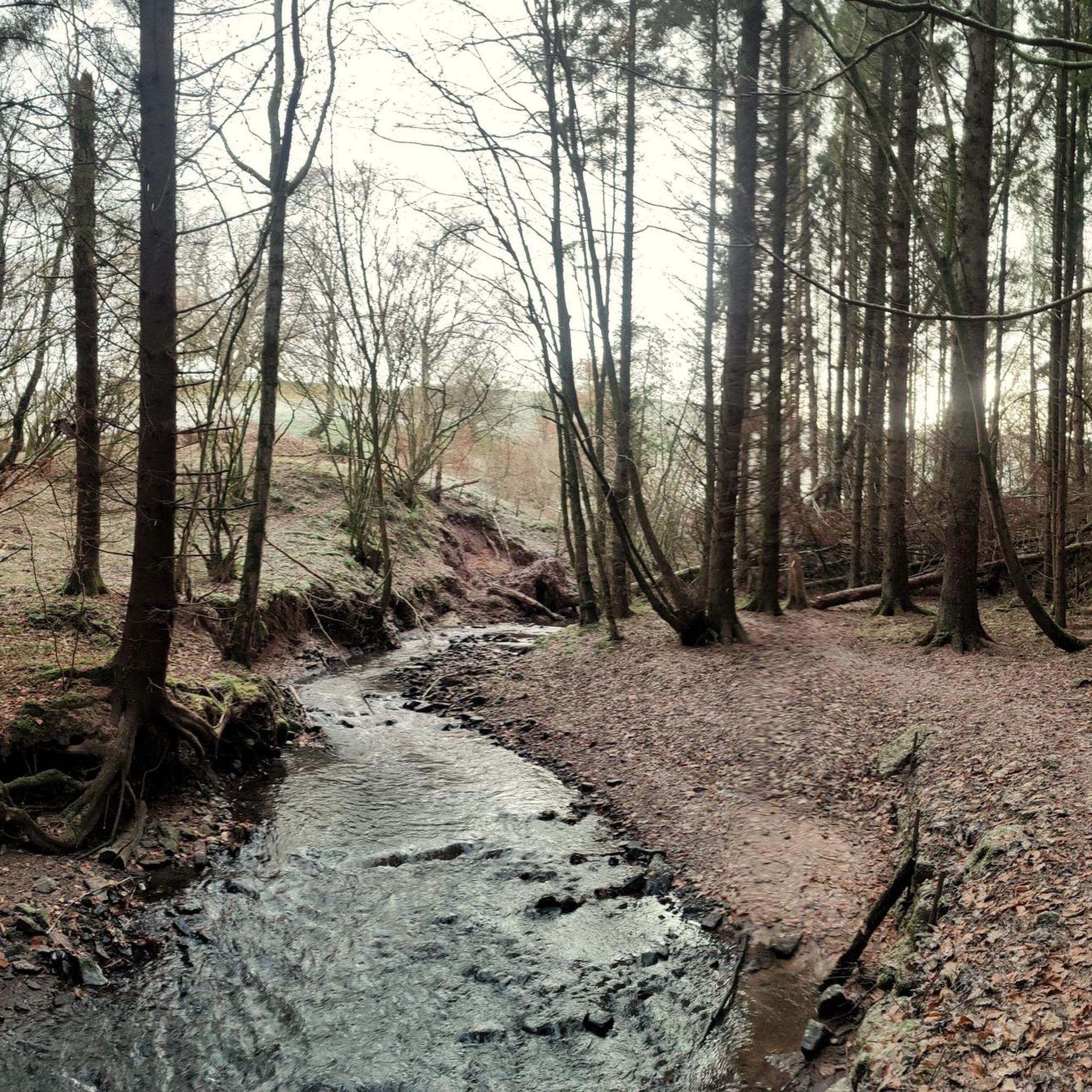
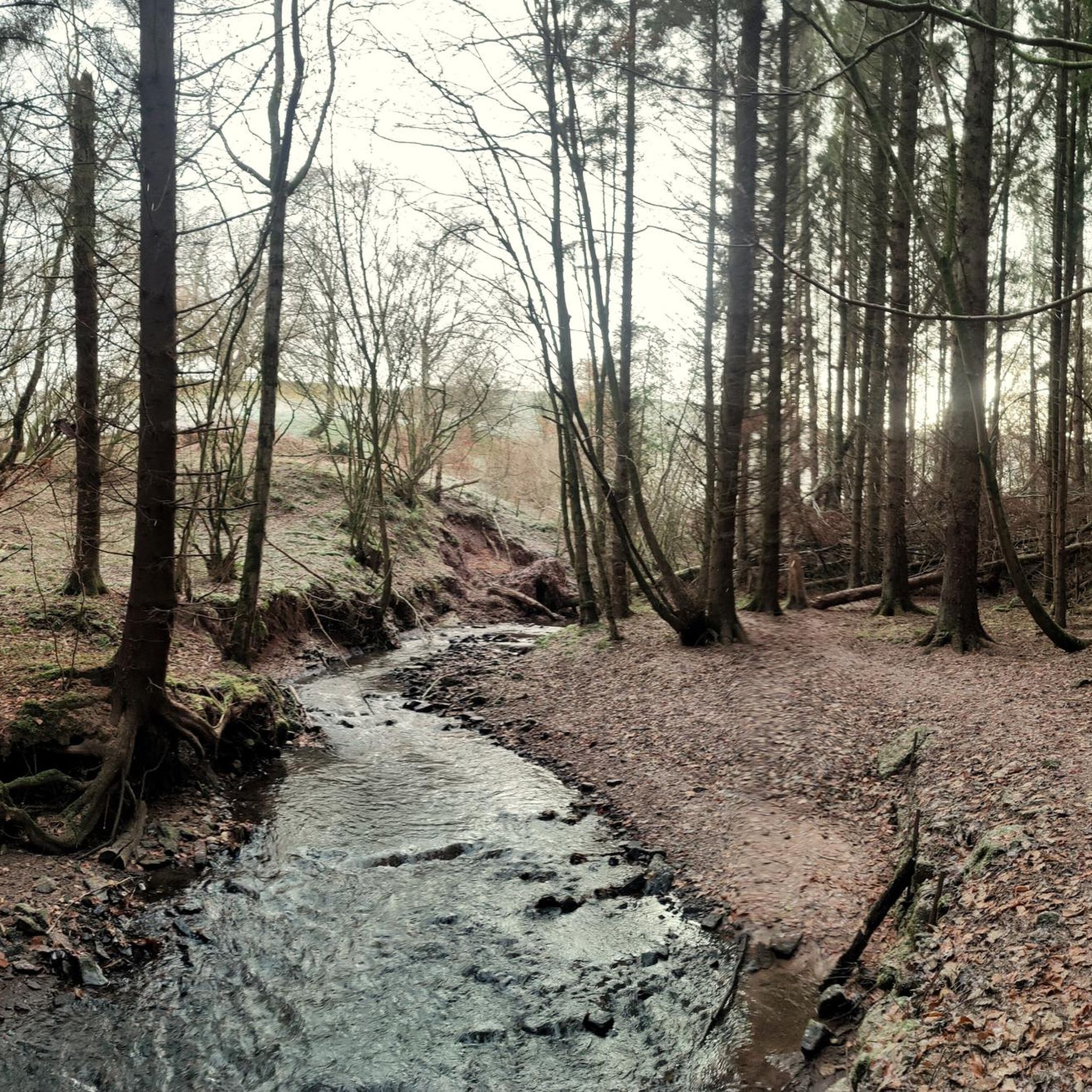
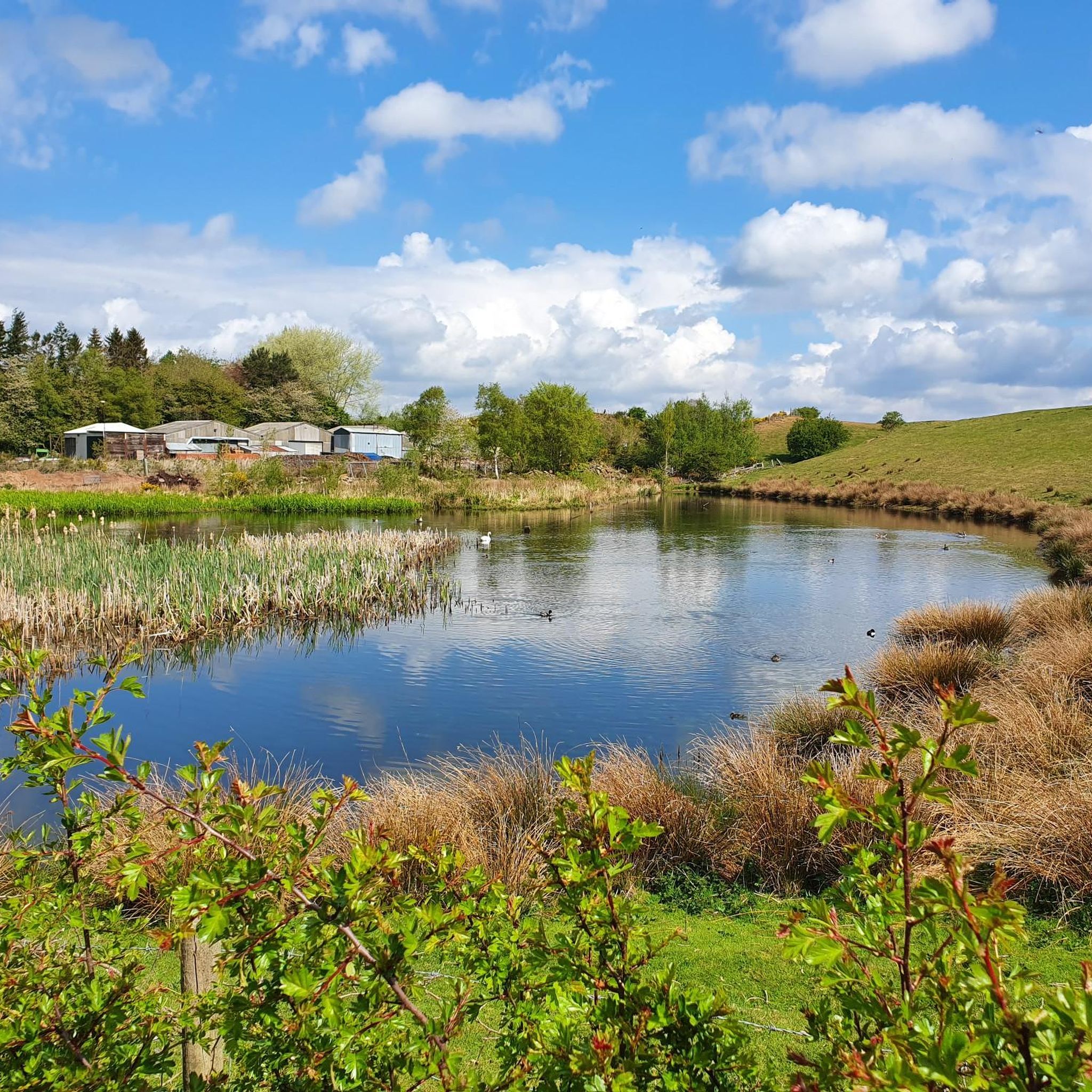
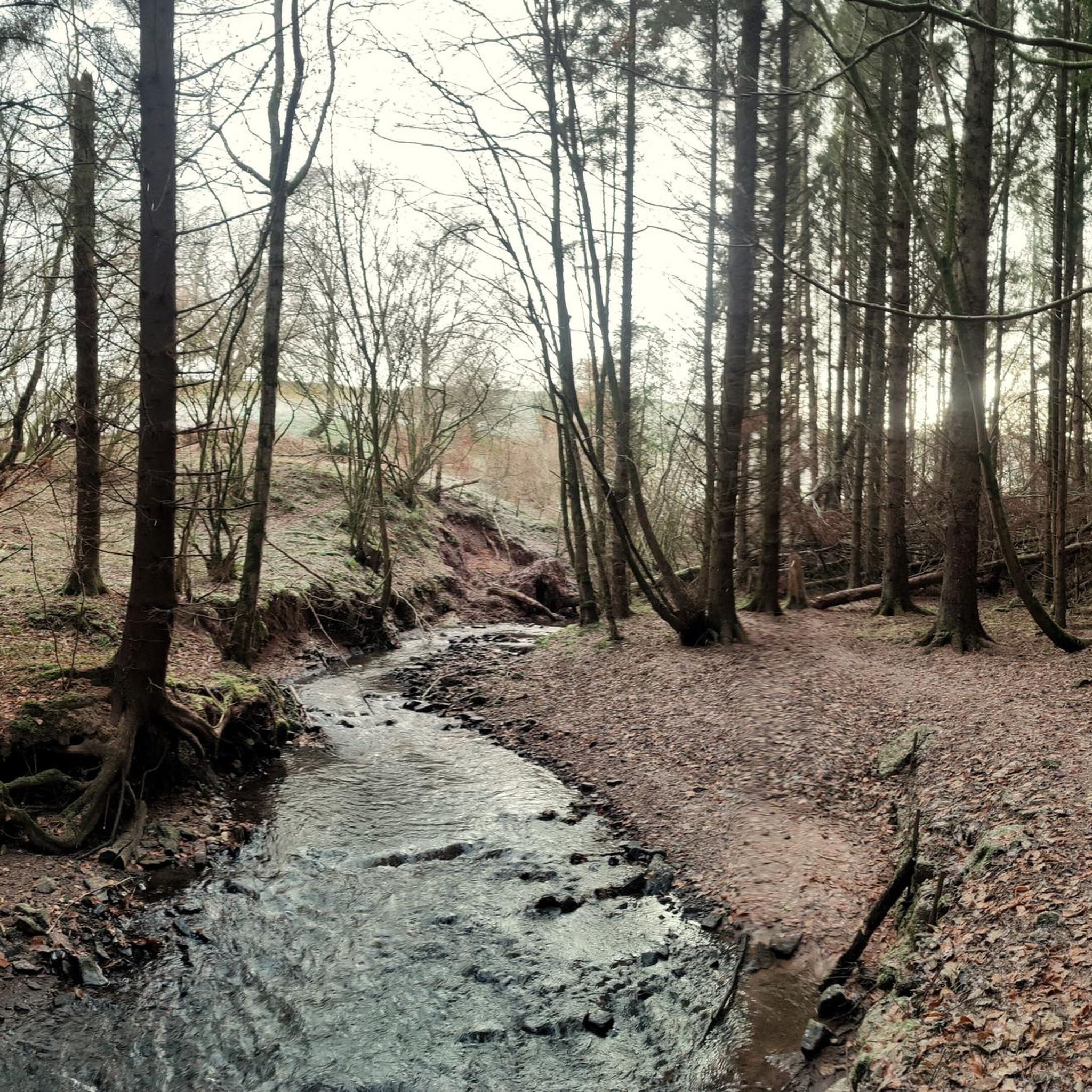
Tips from the Community

This area is set in a valley with very steep steps taking you down to the river and the underside of the viaduct. You have to carry the bike down the steps. There are some narrow rugged single tracks to make your way around, once through you get an excellent view looking up at Lambley Viaduct arches
0
0

Askerton Castle is a rare example of a fortified medieval manor house, situated in remote north Cumbria, about three miles north of Hadrian's Wall. The original building was constructed around 1290 as an unfortified hall, but in the late 15th century, two battlemented towers—the Dacre Tower and the Dovecot Tower—were added by Thomas, Lord Dacre, as part of a border defense against the notorious Border Reivers. In the 16th century, the complex was expanded with a stable block and additional wings for troop accommodation. A third tower on the northwest corner is believed to have been lost, possibly to fire, but traces of its stonework and staircases are still visible in the walls. The structure contains impressive oak beams, dated between 1494 and 1510, and shows clear stages of architectural evolution—from a simple hall to a military stronghold. Although the castle is not open to the public, it is now part of the Askerton Castle Estate, an organic farm that produces beef, lamb, pork, and poultry. The building is a Grade I listed building, indicating its exceptional historical value.
7
0
Bewcastle Fort (Latin: Fanum Cocidi) was a Roman fort in the English town of Bewcastle. The fort lay north of Hadrian's Wall and was connected by a road (Maiden Way) to the Banna (Birdoswald) fort on the wall. The fort's Latin name (The Shrine of Cocidius) indicates that it enclosed an existing local shrine. The Romans equated the deity Cocidius with Mars, and the fort was possibly built there to control tribal gatherings. In the second century, the Cohors I Dacorum mil. eq. (a mixed cohort with infantry and cavalry in dual garrisons, with auxiliaries from Dacia) was stationed there. A dual garrison cohort was also likely stationed there in the third century. By 400, before Hadrian's Wall was abandoned, Bewcastle Fort had already been abandoned. Around 1092, Bewcastle Castle was built in a corner of the former fortress, using Roman stone. The church of St. Cuthbert is also located within the old fortress walls.
7
0
Cattle grid, a bypass and an intersection
7
0

This impressive Augustinian priory, founded around 1169, is just a stone's throw from Hadrian's Wall. Its ruins tell stories of kings, wars, and pilgrims. King Edward I stayed here in 1306 during his final campaign against the Scots, and Robert the Bruce later attacked the monastery. The church ruins still stand tall, with a dramatic triple-arched structure. Built partly with stones from Hadrian's Wall, they include Roman inscriptions. Inside, you'll find the Lanercost Cross (1214) and the Lanercost Dossal, a work of art designed by William Morris.
11
0
Castle Carrock is a small village, in the centre The Cumberland Arms pub seems to be the main social gathering place. Large gardens with benches and plenty parking. There is a constant steady flow of traffic in and out the village
0
0

Unfortunately the river beach with the best view of the viaduct is not accessible from the public trail.
0
0
Frequently Asked Questions
What kind of terrain can I expect on mountain bike trails in Brampton?
Brampton's mountain bike trails offer a diverse range of terrain, from single-track paths to multi-use routes. You'll encounter woodlands, valleys, wetlands, and river corridors, providing varied surfaces and elevation changes. Areas like Heart Lake Conservation Area feature designated dirt cycling trails with moderate climbs, while the Etobicoke Creek Trail offers extensive routes with diverse natural views.
Are there mountain bike trails suitable for beginners in Brampton?
Yes, Brampton offers trails suitable for beginners. For instance, the Churchville Park Trail is an easy-to-navigate 3.3-kilometer route with different terrains overlooking the Credit River. The Jimmy McKerron Pond trail also provides a scenic and easy ride. While the guide features 7 routes, one is specifically rated as easy, and many multi-use paths are accessible for those new to mountain biking.
Which mountain bike trails in Brampton are considered more challenging?
For experienced riders seeking a challenge, Brampton has options with significant elevation gain and varied terrain. The Castle Carrock to Lambley Viaduct via Simmerson Hill route is rated as difficult, covering 44.7 km with nearly 1000 meters of ascent. The Creditview Trail is also known as a moderately difficult route, spanning approximately 9.5 kilometers with diverse views.
Are there any circular mountain bike routes in Brampton?
Yes, many trails in Brampton are designed as loops or can be combined to form circular routes. For example, the Talkin Tarn, Simmerson Hill Track & Newbiggin loop is a 27.2 km moderate circular trail. Another popular option is the Talkin Tarn & Simmerson Hill loop — North Pennines, which is 15.4 km long. Heart Lake Conservation Area also features the 'Lake Trail,' a 7-mile loop around Heart Lake.
What natural features or landmarks can I see along the mountain bike trails?
Brampton's trails wind through its Natural Heritage System, offering views of woodlands, wetlands, rivers, and ponds. Along your rides, you might encounter highlights such as Talkin Tarn Lake, scenic marshlands along the Churchville Park Trail, or the diverse landscapes of the Creditview Trail with its forestscapes and wildflowers. Some routes also pass by historical sites like Thirlwall Castle Ruins or Carlisle Castle.
What is the best time of year for mountain biking in Brampton?
The best time for mountain biking in Brampton is generally during the spring, summer, and fall months when the weather is mild and trails are dry. The region's diverse natural landscape is particularly vibrant during these seasons. While some trails may remain accessible, winter conditions can make certain routes challenging or impassable due to snow and ice.
Are there family-friendly mountain bike trails in Brampton?
Yes, Brampton offers several family-friendly options. Trails like the Churchville Park Trail are easy to navigate and provide pleasant views suitable for all ages. Heart Lake Conservation Area also has multi-use pathways that are great for families, alongside other amenities like a splash pad and picnic areas, making it a good destination for a day out with children.
Are dogs allowed on mountain bike trails in Brampton?
Many of Brampton's multi-use trails and conservation areas are dog-friendly, though leash rules typically apply. It's always best to check specific regulations for each park or conservation area you plan to visit, such as Heart Lake Conservation Area or the Etobicoke Creek Trail, to ensure compliance with local bylaws regarding pets.
Where can I find parking for mountain bike trails in Brampton?
Parking is generally available at the main access points for Brampton's conservation areas and larger parks. For example, Heart Lake Conservation Area has dedicated parking facilities. Many trailheads along the Etobicoke Creek Trail and at parks like Creditview Sandalwood Park or Andrew McCandless Park also offer parking. Specific parking details can often be found on the individual park or trail websites.
What do other mountain bikers enjoy most about riding in Brampton?
The komoot community highly rates mountain biking in Brampton, with an average score of 4.4 stars from over 13 reviews. Riders often praise the region's diverse natural landscapes, the variety of terrain from single-track to multi-use paths, and the scenic views found along river valleys and through dense forests. The accessibility of trails within the city's Natural Heritage System is also a frequently appreciated aspect.
Are there any cafes or pubs near the mountain bike trails in Brampton?
Brampton, being a city, has numerous cafes, pubs, and restaurants. While specific establishments might not be directly at every trailhead, you'll find options conveniently located near major conservation areas and parks. For example, areas surrounding Heart Lake Conservation Area or along the Etobicoke Creek Trail within Brampton will have various dining choices a short distance away.
How many mountain bike trails are there to explore in Brampton?
Komoot features 7 mountain bike routes around Brampton, offering a range of distances and difficulties. Beyond these curated routes, Brampton's extensive network of parks and conservation areas, including the Natural Heritage System, provides numerous multi-use pathways and designated dirt cycling trails, ensuring a wealth of options for riders of all levels.
Most popular routes around Brampton
Most popular attractions around Brampton

Get inspired with the komoot mobile app


Explore more
Browse the best MTB trails in other regions.
