Top 3 Castles around Burtholme
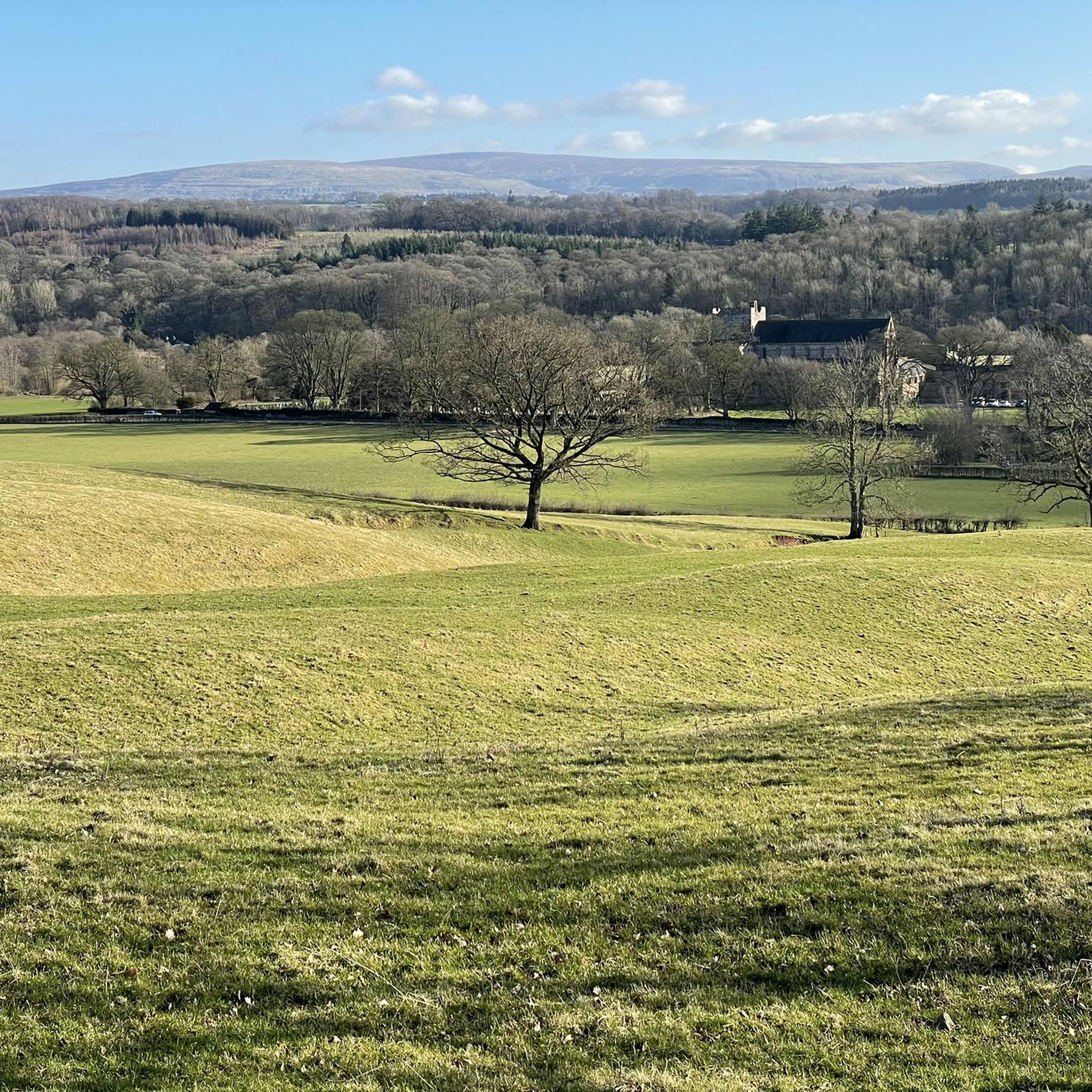
Castles around Burtholme offer a glimpse into centuries of border conflicts and architectural evolution within the wider region of Cumbria. This area, situated near the Anglo-Scottish border, is characterized by its historical significance and varied landscapes. Visitors can explore ancient fortifications that once played vital military roles. The region provides opportunities to discover medieval structures and their surrounding natural environments.
Best castles around Burtholme
- The most popular castles is Thirlwall Castle Ruins, a historical site built during the 12th Century using stones from the nearby Hadrian's Wall. The site is protected by Grade I listed building and Scheduled Ancient Monument status.
- Another must-see spot is Ruins of Bewcastle Castle, a castle originally built around 1092 on the foundations of a Roman fort. Visitors can explore the remains of this border defense against Scottish incursions, with walls up to 9 meters high.
- Visitors also love Naworth Castle, a spectacular medieval castle in Cumbria. This former royal-owned castle has hosted a range of nobles during its history.
- Burtholme is known for medieval castles, fortified manor houses, and castle ruins. The region offers a variety of historical sites to see and explore, from well-preserved structures to ancient remnants.
- The castles around Burtholme are appreciated by the komoot community, with 78 upvotes and 61 photos shared by visitors.
Last updated: July 3, 2026
Thirlwall Castle Ruins
Highlight • Historical Site
Tip by

Ruins of Bewcastle Castle
Highlight • Castle
The castle had a square plan of 27 meters, surrounded by a dry moat that partially utilized Roman ditches. Within the walls were buildings surrounding a small courtyard, with a gatehouse added later. The walls are up to 9 meters high, with visible windows and fireplaces on the second floor.
Bewcastle Castle was strategically located on the Maiden Way, a Roman road leading to Hadrian's Wall, and played a role in conflicts with the notorious Border Reivers. Today the ruins are unstable and partly inaccessible, but they remain a powerful symbol of border defense and medieval architecture.
Translated by Google •
Tip by

Sign up now to discover places like this
Get recommendations on the best single tracks, peaks, & plenty of other exciting outdoor places.
Sign up for free
Askerton Castle
Highlight • Castle
In the 16th century, the complex was expanded with a stable block and additional wings for troop accommodation. A third tower on the northwest corner is believed to have been lost, possibly to fire, but traces of its stonework and staircases are still visible in the walls. The structure contains impressive oak beams, dated between 1494 and 1510, and shows clear stages of architectural evolution—from a simple hall to a military stronghold.
Although the castle is not open to the public, it is now part of the Askerton Castle Estate, an organic farm that produces beef, lamb, pork, and poultry. The building is a Grade I listed building, indicating its exceptional historical value.
Translated by Google •
Tip by
Naworth Castle
Highlight • Other
Tip by

Lanercost Bridge
Highlight • Bridge
Translated by Google •
Tip by
Start today with a free account
Your next adventure awaits.
Login or Signup
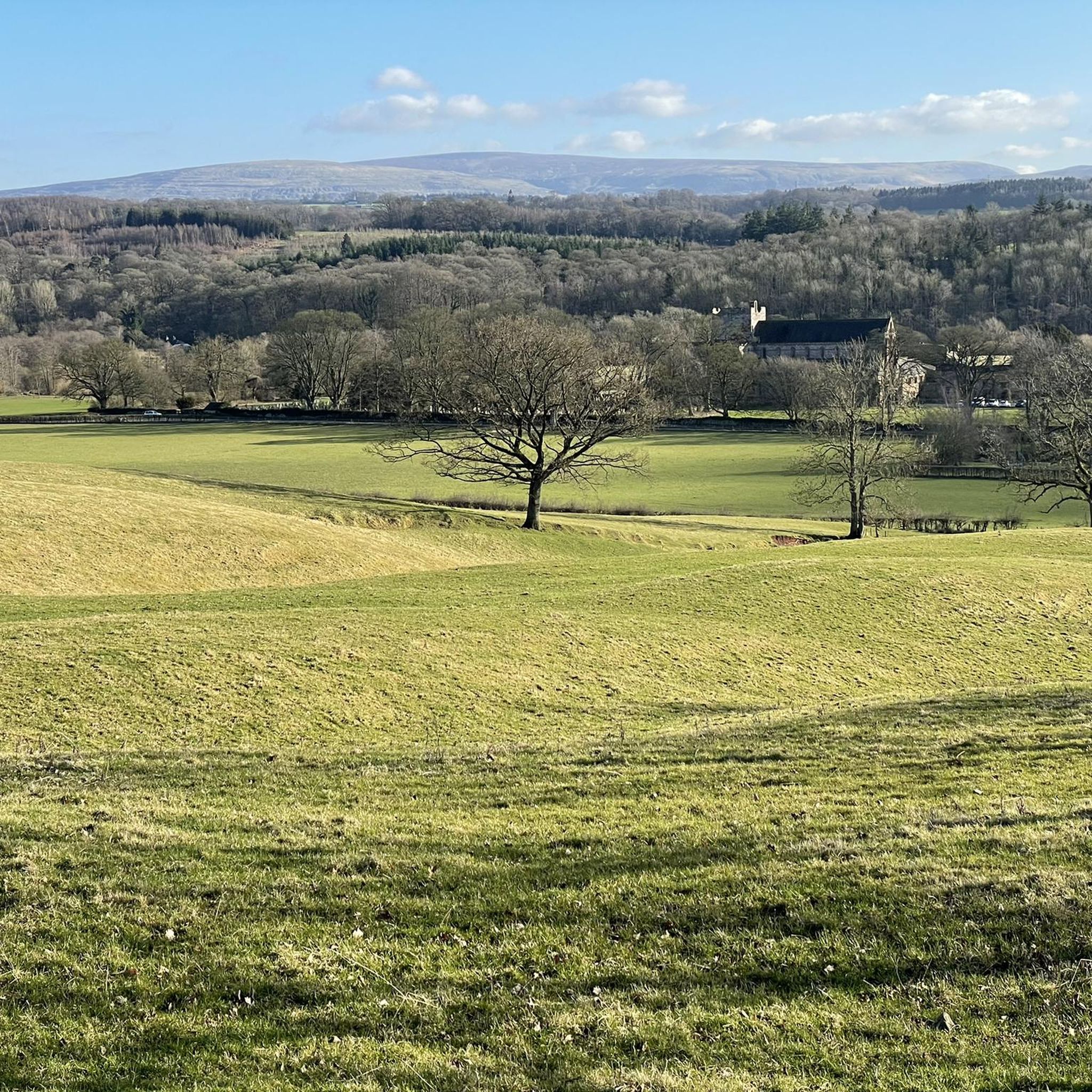
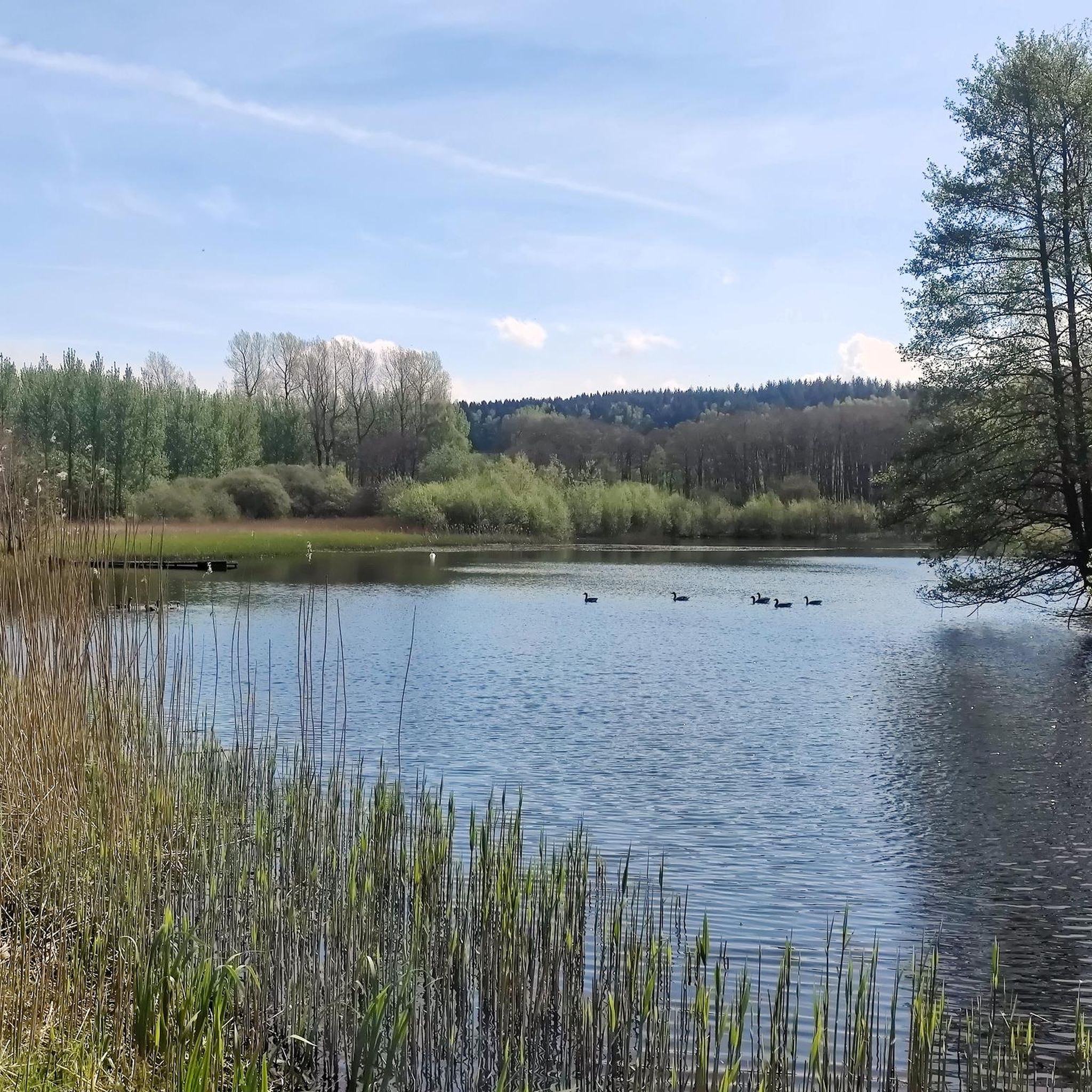
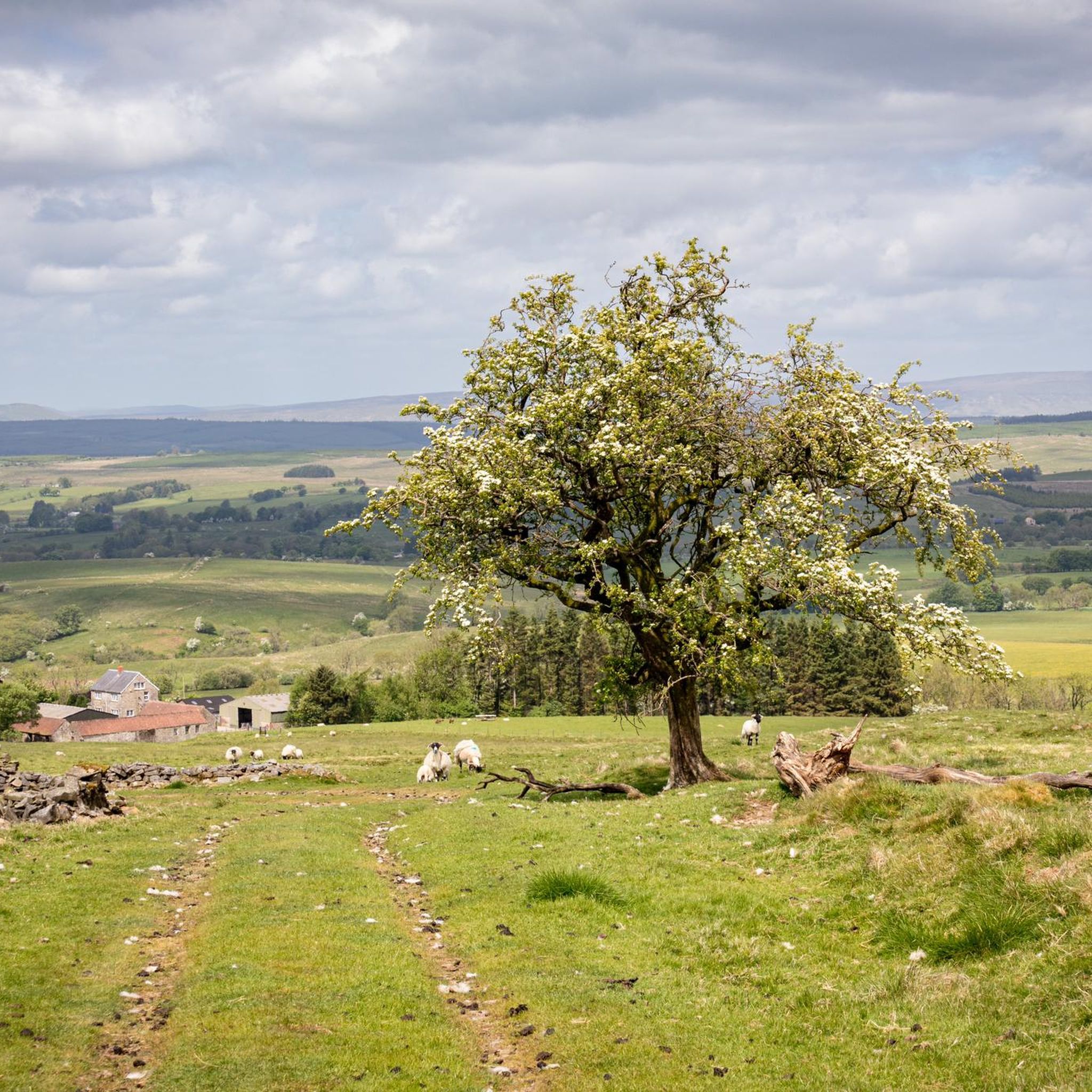
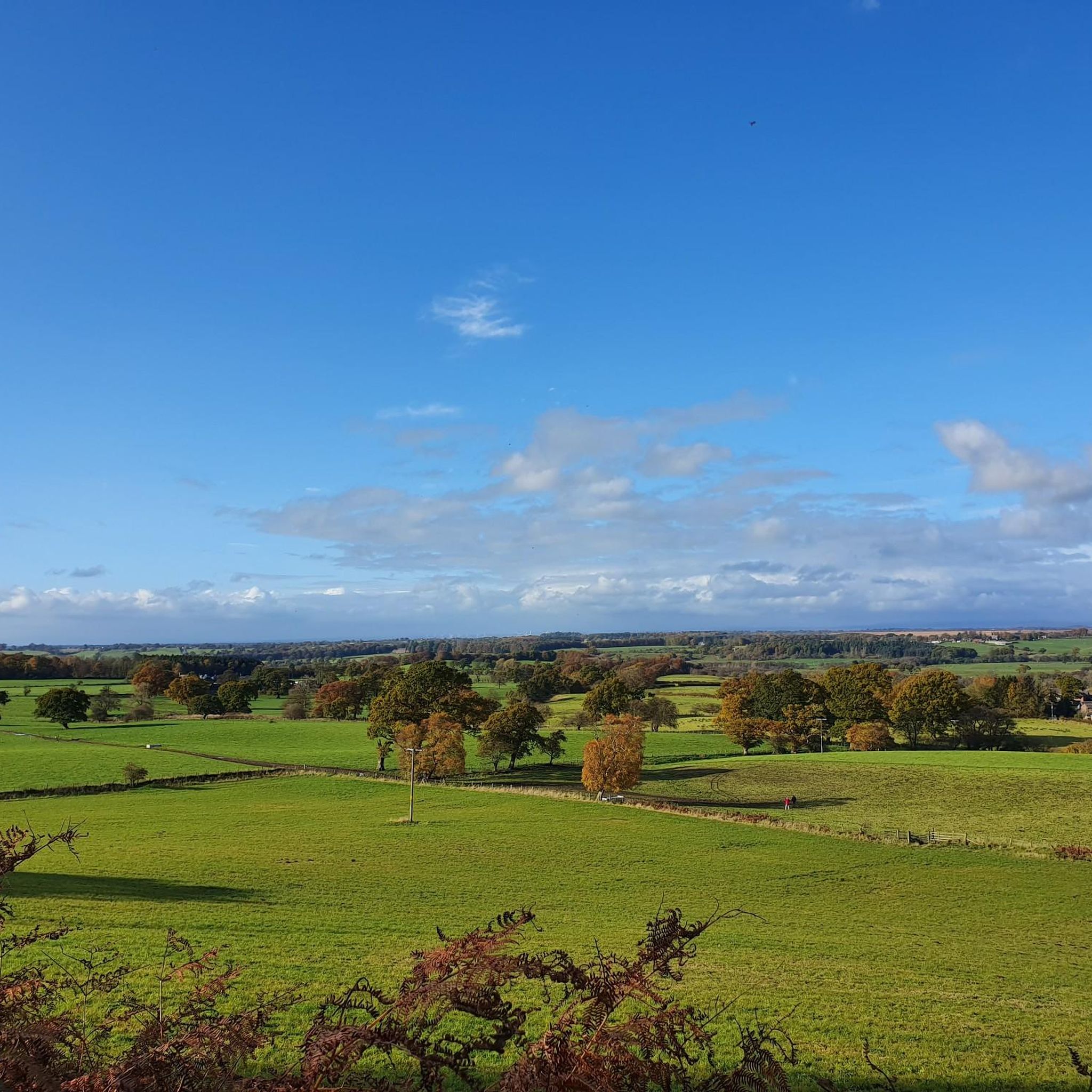
Tips from the Community

Built in 1724 by four local masons, this bridge replaced earlier wooden structures that had been destroyed by flooding. The bridge consists of two segmental arches: one over the river and one over the old Abbey Mill stream. The red sandstone, the triangular cutwaters, and the gently curving shape give it an authentic character.
11
0
Askerton Castle is a rare example of a fortified medieval manor house, situated in remote north Cumbria, about three miles north of Hadrian's Wall. The original building was constructed around 1290 as an unfortified hall, but in the late 15th century, two battlemented towers—the Dacre Tower and the Dovecot Tower—were added by Thomas, Lord Dacre, as part of a border defense against the notorious Border Reivers. In the 16th century, the complex was expanded with a stable block and additional wings for troop accommodation. A third tower on the northwest corner is believed to have been lost, possibly to fire, but traces of its stonework and staircases are still visible in the walls. The structure contains impressive oak beams, dated between 1494 and 1510, and shows clear stages of architectural evolution—from a simple hall to a military stronghold. Although the castle is not open to the public, it is now part of the Askerton Castle Estate, an organic farm that produces beef, lamb, pork, and poultry. The building is a Grade I listed building, indicating its exceptional historical value.
7
0
The ruins of Bewcastle Castle lie mysteriously tucked away in the northeastern corner of an old Roman fort in Cumbria. The original castle was built around 1092 on the foundations of the Fanum Cocidii fort and served as a border defense against Scottish incursions. Destroyed in 1173, it was rebuilt in the 14th century by John de Strivelyn, a general of King Edward III. The castle had a square plan of 27 meters, surrounded by a dry moat that partially utilized Roman ditches. Within the walls were buildings surrounding a small courtyard, with a gatehouse added later. The walls are up to 9 meters high, with visible windows and fireplaces on the second floor. Bewcastle Castle was strategically located on the Maiden Way, a Roman road leading to Hadrian's Wall, and played a role in conflicts with the notorious Border Reivers. Today the ruins are unstable and partly inaccessible, but they remain a powerful symbol of border defense and medieval architecture.
9
0


Originally built in the 12th century, and later strengthened using stones from nearby Hadrian’s Wall, Thirlwall Castle began to fall into disrepair in the 17th century. The site is protected by Grade I listed building and Scheduled Ancient Monument status. In 1999, Northumberland National Park Authority acquired a 99-year lease on Thirlwall Castle and 10 hectares of adjacent woodland. This is a great historic vista for the eyes for passing runners and why don't you come back for a picnic in the grounds when your not huffing and puffing so much.
1
0

An interesting ruin with a pleasant walk to get to it. Parking and information available in the local village.
0
0


Now Askerton Castle Estate is an organic livestock farm, you can buy great quality meat but you can't visit the castle.
0
0
Frequently Asked Questions
Which castles near Burtholme offer the most comprehensive historical experience?
For a deep dive into history, Thirlwall Castle Ruins, built with stones from Hadrian's Wall, offers a glimpse into border warfare. Although largely in ruins, Ruins of Bewcastle Castle also has a rich past, having been destroyed and rebuilt multiple times since the 11th century, and was strategically located on a Roman road. For a broader regional perspective, Carlisle Castle, though not directly in Burtholme, is a thousand-year-old fortress with a significant role in Anglo-Scottish history, featuring a 12th-century gatehouse and connections to Mary Queen of Scots.
Are there any well-preserved castles or ruins to explore near Burtholme?
Yes, you can explore the ruins of Thirlwall Castle Ruins, which are free to enter and offer a perfect picnic spot. The Ruins of Bewcastle Castle, though unstable in parts, provide a powerful symbol of border defense. Further afield in Cumbria, Brougham Castle offers substantial ruins with a massive Norman-style keep and panoramic views, while Sizergh Castle is a well-preserved, lived-in stately home with a 14th-century solar tower and extensive gardens.
Are there family-friendly castles to visit near Burtholme?
While Ruins of Bewcastle Castle is listed as family-friendly, its ruins are partly inaccessible. For a more interactive family experience, Muncaster Castle in the Western Lake District offers daily bird of prey flying displays and medieval combat workshops. Lowther Castle & Gardens, though a dramatic ruin, features a large adventure playground called "The Lost Castle," making it ideal for families.
Which castles near Burtholme are dog-friendly?
Many castle grounds in the wider Cumbria region are dog-friendly, especially those managed by English Heritage or the National Trust, though dogs may not be allowed inside buildings. For example, the grounds of Thirlwall Castle Ruins and Ruins of Bewcastle Castle are open for exploration and are suitable for dogs on leads. Always check specific castle websites for their most current dog policies before visiting.
What is the best time of year to visit the castles around Burtholme?
The spring and summer months (April to September) generally offer the most pleasant weather for exploring castle ruins and grounds, with longer daylight hours. This is ideal for enjoying the natural surroundings and any outdoor activities. Autumn can also be beautiful with changing foliage. Winter visits are possible, but some facilities might have reduced hours, and weather conditions can be more challenging, especially for exposed ruins.
Do any castles near Burtholme offer scenic views or natural surroundings?
Yes, several castles are set in picturesque locations. Ruins of Bewcastle Castle is surrounded by peaceful nature, used to graze sheep. Further afield, Brougham Castle offers panoramic views over the tranquil Eden Valley from its Tower of League. Muncaster Castle overlooks the Eskdale Valley and boasts 77 acres of gardens and ancient woodland. Sizergh Castle features a vast 1,600-acre estate with a limestone rock garden, wildflower gardens, and a lake.
Are there hiking or cycling routes that incorporate castles near Burtholme?
Yes, the region around Burtholme offers various routes that can be combined with castle visits. For hiking, you can find routes like "Lanercost Priory – Banks Turret – Hadrian's Wall loop from Mile Castle 53" or "Lanercost Priory – View Towards Banks loop from Burtholme" which are nearby. For cycling, consider the "Lanercost Priory – Hadrian's Wall loop from Burtholme" route. You can find more options on the Hikes from bus stations around Burtholme and Cycling around Burtholme guide pages.
Is parking available at the castles near Burtholme?
Parking availability varies by castle. For example, Thirlwall Castle Ruins is free to enter, implying accessible parking nearby. For other castles in the wider Cumbria region like Carlisle Castle, Brougham Castle, Muncaster Castle, Lowther Castle, and Sizergh Castle, dedicated parking facilities are typically available, often for a fee or included with admission. It's always advisable to check the specific castle's website for detailed parking information before your visit.
How much time should I allocate for visiting the castles?
The time needed varies greatly depending on the castle. For ruins like Thirlwall Castle Ruins or Ruins of Bewcastle Castle, you might spend 1-2 hours exploring the site and its immediate surroundings. Larger attractions like Carlisle Castle, Muncaster Castle, Lowther Castle & Gardens, or Sizergh Castle, with their extensive grounds, museums, and activities, could easily fill half a day or even a full day.
Are there facilities like cafes or shops near the castles?
While the immediate vicinity of Thirlwall Castle Ruins and Ruins of Bewcastle Castle might be more rural, many of the larger castles in Cumbria offer on-site cafes, gift shops, and visitor centers. For instance, Muncaster Castle, Lowther Castle, and Sizergh Castle all have amenities for visitors. For smaller sites, nearby villages or towns like Brampton will offer cafes, pubs, and accommodation options.
Can I find any unique or less-known castle experiences in the Burtholme area?
Yes, Askerton Castle is a rare example of a fortified medieval manor house, though it is not open to the public as it's part of an organic farm. Naworth Castle, a spectacular medieval castle from the 13th century, is still inhabited by the heir to the Earl of Carlisle and was once described as "the most poetical in England" by artist William Morris. While not always publicly accessible, these offer a unique historical context to the region.
Most popular attractions around Burtholme

Get inspired with the komoot mobile app


Explore more
Looking for the best castles somewhere else? Discover other guides around Burtholme:
