The best walks and hikes around Coleorton
4.6
(2121)
12,544
hikers
608
hikes
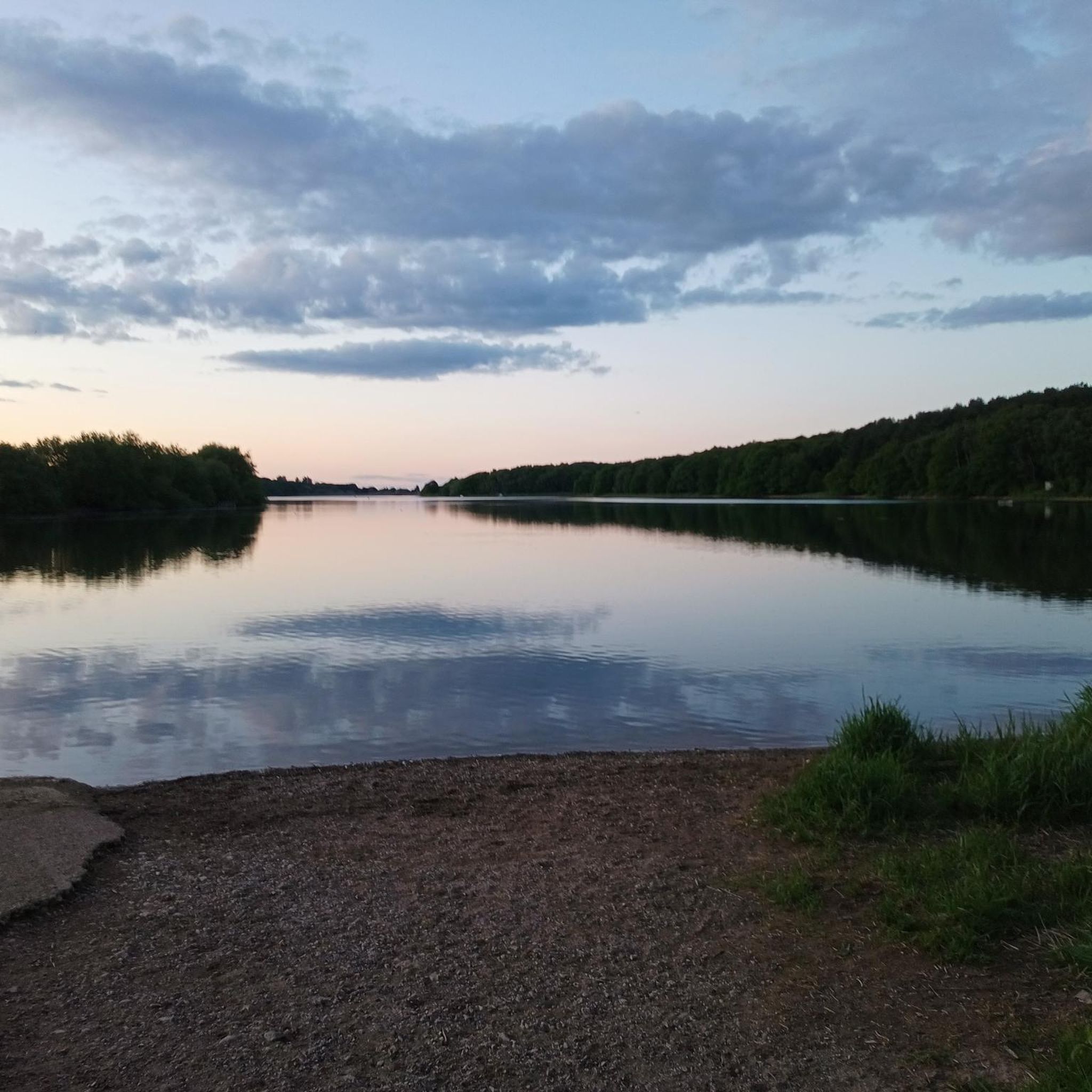
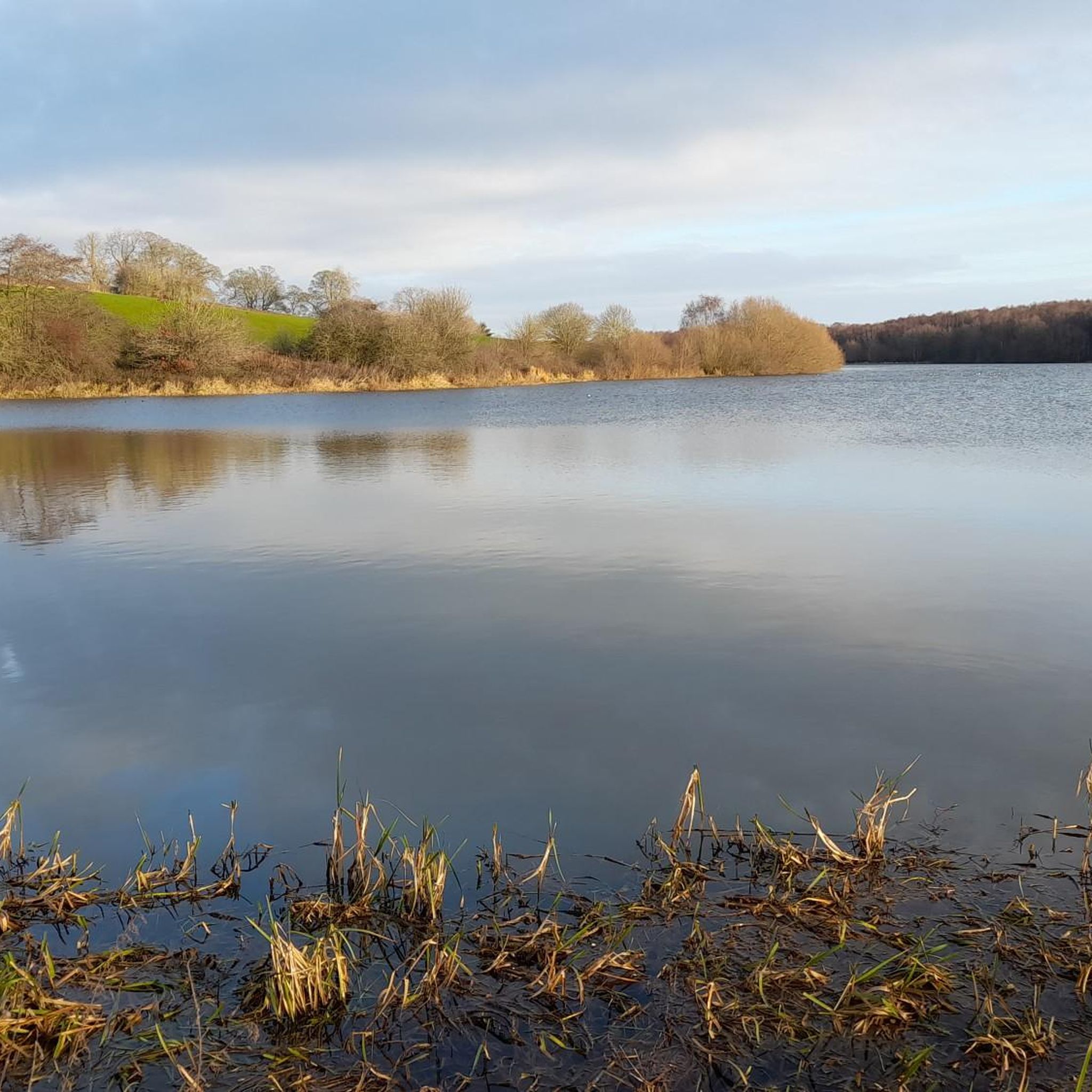
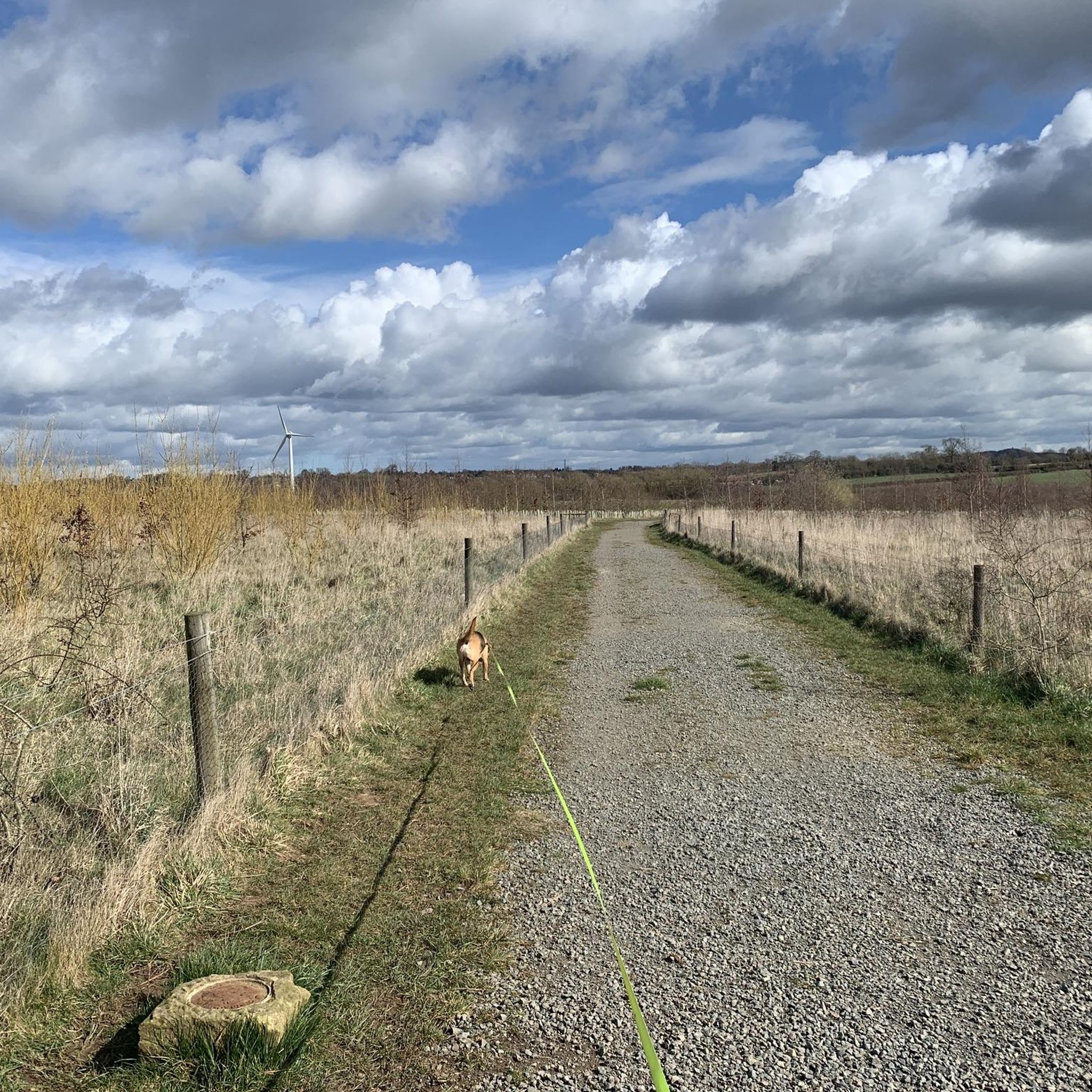
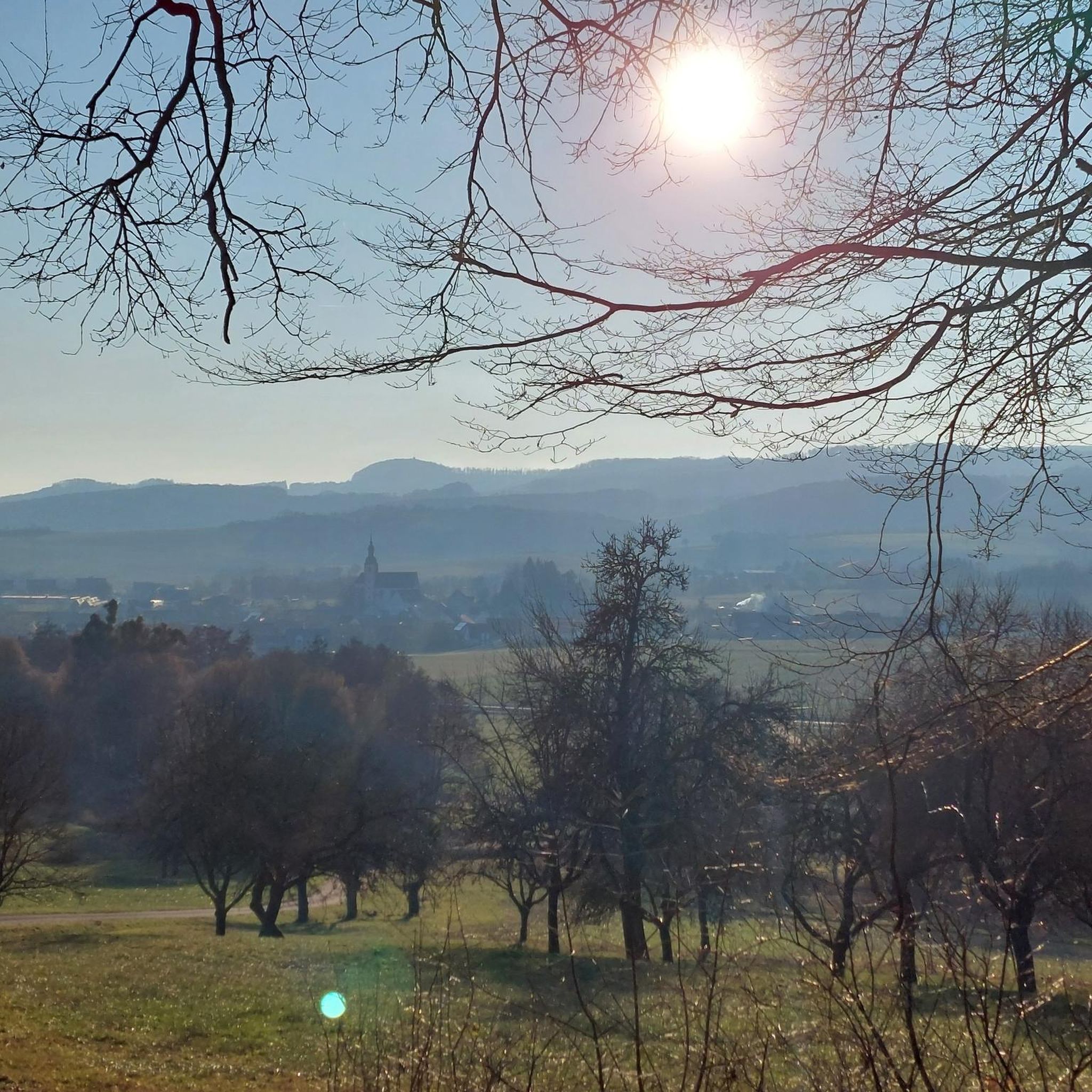
Hiking around Coleorton, located in northwest Leicestershire, offers diverse landscapes for outdoor enthusiasts. The area features a mix of woodlands, including Coleorton Wood, and former industrial sites that have been re-purposed into nature reserves like Dimminsdale and New Lount. The terrain includes open countryside and provides views towards the scenic Charnwood Forest.
Best hiking trails around Coleorton
- The most popular hiking route is Dimminsdale Nature Reserve – Staunton Harold Hall Lake loop from Staunton Harold, a 6.0 miles (9.7…
Last updated: October 9, 2026
4.9
(17)
46
hikers
Moderate hike. Good fitness required. Easily-accessible paths. Suitable for all skill levels.
3.6
(5)
39
hikers
Easy hike. Great for any fitness level. Easily-accessible paths. Suitable for all skill levels.

3.0
(1)
26
hikers
Easy hike. Great for any fitness level. Easily-accessible paths. Suitable for all skill levels.
5.0
(1)
38
hikers
6.67km
01:45
60m
60m
Easy hike. Great for any fitness level. Easily-accessible paths. Suitable for all skill levels.
4.5
(2)
9
hikers
10.0km
02:39
90m
90m
Moderate hike. Good fitness required. Easily-accessible paths. Suitable for all skill levels.
Get access to more routes and recommendations from other explorers.
Already have an account?
Our route recommendations are based on thousands of hikes, rides, and runs completed by other people on komoot.
Start today with a free account
Your next adventure awaits.

Tips from the Community

Formerly a colliery site, it features diverse woodland, grassland, and wetland ponds, making it a popular, dog-friendly destination for relaxing walks, historical exploration, and birdwatching.
0
0

The puddle at the Staunton Harold entrance has been fixed! New drainage and gravel - it’s loose chunky gravel, so go slowly on that corner!
0
0

There was a church in the town in the 11th century, but the core of the present building mainly dates from work started in 1474, when the church was rebuilt by the 1st Baron Hastings at the same time that he converted his neighbouring manor house into a castle. The church was refurbished in about 1670 to create more space, but the large & increasing size of the congregation led to further work in 1829, and a major rebuild in 1878–80. Domesday recorded that a priest was resident in Ashby, and that the church dedicated to St Helen consisted only of a nave. In about 1144, Philip Beaumains, lord of the Manor of Ashby, granted the church, its lands and revenues to the Augustinian community of Lilleshall Abbey, which retained possession until 1538. Parts of the current nave & chancel date from the C14, but the church was rebuilt and enlarged by William Hastings in 1474, at the same time that he erected the tower at the castle.
0
0
In the late nineteenth century the Catholic congregation of Ashby worshipped in a temporary church in Prior Park Road. It is said that Flora Hastings, Duchess of Norfolk and daughter of the Countess of Loudon left a bequest of jewellery to be sold for the purpose of building a church at her death in 1887. Her husband, the fifteenth Duke of Norfolk, commissioned the architect F. A. Walters to provide the design. The site was purchased in 1910 and the foundation stone was laid in August 1913. Building was interrupted by the war and by the death of the Duke in 1917 but the church was finished and in use by 1920. Walters’s original drawings for the church are in the Duke of Norfolk’s archives at Arundel Castle.
0
0
The memorial is to Edith, Lady Maud Hastings, Countess of Loudoun, a member of the ancient Hastings family who had been important in this area for centuries. As a sort of "lady of the manor" she was much loved by the townspeople, and died at Ventnor on the Isle of Wight in 1874. It was one of the last designs by the eminent architect Gilbert Scott, and completed in 1879, the year after his death. The design is based on the Eleanor Crosses, set up by Edward I as memorials to his Queen, Eleanor of Castile, at places where her body rested on its way to London. Only three of these remain - at Geddington and Hardingstone in Northamptonshire and at Waltham Cross in Hertfordshire, just outside the Essex town of Waltham Abbey. The inscription on the memorial is by Benjamin Disraeli. The Loudoun Memorial stands on the site of Gawbey's Hole, a water pump where much gossiping was wont to take place.
0
0
Frequently Asked Questions
What types of landscapes can I expect to see while hiking around Coleorton?
Coleorton offers a diverse mix of landscapes, including ancient woodlands like Coleorton Wood, former industrial sites re-purposed into nature reserves such as Dimminsdale and New Lount, and open countryside. You'll also find views towards the scenic Charnwood Forest.
Are there many easy hiking trails suitable for beginners or families in Coleorton?
Yes, Coleorton has a good selection of easy trails. Over 370 routes are classified as easy. For example, the New Lount Nature Reserve loop from North West Leicestershire is an easy 3.5-mile path through species-rich grassland and ponds. Another accessible option is the Ashby de la Zouch Castle – St Helen's Church loop from Ashby-de-la-Zouch, which is 3.1 miles and leads through historical sites.
Can I bring my dog on the hiking trails in Coleorton?
Many trails in Coleorton are dog-friendly, especially those through woodlands and open countryside. However, it's always best to keep dogs on a lead, particularly in nature reserves like Dimminsdale and New Lount, to protect wildlife and livestock. Always check local signage for specific restrictions.
Are there any historical or cultural points of interest along the hiking routes?
Yes, Coleorton has a rich history, particularly its mining heritage. The Coleorton Heritage Trail is specifically designed to take in several historically interesting sites. You can also explore routes that pass by sites like Deer Park at Calke Abbey or the Ashby de la Zouch Castle, which is featured in the Ashby de la Zouch Castle – St Helen's Church loop.
What are the best options for parking when visiting Coleorton for a hike?
Parking is generally available at key starting points for trails. For instance, Coleorton Wood offers free parking. Many nature reserves and popular trailheads in the area also provide designated parking facilities, though some may have limited spaces or require a small fee.
Are there any circular walks available in the Coleorton area?
Yes, many of the hiking routes around Coleorton are circular, offering convenient starting and ending points. Examples include the popular Dimminsdale Nature Reserve – Staunton Harold Hall Lake loop and the New Lount Nature Reserve loop. The wider region also features sections of longer circular trails like the Ivanhoe Way.
What kind of wildlife can I expect to see on the trails?
The nature reserves and woodlands around Coleorton are rich in wildlife. Coleorton Wood supports over 30 species of trees, small birds, and mammals. New Lount Nature Reserve is home to grass snakes, bee orchids, and bats. Keep an eye out for diverse birdlife and various plant species throughout the area.
Are there any pubs or cafes near the hiking trails in Coleorton?
Yes, the Coleorton area has local inns and pubs that are popular with hikers for refreshments after a walk. While specific cafes might be in nearby villages, you'll often find welcoming establishments within a short distance of many trailheads.
What is the best time of year to go hiking in Coleorton?
Coleorton offers enjoyable hiking year-round. Spring brings blooming wildflowers and fresh greenery, while autumn showcases vibrant foliage in the woodlands. Summer is ideal for longer days and exploring open countryside, and even winter walks can be beautiful, especially in the quiet woodlands, though appropriate gear is recommended.
What do other hikers enjoy most about the trails in Coleorton?
The trails in Coleorton are highly rated by the komoot community, with an average score of 4.6 stars from over 1800 reviews. Hikers often praise the diverse landscapes, the tranquility of the woodlands, the well-maintained paths, and the blend of natural beauty with historical interest.
Are there any specific trails that offer good viewpoints or scenic vistas?
Many routes in Coleorton offer pleasant views, particularly those that traverse open countryside or higher ground. The wider landscape provides views towards Charnwood Forest, and trails through areas like Jaguar Lount Wood and Bignall's Wood offer picturesque woodland scenery.
How many hiking trails are there in Coleorton?
There are over 630 hiking routes available around Coleorton, catering to a wide range of preferences and fitness levels. This includes a mix of easy, moderate, and some more challenging trails.
Most popular attractions around Coleorton

Get inspired with the komoot mobile app


Explore more
Browse the best Hikes in other regions.
