The best walks and hikes around New Forest
4.6
(804)
5,734
hikers
196
hikes
Hikes around New Forest explore a landscape of ancient woodlands, expansive lowland heath, and a varied coastline. The region is characterized by a network of waymarked footpaths and bridleways that cross relatively flat terrain with some gentle hills. The area is also known for its free-roaming ponies, cattle, and donkeys, which have shaped the environment over centuries.
Best hiking trails around New Forest
- The most popular hiking route is Marrick High and Low Hill and Old Waterwheel loop from Marske…
Last updated: September 28, 2026
4.6
(9)
21
hikers
Moderate hike. Good fitness required. Mostly accessible paths. Sure-footedness required.
24.5km
06:47
440m
440m
Hard hike. Very good fitness required. Mostly accessible paths. Sure-footedness required.

4.7
(13)
62
hikers
8.06km
02:21
210m
210m
Moderate hike. Good fitness required. Easily-accessible paths. Suitable for all skill levels.
4.7
(6)
27
hikers
4.50km
01:13
60m
60m
Easy hike. Great for any fitness level. Easily-accessible paths. Suitable for all skill levels.
4.3
(4)
20
hikers
11.7km
03:16
220m
220m
Moderate hike. Good fitness required. Easily-accessible paths. Suitable for all skill levels.
Get access to more routes and recommendations from other explorers.
Already have an account?
Our route recommendations are based on thousands of hikes, rides, and runs completed by other people on komoot.
Start today with a free account
Your next adventure awaits.

Tips from the Community

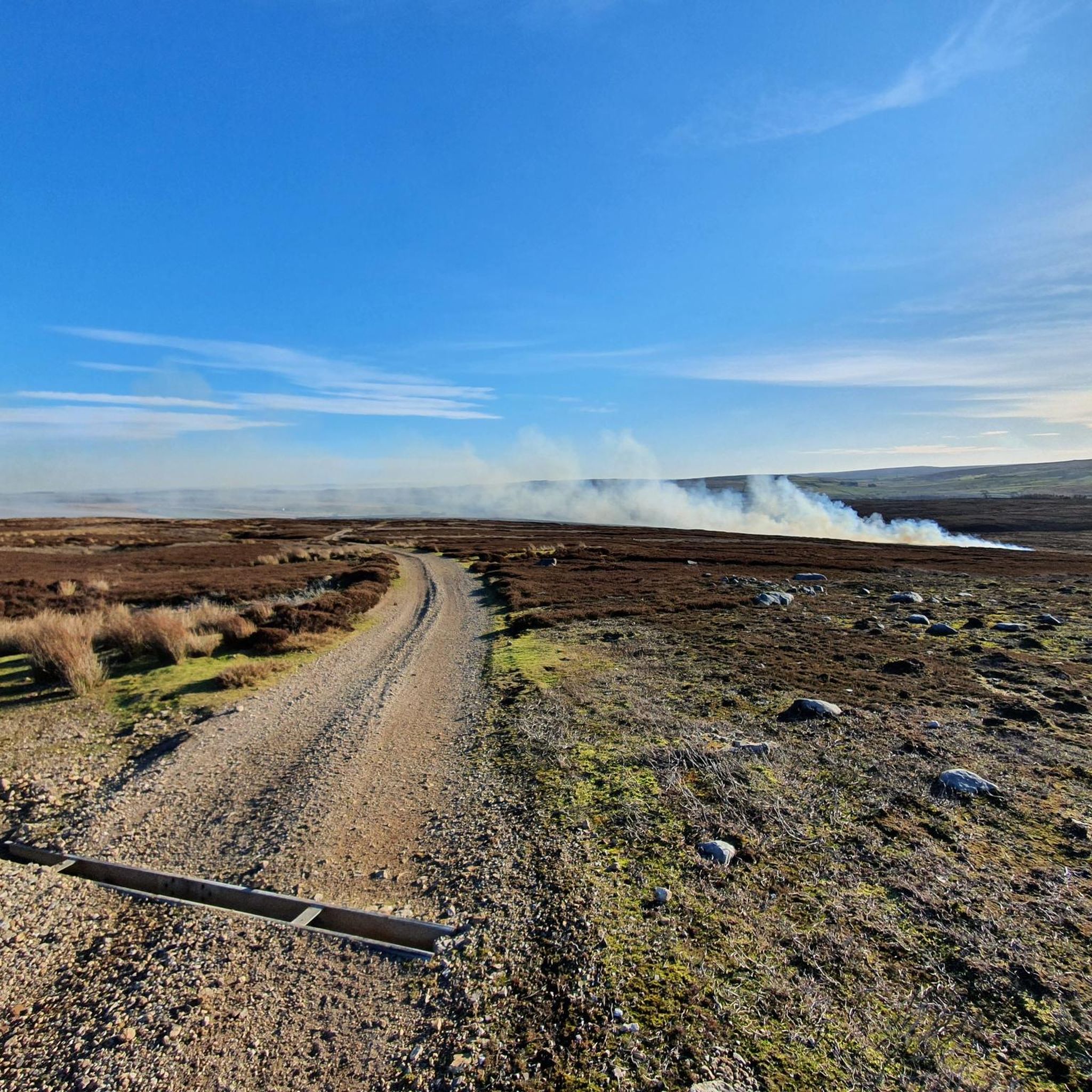
Arndale Hill is a summit (516m) on Hope Moor with an interesting cairn on it. It's going to be windy here, in all likelihood! To the north, you have The Stang (forest), and the extensive 360-degree views from up here of the moors, North Pennines (north) and towards Arkengarthdale (south) enrich the soul.
1
0
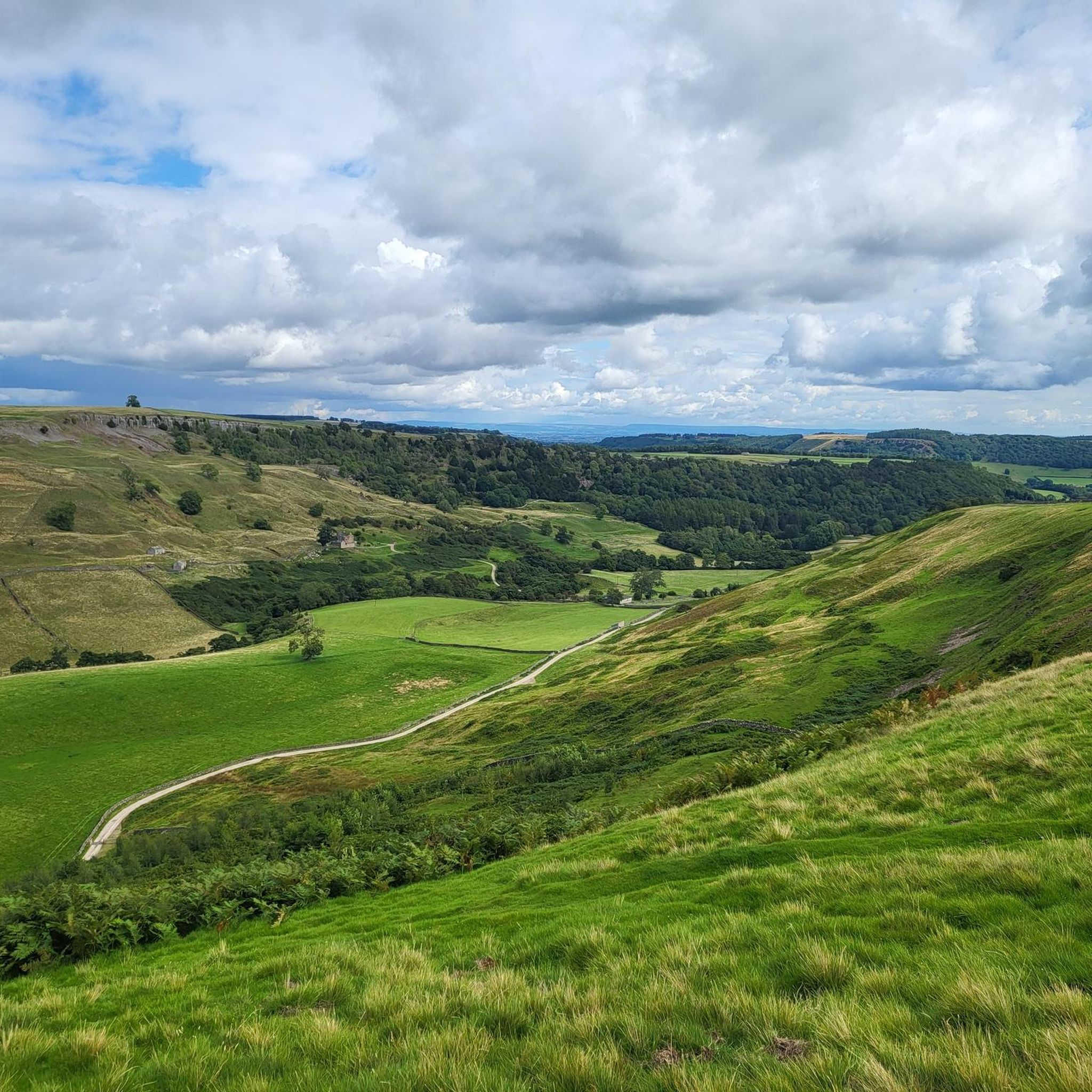
It's worth walking up to Elsey Crag, which is a band of rock on Faggergill Moor, precisely on the border between Yorkshire Dales and North Pennines. The views are spectacular - the surrounding space is amazing! Whether looking to the north (Bowes), to the east (The Stang forest) or to the south (Arkengarthdale), you will be richly rewarded for making your legs do what they have been designed to do: walk.
1
0
Excellent views from this not-too-high and not-too-difficult to reach Citron Seat (446m) on Gilmonby Moor. From here, you will see all the way to Bowes and Barnard Castle (on a clear day, of course), and you should be able to make out Mickle Fell (north of Kirkby Stephen) in the far distance on the horizon where the North Pennines start.
1
0
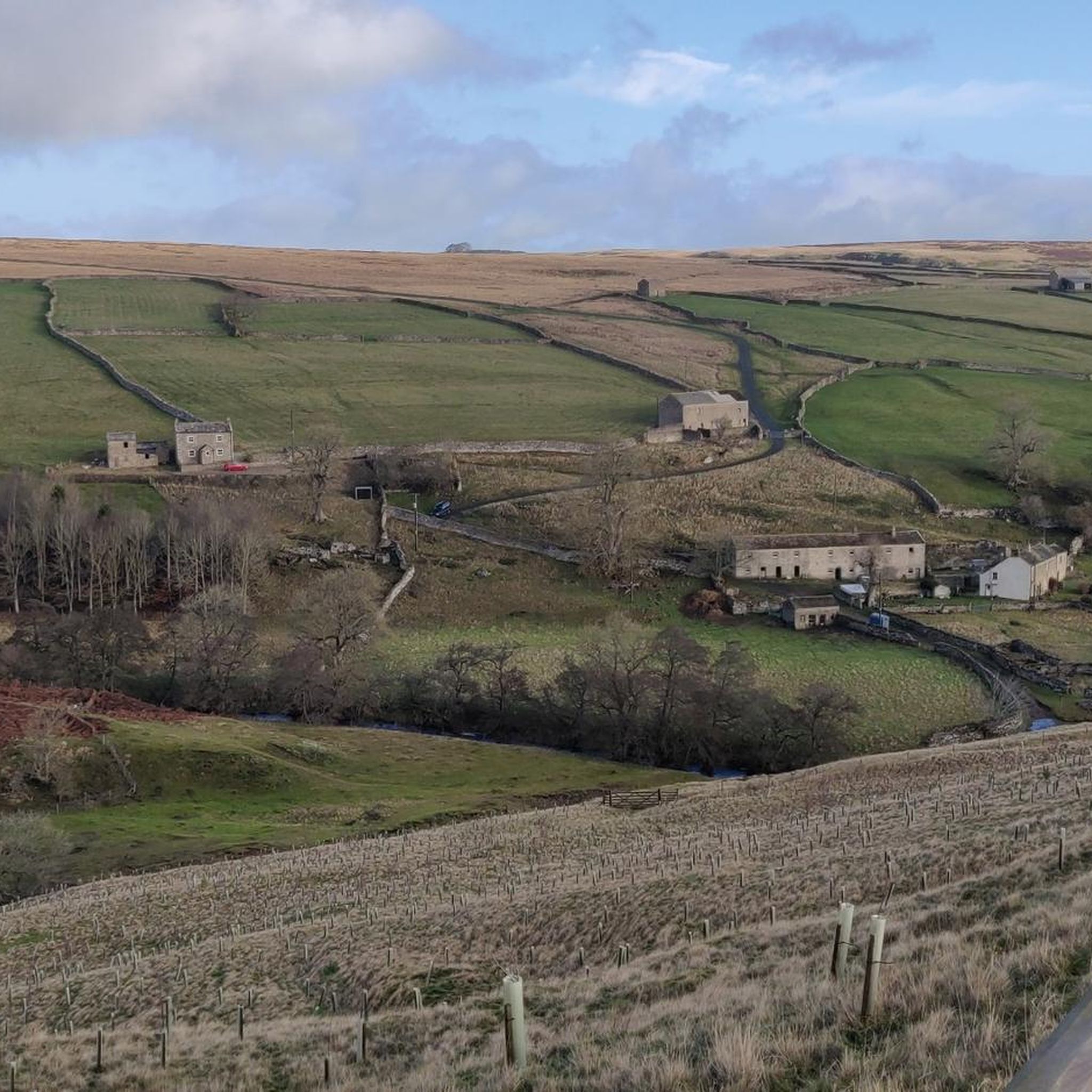
The remains of two smelting (lead) mills are to be found here. In the Marrick Low Mill, a sycamore tree is growing out of the ruins, and the High Mill is on the hill above. The mill (at least the High one, not sure about the Low one) was built by Thomas Swinbourne around 1660. Mike Gill in his book "Swaledale, its Mines and Smelting Mills" describes it as the best-preserved 17th century smelting mill in Britain, perhaps in the world.
1
0
Right next to Pillimire Bridge is this Old Waterwheel. It's difficult to find more information on it, but Historic England has it listed as a Grade-II listed building. Apparently, it dates back to the 17th century and used to generate electricity for the nearby Skelton Hall.
1
0
You're crossing here a stream that seems to have many different names. Here, it is indeed Ellers Beck, but upstream it's Dales Beck, before joining River Swale, it's Oxque Gill, and downstream it's North Gill! Whatever it's called, it's gorgeous.
3
0

This church, registered as a monument, dates back to the 12th century. In 1683 a lot of work was done on the church and in the 19th century the choir was rebuilt. Walkers can go to the back of the church for snacks, drinks and ... blister plasters. Of course you pay correctly (there is a clear price list) via the honesty box.
1
0

Frequently Asked Questions
What is the terrain like for hiking in the New Forest?
The New Forest offers a unique mix of landscapes. Expect to hike through ancient woodlands with majestic oaks and beeches, across vast open heathlands that are rarer than rainforests, and along a surprisingly varied coastline. The terrain is generally flat with some gentle hills, making it accessible for most fitness levels.
Are the walking trails in the New Forest dog-friendly?
Yes, dogs are widely welcomed on trails in the New Forest. However, it's crucial to keep them under control, especially between March and July during the bird nesting season. You must also be mindful of the free-roaming ponies, cattle, and donkeys that are a defining feature of the park.
What are some good options for family-friendly walks?
The New Forest is excellent for families. Many trails are short, flat, and engaging. For a great day out, consider visiting the Bolderwood Deer Sanctuary, which has a dedicated viewing platform and several easy, well-marked trails. Another gentle option is the St. Edmund's Church – Orgate Force Waterfall loop from Marske, a relatively short and easy walk.
Can I get to the New Forest trails using public transport?
Yes, several trails are accessible by train. Brockenhurst station, in particular, is a major hub with direct access to walking routes. For example, the highly-regarded Roydon Woods Nature Reserve is just a 15-minute walk from the station, allowing you to start your hike without a car.
What should I know about parking in the New Forest?
There are numerous car parks throughout the New Forest, but they can get very busy, especially on weekends and during holidays. Popular spots like Blackwater Arboretum and Bolderwood often fill up early. It's always a good idea to arrive early to secure a space or have a backup walking location in mind.
What kind of wildlife can I expect to see on a hike?
Wildlife is a highlight of any New Forest walk. You are almost guaranteed to see the famous free-roaming ponies. The area is also home to donkeys, cattle, and, in autumn, pigs (during pannage season). For a more guaranteed sighting, the Bolderwood Deer Sanctuary offers a viewing platform to see fallow deer. The heathlands are also a vital habitat for rare birds like the Dartford warbler.
Are there any long-distance or challenging hikes available?
While the New Forest is known for its gentle terrain, there are options for those seeking a longer challenge. You can find full-day hikes that cover significant ground, such as the Citron Seat and Arndale Hill loop from Murker Hill. This difficult 15.2-mile (24.5 km) route requires good stamina and rewards hikers with expansive views.
When is the best time of year to hike in the New Forest?
The New Forest offers something special in every season. Late summer (August and September) is particularly stunning when the heather turns the heathlands into a sea of purple. Autumn brings beautiful colours to the woodlands and the unique sight of pigs roaming free for pannage. Spring offers fresh growth and fewer crowds.
Are there many circular walks in the New Forest?
Yes, the majority of waymarked trails in the New Forest are circular, making logistics very simple. These loops are designed to take you on a journey through varied scenery and bring you back to your starting point. The St. Edmund's Church – Bridge Over Ellers Beck loop from Marske is a great example of a moderate circular walk that showcases the region's character.
What do other hikers think of the trails in the New Forest?
The hiking routes in the New Forest are highly rated by the komoot community, with an average score of 4.7 out of 5 stars. Reviewers often praise the unique experience of walking among free-roaming animals, the beauty of the ancient woodlands, and the well-maintained network of paths.
Are there any walks with waterfalls?
While the New Forest isn't known for dramatic waterfalls, some routes follow its rivers and streams where you can find smaller cascades and weirs. The Orgate Force Waterfall – St. Edmund's Church loop from Marske is a popular choice that incorporates a pleasant waterfall feature into the walk.
What are some of the most scenic spots for hiking in the New Forest?
For classic woodland scenery, the Blackwater Arboretum is a must-visit, featuring trails among towering Douglas firs. For expansive views across the heathland, head to areas like Rockford Common. For a mix of history and nature, the area around Buckler's Hard on the Beaulieu River offers beautiful riverside paths.
Most popular attractions around New Forest

Get inspired with the komoot mobile app


Explore more
Browse the best Hikes in other regions.
