Attractions and Places To See around Wilsdruff - Top 20
Best attractions and places to see around Wilsdruff offer a blend of historical landmarks, cultural sites, and natural features. This town, with over seven centuries of history in Saxony, Germany, is located near Dresden on the western edge of the Tharandter Forest. The region provides opportunities for exploring charming old buildings and engaging in various recreational activities. Wilsdruff's proximity also allows access to major attractions in the state capital.
Best attractions and places to see around Wilsdruff
- The most popular…
Last updated: August 29, 2026
Gohlis Windmill
Highlight • Monument
Translated by Google •
Tip by

Procession of Princes Dresden
Highlight • Monument
Translated by Google •
Tip by

Sign up now to discover places like this
Get recommendations on the best single tracks, peaks, & plenty of other exciting outdoor places.
Sign up for free
Frauenkirche, Dresden
Highlight • Religious Site
Translated by Google •
Tip by

Semper Opera House, Dresden
Highlight • Monument
The first building was destroyed in a fire in 1869, the second in the air raids in February …
Translated by Google •
Tip by

Dresden Royal Palace
Highlight • Castle
Translated by Google •
Tip by

Sign up for free to discover even more attractions around Wilsdruff.
Sign up for free
Already have an account?
Start today with a free account
Your next adventure awaits.
Login or Signup
Popular around Wilsdruff
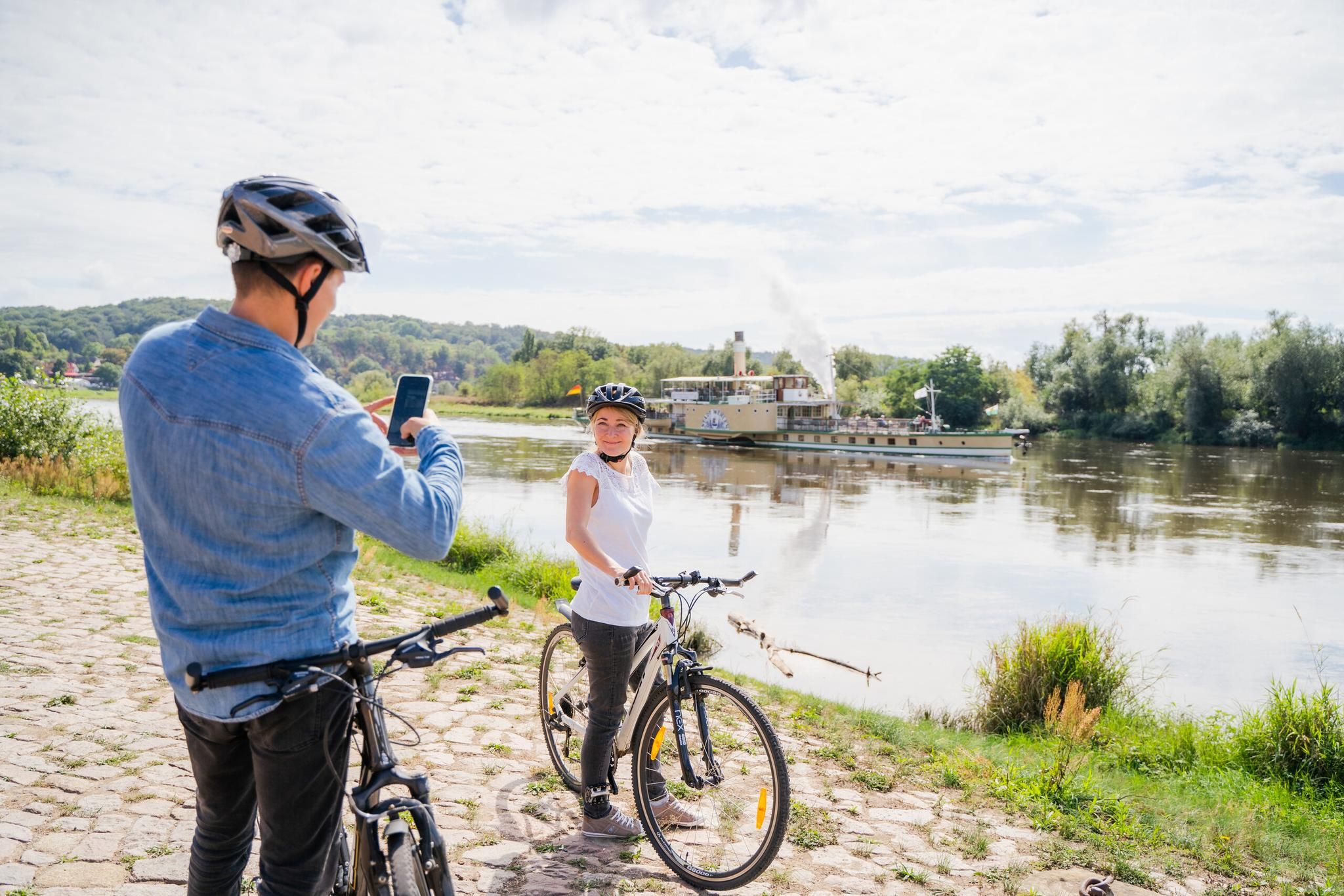
Fun on two wheels – e-bike Tours through Dresden Elbland
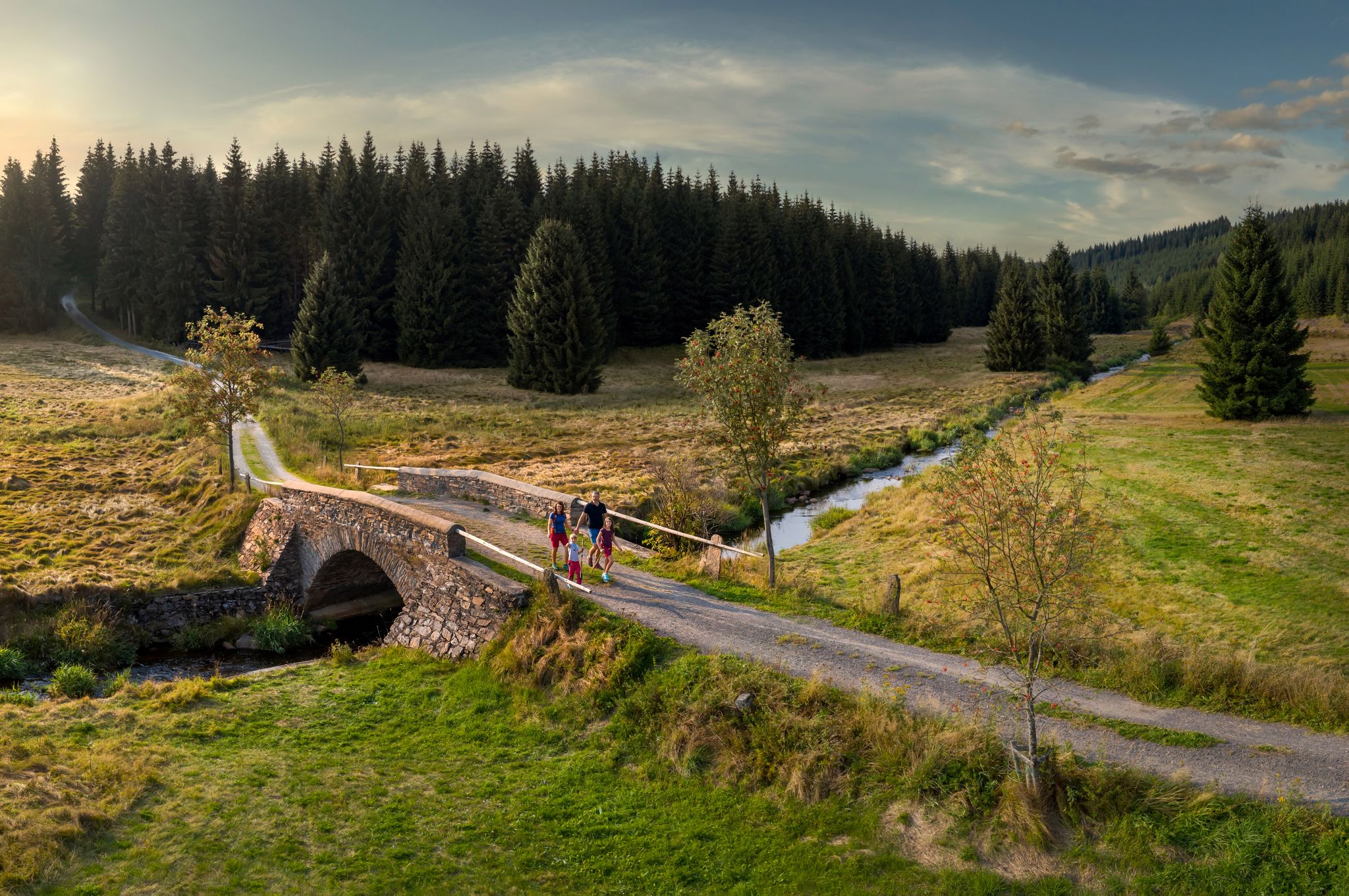
‘Good luck’ in the hiking paradise of the Ore Mountains
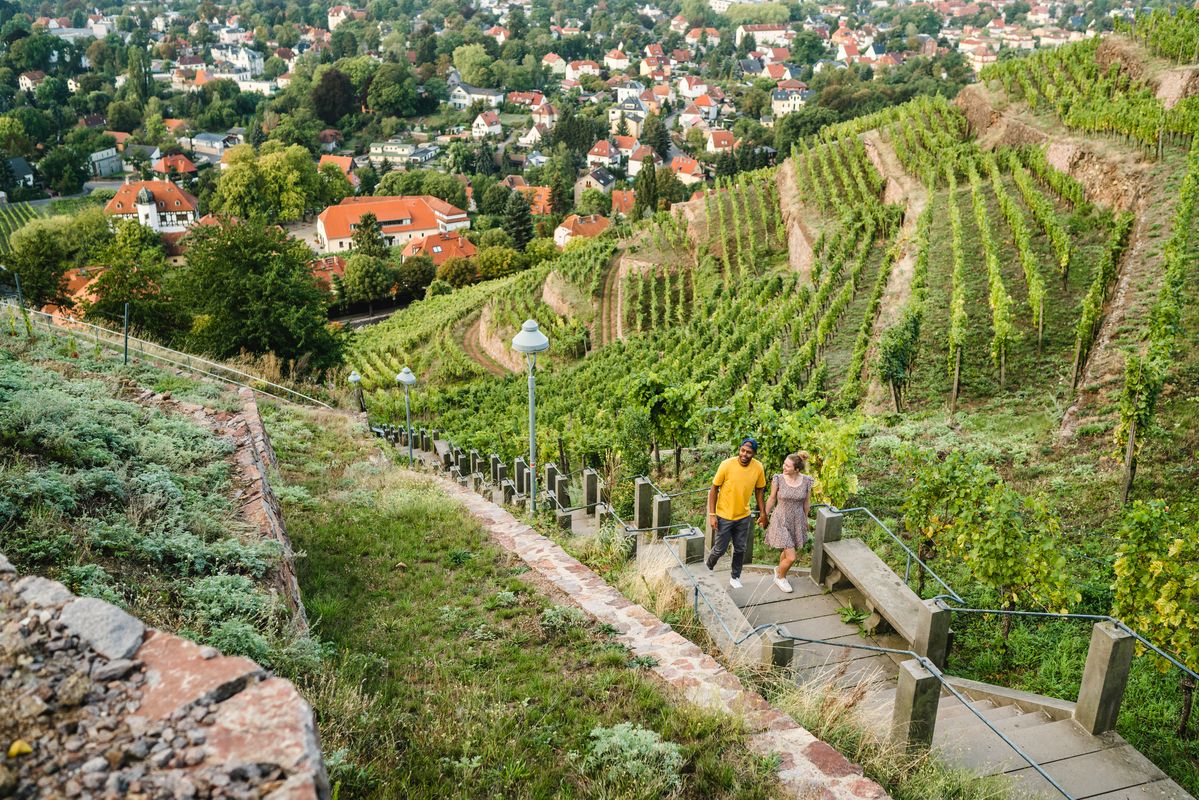
Great places closer to home – nature and fun in the Dresden Elbland
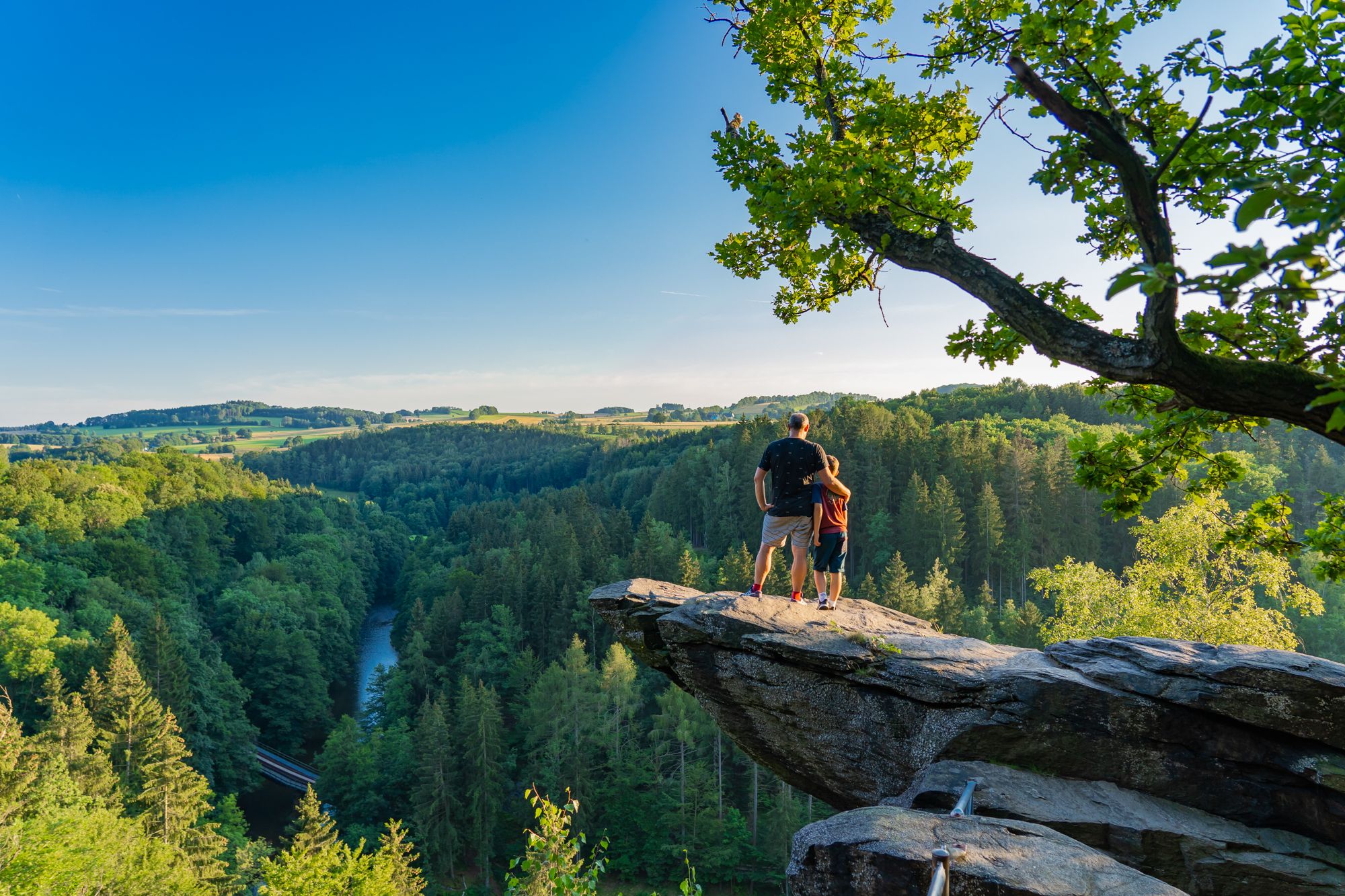
Wandertouren - Gipfelglück
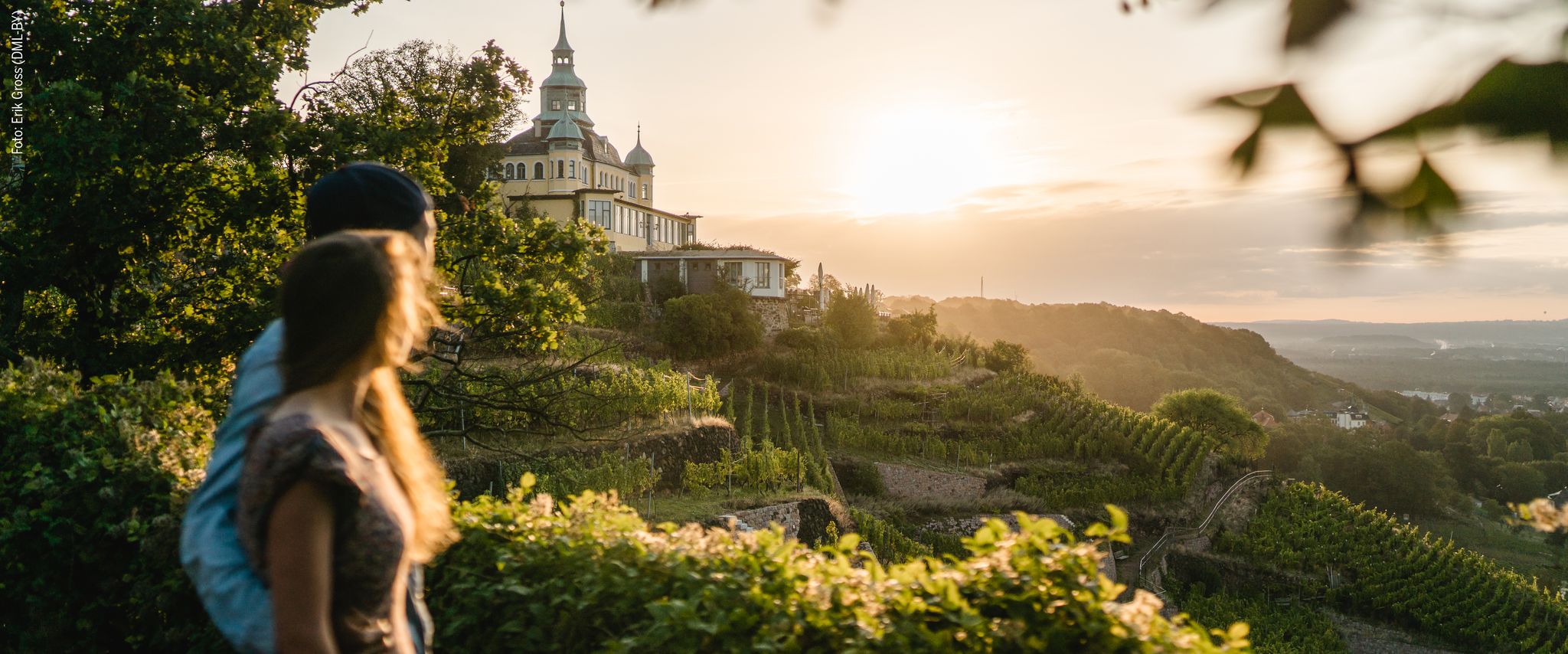
Natur entdecken – 10 Wandertouren abseits der Hauptpfade im Dresden Elbland
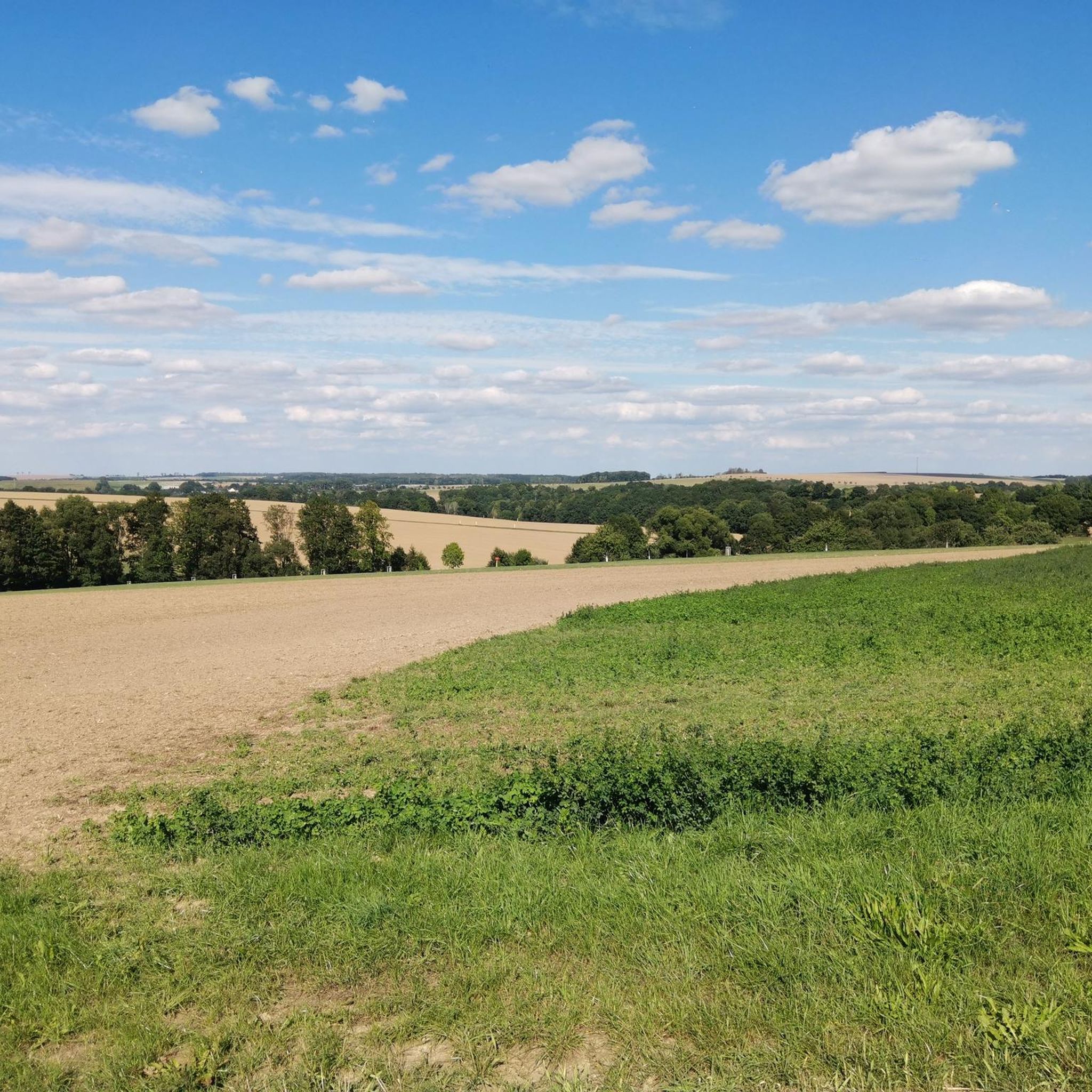
Hiking around Wilsdruff
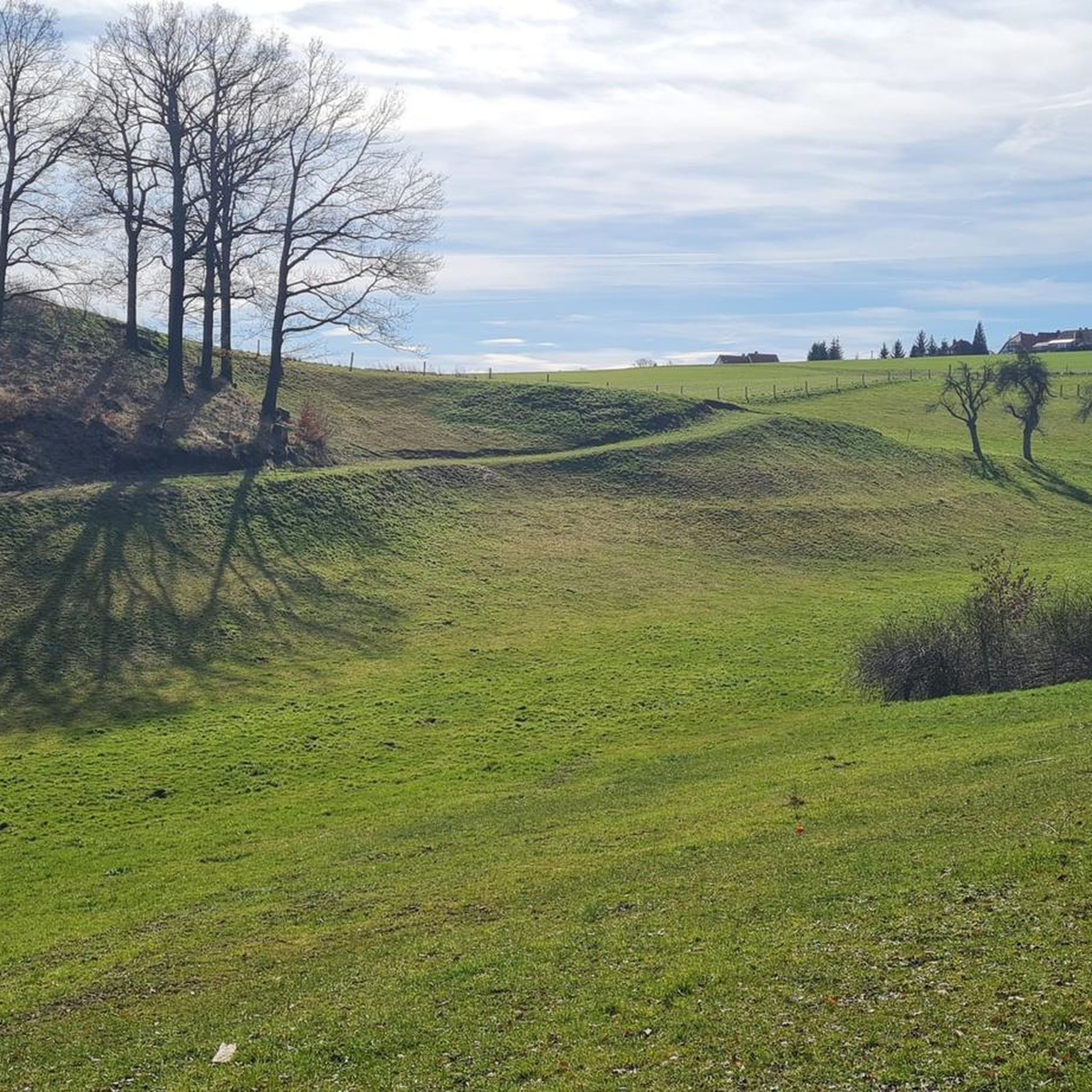
Cycling around Wilsdruff
Running Trails around Wilsdruff
Road Cycling Routes around Wilsdruff
MTB Trails around Wilsdruff
Other adventures around Wilsdruff


Tips from the Community

The Dresden Residence Palace, once the seat of electors and kings, was extensively restored after its destruction in 1945 and now shines in its former glory. As part of the State Art Collections, it houses important exhibitions such as the Green Vault, the Armory and the Coin Cabinet, while the Hausmann Tower offers an impressive view of the city. You can find more information and opening times here: https://www.skd.museum/besuch/residenzschloss/.
9
1

The Dresden Residence Palace is a Renaissance building in the city center of Dresden. It was the seat of the Dresden court and the residence of the Saxon electors (1547–1806) and kings (1806–1918). As the ancestral seat of the Albertine line of the House of Wettin, it played a key role in the political and cultural development of Dresden and Saxony from the 16th century onwards. The Residence Palace is one of the oldest buildings in the city and is significant in terms of architectural history, as all styles from Romanesque to historicism have left their mark on the building. It received its current appearance in the neo-Renaissance style during the major palace reconstruction in 1889–1901.
15
1

The Dresden Frauenkirche, a magnificent baroque building, dominates the cityscape of Dresden with its imposing stone dome - the largest north of the Alps. This architectural jewel also stands as a profound symbol of historical events. Destroyed in the Second World War, it remained in ruins for decades until it was finally faithfully rebuilt from its own remains. Of the millions of stones used, approximately 3800 original stones were reused. Today, the Frauenkirche is more than ever a symbol of peace and reconciliation. As a symbol of the city, it shines again in all its grandeur and reminds us of the indefatigable possibility of restoration and hope.
28
2

Beautiful and very impressive 🙂
22
1

The Procession of Princes is a huge work of art made up of painting and porcelain/ceramic tiles. It depicts the rulers of Saxony and is a certain journey through time through the centuries and epochs. The work of art is about 150m long and impressive. It is located between the Residenzschloss and the Frauenkirche. A must if nsn is in Dresden.
27
1

Several museums are now housed in the castle, including the historical and green vaults. It is advisable to look around for tickets in good time. A visit is definitely worth it.
28
2
The Fürstenzug is one of the few buildings that survived the bombing of World War II almost unscathed.
34
2

The sight of the Frauenkirche is very impressive when you first see it. In any case, you should climb the stairs up to the observation dome. This is where the enormous dimensions of this building become apparent when you look into the interior of the church. Once you reach the top you will be rewarded by the view of the old town of Dresden.
15
1
Frequently Asked Questions
What historical landmarks can I visit in Wilsdruff?
Wilsdruff boasts several historical landmarks. You can explore the 13th-century Nikolaikirche, which has held Protestant services for over 700 years, or the Jakobikirche, built in 1447, known for being one of the oldest village churches in the region. The Wilsdruff Town Hall is also notable for its unique ruby-red glass chimes. Additionally, the 15th-century Schloss Limbach, though currently under renovation, holds significant historical value.
Are there museums or cultural sites in Wilsdruff?
Yes, Wilsdruff offers several cultural sites. The Local History Museum (Heimatmuseum) provides insights into the town's history and its fourteen neighborhoods. For railway enthusiasts, the Museum Historischer Lokschuppen Wilsdruff showcases the history of the narrow-gauge railway network, featuring original artifacts, historical wagons, and even a steam locomotive. You can also visit the restored Kalkofen Blankenstein, a technical monument from 1798, which highlights the region's historical lime mining industry.
What natural attractions are there around Wilsdruff?
Wilsdruff is situated on the western edge of the scenic Tharandter Forest, offering numerous natural attractions. Within the forest, you can find the Geotop "Porphyrfächer," the center of a geological open-air museum with a 12-kilometer educational trail explaining Saxony's geology. The region also features river valleys like the Wilde Sau and Triebisch, and is near botanical gardens for those who enjoy natural beauty.
What outdoor activities can I do near Wilsdruff?
The region around Wilsdruff is excellent for outdoor activities. The Tharandter Forest and river valleys are ideal for hiking and cycling, with a well-developed network of trails. For a refreshing experience, the Waldbad Mohorn-Grund, a family-friendly leisure pool, offers water slides, massage jets, and sports facilities like beach volleyball. There's also a 9-hole golf course in Wilsdruff for a more relaxed activity.
Are there specific routes for running, cycling, or gravel biking near Wilsdruff?
Absolutely! The area around Wilsdruff is well-suited for various outdoor sports. For running, you can explore routes like the 'Wilsdruff Market Square – Sports Park loop' or the 'Wooden Shelter Rest Area loop'. Cyclists can enjoy tours such as the 'Quiet Road Through Kaufbach – View of Begerburg loop' or the 'Mulderadweg – Rail trail loop'. Gravel biking enthusiasts have options like the 'Stream in Tharandter Wald – Grillenburg Hunting Lodge loop'. You can find more details and routes on the respective komoot guides for running trails, cycling, and gravel biking around Wilsdruff.
Are there family-friendly attractions or activities in Wilsdruff?
Yes, Wilsdruff offers several family-friendly options. The Waldbad Mohorn-Grund is a great choice with its wide water slide, children's paddling pool, and playground. The Museum Historischer Lokschuppen Wilsdruff can also be engaging for families, offering a chance to see historical trains and even ride a hand lever rail vehicle. The Gohlis Windmill, with its nearby beer garden, is also tagged as family-friendly and offers a pleasant stop.
Are there any wheelchair-accessible attractions around Wilsdruff?
Several attractions in the broader Wilsdruff area are wheelchair-accessible. These include the impressive Procession of Princes Dresden, the iconic Frauenkirche, Dresden, and the historical Augustus Bridge (Augustusbrücke). The Gohlis Windmill is also noted for its accessibility.
When is the best time to visit Wilsdruff?
The best time to visit Wilsdruff largely depends on your interests. For outdoor activities like hiking and cycling in the Tharandter Forest, the warmer months from spring to autumn are ideal. If you're interested in local events, Wilsdruff hosts an annual Amateur Film Festival on the first weekend of May and a Fire Brigade Festival on the first weekend of June, offering unique cultural experiences.
What do visitors enjoy the most about the attractions around Wilsdruff?
Visitors particularly enjoy the blend of historical significance and natural beauty. The Frauenkirche, Dresden is praised for its magnificent architecture and its symbolism of peace and reconciliation. The Augustus Bridge (Augustusbrücke) offers fabulous views of Dresden's old town and the Elbe. Many also appreciate the unique artistry of the Procession of Princes Dresden, the world's largest porcelain mural. The komoot community has shown great appreciation, with over 5600 upvotes and more than 1200 photos shared across these diverse spots.
Are there any unique or lesser-known attractions in Wilsdruff?
Beyond the main highlights, Wilsdruff offers some unique gems. The Wilsdruff Town Hall is distinctive for its ruby-red glass chimes, reportedly the first of their kind globally. The Kalkofen Blankenstein, a restored 1798 lime kiln, serves as a fascinating technical monument showcasing the region's industrial heritage. For a historical perspective, the Jakobikirche, built in 1447, is considered one of the oldest village churches in the region and houses one of Saxony's oldest bells.
Can I combine a visit to Wilsdruff with other major attractions?
Yes, Wilsdruff's proximity to Dresden makes it an excellent base for exploring the state capital. You can easily access major attractions in Dresden, such as the Frauenkirche, the Augustus Bridge, and the Dresden Zwinger, complementing your visit to Wilsdruff's local historical and natural sites.
Most popular routes around Wilsdruff
Most popular attractions around Wilsdruff

Get inspired with the komoot mobile app


Explore more
Still not found the Highlight you’re looking for? See guides of the top attractions in other regions:
