Attractions and Places To See around Ferryhill - Top 20
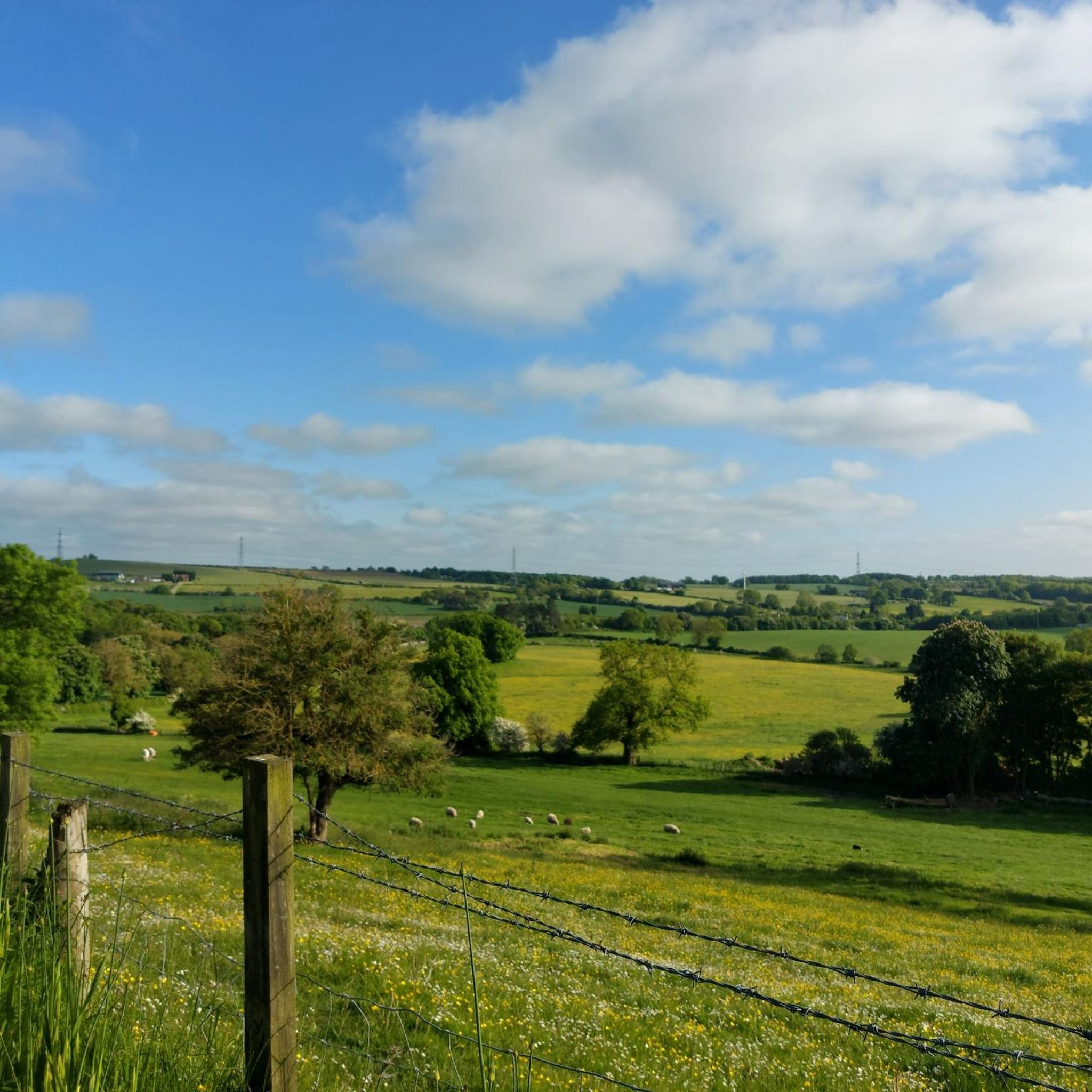
Best attractions and places to see around Ferryhill offer a blend of historical landmarks, natural beauty, and cultural sites. This market town in County Durham, England, showcases its rich mining heritage through architecture and community spirit. Ferryhill serves as a gateway to the picturesque Durham countryside, providing access to significant regional attractions.
Best attractions and places to see around Ferryhill
- The most popular attractions is Durham Cathedral (UNESCO World Heritage Site), a religious building that is a remarkable Romanesque structure at the heart of Durham. It is a designated UNESCO World Heritage Site, known for its large scale and pioneering stone vaulted ceiling.
- Another must-see spot is Durham Castle, a castle that has been continuously occupied since its construction began in 1072. Today, it is part of Durham University and is also a designated UNESCO World Heritage Site.
- Visitors also love The Count's House Folly, an other man-made structure that is a former summer house dating from about 1820. This building was erected as a folly, designed to look like a forgotten piece of history in a rural setting.
- Ferryhill is known for its historical landmarks, natural reserves, and industrial heritage sites. Visitors can explore a variety of attractions, from ancient churches and memorials to nature reserves and parks.
- The attractions around Ferryhill are appreciated by the komoot community, with over 120 upvotes and more than 130 photos shared.
Last updated: October 7, 2026
Durham Cathedral (UNESCO World Heritage Site)
Highlight • Religious Site
It was constructed in the Romanesque style between 1093 and 1133 as a monastic cathedral and was home to the shrine of St Cuthbert. It was hugely influential in architectural terms. At the time of its construction, its large scale, stone vaulted ceiling was an impressive and pioneering feat, forming the blueprint for European architecture from that point onwards.
Today, as well as being regarded as one of the world's greatest cathedrals, it is still a functioning establishment, welcoming thousands of services every year. Along with its neighbouring castle, it attracts scores of visitors to the city.
Tip by

Durham Castle
Highlight • Castle
Tip by
Sign up now to discover places like this
Get recommendations on the best single tracks, peaks, & plenty of other exciting outdoor places.
The Count's House Folly
Highlight • Structure
Tip by

Durham Cow Statue
Highlight • Historical Site
The legend of the cow, the monks and the wandering milkmaid.
(apparently monks carrying St Cuthbert’s coffin bumped into a
milkmaid who was out looking for her lost cow. Thinking she was
a sign from above, they followed her and built the Cathedral on
the ground where she led them).
But the little girl on the cow’s back doesn’t care about any of that.
She climbs the battered rope of the cow’s spine. Her hands beat
sighs from its wan bronze sides. When she can’t go any further,
she sticks her head through the cow’s horns and stares at the sky.
The cow bears it. (And her feet – when she jumps off – in the
sockets of its eyes.) And the rain and the cricket. Its features are
drawn into a mask that suggest an ancient tribe. It looks odd
sitting out here, but no odder than the bandstand
(durham.gov.uk/media/3804/i-see-public-artwork-County-Durham/pdf/ISeePublicArtworkCountyDurham.pdf?m=636735642250730000)
Tip by

Newton Cap Viaduct
Highlight • Historical Site
Tip by
Sign up for free to discover even more attractions around Ferryhill.
Already have an account?
Start today with a free account
Your next adventure awaits.

Tips from the Community

The cathedral was originally constructed to house the relics of St Cuthbert, a beloved Northumbrian saint. His shrine is a significant pilgrimage destination.
0
0
The Durham Cow statue is situated on the riverside path at The Racecourse, between Baths Bridge and the bandstand.
0
0

A television series that I can recommend without reservation presents the culture-loving viewer (in German) with remarkable examples of human creativity from many countries around the world. What they all have in common is that they have been given "world heritage" status by UNESCO. One of the contributions documents: "Like a grey rock, Durham Cathedral, located in the north-east of England near the Scottish border, towers over the roofs of the city. Half church and half bastion, this building is an impressive example of early Romanesque church architecture in England. The three-storey Anglo-Norman cathedral with a 2 m thick arcade wall and Norman castle complex, the later seat of the bishops of Durham, was declared a cultural monument." This film can be found in the ARD media library under the following link: https://www.ardmediathek.de/video/schaetze-der-welt/die-kathedrale-von-durham-grossbritannien-folge-138/3sat/Y3JpZDovL3N3ci5kZS83MTY4ODA2
2
1
A life-size bronze cow laying down to rest. The gold-horned beast looks down river towards the Cathedral.
0
0

Newton Cap Viaduct is Grade II listed and was built in 1857 to carry the Bishop Auckland to Durham City railway across the River Wear. The viaduct fell into disuse when the railway closed in 1968. However, work began to strengthen the viaduct and convert it for road use. It was completed in 1995 and the busy A689 road was rerouted over the viaduct.
0
0

According to legend, Durham was built on the back of this cow. The legend of the cow, the monks and the wandering milkmaid. (apparently monks carrying St Cuthbert’s coffin bumped into a milkmaid who was out looking for her lost cow. Thinking she was a sign from above, they followed her and built the Cathedral on the ground where she led them). But the little girl on the cow’s back doesn’t care about any of that. She climbs the battered rope of the cow’s spine. Her hands beat sighs from its wan bronze sides. When she can’t go any further, she sticks her head through the cow’s horns and stares at the sky. The cow bears it. (And her feet – when she jumps off – in the sockets of its eyes.) And the rain and the cricket. Its features are drawn into a mask that suggest an ancient tribe. It looks odd sitting out here, but no odder than the bandstand (https://www.durham.gov.uk/media/3804/i-see-public-artwork-County-Durham/pdf/ISeePublicArtworkCountyDurham.pdf?m=636735642250730000)
0
0
Durham Count's House is actually a folly - a building erected for the sole purpose of looking nice in a rural setting and usually made to look like a forgotten piece of history. The Georgians and Victorians were great ones for building follies, and you'll often find miniature mock medieval ruins and classical temples in the grounds of country houses. The Count's House folly was built by the Dean and Chapter of Durham Cathedral in about the 1820s. Of course, I say that follies have no other purpose, but they did sometimes serve as a place to rest, take tea or as a hunting lodge; the Count's House was sometimes used as a summerhouse. (https://explorar.co.uk/durham/history/who-was-durhams-little-count/)
3
0
Absolutely huge cathedral. The interior is quite special in its plainness - not even the high ceiling is decorated making the gothic architecture even more impressive. As you cannot walk around it takes a bit of going back and forth to take in this building complex from all perspectives.
13
0
Frequently Asked Questions
What historical landmarks can I explore in and around Ferryhill?
Ferryhill and its surroundings are rich in history. You can visit the prominent Ferryhill Town Hall, completed in 1867, or the architecturally significant St. Luke's Church, dating back to the 19th century. A short distance away, the poignant Trimdon Grange Memorial commemorates the 1882 colliery disaster, reflecting the region's mining heritage. For a broader historical experience, the UNESCO World Heritage Sites of Durham Cathedral and Durham Castle are easily accessible from Ferryhill.
Are there any nature reserves or parks in Ferryhill for outdoor activities?
Yes, Ferryhill offers beautiful natural spaces. The Ferryhill Carrs Nature Reserve is a stunning Site of Special Scientific Interest (SSSI) with wetlands, grasslands, and woodlands, perfect for birdwatching and nature walks. Dean Bank Park is another popular green space, offering walking trails, sports facilities, and children's play areas, often hosting community events. Additionally, the Mainsforth Sports Complex provides a bowling green, football facilities, and a fishing pond.
What are some family-friendly attractions near Ferryhill?
Families visiting Ferryhill have several excellent options. Dean Bank Park is ideal with its play areas and open spaces. Nearby, Hardwick Park in Sedgefield offers ornamental lakes and woodland trails suitable for all ages. For a unique experience, consider visiting Durham Cathedral and Durham Castle, both UNESCO sites that offer fascinating history. The Broompark Picnic Area & Railway Paths Hub is also a great spot for a family outing, with facilities and access to cycle tracks.
Where can I find easy walking routes around Ferryhill?
Ferryhill is surrounded by pleasant walking opportunities. You can find several easy hiking routes, such as the 'Hardwick Park Tower and Lake loop from Sedgefield' or the 'Open Countryside Walk – Bishop Middleham Memorial loop'. These trails offer scenic views and are generally suitable for all skill levels. For more options, explore the easy hikes around Ferryhill guide.
Are there cycling routes accessible from Ferryhill?
Absolutely. Ferryhill provides access to various cycling routes. The Broompark Picnic Area & Railway Paths Hub is an excellent starting point for exploring cycle tracks, including connections to the National Cycle Route. Routes like the 'National Cycle Route – Broompark Picnic Area loop' offer moderate cycling experiences. Discover more options in the cycling around Ferryhill guide.
What industrial heritage sites are there to see in Ferryhill?
Ferryhill's industrial past, particularly its mining heritage, is evident in several sites. The Lime Kilns at Ferryhill Station, dating from the mid-19th century, are a testament to the area's historical lime production. The Trimdon Grange Memorial also serves as a poignant reminder of the region's colliery history. These sites offer a glimpse into the industries that shaped the community.
Can I find running trails near Ferryhill?
Yes, there are several running trails available near Ferryhill for various fitness levels. You can find moderate routes like the 'Serpentine Trail Running Route loop from Thrislington Plantation National Nature Reserve' or the 'Start of Auckland Way loop from Spennymoor'. For more challenging runs, options like the 'Durham Cow Statue – Durham Castle loop' are also available. Check out the running trails around Ferryhill guide for detailed information.
What is the best time of year to visit Ferryhill for outdoor activities?
The best time to visit Ferryhill for outdoor activities generally depends on your preference. Spring and summer (April to September) offer milder weather, longer daylight hours, and vibrant natural scenery, making them ideal for walking, cycling, and exploring nature reserves like Ferryhill Carrs. Autumn also provides beautiful foliage for scenic walks. While some activities are possible in winter, conditions can be colder and wetter.
Are there any dog-friendly walking routes in the Ferryhill area?
Many of the natural areas and walking trails around Ferryhill are suitable for dog walking, provided dogs are kept under control, especially in nature reserves. Dean Bank Park and Ferryhill Carrs Nature Reserve offer open spaces and trails. Always check local signage for specific rules regarding dogs, particularly in areas with wildlife or livestock.
What amenities are available near attractions like Hardwick Park?
Hardwick Park, a short drive from Ferryhill, offers various amenities for visitors. These typically include walking trails, picnic areas, and often a visitor center with facilities like toilets and sometimes a cafe. For specific details on current amenities, it's always best to check the park's official website before your visit.
What do visitors enjoy most about the attractions around Ferryhill?
Visitors frequently praise the blend of historical significance and natural beauty. The grandeur of Durham Cathedral and Durham Castle, both UNESCO World Heritage Sites, is a major draw. Many appreciate the pioneering architecture of the Cathedral and the continuous history of the Castle. The serene and picturesque settings of places like Ferryhill Carrs Nature Reserve and Dean Bank Park are also highly valued for their peaceful outdoor experiences.
Are there any unique or lesser-known attractions worth visiting near Ferryhill?
Beyond the major sites, you might enjoy discovering the The Count's House Folly, a charming summer house from the 1820s designed to look like a forgotten piece of history. While not a hidden gem in the traditional sense, the Maiden Castle Footbridge Over the River Wear offers an interesting crossing and connects to scenic areas, popular with walkers and university students alike.
Most popular attractions around Ferryhill

Get inspired with the komoot mobile app


Explore more
Still not found the Highlight you’re looking for? See guides of the top attractions in other regions:
