Attractions and Places To See around Sherburn Village - Top 20
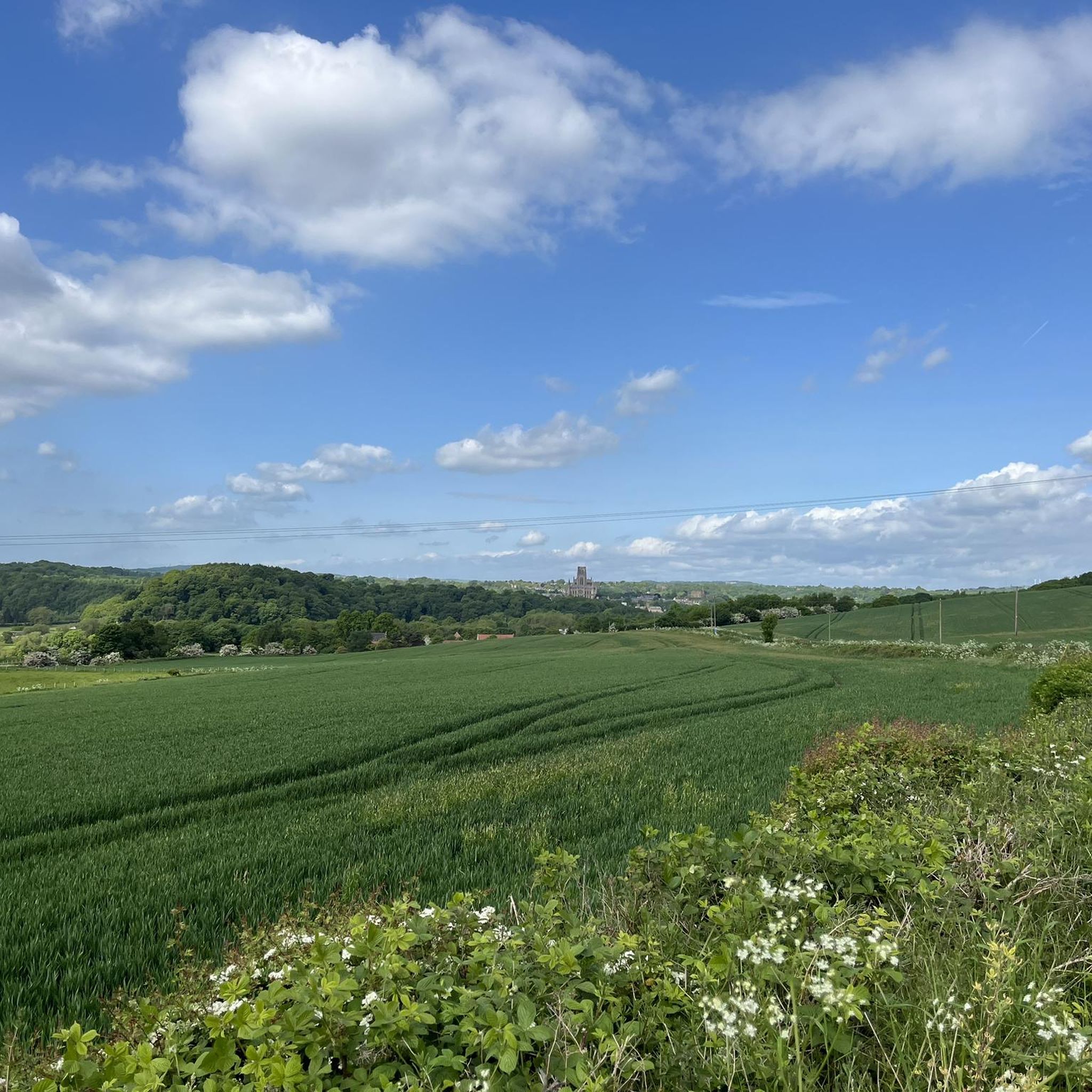
Best attractions and places to see around Sherburn Village include a blend of historical sites, natural beauty, and local points of interest in County Durham, England. The area has roots stretching back to medieval times, with evidence of prehistoric activity. Geographic features like Sherburn Hill offer extensive views, while the surrounding landscape provides opportunities for hiking and cycling.
Best attractions and places to see around Sherburn Village
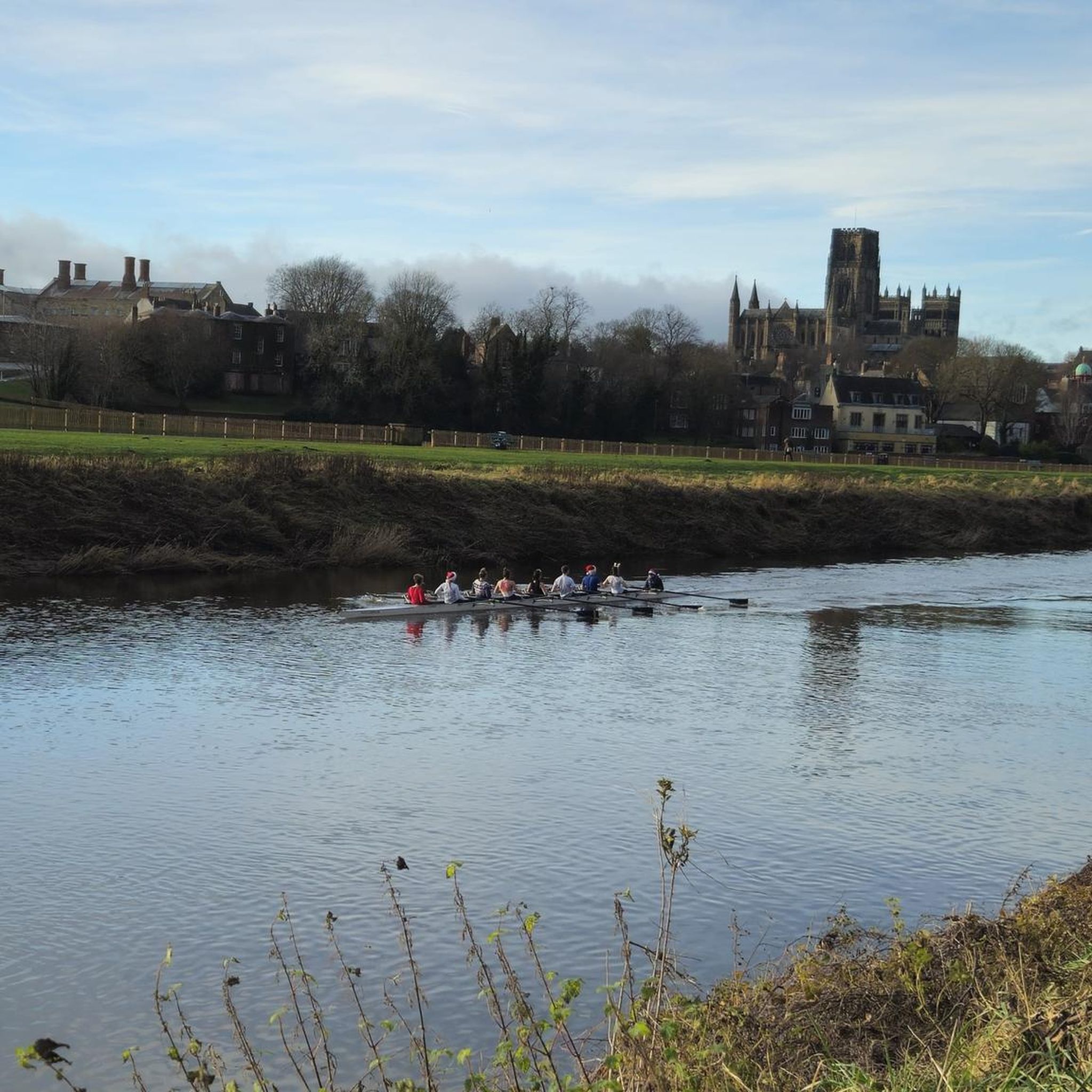
- The most popular attractions is Durham Cathedral (UNESCO World Heritage Site), a religious building that is a designated UNESCO World Heritage Site. Constructed in the Romanesque style between 1093 and 1133, it was influential in architectural terms.
- Another must-see spot is Durham Castle, a castle that is also a designated UNESCO World Heritage Site. It has been continuously occupied since its construction began in 1072 and is now part of Durham University.
- Visitors also love Lumley Castle, a 14th-century castle that now operates as a 73-bedroom hotel. This Grade I-listed building overlooks the River Wear and the Durham County Cricket Ground.
- Sherburn Village is known for its historical sites, natural features, and cultural landmarks. The area offers a variety of attractions to see and explore, from ancient ruins to scenic viewpoints.
- The attractions around Sherburn Village are appreciated by the komoot community, with more than 120 upvotes and over 130 photos shared.
Last updated: July 17, 2026
Durham Cathedral (UNESCO World Heritage Site)
Highlight • Religious Site
It was constructed in the Romanesque style between 1093 and 1133 as a monastic cathedral and was home to the shrine of St Cuthbert. It was hugely influential in architectural terms. At the time of its construction, its large scale, stone vaulted ceiling was an impressive and pioneering feat, forming the blueprint for European architecture from that point onwards.
Today, as well as being regarded as one of the world's greatest cathedrals, it is still a functioning establishment, welcoming thousands of services every year. Along with its neighbouring castle, it attracts scores of visitors to the city.
Tip by

Durham Castle
Highlight • Castle
Tip by
Sign up now to discover places like this
Get recommendations on the best single tracks, peaks, & plenty of other exciting outdoor places.
Sign up for free
The Count's House Folly
Highlight • Structure
Tip by

Finchale Priory
Highlight • Religious Site
Tip by
Lumley Castle
Highlight • Castle
Tip by
Sign up for free to discover even more attractions around Sherburn Village.
Sign up for free
Already have an account?
Start today with a free account
Your next adventure awaits.
Login or Signup

Tips from the Community

Lumley Castle is a 14th-century castle in County Durham, England, that has been converted into a 73-bedroom hotel. It overlooks the River Wear and the Durham County Cricket Ground.
0
0
The cathedral was originally constructed to house the relics of St Cuthbert, a beloved Northumbrian saint. His shrine is a significant pilgrimage destination.
0
0

Fantastically beautiful old hotel to spend the night
0
0


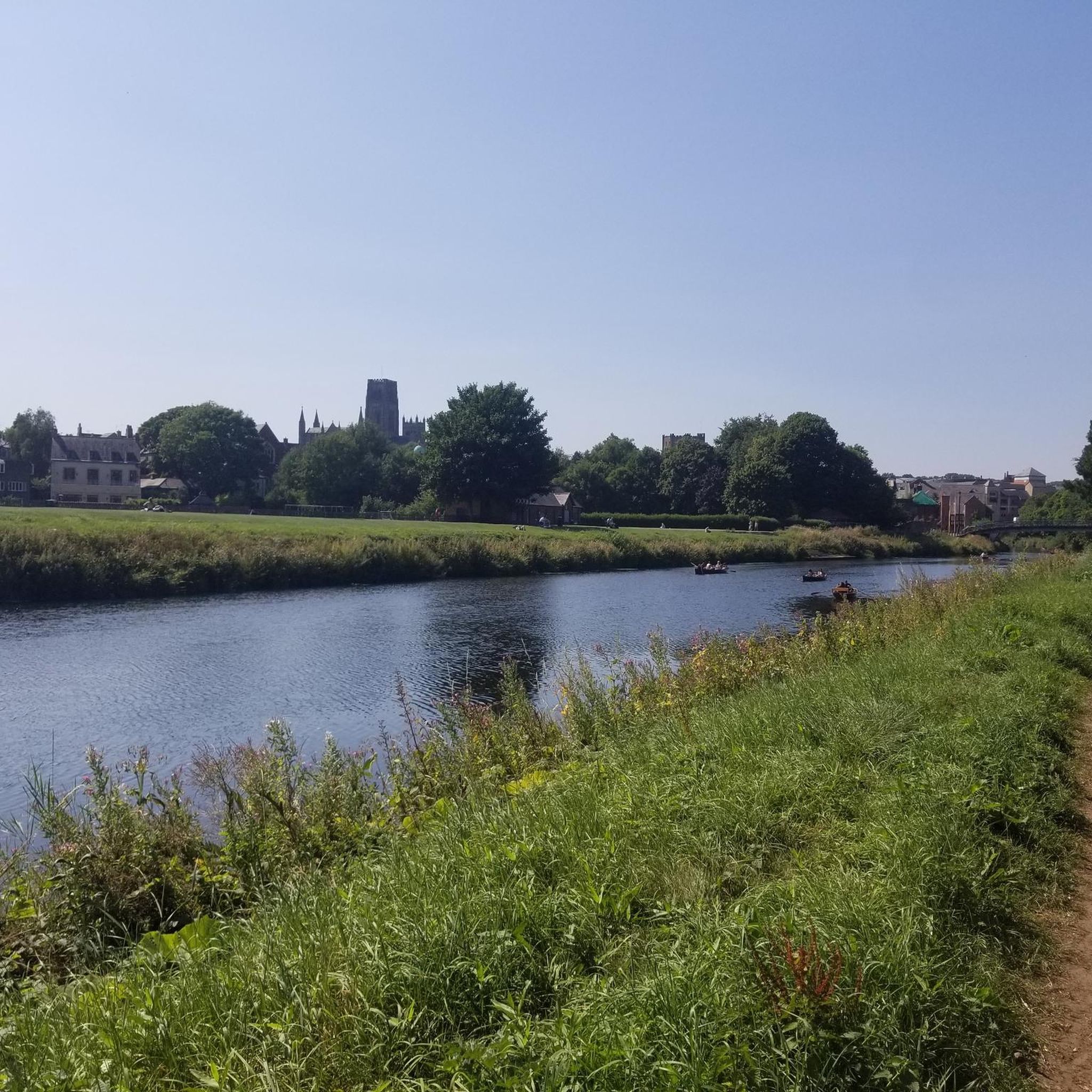
nice easy parking, walk accross the bridge over the river and you can either walk left or right giving you two options to walk up or down the river. quite pleasant but can get a bit boggy when it rains so wear the correct footwear. does get busy in the warmer months
3
0

A television series that I can recommend without reservation presents the culture-loving viewer (in German) with remarkable examples of human creativity from many countries around the world. What they all have in common is that they have been given "world heritage" status by UNESCO. One of the contributions documents: "Like a grey rock, Durham Cathedral, located in the north-east of England near the Scottish border, towers over the roofs of the city. Half church and half bastion, this building is an impressive example of early Romanesque church architecture in England. The three-storey Anglo-Norman cathedral with a 2 m thick arcade wall and Norman castle complex, the later seat of the bishops of Durham, was declared a cultural monument." This film can be found in the ARD media library under the following link: https://www.ardmediathek.de/video/schaetze-der-welt/die-kathedrale-von-durham-grossbritannien-folge-138/3sat/Y3JpZDovL3N3ci5kZS83MTY4ODA2
2
1

Durham Count's House is actually a folly - a building erected for the sole purpose of looking nice in a rural setting and usually made to look like a forgotten piece of history. The Georgians and Victorians were great ones for building follies, and you'll often find miniature mock medieval ruins and classical temples in the grounds of country houses. The Count's House folly was built by the Dean and Chapter of Durham Cathedral in about the 1820s. Of course, I say that follies have no other purpose, but they did sometimes serve as a place to rest, take tea or as a hunting lodge; the Count's House was sometimes used as a summerhouse. (https://explorar.co.uk/durham/history/who-was-durhams-little-count/)
3
0
Absolutely huge cathedral. The interior is quite special in its plainness - not even the high ceiling is decorated making the gothic architecture even more impressive. As you cannot walk around it takes a bit of going back and forth to take in this building complex from all perspectives.
13
0
Frequently Asked Questions
What historical sites can I explore near Sherburn Village?
Sherburn Village and its surroundings are rich in history. You can visit the ruins of Finchale Priory, a beautiful 12th-century outpost of Durham Cathedral nestled by the River Wear. Nearby, you'll find the UNESCO World Heritage Sites of Durham Cathedral and Durham Castle. Additionally, the medieval Sherburn Hospital (Sherburn House) has historical ties to Durham Cathedral, and you can learn more about its conservation area on the Durham County Council website.
Are there any natural viewpoints around Sherburn Village?
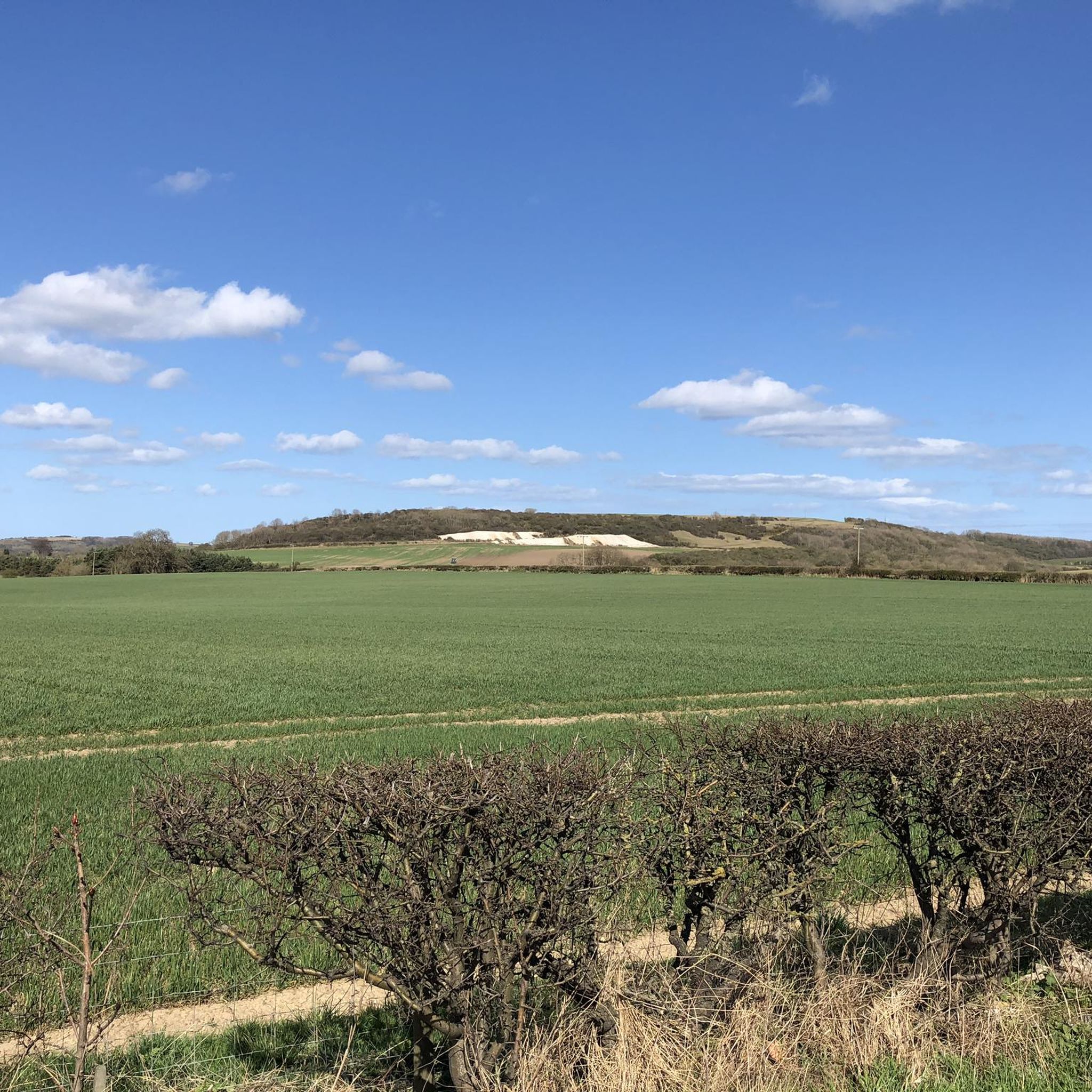
Yes, Sherburn Village offers several elevated points with splendid views. Sherburn Hill, also known as 'the Chalk Hills,' provides extensive views to the south and north, including the distant Cheviot Hills on clear days. Pittington Hill, accessible via a gentle footpath, offers panoramic vistas of the West Rainton church spire, Durham Cathedral, Penshaw Monument, the Pennines, Tyneside, and the Angel of the North.
What kind of outdoor activities can I do near Sherburn Village?
The area around Sherburn Village is excellent for outdoor enthusiasts. You can enjoy hiking, cycling, and even gravel biking. For easy hikes, consider routes like the "Durham Bandstand – Durham Cow Statue loop" or paths around Old Durham Gardens. If you're into gravel biking, there are routes such as the "View of Durham Cathedral – Sunderland Bridge loop." You can find more details on these activities and routes in the dedicated guides for easy hikes and gravel biking around Sherburn Village.
Are there easy walking or hiking trails suitable for families?
Absolutely. Sherburn Village and its surroundings offer several easy walks perfect for families. The village itself has large green open spaces and a park with children's play equipment. Nearby, you can find easy hiking routes like the "Durham Bandstand – Durham Cow Statue loop" or explore the paths around Old Durham Gardens and Durham Botanic Garden. These routes are generally gentle and provide a pleasant way to connect with nature.
What is the significance of The Blue Stone in Sherburn Village?
The Blue Stone is an ancient natural feature and a local landmark in Sherburn Village. This glacial stone stands near what was once the village crossroads. Historically, it served as a seat, a meeting point for miners, and a pick-up point for horse-drawn wagons. While it has been painted white in recent years, it was originally dark blue and, according to local legend, was believed to be a meteorite.
Are there any unique historical follies to see?
Yes, you can visit The Count's House Folly. Dating from around 1820, this building is a former summer house, though its name is often associated with Count Boruwlaski, a Polish dwarf who lived nearby. Follies like this were built for aesthetic appeal in rural settings, often designed to look like historical ruins or picturesque structures.
What are the options for running trails near Sherburn Village?
For runners, there are several trails available near Sherburn Village. You can explore routes such as the "View of Durham Cathedral – Durham Cow Statue loop" or the "Durham Castle – Durham Riverside Walk loop." These trails offer moderate difficulty and a chance to enjoy the local scenery. More running options can be found in the Running Trails around Sherburn Village guide.
Can I find places to eat or drink in Sherburn Village?
Sherburn Village has amenities including pubs and several local shops, primarily concentrated around the crossroads of Front Street, Hall Garth Street, and Hope Street. These establishments offer options for refreshments and meals during your visit.
What is the best time of year to visit Sherburn Village for outdoor activities?
The area around Sherburn Village is enjoyable year-round, but for outdoor activities like hiking and nature walks, the summer months are particularly pleasant. During this time, you can observe an abundance of butterflies and moths on nature walks between Sherburn and Sherburn Hill. The views from the hills are also clearer on bright days.
Are there any dog-friendly walking routes in the area?
Many of the natural trails and green open spaces around Sherburn Village are suitable for dog walking. While specific dog-friendly designations for every path aren't always available, the general countryside, including areas around Sherburn Hill and Pittington Hill, offers ample opportunities for walks with your canine companion. Always ensure dogs are kept under control, especially near livestock.
What is the Sherburn Community Centre, and what is its historical significance?
The Sherburn Community Centre, located at 79 Front Street, occupies a building that was originally a Co-operative store established in 1899. In 2014, the Sherburn Village Parish Council installed a clock on its exterior to commemorate the centenary of the First World War and honor local sacrifices, giving it a significant historical connection to the community.
What wildlife might I encounter on walks around Sherburn Village?
The natural areas around Sherburn Village, particularly the countryside between Sherburn and Sherburn Hill, are known for their biodiversity. In the summer, you can expect to see an abundance of butterflies and moths. The magnesian limestone escarpment also supports unique flora and fauna.
Where can I find information about the character and history of Sherburn Village itself?
For a deeper understanding of Sherburn Village's character and history, you can refer to resources like the Sherburn Village Settlement Character Study. This document provides insights into the village's medieval and prehistoric roots, its transition into a colliery village, and the historical significance of its older houses and Sherburn Farm. A PDF of this study is available on the Durham County Council website.
Most popular routes around Sherburn Village
Most popular attractions around Sherburn Village

Get inspired with the komoot mobile app


Explore more
Still not found the Highlight you’re looking for? See guides of the top attractions in other regions:
