The best cycling routes around Acomb
4.4
(67)
1,292
riders
160
rides
Touring cycling routes around Acomb offer access to a blend of green spaces and well-established cycling networks within and around York. The area features natural reserves like Acomb Wood and Meadow, alongside ancient commons such as Hob Moor, providing varied landscapes for cyclists. Routes often incorporate a mix of paved paths and crushed limestone surfaces, traversing riverside sections, open commons, and woodlands. This connectivity allows cyclists to explore both local natural beauty and wider networks, including parts of the York…
Last updated: September 29, 2026
10
riders
37.6km
02:33
510m
510m
This difficult 23.4-mile touring cycling loop from Hexham offers panoramic views of the Tyne Valley and Hadrian's Wall with 1666 feet of cli
4.8
(6)
53
riders
52.9km
03:31
690m
690m
Hard bike ride. Very good fitness required. Mostly paved surfaces. Suitable for all skill levels.

4.3
(6)
39
riders
33.5km
02:02
220m
220m
Moderate bike ride. Good fitness required. Mostly paved surfaces. Suitable for all skill levels.
4.0
(3)
34
riders
34.2km
02:09
300m
300m
Moderate bike ride. Good fitness required. Mostly paved surfaces. Suitable for all skill levels.
5.0
(1)
22
riders
41.5km
02:34
380m
380m
Moderate bike ride. Good fitness required. Mostly paved surfaces. Suitable for all skill levels.
Get access to more routes and recommendations from other explorers.
Already have an account?
Our route recommendations are based on thousands of hikes, rides, and runs completed by other people on komoot.
Start today with a free account
Your next adventure awaits.

Tips from the Community

Tasty baked goods, worth the queue
0
0


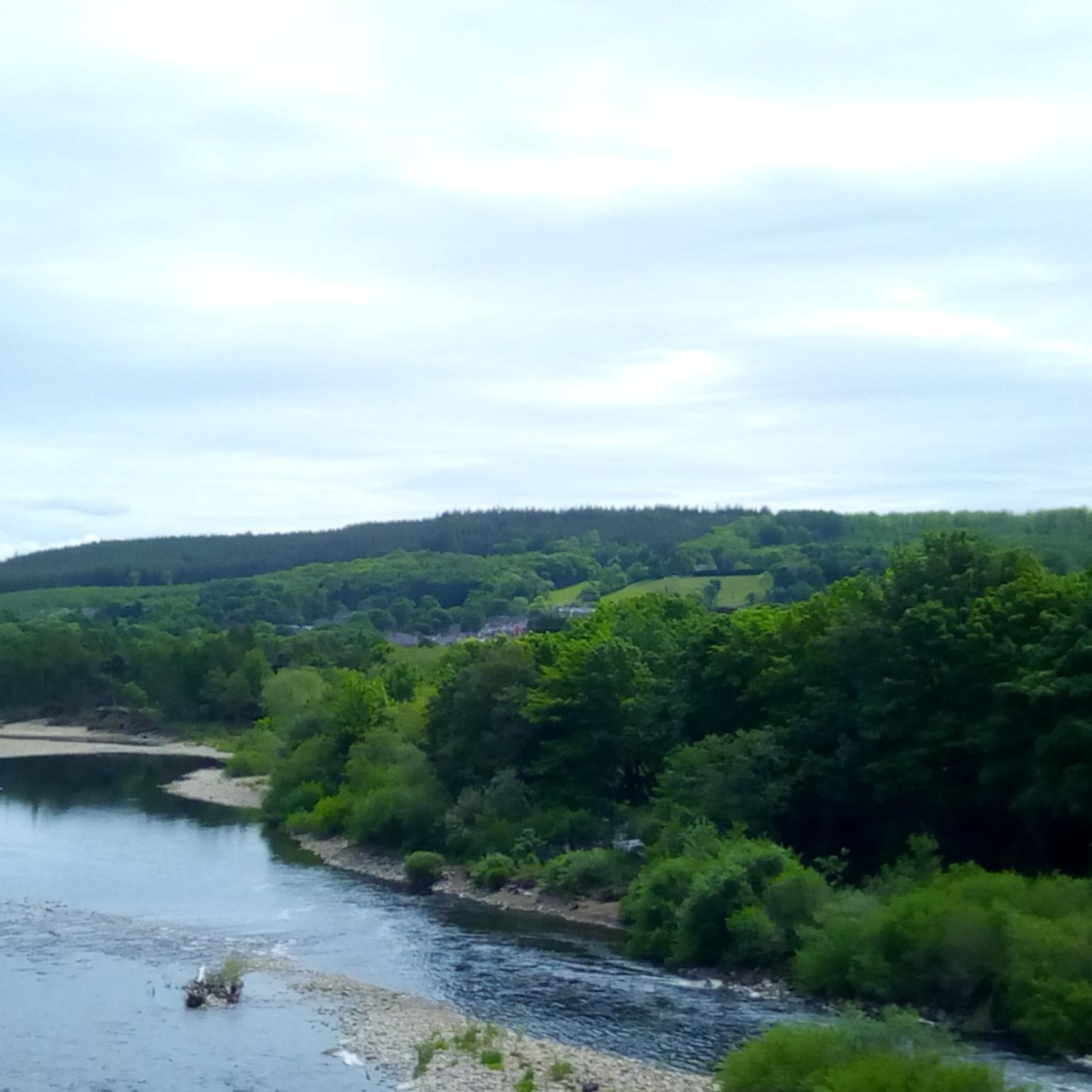
You can't see much here. The entire bank is heavily vegetated.
8
0
Bywell Bridge is a striking stone arch bridge spanning the River Tyne, connecting the villages of Bywell and Stocksfield since 1838. Built in the classical 19th-century style, the bridge consists of five broad segmental arches of locally quarried sandstone, supported by sturdy piers with buttresses. Originally designed for horse-drawn carriages, the bridge has since been adapted for motorized traffic, yet retains its historic character. The bridge is situated in the picturesque river landscape of the Tyne.
9
0
St. Andrew’s Church in Corbridge is one of the oldest and most historic churches in Northumberland, with roots dating back to 674 AD, when St. Wilfrid founded a monastery here. Although the original timber-framed building has disappeared, the current church still incorporates Roman stonework from the nearby Corstopitum Fort, including an impressive tower arch dating from around 150 AD. Saxon and Norman elements include a Saxon window, a Norman zigzag doorway, and a 13th-century chancel. Vicar’s Pele Tower: a 14th-century fortified tower house built with Roman stone, once a refuge from Scottish raids. King’s Oven: a communal bread oven dating from 1310, still visible on the site. Memorial Gate: commemorates 108 local men who died in WWI.
4
0
The Beaufront Castle Gatehouse is the gateway to the impressive Beaufront Castle, a Grade I listed manor house in Northumberland, near Hexham. Although the castle itself was built between 1836 and 1841 in the Castellated Gothic Revival style by architect John Dobson, the complex contains older elements such as a clock tower with a bell dating from 1694 and parts of a 17th-century house belonging to the Errington family. The gatehouse is believed to be part of this historic structure and served as both ceremonial and functional access to the estate. It stands on a site where a pele tower—a fortified tower house that was later incorporated into the manor house—was mentioned as early as 1415.
8
0
National Cycle Route 72, or Hadrian's Cycleway, passes through Stanegate here. Stanegate was a strategic Roman border road in Northern England, constructed around 77–85 AD under Governor Agricola—decades before Hadrian's Wall. The name "Stanegate" comes from Old English and literally means "stone road." Stanegate runs through the valleys of the River Tyne and River Irthing and is approximately 61 km long. It served as a military corridor leading to Hadrian's Wall and, from around 87 AD, became the de facto northern border of the Roman Empire in Britain.
7
0
Frequently Asked Questions
What kind of terrain can I expect on touring cycling routes around Acomb?
Touring cycling routes in and around Acomb offer a varied experience, featuring a mix of surfaces from paved paths to crushed limestone. You'll encounter riverside sections, open commons like Hob Moor, and woodlands such as Acomb Wood and Meadow Local Nature Reserve. This diversity caters to various preferences and fitness levels.
How many touring cycling routes are available in the Acomb area?
There are over 170 touring cycling routes available around Acomb. These include a good mix of difficulties, with approximately 20 easy routes, 89 moderate routes, and 68 more challenging options for experienced riders.
Are there any family-friendly touring cycling routes in Acomb?
Yes, Acomb offers routes suitable for families. The area's green spaces and access to mostly traffic-free cycleways, such as segments of the York Orbital Route, provide safer and more enjoyable options. The easy, mostly traffic-free cycle route connecting the Millennium Bridge to Hob Moor and Acomb Wood is a good example, offering a pleasant 7-mile ride.
What natural features or landmarks can I see along the touring cycling routes near Acomb?
Acomb's routes are rich in natural beauty and historical interest. You can explore the ancient meadowland and mixed woodland of Acomb Wood and Meadow Local Nature Reserve, or cycle through the medieval ridge and furrow landscapes of Hob Moor. Routes often connect to the Millennium Bridge over the River Ouse, and you can extend your ride to see historical sites like The Moot Hall, Hexham or Hexham Abbey.
Are there any circular touring cycling routes in Acomb?
Yes, Acomb is well-connected to circular routes. The York Orbital Route, a well-signed circular 'ring road' around the city centre, has segments passing through or near Acomb, providing mostly traffic-free options for circular tours. Many local routes also offer loop options, such as the easy cycle route connecting the Millennium Bridge to Hob Moor and Acomb Wood.
What is the best time of year to go touring cycling in Acomb?
The best time to go touring cycling in Acomb is generally during the spring, summer, and early autumn months (April to October) when the weather is milder and the natural landscapes are at their most vibrant. The paths through woodlands and commons are particularly pleasant during these seasons. Winter cycling is possible, but some paths might be muddy or slippery.
What do other touring cyclists enjoy most about touring cycling in Acomb?
The komoot community highly rates touring cycling in Acomb, with an average score of 4.5 stars from over 60 reviews. Cyclists often praise the blend of local green spaces like Acomb Wood and Hob Moor, combined with excellent connectivity to broader cycling networks and the historic attractions of York. The varied terrain and well-maintained paths are also frequently highlighted.
Are there any challenging touring cycling routes for experienced riders near Acomb?
Yes, for experienced riders seeking a challenge, Acomb offers several difficult routes. For example, the Newbrough and Haydon Bridge loop from Hexham is a 23.3-mile trail with significant elevation gain. Another demanding option is the Stanegate Road – View of Vindolanda Roman Fort loop from Hexham, a 32.8-mile path offering expansive views and a challenging ride.
Where can I find parking or access public transport for cycling routes in Acomb?
Acomb's proximity to York means good public transport links are available. For parking, local green spaces like Acomb Green or areas near the York Orbital Route may offer convenient starting points. Many routes are also accessible from York city centre, which has various parking facilities and public transport hubs.
Are there any touring cycling routes that pass by historical sites or castles?
Absolutely. While cycling around Acomb, you can easily incorporate historical sites into your tour. Routes often lead towards attractions in and around York. Notable nearby historical sites include Beaufront Castle Gatehouse and Aydon Castle. The Beaufront Castle Gatehouse – Route 72 Past Bywell Hall loop from Hexham is a specific route that passes by such landmarks.
Can I find routes that offer views of Roman forts or ancient structures?
Yes, some routes in the wider Acomb area provide access to historical Roman sites. The Stanegate Road – View of Vindolanda Roman Fort loop from Hexham is an excellent example, offering views of the Vindolanda Roman Fort and other ancient structures along the historic Stanegate Road.
Are there any moderate touring cycling routes suitable for a day trip?
Yes, there are many moderate routes perfect for a day trip. The Bywell Coffee Barn – Route 72 Past Bywell Hall loop from Hexham is a moderate 34.7-mile route that can be completed in about 2 hours 11 minutes, offering a pleasant ride through rural areas and past notable landmarks, with potential for a coffee break.
Most popular attractions around Acomb

Get inspired with the komoot mobile app


Explore more
Browse the best Cycling routes in other regions.
