Attractions and Places To See around Longhorsley - Top 20
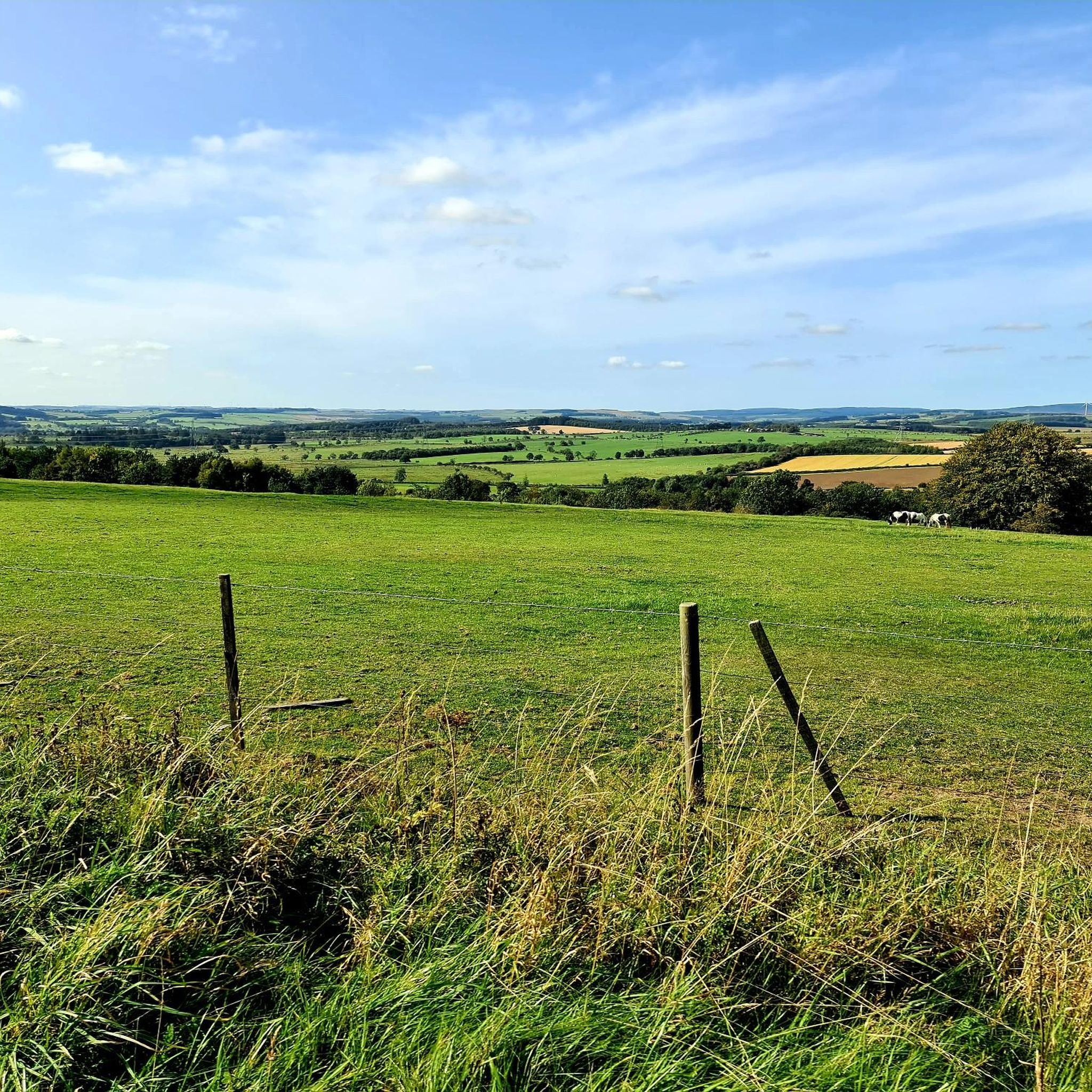
Attractions and places to see around Longhorsley include a blend of historical landmarks and natural beauty in Northumberland. The village is situated in serene countryside with rolling hills and woodlands, bordered by the River Coquet to the north. Visitors can explore ancient sites, significant cultural locations, and various outdoor activities. The area offers a tranquil escape with a rich heritage and surrounding landscapes.
Best attractions and places to see around Longhorsley
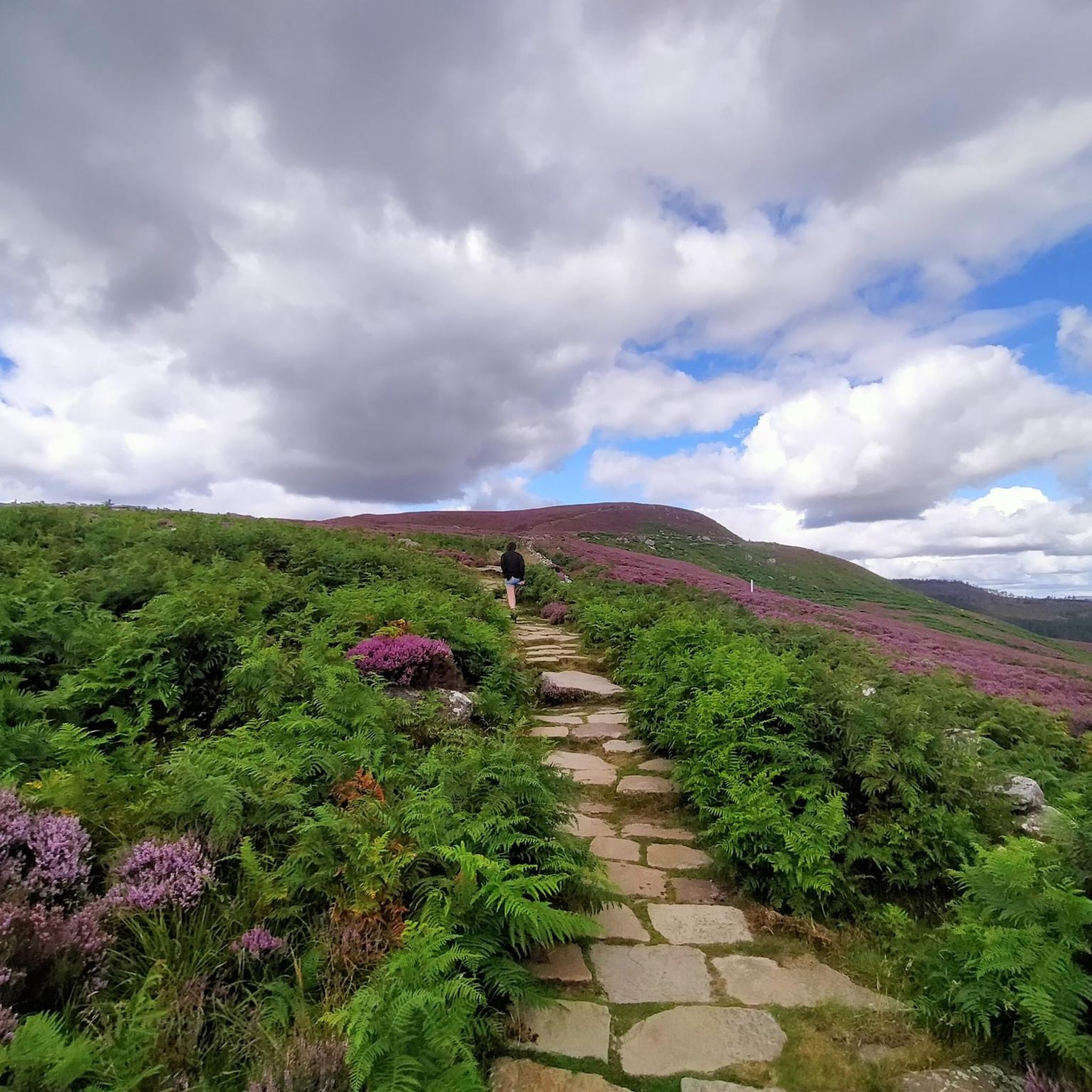
- The most popular attractions is Simonside Summit, a natural monument that is a 429m summit perched atop the Northumberland National Park. It boasts a rugged ridge that commands views of the Cheviot Hills and the Northumbrian coastline.
- Another must-see spot is Rothbury Village Centre, a settlement offering shops, dining, and accommodation. It serves as a base for exploring the surrounding area, including Cragside House.
- Visitors also love Lordenshaw Cup and Ring Marked Rock, a historical site with Bronze Age burial mounds. The carvings etched into the rock are a time capsule from Neolithic and Early Bronze Age ancestors.
- Longhorsley is known for its historical landmarks, natural features, and cultural sites. The area provides a variety of attractions to see and explore, from ancient pele towers to scenic walking trails.
- The attractions around Longhorsley are appreciated by the komoot community, with more than 280 upvotes and 140 photos shared.
Last updated: July 17, 2026
Simonside Summit
Highlight • Natural Monument
In close reach from Rothbury, Simonside is a top pick for epic views. Bring a flask of tea, settle in and relish the perfect scenery surround you.
Tip by

Rothbury Village Centre
Highlight • Settlement
Tip by

Sign up now to discover places like this
Get recommendations on the best single tracks, peaks, & plenty of other exciting outdoor places.
Sign up for free
Lordenshaw Cup and Ring Marked Rock
Highlight • Historical Site
Tip by
Rothbury War Memorial
Highlight • Monument
The memorial is made of sandstone and bronze. It features a square stone pedestal with a stepped plinth, surmounted by a stone cross with a bronze sword attached. The pedestal contains the names of the fallen on the front and rear sides, with an inscription on the third side.
The inscription on the front reads: "TO THE MEMORY OF/ THOSE OF THIS PARISH WHO GAVE/ THEIR LIVES FOR THEIR COUNTRY/ 1914-1918/ (NAMES)". The inscription on the rear reads: "TO THE MEMORY OF/ THOSE OF THIS PARISH WHO GAVE/ THEIR LIVES FOR THEIR COUNTRY/ 1939-1945/ (NAMES) KOREA 1952/ (NAME)". The inscription on the side reads a famous excerpt from the poem "For the Fallen" by Laurence Binyon.
The simple yet striking design reflects the strong local ties to those who died in the wars. The memorial also includes the names of those who died in World War II and the Korean War.
Tip by

Rothbury Market Cross
Highlight • Monument
A new market cross was erected in 1902. This one, built from Cragside rock and featuring elaborate carvings, stands as a memorial to Lord and Lady Armstrong. The surrounding area has also undergone changes. Today, the Armstrong cross is situated in a peaceful location with a well-maintained lawn and railings, replacing the previous wartime and utilitarian versions.
Tip by
Sign up for free to discover even more attractions around Longhorsley.
Sign up for free
Already have an account?
Start today with a free account
Your next adventure awaits.
Login or Signup

Tips from the Community

can be easy or difficult, depends which side you ascend from. so choose wisely
2
0

In the case of a "market cross," such as the one we encounter again in Rothbury, one would have to ask the fundamental question of whether it is actually primarily a small sacred monument—as its cross shape suggests—or whether it is more of a secular object. In times long past, such a cross—unlike the classic wayside crosses or field crosses—was only permitted to be erected if the corresponding village also possessed the so-called "market rights"—that is, if it had been granted them by the local ruler.
1
0

Evidence of prehistoric settlements suggests Rothburys importance stretches back millennia. During the medieval period, it became a vital part of the Barony of Warkworth, changing hands between various noble families like the FitzRogers, Claverings, Percys, and Ogles. A key turning point came in 1291 when King Edward I granted Rothbury a market charter. This solidified its position as a commercial hub for the surrounding agricultural region, particularly for cattle and wool. The town's newfound prosperity, however, attracted unwanted attention. The 15th and 16th centuries saw a period of unrest as Rothbury became a target for Border Reivers. These Scottish raiders were notorious for plundering towns along the Anglo-Scottish border, and Rothbury, situated at a crucial crossroads with a ford over the River Coquet, bore the brunt of their attacks. Despite facing these challenges, Rothbury persevered. Today, the town's historic core reflects its layered past. Buildings showcase diverse architectural styles, each whispering a tale from a different era. The impressive All Saints Parish Church stands as a prominent example. This church, with its Saxon cross nestled beneath the font and Victorian restorations, embodies the town's enduring legacy.
0
0
The Rothbury War Memorial is a Grade II listed building located on High Street in Rothbury. It was built in 1923 to commemorate those from the parish who died in World War I. The memorial is made of sandstone and bronze. It features a square stone pedestal with a stepped plinth, surmounted by a stone cross with a bronze sword attached. The pedestal contains the names of the fallen on the front and rear sides, with an inscription on the third side. The inscription on the front reads: "TO THE MEMORY OF/ THOSE OF THIS PARISH WHO GAVE/ THEIR LIVES FOR THEIR COUNTRY/ 1914-1918/ (NAMES)". The inscription on the rear reads: "TO THE MEMORY OF/ THOSE OF THIS PARISH WHO GAVE/ THEIR LIVES FOR THEIR COUNTRY/ 1939-1945/ (NAMES) KOREA 1952/ (NAME)". The inscription on the side reads a famous excerpt from the poem "For the Fallen" by Laurence Binyon. The simple yet striking design reflects the strong local ties to those who died in the wars. The memorial also includes the names of those who died in World War II and the Korean War.
0
0
The Rothbury market cross has a two-part history. The original market cross, constructed in 1722, was a square building with a roof and open sides. It served as a shelter for people attending the weekly market. Documented in 1827, the structure was unfortunately demolished due to safety concerns. A new market cross was erected in 1902. This one, built from Cragside rock and featuring elaborate carvings, stands as a memorial to Lord and Lady Armstrong. The surrounding area has also undergone changes. Today, the Armstrong cross is situated in a peaceful location with a well-maintained lawn and railings, replacing the previous wartime and utilitarian versions.
2
0

Simonside is a 429m (1400ft) summit perched atop the untamed wilderness of the Northumberland National Park. It boasts a rugged ridge that commands sensational views of the Cheviot Hills to the north and the whole Northumbrian coastline to the east. In close reach from Rothbury, Simonside is a top pick for epic views. Bring a flask of tea, settle in and relish the perfect scenery surround you.
3
0


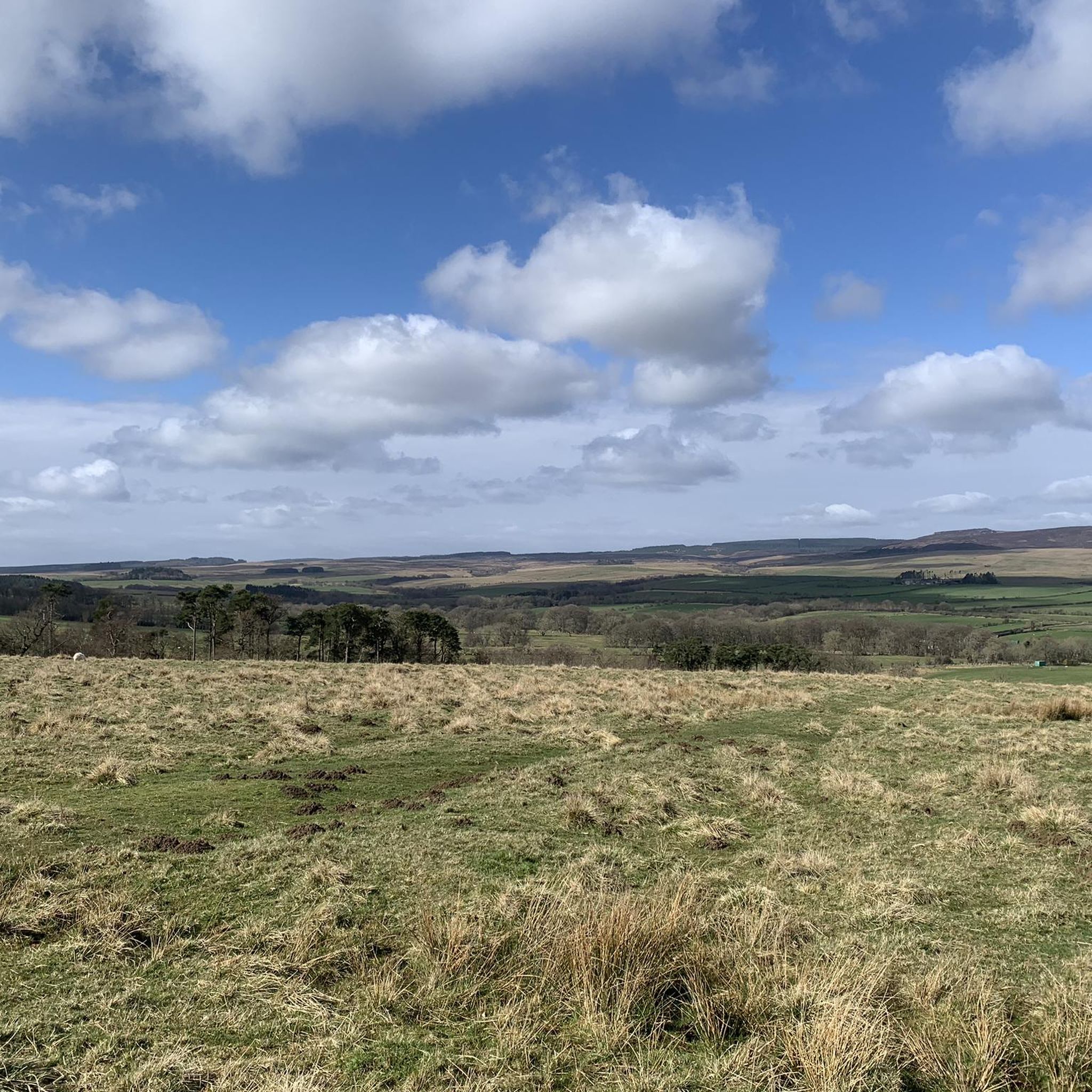
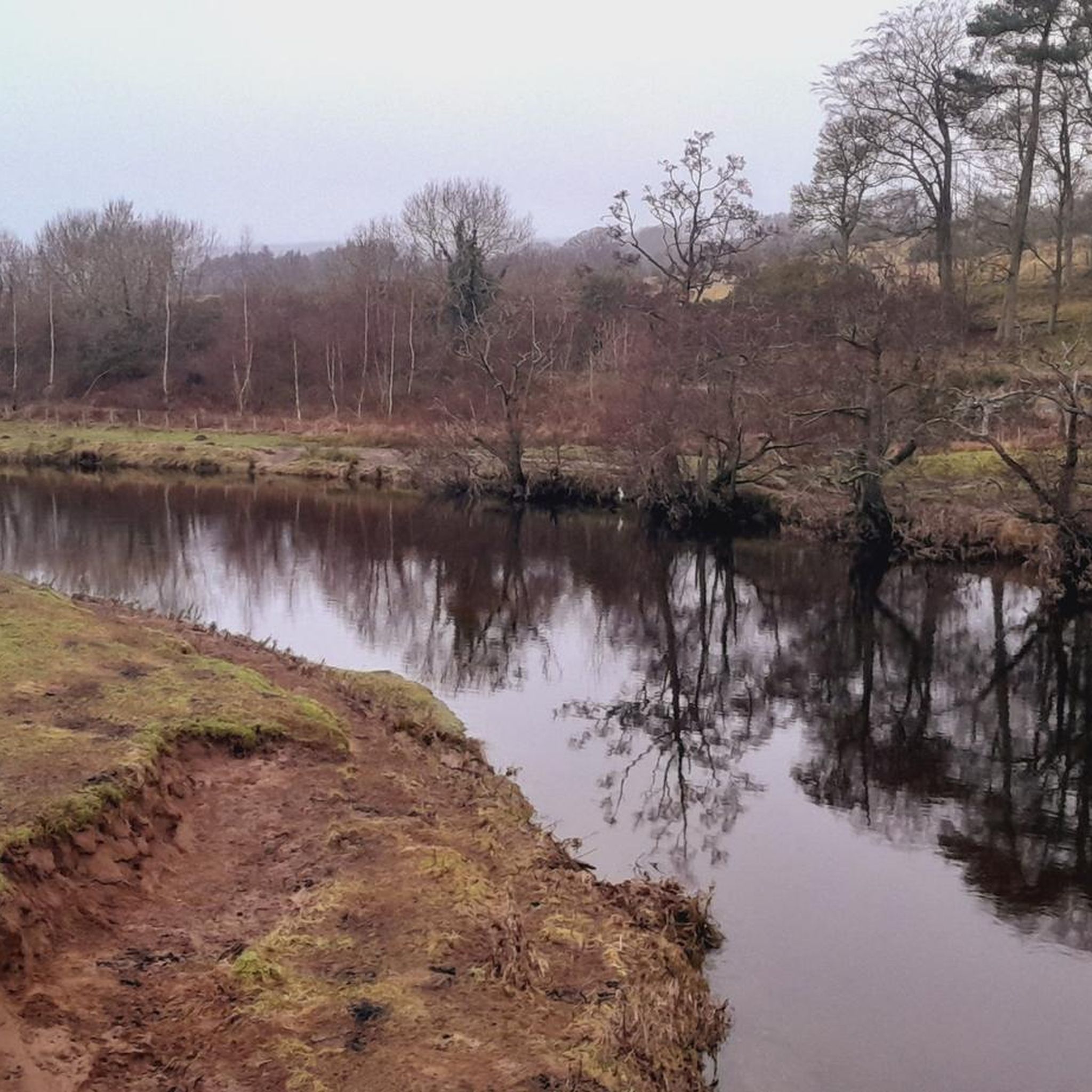
There are some really nice walks by the river both in town and the surrounding countryside
1
0
Frequently Asked Questions
What natural features and viewpoints can I explore near Longhorsley?
Longhorsley is nestled in Northumberland's serene countryside, offering lush woodlands, rolling hills, and scenic views. You can explore the area around the River Coquet to the north. For panoramic vistas, head to Simonside Summit, a natural monument within Northumberland National Park, which provides views of the Cheviot Hills and the Northumbrian coastline. Another excellent viewpoint is Simonside Crag, where on clear days, you can see all the way to the sea and across Cheviot.
Are there historical sites or cultural landmarks to visit in Longhorsley?
Yes, Longhorsley has a rich history. You can visit the well-preserved 16th-century Horsley Tower, a fortified pele tower that once served as a Roman Catholic chapel. The village also features St. Helen's Church, an Anglican church with registers dating back to 1688, and St. Thomas of Canterbury, a Roman Catholic Church erected in 1841. Additionally, the Lordenshaw Cup and Ring Marked Rock, an ancient historical site with carvings from 6,000 to 3,800 years ago, is nearby.
What kind of outdoor activities, like walking or cycling, are available around Longhorsley?
The scenic countryside around Longhorsley is ideal for outdoor activities. There are numerous walking and cycling trails, ranging from leisurely strolls to more challenging hikes, with off-road routes offering stunning views. For specific routes, you can find various road cycling, running, and general cycling tours in the area. Explore options like the 'Mitford Castle and Church' road cycling loop or the 'West Thirston Dip' running trail by visiting the Road Cycling Routes around Longhorsley or Running Trails around Longhorsley guides.
Are there family-friendly attractions or activities in the Longhorsley area?
While specific family-focused attractions within Longhorsley itself are limited, the surrounding area offers options. The Rothbury Village Centre is considered family-friendly, offering shops, dining, and a base for exploring. Nearby, Cragside House and Gardens (National Trust) is a popular destination that often appeals to families. The local parks in Longhorsley also provide opportunities for picnics and leisurely afternoons.
What is the significance of the Pele Tower in Longhorsley?
Horsley Tower, a pele tower in Longhorsley, is a significant historical landmark dating from the early 16th century. These fortified tower houses were common in the Anglo-Scottish border region for defense. Horsley Tower once belonged to the Horsley family of Brinkburn and later served as a Roman Catholic chapel. It is now a private residence, but its history reflects the turbulent past of Northumberland.
Can I find places to eat or stay in Longhorsley?
Longhorsley offers some amenities for visitors. Linden Hall, originally a grand private home, now operates as a country hotel, restaurant, and leisure complex. Burgham Golf Course also provides leisure facilities and a restaurant. For a wider selection of shops, dining, and accommodation, the nearby Rothbury Village Centre is an excellent base for exploring the region.
What is the best time of year to visit Longhorsley for outdoor activities?
The best time to visit Longhorsley for outdoor activities largely depends on your preference for weather and scenery. The spring and summer months (April to September) generally offer milder temperatures and longer daylight hours, ideal for walking, cycling, and enjoying the lush countryside. Autumn brings beautiful changing foliage, while winter can offer crisp, clear days for hiking, though some trails might be boggy, especially at higher elevations like Simonside.
Are there any unique historical connections in Longhorsley?
Longhorsley has a notable connection to Emily Wilding Davison, the renowned suffragette. She resided in the village, and a commemorative plaque marks the house from which she departed before her tragic death at the Derby in 1913, where she campaigned for women's right to vote.
Is Longhorsley accessible by public transport?
Information on specific public transport routes directly to Longhorsley can vary. While the village is well-connected by road, it's advisable to check local bus schedules for services connecting Longhorsley to larger towns in Northumberland. For detailed and up-to-date information on bus routes and public transport options, you may consult the Northumberland County Council's transport services website or local travel planners.
What kind of wildlife can I expect to see around Longhorsley?
The serene countryside around Longhorsley, particularly in areas like the Simonside Hills (a Special Area of Conservation), is rich in wildlife. You might spot birds such as curlews and red grouse. Wild goats are also known to roam the hills, and red squirrels can be found in the forests below. Keep an eye out for various other native species as you explore the woodlands and open landscapes.
Are there any Roman historical sites near Longhorsley?
Yes, the ancient Roman road known as the Devil's Causeway passes less than two miles west of Longhorsley. This historic route extends northwards across Northumberland from Hadrian's Wall to the mouth of the River Tweed. A hoard of Roman coins was even discovered near Longhorsley along this very route, highlighting the area's Roman past.
What do visitors enjoy most about the attractions around Longhorsley?
Visitors particularly appreciate the stunning panoramic views from natural monuments like Simonside Summit and Simonside Crag, often noting the clear paths and the ability to see for miles on a good day. The peaceful atmosphere of the Rothbury Village Centre and its proximity to various walks are also highly valued. The historical significance of sites like the Lordenshaw Cup and Ring Marked Rock offers a unique glimpse into ancient history.
Most popular routes around Longhorsley
Most popular attractions around Longhorsley

Get inspired with the komoot mobile app


Explore more
Still not found the Highlight you’re looking for? See guides of the top attractions in other regions:
