The best cycling routes around Plenmeller With Whitfield
4.2
(56)
973
riders
112
rides
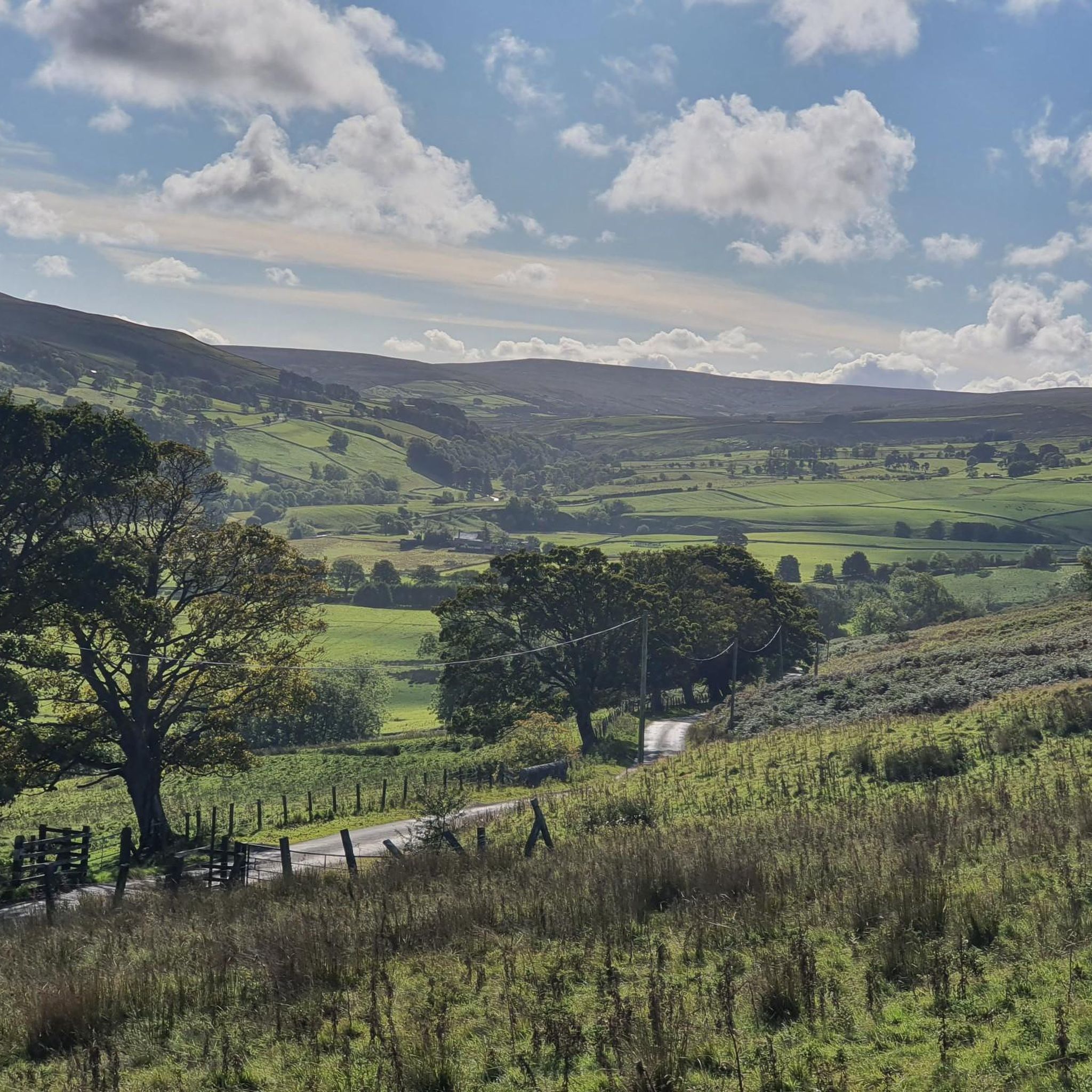
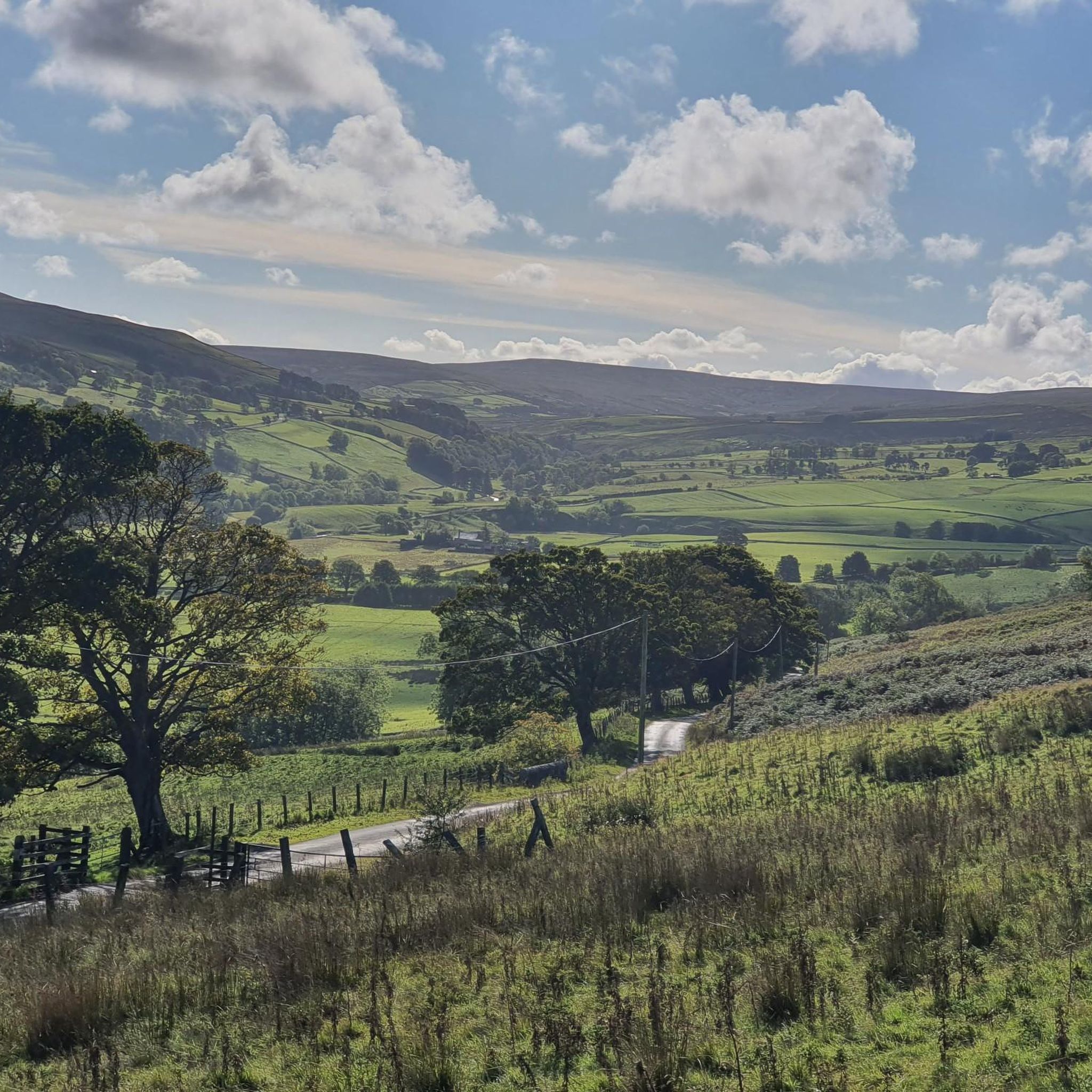
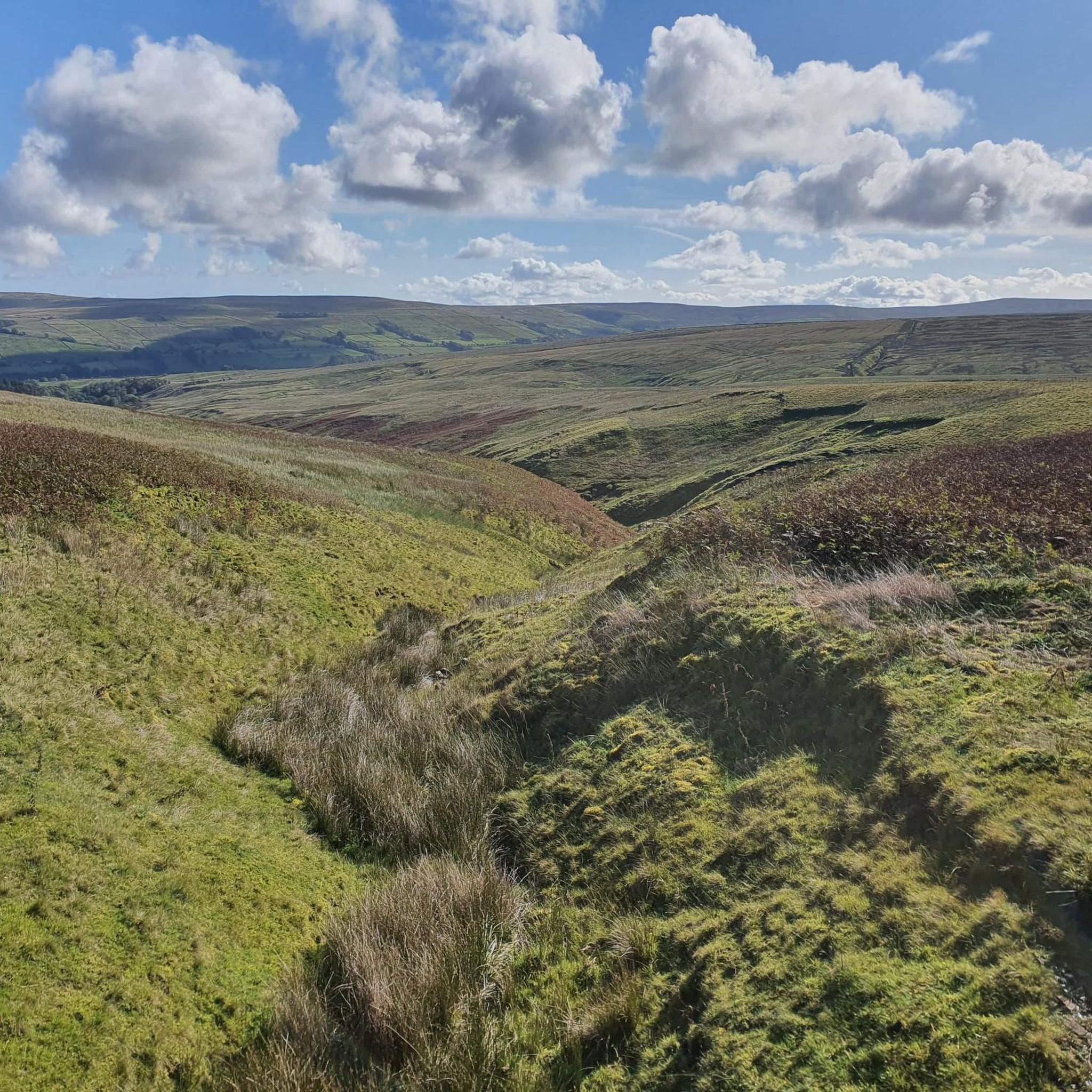
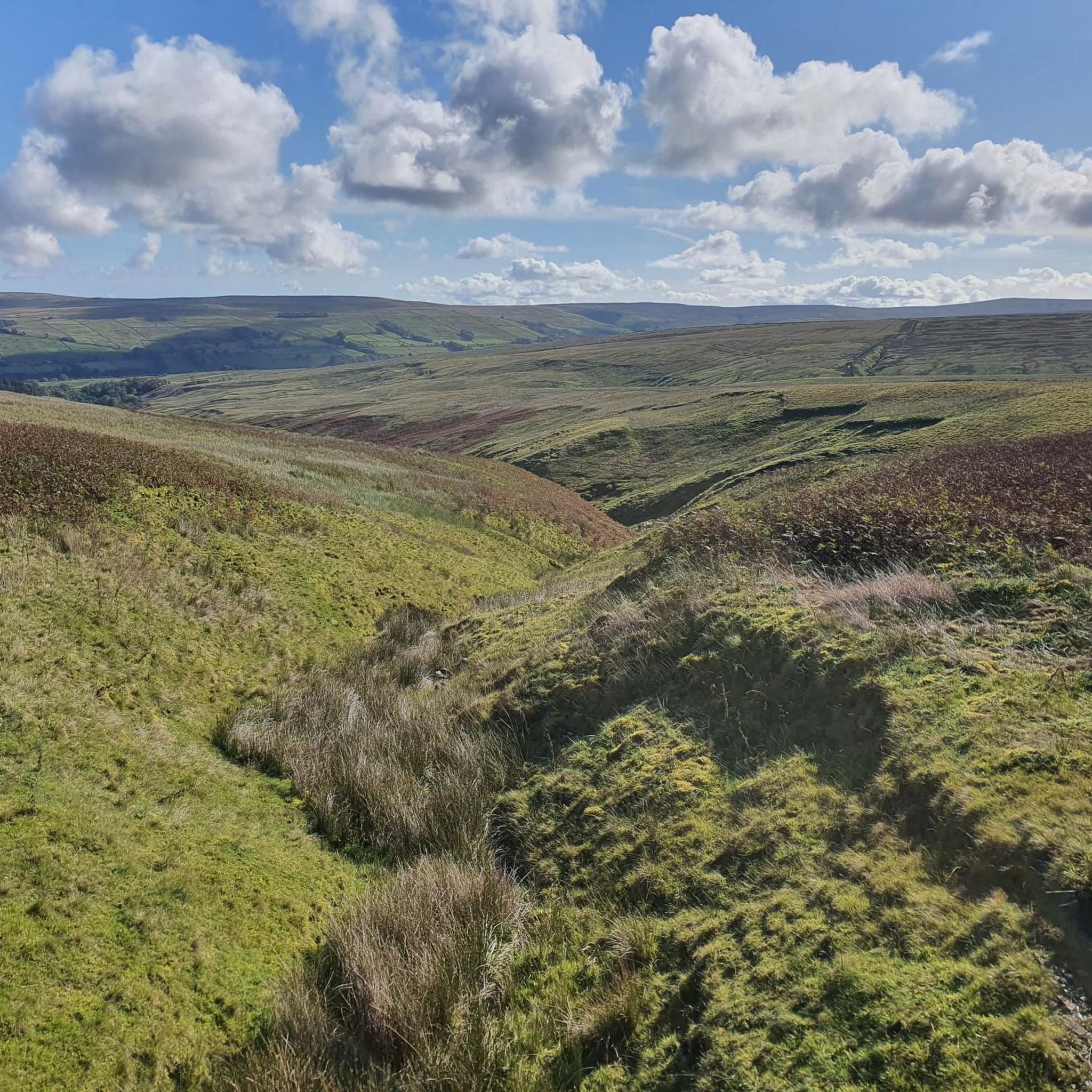
Touring cycling around Plenmeller With Whitfield offers diverse landscapes within the North Pennines National Landscape. The area features upland moors, river valleys, and ancient woodlands, providing varied gradients and scenic vistas. Rolling hills and open moorland characterize much of the terrain, with river valleys like the South Tyne and River Allen offering picturesque riverside paths. This combination of natural features creates a compelling environment for cyclists.
Best touring cycling routes around Plenmeller With Whitfield
- The most popular touring cycling route…
Last updated: May 13, 2026
10
riders
27.7km
01:50
390m
390m
Embark on a moderate touring cycling adventure along the Hadrian's Wall and Pennine Cycleway Loop, a 17.2-mile (27.7 km) route that takes about 1 hour and 50 minutes to complete.…
4.0
(1)
6
riders
58.3km
03:55
670m
670m
Cycle the challenging 36.2-mile Haltwhistle to the Roman wall loop, exploring Hadrian's Wall and Northumberland's rugged beauty.

Sign up for free
5.0
(3)
22
riders
25.9km
01:44
260m
260m
Moderate bike ride. Good fitness required. Mostly paved surfaces. Suitable for all skill levels.
22
riders
62.3km
04:02
690m
690m
Hard bike ride. Very good fitness required. Mostly paved surfaces. Suitable for all skill levels.
13
riders
46.3km
03:06
740m
740m
Hard bike ride. Very good fitness required. Mostly paved surfaces. Suitable for all skill levels.
Get access to more routes and recommendations from other explorers.
Sign up for free
Already have an account?
Our route recommendations are based on thousands of hikes, rides, and runs completed by other people on komoot.
Start today with a free account
Your next adventure awaits.
Login or Signup
Tips from the Community

Well, we got here nearly at the end of our Hadrian's Wall hike for the day and had a bit of bad luck. Fancy turning up at one of the best Roman forts on Hadrian's Wall to be told it was closed because the wind was too strong and it might blow us off the wall. A place to come back to.
0
0

National Cycle Route 72, or Hadrian's Cycleway, passes through Stanegate here. Stanegate was a strategic Roman border road in Northern England, constructed around 77–85 AD under Governor Agricola—decades before Hadrian's Wall. The name "Stanegate" comes from Old English and literally means "stone road." Stanegate runs through the valleys of the River Tyne and River Irthing and is approximately 61 km long. It served as a military corridor leading to Hadrian's Wall and, from around 87 AD, became the de facto northern border of the Roman Empire in Britain.
7
0

Hexham Abbey is one of England's oldest and most impressive churches. The abbey was originally founded in 674 AD by St. Wilfrid, using stones from nearby Roman ruins. The oldest part—the Saxon crypt—is still intact and represents a rare remnant of early Christian architecture. Inside, you'll find stained glass, the Roman tombstone of Flavinus, a 1st-century standard-bearer, an impressive Phelps organ from 1974, and a frith stool (Saxon bishop's chair). Admission to the abbey is free, with a small charge for the crypt.
9
0
Warden Bridge is an elegant stone arch bridge spanning the River South Tyne. The current bridge was built in 1903 and replaced an earlier chain bridge dating from 1826, which collapsed under the weight of a steam threshing machine in 1877. The structure consists of two stone arches with one pier suspended in the water. On the south side, the old tollhouse still stands, a reminder of the days when you had to pay to cross the bridge.
8
0
National Cycle Route 72, or Hadrian's Cycleway, passes through Stanegate here. Stanegate was a strategic Roman border road in Northern England, constructed around 77–85 AD under Governor Agricola—decades before Hadrian's Wall. The name "Stanegate" comes from Old English and literally means "stone road." Stanegate runs through the valleys of the River Tyne and River Irthing and is approximately 61 km long. It served as a military corridor leading to Hadrian's Wall and, from around 87 AD, became the de facto northern border of the Roman Empire in Britain.
8
0
National Cycle Route 72, or Hadrian's Cycleway, passes through Stanegate here. Stanegate was a strategic Roman border road in Northern England, constructed around 77–85 AD under Governor Agricola—decades before Hadrian's Wall. The name "Stanegate" comes from Old English and literally means "stone road." Stanegate runs through the valleys of the River Tyne and River Irthing and is approximately 61 km long. It served as a military corridor leading to Hadrian's Wall and, from around 87 AD, became the de facto northern border of the Roman Empire in Britain.
8
0
🏛️ Vindolanda Fort is one of the most fascinating Roman archaeological sites in Britain. Built around 85 AD and rebuilt nine times, Vindolanda was an important military stronghold before and during the construction of Hadrian's Wall. The highlight of the discovery were the Vindolanda Tablets – wooden tablets containing personal letters, shopping lists, and even birthday party invitations. They are the oldest handwritten documents in Britain. On site, you'll see the remains of forts, bathhouses, barracks, and a Roman village (vicus), replicas of Roman buildings and sections of Hadrian's Wall, and a modern museum with thousands of artifacts: shoes, toys, weapons, jewelry, and more. 🍵 Visitor facilities: Café, shop, guided tours, and listening posts with explanations.
11
0
Frequently Asked Questions
How many touring cycling routes are available in Plenmeller With Whitfield?
There are over 110 touring cycling routes around Plenmeller With Whitfield, offering a wide range of options for exploring the diverse landscapes of the North Pennines National Landscape.
What are the difficulty levels of touring cycling routes in this area?
The routes in Plenmeller With Whitfield cater to various skill levels. You'll find 8 easy routes, 44 moderate routes, and 61 difficult routes, ensuring options for both casual riders and those seeking a challenge.
Are there any family-friendly touring cycling routes?
While specific 'family-friendly' routes are not explicitly detailed, the area's mix of river valleys and established paths suggests that some of the 8 easy routes would be suitable for families. Look for routes with lower elevation gain and shorter distances for a more relaxed experience.
Can I find circular touring cycling routes in Plenmeller With Whitfield?
Yes, many of the touring cycling routes in the area are designed as loops. For example, the Hadrian's Wall and Pennine Cycleway Loop and the Lambley Viaduct – Lambley Viaduct loop from Haltwhistle are popular circular options.
What historical landmarks or natural features can I see along the cycling routes?
The area is rich in history and natural beauty. You can encounter significant landmarks like Steel Rigg and Hadrian's Wall, the iconic Sycamore Gap (Robin Hood Tree), and the ruins of Thirlwall Castle. Natural features include the picturesque Crag Lough and the dramatic Ashgill Force waterfall.
What is the best time of year for touring cycling in Plenmeller With Whitfield?
The diverse landscapes, including upland moors and river valleys, are beautiful throughout the warmer months. Spring and autumn offer pleasant temperatures and vibrant scenery. Summer provides longer daylight hours, though some moorland areas can be exposed. Winter cycling is possible but requires appropriate gear for potentially challenging weather conditions.
Where can I park my car when cycling in the area?
Many routes start from towns like Haltwhistle, which typically offer public parking facilities. For routes that venture into more remote areas, look for designated car parks near trailheads or popular attractions like Cawfields Quarry, which has visitor facilities.
Is public transport available to reach the cycling routes?
Yes, the proximity to Haltwhistle, which is served by the Tyne Valley railway line, provides good public transport links. You can often bring your bike on trains, making it convenient to access routes starting from or passing through Haltwhistle.
Are there places to eat or drink along the routes?
While specific cafes and pubs directly on every route are not listed, towns and villages like Haltwhistle, Hexham, and Whitfield itself offer various options for refreshments. Planning your route to pass through these settlements will ensure opportunities for food and drink.
What do other touring cyclists say about the routes in Plenmeller With Whitfield?
The touring cycling routes in Plenmeller With Whitfield are highly rated by the komoot community, with an average score of 4.1 stars from over 50 reviews. Cyclists often praise the varied terrain, the historical integration, and the scenic vistas across the moors and river valleys.
Are there any routes that offer views of Hadrian's Wall?
Absolutely. The area is close to Hadrian's Wall, and routes like the Haltwhistle to the Roman wall loop specifically feature views of this historic landmark. You can also visit highlights like Hadrian's Wall itself and Steel Rigg.
What kind of terrain can I expect on these touring cycling routes?
You can expect a diverse range of terrain, from rolling hills and open moorland with varied gradients to picturesque riverside paths along the South Tyne and River Allen. Some routes also pass through ancient woodlands and offer glimpses of past lead mining landscapes.
Are there any routes suitable for advanced cyclists seeking a challenge?
Yes, there are 61 difficult routes for experienced cyclists. The Hexham Abbey – Centre of Britain, Haltwhistle loop from Haltwhistle, covering over 62 km with significant elevation, is a challenging option. Another demanding route is the Allenheads Information Board – Gin Hill Mine Shaft loop from Ninebanks.
Most popular routes around Plenmeller With Whitfield
Most popular attractions around Plenmeller With Whitfield

Get inspired with the komoot mobile app


Explore more
Browse the best Cycling routes in other regions.
