Attractions and Places To See around Wallington Demesne - Top 20
Best attractions and places to see around Wallington Demesne encompass a large estate in Northumberland, England, offering a variety of historical landmarks, diverse natural features, and cultural sites. The estate spans 13,500 acres of parkland, woodlands, and farmland, situated on the south-facing slopes of the Wansbeck valley. Visitors can explore a country house, historic churches, and extensive natural landscapes. The area provides opportunities to engage with both historical architecture and varied outdoor environments.
Best attractions and places to see around…
Last updated: September 23, 2026
Winter's Gibbet
Highlight • Historical Site
Climb number 61 in the top 100 hills list. It climbs 153m in 3.7km with an average gradient of 4%. Max gradient 10%.
Tip by

Wannie Line Walk
Highlight • Trail
Tip by
Sign up now to discover places like this
Get recommendations on the best single tracks, peaks, & plenty of other exciting outdoor places.
St Mary Magdalene Church
Highlight • Other
The parish church dates back to the late 12th century and was remodeled in the 13th century, likely after the village was burned by King John …
Tip by

Capheaton Tea Room
Highlight • Cafe
Tip by

Mitford Castle Ruins
Highlight • Castle
Mitford Castle dates back to the late 12th century, initially documented in 1138. It served various strategic roles, including being seized by King John in 1215 and later occupied …
Tip by
Sign up for free to discover even more attractions around Wallington Demesne.
Already have an account?
Start today with a free account
Your next adventure awaits.
Tips from the Community

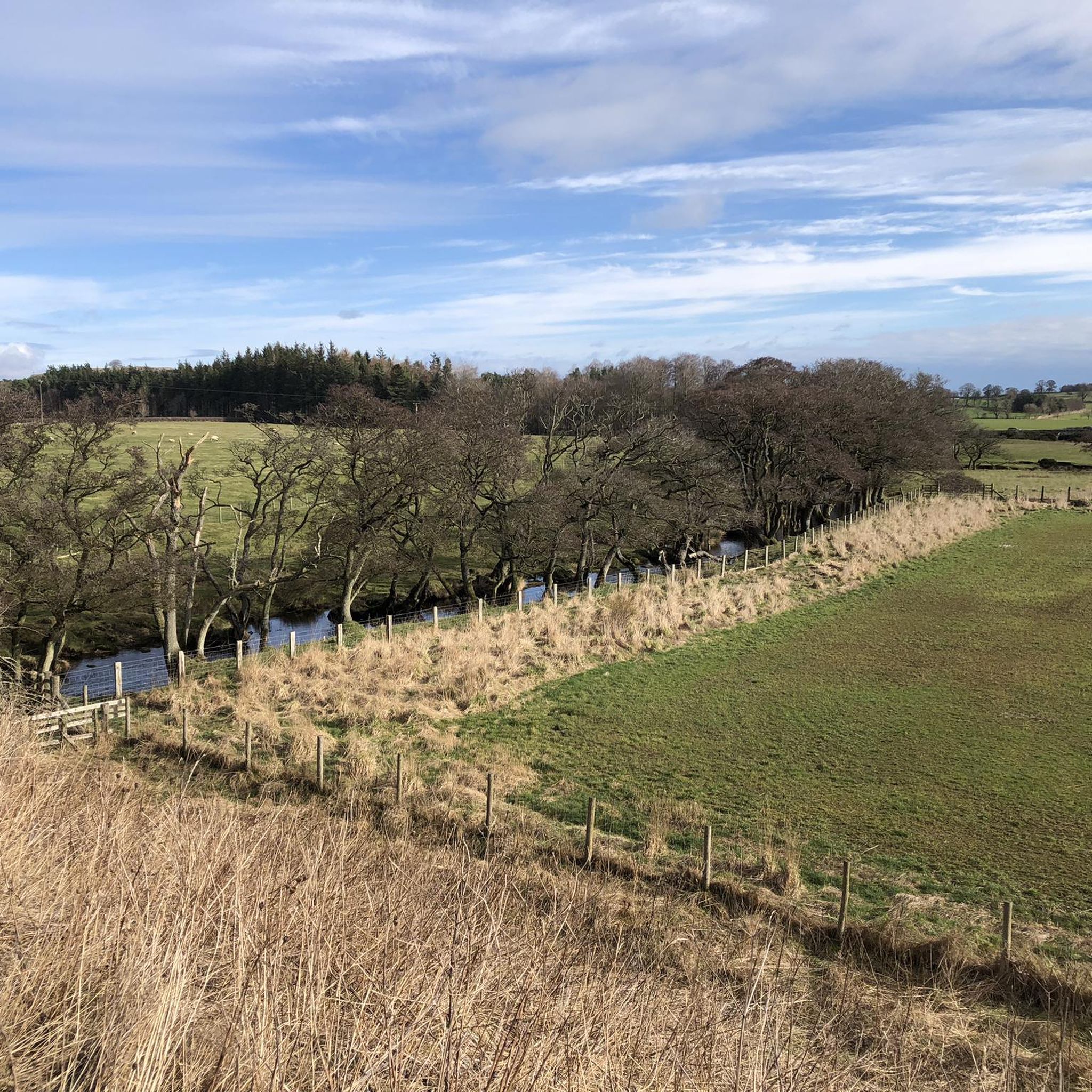
Classic Northumberland road climb, even if it does have a descent in it. Ramp near the start in Elsdon is the hardest bit. Get lucky with a tailwind and fly down eastwards past Harwood Forest
0
0
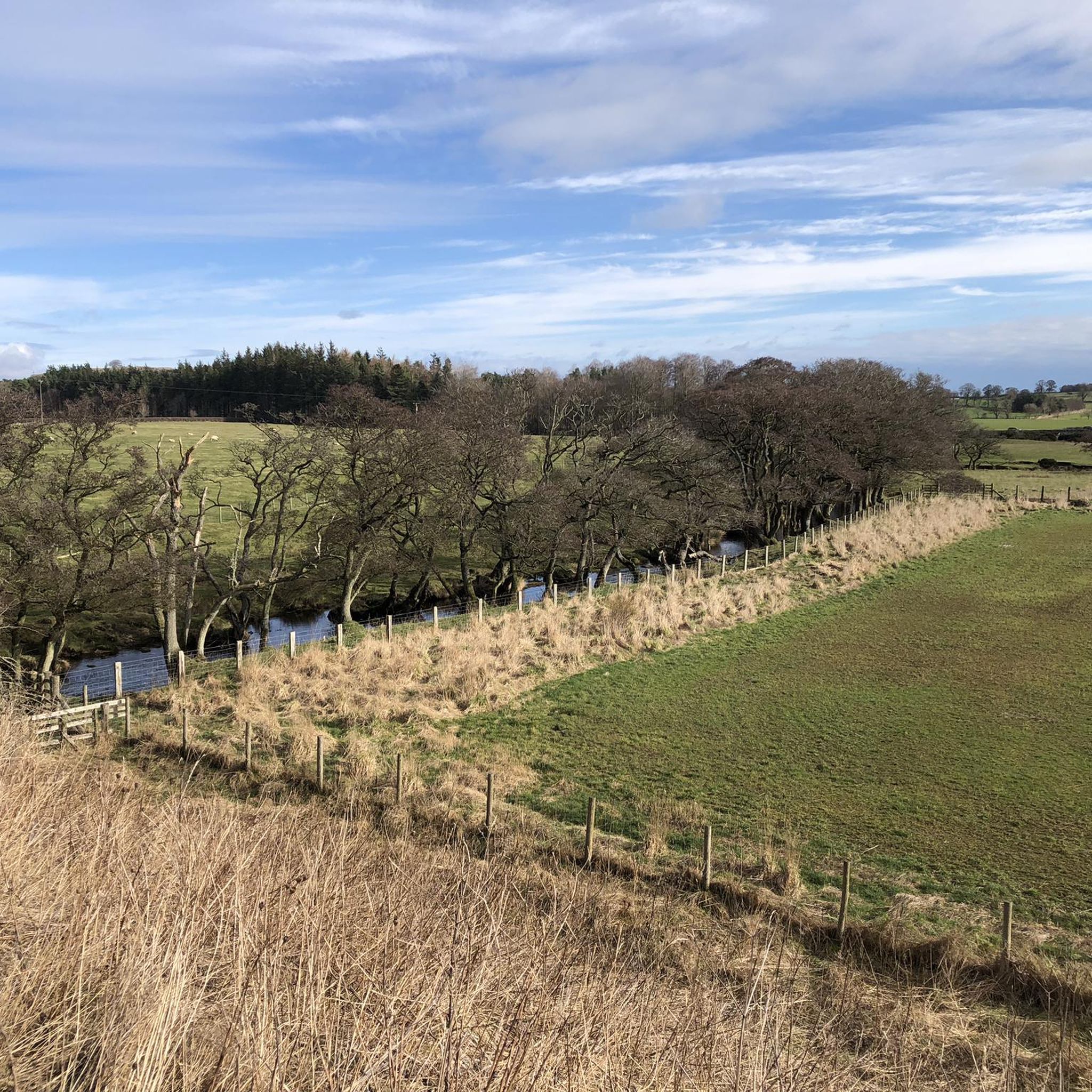
Classic Northumberland cycling cafe. Tasty food reasonably priced, top cake
0
0
Great cafe, reasonably priced, don't get there too late though or there'll be nowt left !
0
0

Capheaton tea Room - - great bacon sandwiches
0
0

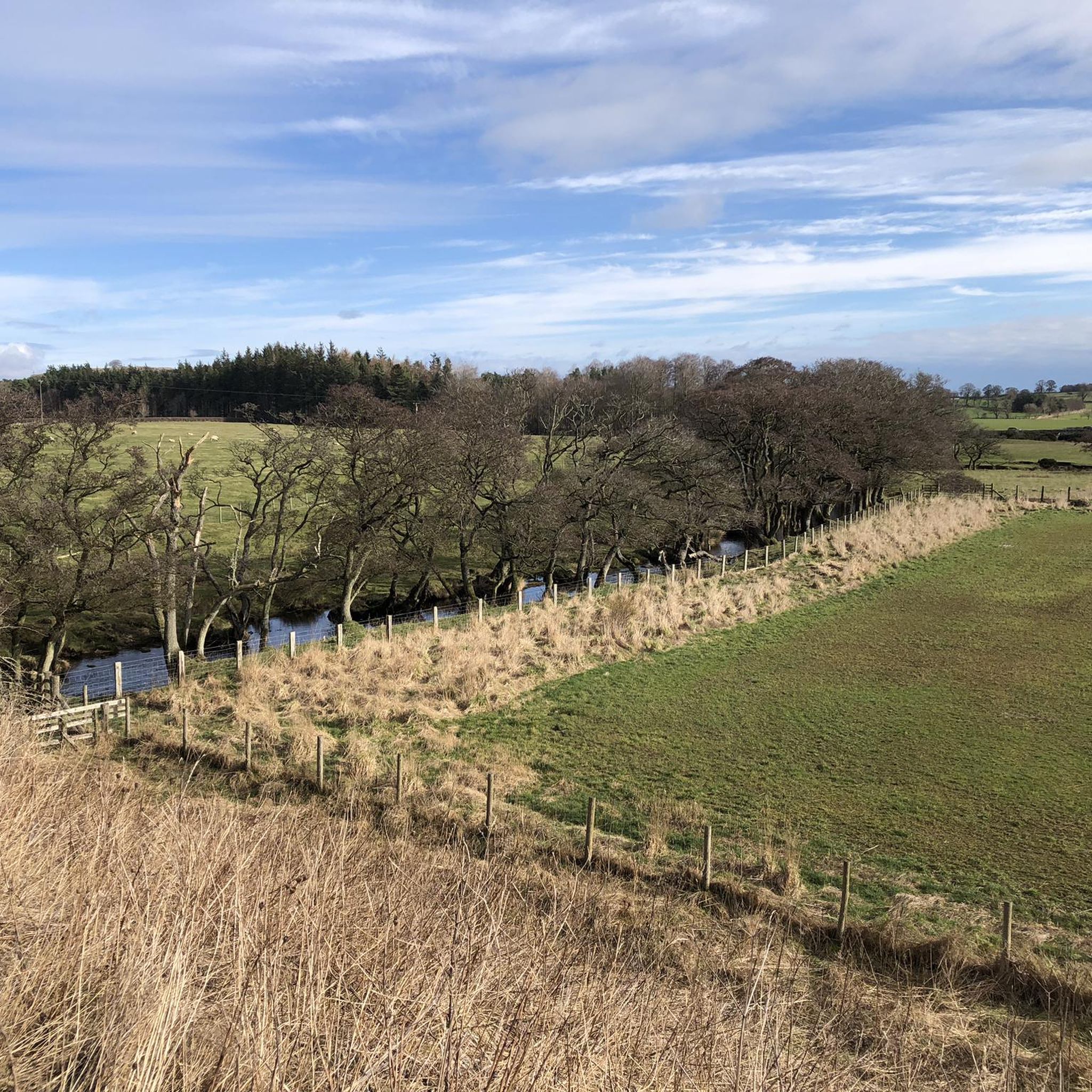
History: Mitford Castle dates back to the late 12th century, initially documented in 1138. It served various strategic roles, including being seized by King John in 1215 and later occupied by the Scots. By 1323, it was abandoned due to extensive damage. The site includes a motte and bailey, with the motte later converted into a shell keep—a rare type of Norman fortification with only about 60 known examples in Britain. Exterior: Situated on a hillock above the River Wansbeck, the castle's remains include a substantial earthen motte and a surrounding ditch. An oval bailey, defended by a series of outworks and ditches, occupies the summit of the hill. The southern half of the bailey features remnants of a curtain wall, enclosing an outer ward, while the northern half retains an earthen bank. Interior: Within the shell keep are the remains of a central tower from the early 13th century, divided into two barrel-vaulted chambers likely used for water storage. Foundations of earlier structures are also present. Adjacent to the shell keep are the ruins of a 12th-century chapel and associated graveyard, adding to the site's historical significance. The well-preserved earthworks and stone structures provide valuable insights into medieval defensive architecture.
1
0
History of the Church: The parish church dates back to the late 12th century and was remodeled in the 13th century, likely after the village was burned by King John in 1216. The 14th century saw the addition of transepts. Major restoration and the addition of a south aisle, west tower, clerestory, and porch were carried out by R.J. Johnson of Newcastle in 1874-5. Exterior: The church features a mix of medieval squared stone and 19th-century ashlar with red tile roofs. Key elements include a west tower with an octagonal southwest stair turret, a south aisle with stepped angle buttresses and lancet windows, and a projecting southwest porch. The north nave wall has 13th-century masonry and a blocked door. The chancel’s south wall includes a 12th-century priest’s door and lancet windows, while the transepts have trefoiled ogee lights. Interior: Inside, the 12th-century south arcade features round moulded arches on round piers with scalloped capitals. The north transept and south transept have foliage-carved capitals and a small piscina, respectively. The chancel arch and tower arch are 19th-century, and the chancel includes triple sedilia and eastern lancets with 12th-century outer shafts. Fittings include a 1622 Revely monument, a Romanesque wall monument, a medieval bell, and various 19th-century items like the font, pulpit, and reredos with figures of Saints Aidan and Cuthbert.
0
0
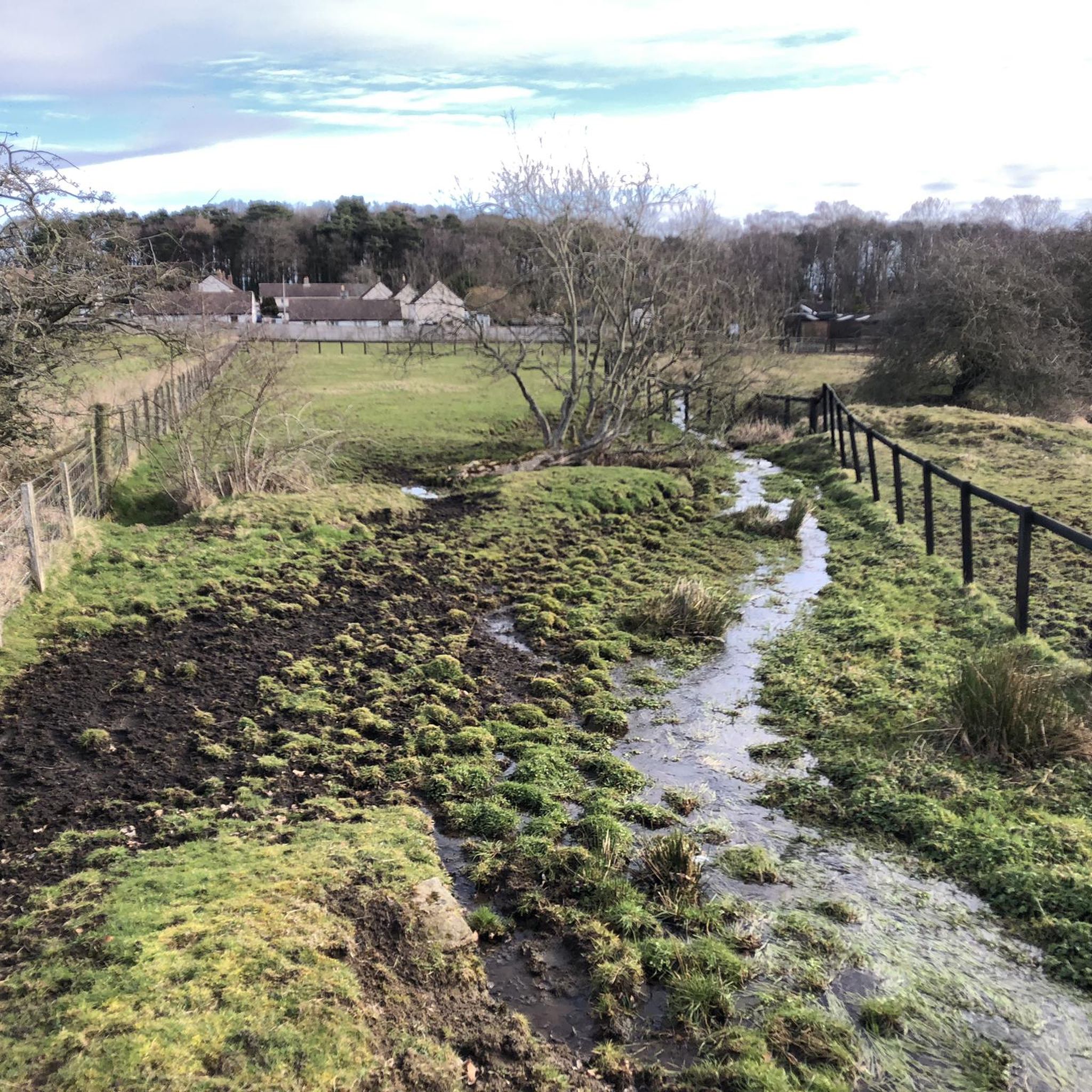
Very enjoyable walk seems to have been remarked so fairly easy to find your way out of the various fields you will end up in.
1
0

The Wannie Line walk is a circular walk waymarked by the National Trust as part of the nearby Wallington Estate. The walk follows a section of the old Wannie and Rothbury railway lines. The old steam trains that used to use these lies carried stone, lime, coal and livestock, as well as passengers. The lines closed in 1966 due to the rise in the use of the car and fewer passengers. Today the walk follows the railways, so the trail is flat and easy to walk, it's a nice circular 10km walk waymarked with NT orange arrows. As well as the course of the old railways you'll see old lime kilns and an abandoned quarry.
2
0
Frequently Asked Questions
What historical landmarks can I explore around Wallington Demesne?
The estate is rich in history, featuring several significant landmarks. You can visit Wallington Hall, a Grade I listed country house with origins in 1688, known for its Pre-Raphaelite murals and historical collections. Another notable site is St Mary Magdalene Church, a parish church dating back to the late 12th century. Don't miss Winter's Gibbet, a historic viewpoint on Battle Hill with panoramic views and a fascinating story. Other historical structures include the Clock Tower Gate, The Arches, and the Bastle House in Cambo.
Are there any notable natural features to discover within the Wallington Estate?
Yes, Wallington Demesne boasts diverse natural landscapes. The estate includes a significant wooded dene (valley), extensive woodlands like East Wood and West Wood, and open moorland. You'll also find several ornamental lakes and ponds, such as Rothley High and Low Lakes. The parkland is situated on the south-facing slopes of the Wansbeck valley, with walking trails following the River Wansbeck. The area is home to wildlife including red squirrels, otters, and various bird species, with a wildlife hide near Middle Pond for observation.
What walking trails are available for visitors at Wallington Demesne?
Wallington Demesne offers a variety of walking trails. The Wannie Line Walk is a popular 10km circular route, waymarked by the National Trust, that follows sections of old railway lines, offering flat and easy terrain past historical features like lime kilns. There's also a scenic River Walk along the Wansbeck, featuring sculptures. For more options, you can explore various routes in the Hiking around Wallington Demesne guide, which includes the 'River Walk at Wallington' and 'Wannie Line Walk'.
Are there family-friendly activities or attractions at Wallington Demesne?
Absolutely. Wallington Demesne is well-suited for families, offering several play areas including a play fort, an adventure playground, and the Little Acorns play area with willow tunnels and tree trunks. The Wannie Line Walk is also considered family-friendly due to its flat and easy terrain. Additionally, the Dragon Cycle Trail provides two family-friendly cycling routes (1.5km and 4.5km) in West Wood.
Where can I find a good place for refreshments near the Wallington Demesne attractions?
For refreshments, the Capheaton Tea Room is a highly-rated option, especially popular with cyclists, offering hot and cold drinks, local cakes, sandwiches, and soup. There is also a cafe located on-site at Wallington Hall, providing convenient facilities for visitors exploring the estate.
What cycling opportunities are there around Wallington Demesne?
Cyclists have several options around Wallington Demesne. The Dragon Cycle Trail offers safe, entry-level routes of 1.5km and 4.5km within West Wood, perfect for families. For more extensive rides, you can consult the Cycling around Wallington Demesne guide, which features routes like the 'Dragon Cycle Trail – Dragon's Bow Woodland loop'. Road cyclists can find routes in the Road Cycling Routes around Wallington Demesne guide, including loops around Bolam Lake and Wallington Hall.
Can I bring my dog to Wallington Demesne?
While the provided data doesn't explicitly state the dog policy for the entire Wallington Demesne, National Trust properties often have specific guidelines for dogs, usually allowing them in certain outdoor areas on leads. It's recommended to check the official National Trust website for Wallington for the most current information regarding dog access to specific areas like the Hall, Walled Garden, and various trails.
What is the best time of year to visit Wallington Demesne?
Wallington Demesne offers attractions year-round. Spring brings blooming gardens, while summer provides ideal weather for exploring the extensive parkland and trails. Autumn showcases vibrant foliage in the woodlands. Even in winter, the estate can be beautiful, though some facilities or specific garden areas might have reduced hours. The Capheaton Tea Room, for example, is open all year but only on weekends from 10:00 - 15:00.
Are there any cultural sites or unique collections at Wallington Demesne?
Beyond its architecture, Wallington Hall serves as a significant cultural site. Inside, you can see the desk where Thomas Babington Macaulay wrote his *History of England* and a collection of antique dollhouses. The arcaded Central Hall features notable Pre-Raphaelite mural paintings by William Bell Scott, Lady Trevelyan, and John Ruskin, depicting the history of Northumberland. The Walled Garden also reflects the horticultural interests of past owners, particularly the Trevelyan family.
What are some less-known or 'hidden gem' spots at Wallington Demesne?
While the main attractions are well-loved, some lesser-known spots include the Ice House, a historical structure used for storing ice, and the Bridge over the Wansbeck. The Dragons' Heads, a group of four carved dragons' heads on the lawns east of Wallington Hall, offer a unique photo opportunity. The Wellbeing Woods provide a tranquil area for relaxation and 'forest bathing' (Shinrin-yoku), offering a peaceful escape from more crowded areas.
Are there accessible routes for visitors with mobility needs?
The Wannie Line Walk is noted for its flat and easy terrain, following old railway lines, which can be suitable for some visitors with mobility needs. The Dragon Cycle Trail also offers safe, entry-level routes. For specific information on wheelchair accessibility within Wallington Hall and other areas of the estate, it is advisable to check the official National Trust website for detailed access guides.
What kind of wildlife can I expect to see at Wallington Demesne?
Wallington Demesne is a haven for wildlife. Keep an eye out for red squirrels, otters, and water voles. The estate is also home to roe deer, badgers, buzzards, and kingfishers. A dedicated wildlife hide near Middle Pond provides an excellent spot for birdwatching and observing the local fauna in their natural habitat.
Most popular routes around Wallington Demesne
Most popular attractions around Wallington Demesne

Get inspired with the komoot mobile app


Explore more
Still not found the Highlight you’re looking for? See guides of the top attractions in other regions:
