The 10 Most Amazing Peaks around Culmington
Best mountain peaks around Culmington are found within the picturesque countryside and rolling hills of south Shropshire, England. Situated approximately 100 meters above sea level, Culmington itself does not feature prominent mountain peaks but serves as a gateway to the wider Shropshire Hills National Landscape. This area is renowned for its diverse geology and varied terrain, offering numerous opportunities for walking and exploring. The region provides access to significant hills and a network of footpaths through woodlands and open moorland.
…Last updated: July 3, 2026
Carding Mill Valley
Highlight • Gorge
Tip by

Burrow Hillfort
Highlight • Historical Site
Tip by

Sign up now to discover places like this
Get recommendations on the best single tracks, peaks, & plenty of other exciting outdoor places.
Sign up for free
Ludlow Castle
Highlight • Historical Site
Tip by

Mortimer Forest
Highlight • Trail
Tip by

Battle Stones on Willstone Hill
Highlight • Natural Monument
Though their name has been documented since 1623, the historical accounts of …
Tip by

Sign up for free to discover even more peaks around Culmington.
Sign up for free
Already have an account?
Start today with a free account
Your next adventure awaits.
Login or Signup

Tips from the Community

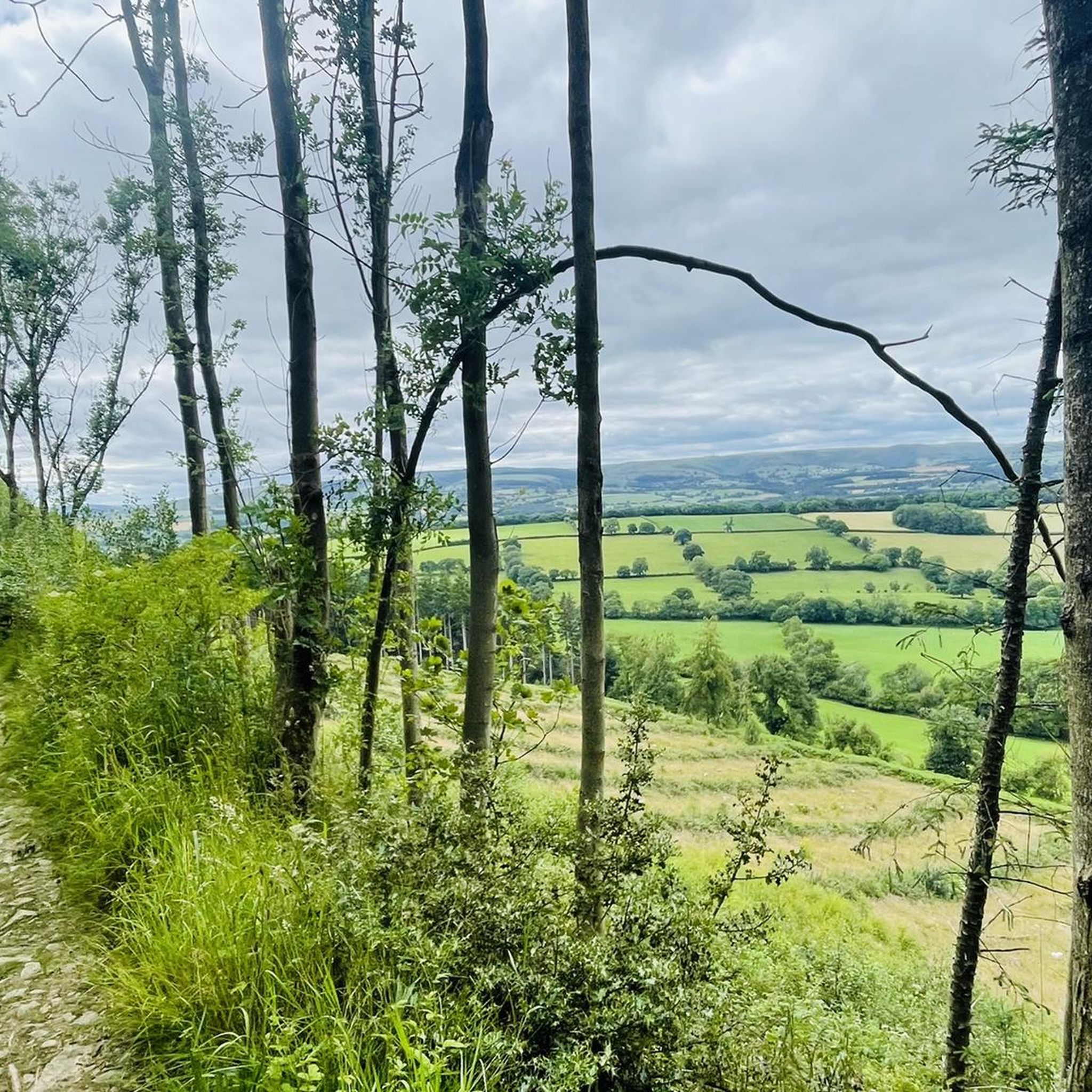
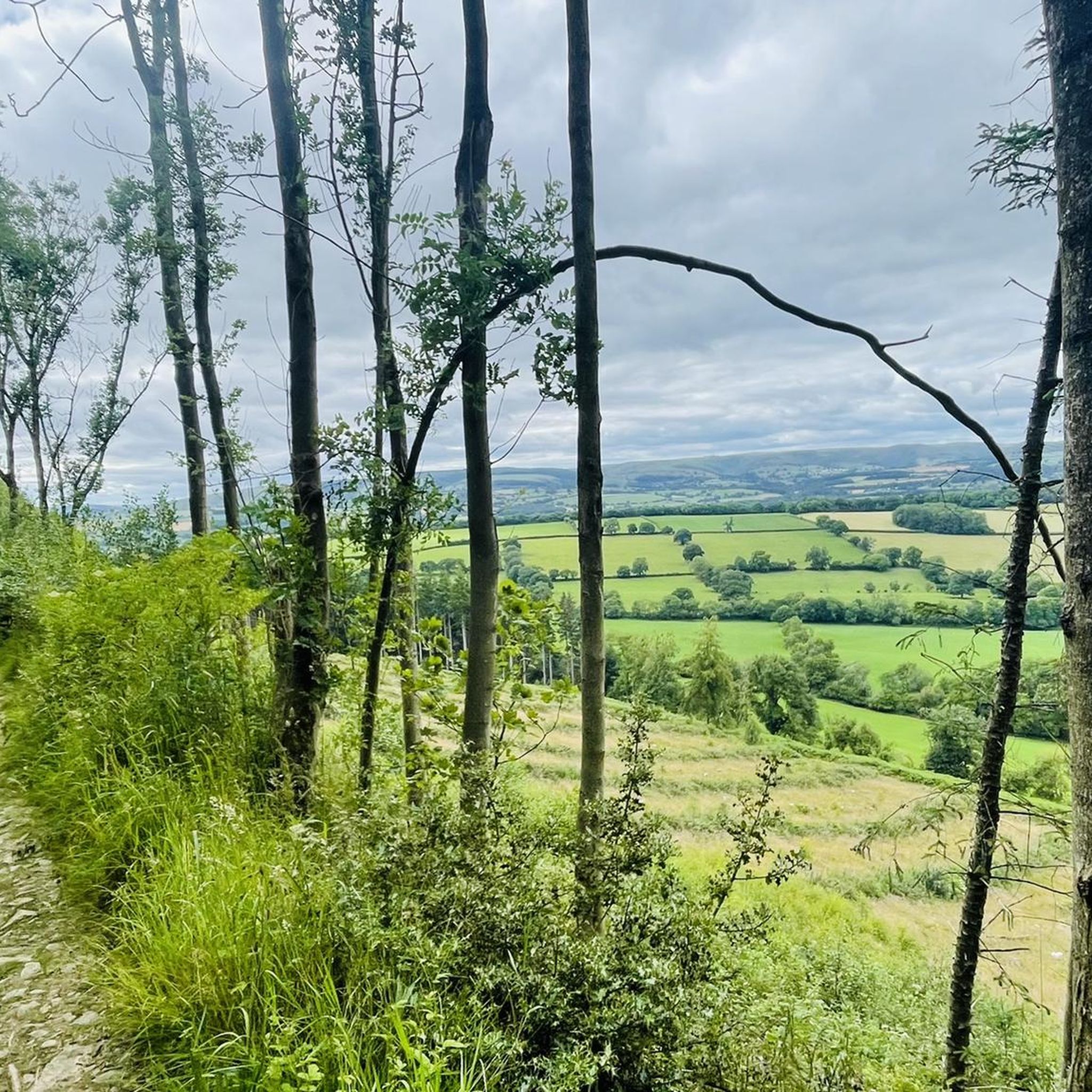
The remnants of a much bigger forest, high on a hill. Very atmospheric place.
0
0

The ruins of Ludlow castle is on a promontory overlooking the River Teme. It was one of the first stone castles to be built in England and dates back to the 11th century.
0
0

Sturdy footwear recommended, we completed a 4 mile hike, with a couple of steep rock steps to walk up along the way. Other than the steps, the majority of paths are easily accessible. Can get busy when the weather is very good and if you’re lucky, you may get a treat and see the wild horses.
1
0

Carding Mill Valley is a stunning valley that runs north-west out of the charming village of Church Stretton. It is the gateway to a plethora of gentle walks, hikes, and bike rides that are available in the Long Mynd area. The Ashbrooke River runs through the centre of this stunning valley, and located in its upper reaches is Lightspout Waterfall. The valley is bordered by the steep but moderate hills of Bodbury Hill and Haddon Hill to the north and Burway Hill and Cow Ridge to the south. There is a National Trust car park, information centre, and cafe at the start of the valley, but get there early, especially on summer weekends and bank holidays, as this is a very popular area.
3
0

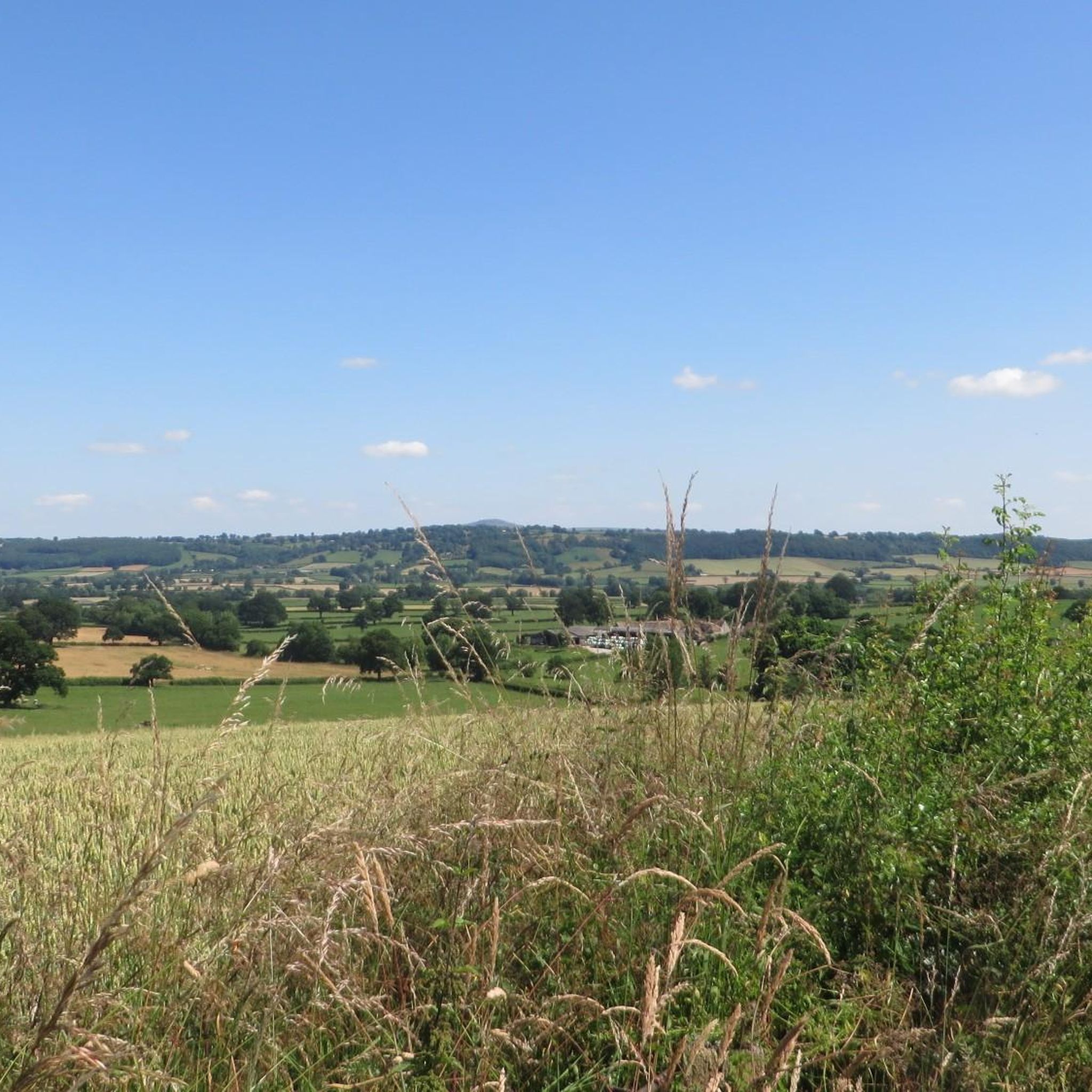
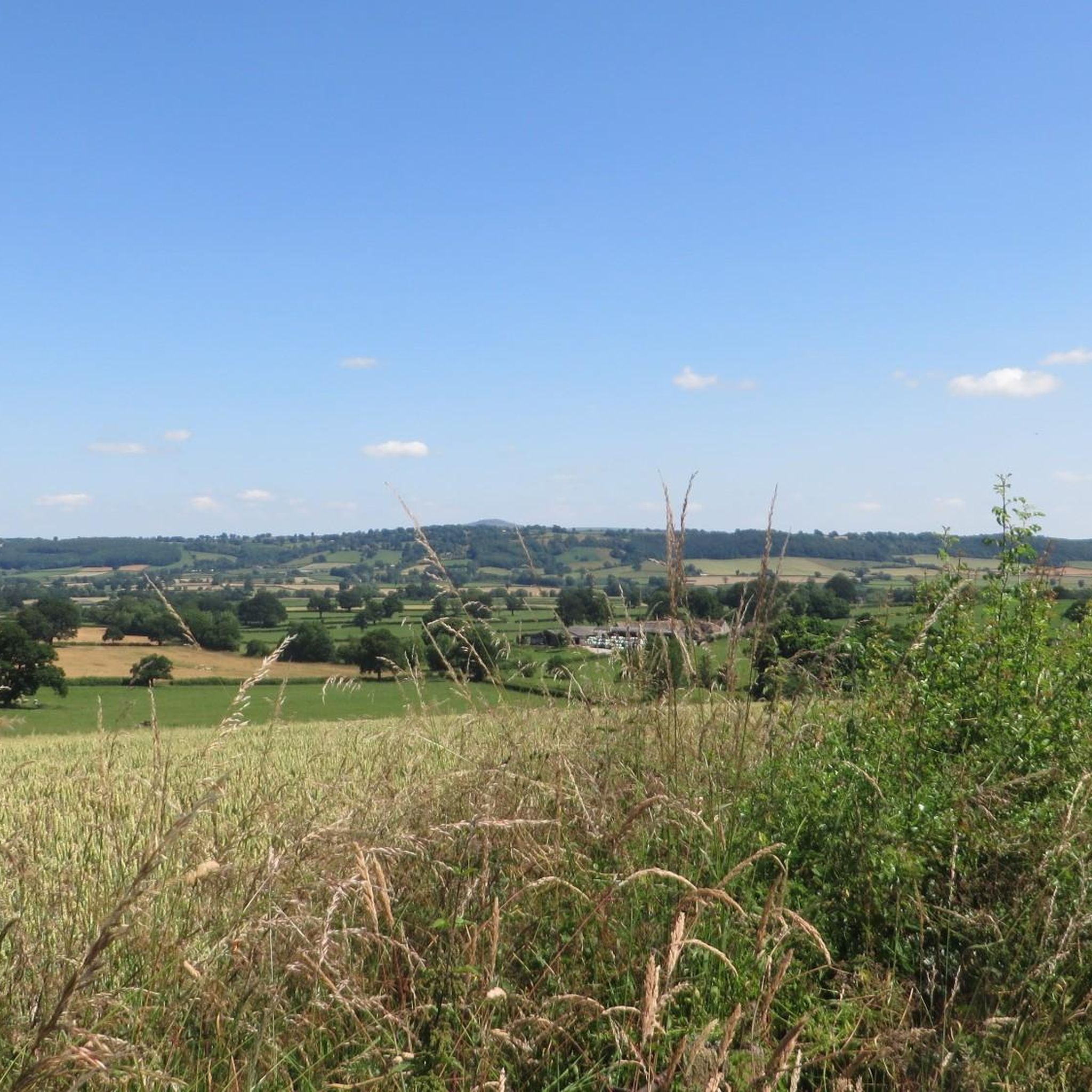
The Battle Stones, situated on Willstone Hill adorn the ridge between the towns of Church Stretton and Cardington. Though their name has been documented since 1623, the historical accounts of a battle or skirmish during the Roman invasion remain unverified. The spot is an excellent viewpoint, capturing The Lawley ridge and the iconic pudding-basin-shaped hill, The Wrekin, on the horizon.
3
0

Can't believe this castle is still standing, it is amazing and well worth the near £10 for a visit and to get inside.
1
0

Although originally made up of ancient royal chases and deer parks, the forest we see today was largely planted by the Forestry Commission in the 1920s. It was named after the Mortimer Family, Norman Lords who held power over the region for some 300 years.
1
0
Frequently Asked Questions
What are some popular elevated spots and natural monuments to explore near Culmington?
While Culmington itself is characterized by rolling hills, the wider Shropshire Hills National Landscape offers several notable elevated spots. Popular choices include Carding Mill Valley, which serves as a gateway to the Long Mynd area, and the Battle Stones on Willstone Hill, known for excellent viewpoints. Other significant hills in the broader Shropshire area include Abdon Burf (Brown Clee Hill), Titterstone Clee Hill, and The Stiperstones, all offering impressive views and diverse terrain.
Are there any significant historical sites on elevated ground near Culmington?
Yes, the region boasts several historical sites with elevated positions. Burrow Hillfort is a well-regarded Iron Age hillfort featuring impressive ramparts and panoramic views. Additionally, Ludlow Castle, one of England's earliest stone castles, stands majestically over the River Teme and offers a glimpse into nearly 1,000 years of history.
What kind of natural landscapes can I expect to see in the Shropshire Hills near Culmington?
The Shropshire Hills National Landscape, accessible from Culmington, is renowned for its diverse geology and varied terrain. You can expect picturesque countryside with rolling hills, extensive woodlands, and open moorland. Distinctive features include the rocky tors of The Stiperstones and the expansive plateau of the Long Mynd, offering a mix of heathland and well-maintained paths.
Are there family-friendly walking options around Culmington's hills?
Yes, there are several family-friendly options. Carding Mill Valley is a popular spot with gentle walks and a National Trust car park, information centre, and cafe. Mortimer Forest also offers various circular trails suitable for families, with plenty of wildlife to spot. For easy hikes, you can explore routes like the Ludlow Town Centre – Ludford Bridge loop or the Ludlow Castle – Ludlow Market loop, both starting from Ludlow.
Where can I find dog-friendly trails near Culmington?
Mortimer Forest is an excellent choice for dog owners, offering invigorating, hilly trails where dogs are welcome. Many of the footpaths through the woodlands and open moorland in the wider Shropshire Hills are also suitable for dogs, though it's always advisable to check local signage for specific restrictions, especially in nature reserves or areas with livestock.
What hiking opportunities are available for different skill levels near Culmington?
The area caters to various hiking abilities. For easy walks, consider routes like the Ludlow Town Centre – Ludford Bridge loop or the View of Stokesay Castle loop. Moderate options include exploring Carding Mill Valley or the circular trails in Mortimer Forest. For more challenging hikes, the higher points of the Shropshire Hills such as Abdon Burf, Titterstone Clee Hill, and The Stiperstones offer more strenuous climbs and extensive views. You can find more hiking routes in the Easy hikes around Culmington guide.
Are there options for mountain biking or gravel biking in the Culmington area?
Yes, the region provides excellent opportunities for both mountain biking and gravel biking. Mortimer Forest features trails suitable for mountain biking. For gravel biking, you can explore routes like the Ludlow Castle – Mortimer Forest loop or the Pole Bank Summit and Viewpoint – Long Mynd Ridgeline loop. More detailed routes can be found in the Gravel biking around Culmington and MTB Trails around Culmington guides.
What are the best times of year to hike the hills around Culmington?
The Shropshire Hills are beautiful year-round, but spring and autumn are particularly popular for hiking due to milder temperatures and vibrant scenery. Spring brings blooming wildflowers, while autumn offers stunning foliage. Summer is also great, though popular spots like Carding Mill Valley can get busy, especially on weekends. Winter hiking is possible, but conditions can be challenging on higher ground, with potential for ice and snow.
Are there cafes or facilities near the popular hill trails?
Yes, several popular spots offer facilities. Carding Mill Valley has a National Trust car park, information centre, and a cafe at the start of the valley. The historic town of Ludlow, home to Ludlow Castle, also has numerous cafes and pubs. Additionally, many villages within the Shropshire Hills National Landscape offer local amenities for visitors.
What do visitors enjoy most about the elevated areas around Culmington?
Visitors frequently praise the panoramic views from spots like Burrow Hillfort and the Battle Stones on Willstone Hill. The tranquility of the rolling hills, the diverse walking opportunities, and the rich history embedded in sites like Ludlow Castle are also highly appreciated. The natural beauty of areas like Carding Mill Valley and Mortimer Forest, with their enchanting trails and wildlife, consistently receive positive feedback.
How accessible are the trailheads for the hills around Culmington by public transport?
While Culmington itself is a rural village, some larger towns in the Shropshire Hills, such as Church Stretton (near Carding Mill Valley and the Long Mynd) and Ludlow (near Ludlow Castle and Mortimer Forest), have train stations and bus services. From these towns, local buses or walking routes can often connect to various trailheads. However, for more remote locations, personal transport is generally recommended for easier access.
Most popular attractions around Culmington

Get inspired with the komoot mobile app


Explore more
See even more amazing summits around Culmington with these guides:
