Attractions and Places To See around Ditton Priors - Top 20
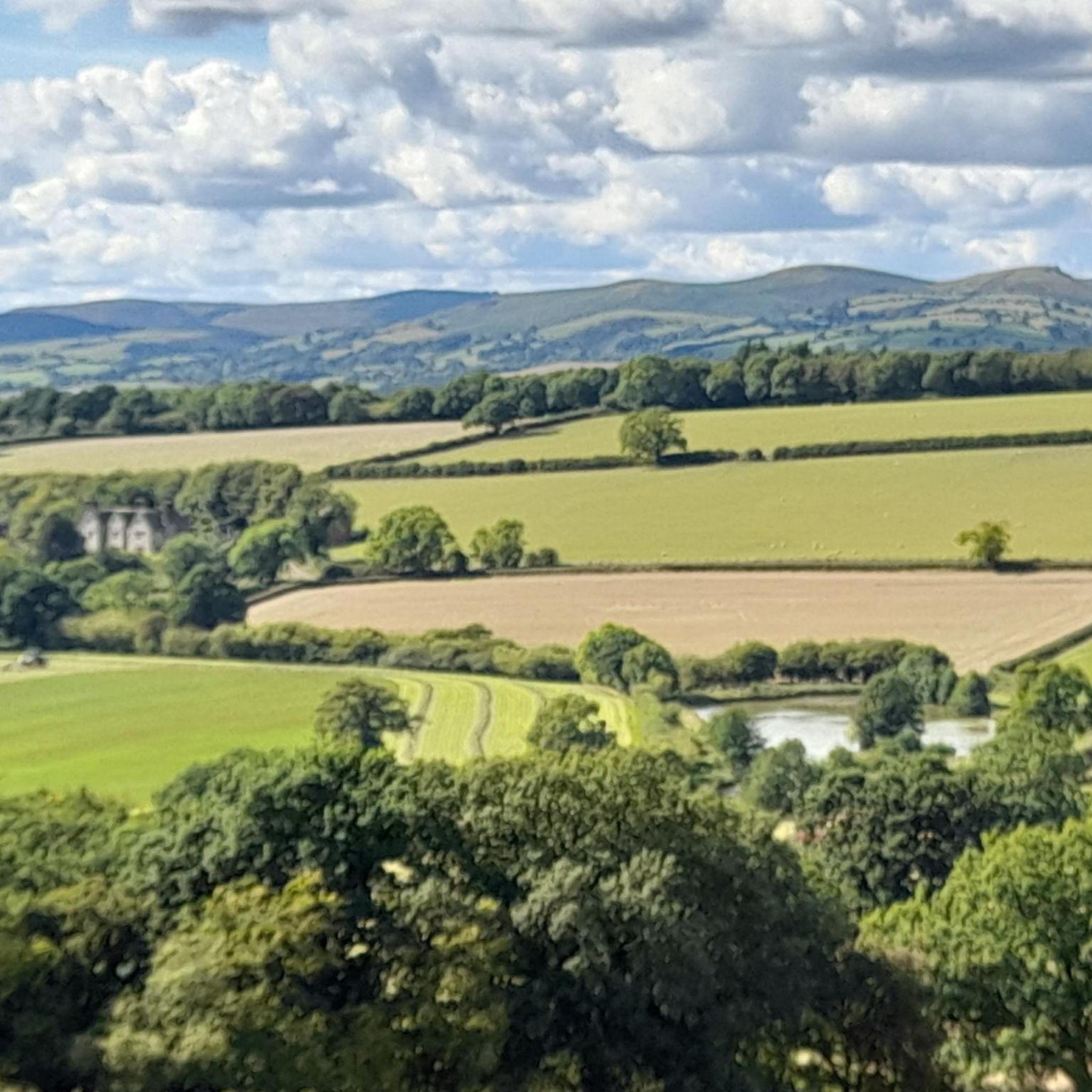
Best attractions and places to see around Ditton Priors include a variety of historical sites, natural monuments, and viewpoints within the Shropshire Hills Area of Outstanding Natural Beauty. This picturesque village is set amidst rolling hills and lush countryside, offering a base for exploring the region's diverse landscape. Visitors can discover ancient landmarks, significant summits, and charming local features. The area provides opportunities to engage with both the natural environment and the rich heritage of Shropshire.
Best attractions and places to see around Ditton Priors
- The most popular attractions is Abdon Burf Summit (Highest Point of Brown Clee Hill), a viewpoint that is the highest point in Shropshire. This summit, at 1,771 feet (540 m), offers fantastic views on clear days and features air traffic control masts.
- Another must-see spot is Titterstone Clee Hill summit, a natural monument and the third-highest point in Shropshire. It features a radar dome, a trig point, and a cairn, providing exceptional views of the surrounding landscapes.
- Visitors also love Clee Burf, a historical site and the second of two summits on Brown Clee Hill. This summit reaches 1,673 feet (510 m) and offers views of the Shropshire Hills AONB, with remnants of Iron Age hillforts.
- Ditton Priors is known for its significant hill summits, historical sites, and viewpoints. The area offers a variety of attractions to see and explore, from natural landscapes to man-made historical structures.
- The attractions around Ditton Priors are appreciated by the komoot community, with 3 highlights, more than 75 photos, and over 95 upvotes.
Last updated: November 17, 2026
Abdon Burf Summit (Highest Point of Brown Clee Hill)
Highlight • Viewpoint
This summit sits at 1,771 feet (540 m) and is also the sight of air traffic control masts which, while a little intrusive, are actually quite impressive by themselves. The hill has been the site of numerous wartime plane crashes, perhaps more than any other hill in the country. Today, planes are guided by the towers.
Tip by

Titterstone Clee Hill summit
Highlight • Natural Monument
There's a radar dome near the summit as well as a trig point and cairn. It's the site of an Iron Age hillfort but significant quarrying activity has altered the landscape more than anything else. While bleak, in good weather the hill offers exceptional views of the surrounding landscapes.
Tip by
Sign up now to discover places like this
Get recommendations on the best single tracks, peaks, & plenty of other exciting outdoor places.
Bridgnorth Castle Ruins
Highlight • Monument
Tip by

Bridgnorth Cliff Railway Top Station
Highlight • Structure
Tip by

Much Wenlock Guildhall
Highlight • Historical Site
The interior of the building retains historic fittings and it was still used for administrative purposes up until quite recently. Inside, you'll learn a lot about the building and feel as though you've taken a rather large step back in time.
Tip by
Sign up for free to discover even more attractions around Ditton Priors.
Already have an account?
Start today with a free account
Your next adventure awaits.
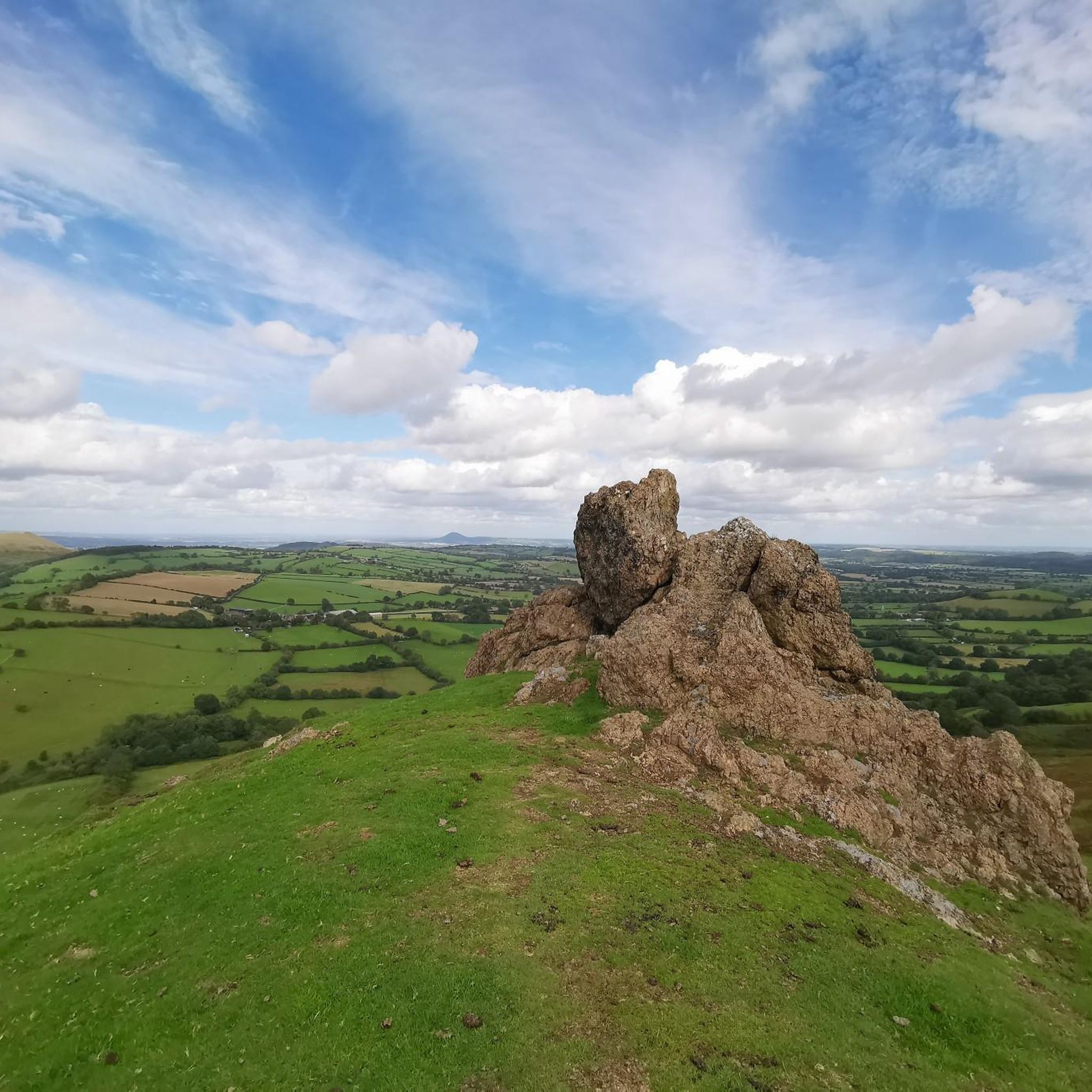
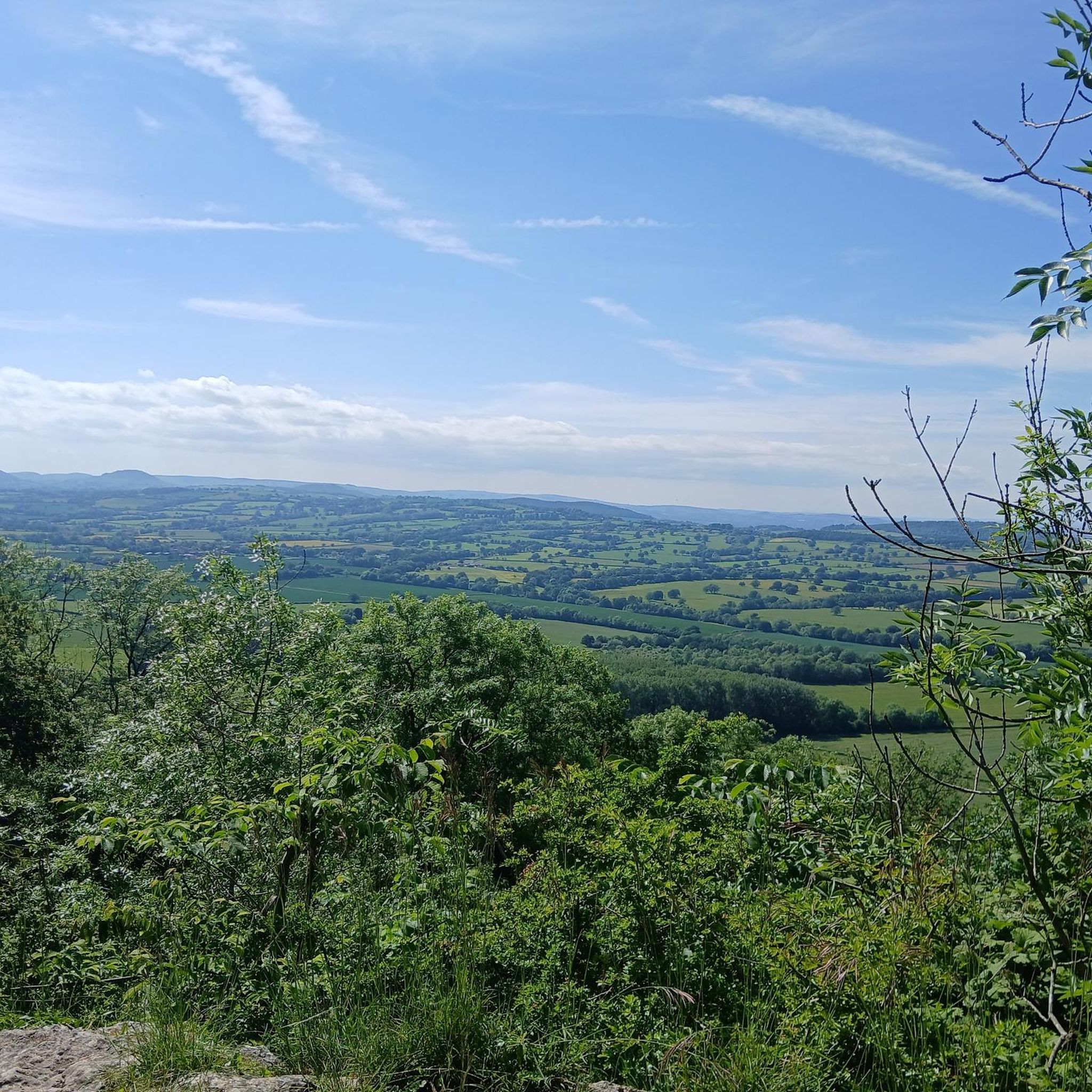
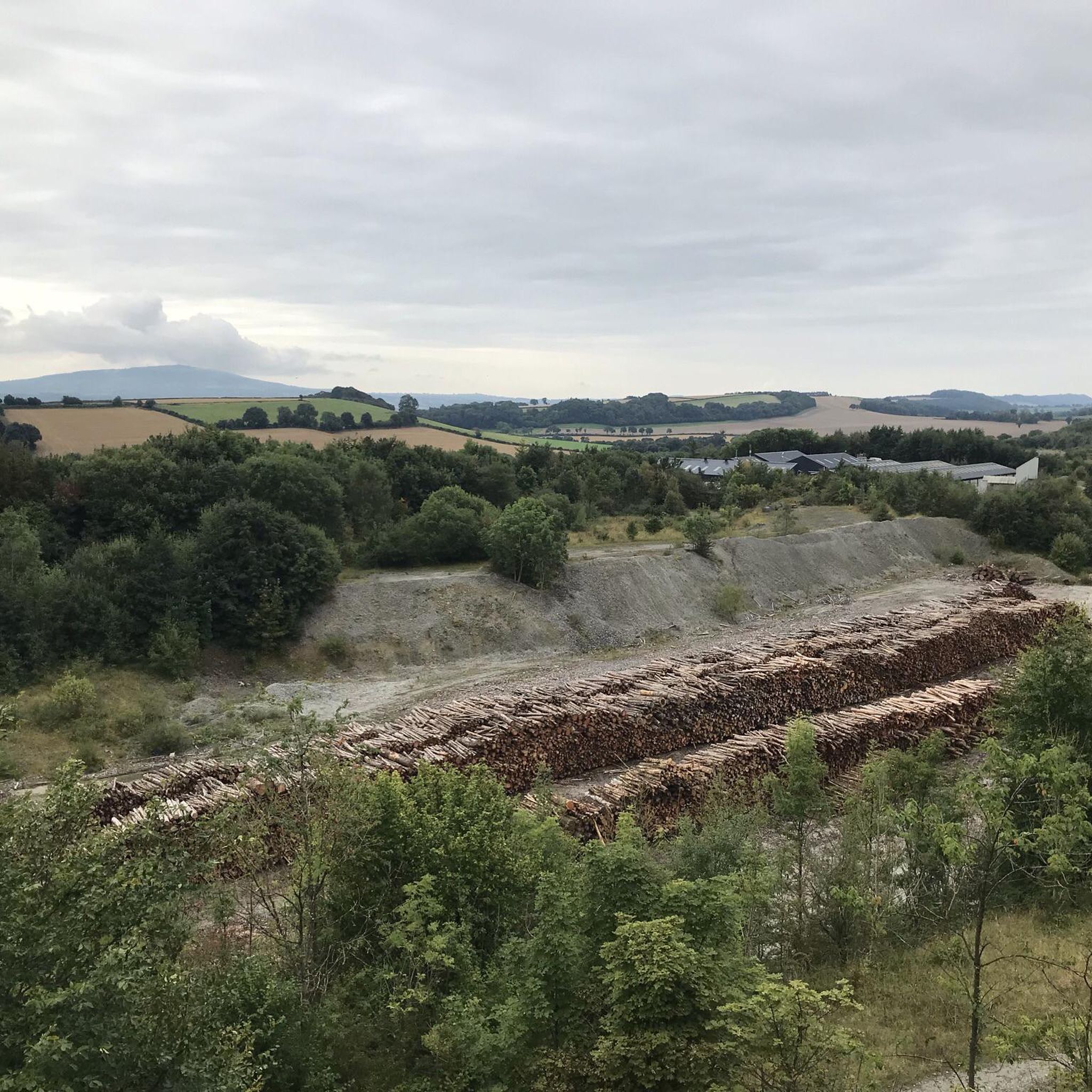
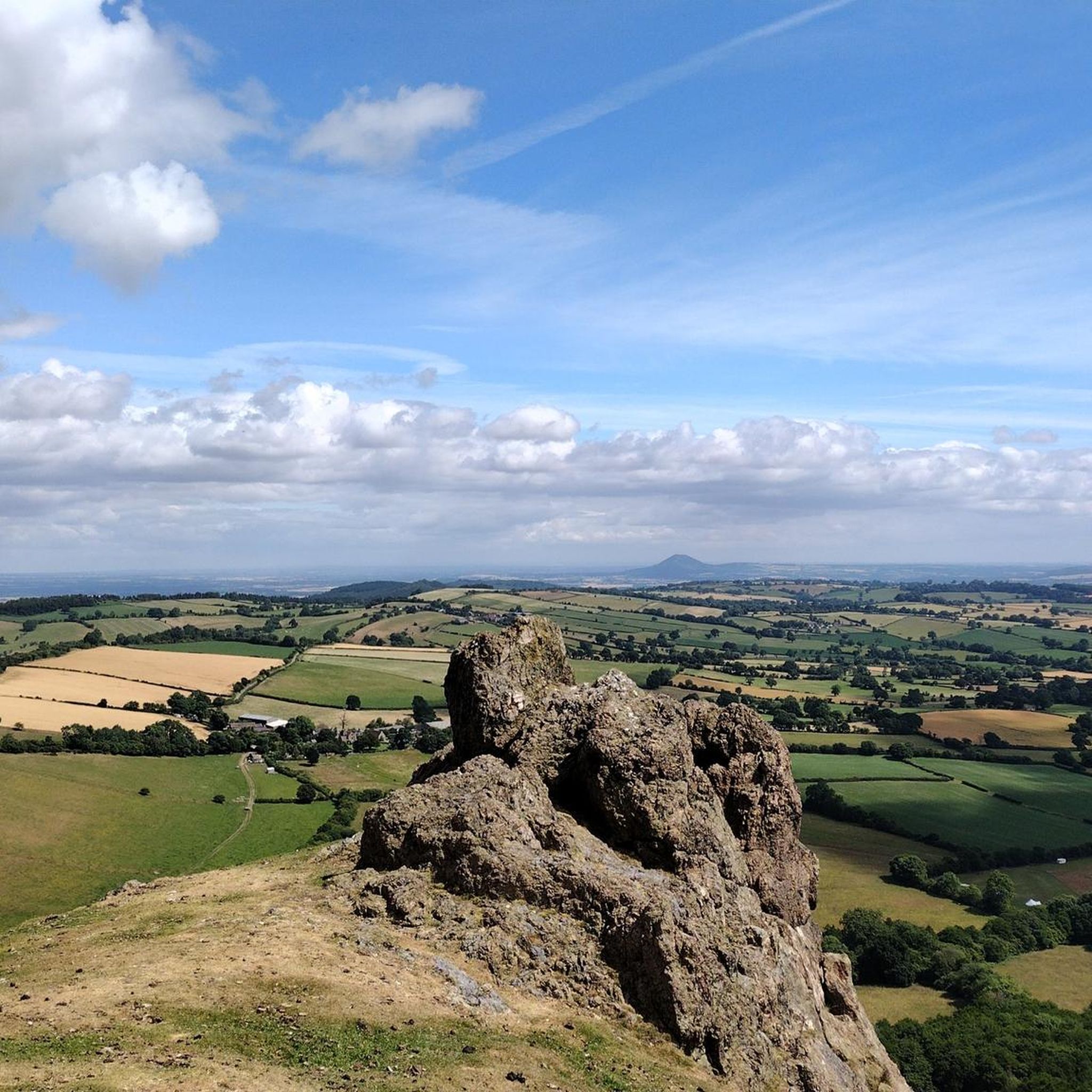

Tips from the Community

These picturesque ruins are well worth seeing, and the back story concerning the destruction of the castle during the Civil War is fascinating.
0
0

There is the bracket of the original Trig Point cemented into the path that leads to the Toposcope.
0
0

Incredible 360 views all around. A great muddy descent from the top.
0
0

Legend tells us that the Guildhall at the end of the High Street was built in two days. This seems astounding until you notice that it is largely timber framed. If all the timber was already on site and there was a sufficient workforce available erecting the frame of the building could well have taken only a couple of days. This was how such buildings would have been built from mediaeval times. Look out for two pairs of manacles attached to one of the posts in the front of the building.
0
0

Most passenger cliff railways were built at seaside resorts and the first appeared at Scarborough in 1875. The zenith of cliff railway construction was in the 1890s and 1900s. The pre-eminent of the cliff railway engineers during this period was George Croydon Marks. In 1890 a public meeting was called to discuss a new means of communication between the High Town and Low Town of Bridgnorth, avoiding the need to scale the 200 or so steps. The meeting was reported in the local press, and the matter came to the attention of Mr. George Croydon Marks. Marks and Mr. George Newnes, M.P. subsequently laid a proposal before the town council for the erection of a Patent Cliff Railway, or inclined lift. Plans were finally accepted for a route from the bottom of the Stoneway Steps to the end of the Castle Walk and consequently a company entitled The Bridgnorth Castle Hill Railway Company Ltd was registered in 1891. The actual start of the construction work began on 2nd November 1891. Initial work was much hindered by the discovery of caves set into the cliff-face – one cave was so large it was necessary to support the roof to avoid slippage and subsidence. Another problem facing the construction work were the many houses built into the cliff face around the site – in some cases, the effect of excavating the cutting was to remove supporting walls from the poorly constructed dwellings. At either end of the track station buildings were constructed. The original patented design of the railway was for a single track with two cars, with a crossing point mid-way between top and bottom, but this was abandoned in favour of a double track. When finished, the track measured 201 ft long, with a vertical rise of 111ft. This gave the railway an incline of 1:81, or 33.52°, the steepest in inland Britain. The rails were secured to sleepers which were themselves bolted into solid rock. At the upper end of the track, the hauling pulley was built on solid concrete foundations, the supporting buttresses of which carried a considerable distance down the track. Flat bottomed rails were used and the entire line was ballasted with concrete to avoid any slippage. Horizontal rollers were set into the track at regular intervals to support the steel ropes. Each car was mounted on a triangular frame of steel girders which housed a 2,000 gallon water tank. The method of power was simple – the tank on the car at the top was filled with water from a 30,000 gallon tank mounted on the roof of the top station. When the tank was full, the total weight of the car was more than 9 tons, easily enough to counterbalance the bottom car with its 18 passengers. As the top car was being filled, the tank on the bottom car was being emptied, and the water pumped directly up to the top station tank by means of a pair of pumps driven by independent Forward Gas Engines. The cars were linked by a pair of steel ropes, the breaking strain of which was calculated to be 15 times the normal working load of the cars. In addition, the cars were fitted with rapid gripper brakes which automatically engaged should the rate of descent become too great. A second manually operated brake was the responsibility of the brakeman who rode on the bottom platform of each car. The railway opened on 7th July 1892. The ceremony was performed by the Mayor, John Anderson, a boot and shoe dealer born in Paisley, and in celebration the local townspeople enjoyed a public holiday. Between July and September 1892 over 50,000 passengers used the railway. The railway ran continuously for the next 41 years, until April 1933. In May, 1934 it was re-opened by Frank Myatt, a brewer and hotelier who had been Mayor of Wolverhampton. His family continued to own the cliff railway for another sixty-two years. The drivers were eventually dispensed with, in favour of a hand operated brake operated from the top station. The brake on the cars were made to operate only in the event of a rope failure. In 1943, the gas engines were reaching the end of their working life, and this prompted a major rebuild of the railway. The hydraulic system of counterbalanced cars was replaced with an electrically operated mining type motor of 32 hp. The haulage system consists of 2 main ropes – one winds onto the one drum as the other winds off. In addition, a safety rope connects the 2 cars via the original head wheel. The original emergency brake was retained, hence in the event of a rope break the car would grip the rails until they came to a halt. The speed of the cars was regulated by air brakes acting on the haulage drums, and proximity devices which would act to slow the cars as they approached either end of the track. In addition, further safety improvements included interlocked loading doors at top and bottom, and a dead man’s pedal speed controller. The conversions were carried out by Messrs. Francis & J.S. Lane, with electrical gear supplied by Metropolitan-Vickers Electrical Co. Ltd. The effect of the conversion was to double the speed of the railway, up to a maximum speed of 250 feet per minute. The railway reopened in December 1944, and showed an immediate increase in traffic. In 1955, the passenger cars were replaced with a more modern type, with improved lighting. In 1996 the entire share capital of the company was acquired by Jean and Allan Reynolds, who spent the next fifteen years investing vast sums of money in restoring and improving the cliff railway. By a strange twist of fate, the cliff railway has come full circle and is now owned by cousins of George Croydon Marks. George had been born into engineering at the Woolwich Arsenal, where his father had worked. His parents had moved there from Somerset in their early twenties to escape rural poverty. His father had been the son of a poor farm labourer in the Blackdown Hills adjacent to Exmoor. They had family bonds with the north Devon Jones family. Bridgnorth Cliff Railway was purchased by the Tipping family in 2011. Two years later it was discovered that one of their maternal great-grandfathers, who came from Parracombe, north Devon, had been third cousin to George Croydon Marks. Marks was also a distant cousin of the branch of the Jones family which had founded another cliff railway at Lynton four miles from Parracombe. George Croydon Marks, who was knighted in 1911 and ennobled as Baron Marks of Woolwich in 1929, was Bridgnorth Cliff Railway’s first managing director from 1891 until 1901. His brother, Edward, another engineer, became its second managing director from 1901 until 1924. The cliff railway remains a constant in the town of Bridgnorth. Its current owners and staff are very aware of that and its proud heritage.
0
0
Bridgnorth Castle was founded in 1101 by Robert de Belleme, the son of the French Earl, Roger de Montgomery, who succeeded his father to become the Earl of Shrewsbury. Its principal feature, a square great tower, was built during the reign of Henry II. During the Civil War, Bridgnorth was one of the Midlands’ main Royalist strongholds and in 1642 many Royalist troops were garrisoned there. In 1646, Cromwell’s Roundheads arrived with orders to take Bridgnorth for the Parliamentarians from the garrison led by Sir Robert Howard. Following a three week siege, Cromwell was successful and he ordered that the castle be demolished. By 1647 little of the structure remained. The Parliamentarians left it much as it is today, the stone from the castle being taken and used to repair the town’s damaged buildings. Bridgnorth Castle now leans at an angle of 15 degrees, 4 times the lean of the leaning tower of Pisa. The castle grounds were excavated over 3 days by Time Team, clarifying the layout of the castle and the history of its construction.
0
0

The castle was founded in 1101 by Robert de Belleme the son of the French Earl, Roger de Montgomery, who succeeded his father to become the Earl of Shrewsbury, possibly on the site of a Saxon burh built in 912.
0
0
Frequently Asked Questions
What natural landmarks offer the best views around Ditton Priors?
For breathtaking panoramic views, consider visiting Abdon Burf Summit, the highest point in Shropshire. Another excellent choice is Titterstone Clee Hill summit, the third-highest peak, which also provides exceptional views on clear days. Both are part of the Shropshire Hills Area of Outstanding Natural Beauty.
Are there any historical sites to explore near Ditton Priors?
Yes, Ditton Priors and its surroundings are rich in history. You can visit Clee Burf, one of the summits of Brown Clee Hill, which features remnants of Iron Age hillforts. In the village itself, St. John the Baptist Church is a Grade I listed building with Norman architecture dating back to the 12th century. The wider parish also boasts numerous 16th and 17th-century timber-framed farmhouses.
What outdoor activities can I do around Ditton Priors?
The Shropshire Hills AONB offers a wide range of outdoor activities. Hiking and walking are very popular, with trails ranging from gentle strolls to challenging upland treks on hills like Brown Clee and Titterstone Clee. You can also enjoy cycling and horse riding on quiet country lanes and bridleways. For more adventurous options, mountain biking, wild swimming, and gliding from the Long Mynd are available nearby. You can find various routes, including easy hikes, gravel biking, and running trails, by exploring the easy hikes around Ditton Priors guide.
Are there family-friendly attractions in the Ditton Priors area?
Absolutely! Families can enjoy the Bridgnorth Cliff Railway, which transports visitors between the high and low towns of Bridgnorth. The Ditton Priors Millennium Green offers an open space for picnics and walks with interesting sculptures. Nearby, the Acton Scott Historic Working Farm provides an immersive experience into traditional farm life, and the Shropshire Hills Discovery Centre features a life-size replica of the Shropshire Mammoth.
What is the best time of year to visit Ditton Priors for outdoor activities?
While Ditton Priors is beautiful year-round, the best time for outdoor activities and enjoying the panoramic views from the hill summits is typically during periods of clear weather. Spring and summer offer lush landscapes and longer daylight hours, while autumn provides stunning foliage. Always check local weather forecasts before planning your outdoor excursions.
Are there any accessible attractions for visitors with mobility needs?
The Bridgnorth Cliff Railway Top Station is noted as wheelchair accessible, offering a unique experience and views of Bridgnorth. While many outdoor trails in the Shropshire Hills can be challenging, some village paths and the Ditton Priors Millennium Green may offer easier access. It's always advisable to check specific accessibility details for individual locations.
Where can I find local pubs or places to eat in Ditton Priors?
In Ditton Priors village, The Howard Arms is a local pub housed in an 18th-century building that once served as a vicarage, offering a taste of local history alongside refreshments. For more options, the nearby town of Bridgnorth also has a variety of pubs and eateries.
What makes the Shropshire Hills AONB special for visitors?
The Shropshire Hills Area of Outstanding Natural Beauty, where Ditton Priors is located, is renowned for its picturesque landscape of rolling hills, lush fields, and idyllic countryside. It offers a unique blend of natural beauty, historical significance (including Iron Age hillforts), and a vast network of trails for walking, cycling, and horse riding, making it an ideal destination for nature lovers and outdoor enthusiasts.
Can I find routes for cycling near Ditton Priors?
Yes, the area around Ditton Priors is excellent for cycling. Quiet country lanes and traffic-free bridleways provide numerous options for cyclists. For those interested in gravel biking, you can explore routes in the Gravel biking around Ditton Priors guide, which includes routes like the Coalport Bridge loop from Bridgnorth.
What other towns or attractions are easily accessible from Ditton Priors?
Several notable attractions are a short drive from Ditton Priors. The historic town of Bridgnorth, with its unique high and low towns and the Bridgnorth Bridge, is a popular destination. You can also visit the Severn Valley Railway for a heritage train journey, or the Ironbridge Gorge Museums, a UNESCO World Heritage Site showcasing the birthplace of the Industrial Revolution.
What do visitors enjoy most about the viewpoints in the Ditton Priors area?
Visitors consistently praise the incredible views from the hill summits. For instance, from Abdon Burf Summit, people enjoy the 'fantastic views on clear days' of the Shropshire countryside, often extending to neighboring counties. Similarly, Titterstone Clee Hill summit is noted for its 'amazing 360-degree view' and being a 'not bad hike to take in another English Marilyn'.
Most popular routes around Ditton Priors
Most popular attractions around Ditton Priors

Get inspired with the komoot mobile app


Explore more
Still not found the Highlight you’re looking for? See guides of the top attractions in other regions:
