Attractions and Places To See around Shincliffe - Top 20
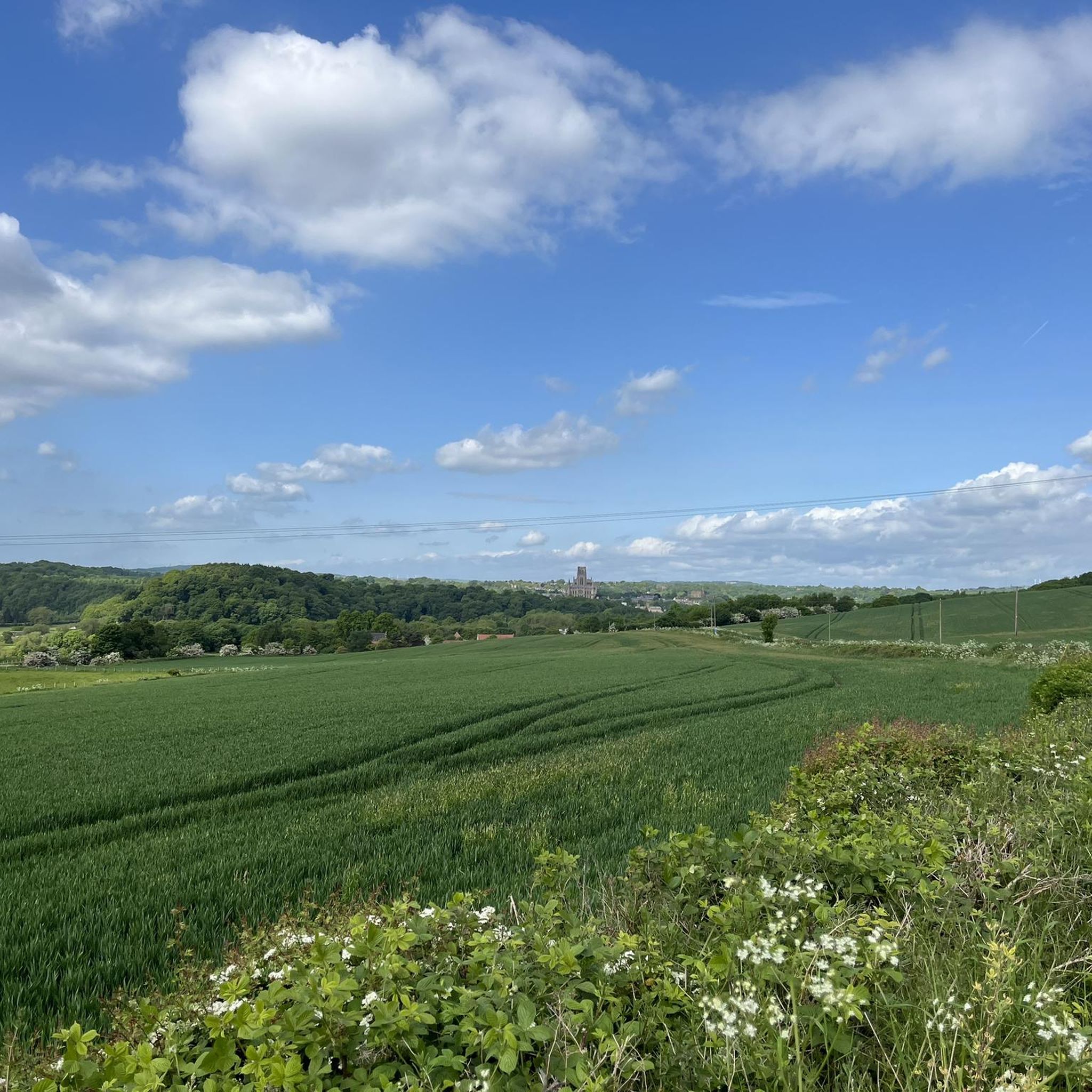
Best attractions and places to see around Shincliffe include a blend of historic character and natural beauty, situated in County Durham, England. The village is designated as a conservation area, offering a serene atmosphere alongside its proximity to Durham city center. Shincliffe is located by the River Wear, providing picturesque views and public footpaths along its banks. The area features historic landmarks, woodlands, and green spaces, making it a destination for exploring both cultural sites and natural features.
Best attractions…
Last updated: September 23, 2026
Durham Cathedral (UNESCO World Heritage Site)
Highlight • Religious Site
Tip by

Durham Castle
Highlight • Castle
Tip by
Sign up now to discover places like this
Get recommendations on the best single tracks, peaks, & plenty of other exciting outdoor places.
Finchale Priory
Highlight • Religious Site
Tip by
The Count's House Folly
Highlight • Structure
Tip by

Durham Cow Statue
Highlight • Historical Site
The legend of the cow, the monks and the wandering milkmaid.
(apparently monks carrying St Cuthbert’s coffin bumped …
Tip by

Sign up for free to discover even more attractions around Shincliffe.
Already have an account?
Start today with a free account
Your next adventure awaits.

Tips from the Community

The cathedral was originally constructed to house the relics of St Cuthbert, a beloved Northumbrian saint. His shrine is a significant pilgrimage destination.
0
0
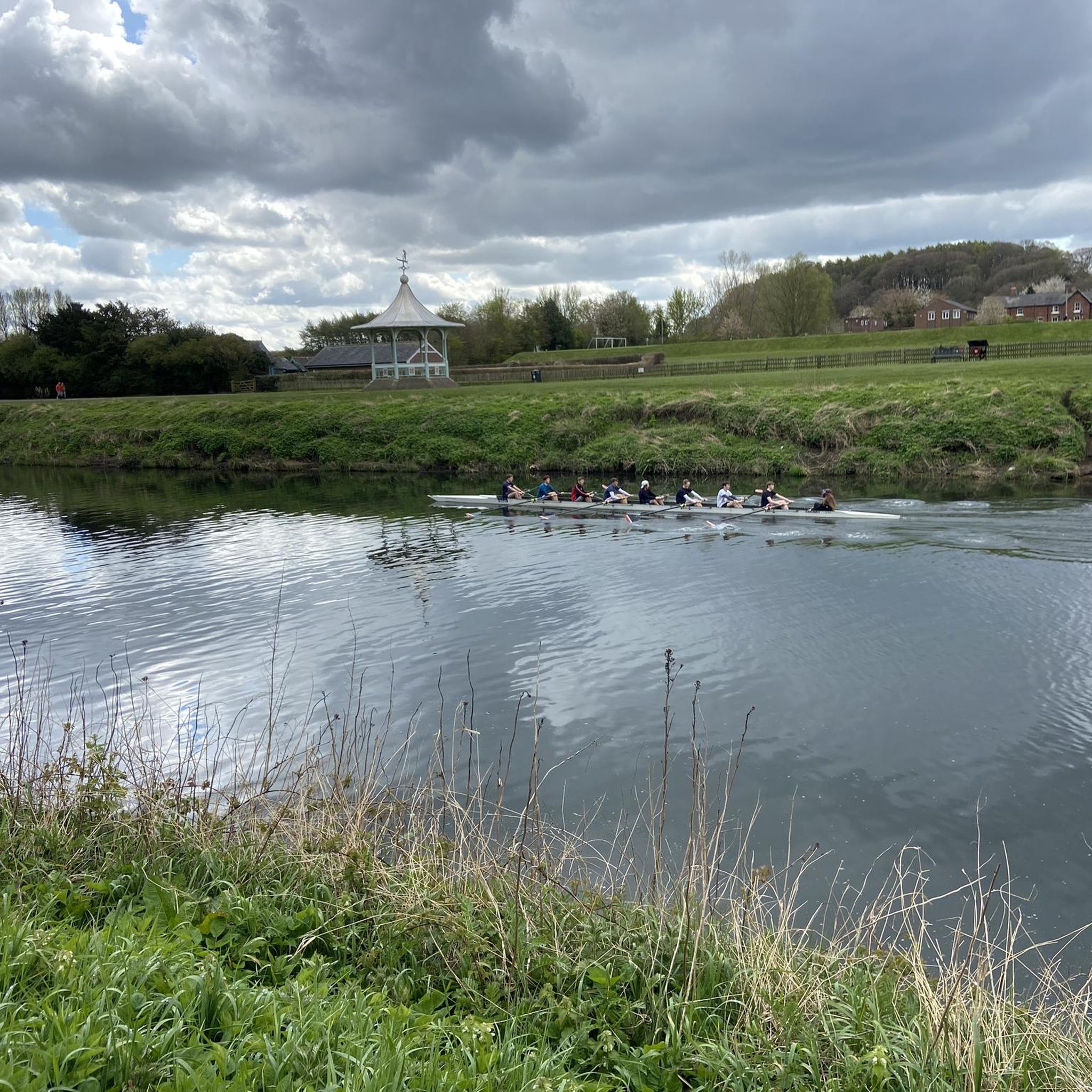
The Durham Cow statue is situated on the riverside path at The Racecourse, between Baths Bridge and the bandstand.
0
0


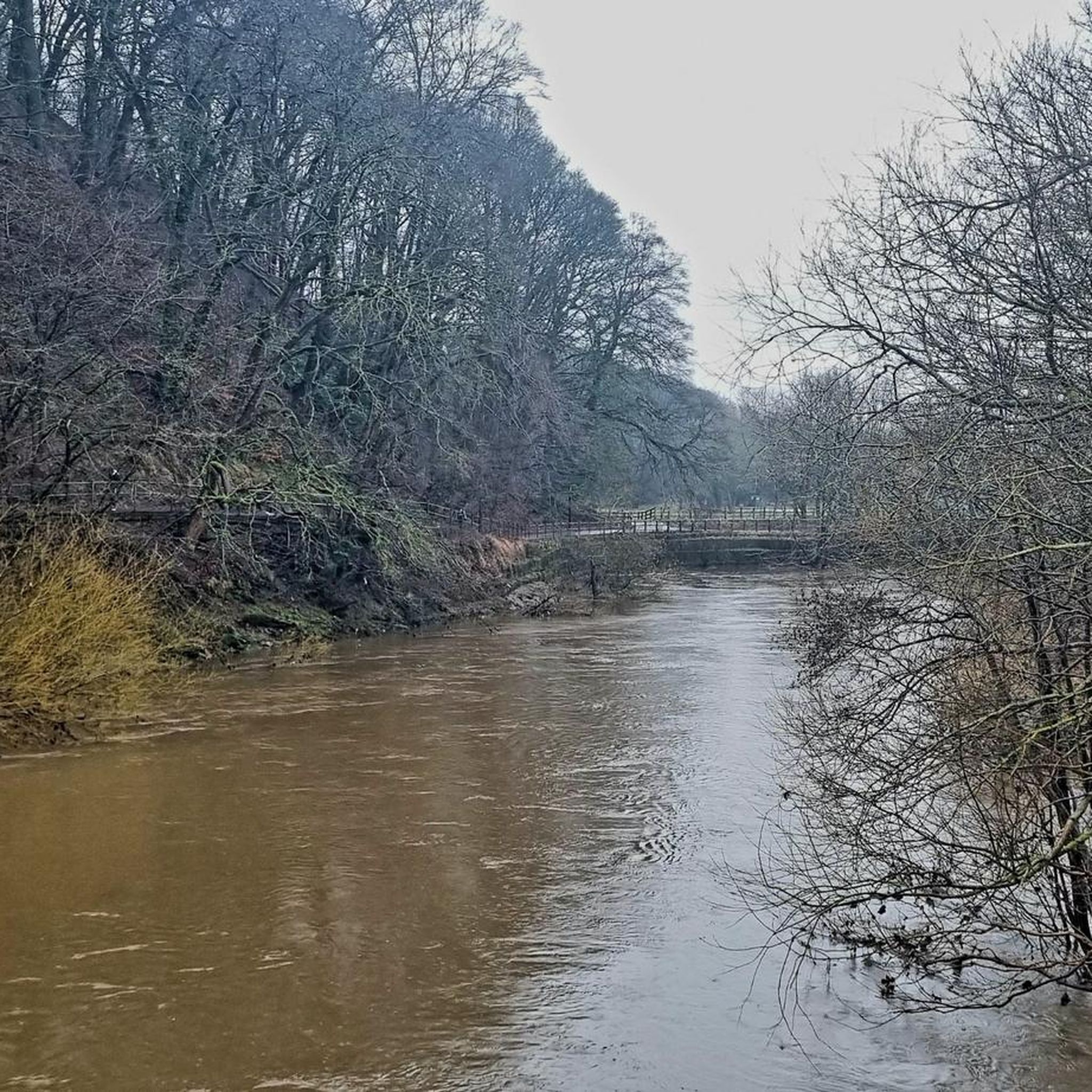
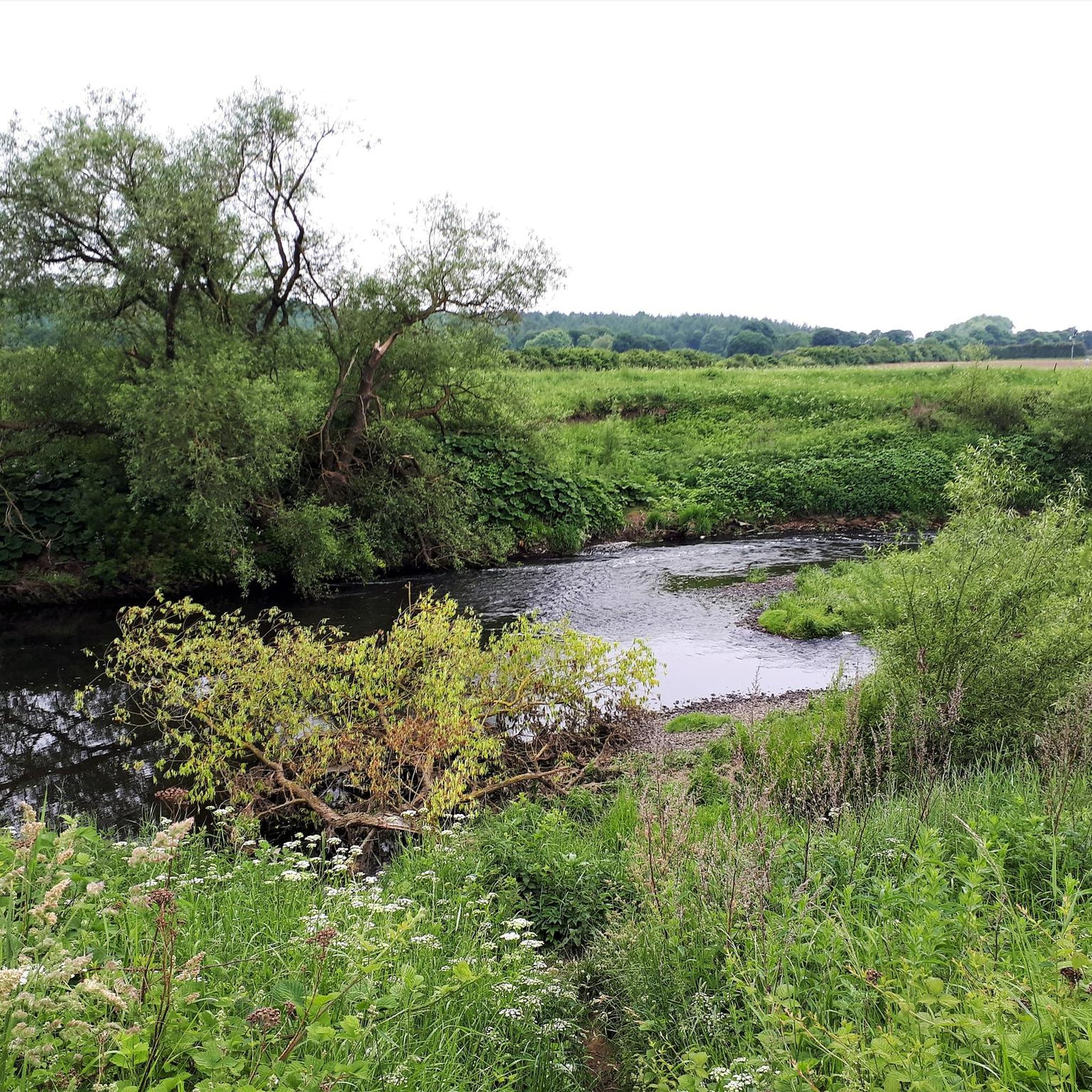
nice easy parking, walk accross the bridge over the river and you can either walk left or right giving you two options to walk up or down the river. quite pleasant but can get a bit boggy when it rains so wear the correct footwear. does get busy in the warmer months
3
0

A television series that I can recommend without reservation presents the culture-loving viewer (in German) with remarkable examples of human creativity from many countries around the world. What they all have in common is that they have been given "world heritage" status by UNESCO. One of the contributions documents: "Like a grey rock, Durham Cathedral, located in the north-east of England near the Scottish border, towers over the roofs of the city. Half church and half bastion, this building is an impressive example of early Romanesque church architecture in England. The three-storey Anglo-Norman cathedral with a 2 m thick arcade wall and Norman castle complex, the later seat of the bishops of Durham, was declared a cultural monument." This film can be found in the ARD media library under the following link: https://www.ardmediathek.de/video/schaetze-der-welt/die-kathedrale-von-durham-grossbritannien-folge-138/3sat/Y3JpZDovL3N3ci5kZS83MTY4ODA2
2
1
A life-size bronze cow laying down to rest. The gold-horned beast looks down river towards the Cathedral.
0
0

According to legend, Durham was built on the back of this cow. The legend of the cow, the monks and the wandering milkmaid. (apparently monks carrying St Cuthbert’s coffin bumped into a milkmaid who was out looking for her lost cow. Thinking she was a sign from above, they followed her and built the Cathedral on the ground where she led them). But the little girl on the cow’s back doesn’t care about any of that. She climbs the battered rope of the cow’s spine. Her hands beat sighs from its wan bronze sides. When she can’t go any further, she sticks her head through the cow’s horns and stares at the sky. The cow bears it. (And her feet – when she jumps off – in the sockets of its eyes.) And the rain and the cricket. Its features are drawn into a mask that suggest an ancient tribe. It looks odd sitting out here, but no odder than the bandstand (https://www.durham.gov.uk/media/3804/i-see-public-artwork-County-Durham/pdf/ISeePublicArtworkCountyDurham.pdf?m=636735642250730000)
0
0
Durham Count's House is actually a folly - a building erected for the sole purpose of looking nice in a rural setting and usually made to look like a forgotten piece of history. The Georgians and Victorians were great ones for building follies, and you'll often find miniature mock medieval ruins and classical temples in the grounds of country houses. The Count's House folly was built by the Dean and Chapter of Durham Cathedral in about the 1820s. Of course, I say that follies have no other purpose, but they did sometimes serve as a place to rest, take tea or as a hunting lodge; the Count's House was sometimes used as a summerhouse. (https://explorar.co.uk/durham/history/who-was-durhams-little-count/)
3
0
Frequently Asked Questions
What historical landmarks can I explore within Shincliffe village?
Shincliffe village itself boasts several historical landmarks. You can see the historic Shincliffe Bridge over the River Wear, which has medieval origins. Other notable structures include the Grade II listed Shincliffe Hall, the Parish Church of St. Mary the Virgin, and the Wesleyan Methodist Chapel built in 1874. The entire village is also designated as a conservation area, preserving its traditional character.
Are there any UNESCO World Heritage Sites near Shincliffe?
Yes, two significant UNESCO World Heritage Sites are located just over a mile from Shincliffe. These are Durham Cathedral, a remarkable example of Romanesque architecture, and Durham Castle, which has been continuously occupied since 1072 and is now part of Durham University.
What natural attractions are there for walking and enjoying the outdoors near Shincliffe?
Shincliffe is situated by the picturesque River Wear, offering public footpaths along its banks that lead into Durham city center. You can also explore Shincliffe Wood, known for its nature walks, river views, and stunning bluebells in season. The village is tightly constrained by a green belt, providing access to open countryside and green spaces.
Are there family-friendly activities or attractions around Shincliffe?
Many attractions near Shincliffe are family-friendly. Both Durham Cathedral and Durham Castle are suitable for families. Additionally, the Count's House Folly offers an interesting historical point for a walk. The public footpaths along the River Wear and walks in Shincliffe Wood are also great for families.
What kind of outdoor activities, like cycling or running, can I do near Shincliffe?
The area around Shincliffe offers various outdoor activities. You can find numerous cycling routes, including moderate and difficult options, with guides like Cycling around Shincliffe. For runners, there are several running trails, such as 'The Willowman's Wife loop' or 'John Hare's Wood loop', detailed in the Running Trails around Shincliffe guide. Mountain biking trails are also available, as seen in the MTB Trails around Shincliffe guide.
Where can I find historical ruins or follies in the area?
You can visit the beautiful ruins of Finchale Priory, a 13th-century Benedictine priory nestled on the wooded banks of the River Wear. Another interesting site is The Count's House Folly, a former summer house built around 1820 by the Dean of Durham Cathedral, designed to look like a forgotten piece of history.
What is the best time of year to visit Shincliffe for outdoor activities?
Spring is particularly lovely for outdoor activities, especially if you wish to see the stunning bluebells in Shincliffe Wood. The public footpaths along the River Wear are pleasant year-round, but warmer months generally offer more comfortable conditions for walking, cycling, and running.
Can I visit a castle near Shincliffe?
Yes, you can visit Durham Castle, a UNESCO World Heritage Site that has been continuously occupied since 1072. Another nearby option is Lumley Castle, a 14th-century Grade I-listed building that now operates as a hotel.
What cultural sites, beyond castles and cathedrals, are close to Shincliffe?
Beyond the major historical sites, you can explore the Oriental Museum at Durham University, which features collections from ancient Egypt, Western Asia, and various parts of Asia. The Durham University Botanic Garden, set in mature woodland, showcases plant collections from North America and the Himalayas. Additionally, the Grade II listed Old Durham Gardens offer a glimpse into 17th-century garden design.
What do visitors particularly enjoy about the attractions near Shincliffe?
Visitors frequently praise the architectural grandeur and historical significance of sites like Durham Cathedral, noting its impressive Romanesque style and pioneering stone vaulted ceiling. The continuous history of Durham Castle, now part of the university, is also a highlight. Many appreciate the beautiful settings of places like Finchale Priory, nestled by the River Wear, and the unique charm of The Count's House Folly.
Are there accessible trails or paths in Shincliffe?
The public footpaths along the River Wear offer relatively flat terrain, making them generally accessible for walks. Shincliffe Wood also provides paths for nature walks. While specific accessibility information for all trails may vary, the village's green belt and riverside paths offer opportunities for easier strolls.
Where can I find refreshments or places to eat in Shincliffe?
Shincliffe has local establishments that contribute to its social fabric. Historically, pubs like The Rose Tree Inn and The Seven Stars have been popular gathering spots. The Poplar Tree Garden Centre is also a local establishment that may offer refreshments.
Most popular routes around Shincliffe
Most popular attractions around Shincliffe

Get inspired with the komoot mobile app


Explore more
Still not found the Highlight you’re looking for? See guides of the top attractions in other regions:
