Top 16 Waterfalls around Struppen
Waterfalls around Struppen offer diverse natural features within the Saxon Switzerland region. Struppen is situated in a landscape characterized by unique rock formations, canyons, and mountainous terrain. While specific, named waterfalls are not always directly within the municipality, the broader area provides numerous opportunities for hiking and exploring natural monuments. The region's geology contributes to the formation of various cascades and water flows, particularly after rainfall.
Best waterfalls around Struppen
- The most popular waterfalls highlight is Historic Hydroelectric Power Plant…
Last updated: May 3, 2026
Gautsch Grotto
Highlight • Cave
Translated by Google •
Tip by

Amselfall
Highlight • Waterfall
Translated by Google •
Tip by

Sign up now to discover places like this
Get recommendations on the best single tracks, peaks, & plenty of other exciting outdoor places.
Sign up for free
Historic Hydroelectric Power Plant in the Lohmener Klamm
Highlight • Monument
Translated by Google •
Tip by

Wesenitz Waterfall at the Lochmühle
Highlight • Waterfall
Translated by Google •
Tip by

Dorfbachklamm Gorge
Highlight • Gorge
Translated by Google •
Tip by

Sign up for free to discover even more waterfalls around Struppen.
Sign up for free
Already have an account?
Start today with a free account
Your next adventure awaits.
Login or Signup
Other adventures around Struppen

Tips from the Community

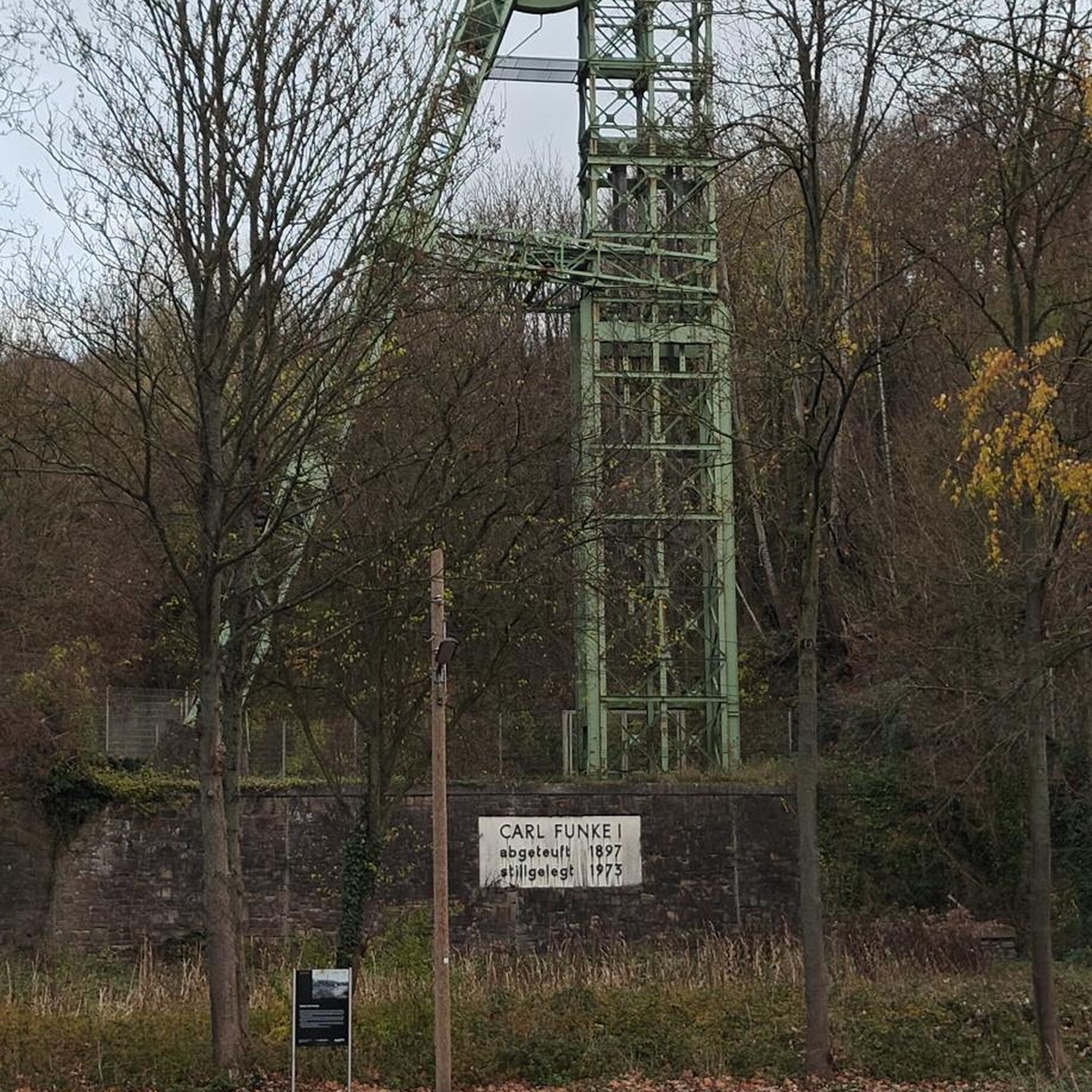
The power plant is based on a weir system built in 1877, which initially powered neighboring machines in the Weber & Niezel wood grinding and cardboard factory via transmission. In 1910, a Francis turbine and electric generator with an installed capacity of 180 kW were commissioned to generate electrical energy. This was followed in 1932 by the addition of a second turbine with 80 kW. After the Second World War, the weir system was partially repaired in 1963. In 1969, the power plant was shut down due to uneconomical operation, and the facility was left to decay.
5
1
There is an impressive lost place by the rushing stream!
6
1
A very idyllic atmosphere. The hotel project seems to have been dying since 2016. There is no visible activity in or around the property.
5
1
A very idyllic landscape that is very impressive. Plenty of water rushing past.
6
1
The power plant is based on a weir built in 1877, which initially used transmission to drive neighboring machines in the Weber & Niezel wood grinding and cardboard factory. In 1910, a Francis turbine and electric generator with an installed capacity of 180 kW were put into operation to generate electrical energy. This was followed in 1932 by the addition of a second turbine with 80 kW. After the Second World War, the weir was partially repaired in 1963. In 1969, the power plant was shut down due to uneconomical operation and the plant was left to decay. After reunification, it was restarted in 2000 with a Kaplan turbine. The head is 10.4 m and has an installed capacity of 215 kW with a flow rate of up to 2.6 m³/s.
5
1

Closed from 16 June until 27 July 2025 due to repair work on the path and embankment. We saw the signs with this notice yesterday, 12 June.
5
2

Simply amazing and a very mystical place, take your time if you're nearby, a great tip.
21
2
Frequently Asked Questions
What kind of waterfalls can I expect to see around Struppen?
The Struppen area, part of Saxon Switzerland, features a variety of water flows. While grand, named waterfalls are not common directly within Struppen, you'll find natural cascades, water features within gorges, and even those integrated with historical man-made structures. These are particularly impressive after rainfall.
Are there any historical sites related to waterfalls in the region?
Yes, the region combines natural beauty with historical elements. A notable example is the Historic Hydroelectric Power Plant in the Lohmener Klamm. This impressive, historical piece of architecture allows visitors to walk up stairs and pass over a viaduct where dammed water flows into the power plant, creating a mystical atmosphere.
Are there family-friendly waterfall spots near Struppen?
Absolutely. The Wesenitz Waterfall at the Lochmühle is considered family-friendly. Here, the Wesenitz river flows over several small sections, creating a mini waterfall in an idyllic landscape, perfect for a pleasant outing.
What are some unique natural features to explore besides waterfalls?
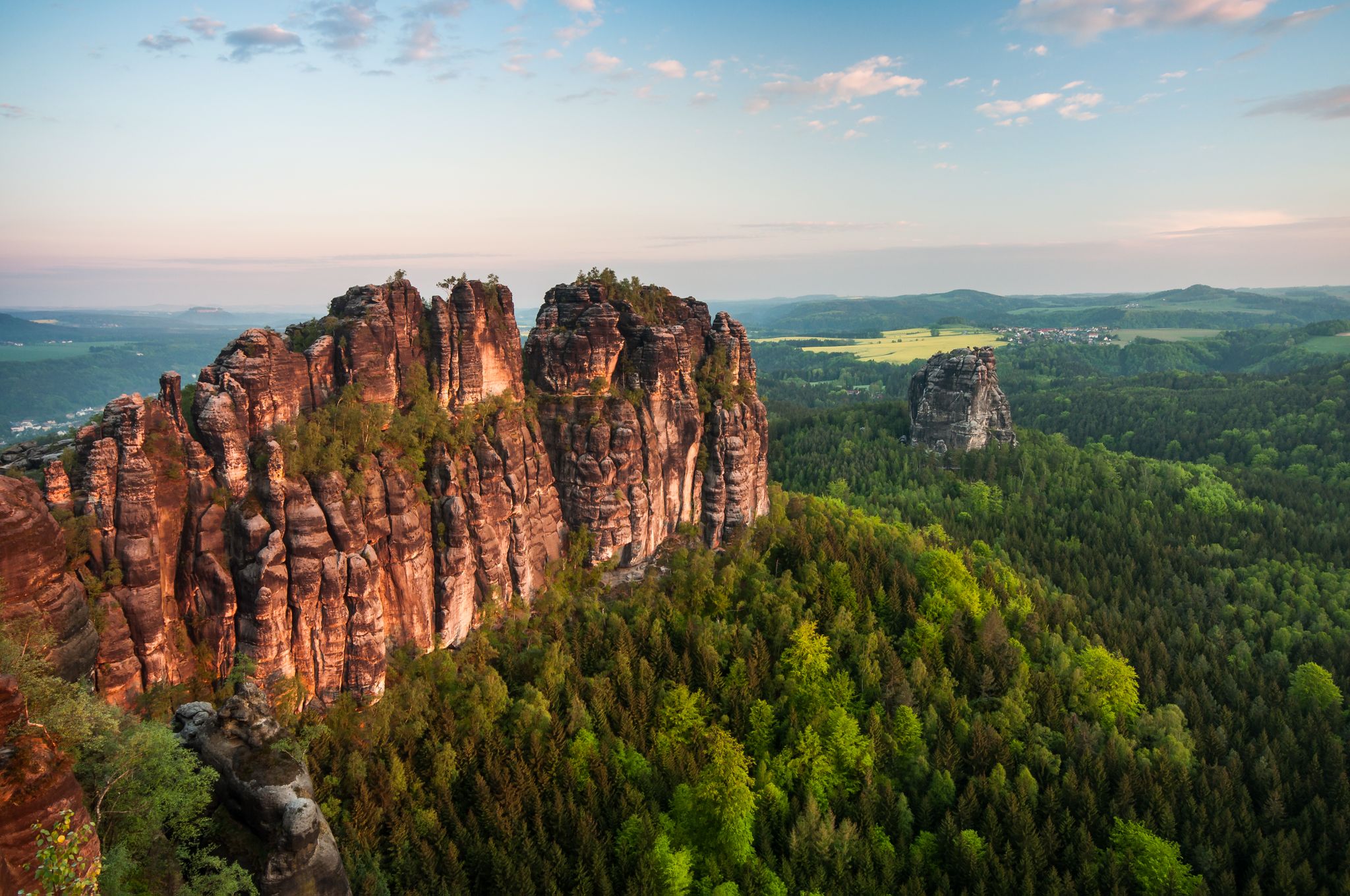
Beyond the water features, the region is known for its unique rock formations and gorges. The Gautsch Grotto is a significant cave and rock formation that evokes a sense of awe due to its size. Another impressive natural monument is the Dorfbachklamm Gorge, where you can walk along metal steps beside the village stream as it drops steeply into the Kirnitzschtal valley, surrounded by impressive sandstone cliffs.
What is the best time to visit the waterfalls around Struppen?
The waterfalls and cascades in Saxon Switzerland are often most impressive after periods of heavy rain or during snowmelt. This ensures a more significant water flow, enhancing the natural spectacle. Spring and autumn can be particularly good for this, offering lush greenery or vibrant fall colors.
Are there any hiking trails that lead to waterfalls or gorges?
Yes, the region is crisscrossed with hiking trails. For example, the Dorfbachklamm Gorge is part of the Saxon Switzerland National Park's network of paths and also part of the famous Malerweg. You can walk along its course on metal steps. For more hiking options, explore the Hiking around Struppen guide.
What should I know about accessibility or current conditions for specific waterfall locations?
It's always good to check current conditions. For instance, the Dorfbachklamm Gorge is closed from June 16 until July 27, 2025, due to repair work on the path and embankment. Also, the Amselfall is currently not accessible, and the nearby Amselfallbaude is permanently closed and surrounded by scaffolding.
What other outdoor activities can I do near the waterfalls in Struppen?
The broader Saxon Switzerland region offers a wealth of outdoor activities. Besides hiking, you can explore numerous routes for gravel biking and mountain biking. Check out the Gravel biking around Struppen and MTB Trails around Struppen guides for detailed route information.
Are there any viewpoints or scenic spots near the waterfalls?
Many of the natural features in the area double as excellent viewpoints. The Gautsch Grotto, for example, is listed as a viewpoint, offering a unique perspective of the rock formations. The Wesenitz Waterfall at the Lochmühle also provides an idyllic landscape view.
What do visitors enjoy most about the waterfalls and natural sites around Struppen?
Visitors frequently highlight the mystical and impressive atmosphere of the sites. The unique rock formations, the serene flow of water, and the historical integration, such as at the Historic Hydroelectric Power Plant, are often praised. Many describe these spots as insider tips and worth the detour for their natural beauty and sense of awe.
Are the waterfalls around Struppen suitable for dogs?
While specific regulations for dogs at each waterfall might vary, the general hiking trails in Saxon Switzerland are often dog-friendly. It's always recommended to keep dogs on a leash and be mindful of other visitors and wildlife. Always check local signage for any restrictions.
How do the waterfalls around Struppen compare to more famous waterfalls in Germany?
The waterfalls around Struppen and in Saxon Switzerland are generally smaller, often seasonal cascades or features within gorges, known for their integration into the unique sandstone landscape. They offer a different experience compared to grand, high waterfalls like the Triberg Waterfalls in the Black Forest, which are among Germany's highest. Struppen's charm lies in its natural, often hidden, water features within a dramatic rock scenery rather than sheer height or volume.
Most popular routes around Struppen
Most popular attractions around Struppen

Get inspired with the komoot mobile app


Explore more
Happy to travel a little further afield? Then browse these guides for the best waterfalls around Struppen:
