Attractions and Places To See around Solva - Top 20
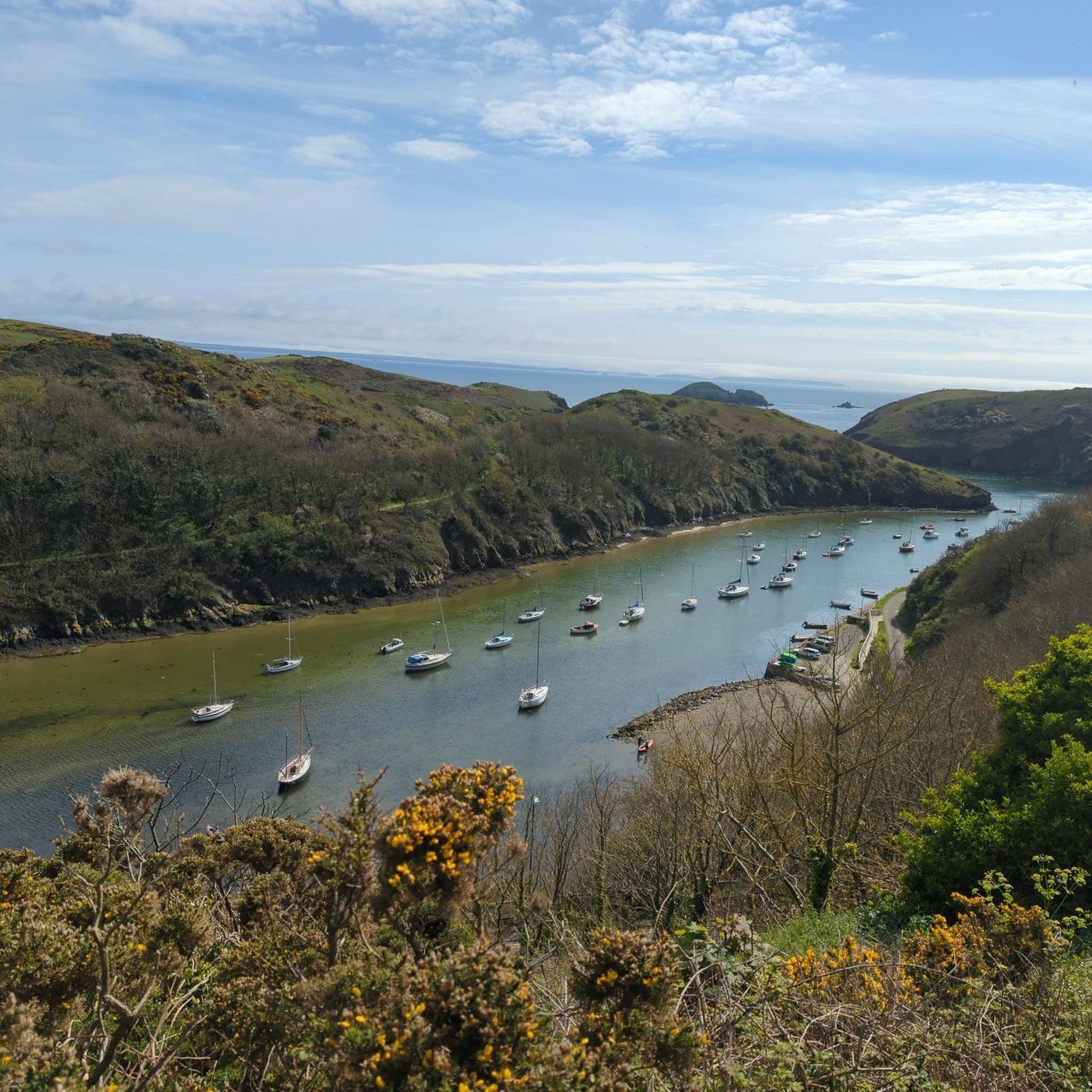
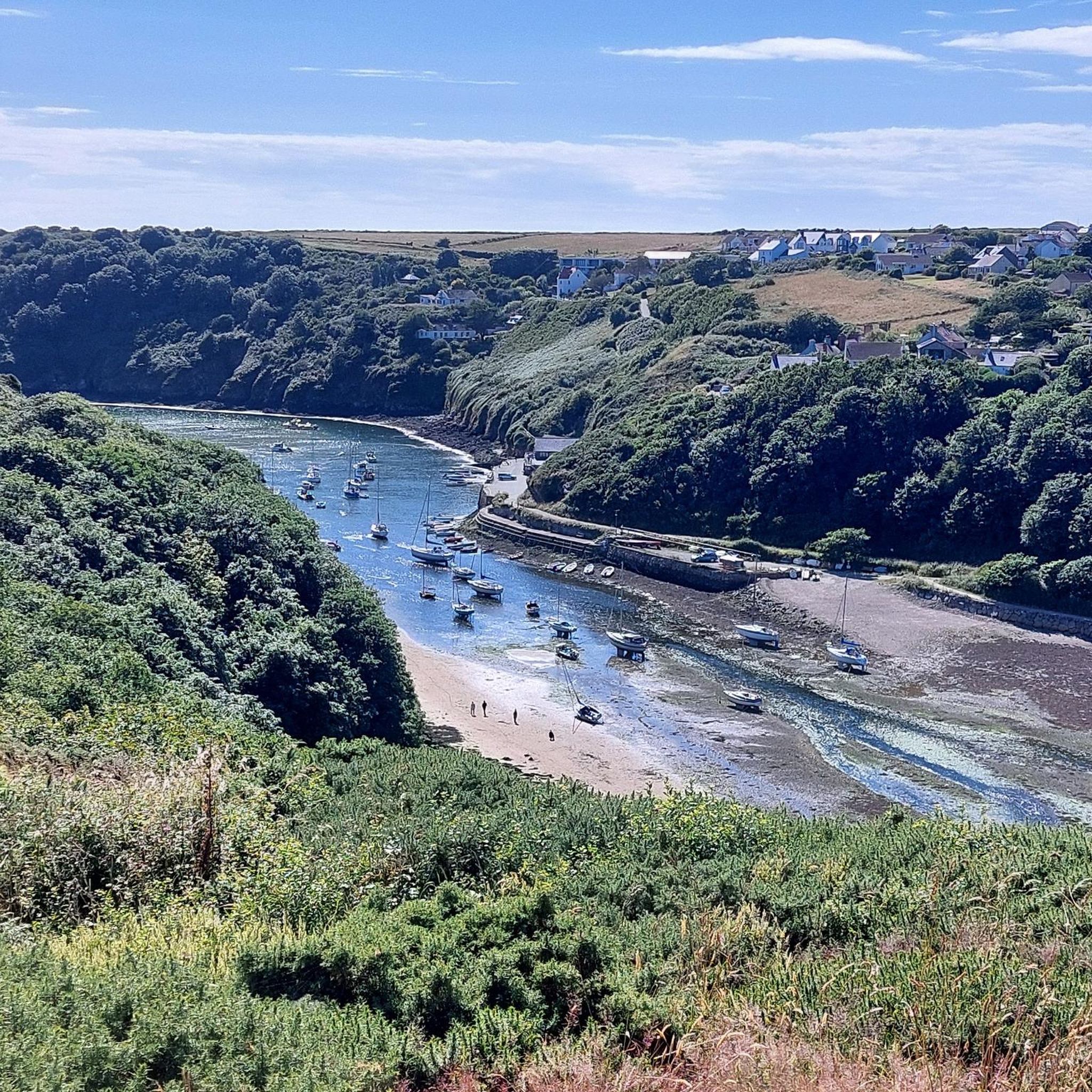
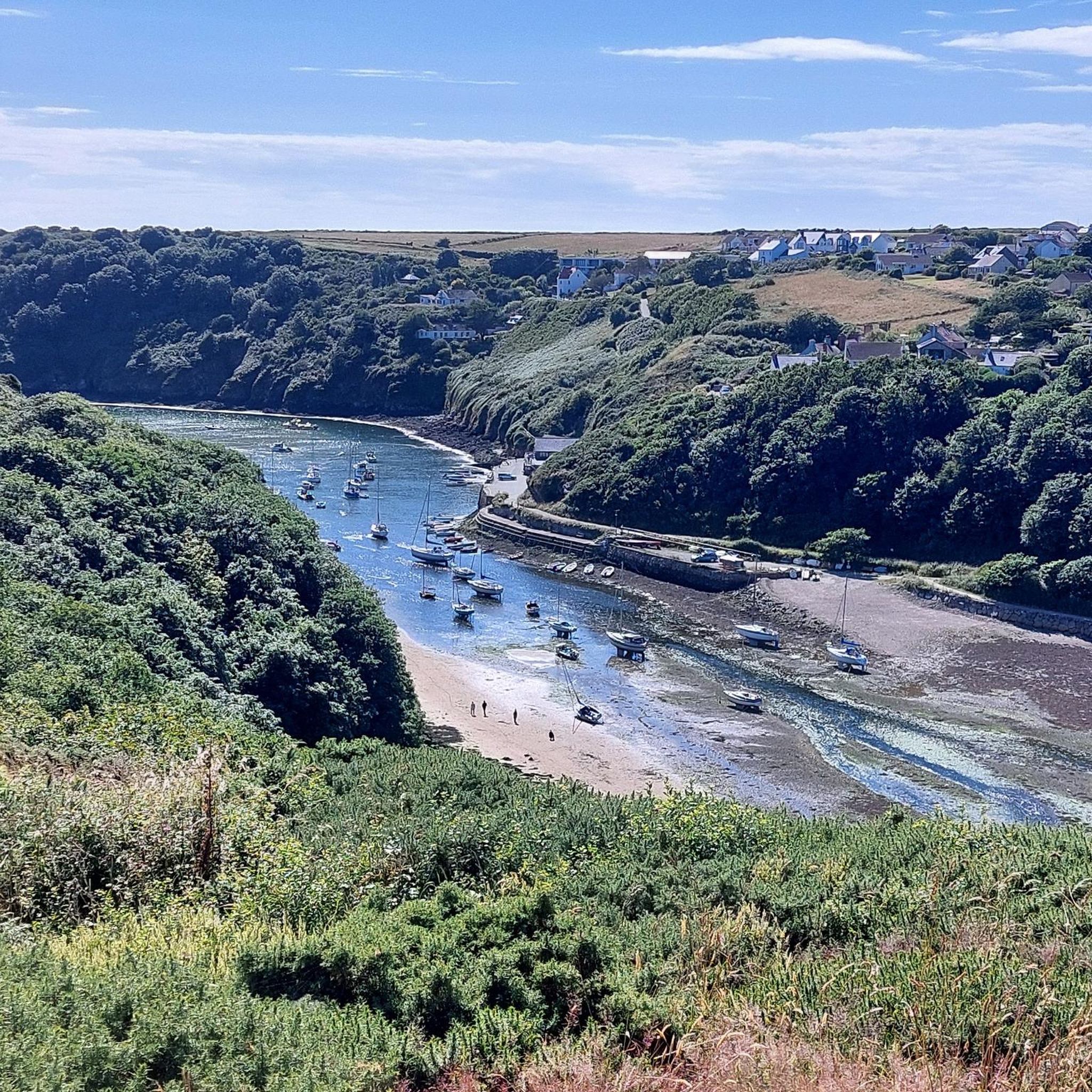
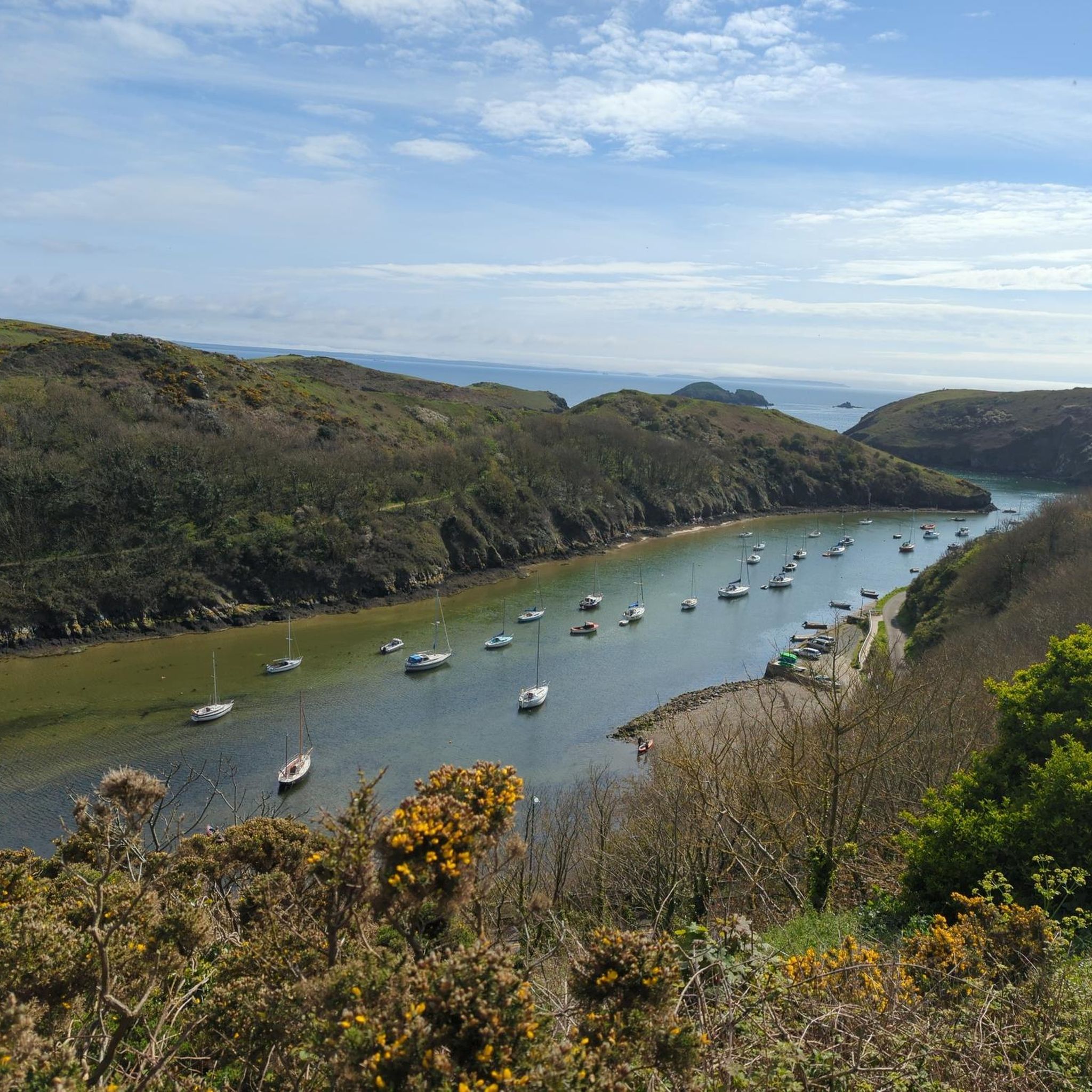
Best attractions and places to see around Solva include a picturesque village on the south side of the St Davids Peninsula in Pembrokeshire, Wales. Solva is characterized by its natural beauty, rich history, and cultural sites. The village is divided into Upper and Lower Solva, with Lower Solva built around the mouth of the River Solva estuary, forming a natural, sheltered harbor. This distinctive landscape is a meltwater valley formed during the last Ice Age.
Best attractions and places to…
Last updated: July 3, 2026
St David's Cathedral
Highlight • Religious Site
Tip by

Carn Llidi Summit View
Highlight • Natural Monument
Tip by
Sign up now to discover places like this
Get recommendations on the best single tracks, peaks, & plenty of other exciting outdoor places.
Sign up for free
Bishop's Palace and St Davids Cathedral
Highlight • Religious Site
Tip by
Porthgain Harbour
Highlight • Settlement
Tip by

St Non's Chapel
Highlight • Religious Site
Tip by
Sign up for free to discover even more attractions around Solva.
Sign up for free
Already have an account?
Start today with a free account
Your next adventure awaits.
Login or Signup


Tips from the Community

Beautiful old pub! Stopped here after a hike & it was fascinating inside, plenty of locals, of course a lot of tourists (as I was!) But I'd love to come back here sometime & go there for the evening, it just looks like it gets a bit loose!
0
0

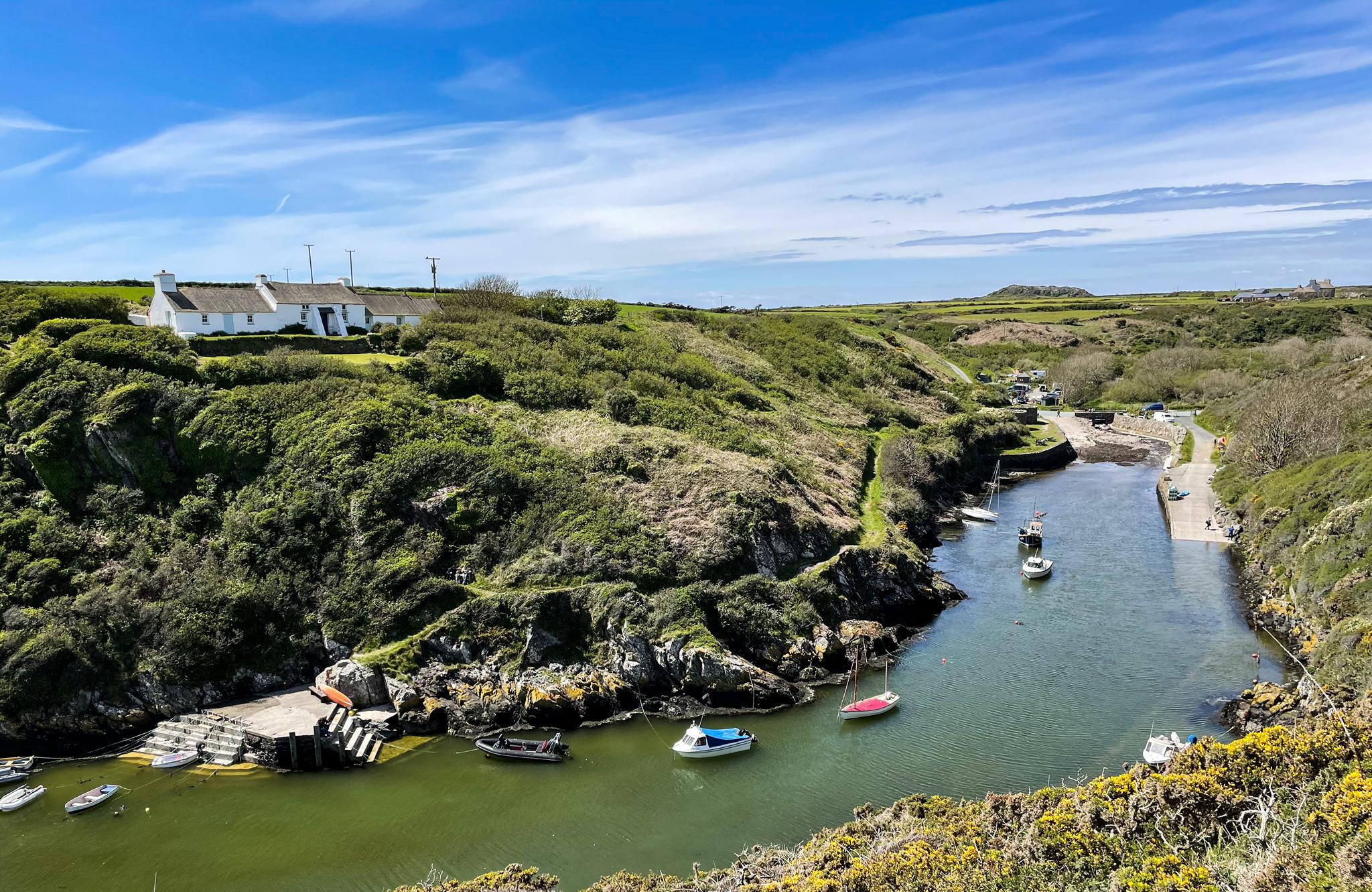
Visit this interesting historical site & see how Porthgain used to be
1
0

Porthgain, a small coastal village in Pembrokeshire, became an industrial hub in the 19th and early 20th centuries. The quarrying activities in Porthgain primarily focused on slate and later on roadstone. The harbour, constructed in 1851, was essential for exporting slate from nearby quarries. Initially, slate was transported to the harbour by horse-drawn tramways and later by steam-powered machinery. By the late 19th century, the industry expanded to include brickmaking using slate waste. The demand for roadstone led to the development of steam-powered crushers and large storage hoppers, which are still visible today. Despite its industrial success, the Great Depression in the inter-war period led to a decline in trade, and by 1931, the quarrying activities had ceased. Today, Porthgain is a conservation area, preserving its rich industrial heritage and attracting visitors to its historical sites and scenic beauty
1
0
Porthgain is known for its picturesque harbour and rich industrial history. The village was once a bustling industrial port in the early 1900s, primarily involved in the export of slate, bricks, and crushed roadstone. Quarry History: • Slate Quarrying: Slate was the primary industry in Porthgain from around 1850 to 1910. The slate was quarried from nearby locations like Abereiddi and Trwynllwyd and transported to Porthgain via a tramway. • Brickmaking: From 1889 to 1912, bricks were manufactured using waste from the slate operations. The large brick hoppers that dominate the harbour today were used to store crushed dolerite before shipment. • Roadstone Production: After the decline of the slate industry, Porthgain turned to producing crushed roadstone from 1889 until 1931. Today, Porthgain is a conservation area, attracting visitors with its historical charm, scenic views, and local seafood. The harbour remains active, primarily serving local fishermen and recreational boaters.
1
0

Popular pub for young and old with delicious food. For fans of Game of Thrones: Jerome Flynn also stops here when he is in the area.
1
0

Remnants from a time gone by then ships used to be loaded with quarried materials via the structures that still remain.
1
0
Well worth a visit, so much history there.
0
0

This ruin is traditionally considered a birthplace. The construction cannot be precisely dated, but is unusual: oriented north-south rather than east-west. Near the destroyed chapel there is a modern chapel and a holy well. The site was protected in the 1950s and is now under the responsibility of the Welsh heritage organization Cadw.
1
0
Frequently Asked Questions
What natural attractions can I explore around Solva?
Solva is rich in natural beauty. You can explore the picturesque Solva Harbour, which is ideal for water activities and offers a large expanse of beach at low tide. The Carn Llidi Summit View provides spectacular panoramic views of the Pembrokeshire coastline and Ramsey Island. Don't miss the dramatic clifftop walks along the Pembrokeshire Coastal Path, easily accessible from Solva, or the secluded Gwadn Beach just around the corner from the harbour.
Are there any historical sites to visit near Solva?
Absolutely. Just 3 miles from Solva, you'll find the majestic St David's Cathedral, a site of pilgrimage for over 800 years. Adjacent to it are the picturesque ruins of Bishop's Palace. Within Solva itself, you can see ancient Lime Kilns along the harbour, remnants of its maritime past, and Iron Age promontory forts on the Gribin Headland and near Porth y Rhaw.
What kind of walking trails are available around Solva?
Solva offers a variety of walking trails for all levels. You can enjoy easy strolls like the Solva quayside Wheelchair Walk or the short Solva Harbour walk. For more challenging routes, the Pembrokeshire Coastal Path offers dramatic clifftop walks, including a popular route from Solva to St Davids. You can find more options, including moderate and difficult hikes, in the hiking guide for Solva.
Are there family-friendly activities in Solva?
Yes, Solva is very family-friendly. The sheltered Solva Harbour and its beach are perfect for children to paddle, swim, and explore rock pools at low tide. The St David's Cathedral and Bishop's Palace offer engaging historical exploration. You can also visit the Solva Woollen Mill to see traditional weaving and enjoy its tearoom.
Where can I find unique local crafts and shops in Solva?
Solva is a hub for artists and crafters. The village boasts a great selection of galleries and craft shops, such as the Raul Speek Gallery and Solva Pottery. You'll also find unique items at shops like Window on Wales and Seaforth Home. For local produce and a community feel, visit the Bay View Stores and Post Office in Upper Solva.
What are some good places to eat or drink in Solva?
Solva offers several welcoming establishments. The Cambrian Inn is known as a gastropub, while The Harbour Inn is a favorite for classic pub grub. The Hats and Barrels features a beer garden, and The Ship Inn is popular for its lively atmosphere and live music. For coffee, breakfast, or a crab baguette, the Print House Cafe is a great choice.
Can I see wildlife near Solva?
The Pembrokeshire coastline around Solva is excellent for wildlife spotting. Boat trips to Ramsey Island, just a short distance away, offer opportunities to see seabirds, grey seals, and porpoises. Along the coastal path, you might spot various marine birds and other coastal wildlife.
What is the Solva Woollen Mill?
The Solva Woollen Mill, located about a mile from Solva, is the oldest continuously working woollen mill in Pembrokeshire, with over a century of weaving history. Visitors can observe the looms in action and purchase a range of products made from 100% British wool, including floor rugs and stair runners. It also features a tearoom and shop.
Are there any secluded beaches near Solva?
Yes, Gwadn Beach is a secluded stone and pebble beach located just around the corner from Solva Harbour. It's accessible via a steep path over the Gribin or from Solva beach at low tide, offering breathtaking views and a peaceful spot for relaxation.
What is the Gribin Headland and what does it offer?
The Gribin Headland is a rocky ridge offering spectacular views over Green Scar Island, St Brides Bay, and the harbour. It's considered one of the most fabulous viewpoints in the Pembrokeshire Coast National Park. An Iron Age promontory fort can also be spotted at its end, adding historical interest to the scenic walk.
What other coastal villages or towns are worth visiting near Solva?
Beyond Solva, you can visit Porthgain Harbour, a former commercial port now featuring a pub, cafe/restaurant, and art galleries amidst industrial ruins. The city of St Davids, with its famous Cathedral, is also a must-see. Newgale Beach, known for its wide, flat sands, is popular for sandcastles and surfing.
Are there options for running trails around Solva?
Yes, Solva offers several running trails. You can find moderate routes like the Caerbwdi Bay loop or the Solva Village Park loop. For more challenging runs, consider the St Non's Well – Porthclais Harbour loop. Explore these and other options in the running trails guide for Solva.
Most popular attractions around Solva

Get inspired with the komoot mobile app


Explore more
Still not found the Highlight you’re looking for? See guides of the top attractions in other regions:
