Top 5 Castles around Llansteffan
Best castles around Llansteffan are situated in a region defined by its strategic coastal position, overlooking the River Tywi estuary and Carmarthen Bay. This area has a rich history, with defensive sites dating back to Iron Age promontory forts. Visitors can explore a variety of historic structures, from Norman strongholds to medieval ruins, offering expansive views of the surrounding landscape. The castles here provide a tangible connection to centuries of Welsh history and architectural evolution.
Best castles around Llansteffan
- The…
Last updated: October 7, 2026
Laugharne Castle
Highlight • Historical Site
Today, the castle is open from April until October, and you can find out more to plan your visit here: cadw.gov.wales/visit/places-to-visit/laugharne-castle
Tip by

Kidwelly Castle
Highlight • Historical Site
Tip by

Sign up now to discover places like this
Get recommendations on the best single tracks, peaks, & plenty of other exciting outdoor places.
Llansteffan Castle Ruins
Highlight • Castle
Tip by

Carmarthen Castle
Highlight • Historical Site
Tip by

Carmarthen Castle
Highlight • Historical Site
Tip by
Start today with a free account
Your next adventure awaits.

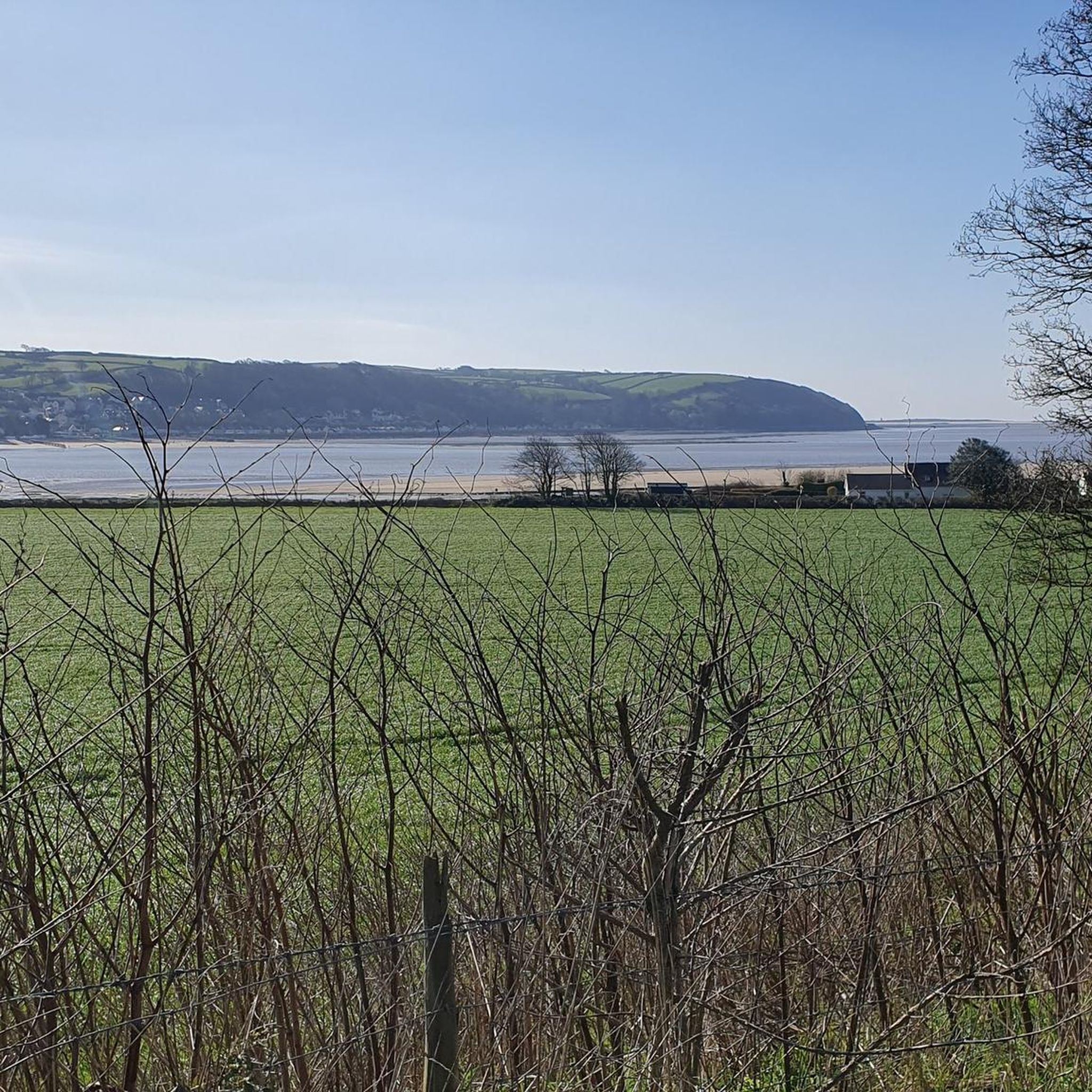
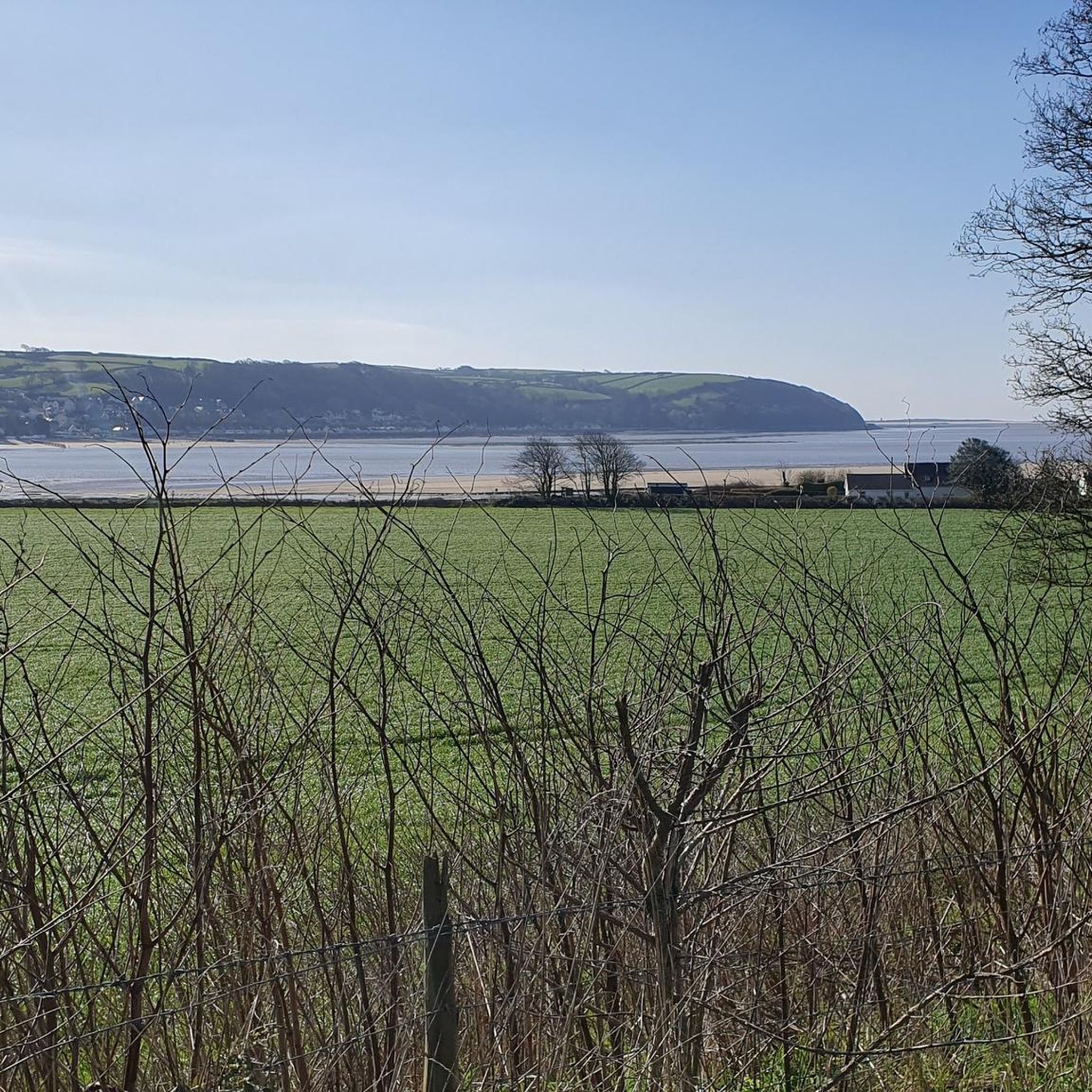
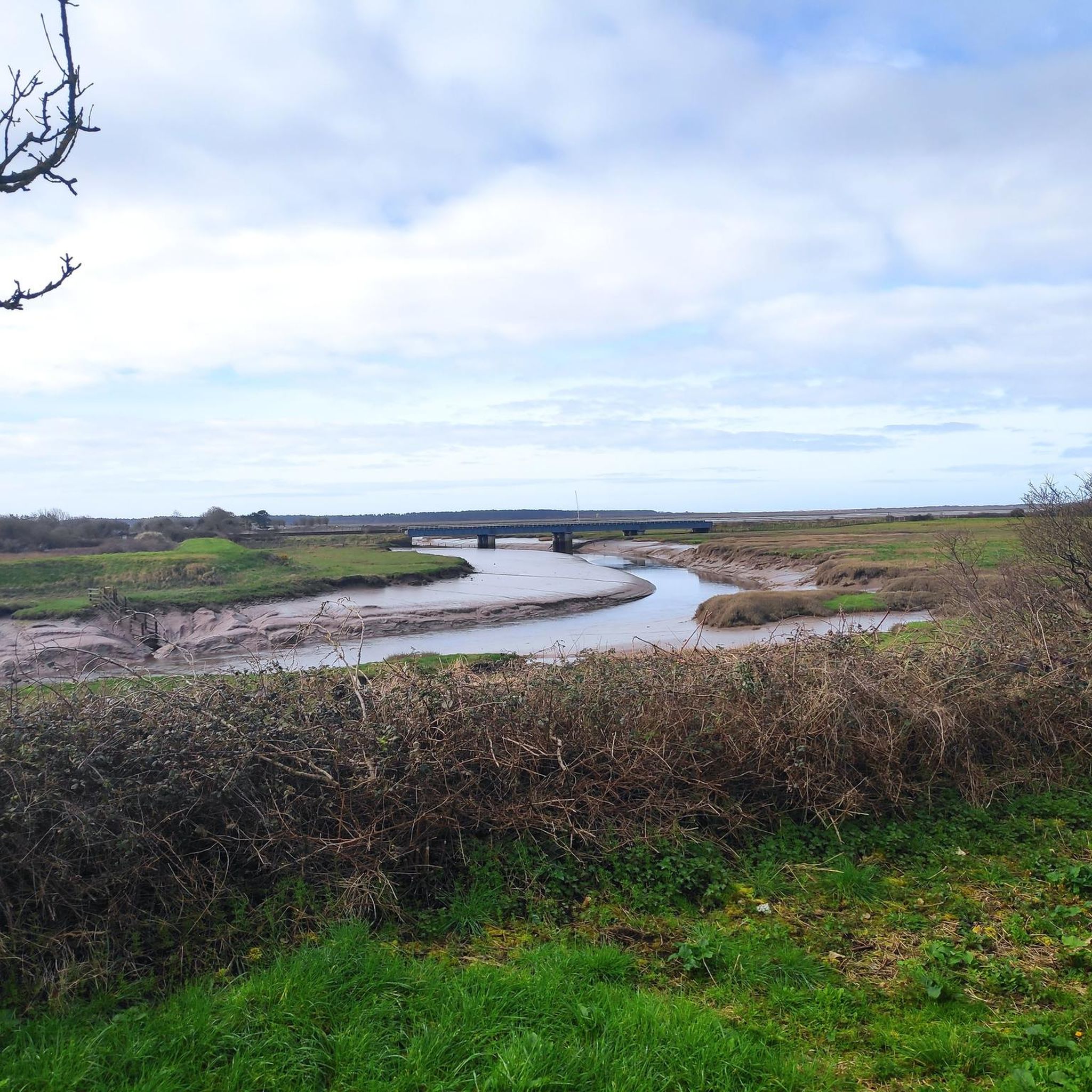
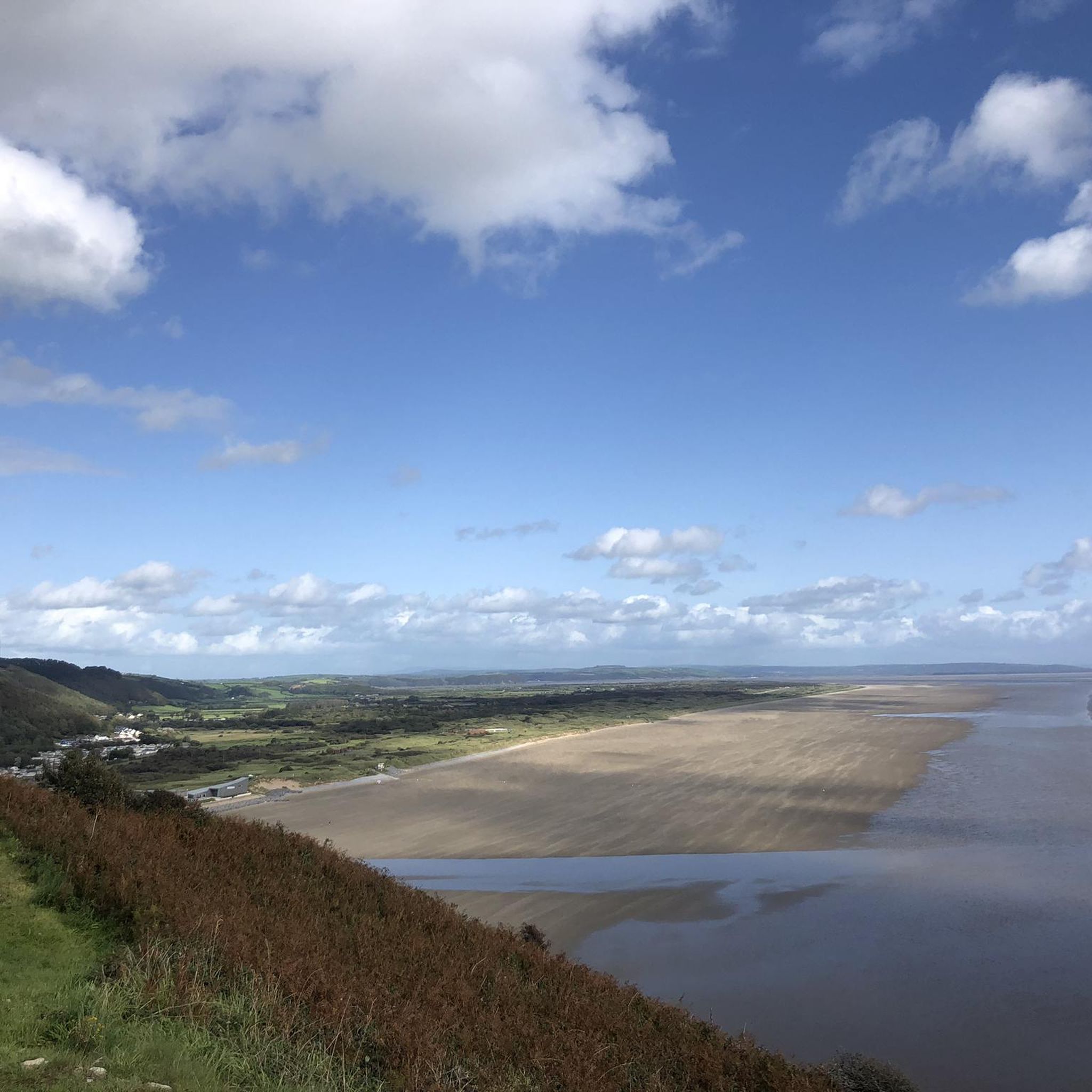
Other adventures around Llansteffan

Tips from the Community

A visit to the ruins currently costs £6.50. Beautiful views over the bay from the tower.
0
0

Remains of a castle can be found at the end of the pedestrian zone
0
0

Ruins of a castle a short walk from Llansteffan beach. Apparently “The castle was built by the Normans after 1100” it is privately owned but under a deed of guardianship. Worth the walk up the hill to it!
0
0

Worth leaving Sustrans Route 4 to take a look at the castle. Only a short diversion
0
0

The memorial at the Castle celebrates Gwenllian, one of Wales's greatest heroines. In 1136 she led a Welsh army against Marcher lord Maurice de Londres. The battle took place nearby and despite her bravery Gwenllian was captured and beheaded. Gwenllian was a princess by birth and marriage. Her husband, Gruffudd ap Rhys, was prince of Deheubarth; her father, Gruffudd ap Cynan, Prince of Gwynedd. King Henry I died in 1135. With no heir, England was left in turmoil. Sensing the chance to win back lands, the Welsh launched a campaign against Anglo Norman rule. Gruffudd travelled to Gwynedd to gather support. With her husband away, Gwenllian led her doomed army against a Norman counter attack. Gwenllian and Gruffudd's greatest legacy was their youngest son, The Lord Rhys, who rose to become the most important Welsh ruler of the time.
1
0

Laugharne Castle dates to 1116. It was later rebuild as a Norman stronghold and has seen many revisions since. Today, the castle is open from April until October, and you can find out more to plan your visit here: cadw.gov.wales/visit/places-to-visit/laugharne-castle
2
0
Laugharne Castle dates to 1116. It was later rebuild as a Norman stronghold and has seen many revisions since. Today, the castle is open from April until October, and you can find out more to plan your visit here: https://cadw.gov.wales/visit/places-to-visit/laugharne-castle
1
0
Carmarthen is thought to be the oldest town in Wales. The Roman fort dates to around 75 AD. The town’s medieval castle is also worth a visit. There are plenty of places to eat and drink, shops, and accommodation, making it a great place for a refresh stop or an overnight stay.
1
0
Frequently Asked Questions
Which castles offer the most impressive views around Llansteffan?
For breathtaking panoramic views, Llansteffan Castle Ruins are unparalleled. Perched on a headland, it offers expansive vistas of the River Tywi estuary, Carmarthen Bay, and even the Gower Peninsula on a clear day. You can ascend to the first floor of the main east gate and further up a winding stair for excellent vantage points.
Are there any less crowded castles to visit near Llansteffan?
Llansteffan Castle Ruins is often described as a peaceful and uncrowded spot, allowing visitors to enjoy the natural beauty and heritage without large crowds. Its location requires a walk up a steep hill, which may deter some, contributing to its tranquil atmosphere.
What historical significance do the castles around Llansteffan hold?
The castles in this region, such as Llansteffan Castle Ruins, have a rich and tumultuous history. They originated in the early 12th century, built by Norman conquerors, and frequently changed hands between Norman and Welsh forces. Laugharne Castle, for instance, dates back to 1116 and was later rebuilt as a Norman stronghold, eventually becoming a Tudor fortified manor house. Kidwelly Castle is notable for its memorial to Gwenllian, a Welsh heroine who led an army in 1136.
How does Llansteffan Castle compare to Kidwelly Castle?
Llansteffan Castle Ruins offers dramatic hilltop ruins with stunning estuary views and a strong connection to its Iron Age origins and Norman-Welsh conflicts. It's free to enter and provides a peaceful, exploratory experience. Kidwelly Castle is a more complete and imposing medieval fortress, featuring a memorial to the Welsh heroine Gwenllian. Both offer rich historical insights, but Llansteffan excels in panoramic natural beauty, while Kidwelly provides a grander, more intact castle structure.
Is Llansteffan Castle accessible for visitors with mobility concerns?
The walk up to Llansteffan Castle Ruins from the village car park is steep. While generally considered manageable, it may present a challenge for visitors with significant mobility concerns. The castle itself is a ruin with uneven surfaces and stairs, limiting accessibility for wheelchairs.
Are there family-friendly castles to visit near Llansteffan?
Yes, several castles in the area are considered family-friendly. Laugharne Castle and Kidwelly Castle are both listed as family-friendly highlights. Llansteffan Castle Ruins also offers an engaging experience for families who enjoy exploring ruins and scenic walks.
What is the best time of year to visit the castles around Llansteffan?
The castles, particularly Llansteffan Castle Ruins, are best visited during drier months, typically from spring to early autumn (April to October), when the weather is more favorable for walking and enjoying the outdoor views. Laugharne Castle is also open from April until October.
What outdoor activities can I do near these castles?
The area around Llansteffan offers various outdoor activities. You can find numerous hiking routes, including options like the 'View of Llansteffan Coast – Llansteffan Castle Ruins loop' or the 'Llansteffan Beach – Llansteffan Castle Ruins loop'. For more details on hiking, visit the Hiking around Llansteffan guide. There are also easy hikes and running trails available, which you can explore in the Easy hikes around Llansteffan guide and Running Trails around Llansteffan guide.
Are there any circular walks that include Llansteffan Castle?
Yes, there are several circular walks that incorporate Llansteffan Castle Ruins. For example, you can enjoy the 'View of Llansteffan Coast – Llansteffan Castle Ruins loop' (7.2 km, moderate) or the shorter 'Llansteffan Beach – Llansteffan Castle Ruins loop' (4.7 km, easy). These routes allow you to combine castle exploration with scenic coastal paths. You can find more details in the Hiking around Llansteffan guide.
What do visitors enjoy most about the castles around Llansteffan?
Visitors frequently highlight the stunning scenery and rich history. The panoramic views from Llansteffan Castle Ruins across the estuary and Carmarthen Bay are a major draw. The opportunity to explore atmospheric ruins and connect with centuries of Welsh medieval history, from Iron Age origins to Norman occupation and Welsh resistance, is also highly valued. The peaceful and uncrowded atmosphere of many sites adds to the appeal.
Are dogs allowed at the castles near Llansteffan?
While specific dog policies can vary, many outdoor historical sites in Wales, especially ruins like Llansteffan Castle Ruins, are generally dog-friendly, often requiring dogs to be on a lead. For castles managed by Cadw, such as Laugharne Castle and Kidwelly Castle, it's best to check their official websites for the most current pet policies before your visit.
Where can I find parking for Llansteffan Castle?
Parking for Llansteffan Castle Ruins is typically available in the village of Llansteffan, near the beach. From there, it's a walk up a steep hill to reach the castle. Specific car park locations and any associated fees should be checked locally upon arrival.
Most popular attractions around Llansteffan

Get inspired with the komoot mobile app


Explore more
Looking for the best castles somewhere else? Discover other guides around Llansteffan:
