Attractions and Places To See around Oelsberg - Top 20
Attractions and places to see around Oelsberg provide access to the Middle Rhine Valley, a region recognized for its natural beauty and historical significance. The municipality is situated within a unique wine-growing area, featuring steep vineyards. This location offers proximity to the Rhine River, providing numerous viewpoints and iconic landmarks. The area combines local charm with a landscape of cultural and natural sites.
Best attractions and places to see around Oelsberg
- The most popular attractions is Wackenberghütte Viewpoint: View of…
Last updated: October 9, 2026
View of the Loreley Rock
Highlight • Viewpoint
Translated by Google •
Tip by

View of the Loreley Rock and the Rhine
Highlight • Viewpoint
Translated by Google •
Tip by

Sign up now to discover places like this
Get recommendations on the best single tracks, peaks, & plenty of other exciting outdoor places.
Loreley Statue on the Rhine
Highlight • Monument
Translated by Google •
Tip by

View of the Loreley from Maria Ruh
Highlight • Viewpoint
Translated by Google •
Tip by

Wackenberghütte Viewpoint: View of St. Goar, Rheinfels Castle, and the Rhine Valley
Highlight • Viewpoint
Translated by Google •
Tip by

Sign up for free to discover even more attractions around Oelsberg.
Already have an account?
Start today with a free account
Your next adventure awaits.
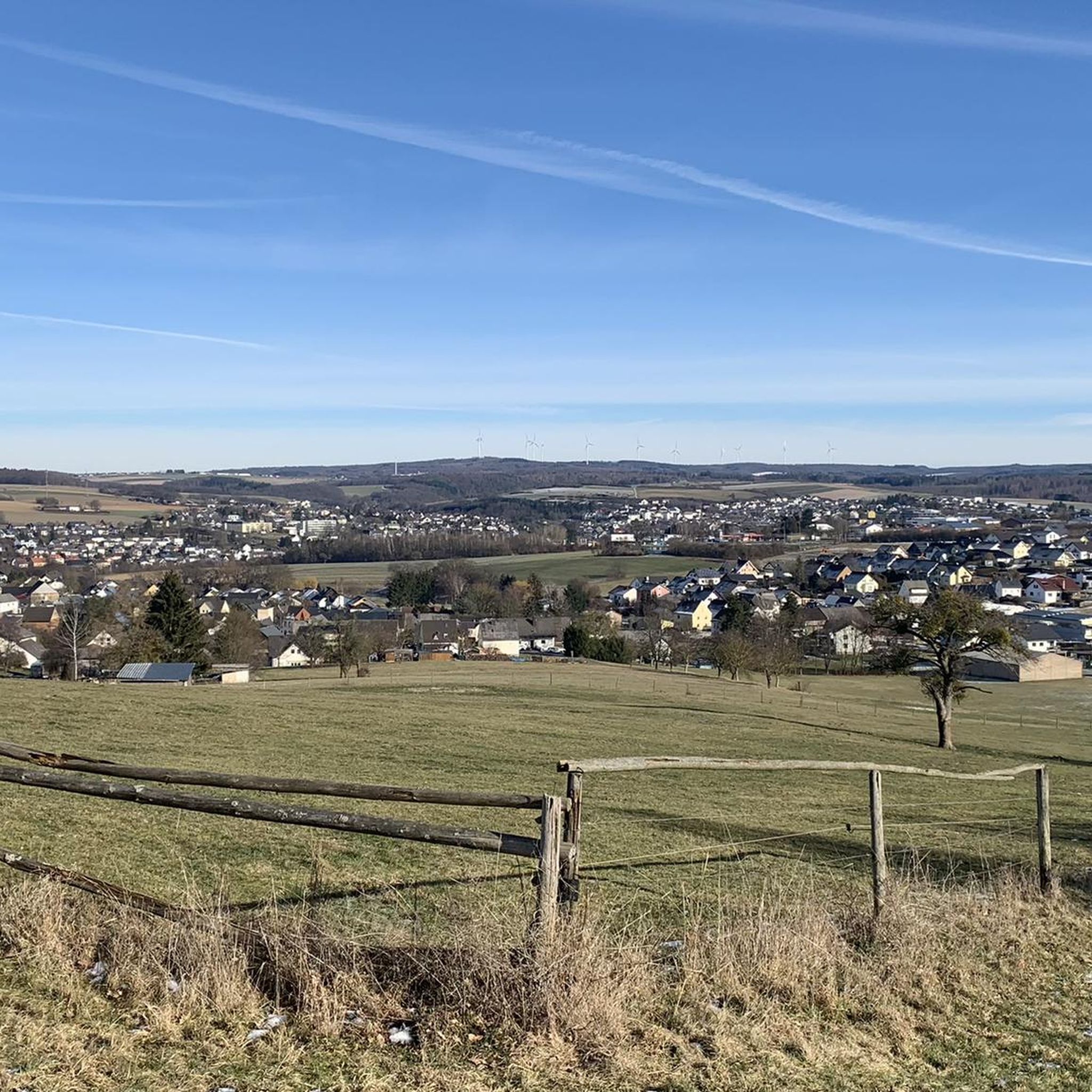
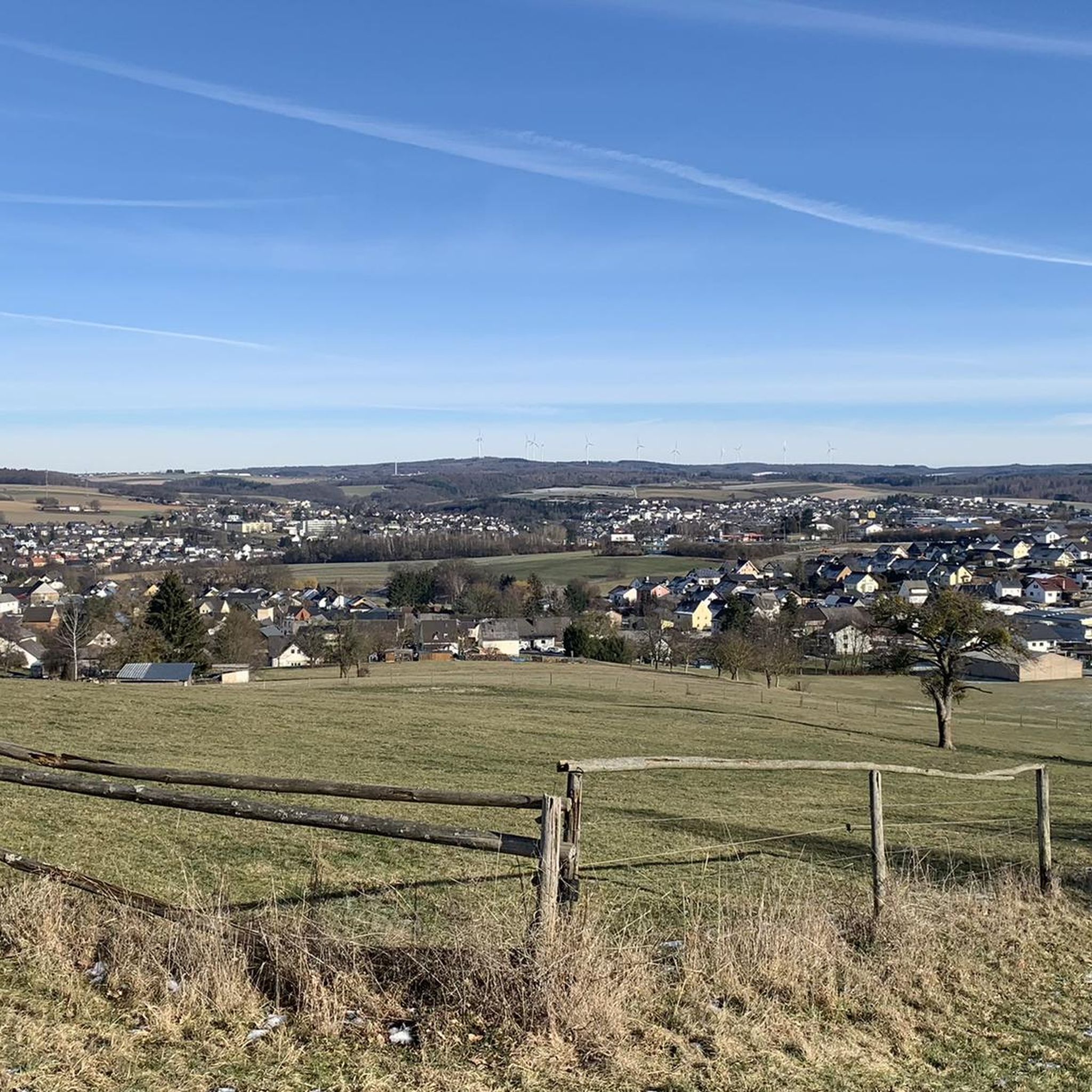
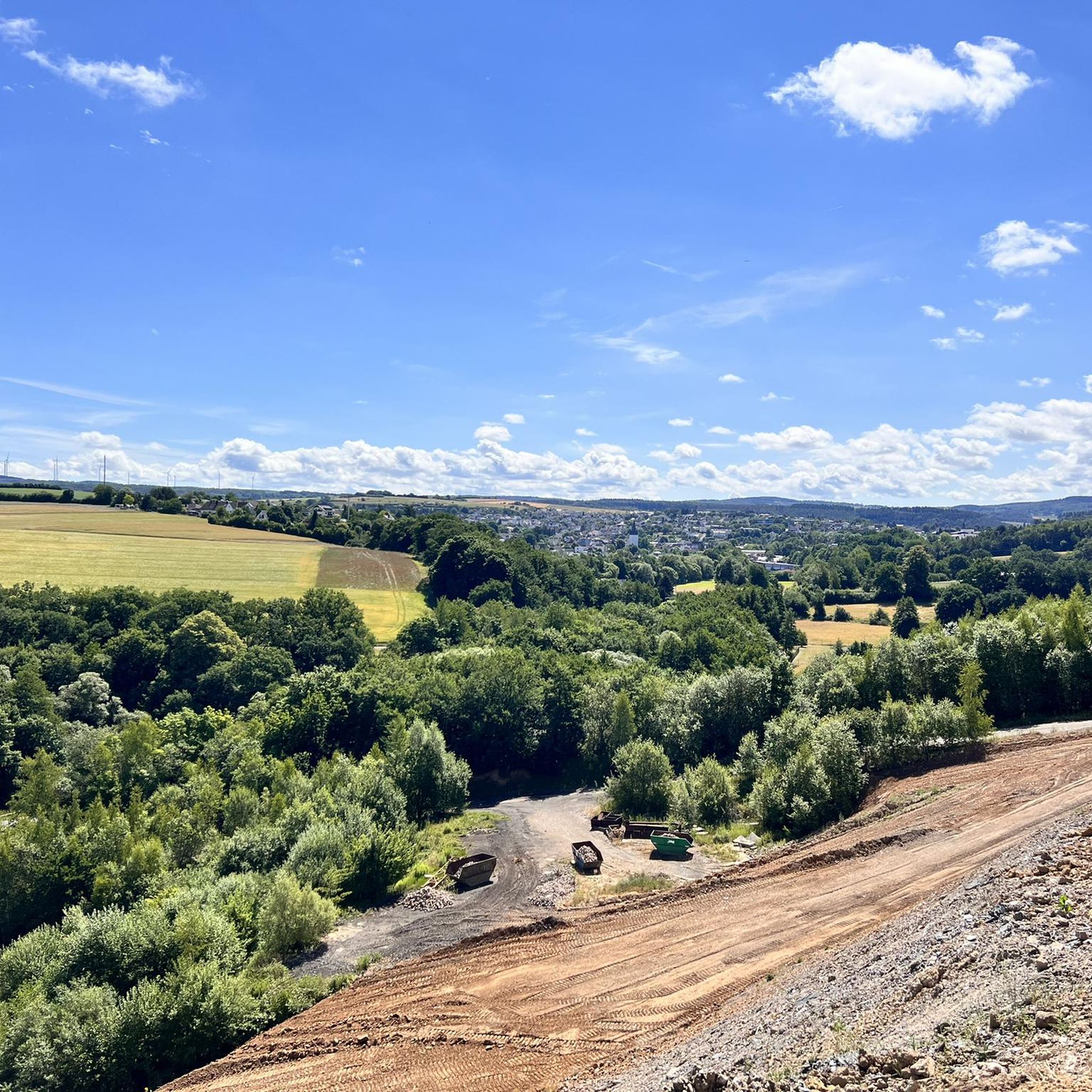
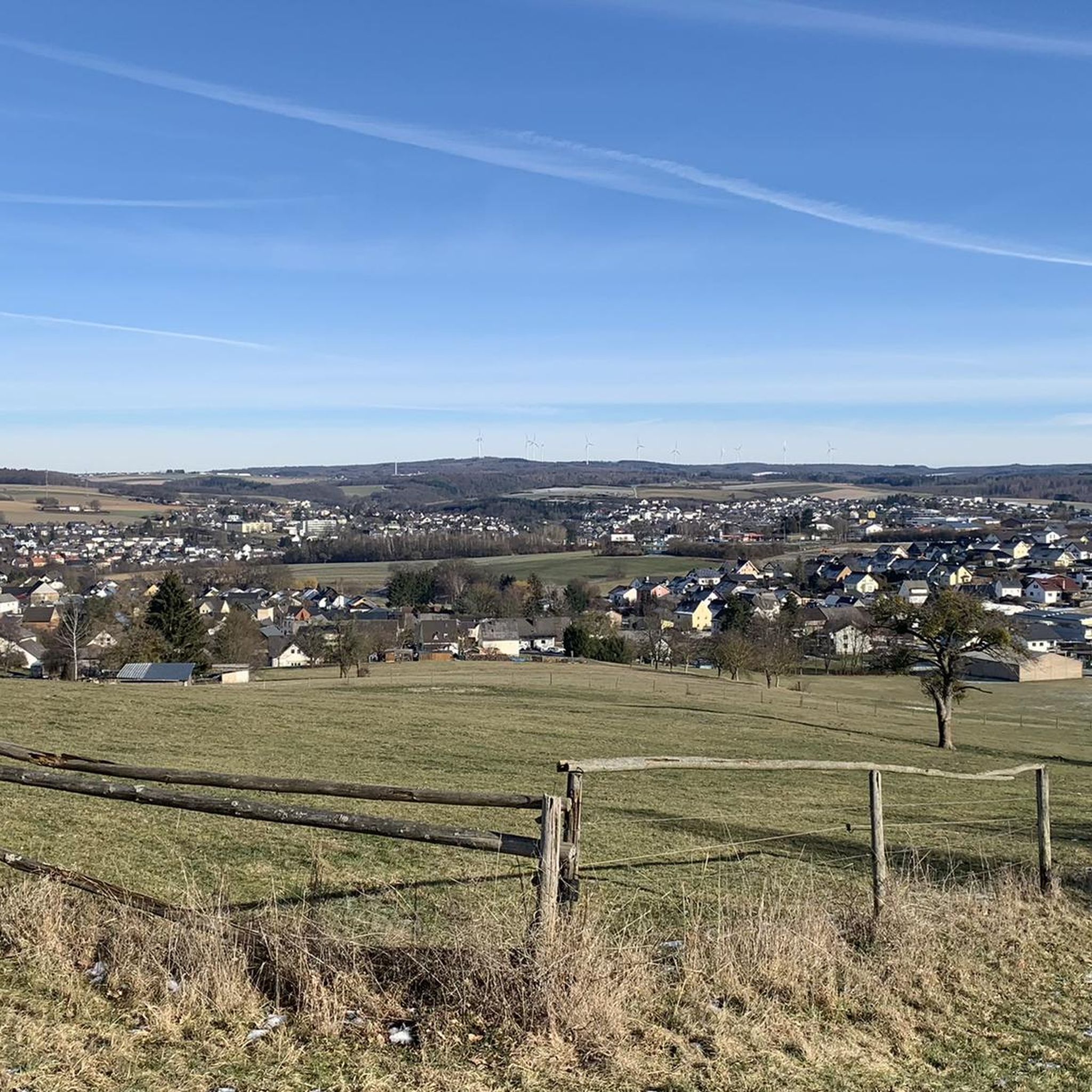
Tips from the Community

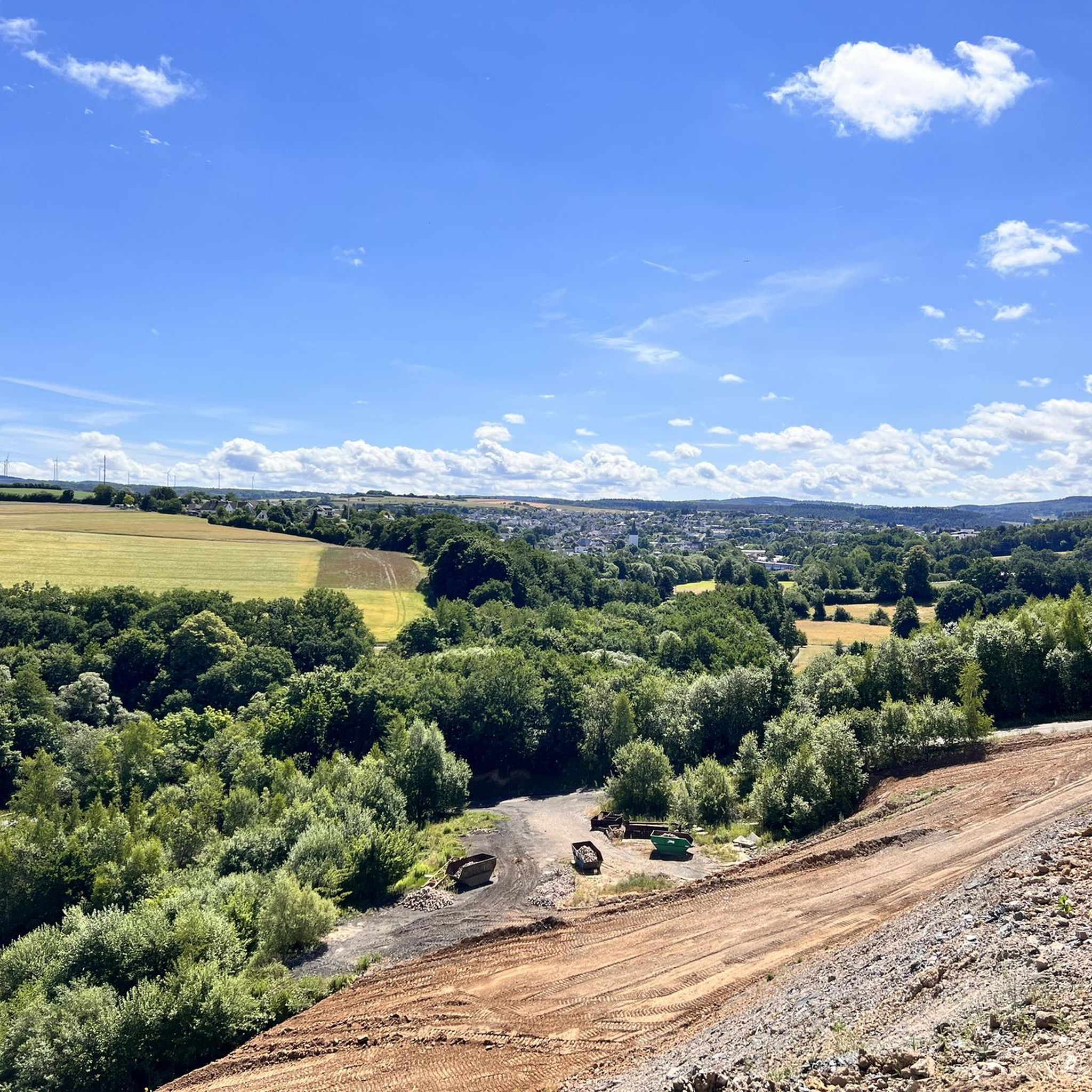
Again a beautiful point, with many opportunities for a beautiful photo.
8
0

There is really a great view at every point here, with the most beautiful photo motifs.
9
0
Great view of the Rhine Valley. Please plan some time, it's worth it.
9
0
We continue to work hard here. Certainly already preparatory work for the BUGA 2029. Then it will certainly be great up here. But even so, a visit is definitely a super nice experience.
9
0


The way down the stairs and then along the bank to get to the old town, super chilled. Atmosphere²
8
0

The Loreley open-air stage The Turner Labor Service began work on the Loreley open-air stage in 1932. The stage was originally intended for the RheinMain-Spielring, but this construction project was appropriated by the National Socialists the following year and rededicated as a "NS celebration site" and a "Thing site". The construction work lasted until 1939 and was carried out by members of the Labor Service. The spectators of the open-air stage received 4,300 seats and 10,000 to 14,000 standing places. The inauguration was on June 21, 1939. Only three days later, the first performance of Wilhelm Tell took place. The stage was not only intended for theatrical events, but was also intended to serve as a backdrop for large party events. Rock and pop concerts have also been held on the Loreley open-air stage since 1976. Genesis gave their first rock concert on July 3, 1976. On 6/17/78, Grace Slick refused to perform with Jefferson Starship, leading to riots and vandalism. "This also helped many amateur bands suddenly to have professional equipment in their rehearsal cellars" can still be read in the social networks today. From 1981, the Rockpalast also took place several times on the open-air stage. Many well-known artists performed, including BAP, Barclay James Harvest, Bob Dylan, Joe Cocker, Die Toten Hosen, Böhse Onkelz, Herbert Grönemeyer, Peter Maffay, Marillion, Gary Moore, Metallica, Chris Rea, Frankie Miller, Eric Burdon, Lynyrd Skynyrd, Udo Jürgens, Red Hot Chili Peppers, Carlos Santana, Paul Simon, Simple Minds, Sting, The Police, The Sisters of Mercy, Dus40, R.E.M. The Kelly Family, U2, Journey, Toto and Whitesnake. Source: Text information board / text excerpts from Wikipedia
14
1
In an exposed place The almost flat plateau of the Loreley high above the Rhine has been an ideal place for people to stay and settle since time immemorial. On the edge of the plateau, Paleolithic tools of Homo erectus made of rubble and flakes were found - at that time, about 800,000 years ago, the waves of the Rhine sloshed onto the bank at this point. When the hunters and gatherers settled down around 8000 AD, they also cleared forests on the Loreley plateau for agriculture. The so-called Bandkeramik people who lived at that time settled in large families in long wooden houses, which were divided into residential and commercial areas. Two long houses in the Loreley area from this period have been identified, in which decorated ceramic vessels were found. In the subsequent Bronze Age, the plateau was still inhabited, as can be proven by flat graves with urn burials from the epoch of the urn field culture (9th century BC). At the turn of the Celtic period (around 800 BC), when times became more troubled due to the invasion of Eastern European steppe peoples, the inhabitants fortified their settlement with a palisade wall. In the centuries that followed, this rampart was reinforced by a second ring and a ditch dug into the rock. Iron weapons and tools, bronze jewellery, ceramic vessels, numerous graves with extensive grave goods indicate the importance of the settlement and a certain wealth of the population in Celtic times. The plateau was also used in Roman times. The population, who mixed Roman influence with their Celtic roots, made a good living by supplying the Roman military on the Rhine and the nearby Limes with food and goods. Near the Loreley are the remains of a villa rustica (Roman estate) and an ancient water pipe from the 2nd to 4th centuries AD. The settlement was probably abandoned in the middle of the 5th century. Only as part of the Frankish conquest did the fertile plateau around the Loreley rocks be settled again from the 7th century. Source: text information board
17
2
Frequently Asked Questions
What natural features can I explore around Oelsberg?
The region around Oelsberg is rich in natural beauty, particularly within the Middle Rhine Valley. You can visit the iconic View of the Loreley Rock, a 132-meter-high slate rock that symbolizes Rhine romanticism. Another serene spot is Wisper Lake, an amphibian sanctuary nestled in a forest, perfect for relaxation (though swimming is prohibited). The area is also home to the unique Oberweseler Oelsberg Vineyard, a steep terraced vineyard known for its Riesling grapes and as a habitat for various rare animals.
Are there historical sites or cultural landmarks near Oelsberg?
Yes, Oelsberg serves as a gateway to the historically rich Middle Rhine Valley. While Oelsberg itself has a history dating back to 1260, the broader region between Bingen and Koblenz is dotted with approximately 29 castles, palaces, and ruins, showcasing centuries of history. You can also find the Loreley Statue on the Rhine, a man-made monument linked to the famous rock. Nearby historic towns like Oberwesel and St. Goarshausen offer additional cultural experiences.
Where can I find the best panoramic views of the Rhine Valley?
For breathtaking views of the Rhine Valley, consider visiting the Wackenberghütte Viewpoint, which offers expansive panoramas of St. Goar and Rheinfels Castle. Another excellent spot is the Felsenkanzel Viewpoint Overlooking the Rhine and the Loreley, which provides magnificent vistas along the Rhine towards Oberwesel and the Loreley rock. Both are highly appreciated by visitors for their scenic beauty.
What kind of outdoor activities can I do around Oelsberg?
Oelsberg is an excellent base for various outdoor activities. You can explore numerous hiking trails, such as the 'Milchhof Endlichhofen – Old Oak of Endlichhofen loop' or 'Benches at the Forest Junction – Blue Bench in the Taunus loop'. For cycling enthusiasts, there are routes like 'View of Burg Maus – View of Marksburg Castle loop'. If you prefer running, trails like 'Shelter at the Glider Airfield loop' are available. You can find more details on these activities and routes on the hiking, cycling, and running guide pages for Oelsberg.
Are there family-friendly attractions or activities in the area?
Yes, several attractions around Oelsberg are suitable for families. The Wackenberghütte Viewpoint offers beautiful views that can be enjoyed by all ages. The View of the Loreley Rock and the Loreley Statue on the Rhine are iconic spots that capture the imagination. Additionally, Wisper Lake provides a peaceful natural setting for families to relax and observe wildlife.
What is the best time of year to visit Oelsberg and its attractions?
The Middle Rhine Valley, including the Oelsberg area, is particularly beautiful during spring (April-May) when the vineyards are greening and flowers bloom, and in autumn (September-October) for the vibrant fall foliage and wine harvest season. The warmer months are ideal for outdoor activities and enjoying the viewpoints. While the region is accessible year-round, some cultural events or specific vineyard tours might be seasonal.
What makes the Oberweseler Oelsberg Vineyard unique?
The Oberweseler Oelsberg Vineyard is unique due to its extremely steep slopes, ranging from 60 to 70 percent, which necessitate challenging manual cultivation. Its direct location in a sharp bend of the Rhine creates an exceptional microclimate, perfect for Riesling grapes. Beyond wine production, the terraced slopes and dry stone walls provide crucial habitats for rare animals and plants, including wall lizards and emerald lizards, especially in warmer months.
Are there any easy or moderate hiking trails suitable for beginners around Oelsberg?
Yes, there are several trails with varying difficulties. For an easier option, you could consider the 'Path of the Trees – Blue Bench in the Taunus loop' which is about 4 km long. Moderate trails include the 'Milchhof Endlichhofen – Old Oak of Endlichhofen loop' (approx. 7.8 km) and 'Benches at the Forest Junction – Blue Bench in the Taunus loop' (approx. 9.6 km). You can find more details and other options on the hiking guide for Oelsberg.
What do visitors particularly enjoy about the attractions near Oelsberg?
Visitors frequently praise the stunning panoramic views, especially from spots like the Wackenberghütte Viewpoint, which offers clear sights of St. Goar and Rheinfels Castle. The iconic nature of the Loreley Rock and its associated romanticism are also highly appreciated. Many enjoy the peaceful atmosphere of places like Wisper Lake for relaxation in nature. The historical significance of the castles visible from various viewpoints also captivates many.
Is there public transport available to reach attractions around Oelsberg?
While Oelsberg itself is a smaller municipality, its proximity to the Middle Rhine Valley means that regional public transport options, including train services along the Rhine, can connect you to nearby towns like Oberwesel and St. Goarshausen. From these towns, local buses or walking routes may lead to specific attractions. It's advisable to check local transport schedules for the most up-to-date information when planning your visit.
Are there any hidden gems or less-known spots worth visiting near Oelsberg?
Beyond the well-known landmarks, the terraced slopes of the Oberweseler Oelsberg Vineyard itself can be considered a hidden gem, offering not just viticultural interest but also unique ecological value as a habitat for rare species. Exploring the smaller, less-trafficked viewpoints along the Rhine, apart from the main ones, can also reveal equally stunning and more secluded vistas of the valley and its castles.
Most popular routes around Oelsberg
Most popular attractions around Oelsberg

Get inspired with the komoot mobile app


Explore more
Still not found the Highlight you’re looking for? See guides of the top attractions in other regions:
