Top 20 Natural Monuments around Kruft
Natural monuments around Kruft showcase the region's unique geological history, shaped by volcanic activity. The landscape features extensive deposits of volcanic rock, including tuff and pumice, from the Laacher See volcano's eruption. This area provides tangible connections to powerful geological forces and historical human interaction with the environment. Visitors can explore distinct rock layers and remnants of past mining activities.
Best natural monuments around Kruft
- The most popular natural monuments is Trass Caves Brohltal, a cave that features mighty rock faces and a unique jungle atmosphere. It is considered an absolute hiking highlight in the Brohltal valley.
- Another must-see spot is Waterfall in the Wolfsschlucht, a waterfall known for its idyllic setting and jungle-like atmosphere. This spot offers a unique natural experience.
- Visitors also love Wolf Gorge Waterfall and Trass Cliffs, a gorge featuring a rugged ravine and a notable waterfall. It provides a scenic path for exploration.
- Kruft is known for its caves, waterfalls, and gorges. The region offers a variety of geological formations and scenic landscapes to explore.
- The natural monuments around Kruft are appreciated by the komoot community. More than 3500 upvotes and over 3800 photos highlight the appeal of these locations.
Last updated: September 29, 2026
Trass Caves Brohltal
Highlight • Cave
Translated by Google •
Tip by

Wolf Gorge Waterfall and Trass Cliffs
Highlight (Segment) • Gorge
Translated by Google •
Tip by

Sign up now to discover places like this
Get recommendations on the best single tracks, peaks, & plenty of other exciting outdoor places.
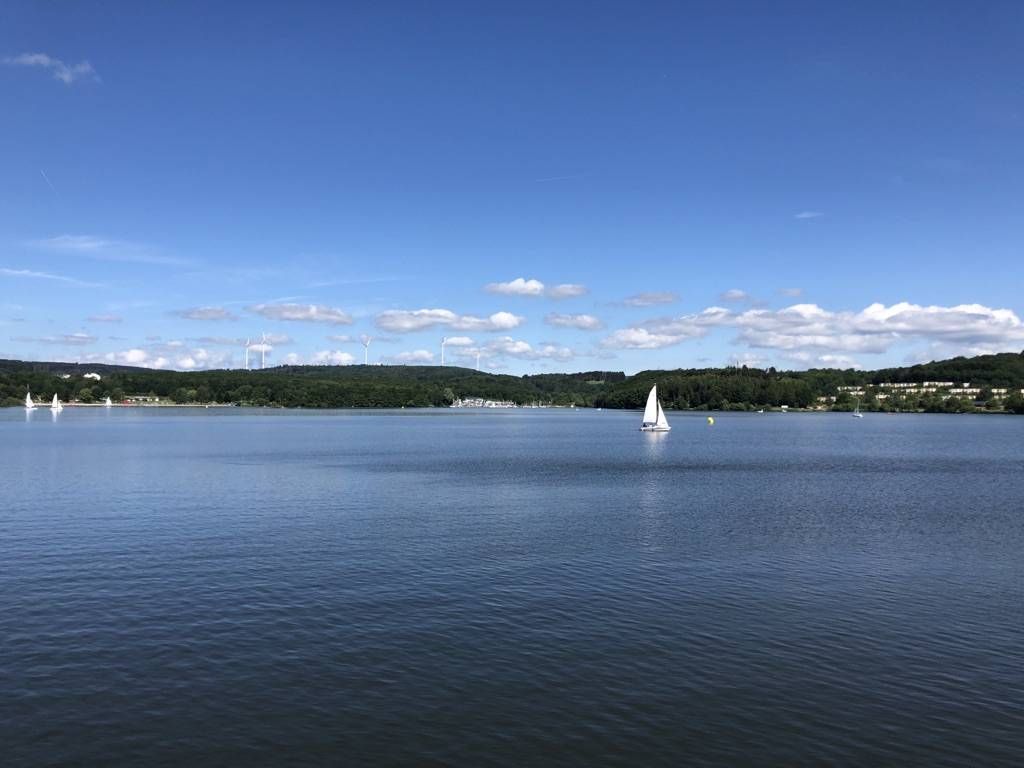
Laacher Lake
Highlight • Lake
Translated by Google •
Tip by

Trail along Lake Laach
Highlight • Trail
Translated by Google •
Tip by

Genoveva Cave
Highlight • Cave
Translated by Google •
Tip by
Sign up for free to discover even more natural monuments around Kruft.
Already have an account?
Start today with a free account
Your next adventure awaits.
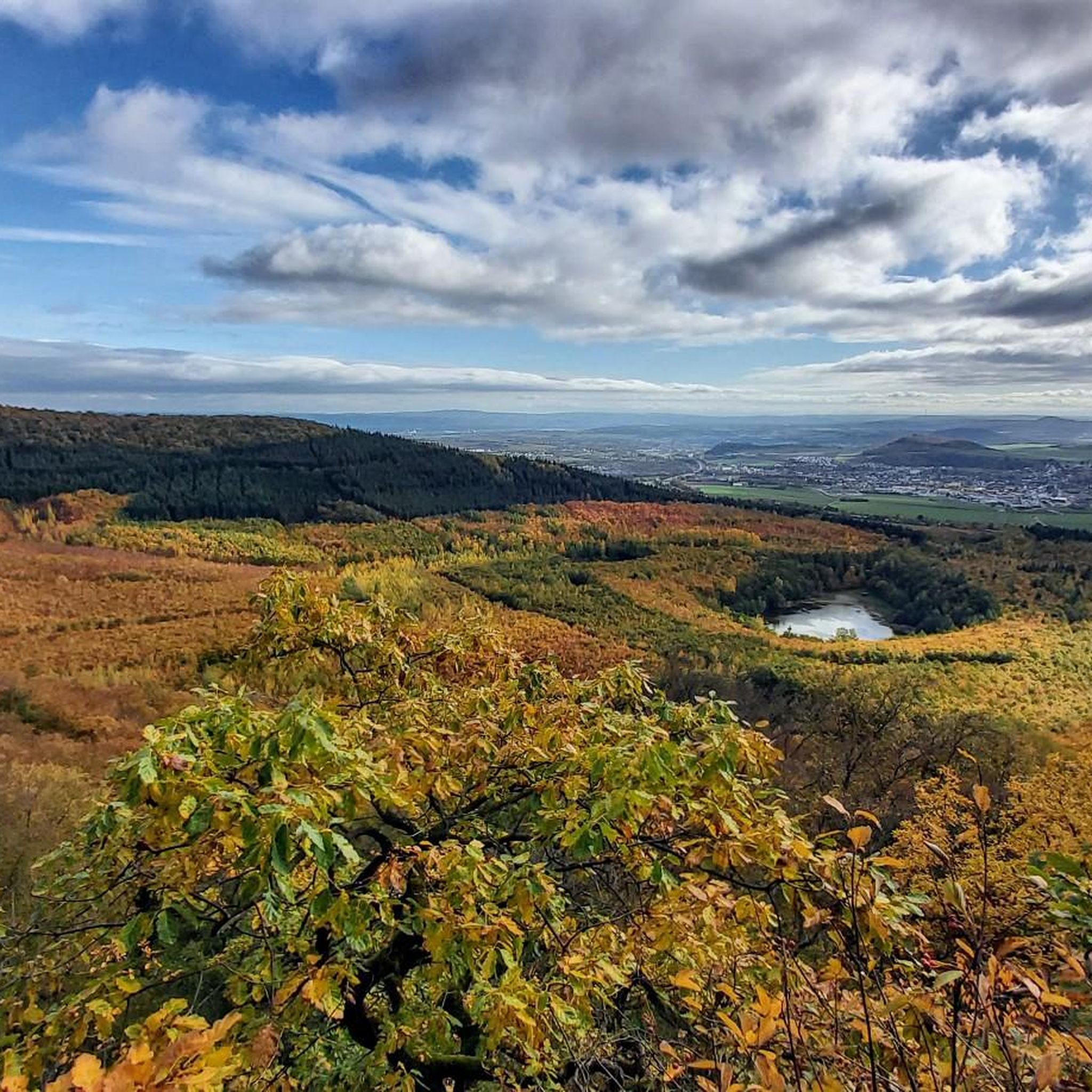
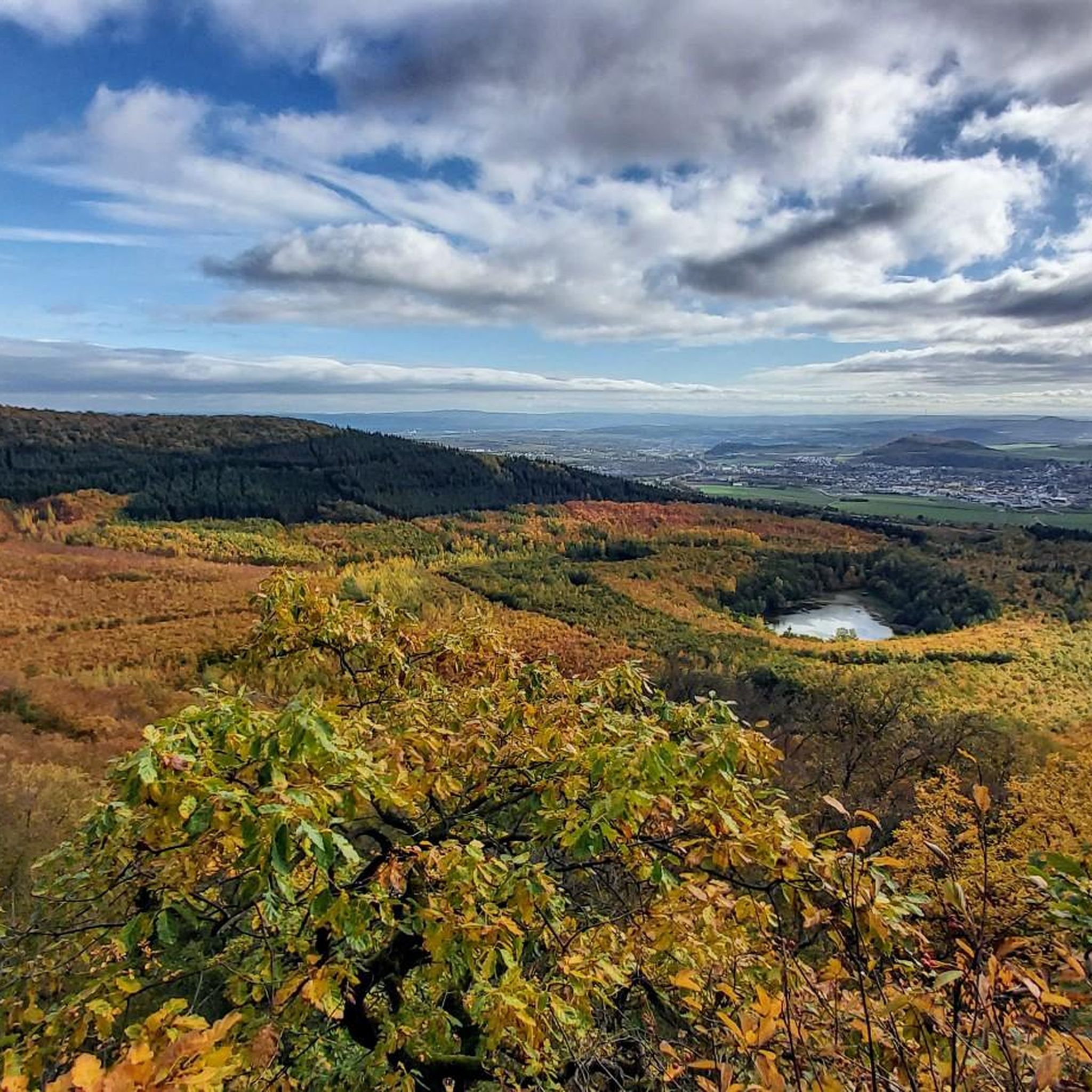
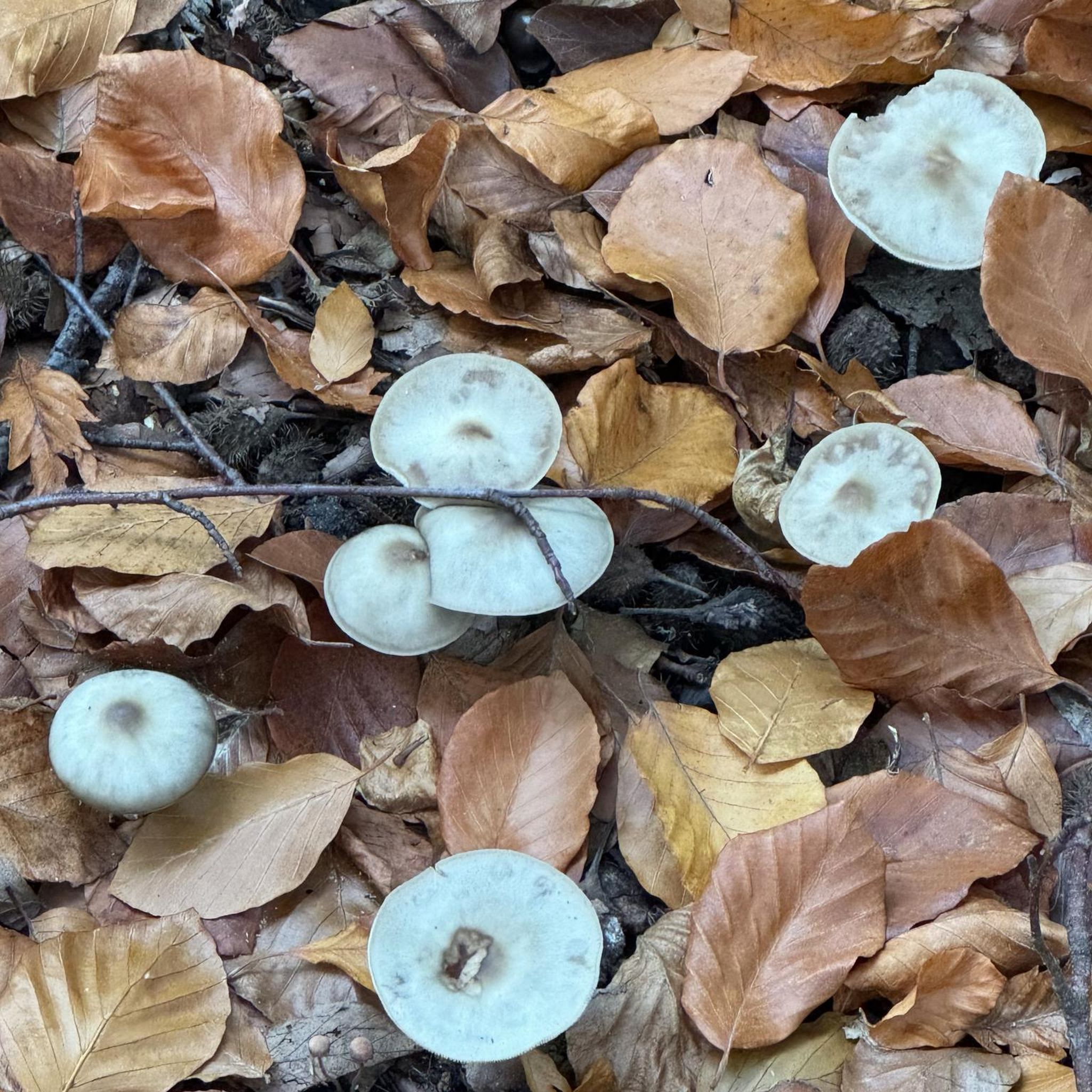
Other adventures around Kruft

Tips from the Community

Genoveva Cave However, this one is no match for the cave of the same name in Kordel near Trier🧭❣️ Still very interesting🖤 Dark, take a flashlight 🔦 with you to explore the cave for a few meters. 🖤Super interesting outdoor fun 🖤
8
1

Very nice corner - especially the many benches invite you to relax and look over the lake.
10
0

Below the Hochstein is the rock face with the Genoveva Cave. Here the residents of the village of Bell mined millstones from the basalt rock. The basalt solidified in a columnar shape by the lava flow from the Ettringer Bellerberg volcano and was ideal for making millstones. Genoveva from the Sigfrid legend is also said to have sought refuge here.
10
1

Definitely my favorite cave in the area! It is worth taking a flashlight with you, because without light you cannot see anything in the cave.
10
1

Here you can listen to the ducks chattering on the lake - unfortunately, the background noise of the nearby motorway is a bit annoying
9
0

When you cross the Trass caves, you go through a historical disaster area, it is about the eruptions of the Laacher See volcano, which erupted around 13,000 years ago.
18
1

The riverside path repeatedly offers views of the lake and the abbey, unfortunately there is a lot going on here, especially on weekends when the weather is nice.
8
0

There are numerous beautiful views of the lake along the lake path. The views are particularly attractive in autumn, when there is fog on the lake.
12
1
Frequently Asked Questions
What are the most popular natural monuments to visit around Kruft?
The region around Kruft is rich in natural beauty. Highly recommended are the Trass Caves Brohltal, known for their mighty rock faces and unique jungle atmosphere. Another must-see is the Waterfall in the Wolfsschlucht, offering an idyllic setting. Visitors also frequently explore the Wolf Gorge Waterfall and Trass Cliffs, a rugged ravine with a notable waterfall.
What unique geological features can I expect to see in the natural monuments near Kruft?
The natural monuments around Kruft are deeply shaped by the region's volcanic history, particularly the eruption of the Laacher See volcano. You'll encounter extensive deposits of volcanic rock, including distinct layers of tuff and pumice. The Krufter Bachtal, for instance, showcases these layers and evidence of historical tuff mining. At Laacher Lake, you can even discover mofettes, which are natural gas vents, offering a direct connection to the volcanic activity.
Are there family-friendly natural sights around Kruft?
Yes, several natural monuments around Kruft are suitable for families. The Trass Caves Brohltal are considered family-friendly, and the Laacher Lake offers a great walk through the woods. The Wolfsschlucht Gorge and Tönissteiner Bach Waterfall is also a fantastic spot for families, with plenty to discover among its rock formations and bubbling springs.
What kind of hiking trails are available near the natural monuments?
You'll find a variety of hiking trails near the natural monuments, ranging from easy to challenging. Many trails lead through forests and along gorges, offering scenic views. For example, a well-known trail marked with the Volcano Park mascot leads through the Krufter Bachtal, allowing visitors to experience the landscape firsthand. For more detailed routes, you can explore the Running Trails around Kruft guide, which includes longer, more difficult options like the 38 km 'Trass Caves Brohltal – Waterfall in the Wolfsschlucht loop'.
What is the best time to visit the natural monuments around Kruft?
The natural monuments around Kruft can be enjoyed throughout the year, but spring and autumn often offer the most pleasant conditions for hiking, with mild temperatures and vibrant foliage. Some visitors note that popular spots like the Wolf Gorge Waterfall and Trass Cliffs are best visited during the week to avoid crowds, especially in good weather.
Can I bring my dog to the natural monuments and trails?
While specific regulations for each monument may vary, many outdoor trails and natural areas in Germany are dog-friendly, provided dogs are kept on a leash. It's always advisable to check local signage or specific park rules upon arrival. Generally, the natural settings around Kruft are welcoming for walks with your canine companion.
Are there any historical sites or evidence of human activity within these natural monuments?
Yes, the Krufter Bachtal is a prime example, providing visible evidence of tuff stone extraction dating back to Roman times. You can see large adit openings (Stollenöffnungen) that highlight how this natural resource was utilized for construction. The Trass Caves Brohltal are also historical sites, showcasing past mining activities within a natural cave system.
What do visitors enjoy most about the natural monuments in this region?
Visitors frequently praise the unique blend of natural beauty and historical significance. The 'jungle atmosphere' of places like the Waterfall in the Wolfsschlucht and the impressive rock formations are often highlighted. Many appreciate the immersive experience of walking through landscapes shaped by powerful geological forces and discovering remnants of past human interaction, such as the mofettes at Laacher Lake.
Are there opportunities for cycling near the natural monuments around Kruft?
Absolutely! The region offers various cycling opportunities. You can find detailed routes for different cycling styles. For example, the Road Cycling Routes around Kruft guide features routes like the 'Maria Laach Abbey loop'. If you prefer off-road adventures, the Gravel biking around Kruft guide offers options like the 'Lake Laach loop from Wassenach'.
How accessible are the natural monuments by public transport?
While specific public transport options to every single natural monument might require local research, Kruft itself is connected by public transport. From there, some natural monuments, especially those integrated into well-known hiking trails like the Krufter Bachtal, might be reachable via local bus services or a short walk. For more remote locations, a car might be more convenient.
Are there any viewpoints offering panoramic vistas of the natural landscape?
Yes, several natural monuments offer excellent viewpoints. The Waterfall in the Wolfsschlucht is listed as a viewpoint, and along the riverside path of Laacher Lake, you can enjoy beautiful panoramas over the lake and its surroundings.
Most popular attractions around Kruft

Get inspired with the komoot mobile app


Explore more
Extend your search for the best caves by checking out these guides of the top ones around Kruft:
