The best cycling routes around Groß Quenstedt
4.6
(1222)
4,433
riders
298
rides
Touring cycling around Groß Quenstedt offers access to diverse natural features and an extensive network of cycling routes. The area is characterized by rolling hills and verdant forests, providing a varied backdrop for cycling. Its proximity to the Harz region further enhances opportunities, with routes traversing picturesque landscapes and connecting to historical sights. This topography provides both moderate ascents and descents suitable for touring cyclists.
Best touring cycling routes around Groß Quenstedt
- The most popular touring cycling route is Wassertorturm…
Last updated: July 10, 2026
5.0
(8)
28
riders
Easy bike ride. Great for any fitness level. Mostly paved surfaces. Suitable for all skill levels.
4.3
(46)
31
riders
Hard bike ride. Great for any fitness level. You may need to push your bike for some segments of this route.

Sign up for free
4.3
(7)
15
riders
21.3km
01:20
50m
50m
Hard bike ride. Great for any fitness level. You may need to push your bike for some segments of this route.
4.9
(15)
10
riders
Hard bike ride. Great for any fitness level. You may need to push your bike for some segments of this route.
5.0
(2)
6
riders
Easy bike ride. Great for any fitness level. Mostly paved surfaces. Suitable for all skill levels.
Get access to more routes and recommendations from other explorers.
Sign up for free
Already have an account?
Our route recommendations are based on thousands of hikes, rides, and runs completed by other people on komoot.
Start today with a free account
Your next adventure awaits.
Login or Signup
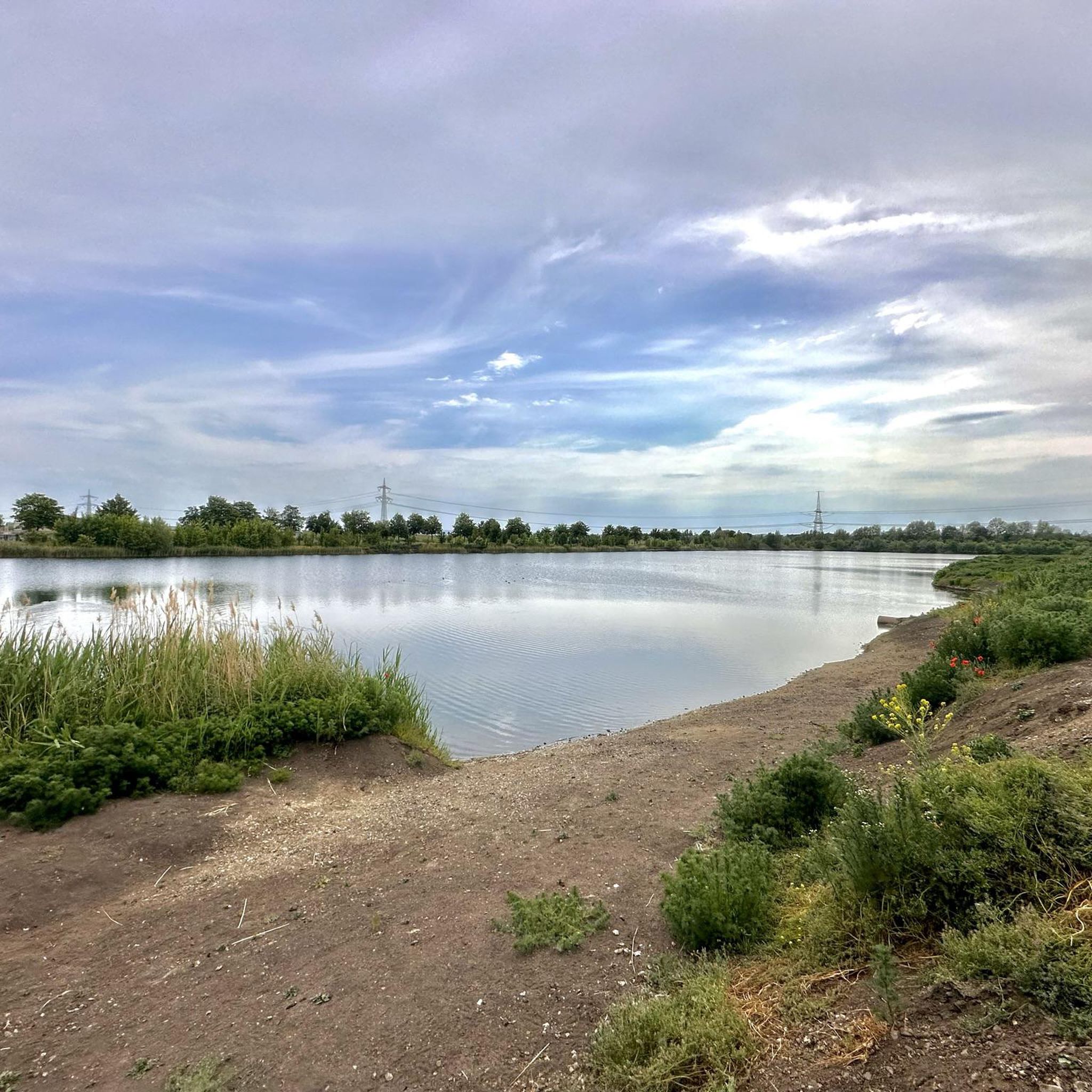
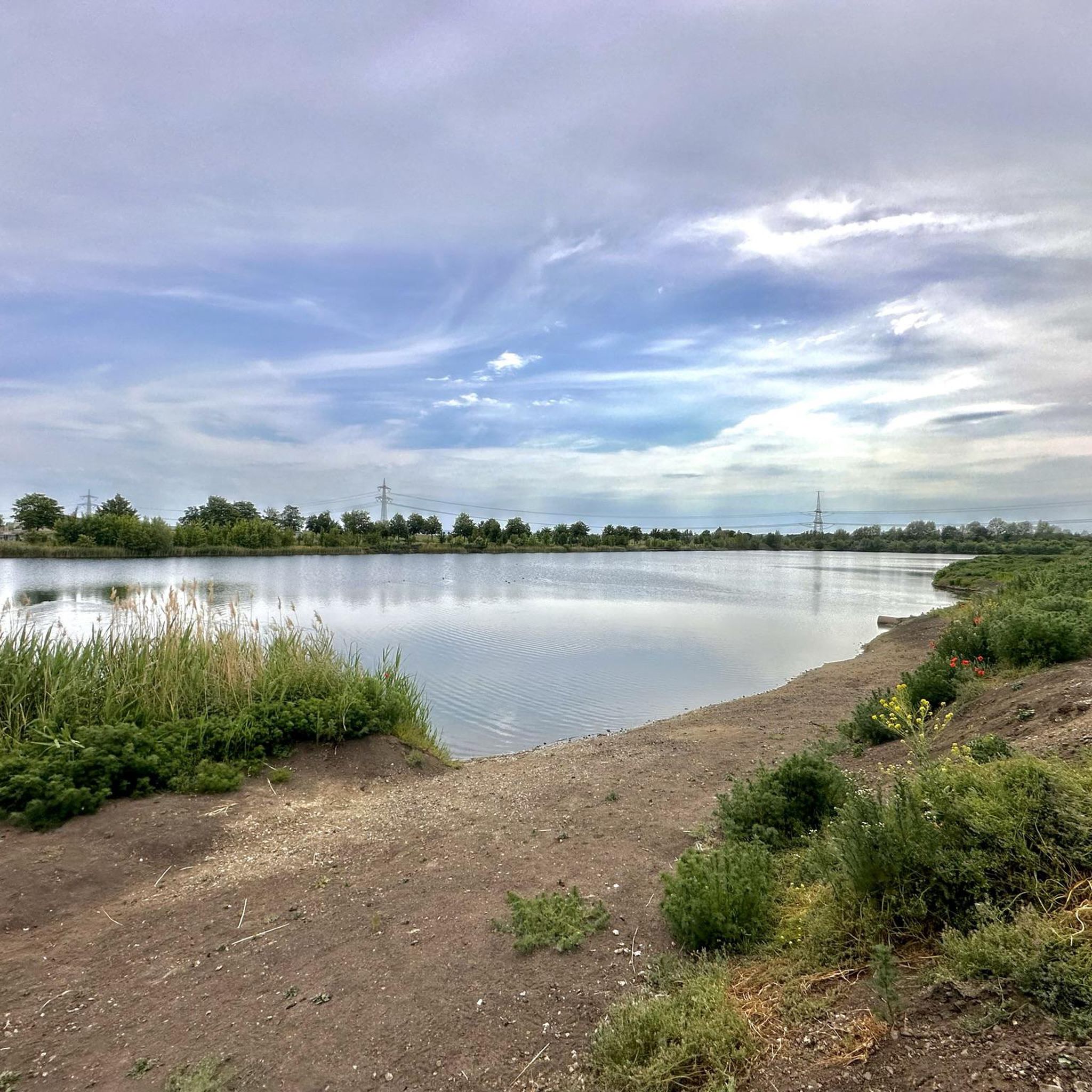
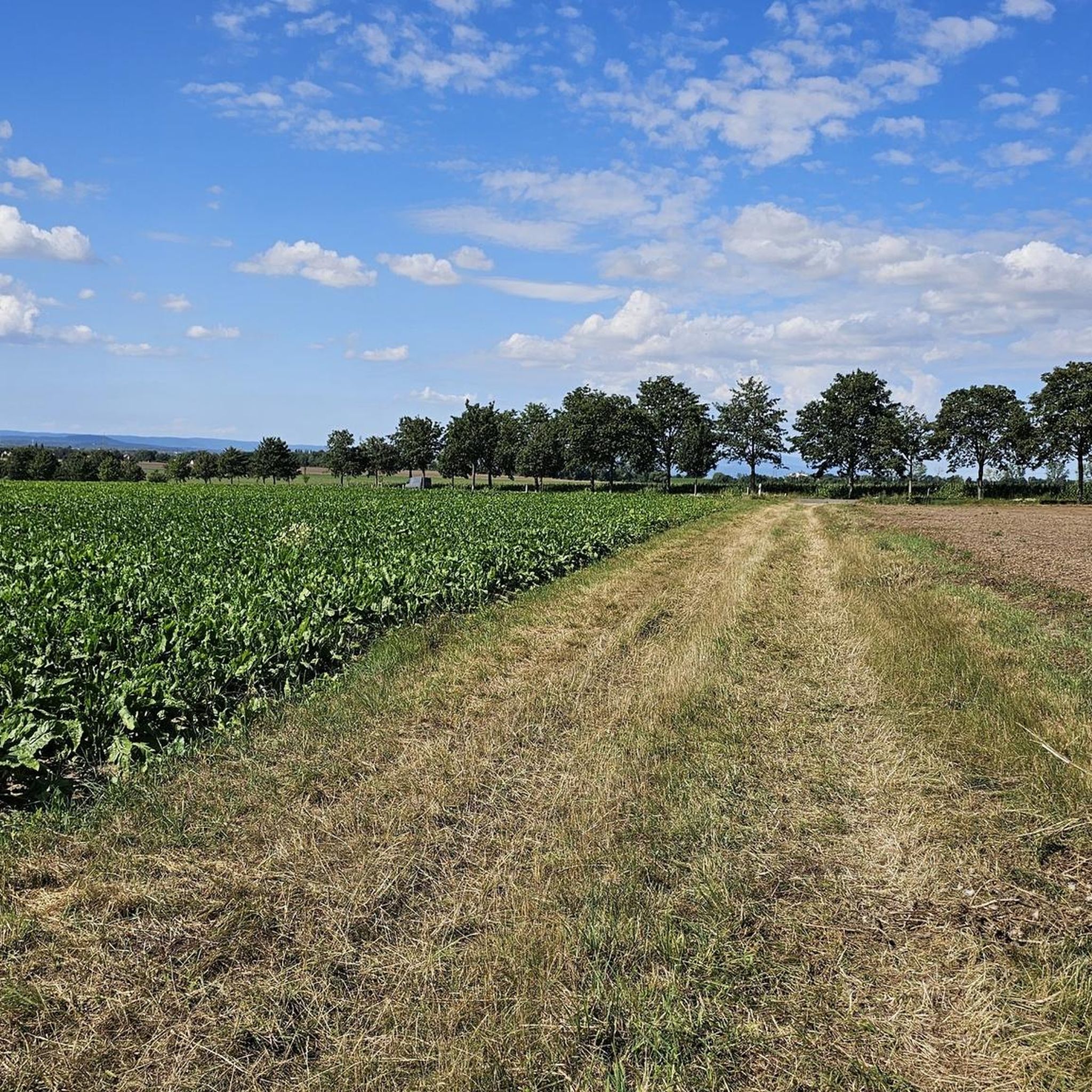
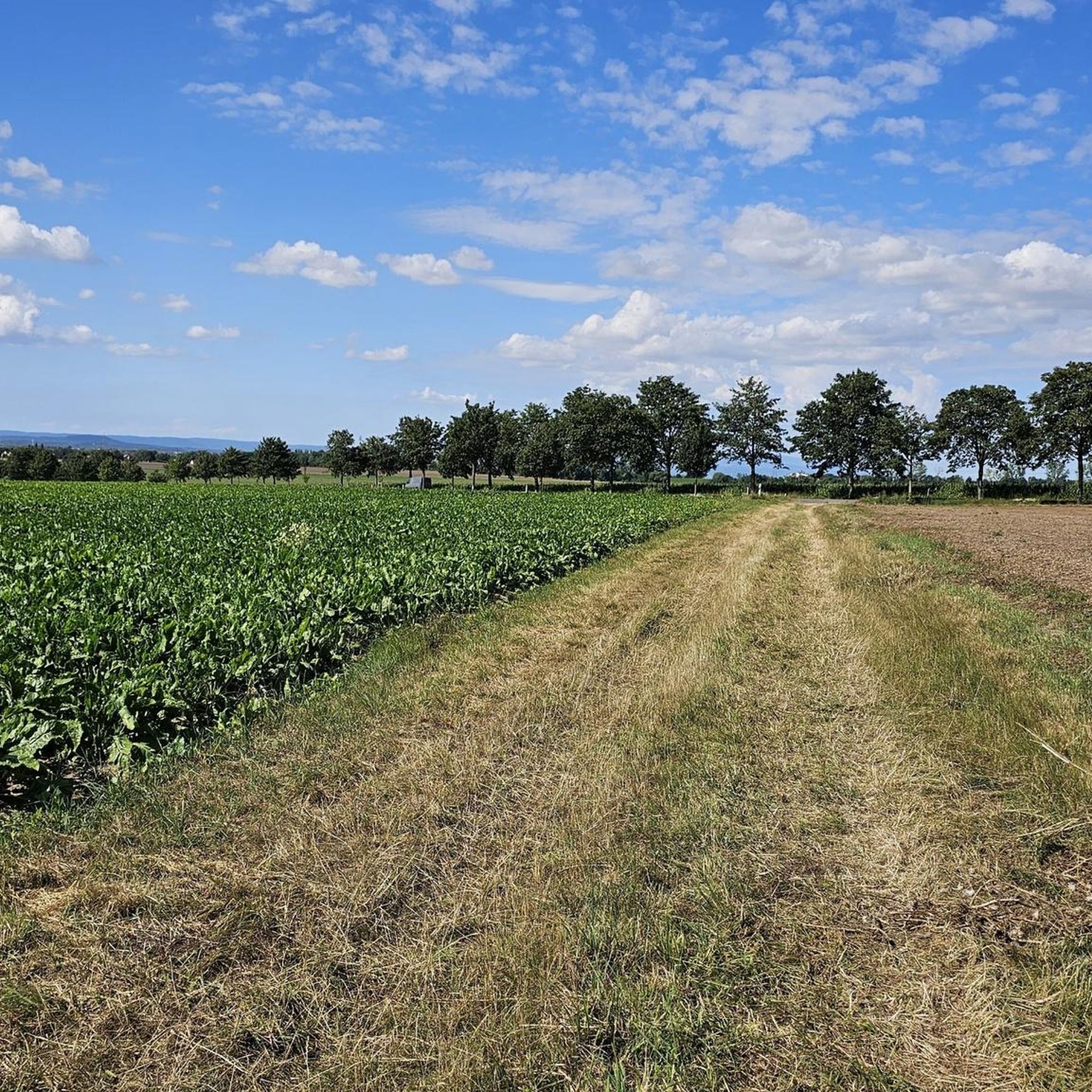
Tips from the Community

Unfortunately, it was closed. What a pity.
0
1

The former Benedictine monastery in present-day Gröningen was founded in 936. The associated church was consecrated four years later by representatives of Corvey Abbey, a significant institution of the Benedictine Order at the time, which produced several notable bishops. In 1550, the monastery was dissolved and subsequently became the property of the city of Gröningen. Unfortunately, the church can currently only be viewed from the outside.
4
0

St. Moritz Church, built around 1246, is a three-aisled pillar basilica. https://de.wikipedia.org/wiki/Halberstadt#Bauwerke
0
0

The western part of the building dates back to the original Romanesque building and is unadorned and has no access in the style of a Saxon crossbar. The round-arched arcades of the central nave on heavy rectangular pillars are also part of this. The rest of the building was rebuilt after 1238 as a flat-roofed basilica with a transept, a separate crossing and a long rectangular choir. A cloister was also built during this construction phase, but it was demolished in 1810. Further restorations were carried out in the 19th century, with the three eastern choir windows being replaced by two large openings in 1843 and the transept being rebuilt in 1886. In the years 1975–1982, an extensive restoration of the entire building was carried out, financed by a church building program in the GDR, and the interior design from 1886 was restored in a reduced form. Source: Wikipedia
9
0
Krottorf Castle is a lowland castle that was secured by the Bode and the moats fed by it. After the original castle was destroyed in 1363, a fortified complex with buildings in the Renaissance style was not built until the 16th century and expanded by the then owner around 1890; parts of the rampart and moats are still preserved. The castle's enclosed courtyard is open to visitors. Source: Wikipedia
8
0
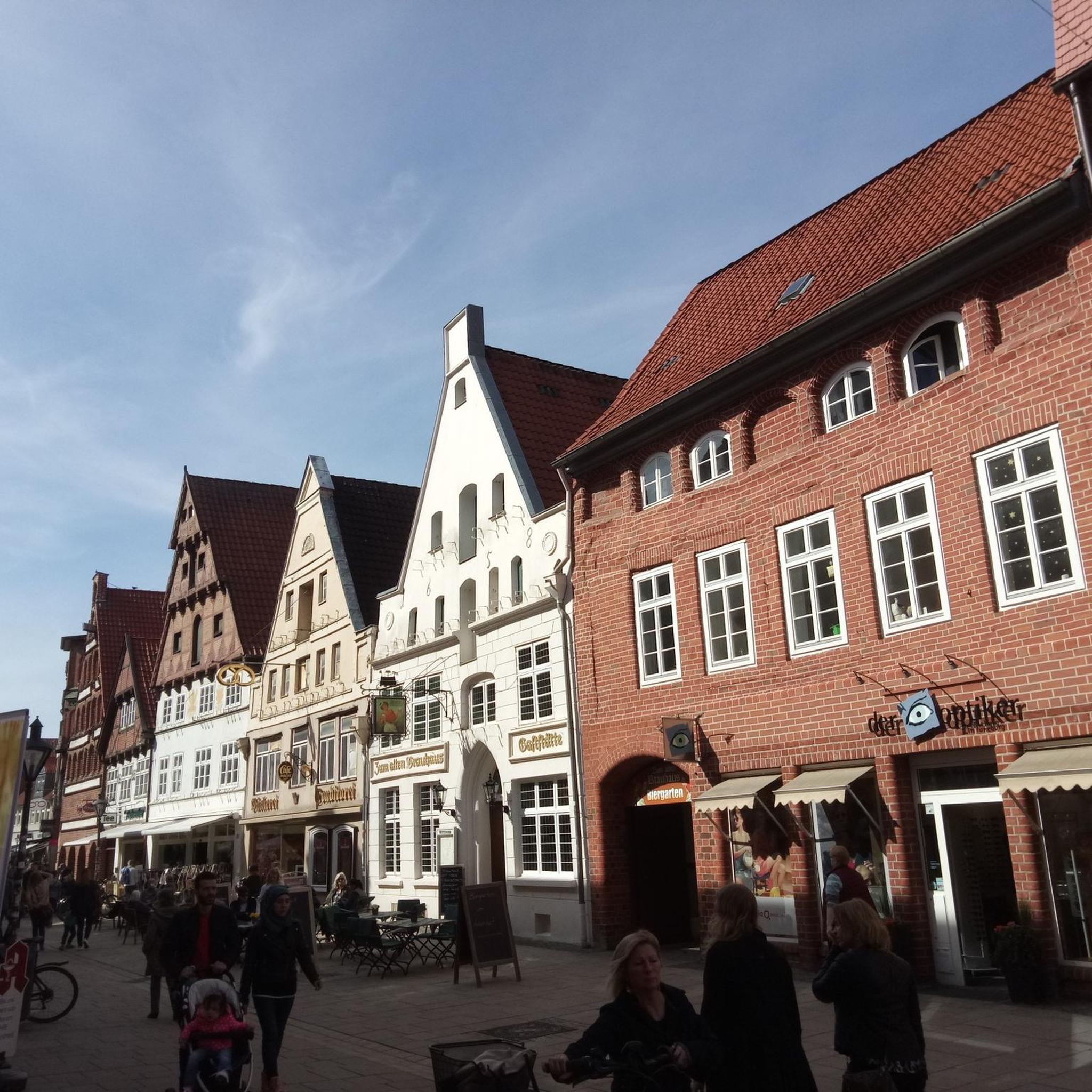
The inscription shows the year of construction as 1443. The gate tower is the last remaining of the former 7 city gates. Source: display board
8
0

It's nice that the statue is now restored
3
0

The 5 meter high monument is intended to commemorate the re-establishment of the German Empire.
4
0
Frequently Asked Questions
How many touring cycling routes are available around Groß Quenstedt?
There are over 300 touring cycling routes in and around Groß Quenstedt. These routes offer a diverse range of experiences, with 153 easy, 70 moderate, and 89 difficult options to choose from.
What kind of terrain can I expect on touring cycling routes near Groß Quenstedt?
The region around Groß Quenstedt is characterized by rolling hills and verdant forests, providing a scenic and varied backdrop for cycling. You'll find routes with both moderate ascents and rewarding descents. The proximity to the Harz region also means access to diverse landscapes, including extensive spruce and beech forests, and picturesque valleys.
Are there easy touring cycling routes suitable for beginners or a relaxed ride?
Yes, there are 153 easy touring cycling routes around Groß Quenstedt. An excellent option for a relaxed ride is the Holtemme Stream – Wassertorturm Halberstadt loop from Groß Quenstedt, an 8.4-mile (13.6 km) trail that leads through the local landscape.
Are there more challenging touring cycling routes around Groß Quenstedt?
For those seeking a challenge, there are 89 difficult touring cycling routes available. One such route is the St. Petri Church Emersleben – St. Vitus Monastery Church loop from Groß Quenstedt, a 12.5-mile (20.2 km) path featuring varied terrain and views of the surrounding agricultural lands.
What natural features can I explore while cycling near Groß Quenstedt?
Beyond the rolling hills and forests, you can discover unique natural monuments. Nearby, you'll find striking sandstone formations like the Klus Rocks, an impressive sandstone massif with unique artificial caves. The region's proximity to the Harz also offers glimpses of wild rivers and idyllic moors.
Are there any historical or cultural landmarks accessible by touring bike?
Absolutely. The region provides access to historical sights. You can cycle towards the UNESCO World Heritage city of Quedlinburg, or explore attractions like the Langenstein Cave Dwellings. The well-developed network of cycle paths also leads past legendary castles, palaces, and picturesque half-timbered towns in the Harz Mountains.
What do other touring cyclists enjoy most about cycling in Groß Quenstedt?
The touring cycling routes around Groß Quenstedt are highly rated by the komoot community, with an average score of 4.6 stars from over 1100 reviews. Cyclists often praise the diverse natural features, the varied terrain, and the extensive network of routes that cater to different ability levels.
Are there circular touring cycling routes available?
Yes, many of the touring cycling routes around Groß Quenstedt are designed as loops, allowing you to start and end at the same point. Examples include the Wassertorturm Halberstadt – St. Petri Church Emersleben loop from Groß Quenstedt and the St. Petri Church Emersleben – Germania Statue of Gröningen loop from Emersleben.
Can I find routes that are under 40km for a shorter ride?
Yes, many touring cycling routes in the area are well under 40km. For instance, the Emersleben World War Memorial – St. Petri Church Emersleben loop from Emersleben is just 10.5 km (6.5 miles) long, offering a shorter option for a quick ride.
What is the best season for touring cycling around Groß Quenstedt?
The region's rolling hills and verdant forests make it enjoyable for touring cycling across multiple seasons. Spring and autumn offer pleasant temperatures and beautiful scenery with blooming nature or colorful foliage. Summer is also suitable, though it's always wise to check local weather patterns for the best experience.
Are there any specific viewpoints or scenic spots along the routes?
The diverse natural features, including rolling hills and sandstone formations, naturally create scenic viewpoints. For example, the unique sandstone rock formations like the Fünf-Finger-Felsen and Teufelsstuhl near Halberstadt offer panoramic views of the surrounding countryside, which can be incorporated into your cycling tours.
Most popular routes around Groß Quenstedt
Most popular attractions around Groß Quenstedt

Get inspired with the komoot mobile app


Explore more
Browse the best Cycling routes in other regions.
