Attractions and Places To See in Chiguata - Top 18
Best attractions and places to see in Chiguata include a blend of natural landscapes and historical sites nestled in the Andes near Arequipa, Peru. The region is characterized by its proximity to volcanoes like Misti and Pichu Pichu, offering scenic views and ancient agricultural terraces. Chiguata retains its historic character with traditional architecture and cultural landmarks. It serves as a destination for exploring both natural beauty and historical significance.
Best attractions and places to see in Chiguata
- The most popular…
Last updated: July 17, 2026
Arequipa's Plaza de Armas and Cathedral
Highlight • Historical Site
Translated by Google •
Tip by

Santa Catalina Monastery, Arequipa
Highlight • Religious Site
Translated by Google •
Tip by
Sign up now to discover places like this
Get recommendations on the best single tracks, peaks, & plenty of other exciting outdoor places.
Sign up for free
Church of the Society of Jesus, Arequipa
Highlight • Religious Site
Translated by Google •
Tip by
San Francisco Square, Arequipa
Highlight • Historical Site
Translated by Google •
Tip by

San Camilo Market
Highlight • Monument
Translated by Google •
Tip by
Sign up for free to discover even more attractions in Chiguata.
Sign up for free
Already have an account?
Start today with a free account
Your next adventure awaits.
Login or Signup
Popular around Chiguata
Other adventures in Chiguata

Tips from the Community

Saint Catherine of Siena is the saint who inspired this monastery, where silence found its voice in the bright colors of its walls and in the cobbled corridors that converge on the beautiful main square. Santa Catalina is more than a monastery, a melting pot of secrets that the visitor can barely guess through its enclosures, but whose truth will remain forever within its walls.
8
0
According to the chronicles, the most important social and religious activities were held in this space. Bullfights were even held. However, until 1868, the square was mainly the home of the city's merchants. After the earthquake (magnitude 9 on the Ritcher scale), a large part of the cathedral was damaged, as were the arches that surround the square. At that time, a process of beautification of the place began. The arcades were unified, the cathedral was improved and the merchants of the area were relocated.
9
0
The current façade is 40 meters high and 107 meters long and, as already mentioned, occupies an entire side of Arequipa's main square. In 1868, the next earthquake destroyed the basilica; the bell towers, the portal, some arches of the façade and the altars were rebuilt faithfully. The cathedral was last damaged by an earthquake in 2001; both towers were severely damaged, but these were repaired just one year later.
6
0
The San Camilo market is the largest and most famous in Arequipa. The "San Camilo de Lelis" monastery and the San Camilo church used to be here, both of which were destroyed by an earthquake. The market was built on this site and inaugurated in 1938. Inside, in addition to all kinds of edible products, handicrafts and various utensils, you can also see the sculptures of San Camilo, Señor del Perdón and San Pedro. The market is considered a historical monument of the city. Today it is one of the most famous tourist attractions.
9
0
The Temple of the Company houses the most valuable paintings of Arequipa from the sixteenth century and the most remarkable Baroque altarpieces of the city. The sixty-six oil paintings form an important collection by two masters who had a significant influence on the painting of the Viceroyalty: the Jesuit monks Bernardo Bitti and Diego de la Puente.
6
0
The Jesuit Church on the main square of the Peruvian city of Arequipa is a true gem from the colonial era. The magnificent Iglesia de la Compañía (literally "Church of the Community") is located in the southeast corner of the palm-lined Plaza de Armas and is one of the most beautiful baroque churches in all of Peru.
8
0

Nice little square in Arequipa's old town next to the Complejo San Francisco with shady trees and benches and steps to sit down. There are also bars, restaurants and souvenir shops.
2
0
The Monastery of Saint Catherine of the Sisters of the Order of Saint Catherine. Catalina de Siena is located in the center of the Peruvian city of Arequipa in the Andes, more than 2300 meters above sea level. The monastery and church are dedicated to St. Dedicated to Catherine of Siena. The twenty nuns who currently live in the monastery live in a side wing that is part of the cloister. You can visit most of the monastery building.
2
0
Frequently Asked Questions
What natural features can I explore in Chiguata?
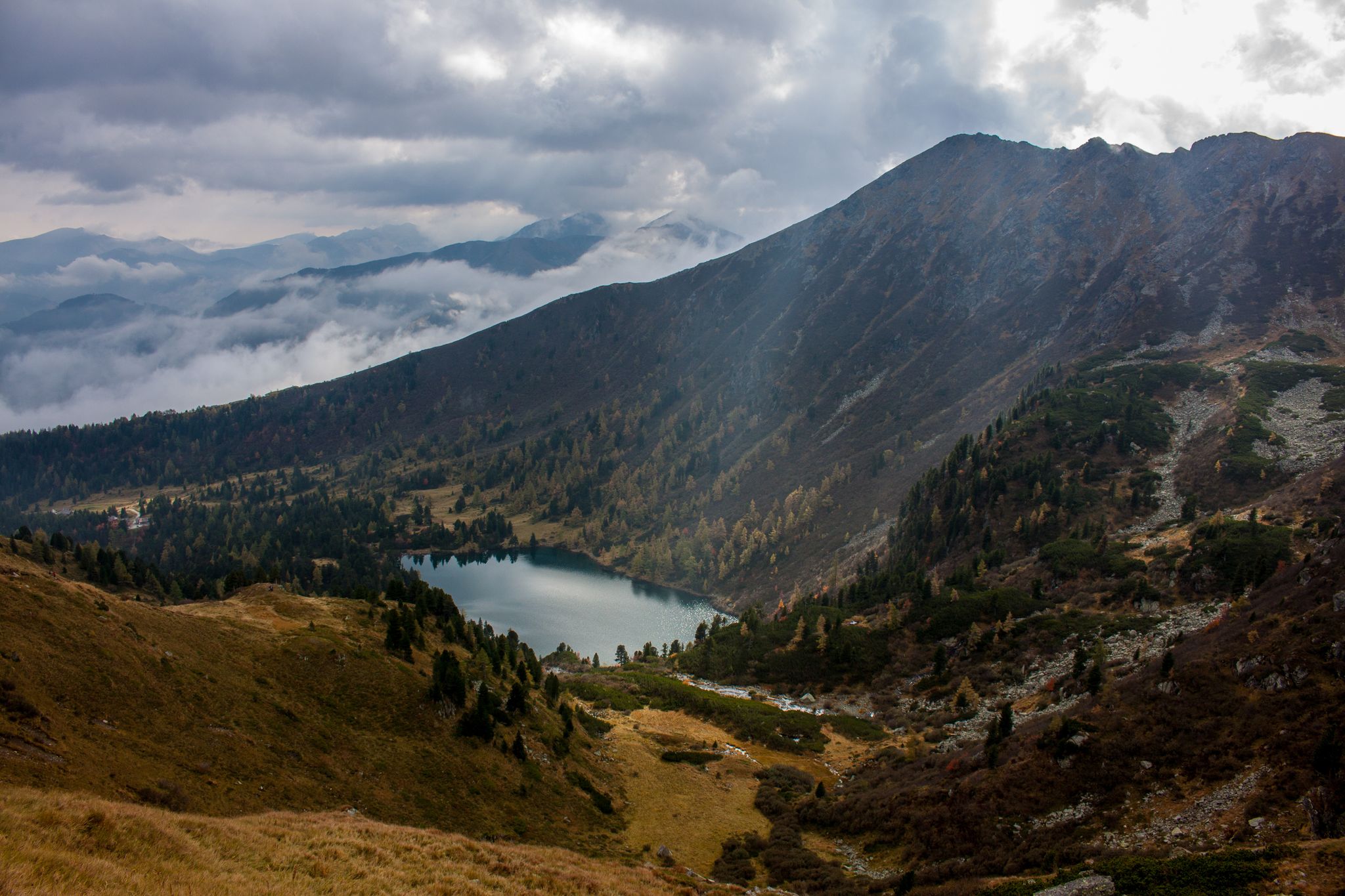
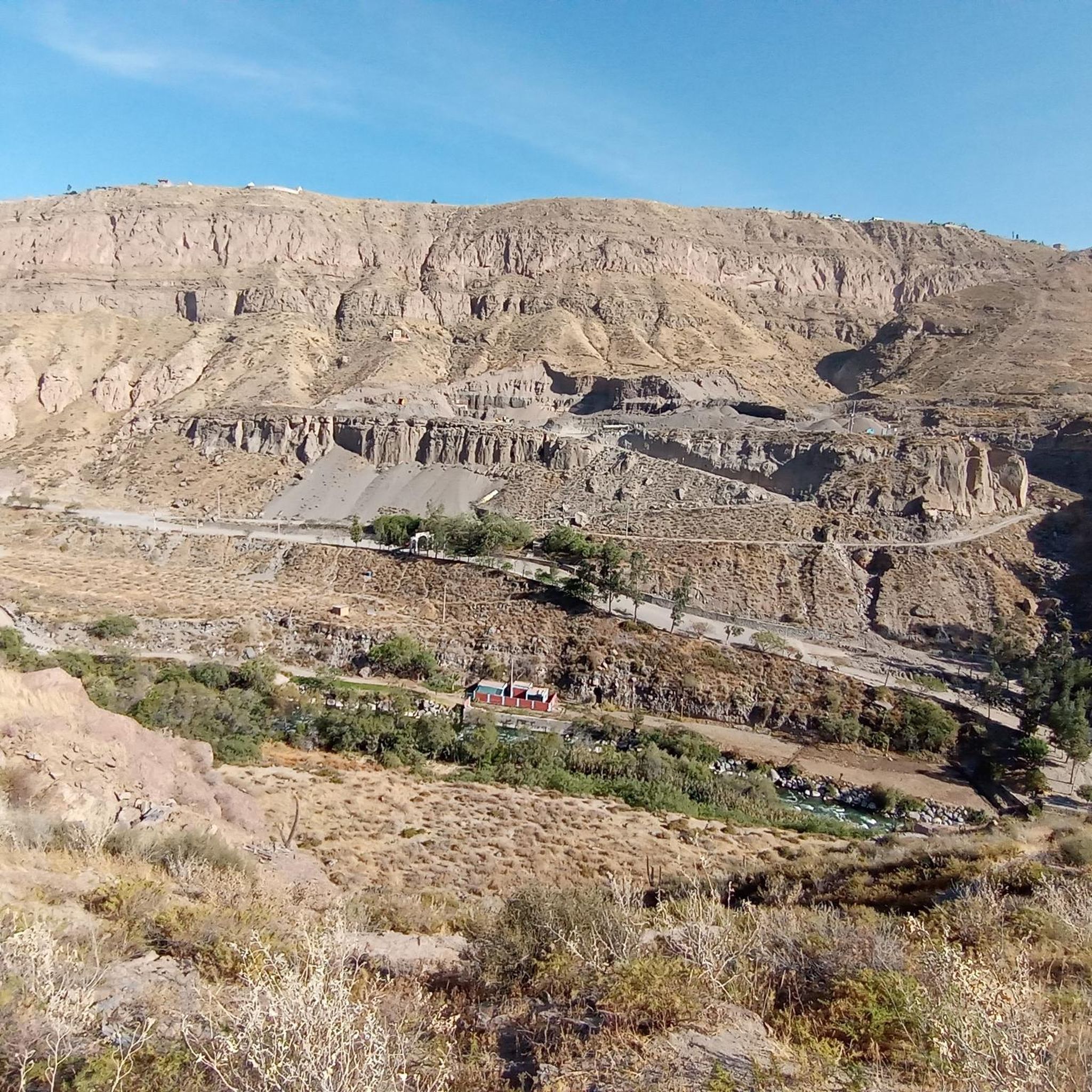
Chiguata is rich in natural beauty. You can explore the scenic Chiguata Valley, enjoy views of the majestic Misti and Pichu Pichu Volcanoes, and discover ancient Inca Terraces. A notable highlight is Salinas Lake, known for its stunning salt flats and diverse wildlife, often compared to Bolivia's Uyuni Salt Flats. You can also find waterfalls, such as the 'catarata de Chiguata', often accessed via the 'El Infiernillo canyon'.
Are there opportunities for hiking and outdoor activities in Chiguata?
Yes, the volcanic landscapes and ancient terraces around Chiguata are popular for hiking and exploration. Treks around the Misti and Pichu Pichu volcanoes offer views of agricultural amphitheaters. For cycling enthusiasts, there are routes available, such as the "Bike loop from Arequipa" (83 km, difficult) or the "Ojo del Milagro loop from Urbanización Dolores" (20 km, moderate). You can find more details on these and other routes in the Cycling in Chiguata guide.
What historical and cultural sites can I visit in Chiguata?
Chiguata offers several historical and cultural sites. Key attractions include the Church of San Juan Bautista and the Holy Spirit Church (Templo del Espíritu Santo), both showcasing beautiful colonial architecture. The village itself retains its historic character with traditional stone and mud houses and cobblestone streets. The area also holds archaeological complexes, petroglyphs, and ancient Inca terraces, hinting at its rich pre-Inca and Inca history.
What kind of wildlife can I expect to see in Chiguata?
The Salinas Lake area, a natural reserve, is a prime spot for wildlife viewing. Here, you might encounter llamas, alpacas, vicuñas, and various bird species, including flamingos, especially during certain seasons.
Are there any unique cultural experiences or events in Chiguata?
Chiguata celebrates the Patron Saint Festival of the Lord of the Holy Spirit in June, with the 12th being the central day. This festival includes ancestral traditions, such as respecting and making payments to the land, offering a unique glimpse into local culture.
What are some family-friendly activities in Chiguata?
Families can enjoy exploring the natural landscapes, such as the Chiguata Valley and the ancient Inca terraces. A visit to the Piscigranja (Trout Farm) in Tulumpaya, near the Chiguata waterfall, can be an engaging experience for children. Additionally, the central Plaza de Chiguata, with its monuments depicting local activities, offers a pleasant space for families.
How can I get to Chiguata from Arequipa?
Chiguata is nestled in the Andes near Arequipa. Public transport options, such as local buses, are available from Arequipa to Chiguata. It's advisable to check local schedules and routes for the most current information on direct routes, stops, and fares.
What is the best time to visit Chiguata for outdoor activities?
While specific seasonal considerations for Chiguata are not detailed, generally, the dry season (May to October) in the Peruvian Andes offers clearer skies and more stable weather, making it ideal for hiking and exploring natural attractions like the volcanoes and Salinas Lake.
Are there any local culinary specialties I should try in Chiguata?
Yes, Chiguata offers traditional dishes that reflect the local gastronomy. You can try specialties such as pepián de Cuy, Cuy Chactado, and Zango, providing an authentic taste of the region.
Are there any thermal baths near Chiguata?
Yes, the area around Salinas Lake features thermal baths, offering a relaxing experience amidst the stunning natural scenery. Guided tours to Salinas Lake often include opportunities to experience these baths.
What is the significance of the Holy Spirit Church in Chiguata?
The Holy Spirit Church (Templo del Espíritu Santo) is a significant colonial-era structure, notable for its distinctive Latin cross shape and baroque-style side portal. Its dome is particularly remarkable, adorned with 24 carved figures, including cherubs, rosettes, and saints, making it one of the most original colonial works in Peru. Construction began around 1739.
What are the main features of the Plaza de Chiguata?
The Plaza de Chiguata is the central square of the town, remodeled with stone, cement, pine trees, and flowers. It includes monuments depicting local activities, serving as a focal point for the community and a pleasant area for visitors.
Most popular routes in Chiguata

Get inspired with the komoot mobile app


Explore more
Still not found the Highlight you’re looking for? See guides of the top attractions in other regions:
