Top 20 Caves around Lauterstein
Best caves around Lauterstein are found within the Swabian Alb, a region characterized by its karst landscape and extensive cave systems. This area offers diverse underground experiences, from accessible show caves to more challenging water-filled explorations. Lauterstein serves as a gateway to these natural features, providing opportunities to discover geological formations and historical sites. The region's caves showcase the unique natural heritage of the Swabian Alb.
Best caves around Lauterstein
- The most popular caves is Mordloch Cave, a natural…
Last updated: May 9, 2026
Great Scheuer Cave
Highlight • Cave
Translated by Google •
Tip by

Finsteres Loch Cave
Highlight • Cave
Translated by Google •
Tip by

Sign up now to discover places like this
Get recommendations on the best single tracks, peaks, & plenty of other exciting outdoor places.
Sign up for free
Mordloch Cave
Highlight • Cave
Translated by Google •
Tip by

Rosenstein Caves and Ruins
Highlight (Segment) • Cave
Translated by Google •
Tip by
Teufelsklinge Waterfall
Highlight • Waterfall
Translated by Google •
Tip by

Sign up for free to discover even more caves around Lauterstein.
Sign up for free
Already have an account?
Start today with a free account
Your next adventure awaits.
Login or Signup
Popular around Lauterstein
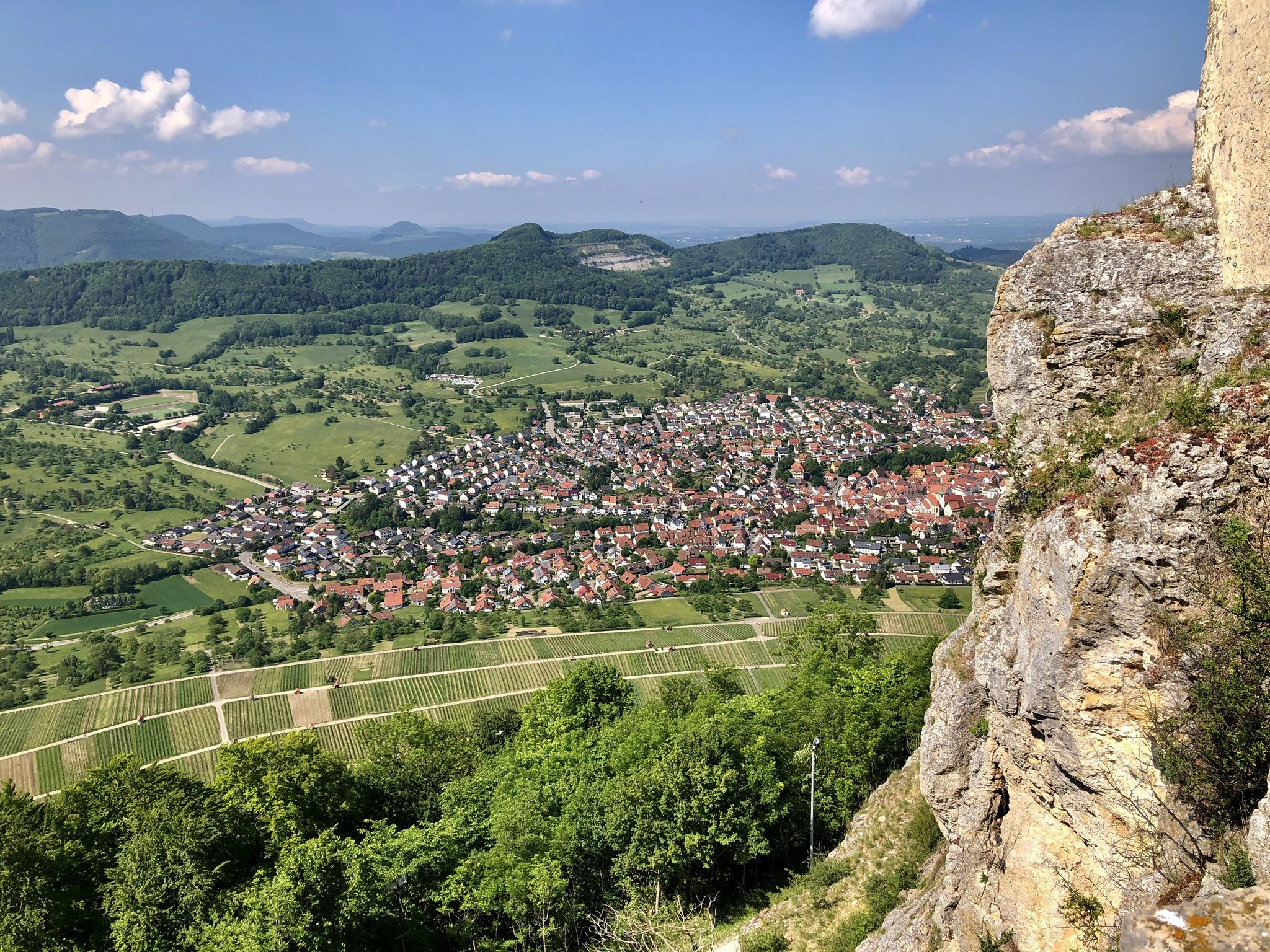
Panoramic hikes on Albtrauf
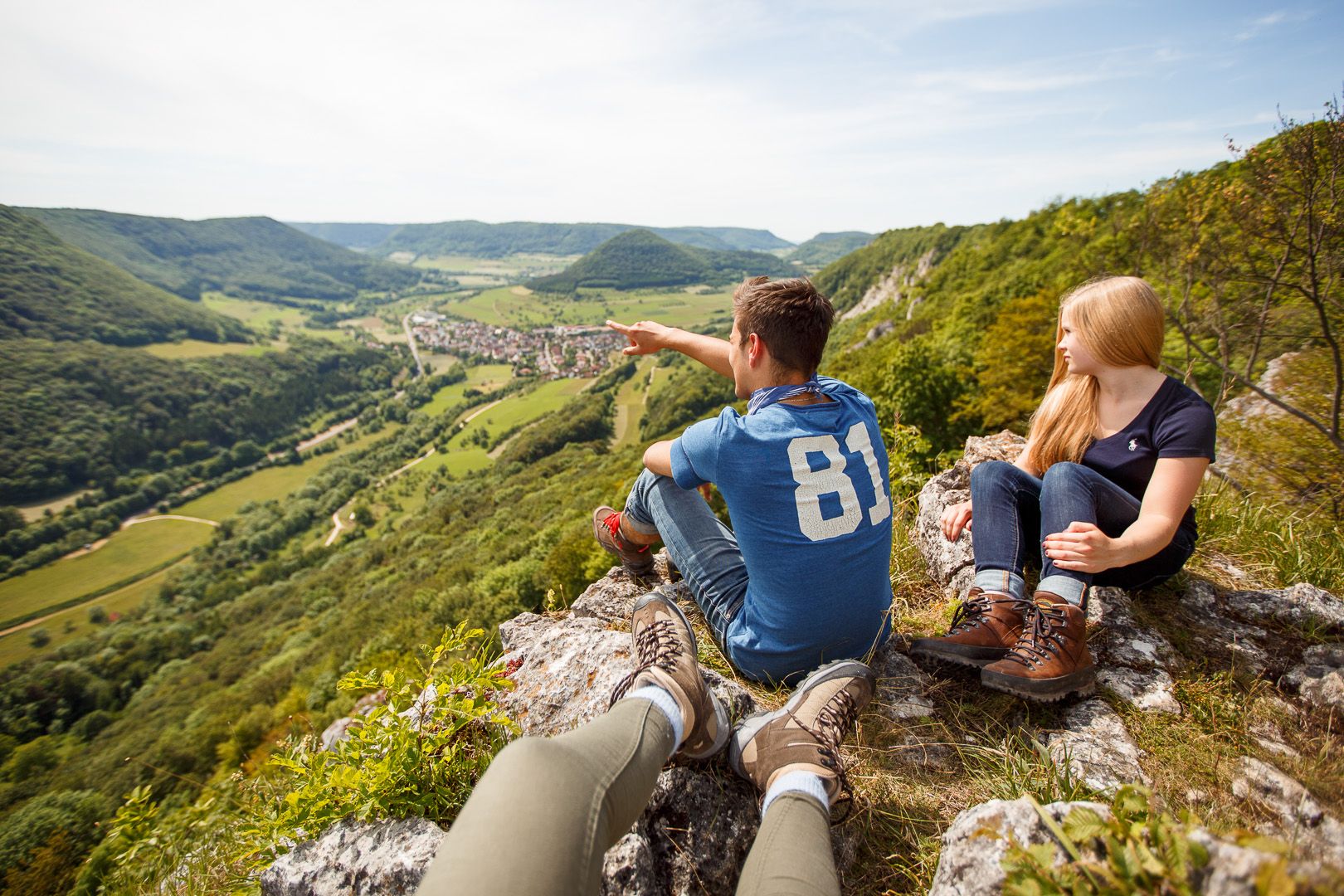
Lion Trails in the Swabian Alb – 16 Tours around Göppingen
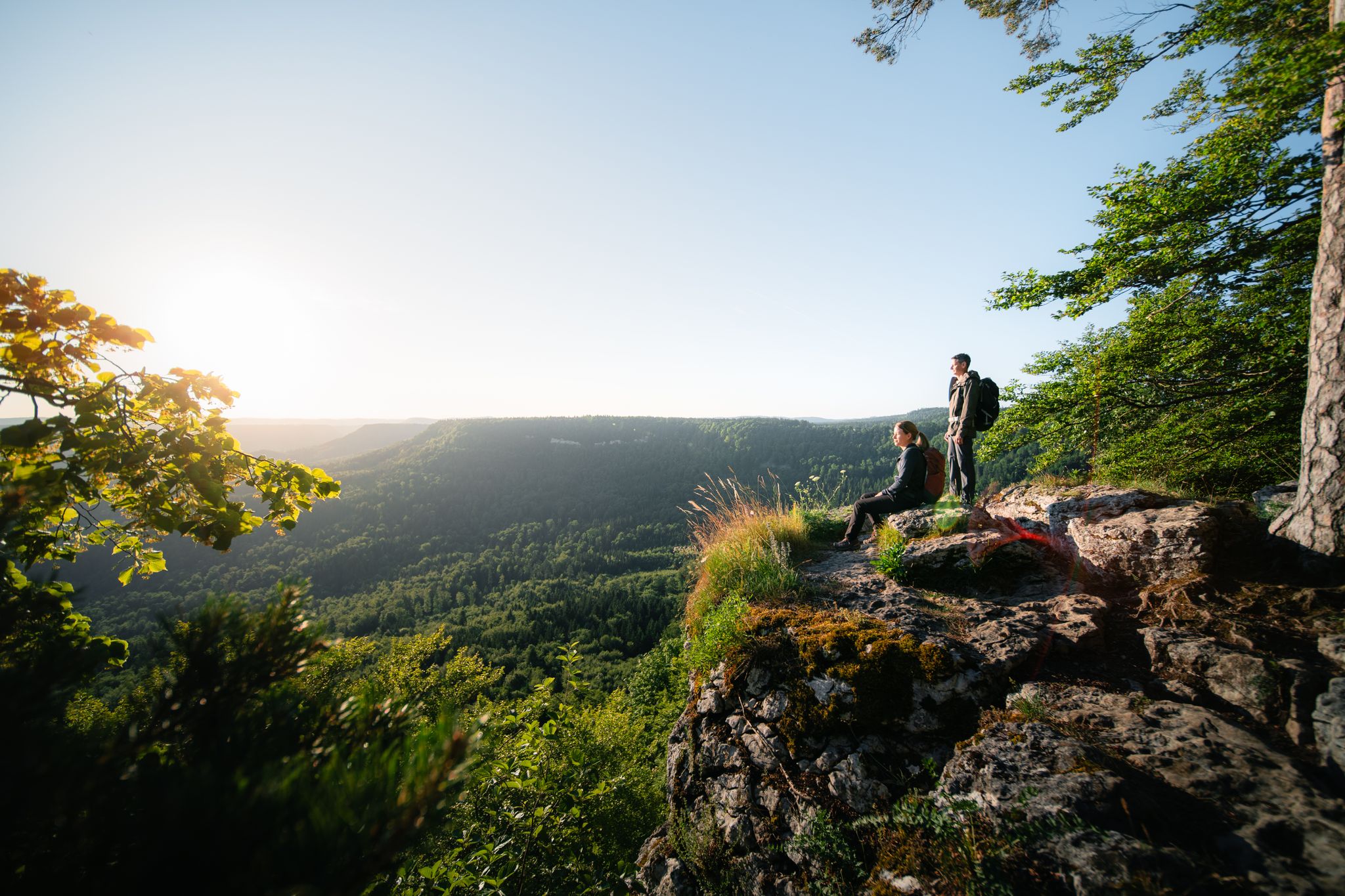
Wie fürs Trailrunning gemacht: Wanderwege der Schwäbischen Alb
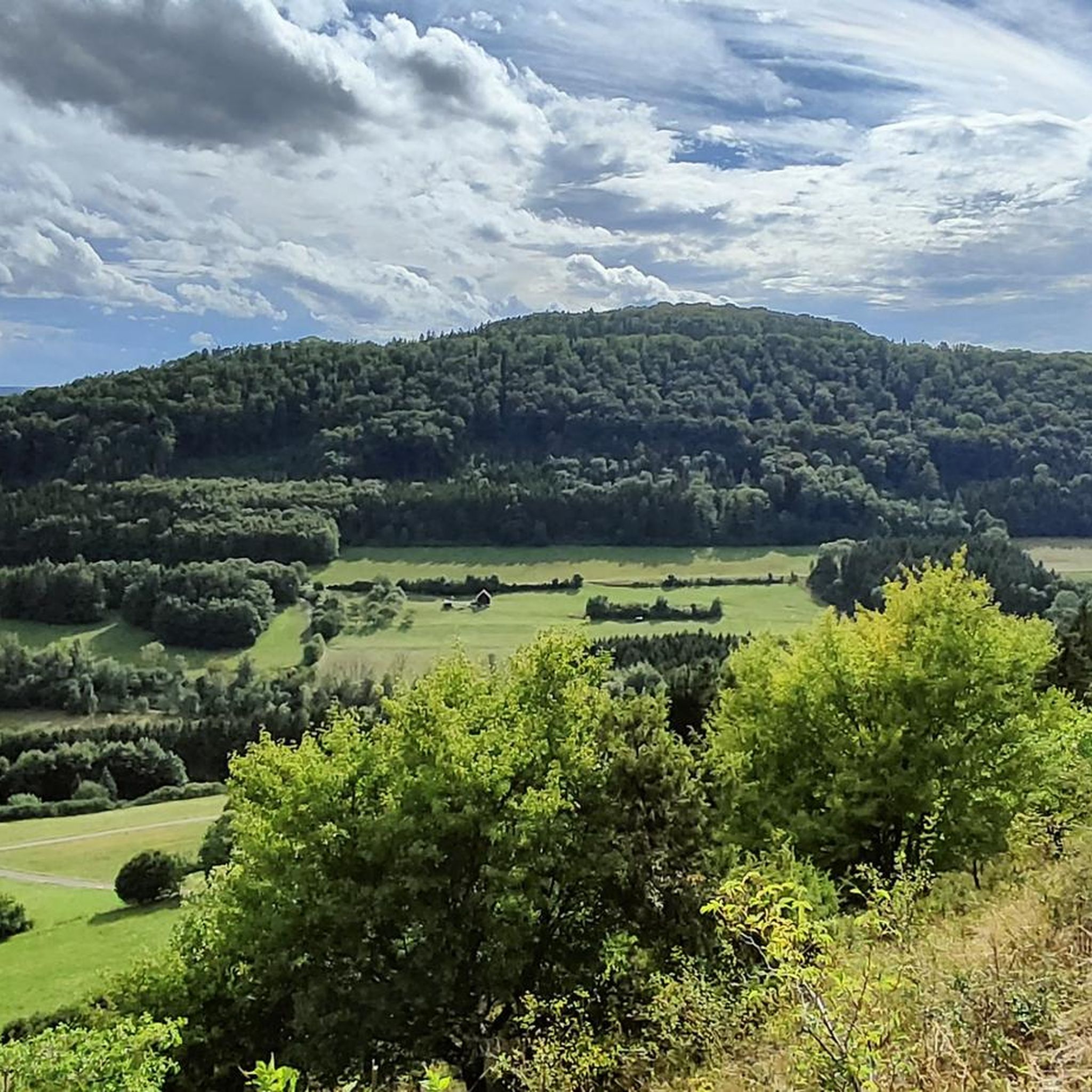
Hiking around Lauterstein
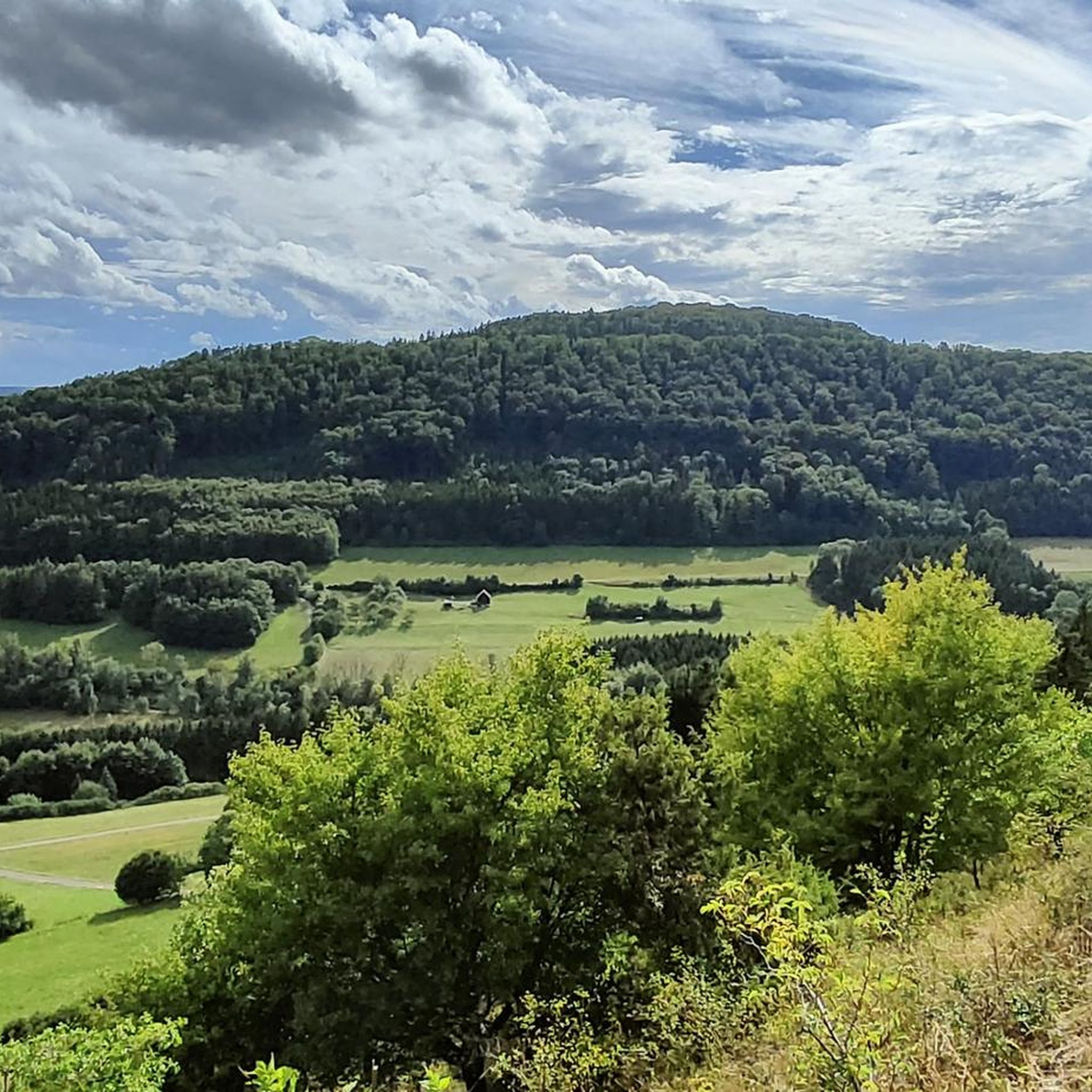
Cycling around Lauterstein
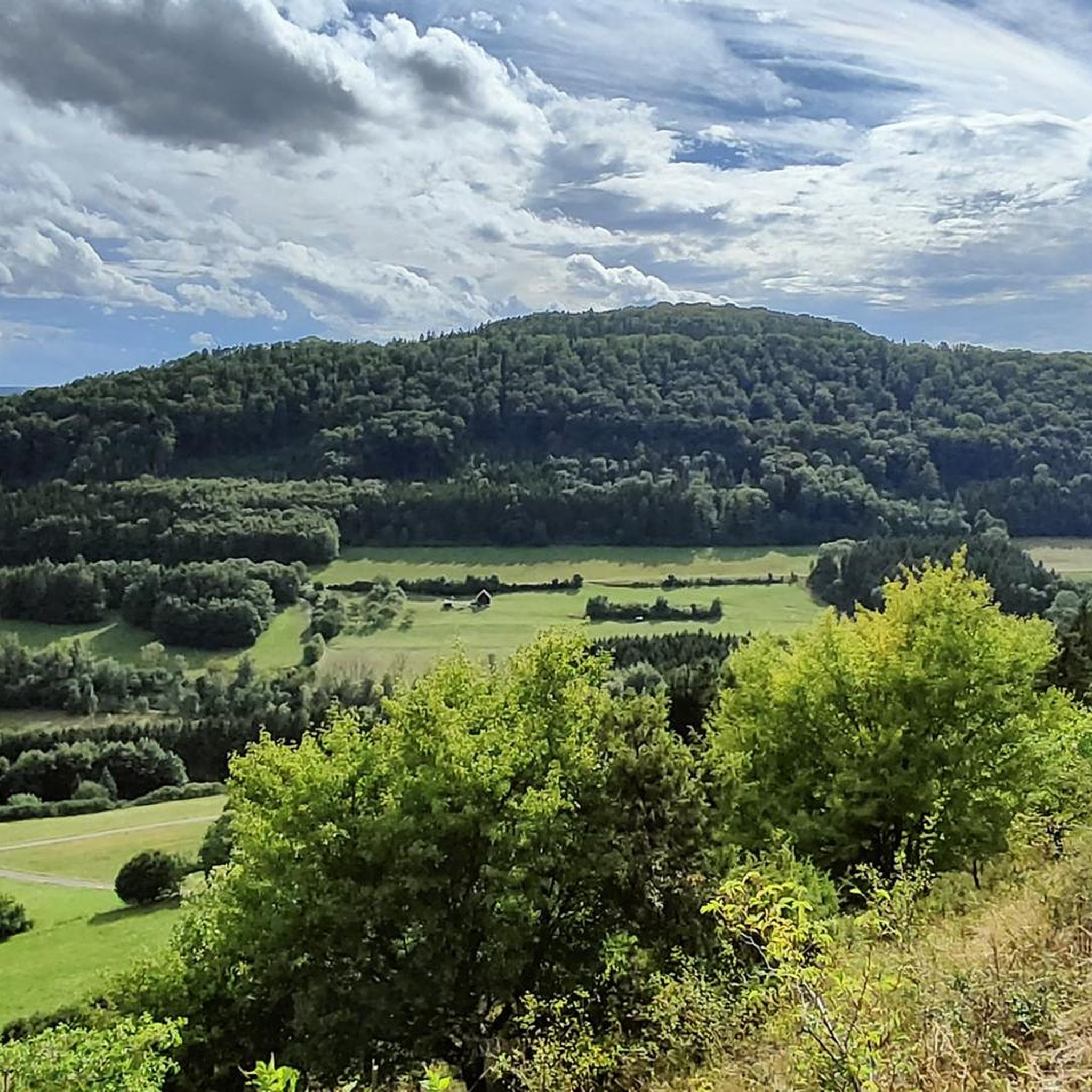
Road Cycling Routes around Lauterstein
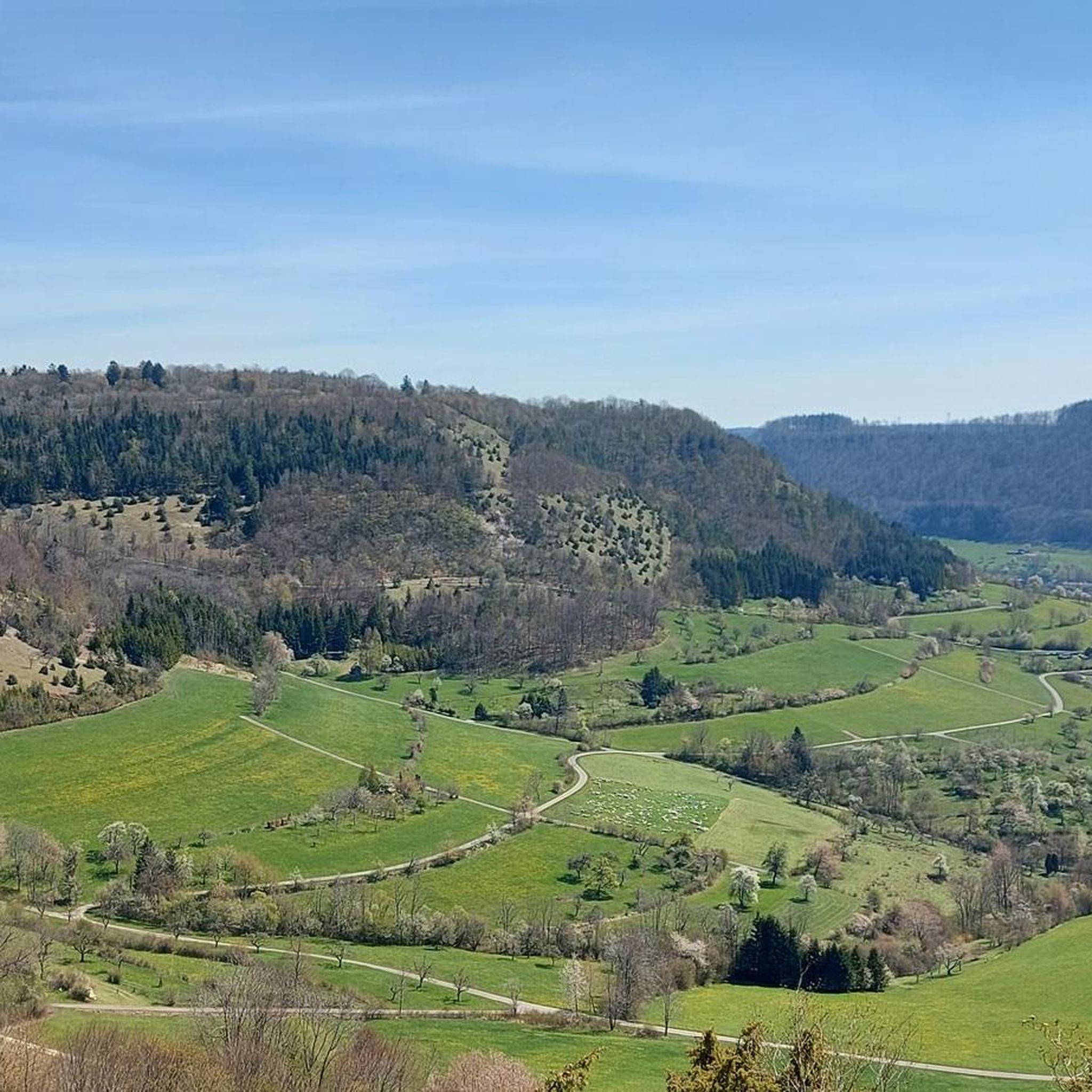
MTB Trails around Lauterstein
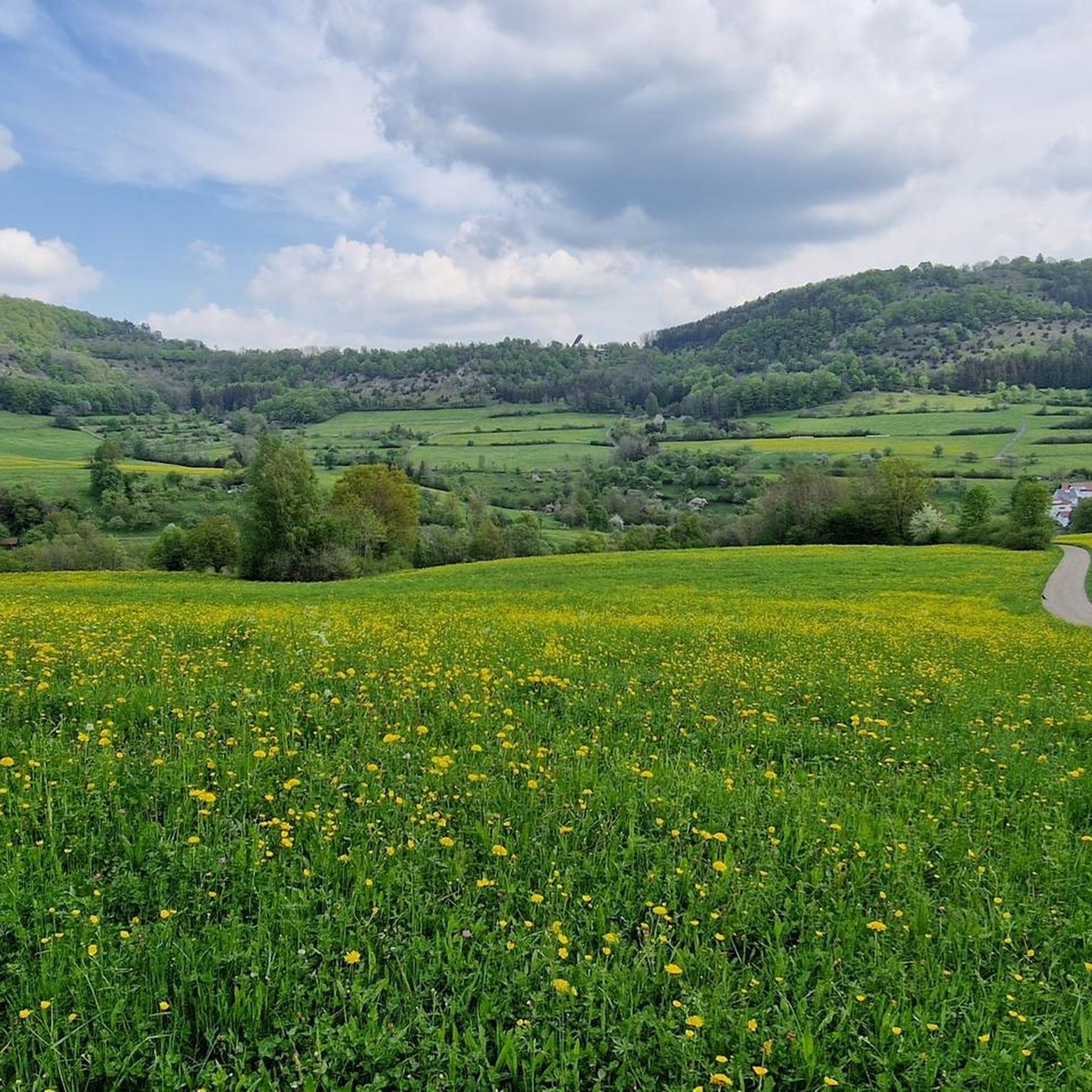
Running Trails around Lauterstein

Gravel biking around Lauterstein
Mountain Hikes around Lauterstein


Tips from the Community

Good footwear recommended. Path very narrow and slippery
3
0

The Teufelsklinge is to be climbed step by step. Not entirely harmless, a sign warns at the very front. We dared and did not regret it.
2
0

With great icicles in winter, situated on a steep rock face.
2
0


One of the most beautiful locations in the Ostalb district. Highly recommended for everyone with children.
2
0
Even if the cave is still closed, a detour here is worthwhile, as you also have a good view of the valley.
7
0
Imposing, freely accessible passage cave. Often hung with icicles in winter.
7
0

Frequently Asked Questions
What are some unique caves to visit near Lauterstein?
The region offers a variety of unique cave experiences. The Mordloch Cave is a natural monument known as a water cave with a mostly water-filled, kilometers-long system, explorable for about 50 meters in dry conditions. For a different experience, the Laichinger Tiefenhöhle is Germany's only publicly accessible vertical cave, allowing visitors to descend 55 meters into a fossilized Jurassic reef. Another option is the Falkensteiner Höhle, Germany's only active water cave where guided tours are permitted, offering a truly adventurous character.
Are there family-friendly caves around Lauterstein?
Yes, several caves are suitable for families. The Great Scheuer Cave on the Rosenstein is a tunnel-like living cave that is well-lit by three large openings, making it easy to explore without a flashlight. The Rosenstein Caves and Ruins also offer multiple accessible caves and historical sites. Additionally, Schertelshöhle is a beautiful dripstone cave with guided tours lasting about 25 minutes, suitable for all ages.
What kind of geological features can I expect to see in the caves?
The caves in the Swabian Alb, including those near Lauterstein, are part of a significant karst landscape. You can expect to see impressive stalactite and sinter formations, as found in Schertelshöhle. The Laichinger Tiefenhöhle provides a 'geological X-ray image' of the region, showcasing erosion and corrosion forms, fossils, and pearl sinter from the Jurassic period. Many caves also feature unique rock formations and evidence of underground rivers.
What is the best time of year to visit the caves around Lauterstein?
Many caves in the Swabian Alb, including Falkensteiner Höhle and Schertelshöhle, are closed from October 1st to March 31st to protect hibernating bats. The best time to visit is generally during the warmer months, from spring to early autumn. For water caves like Mordloch Cave, dry summer conditions allow for safer exploration of the initial sections. Inside, temperatures are consistently cool (e.g., 8.8 °C in Laichinger Tiefenhöhle), making them a refreshing escape on warm days.
Are there any caves with historical significance in the area?
Absolutely. The Great Scheuer Cave and the nearby 'Das Haus' cave on the Rosenstein have yielded finds from the Bronze Age and the Middle Ages. The Rosenstein Caves and Ruins are a natural monument and historical site where over 40 caves are known, with some entrance areas visited by people during the Stone Age and Bronze Age, such as the Three-Entrance Cave.
What should I wear when visiting caves near Lauterstein?
Due to the consistently cool temperatures inside the caves (typically between 6°C and 9°C), even on warm days, it's advisable to wear warm clothing. Sturdy, non-slip footwear is highly recommended, especially for caves with numerous steps like Laichinger Tiefenhöhle or those with potentially wet or uneven paths. For more adventurous explorations, such as beyond the initial sections of Falkensteiner Höhle or Mordloch Cave, specialized equipment like wetsuits might be necessary.
Are there hiking trails that include cave visits around Lauterstein?
Yes, the region offers hiking opportunities that incorporate cave exploration. The Rosenstein area, home to the Rosenstein Caves and Ruins and the Great Scheuer Cave, is a popular local recreation area with trails running through and around the caves. Schertelshöhle is also connected to other natural attractions like 'Steinernes Haus' and 'Burkhardtshöhle' via hiking trails.
What other outdoor activities can I do near the caves around Lauterstein?
Beyond cave exploration, the Lauterstein region offers diverse outdoor activities. You can find numerous cycling routes, including those for touring bicycles like the 'Beautiful old railroad line – Old Railway Line to Grünbach loop' or the 'Donzdorf Castle – Beautiful old railroad line loop'. Mountain biking enthusiasts can explore trails such as the 'Reiterles Chapel – Kuhbergele Trail Ascent loop'. For road cyclists, options like the 'Rehgebirge Ridge Road – Reiterles Chapel loop' are available. You can find more details on these activities in the Cycling around Lauterstein, MTB Trails around Lauterstein, and Road Cycling Routes around Lauterstein guides.
Is parking available near the caves?
For popular cave sites like the Rosenstein, a parking lot for hikers is available on the saddle between the Glasenberg and the actual Rosenstein, accessible by car from Heubach. For other regional caves, parking is generally available nearby, though it's always recommended to check specific access details for each location.
What do visitors enjoy most about the caves around Lauterstein?
Visitors frequently highlight the natural spectacle and impressive geological formations. Many appreciate the unique character of the water caves and the historical significance of sites like the Rosenstein. The accessibility of some caves for families and the opportunity for adventurous exploration in others are also highly valued. The komoot community has contributed over 1000 upvotes and photos, underscoring the appeal of these natural attractions.
Are there any caves that require special equipment or permits?
Yes, some caves in the region are more challenging. The Falkensteiner Höhle, for instance, requires special equipment like wetsuits and permits for exploration beyond the initial 50 meters due to challenging conditions and fluctuating water levels. Similarly, the Mordloch Cave is mostly water-filled and can only be 'visited' by experienced divers beyond its initial dry sections. Always check specific requirements before attempting to explore these more demanding cave systems.
Can I explore the caves on my own, or are guided tours available?
Many caves, such as the Great Scheuer Cave and other freely accessible caves on the Rosenstein, can be explored independently. However, for caves like Schertelshöhle, guided tours are offered, providing interesting information about the formations. The Laichinger Tiefenhöhle offers audio guides in multiple languages for self-paced exploration. For more complex or active water caves like Falkensteiner Höhle, guided tours are often the only permitted way to explore deeper sections.
Most popular routes around Lauterstein
Most popular attractions around Lauterstein

Get inspired with the komoot mobile app


Explore more
Extend your search for the best caves by checking out these guides of the top ones around Lauterstein:
