Top 20 Castles around Königsbrück
Castles around Königsbrück are situated in a region with a rich history, marked by its strategic position as a border fortification between the March of Meissen and the Bohemian Margraviate of Upper Lusatia. The area features historic castles and palaces, often set within landscaped parks or partially surrounded by rivers like the Pulsnitz. These sites offer a glimpse into centuries of regional history and architectural development. Königsbrück is known for its historical estates and architectural heritage.
Best castles around Königsbrück
…Last updated: July 6, 2026
Seifersdorf Castle and Park
Highlight • Castle
Translated by Google •
Tip by

Oberlichtenau Baroque Palace and Park
Highlight • Historical Site
Translated by Google •
Tip by

Sign up now to discover places like this
Get recommendations on the best single tracks, peaks, & plenty of other exciting outdoor places.
Sign up for free
Wachau Castle
Highlight • Castle
Translated by Google •
Tip by

New Castle Pulsnitz
Highlight • Castle
Translated by Google •
Tip by

Großkmehlen Castle
Highlight • Castle
Translated by Google •
Tip by
Sign up for free to discover even more castles around Königsbrück.
Sign up for free
Already have an account?
Start today with a free account
Your next adventure awaits.
Login or Signup
Popular around Königsbrück
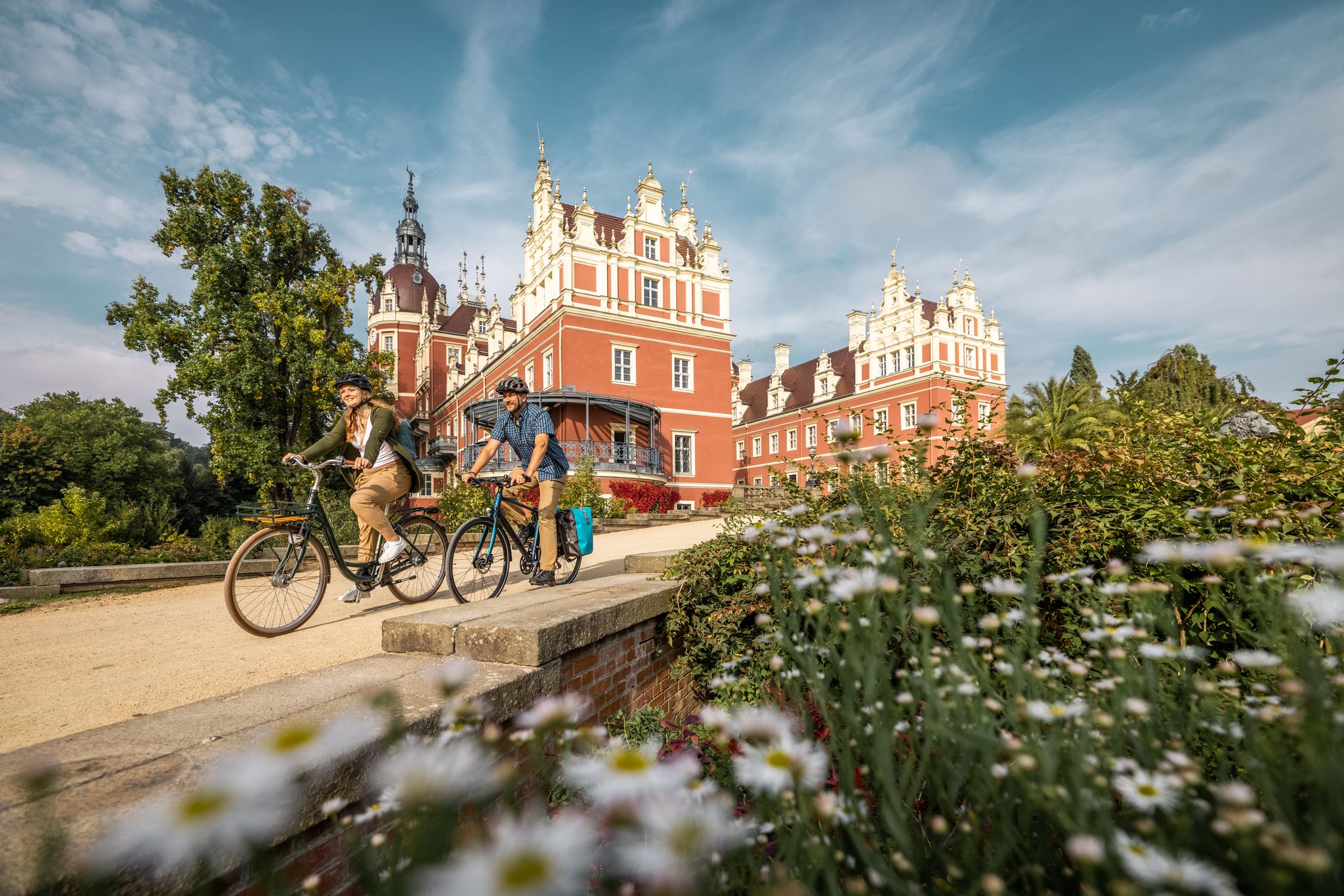
Oberlausitz Cycling Region – 18 superb routes in Upper Lusatia
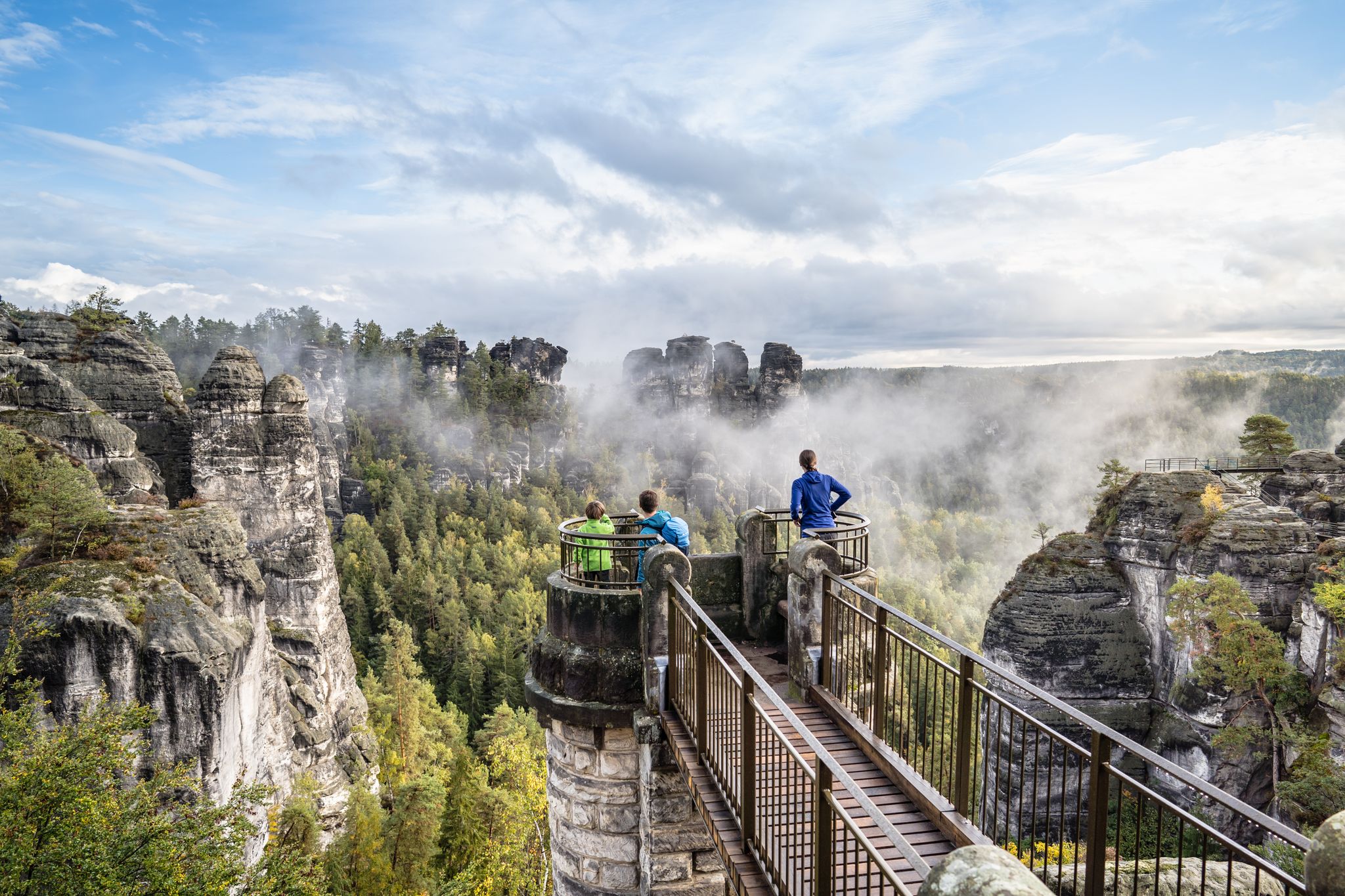
Natural wonders of Saxony – hiking with the wow factor
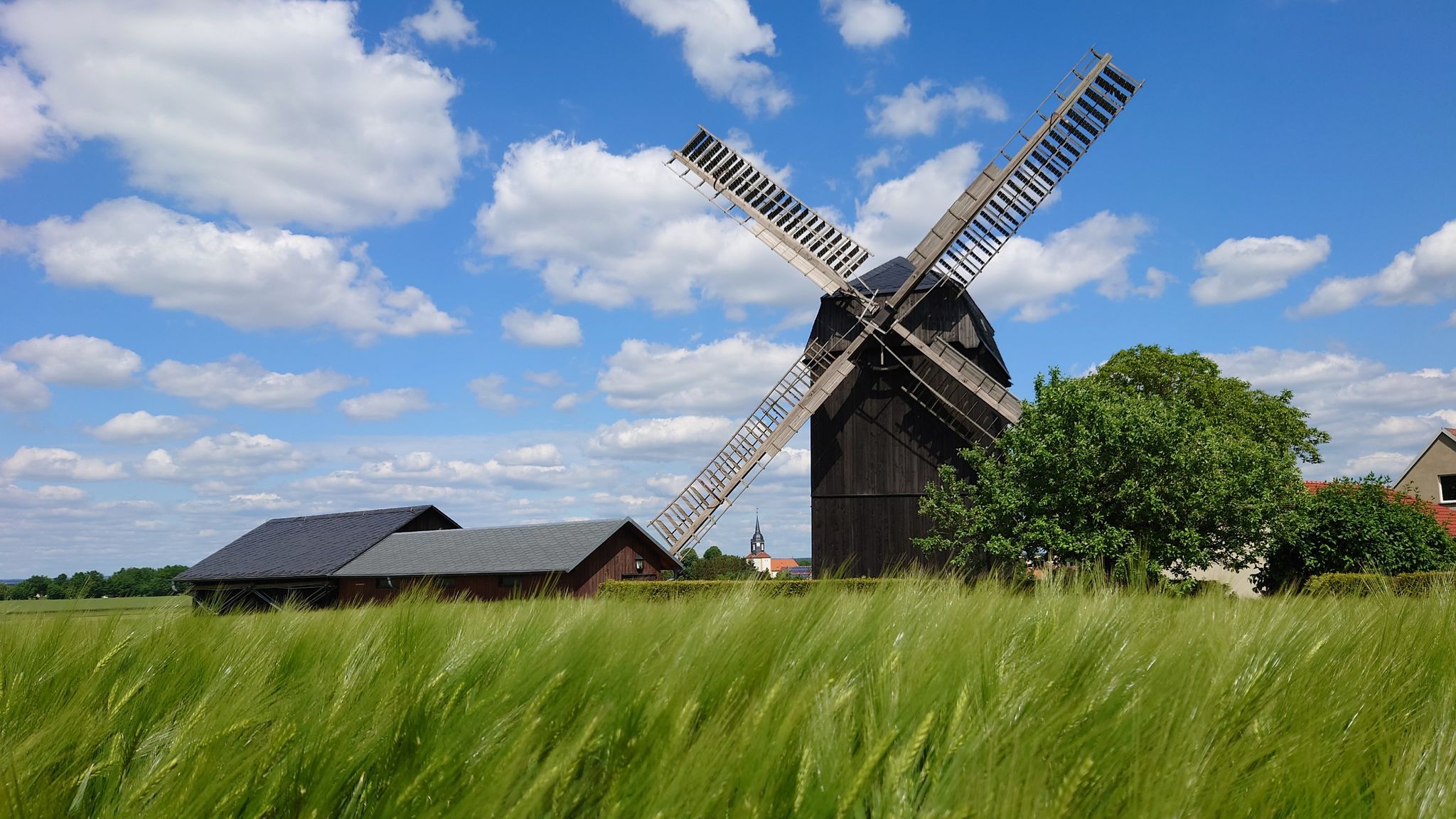
Rad-Rundwege im Dresdner Heidebogen
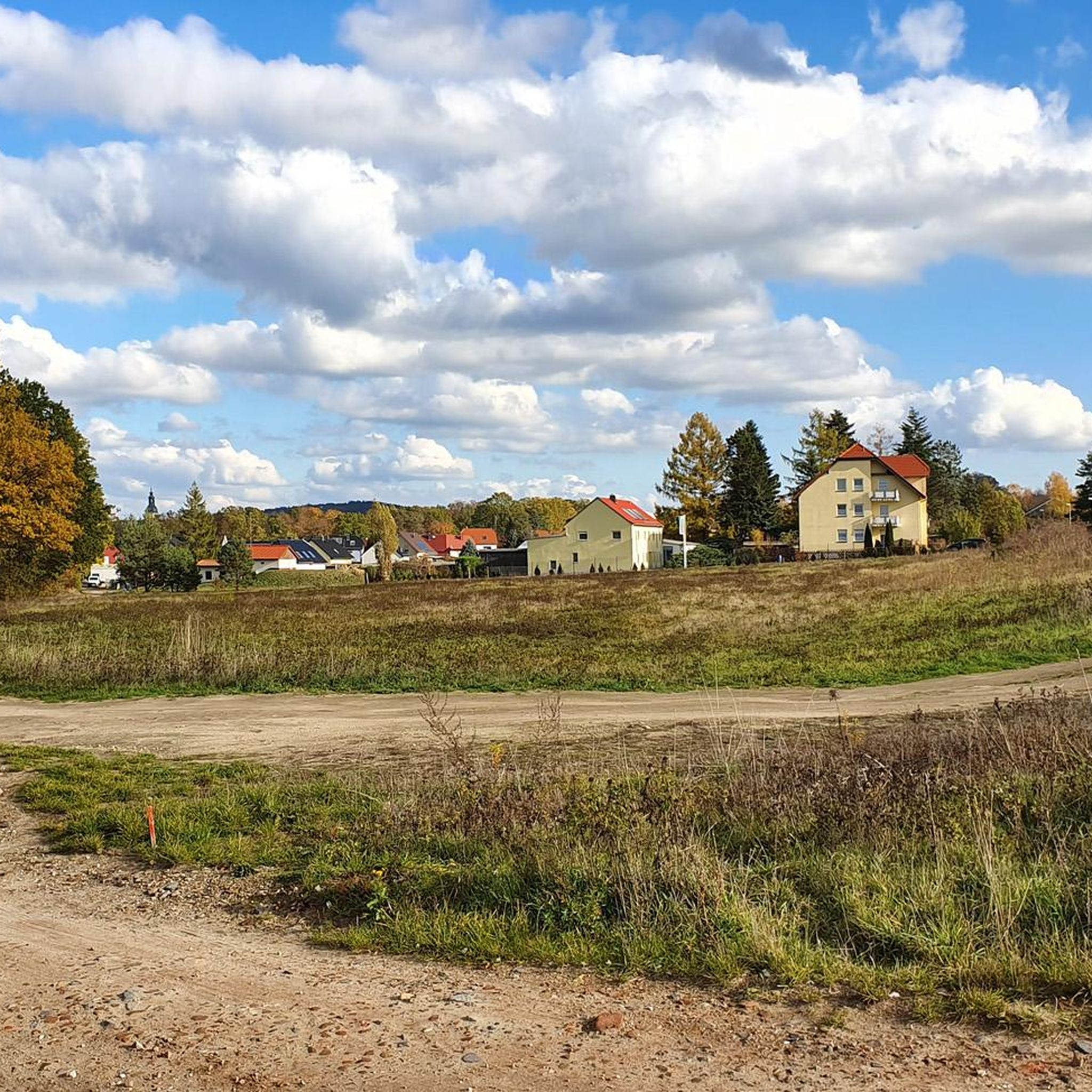
Hiking around Königsbrück
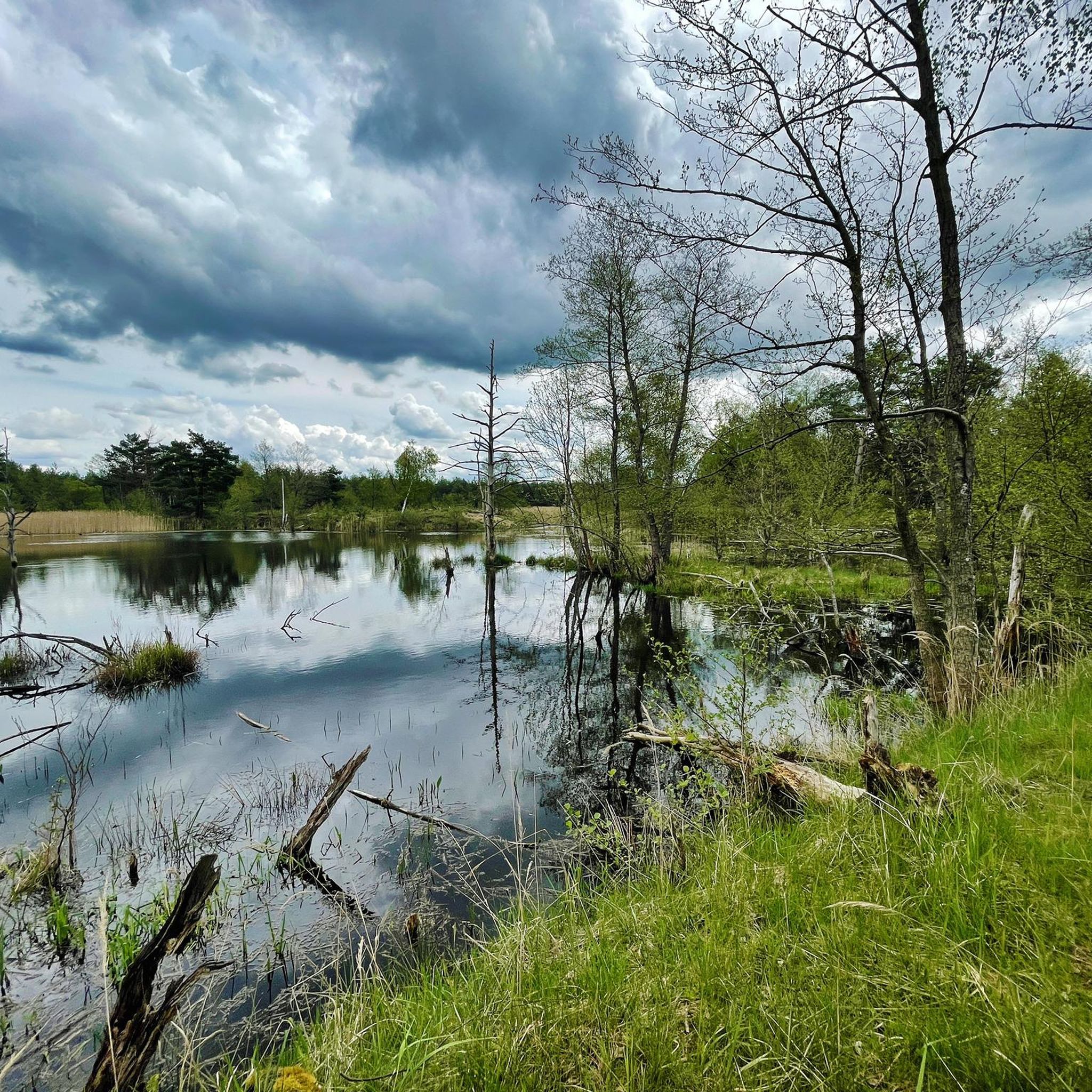
Cycling around Königsbrück
Road Cycling Routes around Königsbrück
MTB Trails around Königsbrück
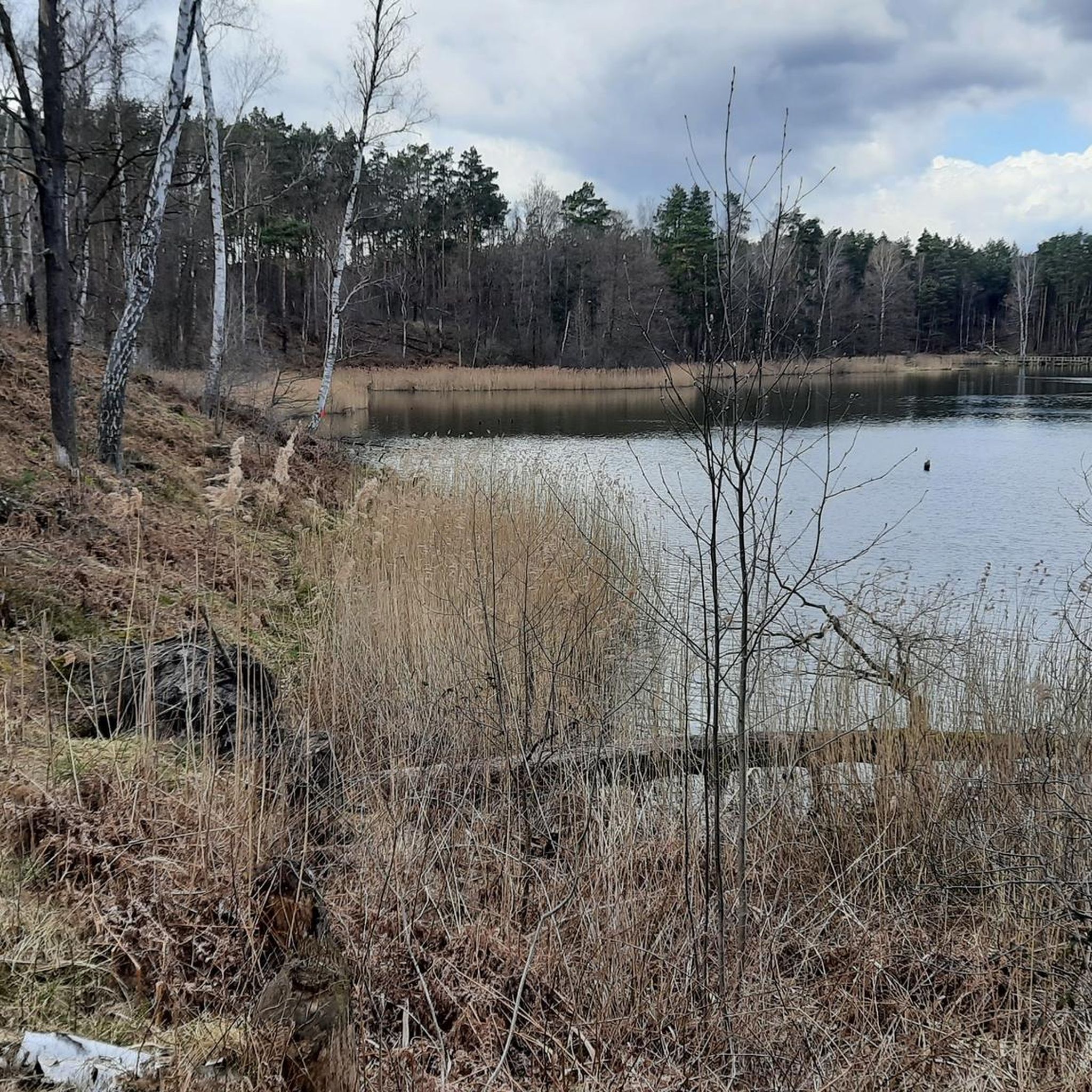
Running Trails around Königsbrück

Gravel biking around Königsbrück
Other adventures around Königsbrück


Tips from the Community

Pulsnitz Castle, a Renaissance palace, provides a historic setting for sophisticated and comprehensive rehabilitation medicine, available to both publicly and privately insured patients. The Pulsnitz Castle Clinic has been completely renovated and expanded with a swimming pool, gymnasium, and additional therapy rooms and patient rooms. Since its completion in 1993, the clinic has been among the most modern and arguably most beautiful rehabilitation facilities.
1
1

The Baroque palace is not the first palace on the site. It was only inaugurated in 1718. Before that, the Eustachius House was the residence of the ruling noble family. During the renovation and reconstruction of the Eustachius House under the Saxon chamberlain Johann Georg von Maxen, building materials were salvaged, which were used for the construction of the new palace. As far as is known, the service rooms were located on the ground floor. The rooms on the upper floor were the living quarters of the ruling family.
2
0

New Palace/Clinic Palace in Pulsnitz. Info: Historic monument. Built in 1718 in the Baroque style. From a noble residence to a pulmonary sanatorium to a modern, innovative rehabilitation clinic.
3
0

Although it can only be viewed from the outside, it is worth a visit.
1
0

Wachau Castle is a Baroque castle in Saxony, more precisely in the Wachau district of the same name in the municipality of Markkleeberg. It is one of the region's culturally and historically significant buildings and has a varied history. ### Brief description of Wachau Castle: - **Location**: Wachau district, Markkleeberg, Saxony - **Architectural style**: Baroque, with later neoclassical elements - **Construction**: The origins date back to the Middle Ages; the current Baroque castle was largely built in the 18th century - **Architecture**: - The castle is a rectangular, three-story building with a hipped roof. - Its symmetrical façade design and central projection are characteristic. - The building is surrounded by a well-kept garden in the style of a landscape park. ### Historical use: - Originally used as a manor. - Redesigned in the Baroque style in the 18th century by the noble von Ponickau family. - Later owned by various families, including the von Carlowitz family. - After 1945, the castle was expropriated as part of the land reform and served as the headquarters of an agricultural cooperative, as a school, and for residential purposes. - After reunification, it stood empty and fell into disrepair for some time before being renovated in the 2000s. ### Current use: - The castle was privately renovated and is now partially open to the public. - It serves as a venue for weddings, concerts, readings, and cultural events. - The castle grounds and gardens are well-maintained and used for walks.
2
0

Unfortunately, there are now apartments in it and it is no longer accessible to the public.
1
0
The castle could only be viewed from the outside.
1
0
The Baroque Castle Wachau is a castle complex in the style of Dresden Baroque, surrounded by a moat. In 1218, the moated castle was mentioned as a manor house.
0
0
Frequently Asked Questions
What makes the castles around Königsbrück historically significant?
The castles in the Königsbrück region, such as Schloss Königsbrück, played a crucial role as border fortifications between the March of Meissen and the Bohemian Margraviate of Upper Lusatia. Their strategic location, often on rocky spurs or surrounded by rivers like the Pulsnitz, highlights their importance in medieval trade routes and regional defense. These sites showcase centuries of architectural evolution, from early wooden defenses to Baroque palaces.
Are there any castles in the area that are particularly family-friendly?
Yes, several castles in the Königsbrück area are considered family-friendly. For instance, Seifersdorf Castle and Park, Oberlichtenau Baroque Palace and Park, Wachau Castle, New Castle Pulsnitz, and Großkmehlen Castle all feature amenities or grounds suitable for families to explore.
What kind of outdoor activities can I do near these castles?
The Königsbrück region offers various outdoor activities near its castles. You can find numerous cycling and hiking routes. For cycling, consider the 'Königsbrücker Heide loop' or the 'Oberlichtenau Baroque Palace – Mill in the Pulsnitz Valley loop'. If you prefer hiking, routes like 'Tiefental near Königsbrück – Pavilion at Oberteich loop' or 'View of the Haselberg Tower – Wooden Walkway by the Lake loop' are popular. You can find more details on these and other routes in the Cycling around Königsbrück and Hiking around Königsbrück guides.
Can I visit Schloss Königsbrück itself?
While Schloss Königsbrück has a rich history, the castle itself is currently privately owned and has stood vacant for extended periods, meaning interior tours are generally not available. However, the surrounding park and the historic collection of Königsbrücker Kamelien (camelias) in its nursery gardens are open to visitors, typically between January and March, offering a glimpse into its heritage.
Are there any castles with notable parks or gardens?
Yes, several castles in the region are known for their beautiful parks and gardens. Seifersdorf Castle and Park features a landscaped castle park. Oberlichtenau Baroque Palace and Park boasts a park designed in the English and French style with valuable sandstone sculptures. Wachau Castle is surrounded by a well-kept garden, and New Castle Pulsnitz also has scenic grounds, particularly in summer.
What is the best time of year to visit the castles in the Königsbrück area?
The best time to visit the castles and their surrounding parks largely depends on your interests. Spring and summer offer lush greenery and pleasant weather for exploring the outdoor grounds and parks, such as those at New Castle Pulsnitz or Seifersdorf Castle and Park. If you're interested in the unique Königsbrücker Kamelien at Schloss Königsbrück, the ideal time is between January and March when they are in bloom.
Are there options for parking at the castles?
Yes, many of the castles and palaces in the Königsbrück region offer parking facilities. For example, Seifersdorf Castle and Park, Oberlichtenau Baroque Palace and Park, and Großkmehlen Castle are noted to have parking available, making them accessible for visitors traveling by car.
Are dogs allowed on the trails or in the castle grounds?
While specific rules can vary by location, Großkmehlen Castle is listed as dog-friendly, suggesting that dogs are welcome in its landscape park. For other castle grounds, it's advisable to check local signage or specific websites, as policies can differ regarding pets.
Where can I find a cafe or restaurant near the castles?
For refreshments, Oberlichtenau Baroque Palace and Park has a Park-Café that is usually open on weekends, offering coffee and cake. While specific restaurants directly adjacent to every castle are not detailed, the towns and villages surrounding these historical sites, such as Königsbrück itself, will offer various dining options.
What kind of architectural styles can I expect to see among the castles?
The castles around Königsbrück showcase a range of architectural styles reflecting their long histories. You can find structures with origins dating back to medieval fortifications, later transformed into Baroque palaces like Wachau Castle and New Castle Pulsnitz. Some, like Seifersdorf Castle, were rebuilt in neo-Gothic styles, offering a diverse architectural experience.
Are there any moated castles in the Königsbrück area?
Yes, the Königsbrück region is known for its moated castles. Großkmehlen Castle is a prominent example, situated within a four-hectare landscape park and historically divided into two parts before being connected. These moated castles offer a picturesque and historically rich experience.
Most popular routes around Königsbrück
Most popular attractions around Königsbrück

Get inspired with the komoot mobile app


Explore more
Looking for the best castles somewhere else? Discover other guides around Königsbrück:
