The best running trails in Taray
3.9
(16)
163
runners
5
runs
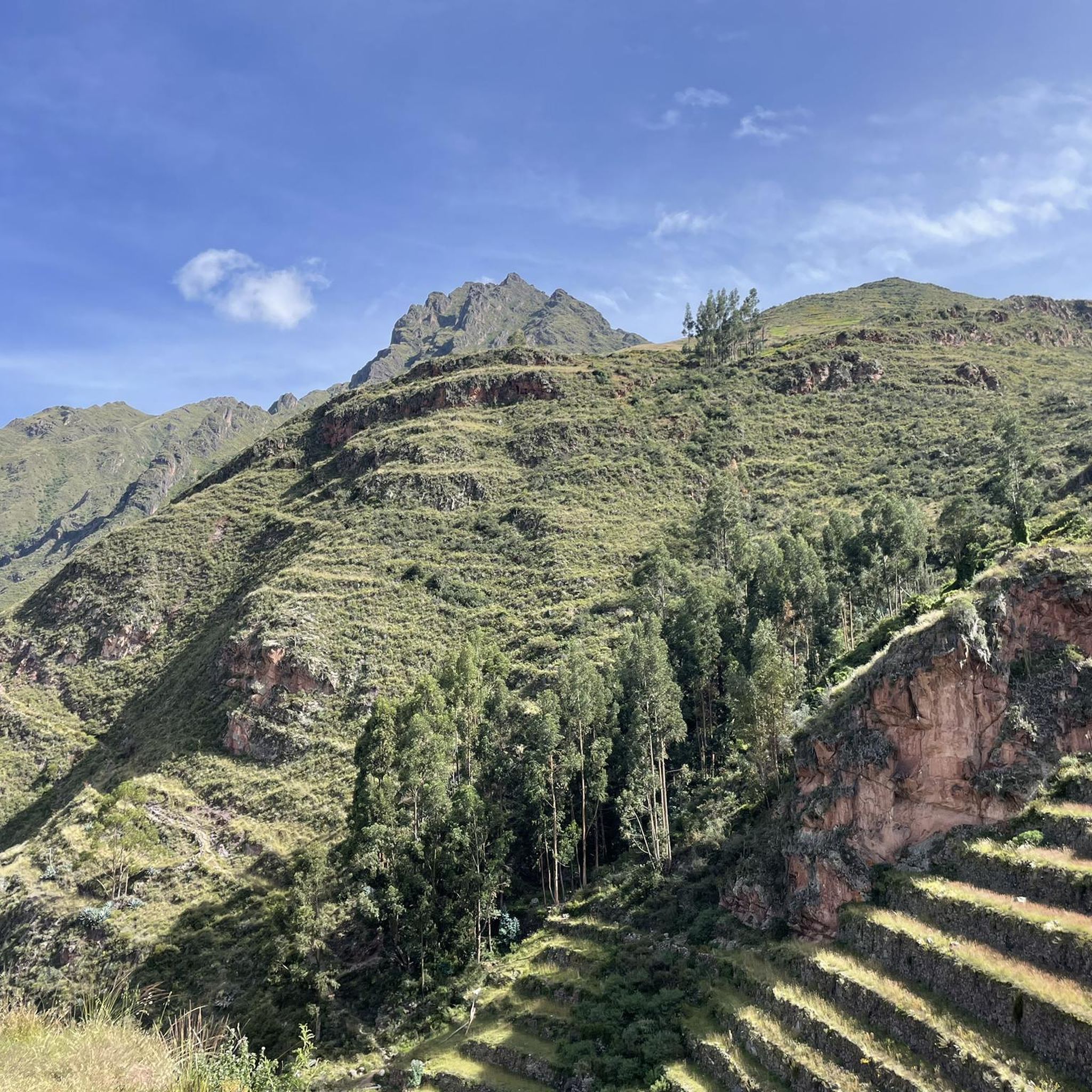
Jogging in Taray offers routes through the scenic Sacred Valley of the Incas, characterized by its winding rivers, agricultural fields, and surrounding mountainous terrain. The region features varied elevations, from paths alongside the Willkanuta River to more challenging routes ascending towards peaks like Hatun Pukara. Existing hiking trails provide opportunities for trail running amidst historical landscapes and natural beauty. This area provides diverse options for outdoor activities, including jogging, for those seeking both natural and cultural immersion.
Best jogging routes…
Last updated: July 25, 2026
4.6
(5)
64
runners
13.1km
01:31
340m
340m
Hard run. Very good fitness required. Mostly paved surfaces. Suitable for all skill levels.
3.7
(3)
15
runners
20.4km
02:18
470m
470m
Hard run. Very good fitness required. Mostly paved surfaces. Suitable for all skill levels.

Sign up for free
3.3
(3)
6
runners
11km
01:10
90m
90m
Moderate run. Good fitness required. Mostly paved surfaces. Suitable for all skill levels.
3
runners
4.42km
00:37
230m
230m
Moderate run. Good fitness required. Mostly paved surfaces. Suitable for all skill levels.
5
runners
17.5km
02:19
500m
500m
Hard run. Very good fitness required. Mostly paved surfaces. Suitable for all skill levels.
Our route recommendations are based on thousands of hikes, rides, and runs completed by other people on komoot.
Start today with a free account
Your next adventure awaits.
Login or Signup
Popular around Taray
Tips from the Community

The Temple of the Sun is one of the most impressive relics of the Inca culture and was built in honor of the sun god Inti. It was the spiritual and religious center of the Inca Empire. Today, the Qoricancha stands as a symbolic example of the fusion of Inca building culture and Spanish colonial architecture. The Qoricancha housed not only the Temple of the Sun, but also other sacred shrines for other deities. (Temple of the Moon Goddess, the Temple of Lightning, the Temple of the Rainbow, the Temple of Water, and others. All temples were clad in gold and adorned with precious stones. The Spaniards plundered the treasures and partially destroyed the temple to build a monastery on it. The monastery was repeatedly damaged by several earthquakes, but the walls of the Inca temple have remained undamaged, which speaks to the exceptional architecture. Even today, 15 monks still live here.
1
0

The sculpture was a gift from the Arab-Palestinian colony in 1945. The work was created by the sculptor Francisco Olazo from Cusco. The materials used were granite, cedar, clay, iron and wire.
1
0
The Cristo Blanco is the most famous monument in the city of Cusco. It is a statue of Jesus Christ that reaches a height of 8 meters and raises its arms at the top of the city as a sign of protection.
0
0

From "Crysto blanco" you have a beautiful view over Cuzco
1
0

Frequently Asked Questions
How many running routes are available in Taray?
Taray offers a selection of 5 dedicated running routes, catering to various fitness levels. These routes are highly rated by the komoot community, with an average score of 4.0 stars.
What kind of terrain can I expect on running trails in Taray?
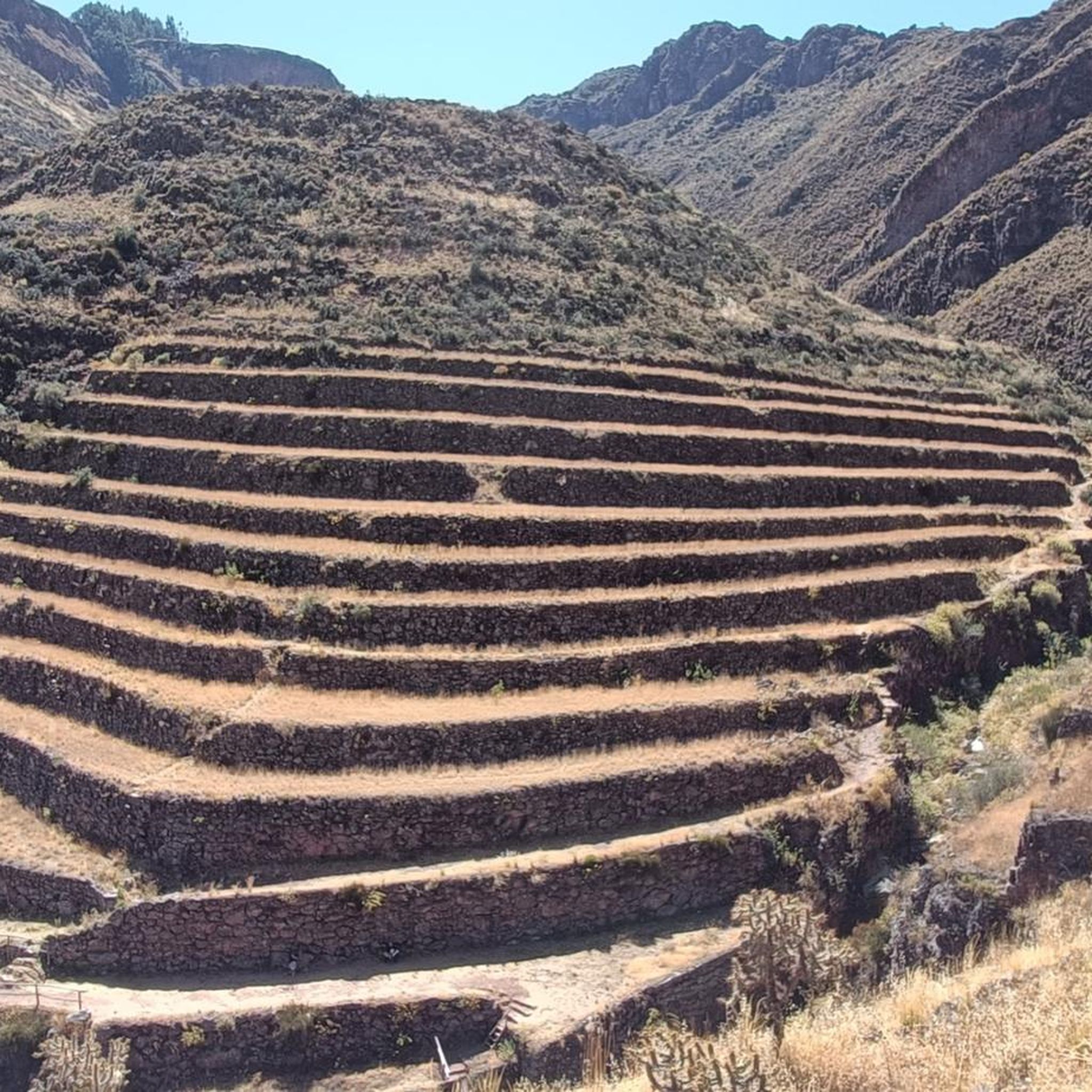
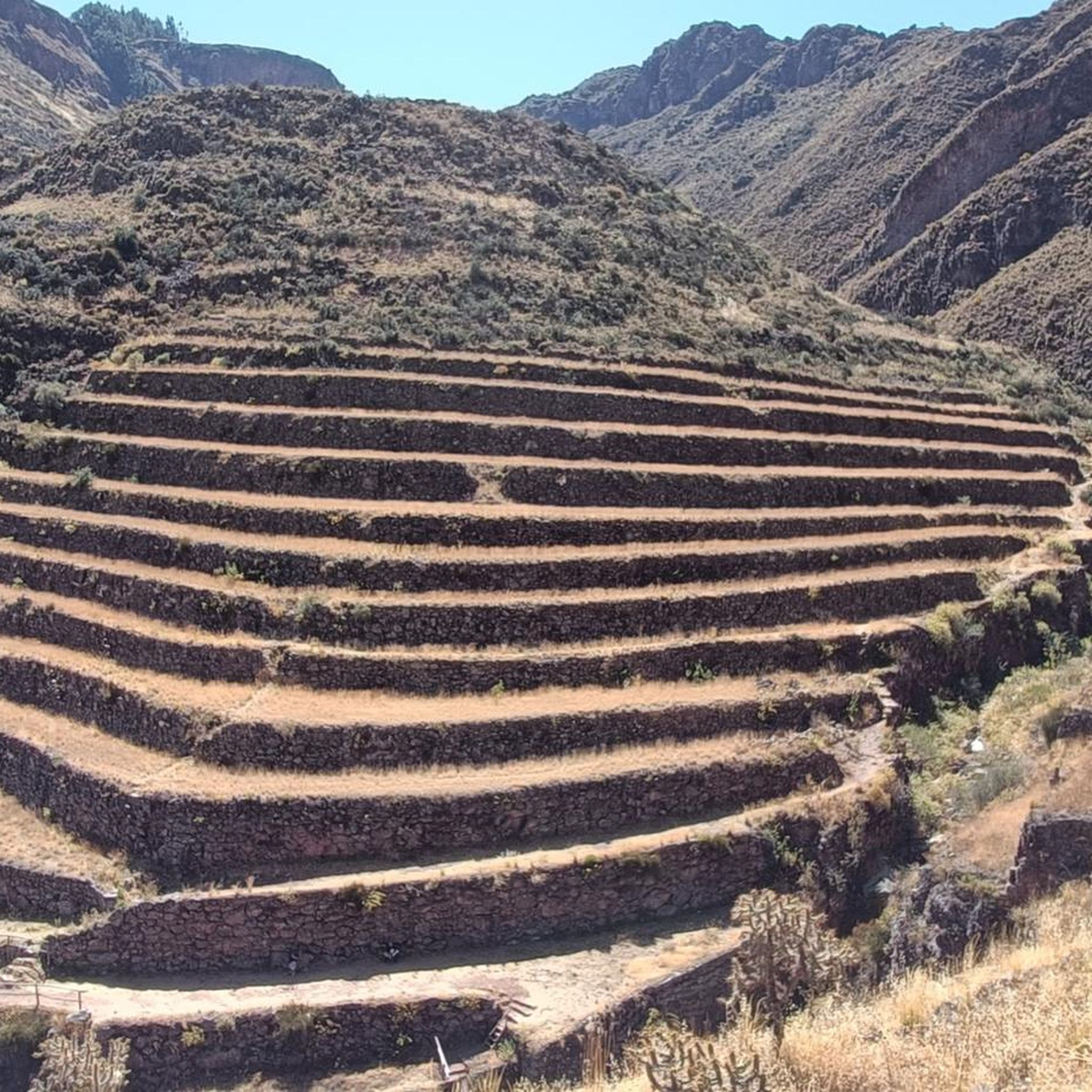
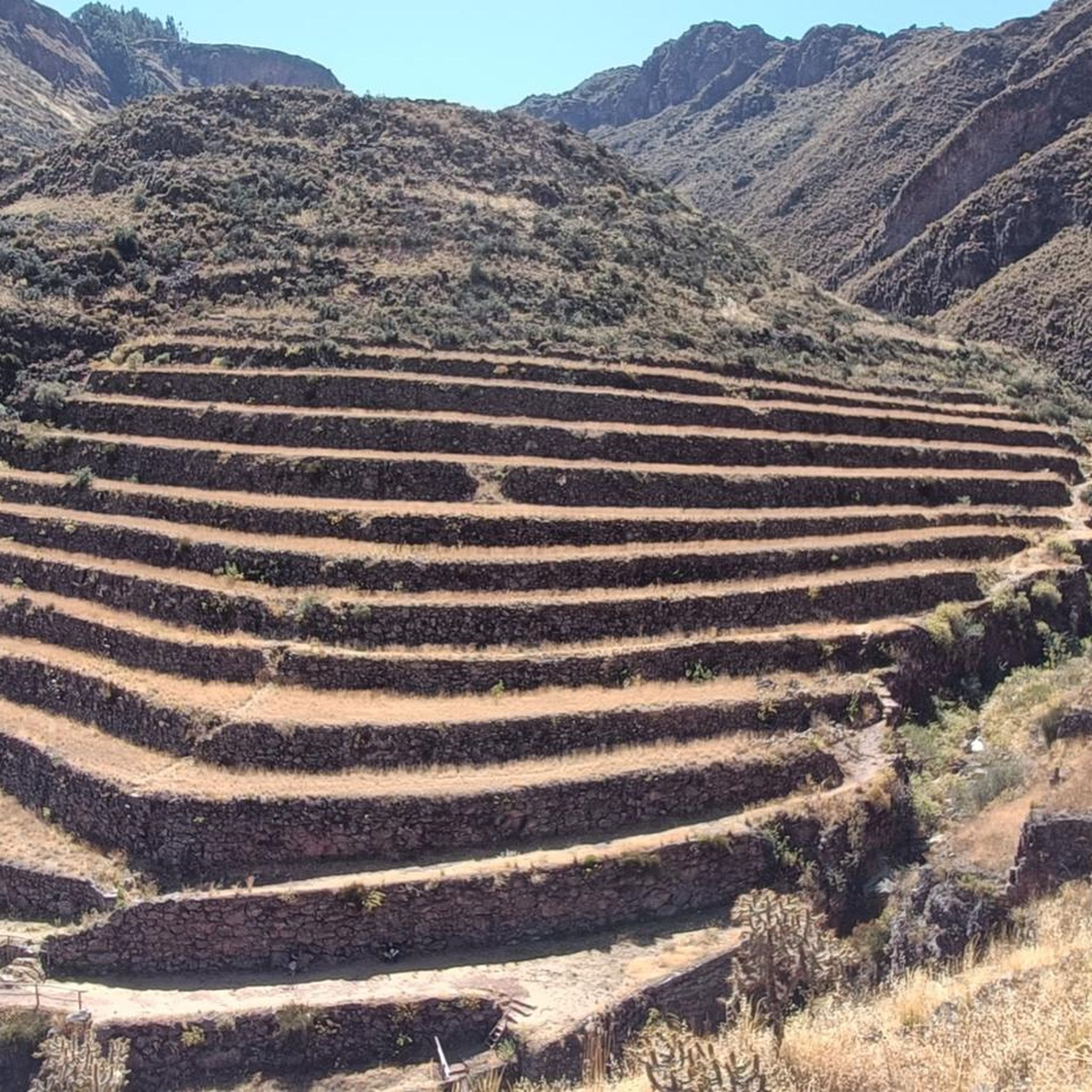
Jogging in Taray provides a diverse experience, defined by the mountainous terrain of the Sacred Valley, winding river valleys, and ancient agricultural terraces. You'll encounter varied elevations, from paths alongside the Willkanuta River to more challenging ascents towards peaks like Hatun Pukara. The landscape offers a unique blend of natural beauty and historical significance.
Are there any easy or beginner-friendly running routes in Taray?
While many routes in Taray feature significant elevation changes, there are options suitable for those seeking a moderate challenge. For instance, the Qolqapampa loop from Wanchaq is a moderate 6.8-mile (11.0 km) trail that leads through river valleys and agricultural areas. Another moderate option is the Cristo Blanco loop from Cuzco, which is shorter at 2.7 miles (4.4 km) but still includes some elevation.
What is the typical length and duration of running routes in Taray?
The running routes in Taray vary significantly in length and duration. You can find shorter, moderate trails like the Cristo Blanco loop from Cuzco, which is 2.7 miles (4.4 km) and takes about 40 minutes. Longer, more challenging routes, such as the Kallachaka loop from Wanchaq, stretch over 10.9 miles (17.5 km) and can take over 2 hours to complete, offering substantial elevation gains.
Are there any circular running routes in Taray?
Yes, many of the running routes in Taray are designed as loops, allowing you to start and finish at the same point. Examples include the Saqsaywaman – Cristo Blanco loop from Wanchaq, a 8.7-mile (14.0 km) trail, and the Qurikancha – Saqsaywaman loop from Wanchaq, which is a longer 12.7-mile (20.4 km) option.
What are some notable landmarks or attractions I might see while running in Taray?
Given Taray's location within the Sacred Valley, many running routes offer views of significant historical and natural sites. You might pass by or see archaeological sites like Sacsayhuamán Archaeological Site, or historical sites such as Qorikancha (Temple of the Sun). The Tambomachay Water Temple and Inca Sacrificial Altar (Q'enqo) are also nearby, offering a blend of cultural immersion with your run.
Is Taray suitable for family-friendly jogging?
While specific 'family-friendly' jogging routes are not explicitly designated, the diverse terrain means that families can find suitable sections. Flatter paths alongside the Willkanuta River might be more appropriate for younger children or those seeking a less strenuous activity. For more adventurous families, some of the moderate trails could be an option, but always consider the elevation changes and distances.
Can I bring my dog on the running trails in Taray?
The region's natural landscapes and hiking trails generally welcome outdoor enthusiasts. However, specific regulations regarding dogs on running trails in Taray are not detailed. It's always advisable to check local signage or official park information for any restrictions, especially concerning archaeological sites or protected natural areas, and to keep dogs on a leash.
What is the best time of year for jogging in Taray?
The Sacred Valley, where Taray is located, generally experiences a dry season from May to October, characterized by sunny days and cooler nights. This period is often considered ideal for outdoor activities like jogging due to less rainfall and clearer skies, offering excellent visibility of the stunning Andean landscapes. The wet season, from November to April, brings more rain, which can make trails muddy and challenging.
Are there any specific considerations for winter jogging in Taray?
During the dry season (May to October), which includes the Southern Hemisphere winter months, Taray experiences cooler temperatures, especially at higher elevations and during mornings and evenings. While days are often sunny, it's essential to dress in layers to adapt to temperature fluctuations. Trails can be dry and firm, but always be prepared for potential cold snaps, particularly if running in the early morning or late afternoon.
What do other runners enjoy most about jogging in Taray?
The komoot community highly rates the running experience in Taray, with an average score of 4.0 stars. Runners frequently praise the unique blend of natural beauty and historical significance, the breathtaking panoramic views of the Sacred Valley, and the varied terrain that offers both challenging ascents and scenic river paths. The opportunity to run amidst ancient Inca landscapes is a particular highlight for many.
Most popular routes in Taray
Most popular attractions in Taray

Get inspired with the komoot mobile app


