The best walks and hikes in Ccorca
4.4
(35)
319
hikers
10
hikes
Hiking in Ccorca offers routes through dramatic natural landscapes and unique geological formations in the Andean region. The terrain features scenic canyons, such as the Ccorca Canyon, with ancient Inca trails and open valleys. Hikers can encounter rocky elevations known as Farallones and the Tecsecocha Waterfall, providing panoramic views of the mountains. The area also showcases varied Andean flora and fauna, including eucalyptus and molles.
Best hiking trails in Ccorca
- The most popular hiking route is Cusco Cathedral – Sacsayhuamán…
Last updated: July 11, 2026
4.5
(11)
106
hikers
6.59km
02:04
230m
230m
Moderate hike. Good fitness required. Easily-accessible paths. Suitable for all skill levels.
4.8
(12)
34
hikers
18.7km
06:01
780m
780m
Hard hike. Very good fitness required. Easily-accessible paths. Suitable for all skill levels.

Sign up for free
5.0
(1)
50
hikers
Easy hike. Great for any fitness level. Easily-accessible paths. Suitable for all skill levels.
4.0
(1)
14
hikers
9.46km
02:34
130m
130m
Moderate hike. Good fitness required. Easily-accessible paths. Suitable for all skill levels.
20
hikers
6.77km
02:05
250m
250m
Moderate hike. Good fitness required. Easily-accessible paths. Suitable for all skill levels.
Get access to more routes and recommendations from other explorers.
Sign up for free
Already have an account?
Our route recommendations are based on thousands of hikes, rides, and runs completed by other people on komoot.
Start today with a free account
Your next adventure awaits.
Login or Signup
Popular around Ccorca
Tips from the Community

The Temple of the Sun is one of the most impressive relics of the Inca culture and was built in honor of the sun god Inti. It was the spiritual and religious center of the Inca Empire. Today, the Qoricancha stands as a symbolic example of the fusion of Inca building culture and Spanish colonial architecture. The Qoricancha housed not only the Temple of the Sun, but also other sacred shrines for other deities. (Temple of the Moon Goddess, the Temple of Lightning, the Temple of the Rainbow, the Temple of Water, and others. All temples were clad in gold and adorned with precious stones. The Spaniards plundered the treasures and partially destroyed the temple to build a monastery on it. The monastery was repeatedly damaged by several earthquakes, but the walls of the Inca temple have remained undamaged, which speaks to the exceptional architecture. Even today, 15 monks still live here.
1
0
You should definitely drink a freshly squeezed juice here and eat the quinoa bread from a nearby place. Simply delicious.
0
0
Even if you are no longer allowed to photograph inside the cathedral today (or precisely because of that), visiting it is a must for anyone visiting Cusco. Countless altars in various architectural styles and materials, the different patron saints, the silver monstrance, and of course the entire architecture are admirable. The supporting walls of the nave are built from stones of a nearby Inca temple. After an earthquake, the cathedral's roof was destroyed and rebuilt in the Gothic style.
1
0

Ah, this is a fascinating glimpse into the incredible stonework of Sacsayhuamán (sometimes spelled Saksaywaman)! This impressive site is located on the northern outskirts of Cusco, Peru, and it was once a citadel complex of the Inca Empire. What makes Sacsayhuamán so remarkable, and what you're seeing a close-up of, is the massive scale and the astonishing precision of its stonework. The walls are constructed from enormous, irregularly shaped boulders, some weighing hundreds of tons. What's truly mind-boggling is how these stones were fitted together with such incredible accuracy that you can't even slip a piece of paper between them – all without the use of mortar! The purpose of Sacsayhuamán is still debated by historians and archaeologists. While it clearly had a military function due to its strategic location overlooking Cusco, it also likely served important ceremonial and religious purposes. The complex features plazas, towers, and other structures that suggest a multifaceted role in Inca society. The Spanish conquistadors were awestruck by the scale and sophistication of Sacsayhuamán. They dismantled parts of it to use the stones for their own constructions in Cusco, yet a significant portion of the original complex still stands today, a testament to the ingenuity and engineering prowess of the Inca civilization. The image you shared really highlights the intricate and almost unbelievable way these colossal stones were shaped and interlocked. It's a powerful reminder of the advanced skills and knowledge of the Inca people. Is there anything else you'd like to know about Sacsayhuamán?
1
0
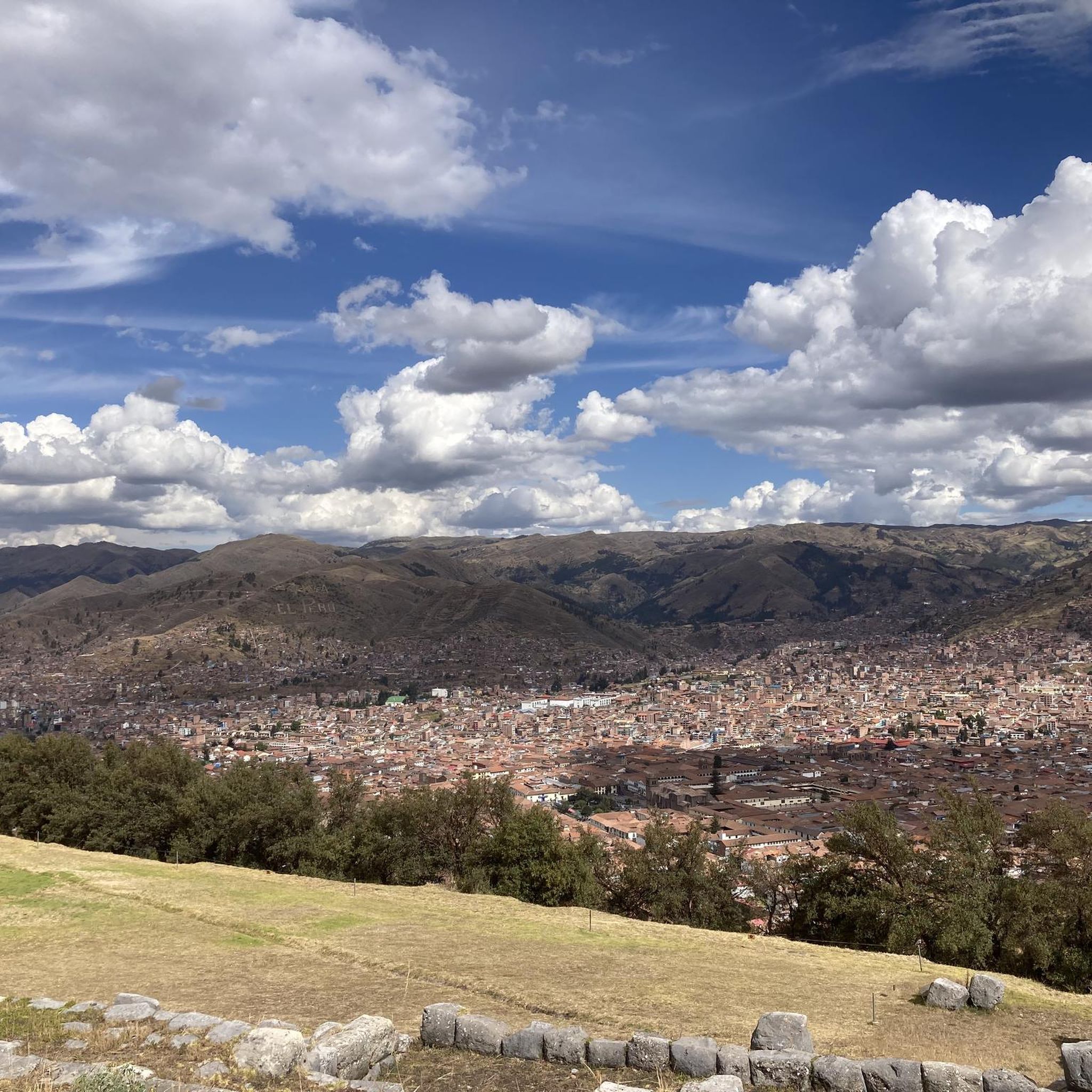
Sacsayhuamán, a large Inca fortress overlooking Cuzco, Peru; from a hilltop 230m above the city. It was built in 15th Century AD, during reign of Pachacuti Inca Yupanqui. Built with stones that were up to more than 8.2m tall and weighed many tons, and with zigzag walls more than 305m in length, Sacsayhuamán is a feat of human engineering, the story of whose construction has caused much discussion among archaeologists. In construction of Sacsayhuamán, stones were laid together without the use of mortar, and they seem to be immovable by nature. Although earthquakes have laid waste to many more modern buildings in the locality, Inca site itself has remained unshaken by any of tremors. The purpose for which Sacsayhuamán was built is uncertain. The walls and original towers seem clearly defensive in nature. The site also incorporates a large plaza surrounded by terraces, and it is thought that this area may have been used for ceremonies. In addition, it is thought that there were temples in complex. In 2008, archaeologists uncovered the ruins of a pre-Inca temple and roadway at site’s periphery.
1
0

The archaeological site of Tambomachay was a place dedicated to water worship and served as a resting place for the Inca nobility. Even today, this archaeological site impresses all visitors with its complex hydraulic engineering.
3
0

Cost 70 soles to enter, only accepts cash payments. Only pay at the top of the hill not the sellers on the way.
1
0

A small but impressive facility.
1
0
Frequently Asked Questions
How many hiking trails are available in Ccorca?
Ccorca offers a selection of 10 hiking trails, catering to various skill levels. These routes provide opportunities to explore the region's dramatic natural landscapes and unique geological formations.
What kind of terrain can I expect on Ccorca's hiking trails?
The terrain in Ccorca is characterized by dramatic canyons, such as the Ccorca Canyon, and features ancient Inca trails. You'll encounter unique rocky elevations known as Farallones and open valleys, offering panoramic Andean views. The trails showcase varied Andean flora and fauna.
Are there easy hiking trails suitable for beginners in Ccorca?
Yes, Ccorca has 3 easy hiking trails. An example is the Twelve-Angled Stone – San Francisco Square, Cusco loop from San Cristóbal, which is 2.5 miles (4.0 km) long and typically takes about 1 hour 7 minutes to complete, leading through urban and historical areas.
Are there challenging hikes for experienced trekkers in Ccorca?
For experienced trekkers, Ccorca offers 1 difficult route. The Sacsayhuamán – Plaza de Armas of Cusco loop from Wanchaq is an 11.6 miles (18.7 km) path that provides expansive views of the surrounding Andean landscape and historical sites.
What natural attractions can I see while hiking in Ccorca?
Ccorca is home to several striking natural attractions. You can explore the scenic Ccorca Canyon, witness the 50-meter-high Tecsecocha Waterfall, and marvel at the unique rocky elevations known as Farallones. These features offer stunning panoramic views of the mountains and the entire Ccorca valley.
What historical sites or ancient landmarks can I explore while hiking in Ccorca?
The Ccorca area is rich in history. Trails often follow quiet sections of ancient Inca paths. You can find Inca-era tombs at the base of the Farallones, along with hanging tombs and rock drawings. Nearby, you can visit significant sites like the Sacsayhuamán Archaeological Site, Qorikancha (Temple of the Sun), and the Inca Sacrificial Altar (Q'enqo).
What kind of wildlife and flora might I encounter on Ccorca's trails?
The trails in Ccorca showcase varied Andean flora, including eucalyptus, molles, kantu, queñua, mutuy, and ferns. Wildlife spotted in the area includes llamas, alpacas, Andean condors, Andean sparrows, and Andean foxes, offering a glimpse into the region's biodiversity.
Are there any circular hiking routes in Ccorca?
Yes, many of the routes in Ccorca are circular. For example, the popular Cusco Cathedral – Sacsayhuamán loop from Cusco is a 4.0 miles (6.5 km) trail that follows ancient Inca paths with panoramic Andean views. Another option is the Sacsayhuamán – White Christ loop from Cusco, a moderate 7042-meter route.
What do other hikers enjoy most about hiking in Ccorca?
The area is highly rated by the komoot community, with an average score of 4.2 stars from over 26 reviews. Hikers often praise Ccorca for its peaceful environment, allowing for a tranquil connection with nature, and the breathtaking Andean scenery found off the beaten path.
What makes Ccorca a unique hiking destination compared to other areas around Cusco?
Ccorca offers a more tranquil and less crowded hiking experience compared to other popular routes in the region. Its appeal lies in a blend of dramatic natural landscapes, unique geological formations like the Farallones, and ancient historical sites, providing an authentic glimpse into traditional Andean life.
Is Ccorca a good place for acclimatization before higher-altitude treks?
Yes, Ccorca is considered a good option for acclimatization. Its peaceful environment and varied terrain allow visitors to gradually adjust to the Andean altitude before attempting more demanding, higher-altitude treks in the wider region.
Are there facilities for visitors along the trails in Ccorca?
Local initiatives have improved the visitor experience in Ccorca. You can find paths, wooden stairs, and picnic areas, making the natural attractions more accessible and enjoyable for hikers.
Most popular routes in Ccorca
Most popular attractions in Ccorca

Get inspired with the komoot mobile app


Explore more
Browse the best Hikes in other regions.
