The best running trails in San Jeronimo
3.9
(16)
162
runners
4
runs
Jogging routes in San Jeronimo offer a diverse range of terrain, primarily characterized by mountainous landscapes and significant elevation changes. The region features trails that ascend through historical sites and provide panoramic views. Running paths often include challenging climbs, making them suitable for experienced runners seeking vigorous outdoor activity.
Best jogging routes in San Jeronimo
- The most popular jogging route is Saqsaywaman – Cristo Blanco loop from Wanchaq, an 8.7 miles (14.0 km) trail that takes 1 hour 36…
Last updated: July 10, 2026
4.6
(5)
64
runners
13.1km
01:31
340m
340m
Hard run. Very good fitness required. Mostly paved surfaces. Suitable for all skill levels.
4.0
(1)
39
runners
7.96km
00:55
240m
240m
Moderate run. Good fitness required. Mostly paved surfaces. Suitable for all skill levels.

Sign up for free
3.7
(3)
15
runners
20.4km
02:18
470m
470m
Hard run. Very good fitness required. Mostly paved surfaces. Suitable for all skill levels.
5.0
(1)
11
runners
16.3km
02:05
470m
470m
Hard run. Very good fitness required. Mostly paved surfaces. Suitable for all skill levels.
3.0
(2)
12
runners
19.0km
02:16
530m
530m
Hard run. Very good fitness required. Mostly paved surfaces. Suitable for all skill levels.
Our route recommendations are based on thousands of hikes, rides, and runs completed by other people on komoot.
Start today with a free account
Your next adventure awaits.
Login or Signup
Popular around San Jeronimo
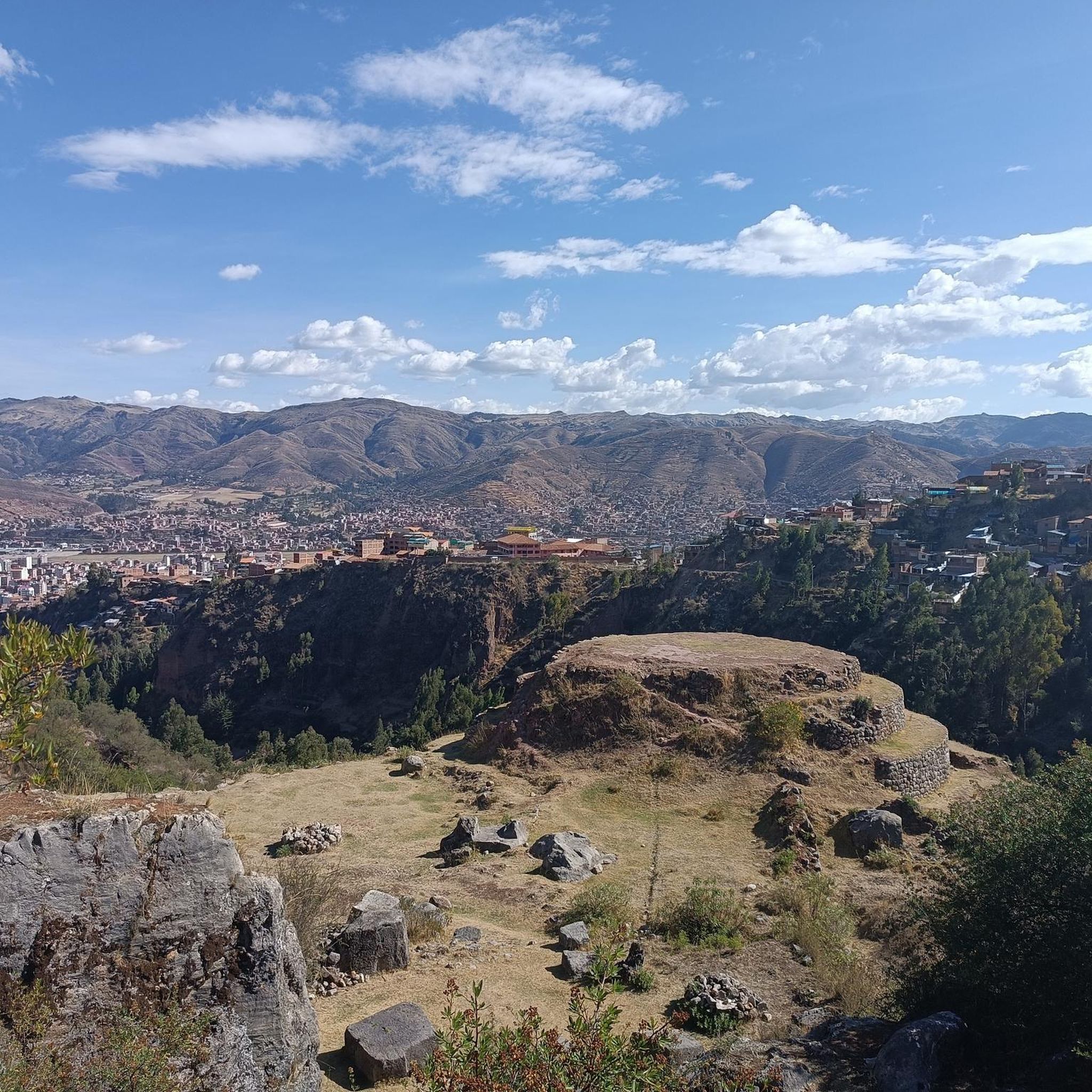
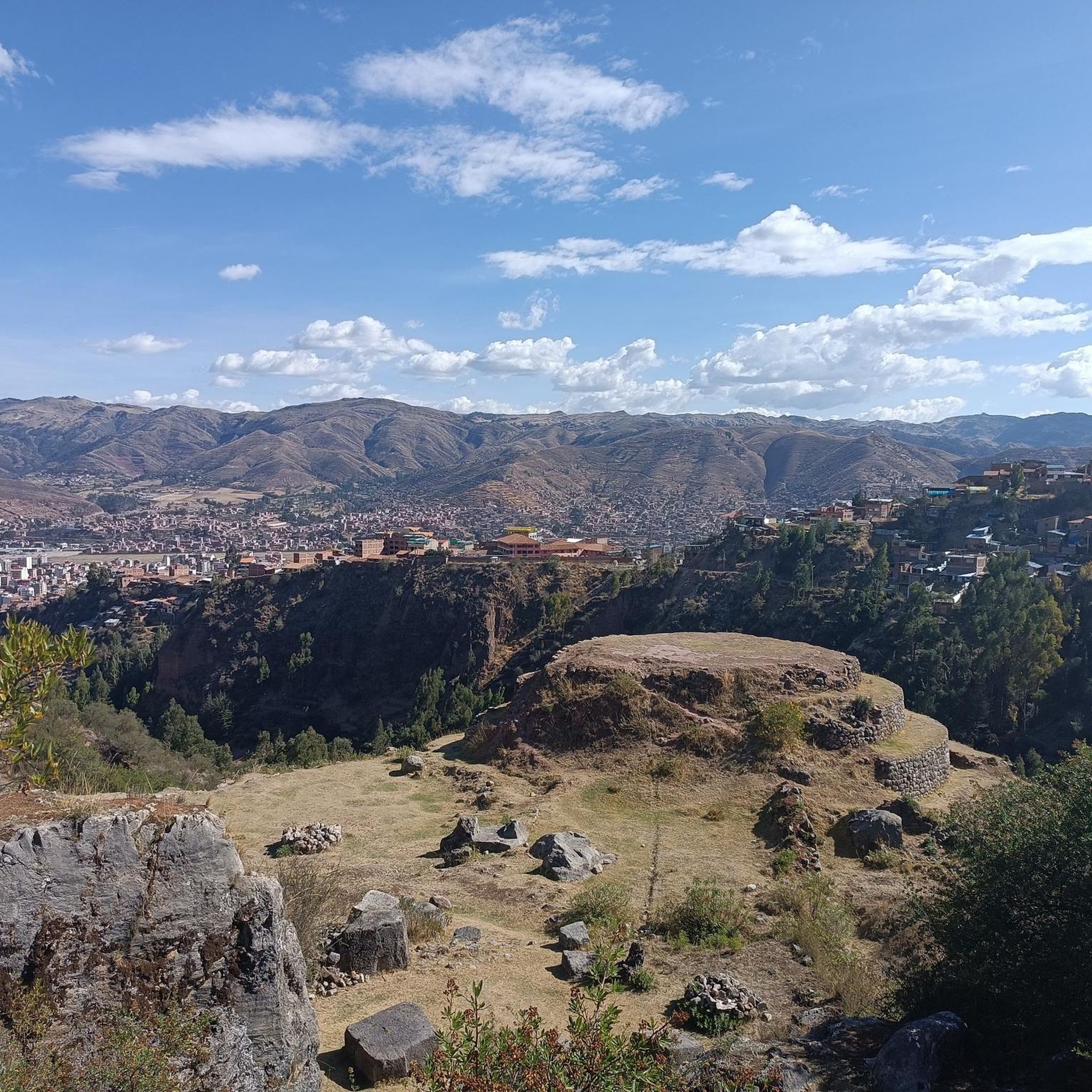
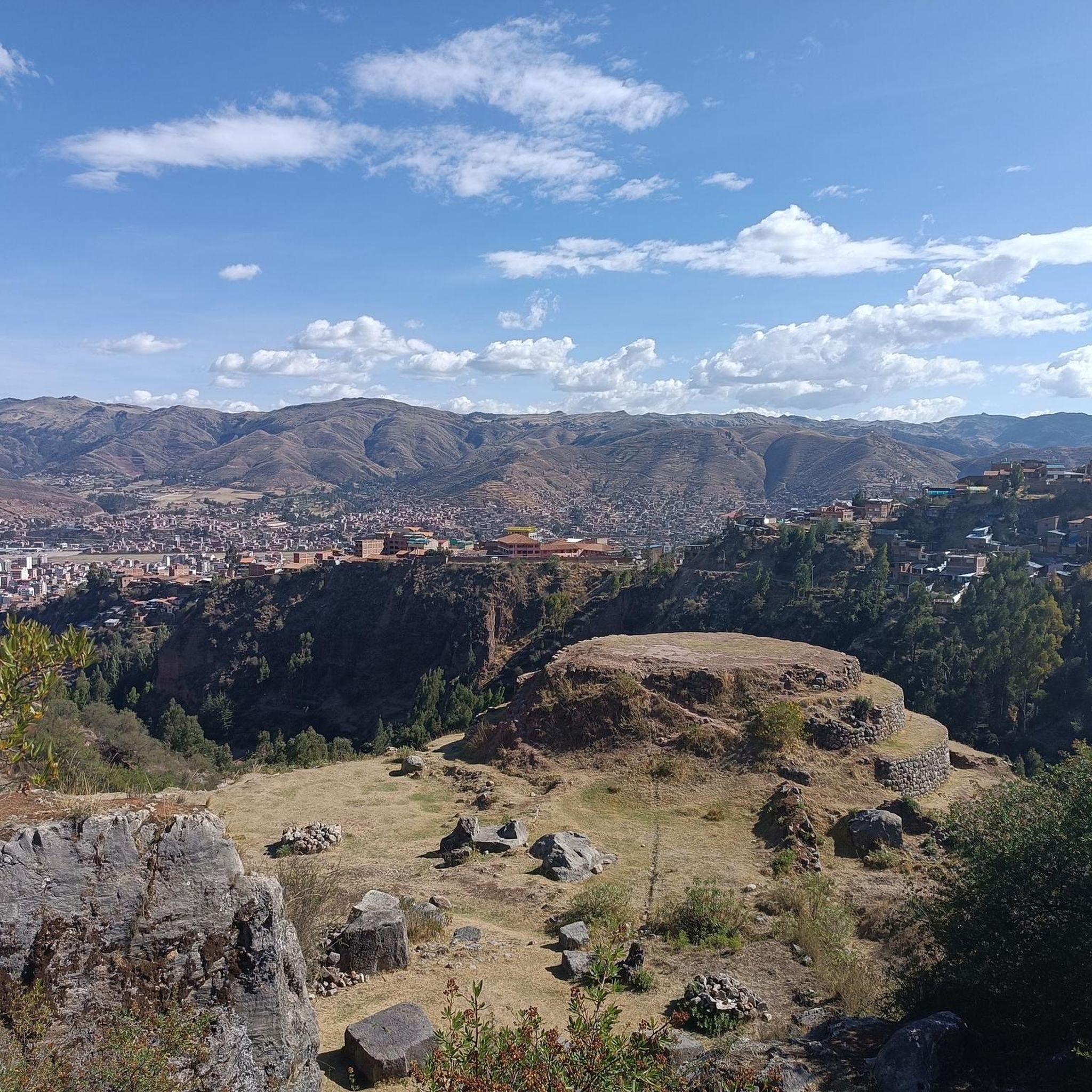
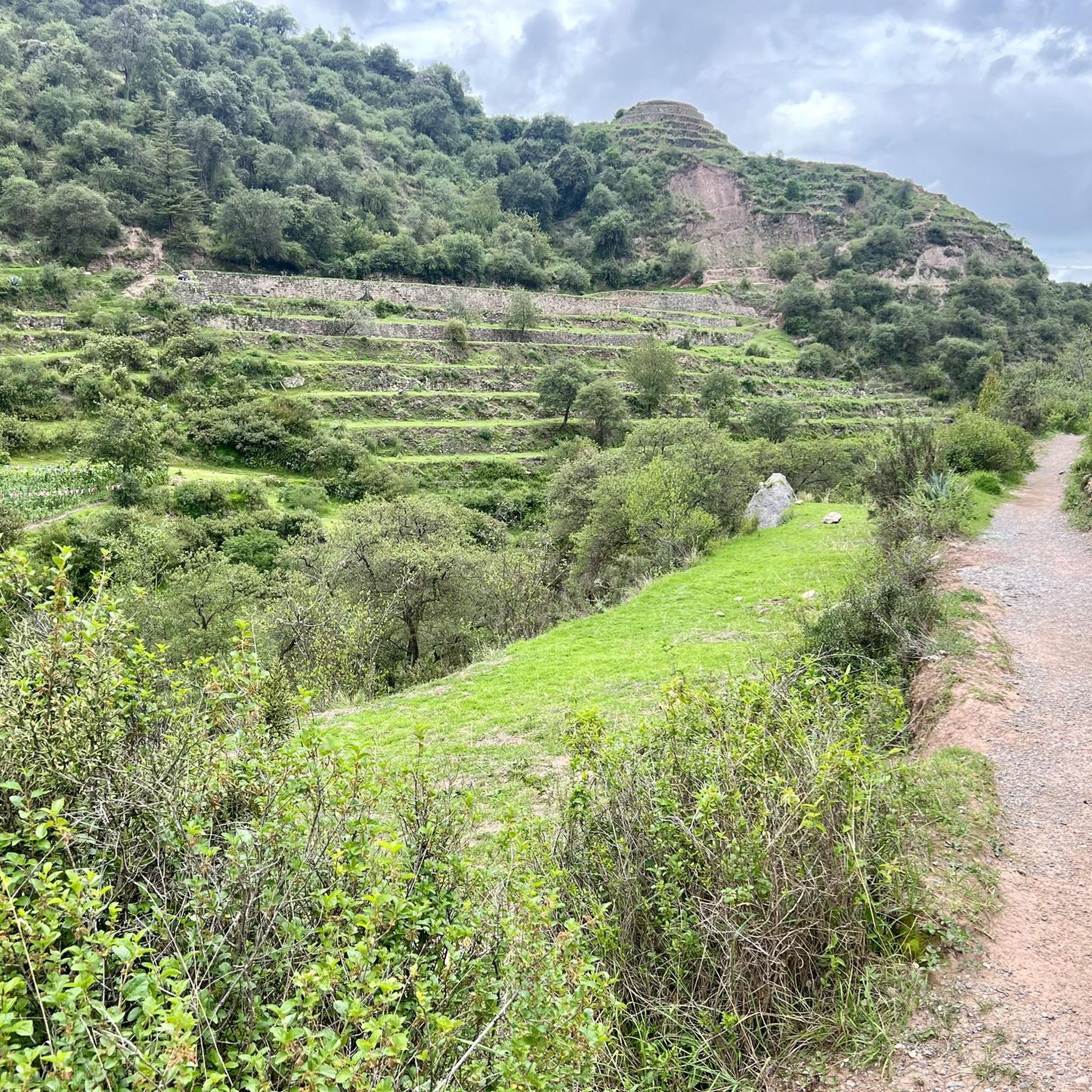
Tips from the Community

The Temple of the Sun is one of the most impressive relics of the Inca culture and was built in honor of the sun god Inti. It was the spiritual and religious center of the Inca Empire. Today, the Qoricancha stands as a symbolic example of the fusion of Inca building culture and Spanish colonial architecture. The Qoricancha housed not only the Temple of the Sun, but also other sacred shrines for other deities. (Temple of the Moon Goddess, the Temple of Lightning, the Temple of the Rainbow, the Temple of Water, and others. All temples were clad in gold and adorned with precious stones. The Spaniards plundered the treasures and partially destroyed the temple to build a monastery on it. The monastery was repeatedly damaged by several earthquakes, but the walls of the Inca temple have remained undamaged, which speaks to the exceptional architecture. Even today, 15 monks still live here.
1
0

The archaeological site of Tambomachay was a place dedicated to water worship and served as a resting place for the Inca nobility. Even today, this archaeological site impresses all visitors with its complex hydraulic engineering.
3
0

A small but impressive facility.
1
0

A Quechua legend says about the effect of the three small watercourses: If you drink from the watercourse on the bottom right, you will become younger; if you drink from the watercourse on the bottom left, you will have twins; and the upper watercourse is said to have a blessing.
0
0

already crazy when you stand in front of it
1
0
The sculpture was a gift from the Arab-Palestinian colony in 1945. The work was created by the sculptor Francisco Olazo from Cusco. The materials used were granite, cedar, clay, iron and wire.
1
0
The Cristo Blanco is the most famous monument in the city of Cusco. It is a statue of Jesus Christ that reaches a height of 8 meters and raises its arms at the top of the city as a sign of protection.
0
0

Tambomachay is a water sanctuary about 8 kilometers north of Cusco. The former temple complex, located at an altitude of 3700 m, was an important water cult site in the Inca period, fed by an underground spring of unknown origin.
1
0
Frequently Asked Questions
How many running routes are available in San Jeronimo?
San Jeronimo offers a selection of 5 dedicated running routes, primarily characterized by mountainous terrain and significant elevation changes. These routes are popular among local runners and visitors seeking a challenging outdoor experience.
What is the general terrain like for running in San Jeronimo?
The running terrain in San Jeronimo is predominantly mountainous, featuring challenging ascents and descents. You'll encounter paths that lead through historical sites and offer panoramic viewpoints, making for a vigorous and scenic run. Most routes involve significant elevation gain, catering to runners who enjoy a demanding workout.
Are there running options for different fitness levels in San Jeronimo?
While many routes in San Jeronimo feature challenging climbs, there are options for varied ability levels. For instance, the Saqsaywaman loop from San Pedro is a moderate 5.0-mile path, offering a balanced challenge. However, the majority of routes are classified as difficult, suitable for experienced runners.
What do other runners enjoy most about the trails in San Jeronimo?
The running routes in San Jeronimo are highly rated by the komoot community, with an average score of 4.0 stars from over 10 reviews. Runners frequently praise the challenging ascents, the historical sites encountered along the way, and the panoramic viewpoints that offer stunning vistas of the surrounding mountainous landscapes.
Are there any historical sites or landmarks to see while running in San Jeronimo?
Absolutely! Many running routes in San Jeronimo pass by significant historical sites. For example, the Qurikancha – Saqsaywaman loop from Wanchaq leads through historical landmarks like the Qorikancha (Temple of the Sun) and the Sacsayhuamán Archaeological Site. You might also encounter the Tambomachay Water Temple on routes like the Saqsaywaman – Tambomachay Water Temple loop from San Pedro.
Can I find circular running routes in San Jeronimo?
Yes, several popular running routes in San Jeronimo are circular, allowing you to start and finish at the same point. Examples include the challenging Saqsaywaman – Cristo Blanco loop from Wanchaq and the moderate Saqsaywaman loop from San Pedro.
Are there any long-distance running trails for experienced runners in San Jeronimo?
For experienced runners seeking a longer challenge, San Jeronimo offers routes like the Qurikancha – Saqsaywaman loop from Wanchaq, which spans 12.7 miles (20.4 km) and features significant elevation gain. Another demanding option is the White Christ – Qurikancha loop from San Pedro, covering 16.3 km with substantial ascents.
Is parking available near the running routes in San Jeronimo?
While specific parking areas for each route are not detailed, as San Jeronimo is often associated with urban and historical areas near Cusco, it's advisable to look for public parking facilities or inquire locally. Many routes start from central points like Wanchaq or San Pedro, where parking might be available in designated zones or paid lots.
Are the running trails in San Jeronimo suitable for families?
Given the predominantly mountainous terrain and significant elevation changes, many running routes in San Jeronimo are quite challenging. While a moderate route like the Saqsaywaman loop from San Pedro might be manageable for active families, those with young children or strollers may find the terrain too demanding. It's best to assess the difficulty and elevation profiles before heading out with family.
Are dogs allowed on the running trails in San Jeronimo?
Information regarding specific dog-friendly policies for the running trails in San Jeronimo is not readily available. It's recommended to check local regulations or signage at trailheads, especially when running through archaeological sites or protected areas, as rules can vary.
What is the best time of year to go running in San Jeronimo?
San Jeronimo, being in a mountainous region, generally experiences a dry season from May to October, which is often considered the best time for outdoor activities due to clearer skies and less rain. The wet season, from November to April, can bring more challenging conditions with rain and potentially muddy trails. Always check the local weather forecast before your run.
How can I reach the running routes using public transport?
Many running routes in San Jeronimo originate from accessible points within or near Cusco, such as Wanchaq or San Pedro. These areas are typically well-served by local public transport, including buses and colectivos (shared taxis). You can likely reach the starting points of routes like the Saqsaywaman – Cristo Blanco loop from Wanchaq or the Saqsaywaman loop from San Pedro using these services.
Are there any cafes or places to refuel near the running routes?
Since many of the running routes in San Jeronimo start or pass through areas close to Cusco's urban centers like Wanchaq and San Pedro, you will likely find various cafes, restaurants, and shops nearby where you can refuel before or after your run. These areas offer convenient options for refreshments and meals.
Most popular routes in San Jeronimo
Most popular attractions in San Jeronimo

Get inspired with the komoot mobile app


Explore more
Browse the best Running Trails & Routes in other regions.
