Top 20 Castles around Böbingen an der Rems
Castles around Böbingen an der Rems offer a journey through centuries of regional history, from Roman fortifications to medieval strongholds and baroque residences. Situated along the Rems river, this area in the Ostalbkreis features a diverse landscape that has shaped its historical sites. Visitors can explore the remnants of ancient Roman presence and the architectural evolution of noble estates. The region provides a blend of historical exploration and natural scenery.
Best castles around Böbingen an der Rems
- The most popular…
Last updated: July 6, 2026
Rosenstein Castle Ruins
Highlight • Castle
Translated by Google •
Tip by

Rosenstein Caves and Ruins
Highlight (Segment) • Cave
Translated by Google •
Tip by

Sign up now to discover places like this
Get recommendations on the best single tracks, peaks, & plenty of other exciting outdoor places.
Sign up for free
Lauterburg Castle Ruins
Highlight • Castle
Translated by Google •
Tip by
Hohenroden Manor
Highlight • Castle
Translated by Google •
Tip by

Lammbräu Brewery Inn and Fach Castle near Wegen on the Kocher
Highlight (Segment) • Restaurant
Translated by Google •
Tip by

Sign up for free to discover even more castles around Böbingen an der Rems.
Sign up for free
Already have an account?
Start today with a free account
Your next adventure awaits.
Login or Signup
Popular around Böbingen an der Rems
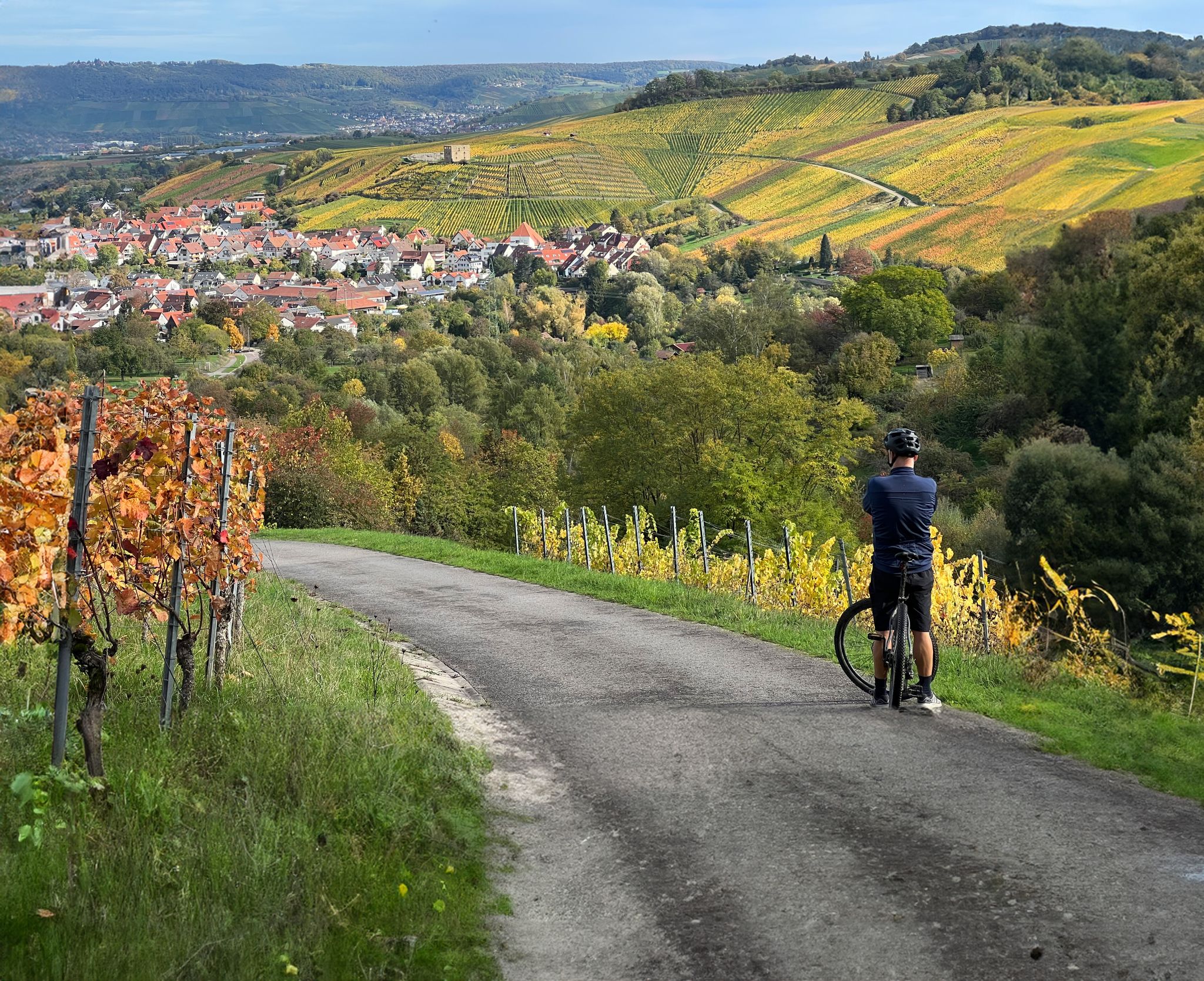
Vineyards, riversides and sunsets – cycling in the Rems Valley
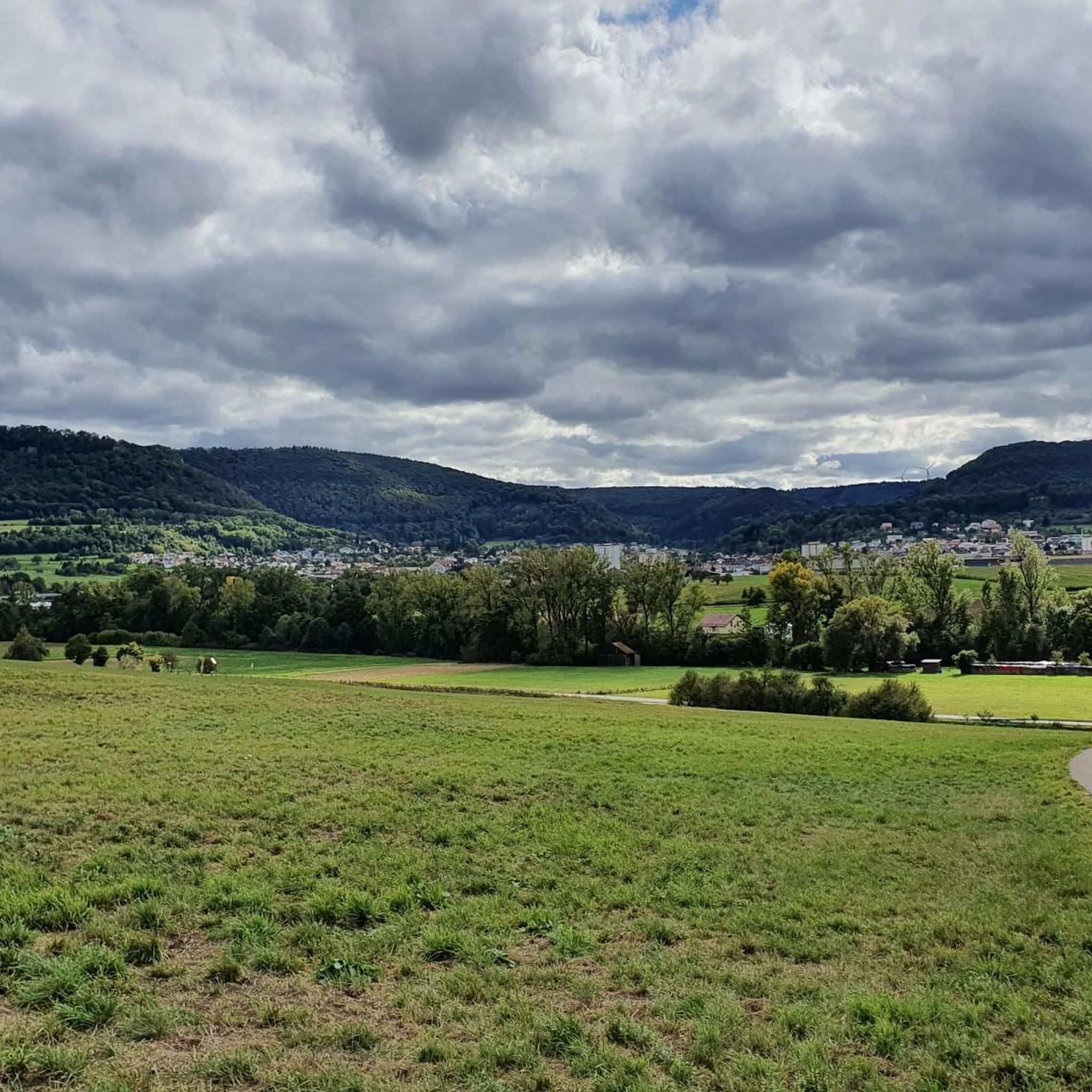
Cycling around Böbingen an der Rems
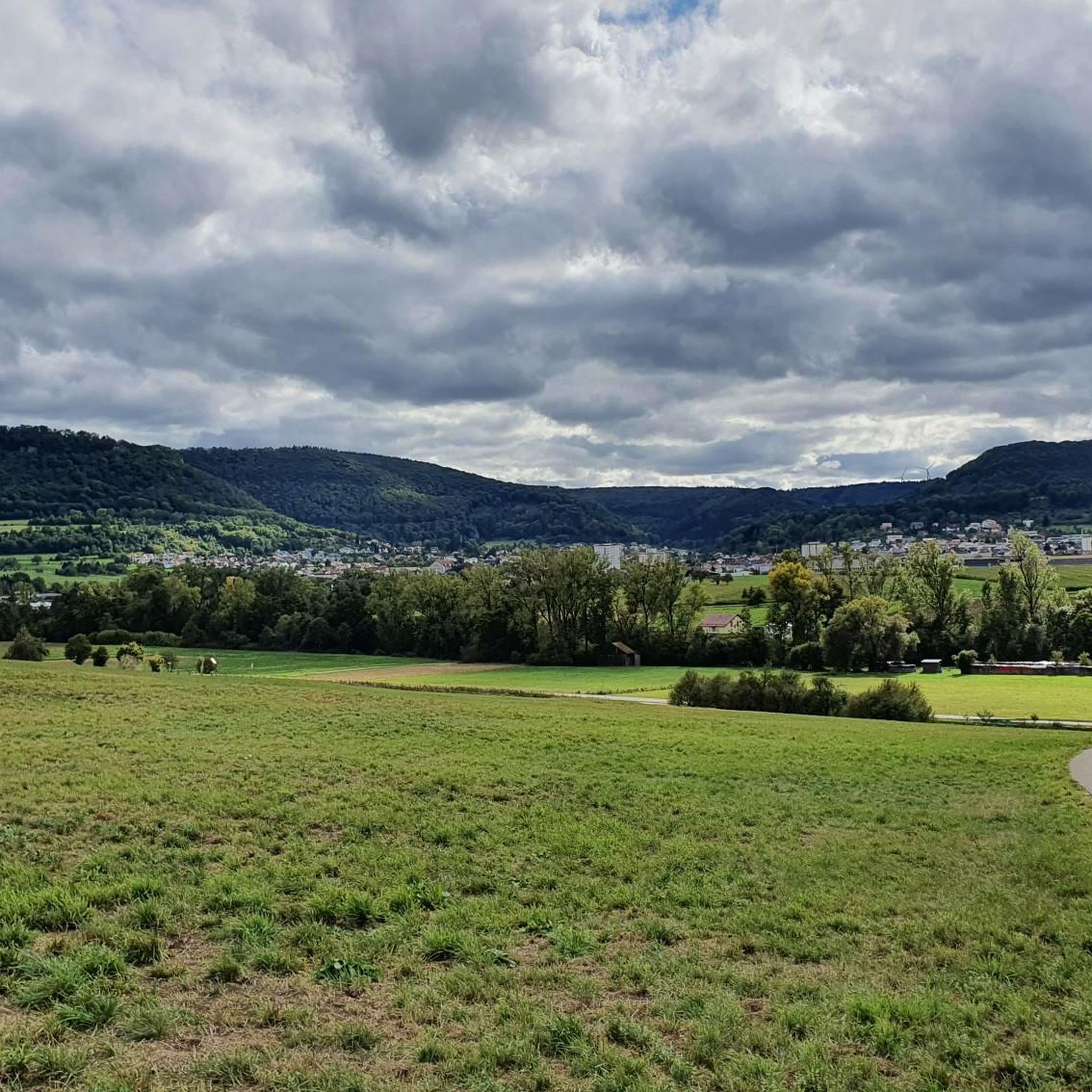
MTB Trails around Böbingen an der Rems
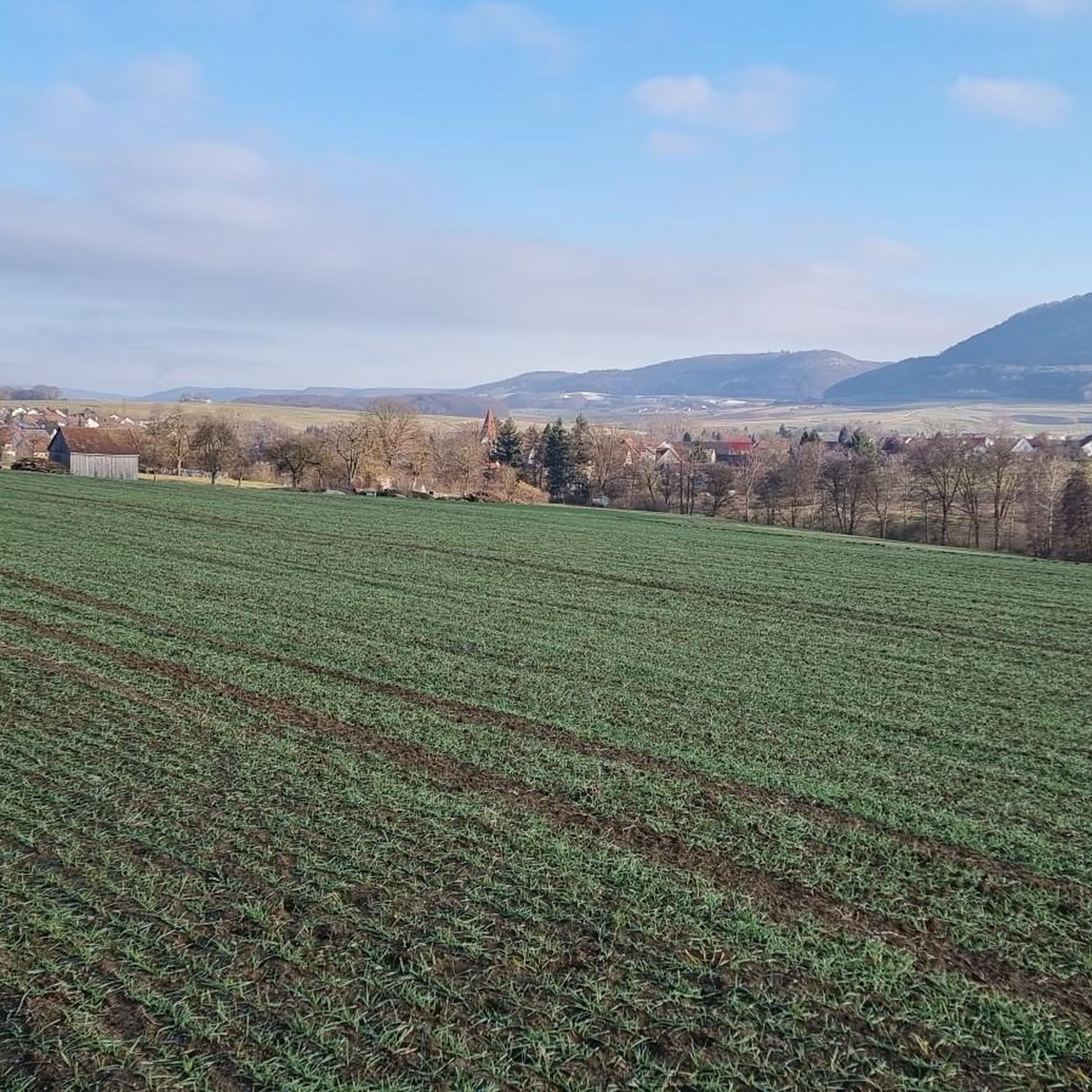
Road Cycling Routes around Böbingen an der Rems
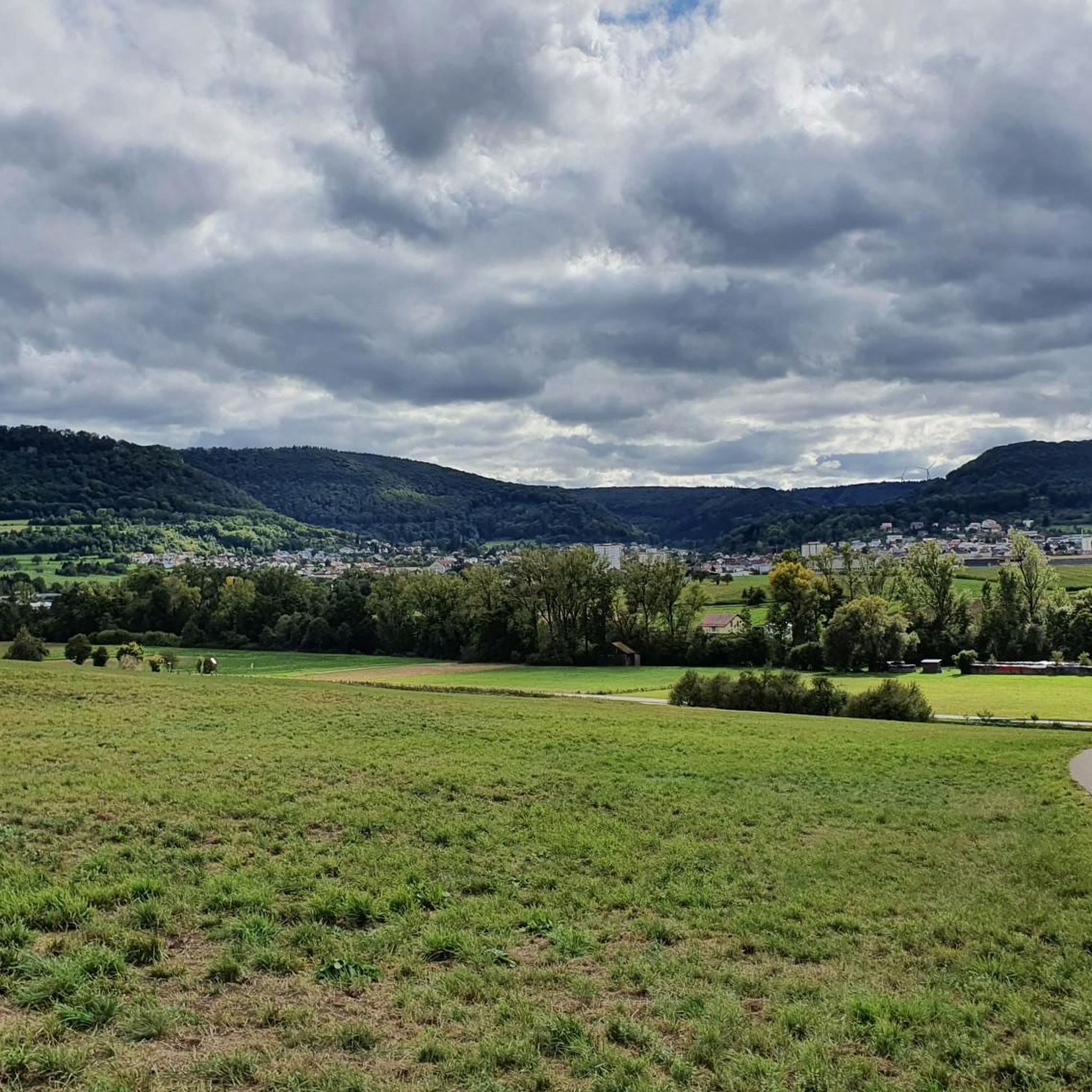
Hiking around Böbingen an der Rems
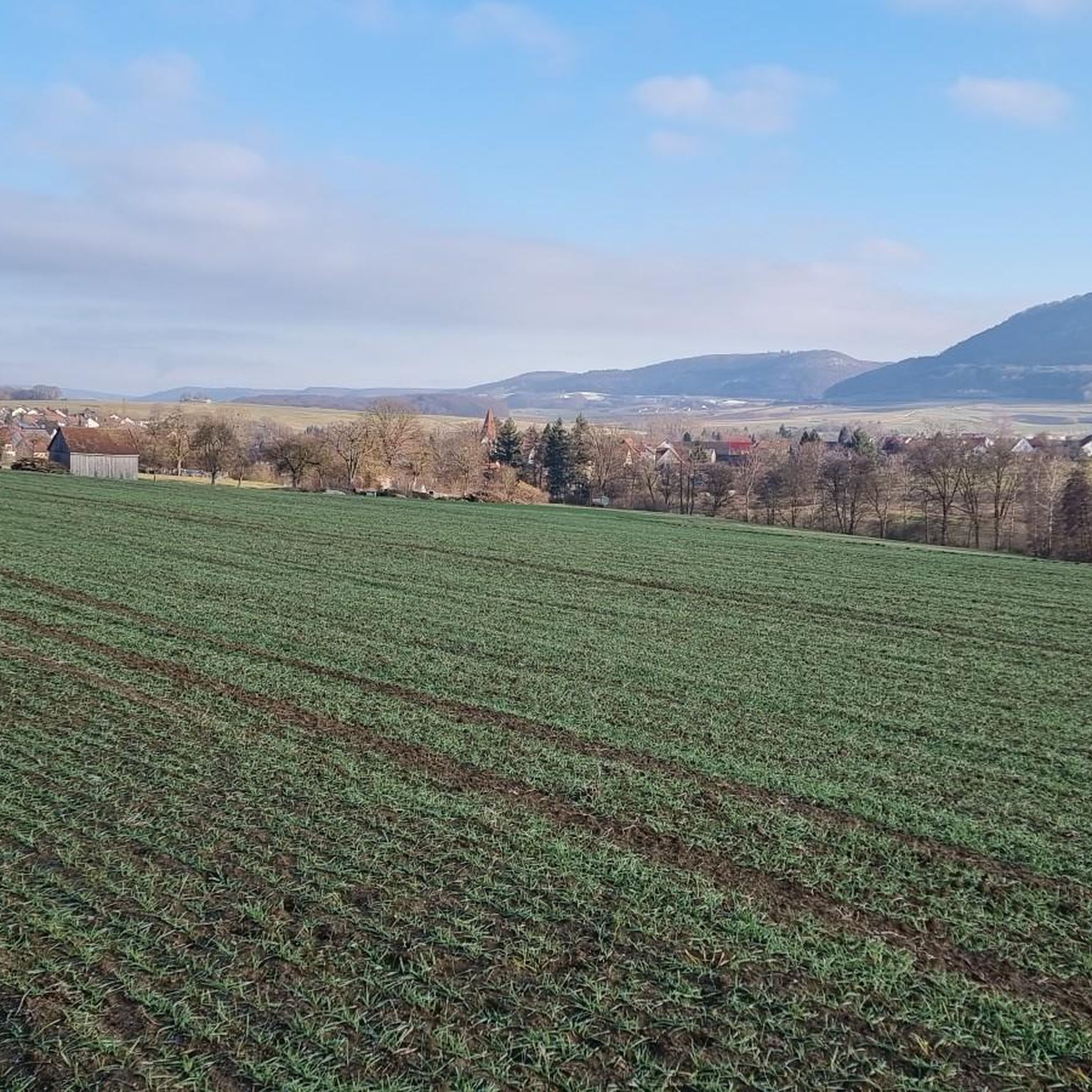
Running Trails around Böbingen an der Rems
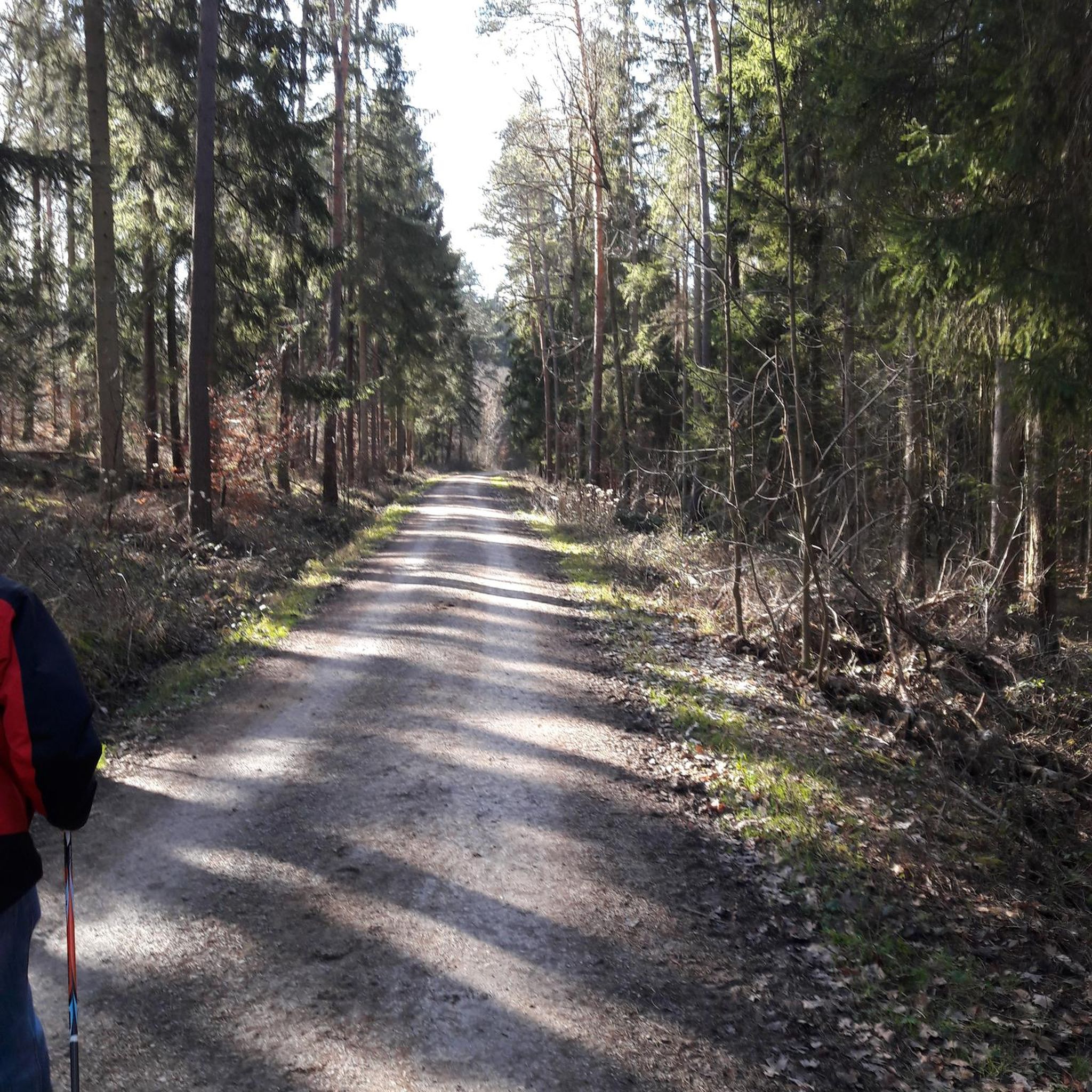
Gravel biking around Böbingen an der Rems

Mountain Hikes around Böbingen an der Rems
Other adventures around Böbingen an der Rems

Tips from the Community


Beautifully situated on the Albtrauf
0
0

Beautiful scenery and first-class Kochertal cycle path
4
1

Very nice estate between Lautern and Essingen
3
0

Beautiful route with a great panorama
4
0

Lauterburg Castle is the ruins of a spur castle in the Lauterburg district of the municipality of Essingen in the Ostalbkreis.
0
1

Schneggenroden Castle, which is said to have been built by Ernfried von Roden, was first mentioned in a document in 1293.[3] The castle was sold in 1362 by Ulrich von Roden called Sneggenroden to Friedrich von Westerstetten called Schauche for 590 pounds heller.[4][3] His son, Hans von Westerstetten, sold the castle to Georg I von Woellwarth in 1401. In 1410 he passed it on to his son George II, who probably had the castle rebuilt around 1434.[5][6] In 1538 the castle was sold for 8,500 guilders to the Woellwarth-Lauterburg line, which still owns it today. The castle was badly damaged during the Thirty Years' War and then had to be renovated. Today the castle is an agricultural business.[7] Source: Wikipedia https://de.wikipedia.org/wiki/Schloss_Hohenroden
4
0

Hohenroden Castle, formerly also called Burgstall Schneggenroden, is a medieval castle in Essingen in the Ostalb district. The castle, which is said to have been built by Ernfried von Roden, was first mentioned in a document in 1293. The castle was sold in 1362 by Ulrich von Roden to Friedrich von Westerstetten for 590 pounds Heller. His son, Hans von Westerstetten, sold the castle to Georg I von Woellwarth in 1401. A lot of information can be found here: https://hohenroden.de
4
0
Frequently Asked Questions
What types of historical sites can I explore around Böbingen an der Rems?
The region offers a diverse range of historical sites, including medieval castle ruins like Rosenstein Castle Ruins and Lauterburg Castle Ruins, as well as baroque residences such as Schloss Böbingen. You can also visit the significant Roman fort, Römerkastell Böbingen, which was part of the Limes.
Are there any family-friendly castles or historical sites in the area?
Yes, several sites are suitable for families. The Rosenstein Castle Ruins and the surrounding area, including Rosenstein Caves and Ruins, are popular for their recreational facilities, playground, and barbecue areas. Hohenroden Manor, a medieval castle now operating as a farm, also offers an interesting visit for families.
What natural features can I enjoy near the castles?
The area around the castles is rich in natural beauty. The Rosenstein Castle Ruins offer expansive views of the valley, and the wider Rosenstein area features numerous caves and vantage points. The region is characterized by its location along the Rems river, providing scenic landscapes for exploration.
What outdoor activities can I do near these castles?
You can enjoy various outdoor activities. The Rosenstein area is popular for hiking and exploring its many caves. For more structured routes, you can find numerous options for hiking, road cycling, and mountain biking. Explore routes like the 'Rosenstein Castle Ruins – Rosenstein Bridge loop' for hiking, or 'Wasseralfingen Castle – Laubach Castle loop' for road cycling. Find more details on these activities in the Hiking around Böbingen an der Rems, Road Cycling Routes around Böbingen an der Rems, and MTB Trails around Böbingen an der Rems guides.
What is the historical significance of Schloss Böbingen?
Schloss Böbingen, located directly in Böbingen an der Rems, has origins dating back to the 15th century. The current baroque wing was built between 1763 and 1765. Historically, it was a noble residence that changed hands multiple times, including to the Augsburg women's convent of St. Stephan. While not a public tourist attraction today, its exterior showcases the town's long history and architectural evolution. More historical context can be found on Wikipedia.
Can I visit the Roman fort (Römerkastell Böbingen) near the castles?
Yes, the Römerkastell Böbingen is an important historical site established around 150 AD. It was a strategic Roman fort along the Limes, a UNESCO World Heritage Site, and housed a cohort of 500 soldiers. Visitors can explore the remnants of the fort and learn about the Roman presence in the region, making it an excellent destination for those interested in archaeology and ancient history.
What kind of views can I expect from the castle ruins?
From the Rosenstein Castle Ruins, you can enjoy beautiful, expansive views of the valley. There are also numerous vantage points in the surrounding Rosenstein area, offering wide panoramas. The View of Rechberg and Hohenstaufen highlight provides a gigantic view of the Albtrauf, Hohenrechberg, and Hohenstaufen.
What do visitors enjoy most about the castles and historical sites around Böbingen an der Rems?
Visitors frequently appreciate the blend of historical exploration with natural scenery. The expansive views from sites like Rosenstein Castle Ruins, the historical depth of the Roman fort, and the opportunities for hiking and outdoor activities are highly rated. The komoot community has shared over 1500 photos and given more than 1400 upvotes for these highlights, indicating a strong positive experience.
Are there any castle ruins that are particularly well-preserved or accessible?
The Rosenstein Castle Ruins retain significant remnants of their surrounding walls, offering a clear sense of the former complex. Similarly, the outer bailey of Lauterburg Castle Ruins is accessible, allowing visitors to glimpse its past. While the main bailey of Lauterburg is not accessible due to collapse risk, these sites still provide a tangible connection to medieval history.
What is the best time to visit the castles and historical sites?
The best time to visit is generally during the warmer months, from spring to autumn, when the weather is pleasant for exploring ruins, hiking, and enjoying the scenic views. Many outdoor activities and recreational facilities, such as those around the Rosenstein, are best enjoyed in good weather. Visiting during the week might offer a less crowded experience at popular spots.
Is public transport available to reach the castles or hiking trails?
While specific public transport details to each castle are not provided, the region is generally accessible. For hiking trails, it's advisable to check local public transport options to reach trailheads. Many popular recreational areas, like the Rosenstein, have dedicated parking for hikers, suggesting that car access is common.
Are there any cafes or restaurants near the castles?
Yes, particularly in popular recreational areas. For instance, at the west summit above the Rosenstein Castle Ruins, there is a restaurant available, which also includes a playground and barbecue facilities. For other sites, you may find cafes and pubs in the nearby towns and villages.
Can I bring my dog to the castle sites?
Many outdoor historical sites and hiking trails in the region are generally dog-friendly, especially those in natural settings like the Rosenstein area. However, it's always recommended to keep dogs on a leash and check for specific regulations at individual sites, particularly if entering any enclosed areas or buildings.
Most popular routes around Böbingen an der Rems
Most popular attractions around Böbingen an der Rems

Get inspired with the komoot mobile app


Explore more
Looking for the best castles somewhere else? Discover other guides around Böbingen an der Rems:
