The best cycling routes around Burglengenfeld
4.5
(620)
4,023
riders
128
rides
Touring cycling routes around Burglengenfeld are characterized by diverse landscapes, including serene river valleys, rolling hills, and dense forests. The region is situated along the Naab River, offering numerous flat, riverside paths, and also features the Vils River with its own network of trails. Proximity to the Bavarian Jura introduces varied terrain with significant elevation gains. Extensive forest areas further contribute to the varied natural features for cycling.
Best touring cycling routes around Burglengenfeld
- The most popular touring cycling route…
Last updated: July 10, 2026
4.7
(77)
273
riders
77.3km
04:56
790m
790m
Hard bike ride. Very good fitness required. Mostly paved surfaces. Suitable for all skill levels.
4.8
(45)
331
riders
Moderate bike ride. Good fitness required. Mostly paved surfaces. Suitable for all skill levels.

Sign up for free
4.2
(31)
213
riders
Moderate bike ride. Good fitness required. Mostly paved surfaces. Suitable for all skill levels.
4.7
(37)
127
riders
Moderate bike ride. Good fitness required. Mostly paved surfaces. Suitable for all skill levels.
4.9
(17)
116
riders
35.0km
02:25
210m
210m
Moderate bike ride. Good fitness required. Mostly paved surfaces. Suitable for all skill levels.
Get access to more routes and recommendations from other explorers.
Sign up for free
Already have an account?
Our route recommendations are based on thousands of hikes, rides, and runs completed by other people on komoot.
Start today with a free account
Your next adventure awaits.
Login or Signup
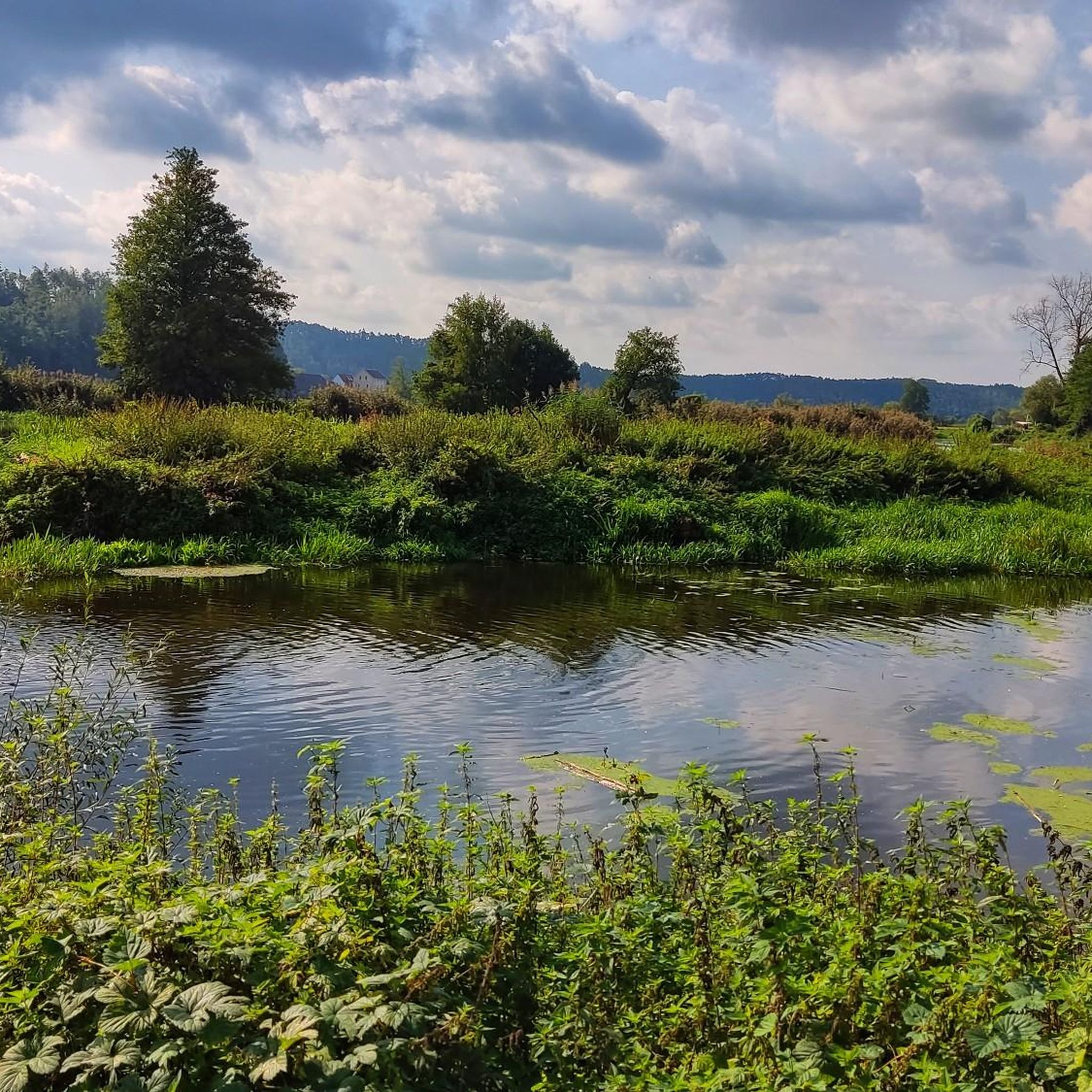
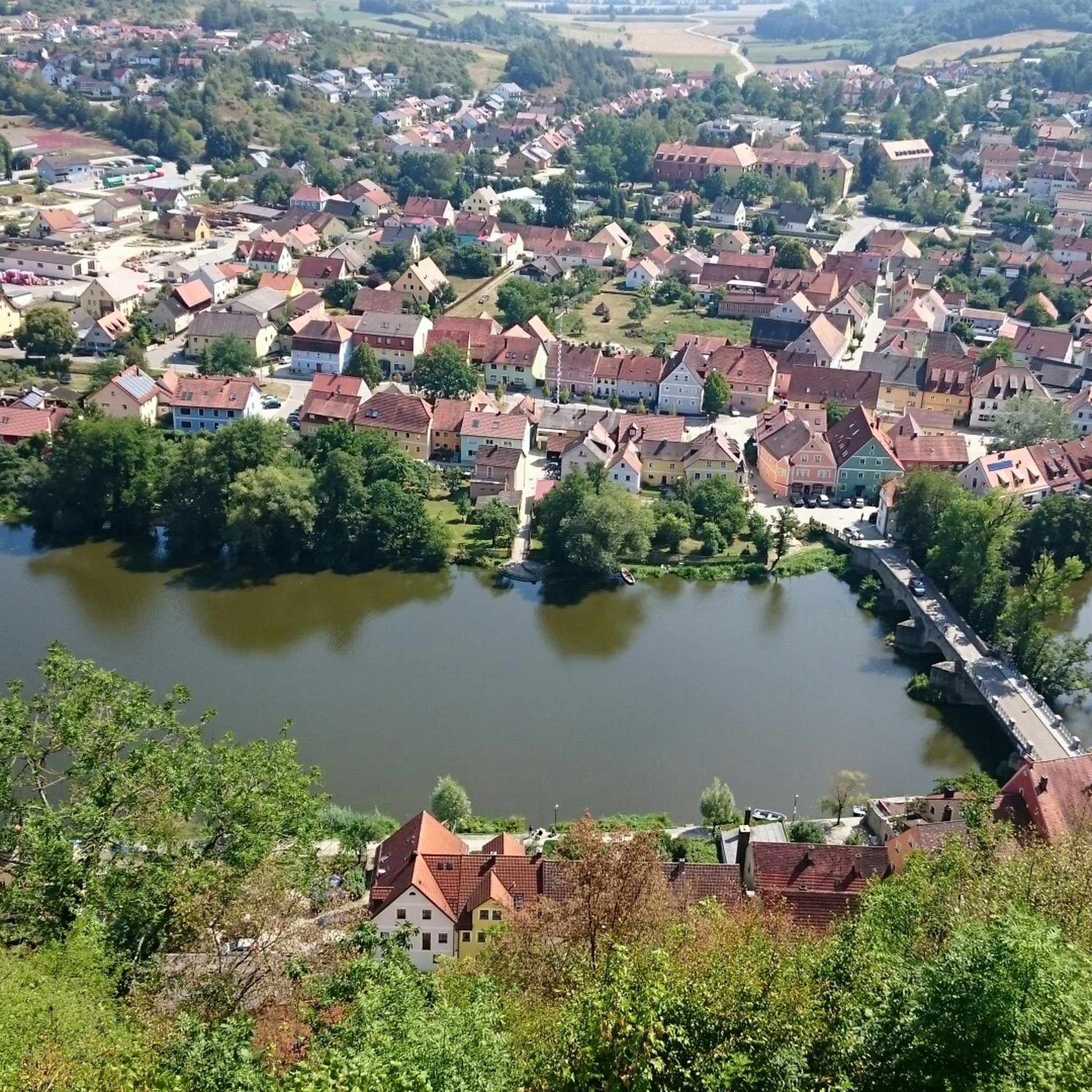
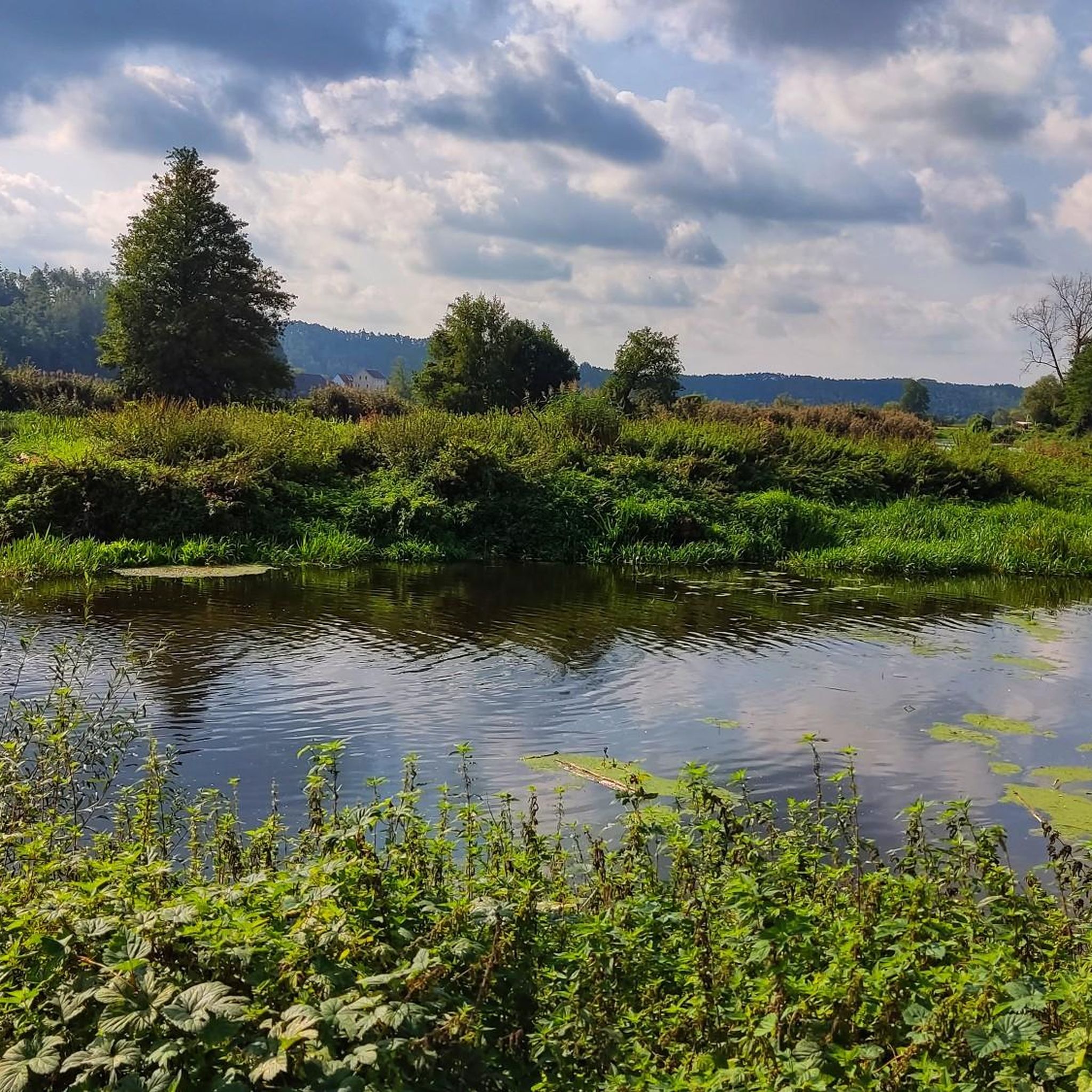
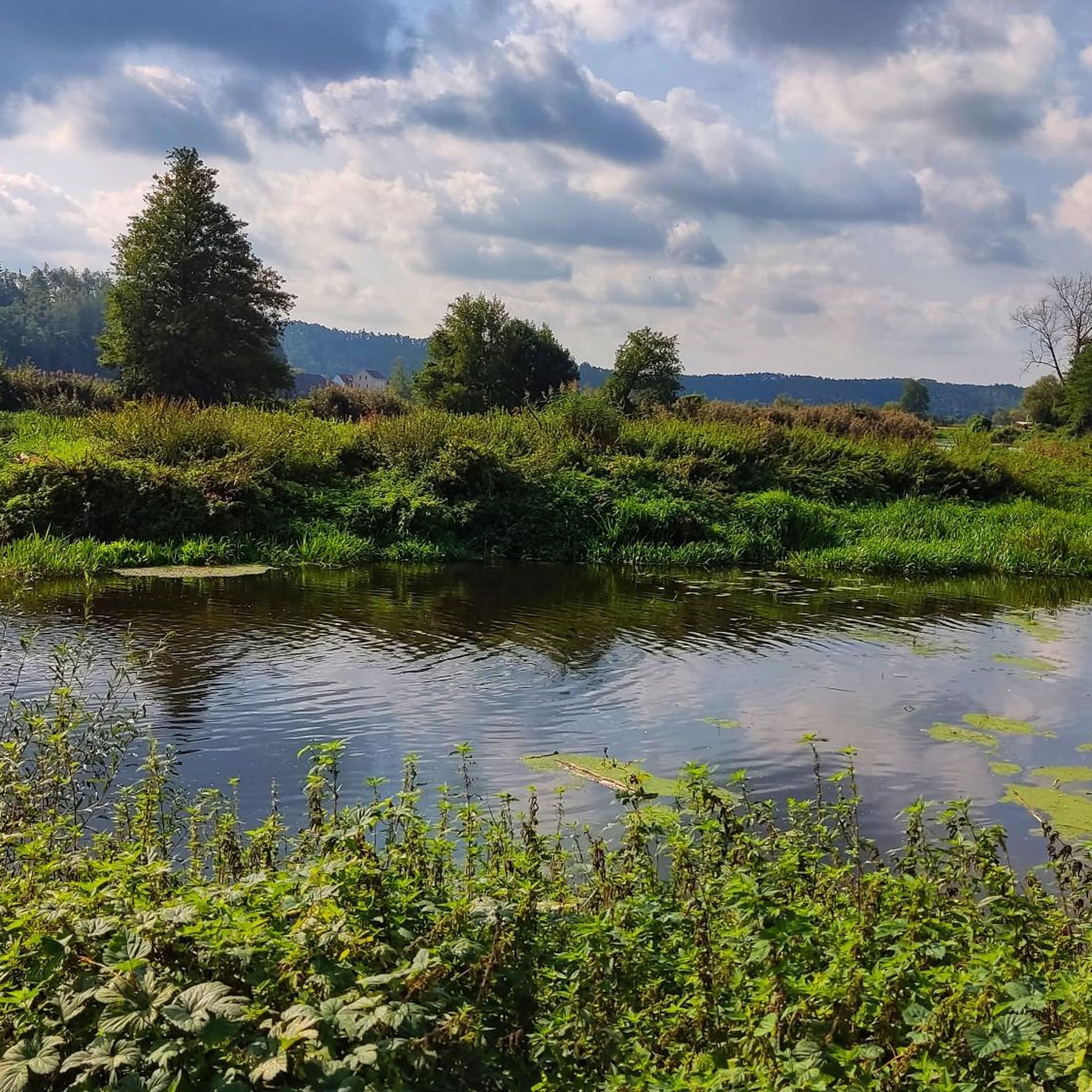

Tips from the Community

Upper Castle The Upper Castle was built as a moated castle by the Lords of Schmidmühlen. From the mid-12th century, they are documented here, starting with Ernst von Schmidmühlen (1166–1170). Georg Hausner von Winbuch (1595–1614), administrator in Regenstauf, was the builder of the present castle. The year 1600 is located on one of the magnificent door frames of the Knights' Hall. The Upper Castle is a three-story, plastered, solid building with a gable roof. An octagonal stair tower is attached, and another extension to the west. In this castle, there was also a small chapel on the ground floor, which, however, has long been filled in and walled up. At the top of the tower is a round ceiling, painted with flowers and rosettes, supported by a delicate wooden column. The entire second upper floor belongs, due to its furnishings, to the most interesting holdings of the German Renaissance. The profane wall paintings located there are reminiscent of those in the ducal castle Trausnitz in Landshut. During the Second World War and afterwards, the Upper Castle suffered greatly from billeting by the occupying forces. Thus, a valuable ceramic stove was destroyed on the second floor. In 1937, the castle came into the possession of the market town of Schmidmühlen. Since the post-war period, the castle has served the market town of Schmidmühlen as its town hall. Between 1977 and 1980, a thorough restoration took place, during which the castle and also the castle garden changed their appearance. The renovation was completed in 2003. The local history and association museum of Schmidmühlen is also housed in the castle. In front of the castle, on the well, stands the cast image of a Moriskentänzer, reminiscent of the Schmidmühlen sculptor Erasmus Grasser, who created the famous late Gothic Moriskentänzer for the festival hall in the Old Town Hall of Munich. Source: Wikipedia
4
0

Wonderful sections of the route in a magnificent area
1
0

It already looks impressive when you pass by.
0
0

The wooden sphere is certainly a highlight on the lake. Personally, however, it wouldn't be worth €13 entrance fee for me (as of May 2026)
1
0

nice to ride on the old railway line
0
0
Lake Steinberger Lake Steinberger is part of the Upper Palatinate Lake District and, with an area of 1.84 km², is the largest lake in the Upper Palatinate. It was named after the municipality of Steinberg am See. It is 1.98 km long, 1.4 km wide, and has a maximum depth of 50 meters. The Schreckerbach stream feeds and drains the lake. After the Bavarian lignite industry ceased mining operations in the mid-1980s, the open-cast mine "Steinberger See" was flooded by reducing the water level. Remaining mining equipment was demolished and still lies on the lakebed. Two small, wooded islands also remain, which now divide the lake into a northern and a southern section. In the following decades, tourism developed at Lake Steinberger, bringing a degree of economic growth to the region. In addition to the Steinberger Yacht Club (SYC), founded in 1987, the area now boasts a sailing school, a water ski lift, a boat rental, a leisure park for families and children, a surf club, and most recently, an adventure golf course and a roughly 40-meter-high wooden "adventure sphere" with viewing platforms, an obstacle course, and a giant slide. Numerous restaurants, inns, and cafés complement the leisure offerings. A water rescue station has been established for the safety of visitors. Due to the increasing improvement in water quality and visibility in recent years, Lake Steinberger has become one of the most popular diving areas in the Upper Palatinate. Like all lakes in the Upper Palatinate Lake District, which originated from lignite mines, the water is acidic due to leaching. Because of the ongoing improvement in water quality, fish populations are steadily increasing. Perch and the occasional pike have been observed most frequently. The water is very clean; on windless days, visibility is possible to a depth of at least 10 meters. Occasionally, the tops of dead trees can be seen on the bottom. According to the ordinance issued by the Schwandorf District Office on August 8, 2002, the entire Steinberger See is open for diving. Especially in summer and winter, very good visibility (up to 20 meters) has been possible in recent years. Source: Excerpts from www.wikipedia.de
4
0

Beautiful section between Marienthal ferry and the crossing!
0
0

Frequently Asked Questions
How many touring cycling routes are available around Burglengenfeld?
There are over 140 touring cycling routes around Burglengenfeld, offering a wide variety of options for different skill levels and preferences. These include routes along serene river valleys, through rolling hills, and dense forests.
What kind of terrain can I expect when touring cycling near Burglengenfeld?
The terrain around Burglengenfeld is quite diverse. You'll find many flat, scenic paths along the Naab and Vils rivers, perfect for relaxed rides. For those seeking more challenge, the proximity to the Bavarian Jura offers routes with significant elevation gains and rolling hills. The area also features extensive forest paths, providing shaded and tranquil cycling experiences.
What do other cyclists say about touring cycling in Burglengenfeld?
The touring cycling routes in Burglengenfeld are highly rated by the komoot community, with an average score of 4.5 stars from over 570 reviews. More than 3,700 touring cyclists have used komoot to explore the varied terrain, often praising the scenic river paths and the diverse landscapes.
Are there easy, family-friendly touring cycling routes in Burglengenfeld?
Yes, Burglengenfeld offers several easy and family-friendly touring cycling routes, particularly along the Naab and Vils rivers. These paths are largely flat and follow the natural course of the rivers, making them suitable for all ages. The Naabtal Cycle Path, for instance, is known for its gentle gradients and scenic riverside sections.
Are there challenging touring cycling routes for experienced riders in Burglengenfeld?
Absolutely. For experienced riders seeking a challenge, the region's proximity to the Bavarian Jura provides routes with significant elevation gains. One such route is the Lauterachtal Cycle Path – Forellenbach Bridges loop from Lanzenried, which is classified as difficult and features over 790 meters of elevation gain over 77 kilometers.
What natural features can I explore on a touring bike around Burglengenfeld?
You can explore a rich variety of natural features. The Naab and Vils river valleys offer picturesque riverside paths. The region also boasts rolling hills of the Bavarian Jura and dense forests, providing diverse scenery. Nearby lakes like Lake Steinberg are also popular cycling destinations, with paths around their perimeters.
Are there any circular touring cycling routes in the area?
Yes, many touring cycling routes around Burglengenfeld are designed as loops. For example, the Kallmünz and the Vils Valley – House without a Roof (Kallmünz) loop from Burglengenfeld is a moderate 32-kilometer circular path. Another option is the Lake Steinberg – Lake Steinberger loop from Burglengenfeld, which takes you around the lake.
What historical landmarks or attractions can I see along the touring cycling routes?
The region is rich in historical sites. Along your rides, you can encounter places like the historic town of Kallmünz, often called an 'artist's village,' with its castle ruins and unique cave dwellings. You might also pass by castles such as Oberes Schloss Schmidmühlen (Town Hall) or Stockenfels Castle Ruins. Burglengenfeld itself has a well-preserved historic old town and Burglengenfeld Castle.
Are there long-distance touring cycling routes accessible from Burglengenfeld?
Burglengenfeld is a hub for several significant long-distance cycling routes. The Naabtal Cycle Path, approximately 97 kilometers long, follows the Naab River. Additionally, Burglengenfeld is part of the 300-kilometer Five Rivers Cycle Route, which offers a varied experience through Bavaria, encompassing the Danube, Altmühl, Pegnitz, Vils, and Naab rivers.
When is the best time of year to go touring cycling in Burglengenfeld?
The best time for touring cycling in Burglengenfeld is typically during spring and autumn. During these seasons, the weather is generally pleasant, and the foliage in the forests and along the river valleys is particularly vibrant, offering beautiful scenic rides. Summer can also be enjoyable, especially on shaded forest paths.
Can I find places to eat or stay near the cycling routes?
Yes, the region offers various options for refreshments and accommodation. Towns and villages along the Naab and Vils rivers, such as Kallmünz and Burglengenfeld, have cafes, pubs, and restaurants. You'll also find accommodation options ranging from guesthouses to hotels, particularly in the larger towns, making it convenient for multi-day tours.
Are there any routes that pass by lakes or offer water sports activities?
Yes, routes like the Lake Steinberg – Lake Steinberger loop from Burglengenfeld take you directly to Lake Steinberg. This lake is a popular recreational spot where you can find opportunities for water sports, including wakeboarding and waterskiing at places like Wild Wake Park.
Most popular routes around Burglengenfeld
Most popular attractions around Burglengenfeld

Get inspired with the komoot mobile app


Explore more
Browse the best Cycling routes in other regions.
