Attractions and Places To See in Río Negro - Top 20
Best attractions and places to see in Río Negro span from the Andean mountains to the Atlantic coastline, offering a wide array of natural features and cultural sites. This Argentine province in Patagonia is characterized by its vast natural areas, including glacial lakes, snow-capped peaks, and extensive forests. Visitors can explore a variety of landscapes, from high-altitude refuges to coastal beaches and historic settlements. The region provides opportunities for outdoor activities and cultural discovery across its diverse terrain.
Best attractions…
Last updated: July 17, 2026
Frey Shelter
Highlight • Mountain Hut
Translated by Google •
Tip by

Colonia Suiza
Highlight • Settlement
Tip by

Sign up now to discover places like this
Get recommendations on the best single tracks, peaks, & plenty of other exciting outdoor places.
Sign up for free
Toncek Lagoon
Highlight • Lake
Translated by Google •
Tip by
Llao Llao Viewpoint
Highlight • Viewpoint
Translated by Google •
Tip by
Circuito Chico in Nahuel Huapi National Park
Highlight • Trail
Many people cycle the Circuito along the main road.
Translated by Google •
Tip by

Schmoll Lagoon
Highlight • Lake
Translated by Google •
Tip by
Cerro San Martin
Highlight • Summit
Translated by Google •
Tip by
View of Lago Moreno
Highlight • Viewpoint
Translated by Google •
Tip by

Beach and View of Lake Nahuel Huapi
Highlight • Beach
Translated by Google •
Tip by

Los Duendes Waterfall
Highlight • Waterfall
Translated by Google •
Tip by
Sign up for free to discover even more attractions in Río Negro.
Sign up for free
Already have an account?
Start today with a free account
Your next adventure awaits.
Login or Signup
Other adventures in Río Negro

Tips from the Community

Cerro San Martín (1248 m), in Villa Catedral, offers a privileged panoramic view thanks to its position between Cerro Catedral and Cerro Otto, with sweeping vistas that also include Lake Gutiérrez. It's a short and very rewarding climb, ideal for those seeking a different viewpoint without venturing far from Bariloche. The terrain can be rocky in some sections, so sturdy footwear is recommended, and caution is advised on the descent.
1
0

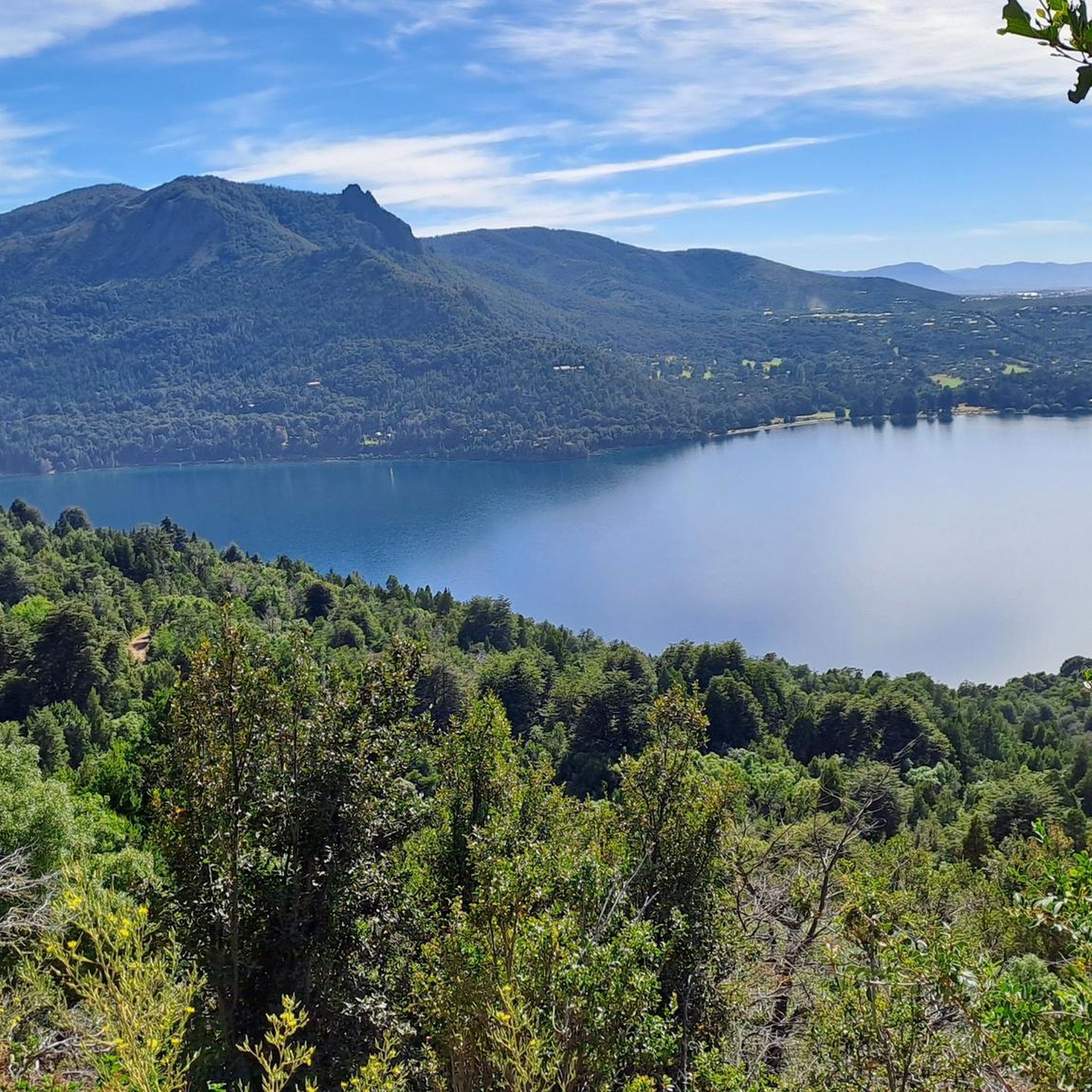
From this spot you'll have a privileged view of Lake Moreno. There are benches perfect for enjoying the moment, having a snack, and admiring the scenery.
0
0
Toncek Lagoon, located at an altitude of 1,700 meters on Cerro Catedral, is notable for the intense green color of its waters and its surrounding granite towers, which attract mountaineers and photographers. On its shores stands the Emilio Frey Refuge, a key point for hikers exploring Nahuel Huapi National Park. In summer, it's an ideal place to rest after a hike and enjoy the views, while in winter it often freezes over, creating a spectacular landscape.
2
0
Refugio Frey, at an altitude of 1,700 meters next to Laguna Toncek in Nahuel Huapi National Park, is one of Bariloche's most iconic mountain destinations. Surrounded by granite towers ideal for climbing, it offers lodging for mountaineers and hikers arriving after a trek from Cerro Catedral or Lago Gutiérrez. In summer, it's perfect for trekking and rock climbing, while in winter it attracts expert skiers with its steep slopes and abundant snow. Access requires good footwear and caution due to the unpredictable weather conditions typical of high mountain terrain.
2
0
Laguna Schmoll, located at an altitude of 1,900 meters on Cerro Catedral within Nahuel Huapi National Park, is a small, green lake fed by Andean snowmelt. Surrounded by rock formations, it offers an ideal panoramic viewpoint for those following the trail to the Emilio Frey Refuge. In summer, access is challenging but manageable for hikers with good footwear; in winter, the lake is usually covered by a thick layer of snow.
0
0
The Llao Llao Lookout, located 1,080 meters above sea level, offers one of the most iconic views of the "Circuito Chico" (Small Circuit). From here, you can see Lake Moreno, the López and Capilla hills, and the Brazo Tristeza (Sadness Arm) of Lake Nahuel Huapi. It's an ideal spot to stop and enjoy the Patagonian landscape, although it's advisable to stay away from the cliffs and keep a close eye on children for their safety.
1
0

Ideal place for a stop and lunch
0
0
It is worth going up to the viewing points from the beach.
0
0
Frequently Asked Questions
What are some must-see natural features in Río Negro?
Río Negro boasts diverse natural landscapes. You can explore the stunning glacial waters of Toncek Lagoon, known for its intense green color, or visit the Los Duendes Waterfall in the Bariloche area. The province also features the vast Nahuel Huapi National Park, home to Lake Nahuel Huapi and snow-capped peaks like Cerro Tronador, and the Atlantic coastline with popular beaches like Las Grutas and Playas Doradas.
Where can I find the best panoramic views in Río Negro?
For breathtaking vistas, head to the Llao Llao Viewpoint, which offers iconic views of Lake Moreno, the López and Capilla hills, and the Brazo Tristeza of Lake Nahuel Huapi. Another excellent spot is Cerro San Martin, providing privileged panoramic views between Cerro Catedral and Cerro Otto, including Lake Gutiérrez. The Cerro Lopez Trail also promises spectacular views of Nahuel Huapi.
Are there family-friendly attractions in Río Negro?
Yes, Río Negro offers several family-friendly options. Colonia Suiza is a charming settlement with a relaxed atmosphere, perfect for families. The Beach and View of Lake Nahuel Huapi provides a lovely spot for relaxation by the water. Many coastal areas, such as Las Grutas and Playas Doradas, are also ideal for family holidays with warm waters and wide beaches.
What kind of outdoor activities can I do near these attractions?
Río Negro is a paradise for outdoor enthusiasts. Near the attractions, you can find numerous opportunities for cycling, running, and hiking. For cycling, explore routes like the 'Circular a la laguna Ilón' in Nahuel Huapi National Park. Runners can enjoy trails such as 'Mirador Nahuel Huapi loop from San Carlos de Bariloche'. Hikers have options like the 'Piedra de Habsburgo Trail' or the 'Arrayanes Trail Loop'. You can find more details on these activities in the Cycling in Río Negro, Running Trails in Río Negro, and Easy Hikes in Río Negro guides.
What cultural or historical sites are worth visiting in Río Negro?
The province has a rich cultural heritage. In Bariloche, the Centro Cívico is a notable architectural landmark, and the Cathedral Our Lady of Nahuel Huapi is a significant religious site. Viedma, the provincial capital, features the Faro de la Barra del Río Negro, a provincial historical monument. You can also explore museums like the Museo Carlos Ameghino in Cipolletti, which exhibits faunal samples and fossils, or the Museo Duamn Ruca in Sierra Grande, tracing indigenous history.
What is the best time to visit Río Negro for outdoor activities?
The best time to visit Río Negro largely depends on the activities you plan. Summer (December to February) is ideal for hiking, cycling, and enjoying the lakes and beaches, with warmer temperatures. Winter (June to August) is perfect for snow sports, especially around Bariloche and Cerro Catedral. Spring and autumn offer milder weather, fewer crowds, and beautiful landscapes for trekking.
Are there any unique natural phenomena or landscapes to see?
Absolutely. Beyond the well-known lakes and mountains, Río Negro offers unique sights like the Schmoll Lagoon, a green water mirror at 1900 meters in Cerro Catedral, fed by Andean snowmelt. The Bosque de Arrayanes (Myrtle Forest), accessible from Puerto Pañuelo in Bariloche, is a unique forest known for its stunning myrtle trees. The Atlantic coastline also features Playas Doradas, famous for its golden sands.
What is the 'Circuito Chico' and what does it offer?
The Circuito Chico in Nahuel Huapi National Park is a scenic route near Bariloche that showcases breathtaking views of the national park. It can be explored by car, bike, or on foot, offering opportunities to discover stunning oases and panoramic viewpoints like the Llao Llao Viewpoint. It's a popular way to experience the region's natural beauty.
What do visitors enjoy most about the mountain refuges in Río Negro?
Visitors highly appreciate the remote beauty and challenging yet rewarding experience of reaching mountain refuges. The Frey Shelter, for instance, is praised for its dramatic mountain landscape, the opportunity to disconnect, and its appeal to mountaineers and hikers. The surrounding granite towers near refuges like Frey are particularly popular for climbing, and the views of the surrounding peaks are often described as breathtaking.
Can I find traditional Patagonian food in Río Negro?
Yes, Río Negro is an excellent place to experience traditional Patagonian cuisine. You can savor the famous Patagonian Lamb and Argentine Asado. In places like Colonia Suiza, you can try Curanto, a traditional Patagonian dish cooked in an earth oven. Bariloche is also renowned for its exquisite handmade chocolates, with a dedicated Chocolate Route for enthusiasts.
Are there any unique transportation experiences in the region?
For a unique journey, consider the Ruta de los Siete Lagos (Route of the Seven Lakes), a famous scenic drive showcasing beautiful lakes and forests. Another historical and charming option is La Trochita, also known as the Old Patagonian Express, a narrow-gauge railway that offers a nostalgic trip through the Patagonian landscape.
What are some attractions near El Bolsón?
El Bolsón, located 129 km from Bariloche, is known for its handicrafts and regional products. Nearby, you can find Lago Puelo National Park, offering beautiful views of the lake and the Andes Mountains. The Río Azul-Lago Escondido Natural Protected Area is also close, known for its dense Andean forests, mountains, and beautiful lakes and rivers, ideal for hiking and horseback riding. The Hidden Waterfall is another natural attraction accessible from El Bolsón.
Most popular attractions in Río Negro

Get inspired with the komoot mobile app


Didn’t find what you were looking for?
Are you keen on exploring more awesome places nearby? Browse our guides:
Explore more
Still not found the Highlight you’re looking for? See guides of the top attractions in other regions:
