Top 20 Castles around Langenau
Best castles around Langenau are found in a region characterized by its historical significance and diverse landscapes, from the Danube River valley to the Swabian Alb foothills. The area offers a blend of natural beauty and cultural heritage, with various historical sites dotting the landscape. This part of Baden-Württemberg provides opportunities for exploring both well-preserved fortresses and ancient ruins. The proximity to the Danube and other natural features makes it a notable destination for outdoor activities combined with historical exploration.
…Last updated: October 23, 2026
Wilhelmsburg Fortress, Ulm
Highlight • Castle
Showing Translation
Tip by

Kaltenburg Ruins
Highlight • Castle
Translated by Google •
Tip by

Sign up now to discover places like this
Get recommendations on the best single tracks, peaks, & plenty of other exciting outdoor places.
Fort Unterer Eselsberg
Highlight • Historical Site
Translated by Google •
Tip by

Margrave's Palace, Günzburg
Highlight • Castle
Translated by Google •
Tip by

Fort Albeck
Highlight • Historical Site
Translated by Google •
Tip by

Sign up for free to discover even more castles around Langenau.
Already have an account?
Start today with a free account
Your next adventure awaits.
Popular around Langenau
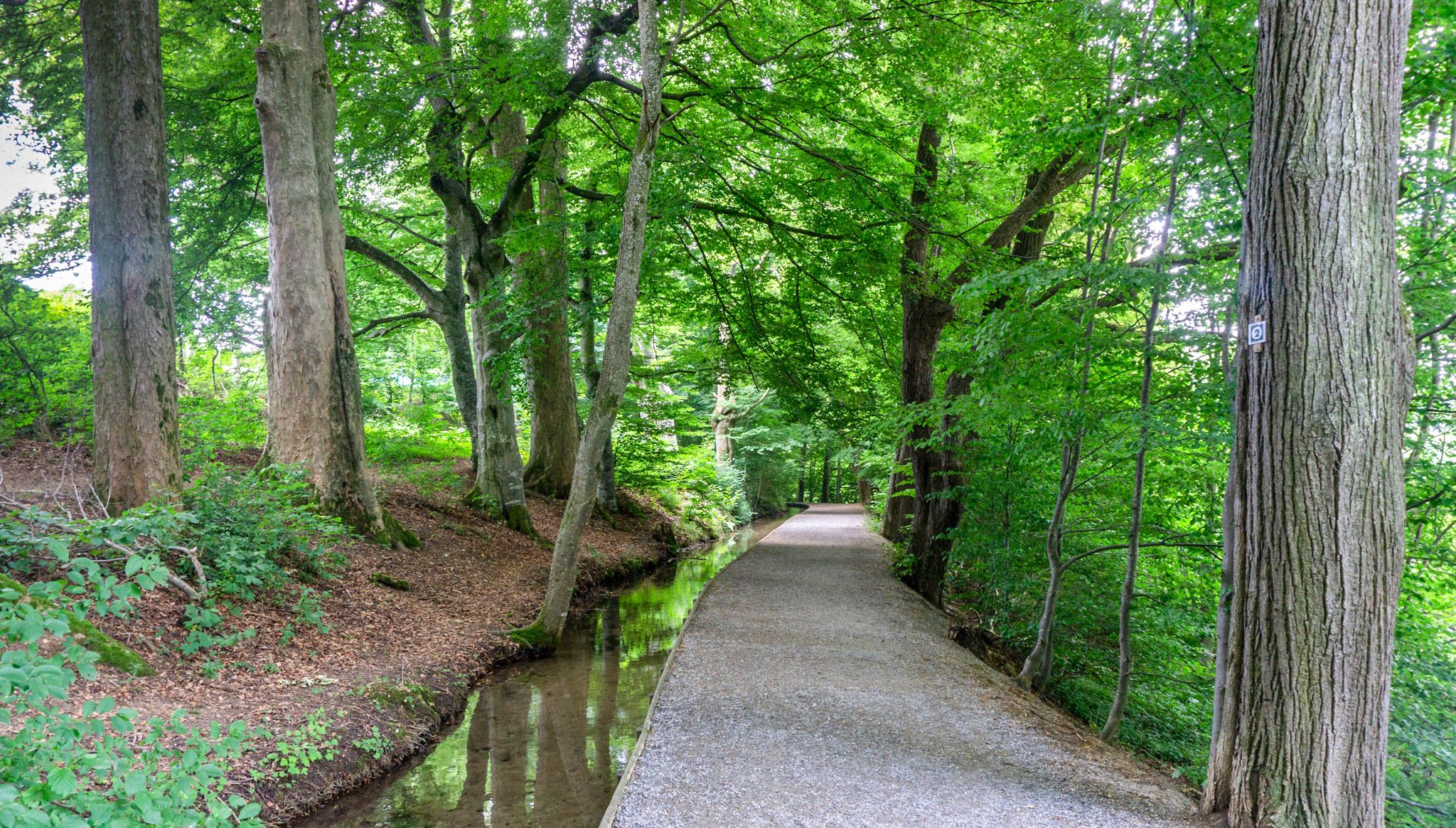
Main-Danube-Lake Constance Trail – Along iconic waters
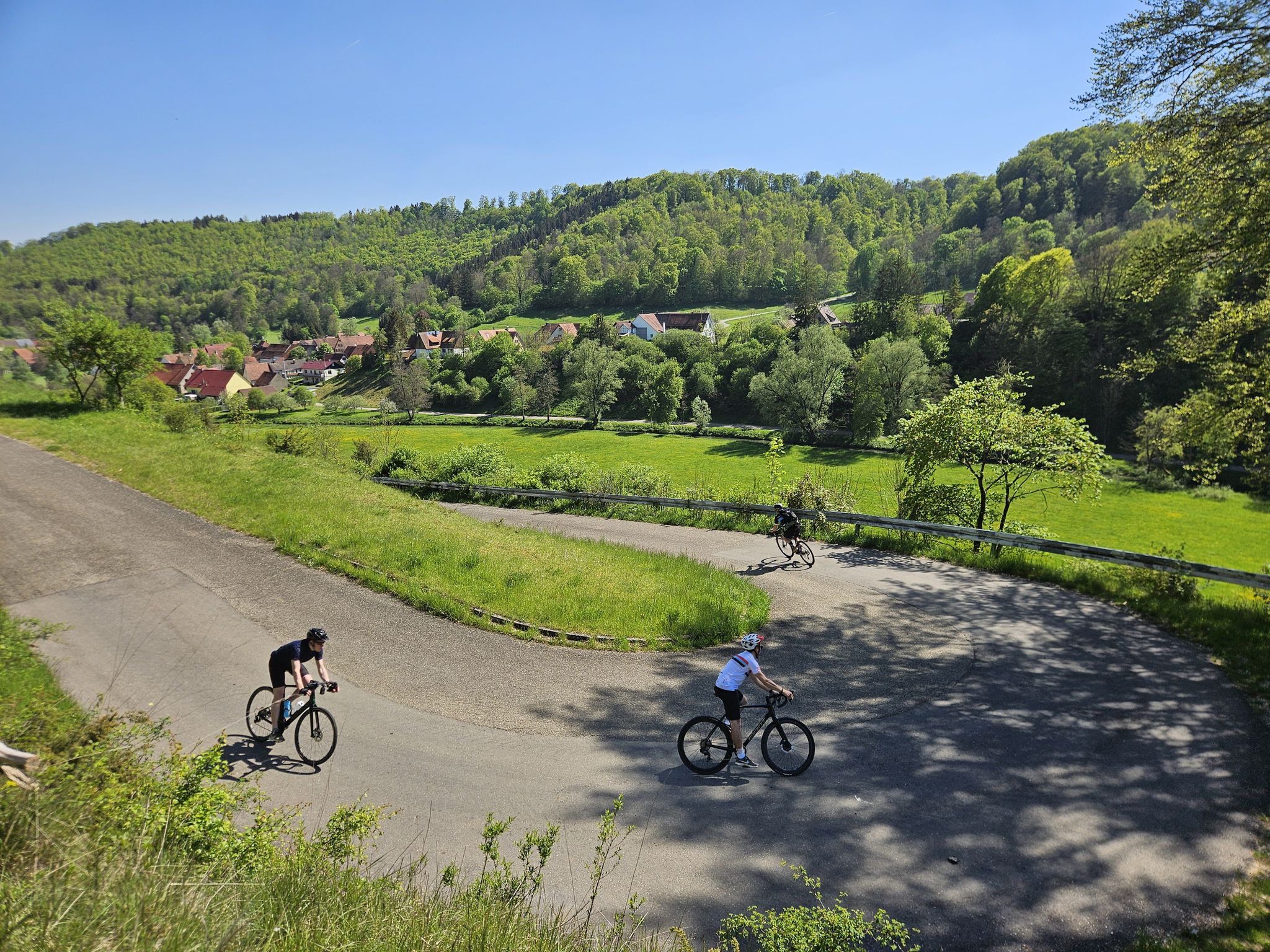
From mountain sprints to winding roads – the Tour de Alb road cycling adventure
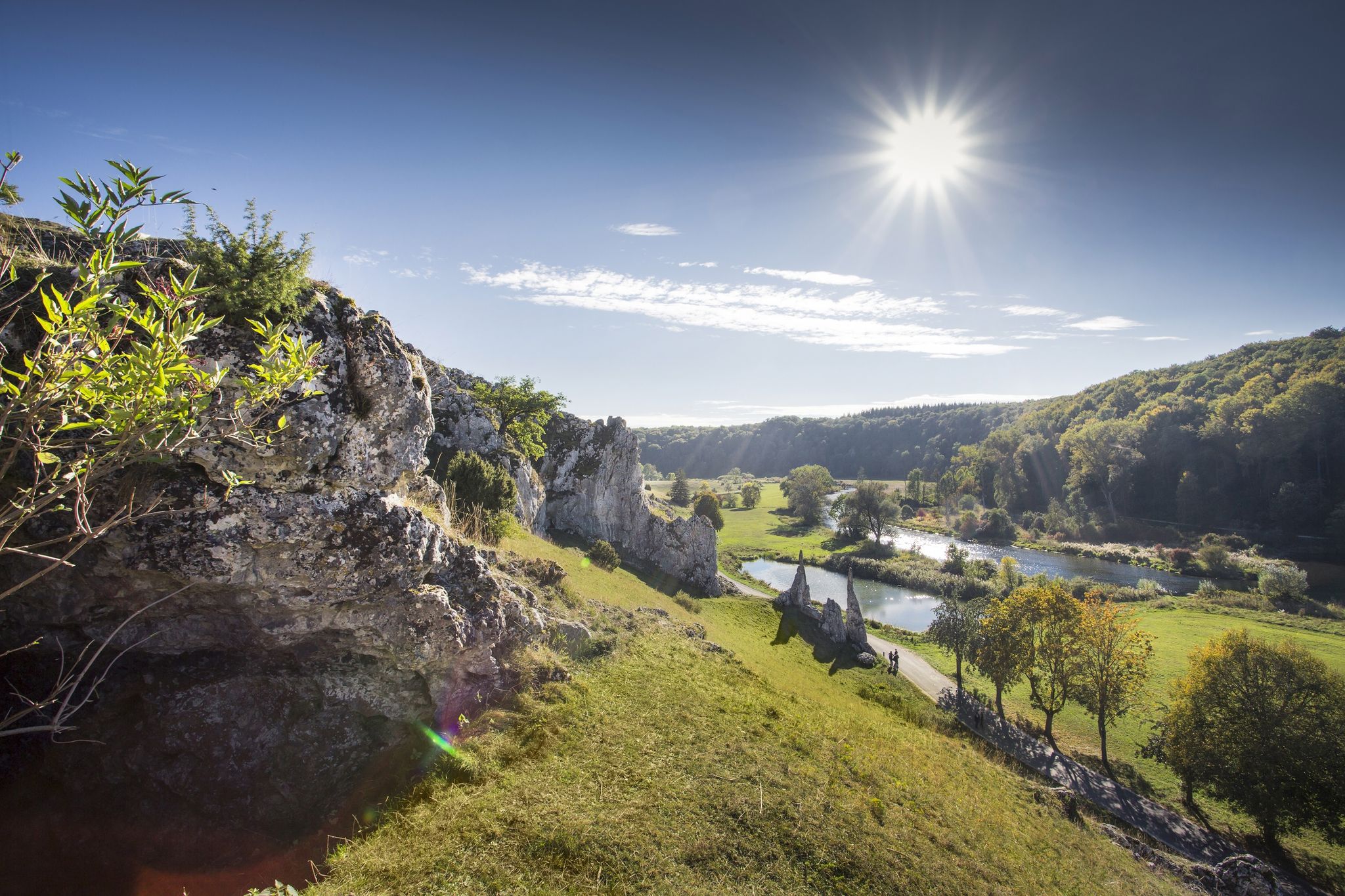
Albtäler Cycle Tour — discover the beautiful valleys of the Swabian Jura
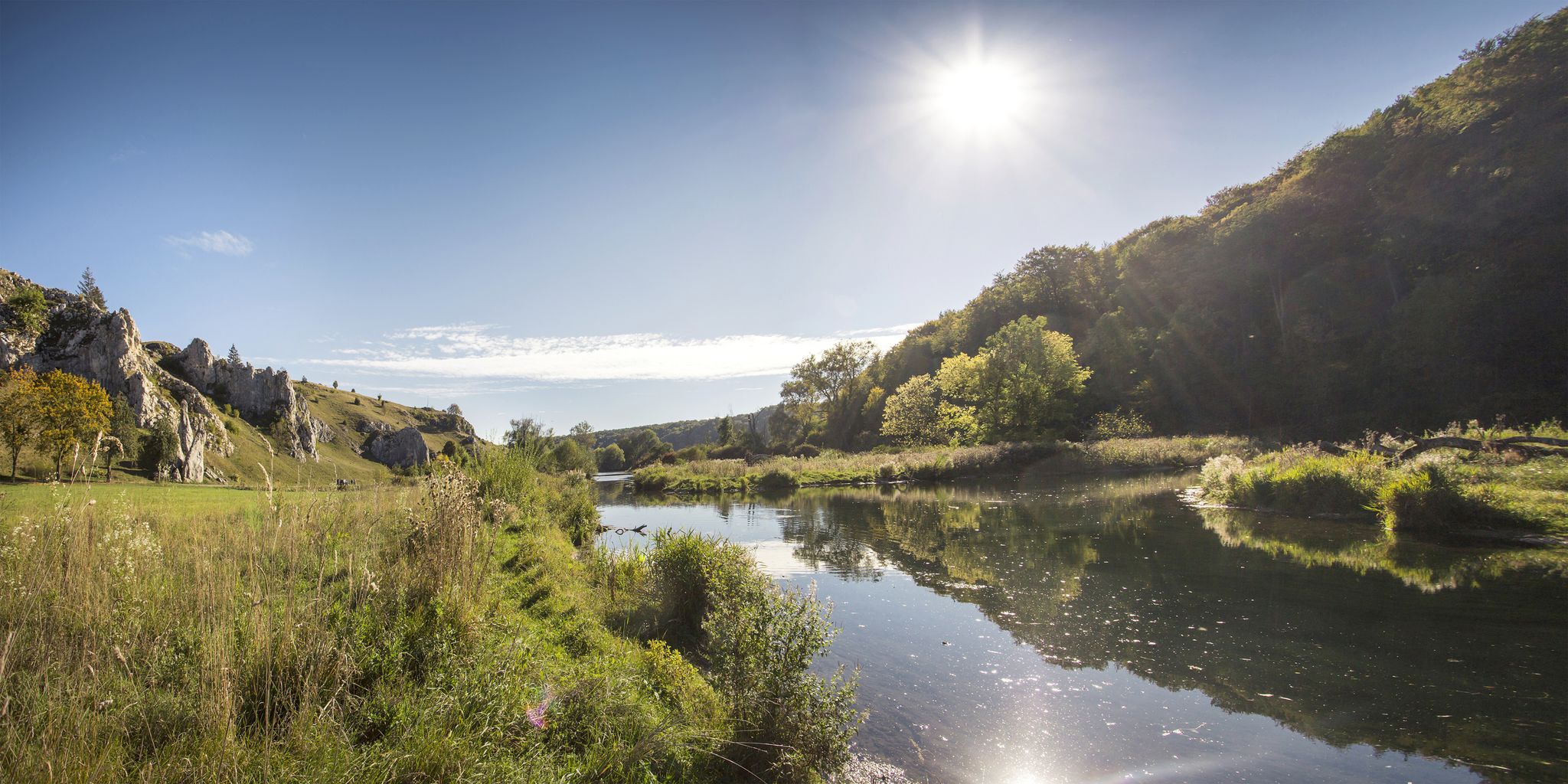
Albtäler Cycle Tour — discover the beautiful valleys of the Swabian Jura
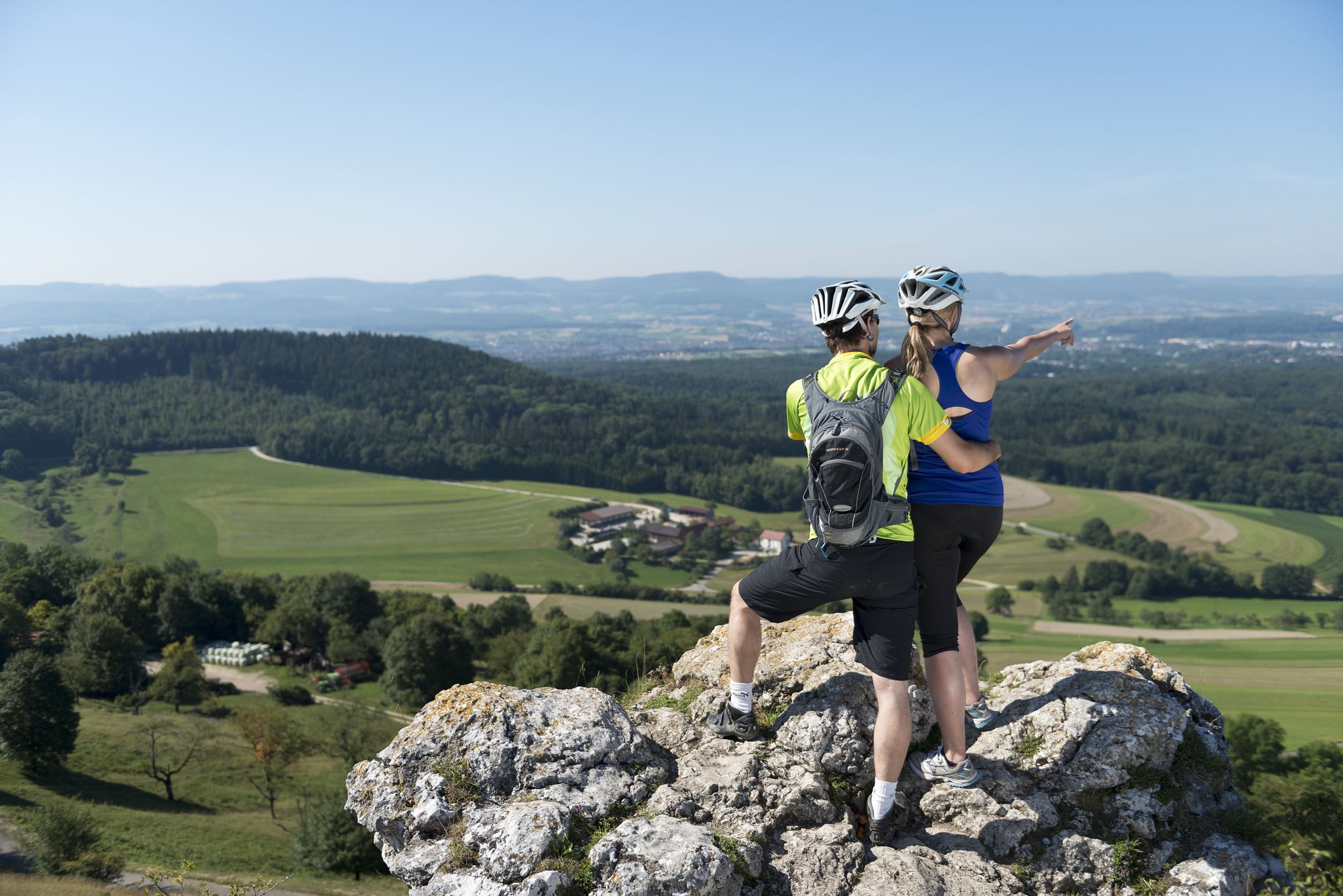
9 beautiful day rides in the Swabian Jura in Germany
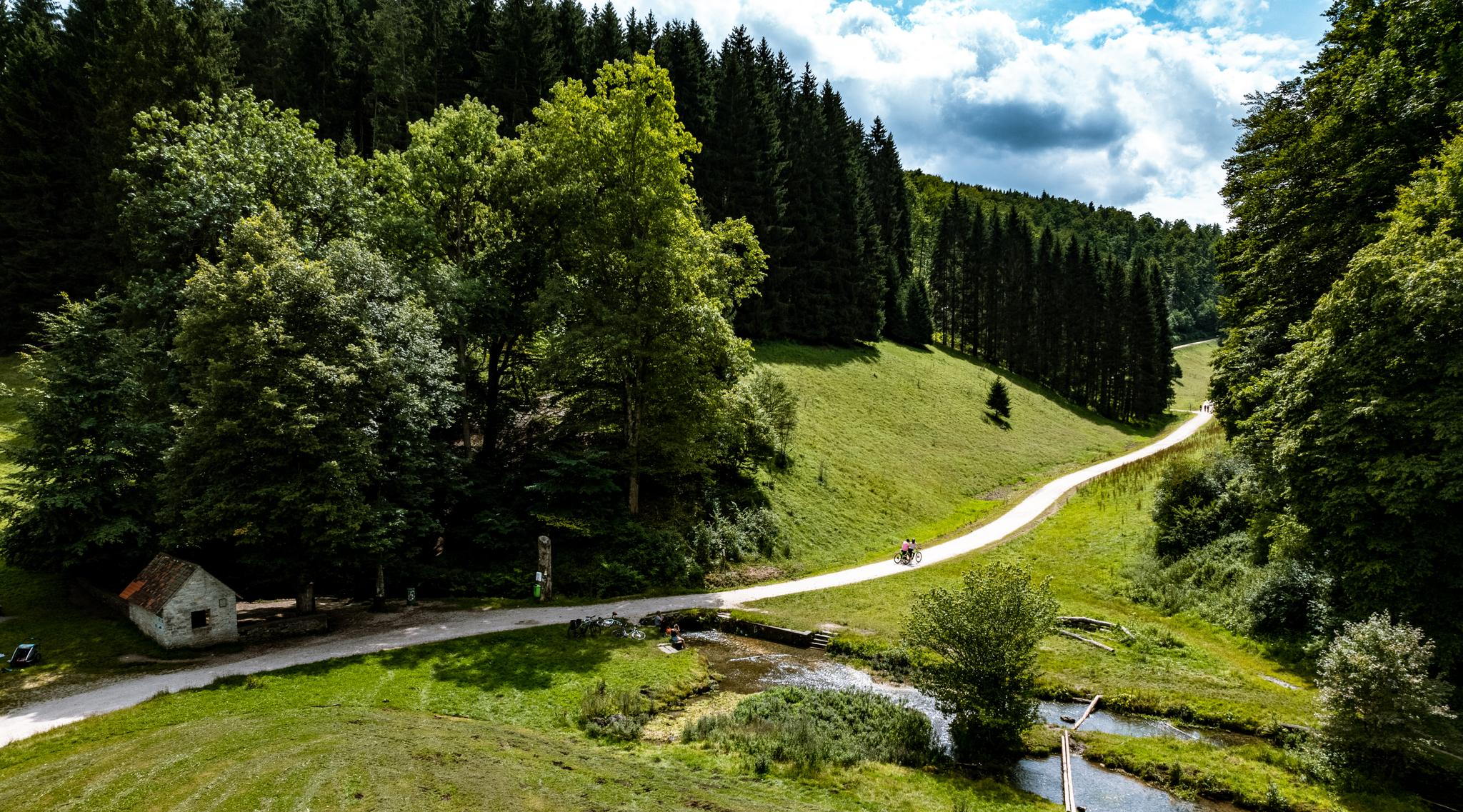
On the Albtäler cycle path through the most beautiful valleys of the Swabian Alb
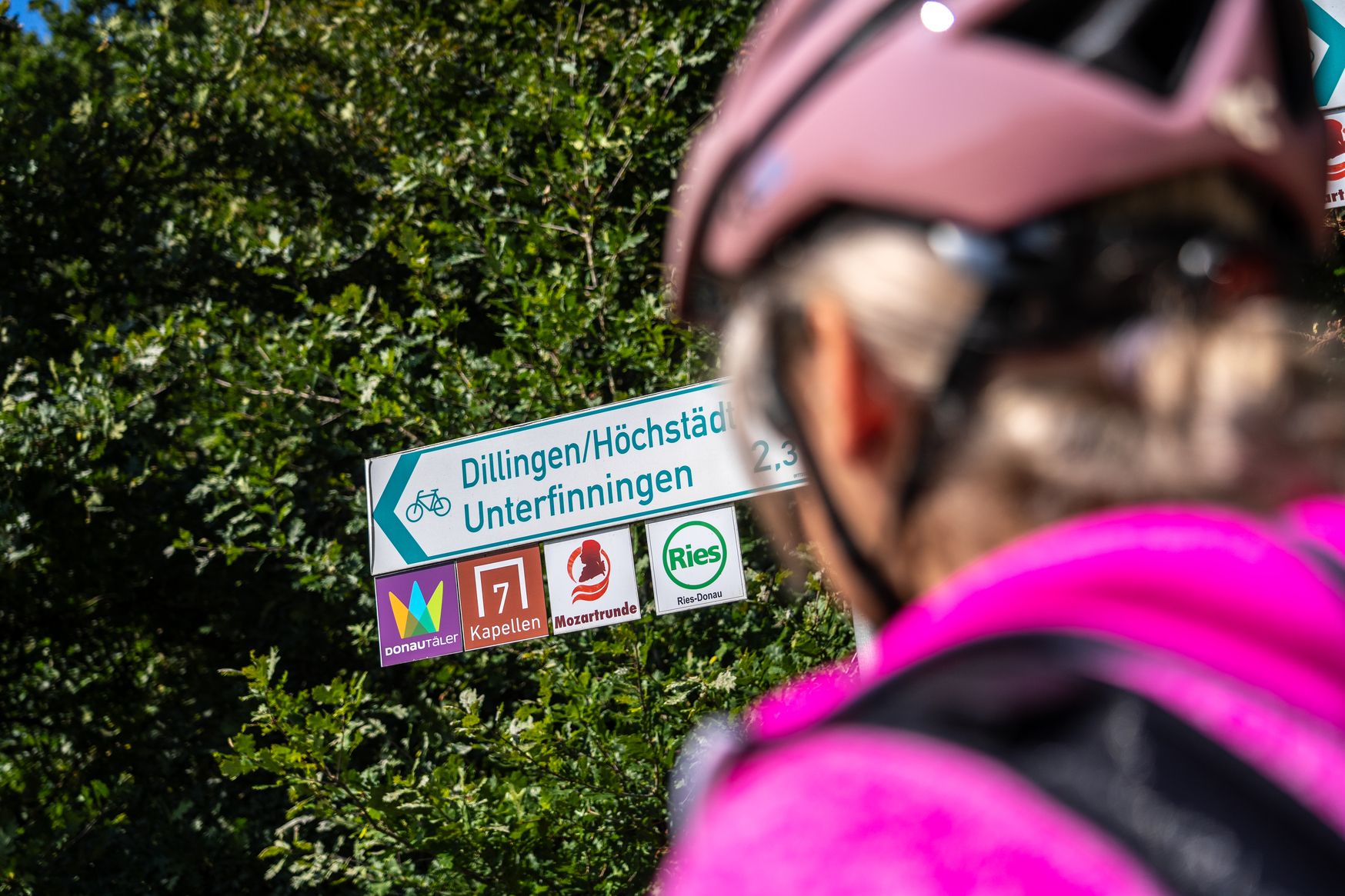
DonauTäler – Radfahren zwischen Donau und Nebentälern
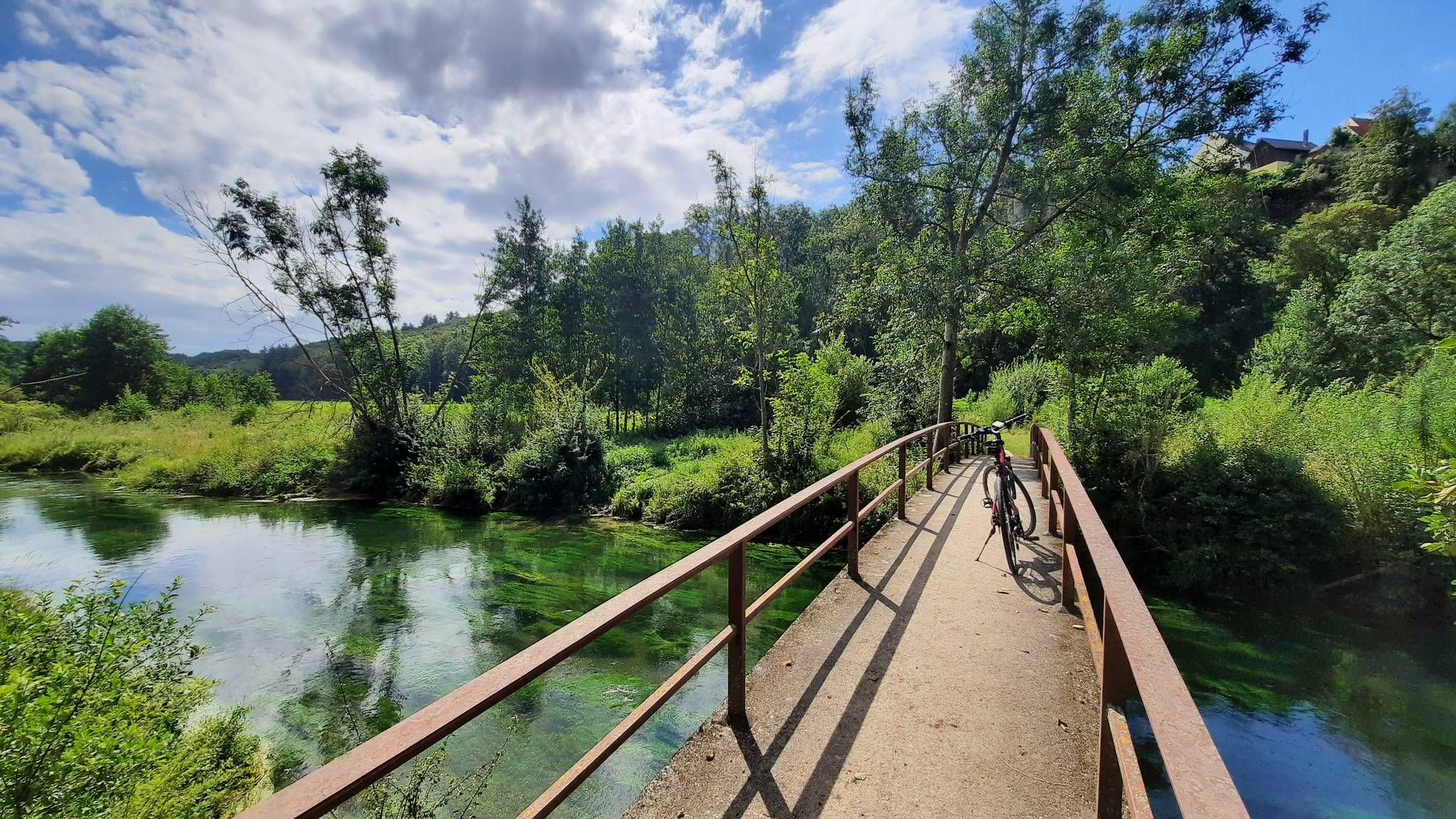
Weltkultur erfahren – Mit dem Rad unterwegs im Alb-Donau-Kreis

Cycling around Langenau

Hiking around Langenau
Other adventures around Langenau


Tips from the Community

I am very surprised and impressed by the size of Wilhelmsburg, Fort XII; I hadn't expected that. The 200 m x 130 m castle was built between 1842 and 1849 as the centerpiece of the Ulm Federal Fortress. The citadel could accommodate 6,951 men, and the inner courtyard covers 1.3 hectares. The history of its post-military use is also interesting. Everything is well documented on site.
8
0

The Margrave's Palace is a three-winged palace complex located in the center of Günzburg, featuring architectural elements from various periods. The Italian architect Alberto Lucchese oversaw the palace's reconstruction from 1577 to 1586 for Archduke Ferdinand II of Tyrol, costing 132,000 guilders. The palace remains the only surviving Habsburg residence in Germany and represents centuries of Austrian influence in Bavaria. The south wing of the palace houses a local history museum, while other areas serve as offices for the tax administration. Restoration work, completed in 2022, revitalized the facade of the south wing and preserved historical features while adapting it to modern requirements. Source: https://de.aroundus.com/p/7138487-markgrafenschloss-gunzburg
1
0

A predecessor of the castle was built in 1452. Around 1577-1586, a new building was constructed for Archduke Ferdinand II of Tyrol by the Italian architect Alberto Lucchese. Several town houses had to be bought for this. The names of the sellers have been preserved: Kaspar Kündig, Hans Gering and Jakob Böringer. The construction of the castle cost a total of 132,000 guilders. The neighboring lords asked the Innsbruck court chamber for free building materials "in honor of His Serene Highness". All the construction workers' invoices have been preserved. The castle complex forms a monumental focal point in the urban structure in the southwest corner of the city, which is complemented in the northwest by another dominant accent in the form of the pre-baroque complex of the former Franciscan monastery and its church. From 1609 to 1618, the city became the residence of Margrave Karl von Burgau, a strict Catholic and son of Ferdinand II in Tyrol, governor of Upper Austria. Karl and his wife Sybille had no children, so Günzburg fell back to the main Habsburg line. Both were buried in the Capuchin monastery founded by Karl in 1616. Severely damaged in a fire in 1703, the castle was rebuilt in the Baroque style by the master builder Valerian Brenner. In 1769/70, the castle was renovated by Joseph Dossenberger the Younger. Source: Wikipedia
4
0

The Margrave Castle of Günzburg, together with the former court church of Ss. Trinitatis and today's town hall, forms a monumental focal point in the urban structure of the Bavarian town of Günzburg. The castle is the only Habsburg residence that is located in Germany today. The building is now largely used as a tax office. https://de.wikipedia.org/wiki/Markgrafenschloss_Guenzburg
3
0

The Ulm Fortress Trail initially leads through the spacious grounds of the Wilhelmsburg. The construction site at Prittwitzstrasse/KönigWilhelm-Turm can be bypassed on a narrow (but sometimes slippery) path.
3
0

Location: Corner spur at the confluence of the Lone and the Hürbe. Altitude: 513m at the highest point. 498m in the courtyard. 480m in the Lone valley. Size and scope: 3996m2 and 300m ring wall. The Kaltenburg stands on a mountain spur above the Hürbe and Lone valleys. The three round towers still visible date from the Wilhelminian period, the two corner towers from the 17th century. First mentioned in 1240. The castle complex has been gradually renovated for several years. It's always worth a visit and the view is great.
3
0

Beautifully situated in the forest with a great circular path and path into it. Very well preserved and highly recommended. 👍🏻
0
0

You can smell history here
3
1
Frequently Asked Questions
What types of castles can I explore around Langenau?
The region around Langenau offers a diverse range of historical structures, including impressive fortresses, ancient ruins, and Renaissance castles. You can find everything from the massive Wilhelmsburg Fortress, Ulm, to the medieval Kaltenburg Ruins, and the Renaissance-style Leipheim Castle.
Is there a specific 'Langenau Castle' in the immediate vicinity of the town of Langenau?
While there is a prominent 'Langenau Castle' (Schloss Langenau), it is actually located in Obernhof, Germany, at the confluence of the Gelbach and Lahn rivers, not directly in the town of Langenau itself. This historic lowland castle in Obernhof features a square Romanesque tower and Gothic defensive walls. For castles closer to the municipality of Langenau (Baden-Württemberg), you'll find others like Wilhelmsburg Fortress, Ulm, and Kaltenburg Ruins.
Which castles offer a significant historical experience?
For a deep dive into history, Wilhelmsburg Fortress, Ulm is highly recommended. Built between 1842 and 1849 as the centerpiece of the Ulm Federal Fortress, its immense size and well-documented history on-site are impressive. The Kaltenburg Ruins, dating from the early 12th century, also offer a rich historical narrative, showcasing medieval architecture and ongoing preservation efforts.
Are there hiking opportunities near the castles?
Yes, many castles are situated in areas with excellent hiking opportunities. For instance, you can hike around Wilhelmsburg Fortress, Ulm, which even has a butterfly path with puzzle boards, making it engaging for children. The Kaltenburg Ruins also offer great views and serve as a starting point for various trails into the valley. You can find more hiking routes in the area by exploring the Hiking around Langenau guide.
Which castles are family-friendly?
Wilhelmsburg Fortress, Ulm is considered family-friendly, with its large grounds and a butterfly path featuring puzzle boards that can entertain children. Leipheim Castle is also listed as family-friendly. The extensive grounds of many castles provide space for exploration and outdoor activities suitable for families.
What kind of outdoor activities can I do near the castles?
Beyond exploring the castles themselves, the region offers various outdoor activities. You can find numerous hiking trails, including easy to moderate routes like the 'Young Cattle Pasture Trailhead – Nau River in the Donaumoos loop from Jungviehweide'. For cycling enthusiasts, there are gravel biking routes such as the 'Danube Riverside Path – Danube Riverside Cycle Path loop from Leipheim'. Explore more options in the Hiking around Langenau and Gravel biking around Langenau guides.
Are there any castles that offer good viewpoints?
Yes, several castles provide excellent views of the surrounding landscape. From Wilhelmsburg Fortress, Ulm, you can get a good view of Ulm, especially from the King Wilhelm Tower. The Kaltenburg Ruins also offer a great view down into the valley. These locations are ideal for photography and enjoying the scenery.
What do visitors particularly enjoy about the castles around Langenau?
Visitors frequently express surprise and impression at the sheer size and historical significance of sites like Wilhelmsburg Fortress, Ulm. The well-preserved medieval history and the extensive grounds of places like the Kaltenburg Ruins, along with their great views, are also highly appreciated. The komoot community has shared over 540 photos and given more than 440 upvotes, highlighting the visual appeal and historical depth of these locations.
What is the best time of year to visit the castles around Langenau?
The castles and their surrounding areas can be enjoyed throughout the year. Spring and autumn offer pleasant temperatures for exploring the outdoor grounds and hiking trails. Summer is ideal for longer days and outdoor activities, while winter can provide a unique, serene atmosphere, though some facilities or trails might have limited access due to weather.
Are there options for parking or public transport to reach the castles?
Information on specific parking and public transport options varies by castle. For Wilhelmsburg Fortress, Ulm, it's generally accessible, and details on parking are often available on-site. For other castles like Kaltenburg Ruins and Leipheim Castle, it's advisable to check local transport and parking information closer to your visit, as accessibility can vary.
Are there places to eat or stay near the castles?
Yes, the towns and villages surrounding the castles, such as Ulm and Leipheim, offer various dining and accommodation options. You can find cafes, pubs, and restaurants in these areas. For example, the small old town of Günzburg, near Hofkirche Günzburg, is noted for its many small shops and cafes. It's recommended to check local listings for specific establishments near the castle you plan to visit.
Can I visit a privately owned castle in the region?
While many castles are open to the public, some, like Stetten ob Lontal Castle, are privately owned and not open for public visits. This Renaissance-style castle, built in 1646, has been privately owned since 1976. It's always best to verify the accessibility of a specific castle before planning your trip.
Most popular routes around Langenau
Most popular attractions around Langenau

Get inspired with the komoot mobile app


Explore more
Looking for the best castles somewhere else? Discover other guides around Langenau:
