The best road cycling routes in Cusco
4.9
(8)
48
riders
5
rides
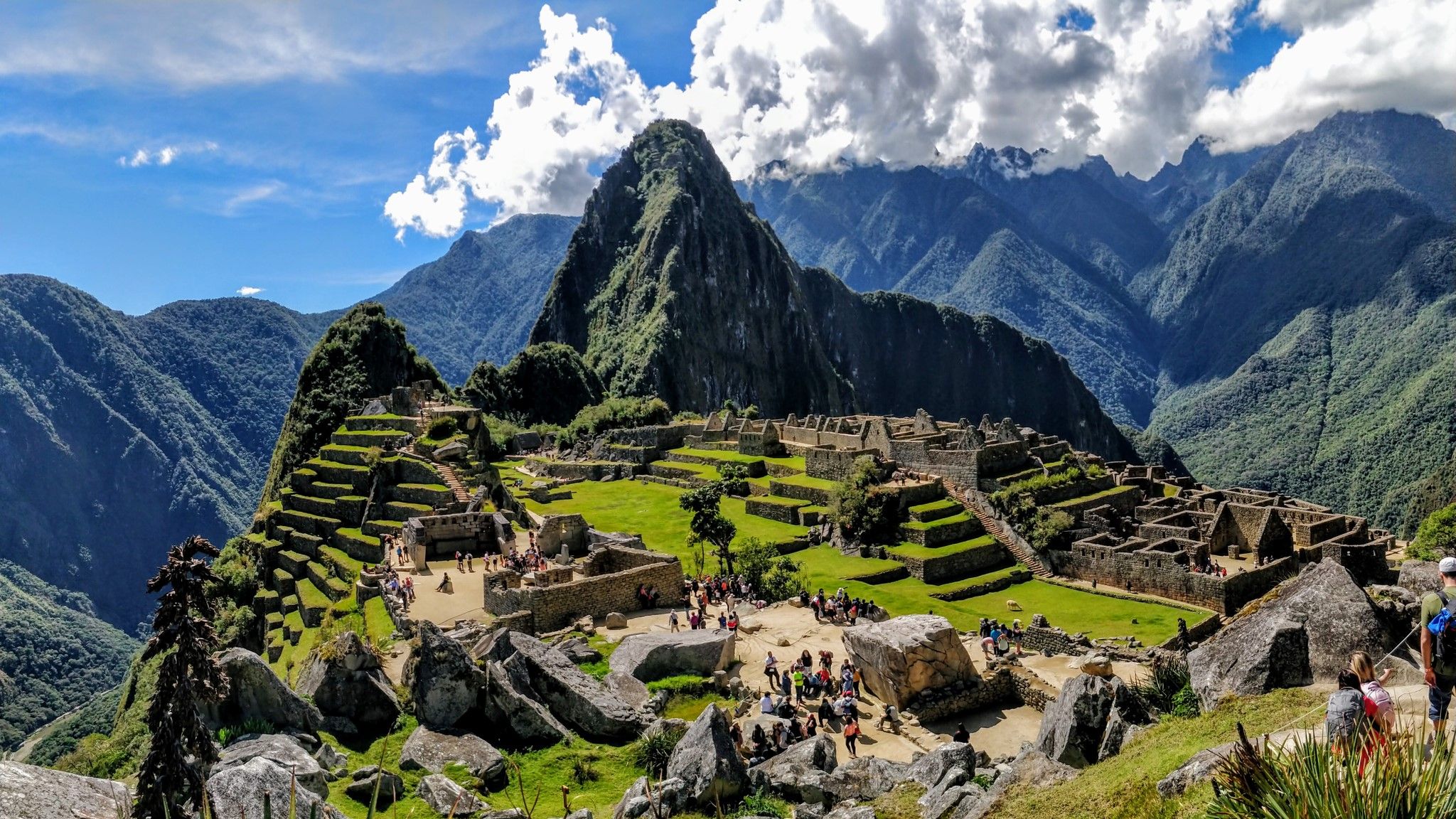
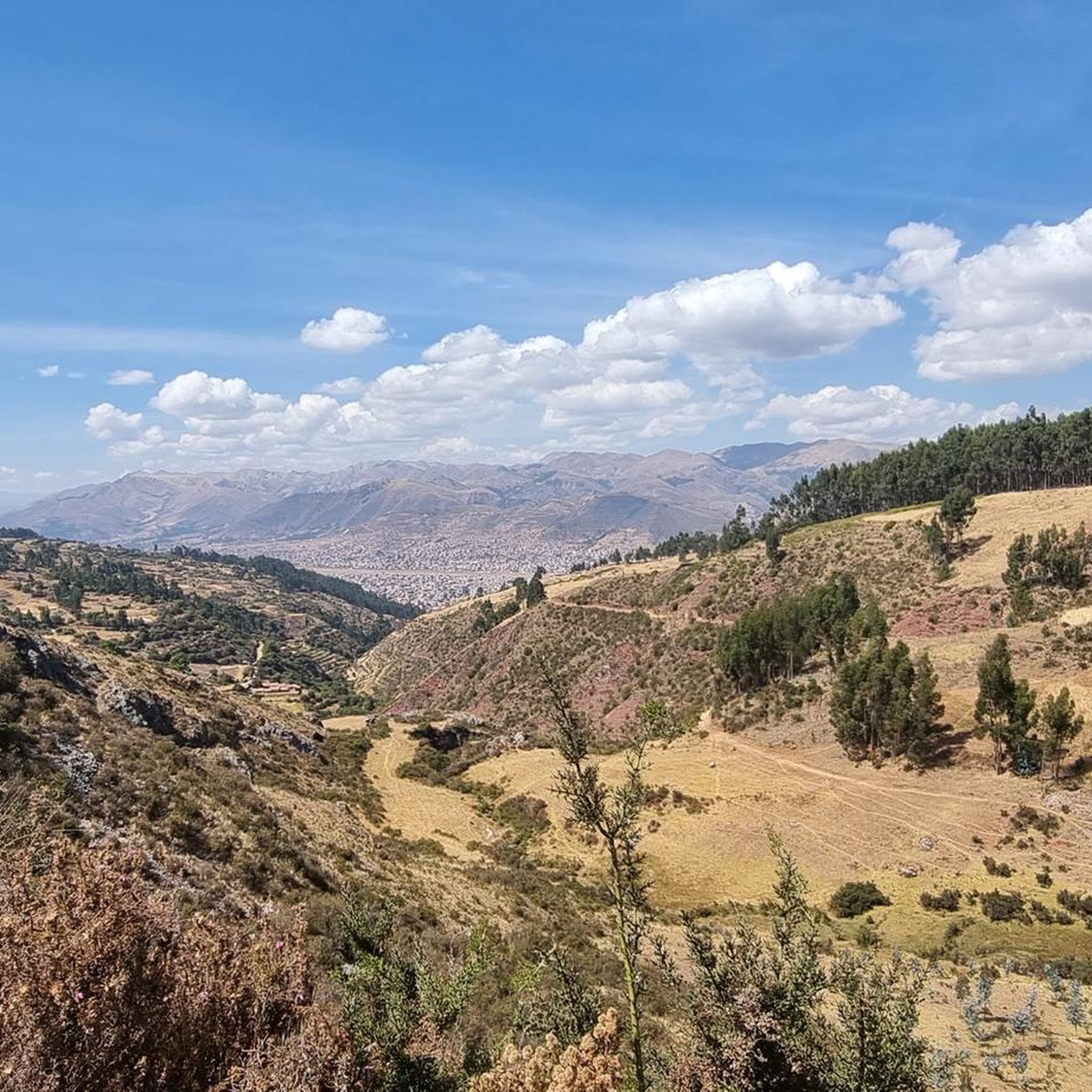
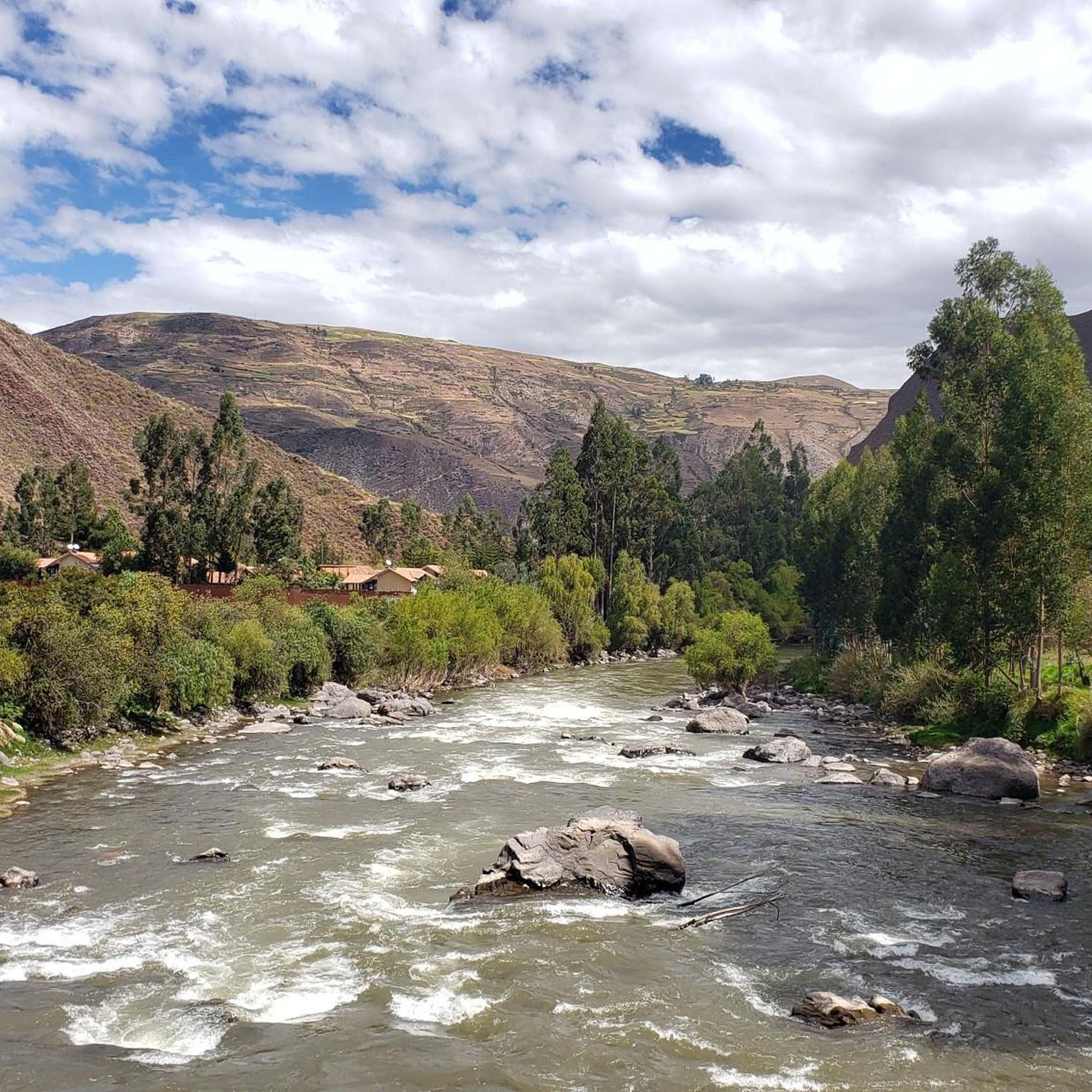
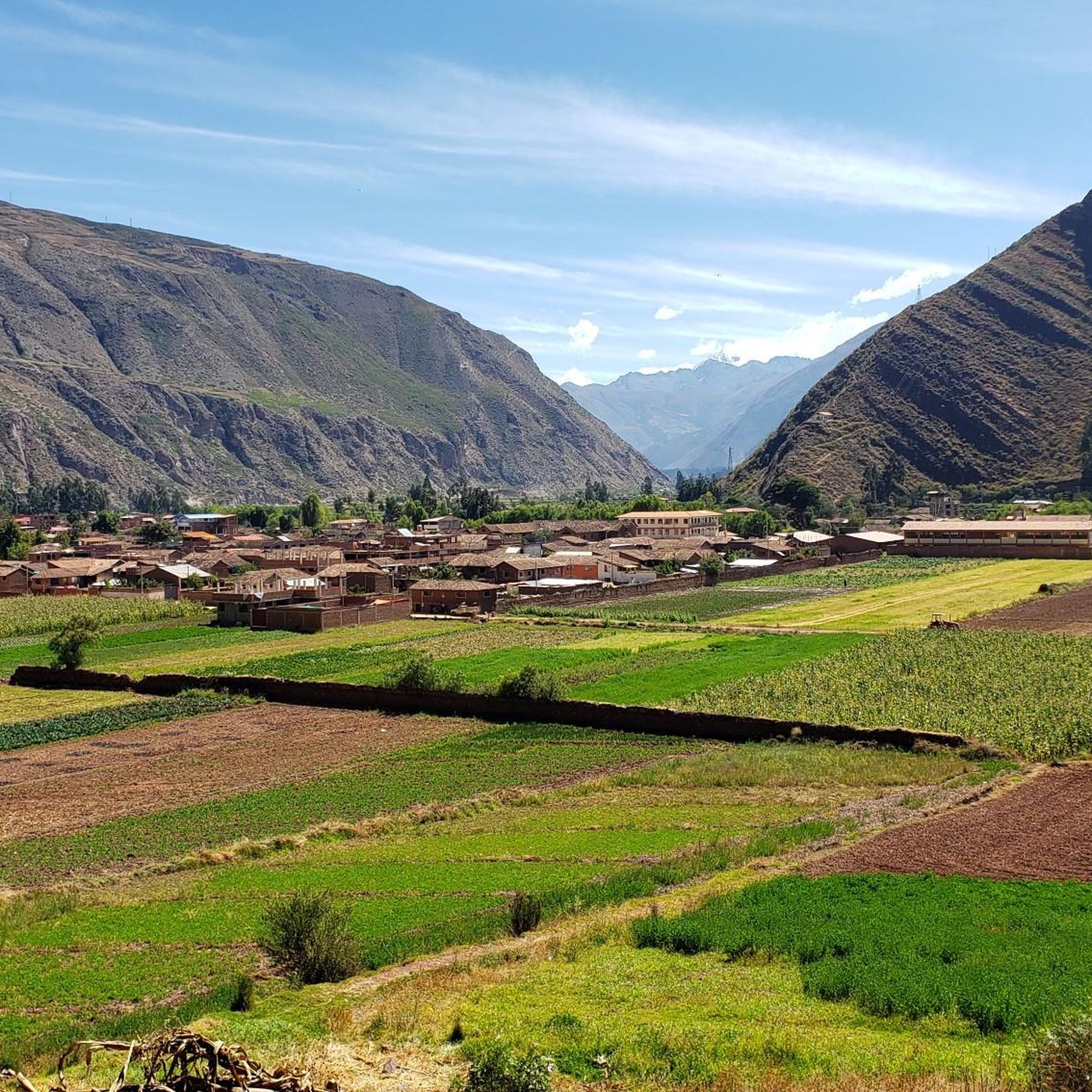
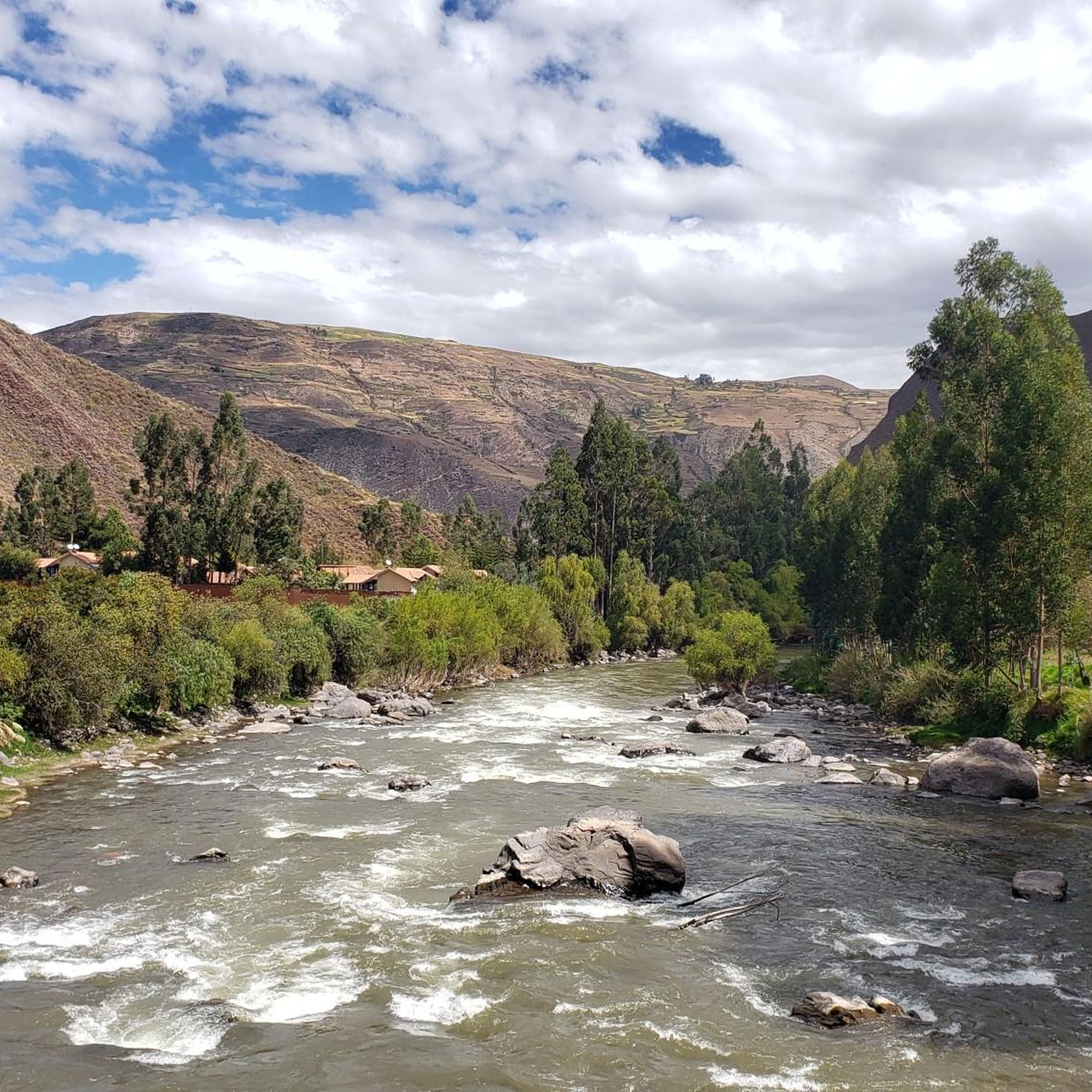
Road cycling in Cusco is characterized by its mountainous geography within the Andes, offering diverse terrain from high-altitude passes to picturesque valleys. The region features a network of routes that navigate through ancient Inca sites, agricultural landscapes, and along rivers like the Vilcanota. Cyclists encounter varied mountain shapes, cliffs, and expansive salt pans such as Maras, providing a unique blend of natural beauty and historical exploration. Many routes are at high altitudes, requiring acclimatization.
Best road cycling routes in Cusco
…Last updated: July 23, 2026
5.0
(1)
13
riders
65.9km
03:57
1,430m
1,430m
Hard road ride. Very good fitness required. Some segments of this route may be unpaved and difficult to ride.
5.0
(2)
14
riders
107km
05:20
1,460m
1,460m
Hard road ride. Very good fitness required. Mostly well-paved surfaces and easy to ride.

Sign up for free
4.8
(5)
7
riders
Moderate road ride. Good fitness required. Some segments of this route may be unpaved and difficult to ride.
10
riders
35.7km
02:02
710m
710m
Moderate road ride. Good fitness required. Mostly well-paved surfaces and easy to ride.
4
riders
75.0km
03:58
1,220m
1,220m
Hard road ride. Very good fitness required. Mostly well-paved surfaces and easy to ride.
Our route recommendations are based on thousands of hikes, rides, and runs completed by other people on komoot.
Start today with a free account
Your next adventure awaits.
Login or Signup
Popular around Cusco



Tips from the Community

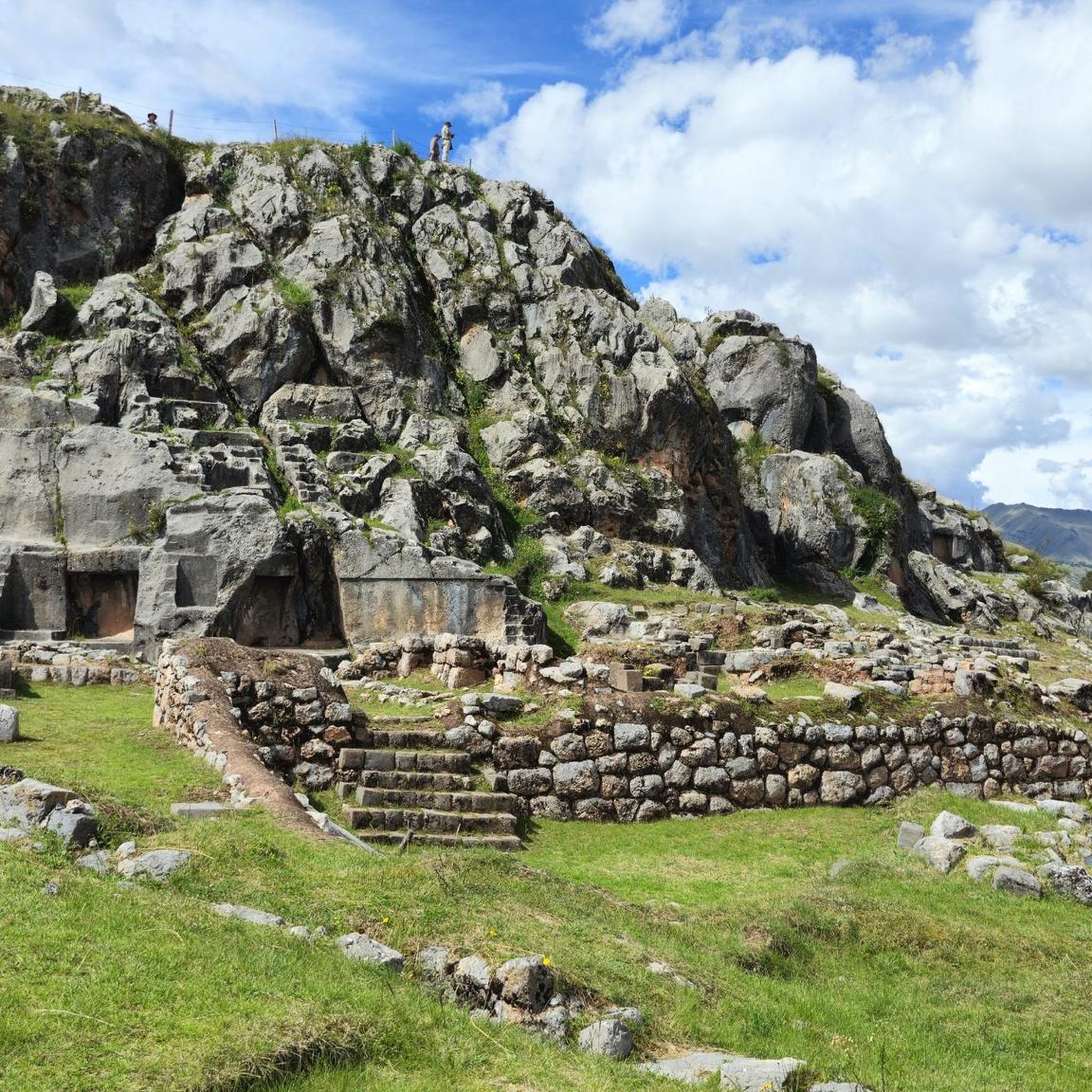
The Temple of the Sun is one of the most impressive relics of the Inca culture and was built in honor of the sun god Inti. It was the spiritual and religious center of the Inca Empire. Today, the Qoricancha stands as a symbolic example of the fusion of Inca building culture and Spanish colonial architecture. The Qoricancha housed not only the Temple of the Sun, but also other sacred shrines for other deities. (Temple of the Moon Goddess, the Temple of Lightning, the Temple of the Rainbow, the Temple of Water, and others. All temples were clad in gold and adorned with precious stones. The Spaniards plundered the treasures and partially destroyed the temple to build a monastery on it. The monastery was repeatedly damaged by several earthquakes, but the walls of the Inca temple have remained undamaged, which speaks to the exceptional architecture. Even today, 15 monks still live here.
1
0

One of the most beautiful viewpoints overlooking the city of Cusco.
1
0
The Church of San Cristóbal is a Catholic church in the city of Cuzco, Peru. It is located at the western end of the Plaza del Colcampata on the Sacsayhuamán hill and is an obligatory passage on the path between the Plaza de Armas and the ruins of Sacsayhuamán. Due to its location, the church is at the highest elevation in the city and can be seen from the square itself and from various points in the monumental quarter of Cusco. Source: https://es.wikipedia.org/wiki/Iglesia_de_San_Crist%C3%B3bal_(Cuzco)
1
0


Be careful on downhill turns. For the rest, section without much car.
0
0
Quiet, beautiful scenery and no cars.
0
0

Full water, easy descent but moderate rise (return)
0
0
Frequently Asked Questions
What kind of terrain can I expect on road cycling routes in Cusco?
Road cycling in Cusco offers a diverse range of terrain, primarily characterized by its mountainous geography within the Andes. You'll encounter everything from high-altitude passes and challenging ascents to picturesque valleys and flatter sections along rivers like the Vilcanota. The region features varied mountain shapes, cliffs, and unique natural features such as the expansive Maras Salt Mines.
Are there road cycling routes suitable for beginners or those looking for a moderate challenge?
Yes, while Cusco is known for its challenging high-altitude rides, there are also routes suitable for moderate skill levels. For instance, the Pumamarca – Qurikancha loop from Universidad Andina del Cusco (UAC) - Campus Larapa is a moderate 31.6 km trail, and the Qurikancha loop from Wanchaq is another moderate option at 35.7 km. These routes offer a good balance of distance and elevation without being overly strenuous.
What are some of the more challenging road cycling routes in Cusco?
For experienced road cyclists seeking a significant challenge, Cusco offers several demanding routes. The Peruvian Hairless Dog – Pisac loop from Cuzco is a difficult 60.9 km route with considerable elevation gain. Another extensive and difficult option is the Saylla, Cusco – Qurikancha loop from Wanchaq, spanning 107.3 km with significant elevation changes.
What historical or archaeological sites can I see while road cycling in Cusco?
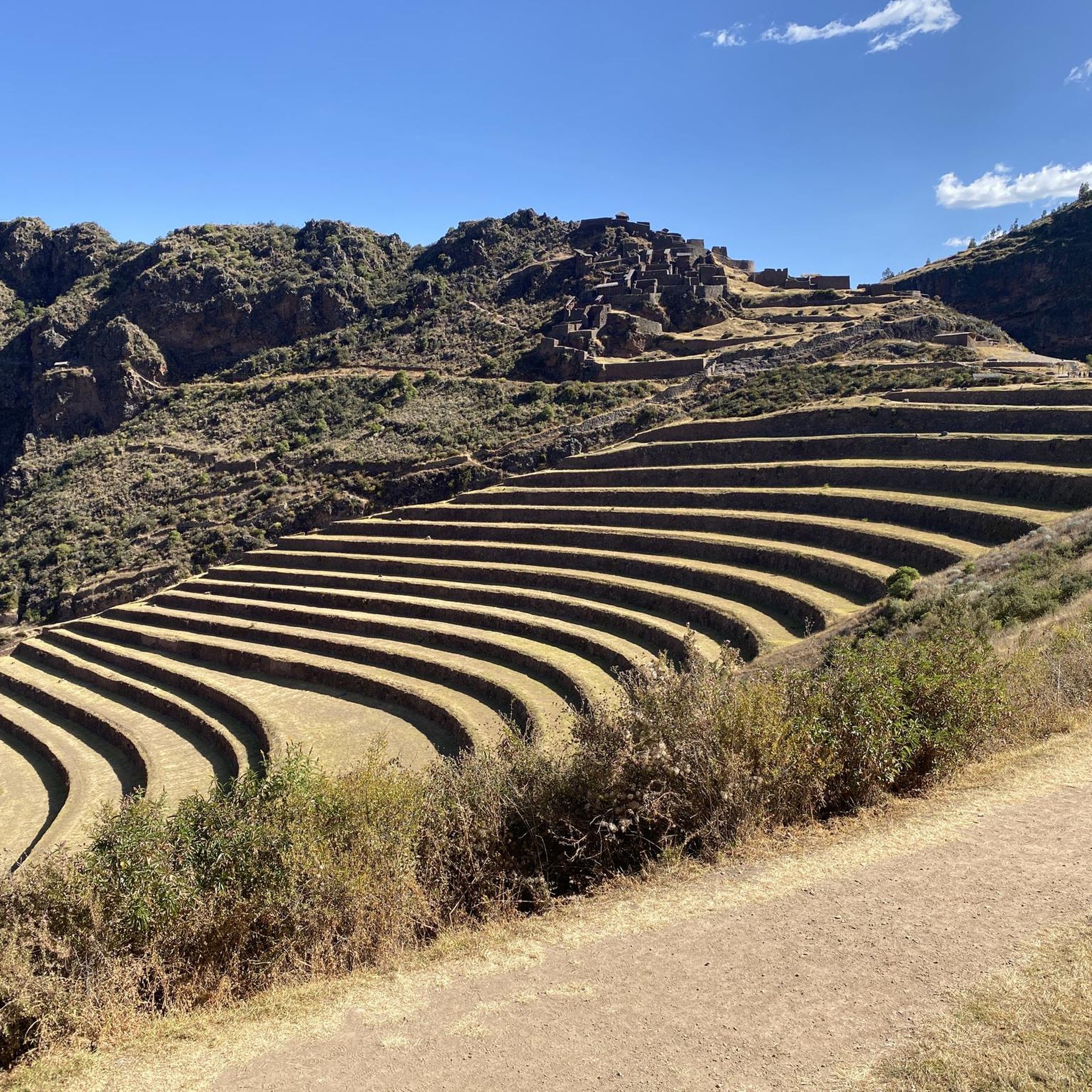
Cusco's road cycling routes often integrate historical and cultural exploration. Many paths weave through or alongside significant Inca archaeological sites. For example, routes like the Pumamarca – Qurikancha loop pass by the historical site of Qurikancha. The Sacred Valley, accessible via routes like the Peruvian Hairless Dog – Pisac loop, is rich with sites such as Pisac and Ollantaytambo, and the fascinating circular terraces of Moray are also frequently part of cycling itineraries.
Are there any natural landmarks or viewpoints along the road cycling routes?
Absolutely. Cusco's routes are set against the stunning backdrop of the Andes. While cycling, you might encounter unique natural features like the surreal Maras Salt Mines. The region also boasts impressive peaks such as Rainbow Mountain (Vinicunca) and Salkantay Pass, and serene lakes like Lake Humantay, offering breathtaking vistas.
What should I know about the altitude when road cycling in Cusco?
Cusco is situated at a high altitude, around 3,399 meters (11,152 feet) above sea level, and many cycling routes ascend even higher. Acclimatization is crucial for an enjoyable and safe experience. It's recommended to spend a few days in Cusco before undertaking strenuous rides to allow your body to adjust to the thinner air.
What do other road cyclists say about the routes in Cusco?
The road cycling routes in Cusco are highly regarded by the komoot community, holding an impressive average rating of 4.9 stars from over 8 reviews. More than 60 road cyclists have explored the varied terrain using komoot, often praising the unique blend of natural beauty, challenging ascents, and the opportunity to discover ancient Inca sites.
Are there any family-friendly road cycling options in Cusco?
While many routes in Cusco are challenging due to altitude and elevation changes, the Sacred Valley offers some more accessible options. The 'Corn Route' from Pisac to Ollantaytambo, for example, is described as a relatively flat, road-type trail, making it suitable for families looking for a less strenuous ride through picturesque landscapes.
How long do road cycling routes in Cusco typically take to complete?
The duration of road cycling routes in Cusco varies significantly based on distance and difficulty. Moderate routes like the Pumamarca – Qurikancha loop (31.6 km) can take around 1 hour 47 minutes. Longer, more difficult routes, such as the Saylla, Cusco – Qurikancha loop (107.3 km), may require over 5 hours to complete, not including stops.
Are there loop routes available for road cycling in Cusco?
Yes, many of the road cycling routes in Cusco are designed as loops, allowing you to start and finish in the same general area. Examples include the Peruvian Hairless Dog – Pisac loop from Cuzco, the Saylla, Cusco – Qurikancha loop from Wanchaq, and the Pumamarca – Qurikancha loop from Universidad Andina del Cusco (UAC) - Campus Larapa.
What is the best time of year for road cycling in Cusco?
The dry season, typically from May to October, is generally considered the best time for road cycling in Cusco. During these months, you can expect more stable weather, clearer skies, and less chance of rain, making for more enjoyable and safer riding conditions in the high-altitude terrain.
Can I find amenities like cafes or accommodation along the routes?
Many road cycling routes in Cusco pass through or near small towns and villages, especially within the Sacred Valley. These areas often provide opportunities for refreshments at local cafes, restaurants, and sometimes accommodation. Planning your route in advance and noting potential stop-off points is always recommended.
Most popular attractions in Cusco

Get inspired with the komoot mobile app


Didn’t find what you were looking for?
Check out more Road cycling routes throughout Cusco below and find the perfect route in your destination.
Explore more
Browse the best Road cycling routes in other regions.
