Attractions and Places To See in Rocha - Top 8
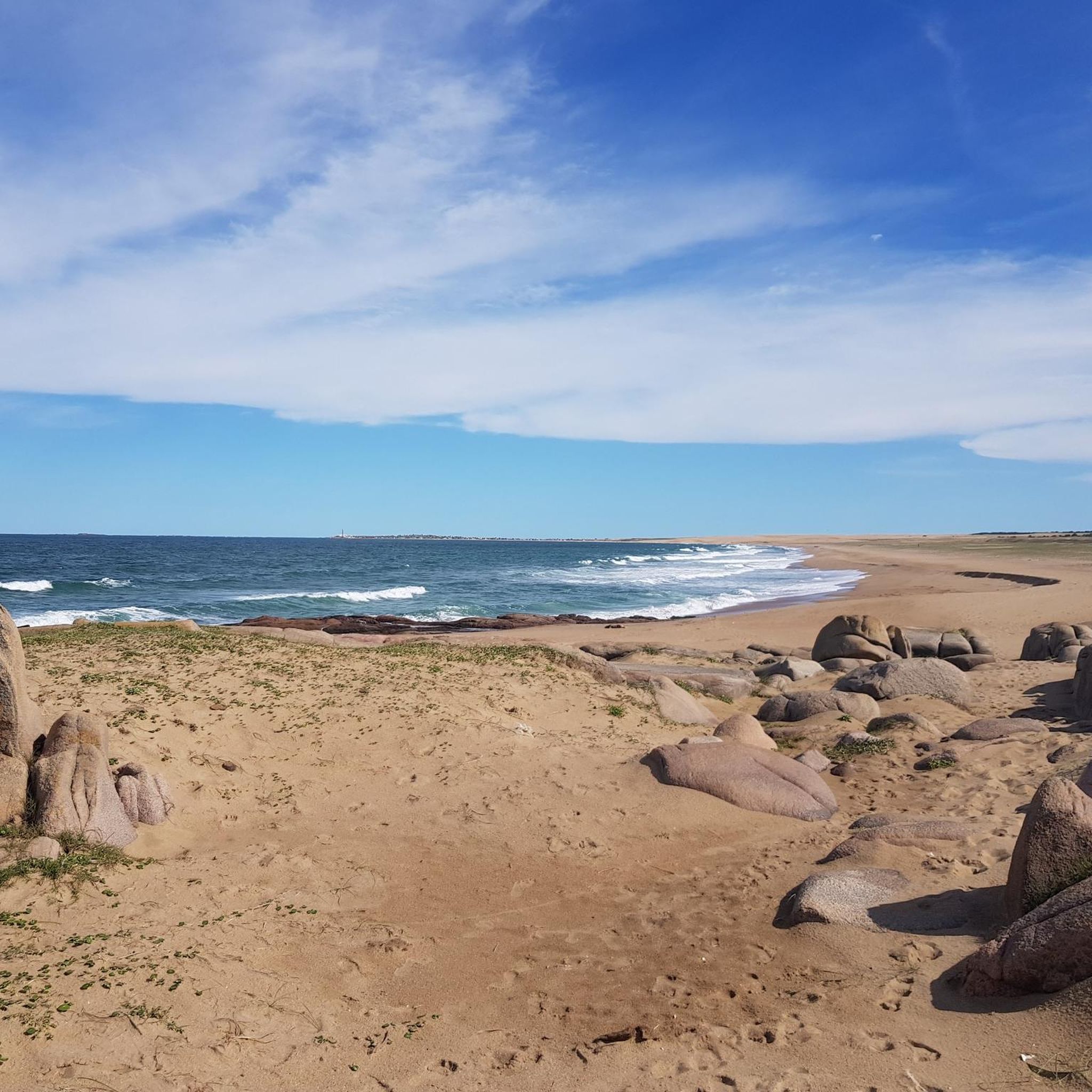
Best attractions and places to see in Rocha, a department in southeastern Uruguay, are characterized by diverse natural landscapes and significant historical sites. The region features an Atlantic coastline with pristine beaches, unique ecosystems like coastal lagoons and palm groves, and protected national parks. Visitors can explore ancient fortifications, indigenous mounds, and remote coastal towns, offering a blend of natural beauty and cultural heritage. This area provides opportunities to experience both its natural environment and its rich history.
Best attractions…
Last updated: July 17, 2026
Barra de la Laguna Trail
Highlight • Trail
Translated by Google •
Tip by

Santa Teresa National Park
Highlight • Natural Monument
Translated by Google •
Tip by

Sign up now to discover places like this
Get recommendations on the best single tracks, peaks, & plenty of other exciting outdoor places.
Sign up for free
La Sierra Interpretive Trail, Parque Nacional San Miguel
Highlight • Trail
Translated by Google •
Tip by
Fort San Miguel
Highlight • Castle
Translated by Google •
Tip by
Cabo Polonio
Highlight • Settlement
Translated by Google •
Tip by

Museo Criollo e Indígena
Highlight • Historical Site
Translated by Google •
Tip by
View from Cerro Picudo
Highlight • Viewpoint
Translated by Google •
Tip by
View of San Miguel National Park
Highlight • Viewpoint
Translated by Google •
Tip by

Start today with a free account
Your next adventure awaits.
Login or Signup
Popular around Rocha
Tips from the Community

Beautiful view. It's not advisable to do the hike in intense sun. Bring plenty of water. You can access it by walking from Polonio or crossing by boat or on foot if the Valizas River is low (be careful because it can rise).
1
0

If you don't speak Spanish, bring a translator app to read the information signs.
0
0
You can also start directly at Fort San Miguel. Then it's almost exactly 10 kilometers in total. :-) You can leave your car there. There are also toilets there.
0
0
Good footwear is essential, especially for the part on the Cerro, as you can then easily climb some of the rocks.
0
0

The Laguna de Rocha has a unique bird life, around 70% of the bird species living in Uruguay can be admired here. The lagoon has a size of 7000ha to 14000ha, depending on the water level. The dune closes the lagoon off from the sea. If the water level is too high due to a lot of rain, the large amount of water opens the dune and the water flows into the sea. In the same way, a storm at sea can open the dune and salt water is pushed into it. The dune then closes itself again. The fact that the lagoon opens, as in our case, is often done by human hands to "protect" the small fishing village and pastureland, unfortunately. Otherwise a really worthwhile destination, we were able to discover a lot, including flamingos. Don't forget your binoculars 😉
0
0

On the way to the Cerro Picudo viewpoint, five double-sided information boards provide extensive information about the entire flora and fauna of the park, as well as all morphological details of the landscape - nice geographical work.
0
0
The numerous legacies - similar in appearance to chocolate Easter eggs - give clear evidence of the free-living Capibaras (called Carpincho in Uruguay) in the park. With a bit of luck you can watch the animals in the swampy area.
1
0
In particular, the park offers a documentation of its origins in its own building.
1
0
Frequently Asked Questions
What natural features can I explore in Rocha?
Rocha is rich in natural beauty. You can visit Santa Teresa National Park, which features diverse landscapes including beaches, forests, and wetlands. The Laguna de Rocha, a UNESCO Biosphere Reserve, is known for its unique ecosystem where fresh and saltwater meet. Don't miss the remote and unique Cabo Polonio with its pristine beaches and mobile dunes, or the wild hills and valleys of the Sierras de Rocha.
Are there good hiking trails in Rocha?
Yes, Rocha offers several trails for different levels. The Barra de la Laguna Trail provides views of the Laguna de Rocha and its abundant birdlife. Within Santa Teresa National Park, you can explore various paths, and near Fort San Miguel, the La Sierra Interpretive Trail offers insights into the local flora and fauna. For more challenging routes, consider the running trails in the region, which can also be hiked, such as those found in the Running Trails in Rocha guide.
What historical sites can I visit in Rocha?
Rocha has a rich history reflected in its fortifications and ancient sites. Explore the 18th-century Fort San Miguel, which played a significant role in colonial conflicts and now houses a military history museum. The Fortress of Santa Teresa, located within Santa Teresa National Park, is another impressive 18th-century military structure. Additionally, the Cerritos de Indios are ancient indigenous mounds, over 4,500 years old, offering a glimpse into the region's earliest inhabitants.
Where can I go for wildlife spotting in Rocha?
Rocha is excellent for wildlife observation. The Laguna de Rocha is a paradise for birdwatchers, home to approximately 70% of Uruguay's bird species, including flamingos and black-necked swans. At Cabo Polonio, you can observe one of the largest sea lion colonies in the world. Santa Teresa National Park is known for free-living Capybaras (Carpinchos) in its swampy areas.
Are there family-friendly attractions in Rocha?
Many attractions in Rocha are suitable for families. Santa Teresa National Park offers diverse landscapes and wildlife, with an interpretive center. Fort San Miguel provides an engaging historical experience with its museum. The La Sierra Interpretive Trail is also noted as family-friendly, offering educational information about the park's environment.
What are some unique coastal experiences in Rocha?
Rocha's coast offers unique experiences. Cabo Polonio is a remote, roadless village accessible only by 4x4 vehicles, known for its pristine beaches, mobile dunes, and lack of electricity, offering exceptional stargazing. Punta del Diablo is a lively beach town popular for surfing, while La Pedrera is a charming settlement perched on cliffs. You can also find numerous beautiful beaches like Playa de la Viuda, Playa del Rivero, and the secluded Playa de las Achiras.
Where can I find scenic viewpoints in Rocha?
Rocha offers several spots for panoramic views. The Cabo Polonio Lighthouse provides a picturesque backdrop and views of the unique village. The historic El Faro del Cabo Santa María in La Paloma offers scenic coastal vistas. Within San Miguel National Park, the View from Cerro Picudo and the View of San Miguel National Park are excellent spots to take in the surrounding landscapes.
Are there opportunities for cycling or mountain biking in Rocha?
Yes, the region between Rocha and Castillos is known to provide routes suitable for cycling and mountain biking, showcasing the diverse landscapes. For specific routes and difficulty levels, you can explore guides focused on outdoor activities in the area, such as the Running Trails in Rocha guide, which may include paths suitable for biking.
How can I get to remote attractions like Cabo Polonio?
Cabo Polonio is a unique, roadless village situated within a protected national park. It is only accessible by specialized 4x4 vehicles that traverse the sand dunes. Visitors typically park their cars at the entrance to the national park and take these designated vehicles into the village.
What is the best time of year to visit Rocha for outdoor activities?
Rocha's coastal climate makes it enjoyable for outdoor activities during various seasons. The warmer months, typically from late spring to early autumn (November to April), are ideal for beach activities, swimming, and exploring coastal areas. For hiking and wildlife spotting, the shoulder seasons (spring and autumn) might offer more comfortable temperatures and fewer crowds. Birdwatching at Laguna de Rocha can be rewarding year-round, with different species present depending on migration patterns.
Are there any permits or entry fees required for attractions in Rocha?
Some attractions in Rocha may have entry fees. For example, the museum at Fort San Miguel has an entry fee (50 pesos as of 2023). National parks like Santa Teresa National Park and Cabo Polonio National Park may have entrance fees or vehicle access fees. It's advisable to check current regulations and fees for specific sites before your visit.
What are some less crowded or 'hidden gem' spots in Rocha?
For a quieter experience, consider visiting the Cerritos de Indios, ancient indigenous mounds that are a Historic Monument of Uruguay. The Monte de Ombúes along the Laguna de Castillos is another unique ecosystem, featuring the largest grouping of Ombú trees in Uruguay. Additionally, exploring some of the more secluded beaches like Playa de las Achiras can offer a peaceful escape from more popular spots.
Most popular routes in Rocha

Get inspired with the komoot mobile app


Didn’t find what you were looking for?
Are you keen on exploring more awesome places nearby? Browse our guides:
Explore more
Still not found the Highlight you’re looking for? See guides of the top attractions in other regions:
