Attractions and Places To See in Bío-Bío - Top 10
Best attractions and places to see in Bío-Bío, Chile, features a diverse landscape ranging from coastal areas to Andean foothills. The region is known for its natural features, including significant rivers, lakes, and waterfalls, alongside notable landmarks and cultural sites. Visitors can explore national parks, historical forts, and vibrant cities. This variety offers a wide array of outdoor activities and cultural experiences.
Best attractions and places to see in Bío-Bío
- The most popular attractions is Chacabuco Bridge Over the Biobío…
Last updated: July 17, 2026
Parque Ecuador
Highlight • Rest Area
Translated by Google •
Tip by

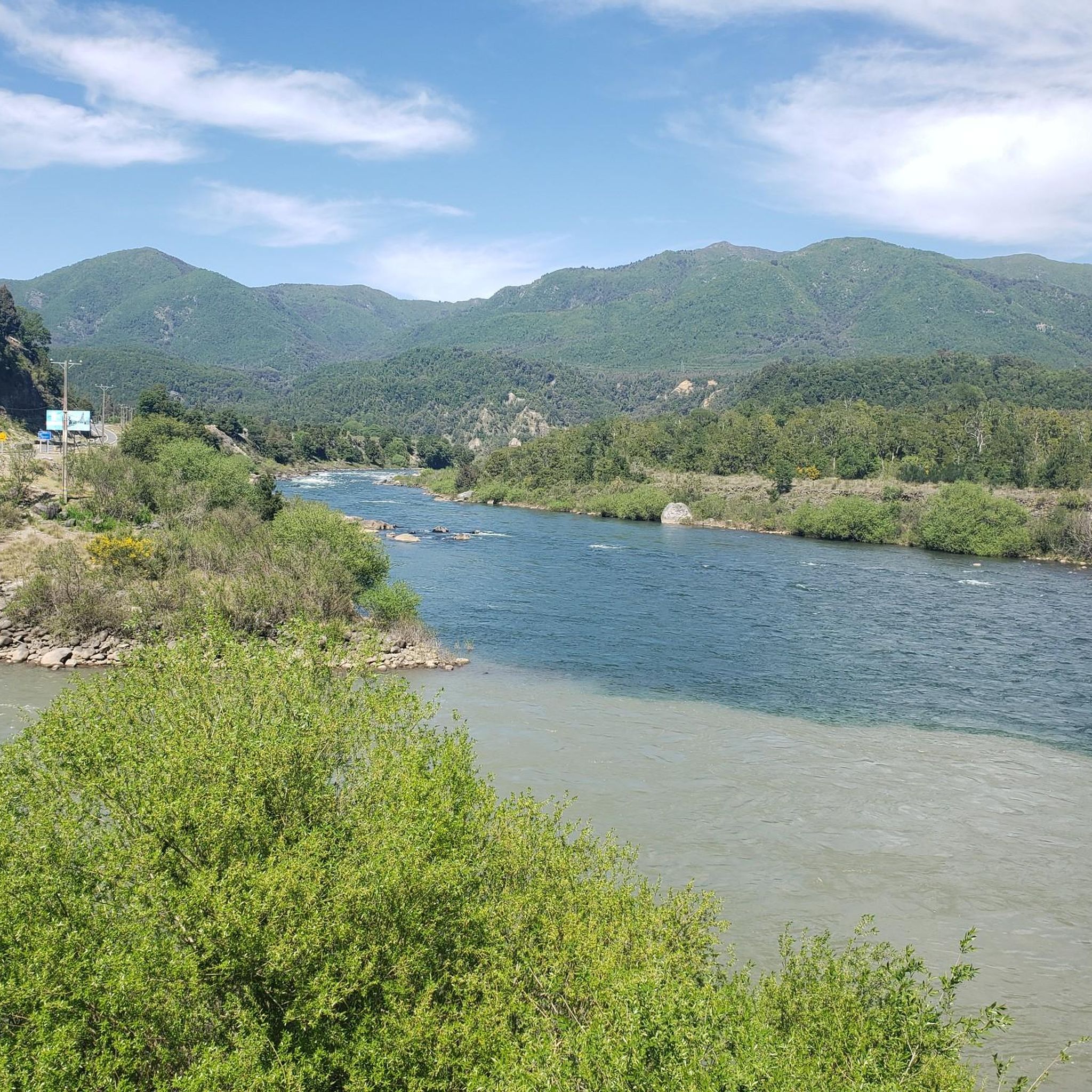
Chacabuco Bridge Over the Biobío River
Highlight • Bridge
Translated by Google •
Tip by

Sign up now to discover places like this
Get recommendations on the best single tracks, peaks, & plenty of other exciting outdoor places.
Sign up for free
Bismarck Tower – German Lookout
Highlight • Monument
Translated by Google •
Tip by

Laguna Cañicura
Highlight • Lake
Translated by Google •
Tip by

Hidden Lagoon
Highlight • Lake
Translated by Google •
Tip by

Hidden Waterfall
Highlight • Waterfall
Translated by Google •
Tip by

German Lookout of Laguna Redonda
Highlight • Viewpoint
Translated by Google •
Tip by

Point 3: Altitudinal Transition and Antarctic Beech Forest
Highlight (Segment) • Forest
At an altitude of 885 masl, a significant structural change was observed towards a simplified, taller forest. In this sector, individuals of …
Showing Translation
Tip by
Point 2: The Wet Meadow (Mallín) and Aquatic Niche
Highlight (Segment) • Natural
It represents a break in the forest's physiognomy, with the presence of a fen.
Relict species adaptation: The aquatic fern Isoetes …
Showing Translation
Tip by
Puente Industrial
Highlight • Bridge
Translated by Google •
Tip by
Sign up for free to discover even more attractions in Bío-Bío.
Sign up for free
Already have an account?
Start today with a free account
Your next adventure awaits.
Login or Signup
Tips from the Community

(2.67 km | 37°42'34"S 73°09'24"W | 1,036 m a.s.l.) It represents a break in the forest's physiognomy, with the presence of a fen. Relict species adaptation: The aquatic fern Isoetes was identified. This endemic plant of the Zone has an extremely restricted ecological niche, inhabiting only in very specific bodies of water in the Nahuelbuta mountain range. Its appearance, similar to "chives", is an adaptation that allows it to efficiently exchange gases underwater. Biotic association: Isoetes (Isoetes araucaniana) coexists in a "carpet of herbaceous plants" alongside Rucachucao (Ourisia polyantha). This association demonstrates how the presence of superficial liquid water creates an "island" of biodiversity that allows the survival of species that fail to colonize the adjacent, drier slopes.
0
0
(3.40 km | 37°42'45"S 73°09'16"W | 1,066 masl) At an altitude of 885 masl, a significant structural change was observed towards a simplified, taller forest. In this sector, individuals of Coihue, Avellano, Canelo, and Araucaria dominate the upper canopy, drastically limiting sunlight entry to the lower strata. This light exclusion phenomenon explains the low density of the understory compared to lower altitude areas. Specimens of different ages were identified, suggesting a dynamic recovery of the forest after possible historical human interventions (anthropization), although with a lower species richness than observed at the beginning of the trail, however more. As we approach 1,000 masl, the ecosystem enters a deciduous forest transition zone. Here, tree diversity simplifies to almost exclusively give way to Ñirre (Nothofagus antarctica). This physiognomic change marks the limit where climatic conditions become more rigorous, selecting only those species capable of tolerating the temperature drop.
0
0

Ideal place to practice your favorite sports such as cycling, skating, running, hiking and bird watching.
0
0
The peninsula always surprises us, and a lagoon hidden in the forest is no exception. I invite you to visit it and set your best Kmoot record. Remember to take your trash with you and respect the flora and fauna.
0
0
If you want a fun challenge, I recommend Puente Chacabuco towards Concepción to find yourself in front of the imposing Teatro Concepción.
0
0
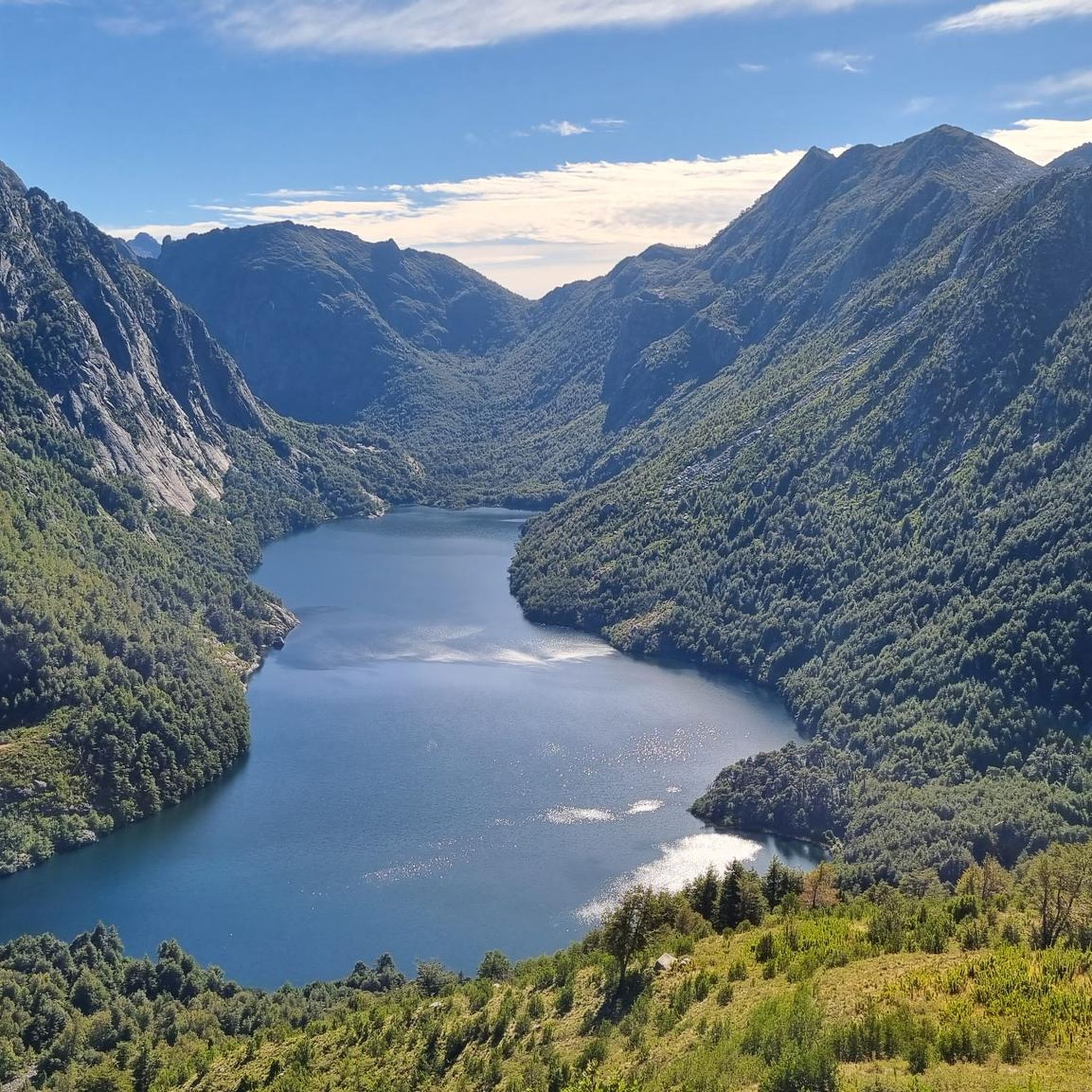
It is a medium intensity trek, there is water throughout the route and the best thing is that the view of this beautiful lagoon is impressive.
0
0

The Parque Ecuador in Hualpén is particularly quiet in the evening hours. The path I walked along here winds through green lawns lined with well-lit streets. The night brings with it a fresh, clear air that makes the walk pleasant. Even though it is quiet here, you can tell from the passing cars and the occasional cyclist that you are still in the middle of a busy city. The good lighting ensures that you can feel safe even when it is already dark. Ideal for a relaxed evening stroll! As I walk along, I notice that the park offers an interesting mix of urban and natural atmosphere - just the right thing to switch off after a busy day. I particularly like the curved paths, which make walking here very pleasant.
0
0

beautiful waterfall with the last 50m of very difficult access, evaluate the possibility of leaving the bicycle tied up at the top
0
0
Frequently Asked Questions
Where can I find impressive waterfalls in the Bío-Bío region?
The Bío-Bío region is home to several notable waterfalls. You can visit the prominent Salto del Laja, known for its four distinct waterfalls, or the Itata River Falls, which offers a 75-meter cascade amidst a rural landscape. Additionally, the Hidden Waterfall is another natural attraction to explore.
What national parks and significant lakes can I explore in Bío-Bío?
For natural beauty, consider visiting Laguna del Laja National Park, which features Chile's largest natural dam, Laguna del Laja. Other beautiful lakes include Laguna Cañicura, known for its impressive views after a medium-intensity trek, and the secluded Hidden Lagoon, nestled within a forest.
What historical landmarks and cultural sites are there to visit in the Bío-Bío region?
The region offers a rich history. You can explore the Bismarck Tower – German Lookout, a historical viewpoint on a university hill. Other significant sites include the Fuerte San Carlos de Purén and Fuerte Histórico de Nacimiento. In Talcahuano, the Monitor Huáscar museum ship is a major attraction, while Concepción boasts the Cathedral of Concepción and the Museo de Historia Natural.
Are there family-friendly attractions in Bío-Bío?
Yes, there are several family-friendly options. Parque Ecuador offers green lawns and well-lit paths, perfect for relaxed strolls. The Chacabuco Bridge Over the Biobío River and Puente Industrial are both cycle-friendly bridges. Isla Mocha National Reserve provides opportunities for birdwatching and observing sea lion colonies, which can be exciting for families.
What outdoor activities can I do near these attractions?
The Bío-Bío region is excellent for outdoor enthusiasts. You can find various hiking trails, including easy options like those around Concepción or more challenging routes such as the Laguna Cañicura loop. For cyclists, there are numerous road cycling routes, including the Viewpoint – Faro Schwager loop. Explore more options on the Hiking in Bío-Bío and Road Cycling Routes in Bío-Bío guide pages.
Where can I find the best viewpoints in the region?
For panoramic vistas, visit the Bismarck Tower – German Lookout on a university hill. Another great spot is the German Lookout of Laguna Redonda. The Ascent to Faro Schwager also offers rewarding views, and the Astro Trail provides scenic overlooks.
Are there opportunities for wildlife spotting in Bío-Bío?
Yes, the region offers chances to observe wildlife. Isla Mocha is particularly known for its sea lion colonies and diverse birdlife, making it an excellent spot for birdwatching. Laguna del Laja National Park also provides opportunities for wildlife observation amidst its scenic trails.
What are some unique natural formations or geological sites to see?
Beyond the waterfalls and lakes, you can visit the Iglesia de Piedra (Stone Church) in Cobquecura, a large hollow rock formation on the beach offering impressive coastal views. Nearby, Islote Lobería is a great place to observe sea lions and seals in their natural habitat.
Which cities are cultural hubs in the Bío-Bío region?
Concepción, the regional capital, is a vibrant hub of culture and history. It hosts the University of Concepción, the Museo de Historia Natural, and the Gallery of the History of Concepción. Talcahuano is another significant city, known for its maritime history and the Monitor Huáscar museum ship.
Are there any coastal attractions or beaches in Bío-Bío?
Yes, the Bío-Bío region features beautiful coastal areas. Ramuntcho Beach is a popular destination, and Balneario de Dichato (Dichato Beach) is known for its tranquil atmosphere. Cobquecura offers unique coastal views and rock formations like the Iglesia de Piedra.
What kind of trails are available for hiking in Bío-Bío?
The region offers a variety of hiking trails. You can find easy loops around Concepción, moderate trails like the Cocholgue loop, and more challenging treks such as the Laguna Cañicura loop. The Astro Trail is another option for intermediate hikers. For more details, refer to the Hiking in Bío-Bío guide.
What is the best time to visit Bío-Bío for outdoor activities?
While specific seasonal considerations can vary by activity, the diverse landscapes of Bío-Bío, ranging from coastal areas to the Andean cordillera, offer opportunities year-round. Generally, spring and summer (October to March) provide warmer weather ideal for hiking, water sports, and exploring national parks. However, some areas might offer unique experiences during other seasons, such as the changing foliage in autumn.

Get inspired with the komoot mobile app


Explore more
Still not found the Highlight you’re looking for? See guides of the top attractions in other regions:
