Top 10 Caves around Piding
Best caves around Piding are found within the surrounding Berchtesgadener Land region, which offers diverse underground attractions and gorge experiences. This area features unique natural formations, historical sites, and adventurous exploration opportunities. Visitors can explore natural caves, impressive gorges, and man-made underground structures that provide insights into the region's geology and history. The Piding hiking terrain provides access to these varied underground landscapes.
Best caves around Piding
- The most popular caves is Mittagsscharte, a mountain pass that features a…
Last updated: October 4, 2026
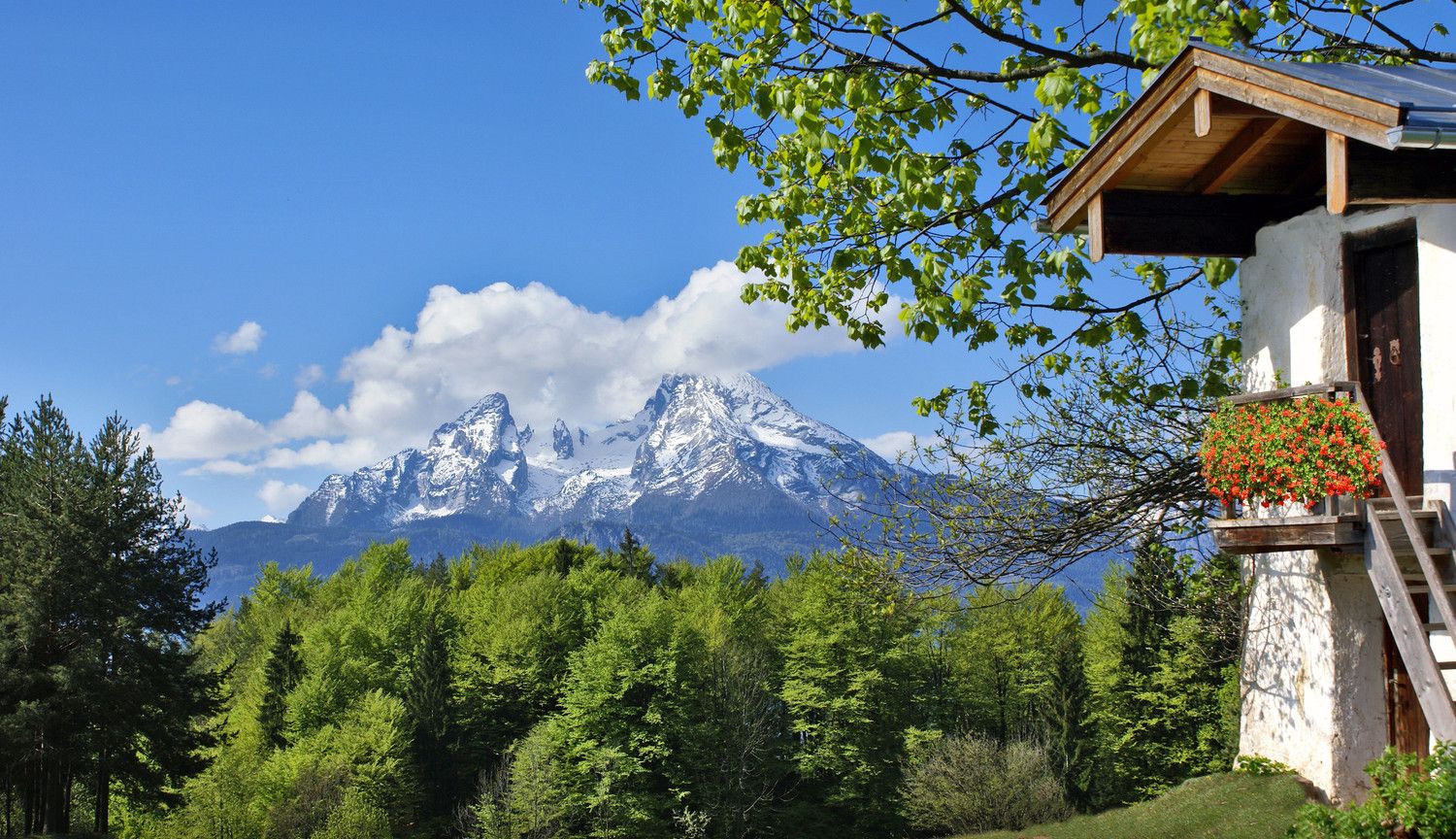
Mittagsscharte
Highlight • Mountain Pass
location
It is located between the Salzburg Hochthron (1 853 m above sea level) in the north and the Raucheck (1 …
Translated by Google •
Tip by

St. Peter's Cemetery (Petersfriedhof)
Highlight • Historical Site
Translated by Google •
Tip by

Sign up now to discover places like this
Get recommendations on the best single tracks, peaks, & plenty of other exciting outdoor places.
Thomas-Eder Trail
Highlight (Segment) • Trail
Translated by Google •
Tip by

Schellenberger Ice Cave
Highlight • Cave
Translated by Google •
Tip by

Lourdes Grotto at Kirchholz
Highlight • Religious Site
Translated by Google •
Tip by

Sign up for free to discover even more caves around Piding.
Already have an account?
Start today with a free account
Your next adventure awaits.



Tips from the Community

When you hike from one Hochthronn to another, you have to descend into the Mittagsscharte in between. Also a reason why the crossing takes longer than you initially think... ;-)
1
0

very steep and challenging descent and ascent :-)
1
0

Good footwear Take enough to drink with you Sure-footedness required
1
1

The Thomas-Eder-Steig is a varied and panoramic round trip over secured and partly blasted paths through the steep walls of the Untersberg. The scenic highlights on this tour include the Mittagsscharte and the Schellenberger ice cave. Attention: For experienced users only! Only feasible for really experienced, absolutely sure-footed, free from vertigo and fit mountaineers. Characteristic of the Thomas Eder Steig's on the Untersberg Challenging mountain climb (KS 1), which mostly leads through tunnels blasted into the rock. It was completely renovated in 2004 and runs through the rotten south wall of the Gr. Heubergkopfs. From the partially exposed, secured Thomas-Eder-Steig you have an impressive view of the steepness of the Untersberg walls. Although the climb is well insured, it should only be attempted by sure-footed mountain hikers when it is wet....
4
1
It is located between the Salzburger Hochthron (1,853 m above sea level) in the north and the Raucheck (1,891 m above sea level) in the south at an altitude of 1,671 m above sea level. A. right on the border between Austria and Germany. Crossing the Untersberg from the Berchtesgadener to the Salzburger Hochthron is one of the most beautiful tours in the Berchtesgaden Alps. The varied path leads over the extensive high plateau with its huge sinkholes - an extraordinary landscape that is second to none.
1
2

great views, which you have to work out on many steps
4
0

At the southern end of the Mittagsscharte, a few meters north of the crossroads, directly below the "Steinerner Kaser" stone hut (currently leased from the State Speleology Association in Salzburg) is the entrance to the cave of the same name. The Salzburg ethnographer and historian Franz Valentin Zillner writes about this: ...(The) Mittagsscharte, from which one enters the large cave, the Steinernen Kaser, through which all legends say the entrance to the interior of the mountain is located.. .
5
0

The border between Bavaria and the Salzburger Land runs through the Mittagsscharte. It is located between the Salzburger Hochthron (1,853 m above sea level) in the north and the Raucheck (1,891 m above sea level) in the south at an altitude of 1,671 m above sea level. A. right on the border between Austria and Germany. At the southern end of the Mittagsscharte, a few meters north of the crossroads, the entrance to the cave of the same name is located directly below the stone hut "Steinerner Kaser" (currently leased from the Landesverein für Speleology in Salzburg). The Salzburg ethnographer and historian Franz Valentin Zillner writes about this: ...(The) Mittagsscharte, from which one enters the large cave, the Steinernen Kaser, through which all legends say the entrance to the interior of the mountain is located.. .
5
0
Frequently Asked Questions
What types of underground attractions can I explore near Piding?
The region around Piding offers a diverse range of underground experiences. You can find natural caves like the Mittagsscharte with its 'Steinerner Kaser' cave, and the Grassl Cave. There are also impressive gorges such as the Weißbachschlucht and Almbach Gorge, which provide a cave-like atmosphere with their deep rock walls and rushing waters. Additionally, you can visit historical sites with underground features like the catacombs at St. Peter's Cemetery, and the unique Lourdes Grotto at Kirchholz.
Are there any ice caves near Piding?
Yes, the Schellenberger Ice Cave, located in the Berchtesgaden Alps, is Germany's only accessible ice cave. It features impressive ice formations and offers guided tours where visitors are equipped with carbide lamps for an adventurous atmosphere. It is typically open from late May to October.
What historical underground sites can I visit near Piding?
Beyond natural formations, you can explore the St. Peter's Cemetery (Petersfriedhof), which features catacombs carved into the mountain, likely of late antique origin. Another significant historical site is the Salzbergwerk Berchtesgaden, Germany's oldest active salt mine, offering immersive tours into centuries of mining tradition.
Are there family-friendly underground attractions around Piding?
Absolutely. The Salzbergwerk Berchtesgaden is a highly recommended family-friendly destination, offering an engaging underground adventure with mine train rides, slides, and a boat trip. The Weißbachschlucht Gorge also provides an accessible and beautiful hiking experience suitable for families, allowing immersion in a dynamic natural landscape.
When is the best time to visit the caves and gorges near Piding?
The best time to visit depends on the specific attraction. Gorges like Weißbachschlucht and Almbach Gorge are generally best enjoyed during warmer months (spring to autumn) when hiking conditions are optimal. The Schellenberger Ice Cave is open from late May to October. The Salzbergwerk Berchtesgaden is open year-round, offering a consistent underground experience regardless of external weather.
What unique natural phenomena can I observe in the caves and gorges?
At Mittagsscharte, a light phenomenon can be observed in the 'Steinerner Kaser' cave on specific dates, particularly around August 15th and June 21st. The Schellenberger Ice Cave showcases impressive ice formations, some estimated to be 2000 years old. Gorges like Almbachklamm feature the powerful Sulzer Waterfall, plunging 114 meters in cascades, and Weißbachschlucht offers wild waters, natural cascades, and serene pools.
What outdoor activities can I combine with a visit to these underground sites?
The region around Piding is excellent for various outdoor activities. You can find numerous road cycling routes, such as the Climb to Steinhögl – Saalach Cycle Path loop. Gravel biking options include the Lake Königssee – Berchtesgadener Ache loop. For general cycling, consider the Saalach Bridge near Piding – Staufen Bridge loop. Many of these routes offer scenic views and access to the natural beauty surrounding the caves and gorges.
Are there hiking trails that lead to or through these underground attractions?
Yes, several hiking opportunities exist. Reaching the Schellenberger Ice Cave requires a several-hour hike, making it a rewarding destination for nature enthusiasts. The Weißbachschlucht Gorge offers a path winding along the river, providing an immersive hiking experience. The Almbach Gorge also has beautiful and accessible trails, though sturdy shoes are recommended.
What should I bring when visiting the ice cave or gorges?
For the Schellenberger Ice Cave, warm clothing is essential as temperatures are constantly near zero degrees Celsius. Sturdy shoes are recommended for all cave and gorge explorations, and rainwear might be useful for the watery environments of the gorges like Almbachklamm and Weißbachschlucht. For the ice cave, carbide lamps are provided for the tour.
Is the Lamprechtshöhle cave accessible from Piding?
While the Lamprechtshöhle is located in Austria (St. Martin bei Lofer), it is approximately 35 minutes from Bad Reichenhall, which is very close to Piding. It offers a well-developed tourist route and is a viable option for those interested in exploring a larger cave system across the border.
How can I reach these attractions by public transport?
Public transport options vary by location. For attractions like the Salzbergwerk Berchtesgaden, local buses often connect from nearby towns. For more remote sites like the Schellenberger Ice Cave, public transport might take you to a starting point, but a significant hike will still be required to reach the cave entrance. It's advisable to check local bus schedules for specific destinations.
Are there less crowded options for exploring caves or gorges near Piding?
While popular sites can attract crowds, visiting during off-peak hours (early mornings or late afternoons) or during the shoulder seasons (spring or late autumn) can offer a more tranquil experience. Exploring lesser-known sections of the gorges or choosing a weekday visit can also help avoid peak visitor times.
Most popular routes around Piding
Most popular attractions around Piding

Get inspired with the komoot mobile app


Explore more
Extend your search for the best caves by checking out these guides of the top ones around Piding:
