Gundelfingen an der Donau
Gundelfingen an der Donau
Top 20 Castles around Gundelfingen an der Donau
Best castles around Gundelfingen an der Donau offer a journey through centuries of history in a region known for its historical strongholds. Gundelfingen an der Donau, situated by the Donau river, features a notable castle within its limits and is surrounded by other historical sites. The area provides a blend of historical exploration and natural landscapes, with various castles and ruins accessible for visitors. This makes the region a destination for those interested in historical architecture and outdoor activities.
Best…
Last updated: October 9, 2026
Kaltenburg Ruins
Highlight • Castle
Translated by Google •
Tip by

Brenz Castle
Highlight • Castle
Translated by Google •
Tip by

Sign up now to discover places like this
Get recommendations on the best single tracks, peaks, & plenty of other exciting outdoor places.
Güssenburg
Highlight • Castle
Translated by Google •
Tip by
Harthausen Castle
Highlight • Castle
Translated by Google •
Tip by

Dillingen town gate
Highlight • Monument
Translated by Google •
Tip by

Sign up for free to discover even more castles around Gundelfingen an der Donau.
Already have an account?
Start today with a free account
Your next adventure awaits.
Popular around Gundelfingen an der Donau
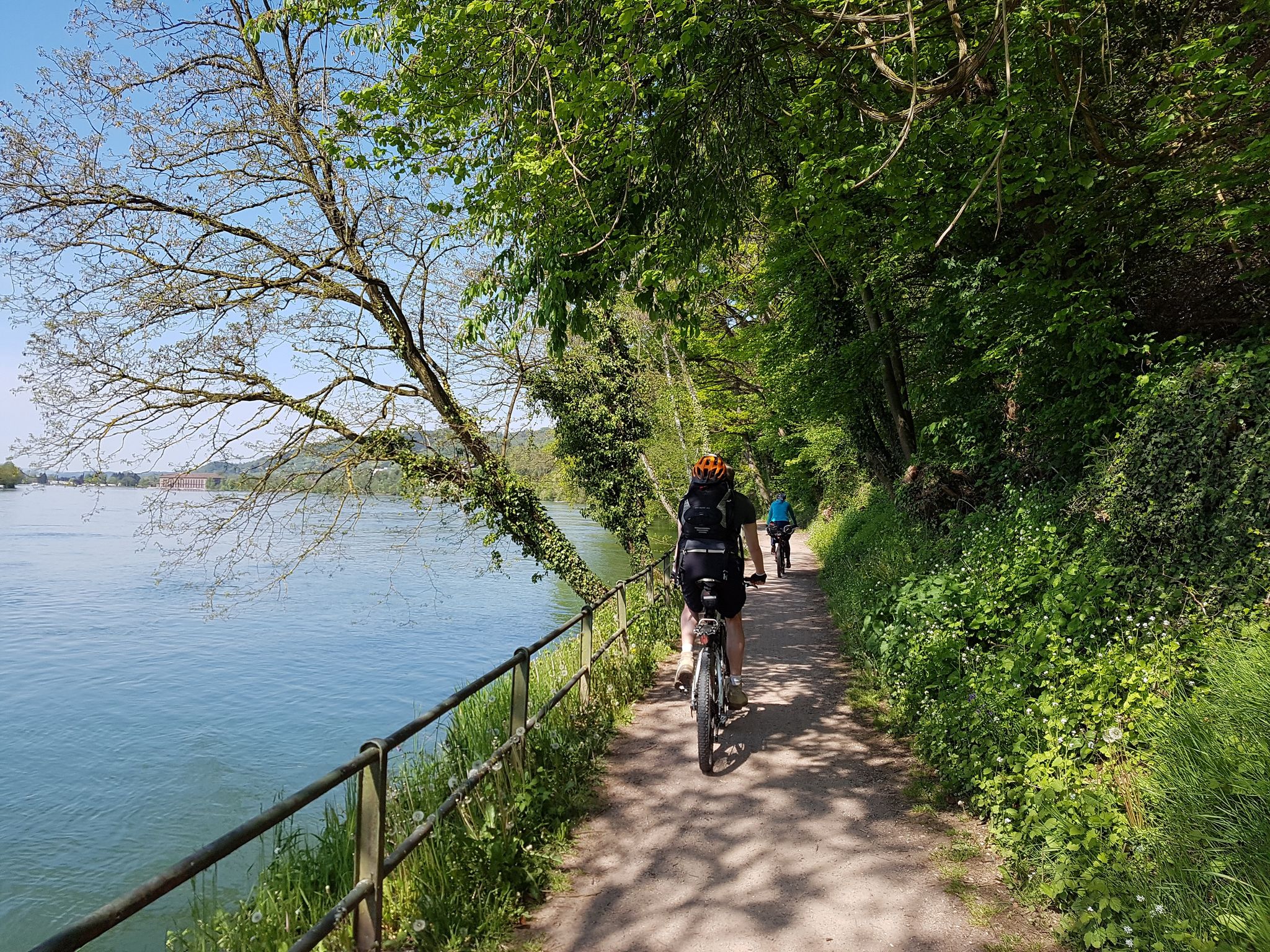
D-Route 6: Danube Route
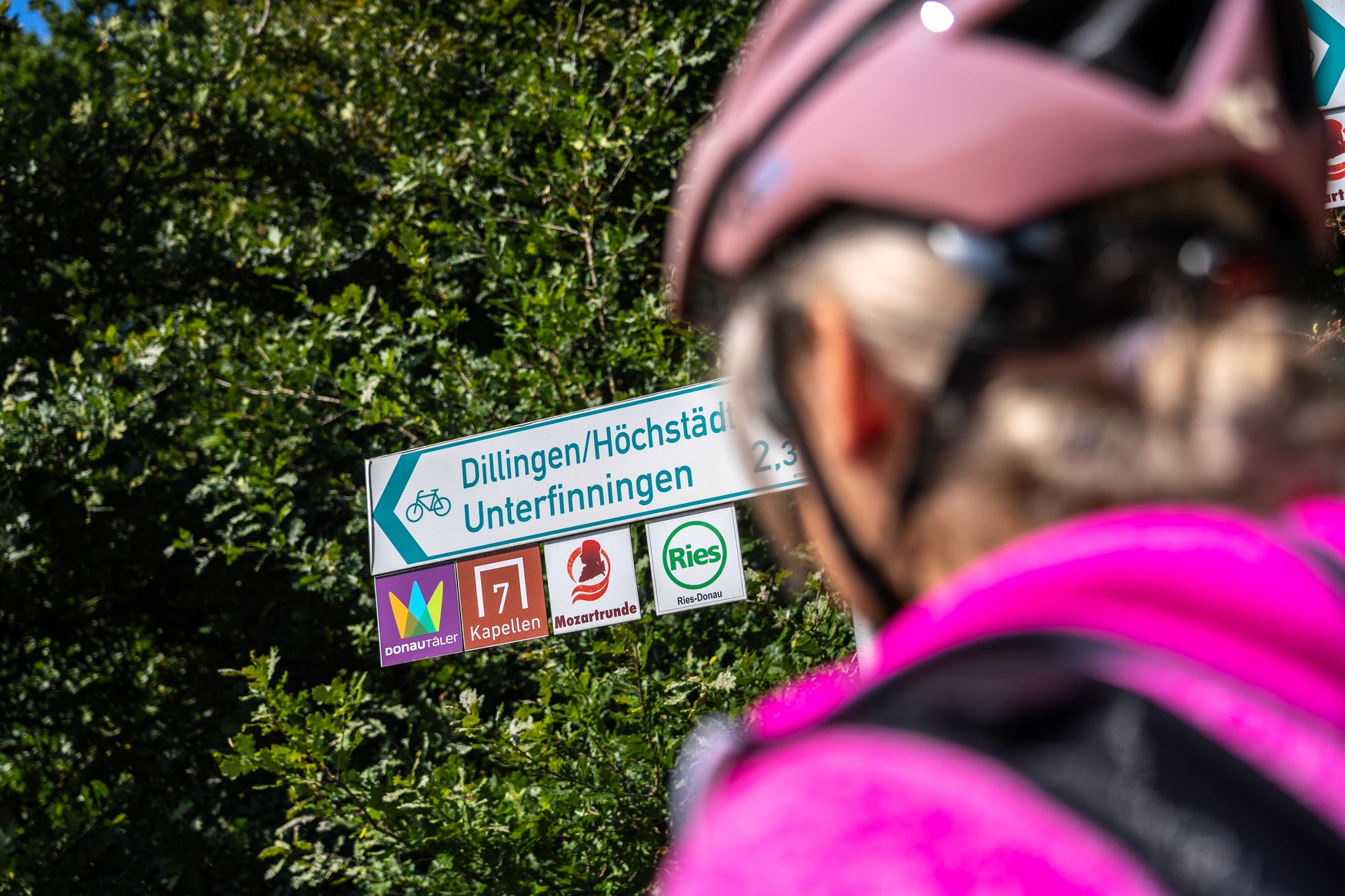
DonauTäler – Radfahren zwischen Donau und Nebentälern
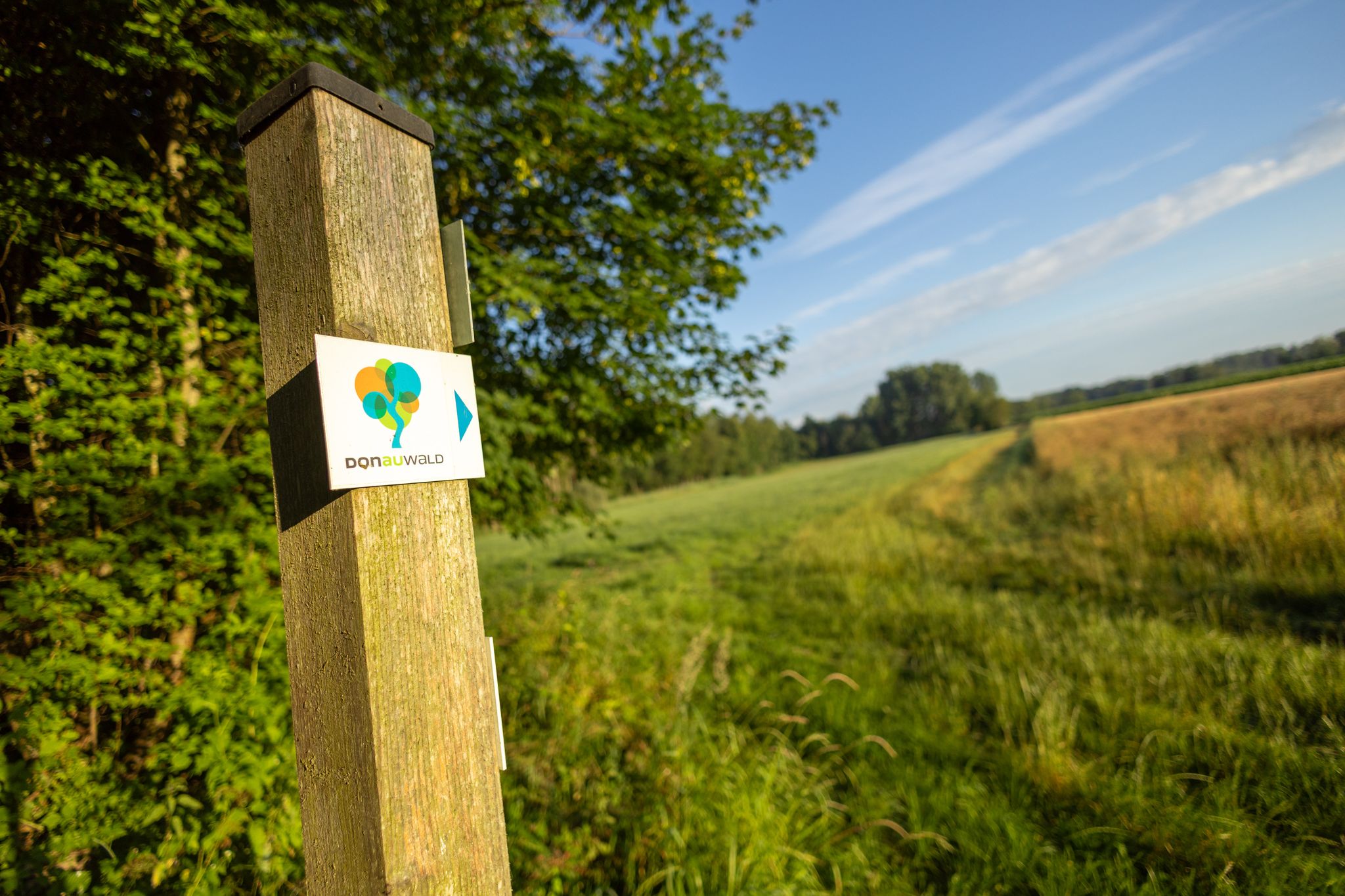
DonAUwald – Premiumwanderweg entlang der Donau
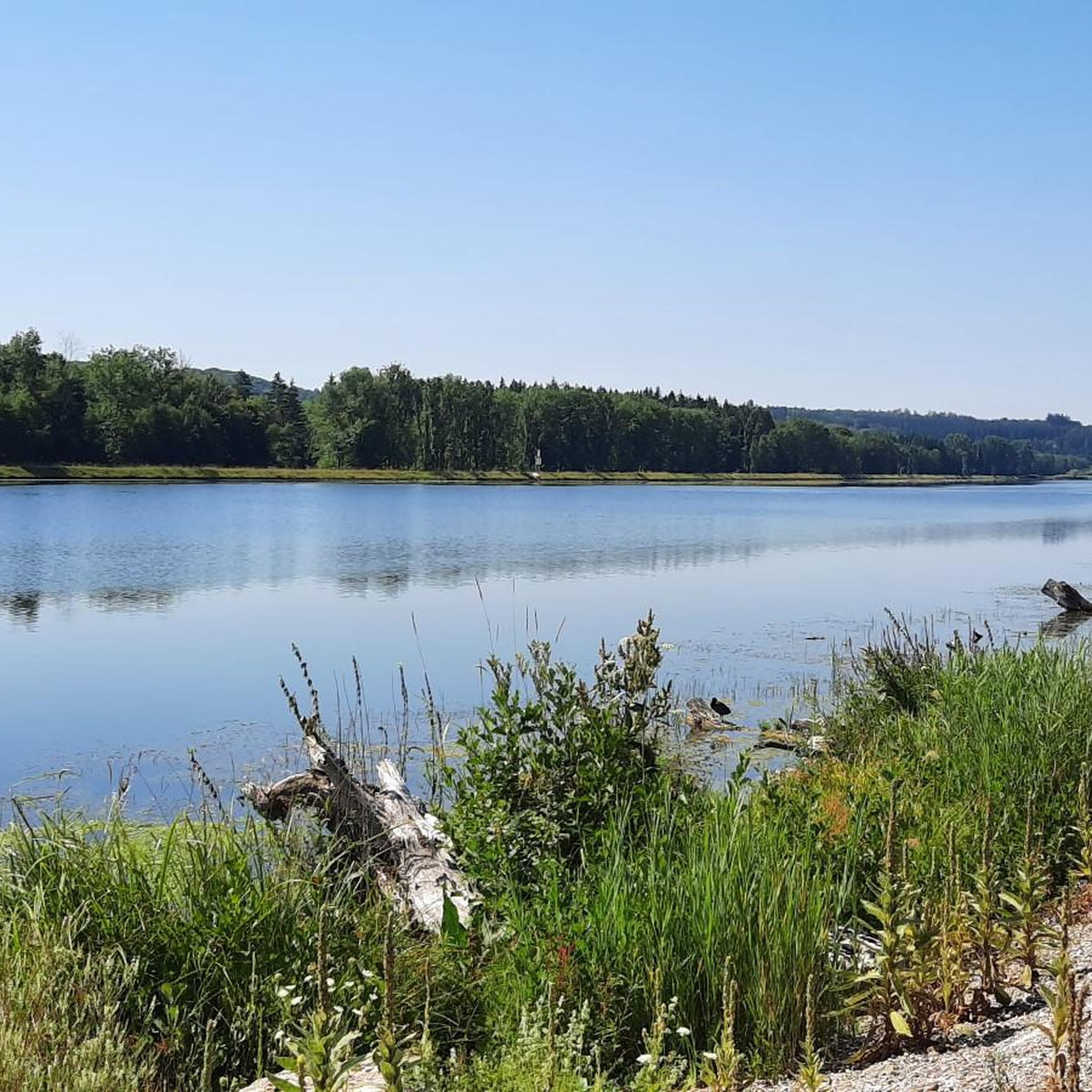
Cycling around Gundelfingen an der Donau
Hiking around Gundelfingen an der Donau
Running Trails around Gundelfingen an der Donau
Road Cycling Routes around Gundelfingen an der Donau
MTB Trails around Gundelfingen an der Donau

Gravel biking around Gundelfingen an der Donau
Other adventures around Gundelfingen an der Donau


Tips from the Community

Built around 1450, renovated from 1972 to 1977. A four-story structure with two side wings, corner bay windows, and gables. A south wing with a late Gothic core dating from around 1450, the original north wing with four round corner towers, and arched sheds.
1
0

Interesting facility with a beautiful view. Below the castle is a nice parkour for archery
0
0

The place was first mentioned in the 12th century. In 1568 the place passed to the Riedheim family, who are still the owners of Harthausen Castle today.
3
0

Location: Corner spur at the confluence of the Lone and the Hürbe. Altitude: 513m at the highest point. 498m in the courtyard. 480m in the Lone valley. Size and scope: 3996m2 and 300m ring wall. The Kaltenburg stands on a mountain spur above the Hürbe and Lone valleys. The three round towers still visible date from the Wilhelminian period, the two corner towers from the 17th century. First mentioned in 1240. The castle complex has been gradually renovated for several years. It's always worth a visit and the view is great.
3
0

Beautiful walls with a view of Sontheim
2
0

A place with a great view
0
0

Harthausen Castle is a double castle in Harthausen. It is located in the Günzburg district and belongs to the municipality of Rettenbach. It is a four-story complex with two side wings and distinctive tail gables. It is owned by the baronial Riedheim family.
1
1
Story Originally the Riedheim ministerials were the Lords of Graisbach, who had their noble seat in Riedheim and from then on named themselves after this place. Bertold the Riedhaimer is mentioned in a document from 1312. In 1384, the brothers Erhard and Winhard Riedhaimer von Riedheim came together to jointly manage their inheritance in Riedheim. Konrad von Rietheim is mentioned in 1347. The family initially settled in Remshart (today a district of the municipality of Rettenbach) near Günzburg; the headquarters near Holzheim was sold to the Riederer von Paar family at the end of the 14th century.
3
1
Frequently Asked Questions
What outdoor activities can I do near the castles around Gundelfingen an der Donau?
The region offers various outdoor activities. You can find numerous hiking routes around Gundelfingen an der Donau, including easy loops like the "Scottish Highland Cattle – View of the Lake loop from Gundelfinger Moos." For cyclists, there are road cycling routes and MTB trails, such as the "Brenz Riverside Trail in Bächingen" for mountain biking.
Are there family-friendly castles to visit in the region?
Yes, several castles are suitable for families. Brenz Castle, Güssenburg, and Leipheim Castle are all categorized as family-friendly. These sites often offer historical exploration in an engaging setting.
Which castles offer the best views of the surrounding landscape?
For magnificent panoramic views, visit the Kaltenburg Ruins. From here, you can see the Hürbe and Lone valleys and the confluence of the two rivers directly below the castle. Güssenburg also provides beautiful views of the surrounding countryside.
What is the historical significance of Rosenschloss Schlachtegg in Gundelfingen an der Donau?
Rosenschloss Schlachtegg has a rich history, evolving from a chapel in 1270 to a Catherine monastery, and then into a Swabian residential palace between 1553 and 1560. It features distinctive crenellated gables and once housed Rococo stucco altars and Gothic wall paintings. Although privately owned and not publicly accessible inside, its exterior and park offer a glimpse into centuries of architectural evolution.
Can I visit the interior of Rosenschloss Schlachtegg?
No, Rosenschloss Schlachtegg is privately owned by the ESTATIS-Gruppe and is not publicly accessible for interior visits. However, you can still admire its picturesque exterior and the surrounding park.
What can I expect to see at Brenz Castle?
Brenz Castle is a beautifully renovated Renaissance castle from 1672. It houses a community heritage museum with collections of fossils from the Swabian Jura, earthenware, stoneware, pewter tableware, and rural tools. The castle also hosts various concerts throughout the year, making it a vibrant cultural site.
Are there any castle ruins that are freely accessible?
Yes, both the Kaltenburg Ruins and Güssenburg are freely accessible all year round. They offer opportunities to explore medieval architecture and enjoy scenic views.
What is the best time to visit the castles around Gundelfingen an der Donau?
The Kaltenburg Ruins are freely accessible all year round, making them a good option regardless of the season. Generally, spring and autumn offer pleasant weather for exploring the outdoor ruins and enjoying the surrounding natural landscapes. Winter visits can be picturesque, especially if there's snow, but some facilities might have reduced hours.
Is Dillingen Castle open to visitors?
While Dillingen Castle has historical significance with parts dating back to the Staufer period, it currently serves as the headquarters of the tax office. The interior is not open for public visits, but the castle courtyard and garden are often used for events like open-air concerts.
What makes Leipheim Castle unique?
Leipheim Castle is a three-story, Renaissance-style building with parts dating back to the 11th century. It is uniquely situated on a steep mountain slope and features a walled front garden and a stately castle wall with several round towers, each topped with a concavely domed spire. It's a striking example of Renaissance architecture.
What do visitors enjoy most about the Kaltenburg Ruins?
Visitors frequently praise the extensive nature of the Kaltenburg Ruins and the magnificent views it offers down into the Hürbe and Lone valleys. Its well-preserved state, thanks to renovation efforts, allows for a great appreciation of its historical grandeur, making it an ideal resting place for hikers.
Are there any castles that are particularly good for history enthusiasts?
History enthusiasts will appreciate the Kaltenburg Ruins, which date back to the early 12th century and show the impact of events like the Thirty Years' War. Güssenburg, once the ancestral seat of the Lords of Güssenberg, also offers a deep dive into local medieval history, despite being destroyed in 1449.
Most popular routes around Gundelfingen an der Donau
Most popular attractions around Gundelfingen an der Donau

Get inspired with the komoot mobile app


Explore more
Looking for the best castles somewhere else? Discover other guides around Gundelfingen an der Donau:
