Top 20 Castles around Dietmannsried
Best castles around Dietmannsried are found in the Oberallgäu district of Bavaria, Germany. The region features historical castle sites, predominantly early medieval "Mottes" characterized by defensive mounds. These locations provide insight into medieval life and early castle construction, offering tangible evidence of the area's historical past.
Best castles around Dietmannsried
- The most popular castles is Neu-Kalden Ruins, a castle that offers views of the Iller river. This ruin provides a vantage point over the Iller river.
- Another must-see spot…
Last updated: July 7, 2026
Neu-Kalden Ruins
Highlight • Castle
Translated by Google •
Tip by

Liebenthann Castle Mill
Highlight • Historical Site
Translated by Google •
Tip by

Sign up now to discover places like this
Get recommendations on the best single tracks, peaks, & plenty of other exciting outdoor places.
Sign up for free
Wagegg Castle Ruins
Highlight • Castle
Translated by Google •
Tip by

Prince-Abbot’s Residence Kempten
Highlight • Historical Site
The princely residence in Kempten (Allgäu) is the first monumental monastery complex that was built in Germany after the Thirty …
Translated by Google •
Tip by

Lautrach Castle
Highlight • Castle
Translated by Google •
Tip by

Sign up for free to discover even more castles around Dietmannsried.
Sign up for free
Already have an account?
Start today with a free account
Your next adventure awaits.
Login or Signup
Tips from the Community

Beautiful historic building with ornate rooms
0
0


The castle in the municipality of Lautrach, in the Swabian district of Unterallgäu, has a long history: It was built in 1781 by the Prince Abbot of Kempten, Honorius Roth von Schreckenstein. Initially, it served as a provost's residence and hunting lodge, then as a boarding school for the daughters of the upper classes, and since 1923, it has been a meeting place for scholars and artists. In 1989, it was converted into a conference center and hotel.
0
0

Ruins of a former castle with explanatory panels
2
0

Approaching the ruins from Fleschützen, it was quite unsatisfying. Access to the inner castle is blocked, and the surrounding walls are overgrown. It's impossible to get a clear view. The ruins are apparently neglected and have been left to their natural state. The sign also suggests this. A shame.
0
0

The trails are sometimes very adventurous, but in a very beautiful area. It is safer to bike in dry weather. Unfortunately, a lot of trees block the trail, so you have to lift the bike more than you can ride.
1
1

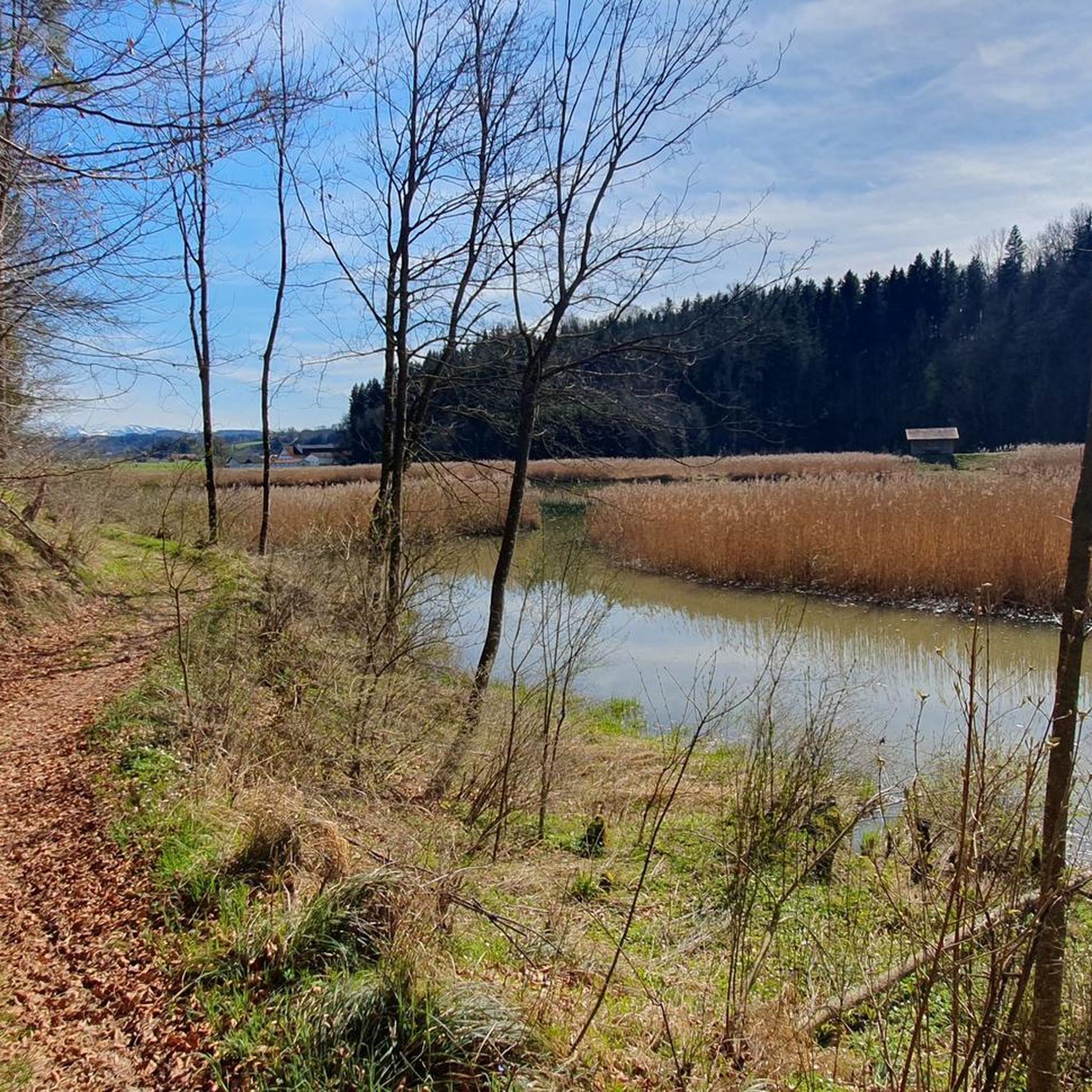
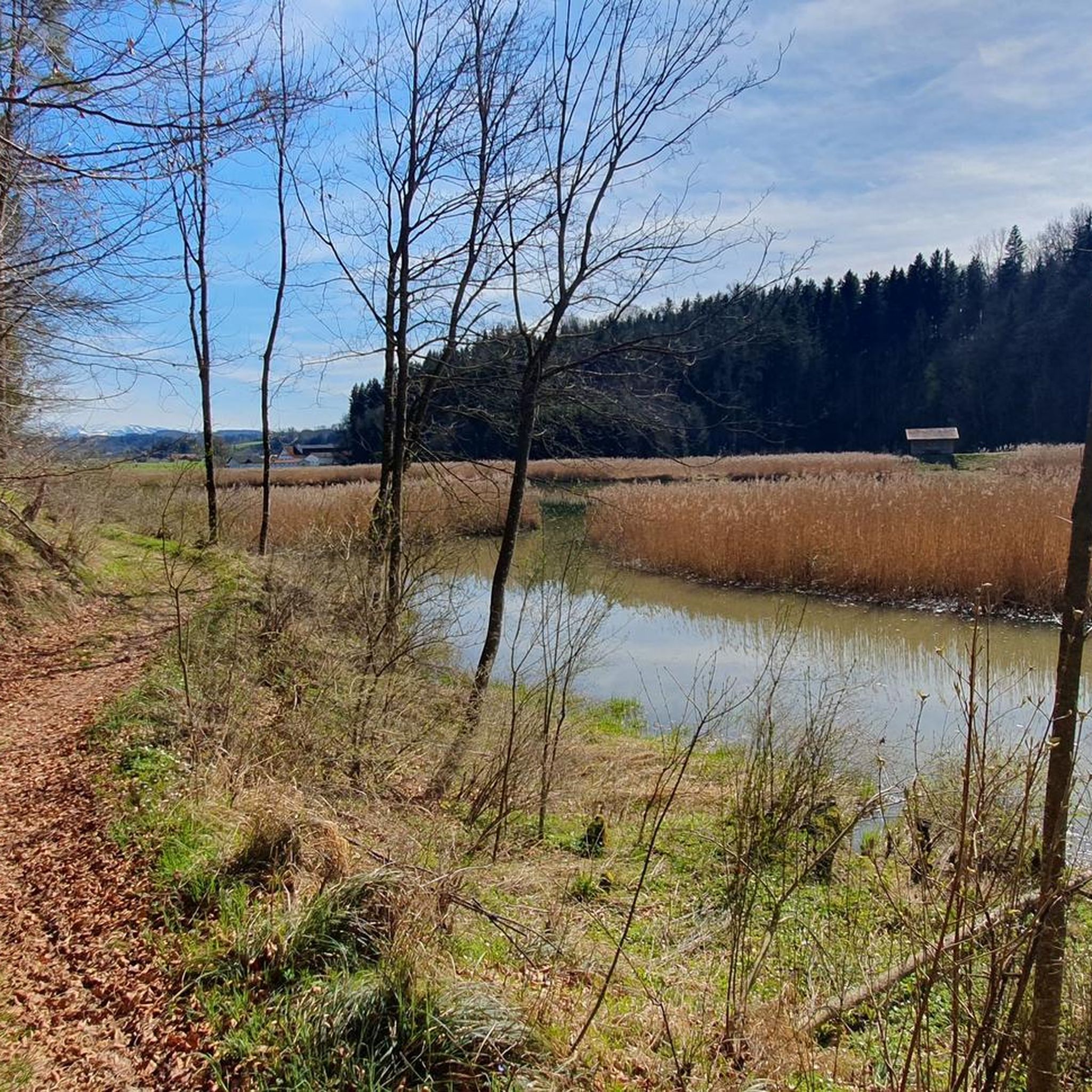
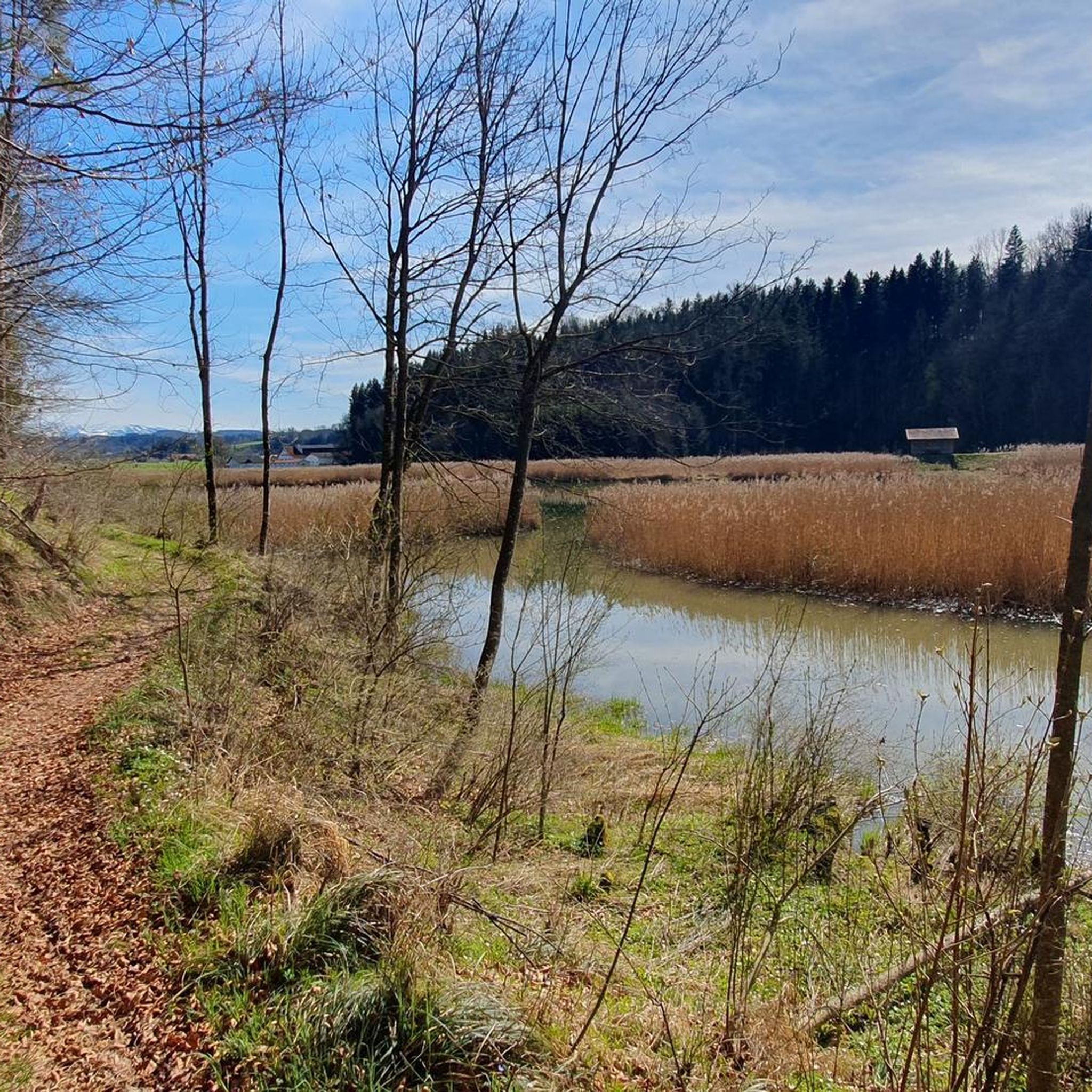
Beautiful little ruin with a view of the Iller
2
0
Very nice destination, located directly on the Günztalradweg
4
1
Frequently Asked Questions
What kind of castles can I expect to find around Dietmannsried?
The Dietmannsried area is primarily known for its early medieval 'Mottes,' which are defensive mounds rather than grand, standing castles. These sites, like the Motte Inselweiher in the village center and another well-preserved motte in Haslach, offer a unique glimpse into medieval life and early castle construction. They are valued for their historical and archaeological significance.
Which are some of the most notable castle sites or ruins to visit near Dietmannsried?
Beyond the local mottes, you can explore several significant sites. The Neu-Kalden Ruins offer fantastic views of the Iller river. The Wagegg Castle Ruins, where a medieval castle once stood, also provide beautiful views from its elevation. Additionally, the Liebenthann Castle Mill, a historical site built in 1698, offers opportunities for rest and tours.
Are there any family-friendly castle sites in the Dietmannsried area?
Yes, several sites are suitable for families. The Neu-Kalden Ruins and Liebenthann Castle Mill are both considered family-friendly. The Prince-Abbot’s Residence Kempten and Lautrach Castle also welcome families, offering historical insights in a more accessible setting.
Can I find viewpoints at the castle ruins around Dietmannsried?
Absolutely. Both the Neu-Kalden Ruins and Wagegg Castle Ruins are noted for their excellent viewpoints. From Neu-Kalden, you get a fantastic view of the Iller river, while Wagegg offers expansive views from its elevated position where a medieval castle once stood.
What kind of outdoor activities can I do near the castles in Dietmannsried?
The area around Dietmannsried offers various outdoor activities, especially cycling. You can find numerous routes for mountain biking, gravel biking, and road cycling. For mountain biking, explore trails like the 'Iller Gorge – Iller Trail loop from Dietmannsried'. Gravel biking options include the 'Iller Cliffs near Riederau – Iller Rapids loop'. Road cyclists can enjoy routes such as 'Neumühle (Allgäu) – Road to Maria Steinbach loop'. You can find more details on these and other routes in the respective guides for MTB Trails, Gravel Biking, and Road Cycling Routes around Dietmannsried.
What makes the motte sites in Dietmannsried historically significant?
The motte sites, particularly the Motte Inselweiher and the one in Haslach, are historically significant because they represent a common type of early medieval fortification for lower nobility. They offer tangible evidence of the region's medieval past and the defensive structures that were integral to the development of settlements like Dietmannsried. These sites are also part of the 'Burgenregion Allgäu,' highlighting their regional historical importance.
Are there any cafes or restaurants near the castle sites?
Yes, the Liebenthann Castle Mill is an ideal spot for a break, featuring a beer garden where you can strengthen yourself. It's a great place to stop for coffee and cake while exploring the historical sites in the Günztal.
What is the best time to visit the castles around Dietmannsried?
The motte sites and ruins are primarily outdoor attractions. Visiting during spring, summer, or early autumn offers the most pleasant weather for exploring the earthworks and enjoying the views. Winter visits are possible, but some paths might be less accessible, and the landscape will be different. Information panels at sites like Motte Inselweiher are accessible year-round.
Is there parking available at the castle sites?
While specific parking details for every motte site are not always highlighted, the main sites like Motte Inselweiher in Dietmannsried village are generally accessible. For larger highlights like Liebenthann Castle Mill, visitor parking is typically available due to its facilities. It is advisable to check local signage or municipality websites for parking information when planning your visit.
What do visitors enjoy most about the castle sites in Dietmannsried?
Visitors appreciate the unique historical insight offered by the motte sites, which provide a different perspective on medieval fortifications compared to grander castles. The scenic views from ruins like Neu-Kalden and Wagegg are also highly praised. Many enjoy the opportunity to combine historical exploration with outdoor activities like cycling or hiking in the surrounding natural landscape.
Are the castle sites around Dietmannsried accessible for wheelchairs?
The nature of motte-and-bailey castles, which involve defensive mounds and earthworks, means that many of these sites may have uneven terrain and natural paths, making full wheelchair accessibility challenging. For more accessible historical experiences, the Prince-Abbot’s Residence Kempten, now a courthouse, and Lautrach Castle, which functions as a conference center and hotel, may offer better accessibility options within their renovated structures.
Can I bring my dog to the castle sites in the Dietmannsried area?
For outdoor sites like the motte earthworks and castle ruins, dogs are generally welcome, especially if kept on a leash. However, for indoor attractions such as the Liebenthann Castle Mill or the Prince-Abbot’s Residence Kempten, it's best to check their specific pet policies beforehand. Always ensure your dog is under control and any waste is properly disposed of.
Most popular routes around Dietmannsried
Most popular attractions around Dietmannsried

Get inspired with the komoot mobile app


Explore more
Looking for the best castles somewhere else? Discover other guides around Dietmannsried:
