Top 9 Caves around Reimlingen
Best caves around Reimlingen are found in a region characterized by its significant geological formations and karst landscape. Reimlingen serves as a starting point for exploring the diverse natural features of the surrounding area. This environment offers a variety of cave systems, providing opportunities for outdoor exploration and geological interest.
Best caves around Reimlingen
- The most popular caves are Great and Small Ofnet Caves, a cave system consisting of two karst caves in the limestone of Riegelberg. These caves…
Last updated: July 1, 2026
Great and Small Ofnet Caves
Highlight • Cave
Translated by Google •
Tip by

Hohlenstein Cave
Highlight • Cave
Translated by Google •
Tip by

Sign up now to discover places like this
Get recommendations on the best single tracks, peaks, & plenty of other exciting outdoor places.
Sign up for free
Hanseleshohl Cave
Highlight • Cave
Legend …
Translated by Google •
Tip by

Fräle Spring Grotto
Highlight • Cave
Translated by Google •
Tip by

Grotto at Ursprungsweiher
Highlight • Cave
Translated by Google •
Tip by

Sign up for free to discover even more caves around Reimlingen.
Sign up for free
Already have an account?
Start today with a free account
Your next adventure awaits.
Login or Signup
Tips from the Community

Don’t forget to visit the pond next to it
0
0

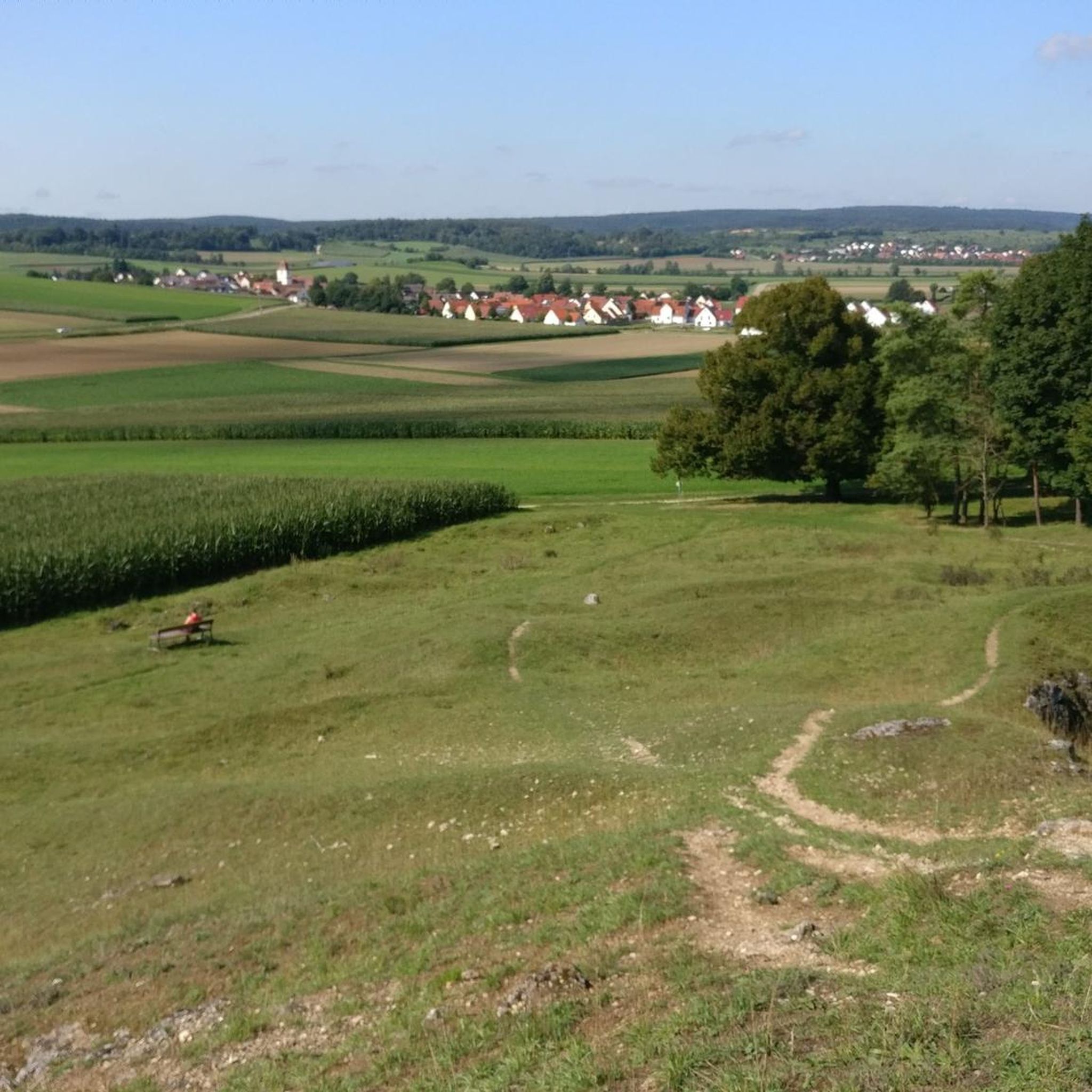
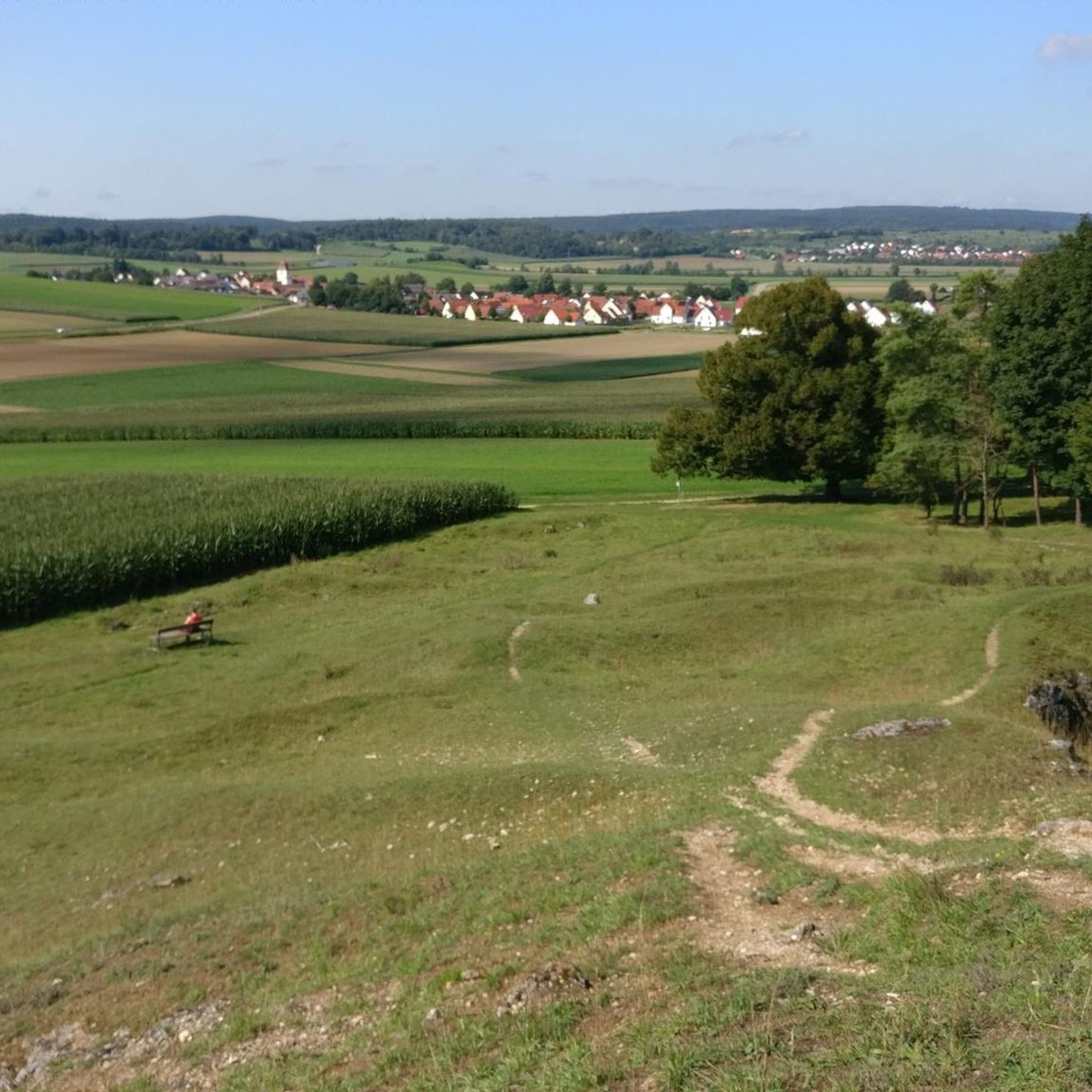
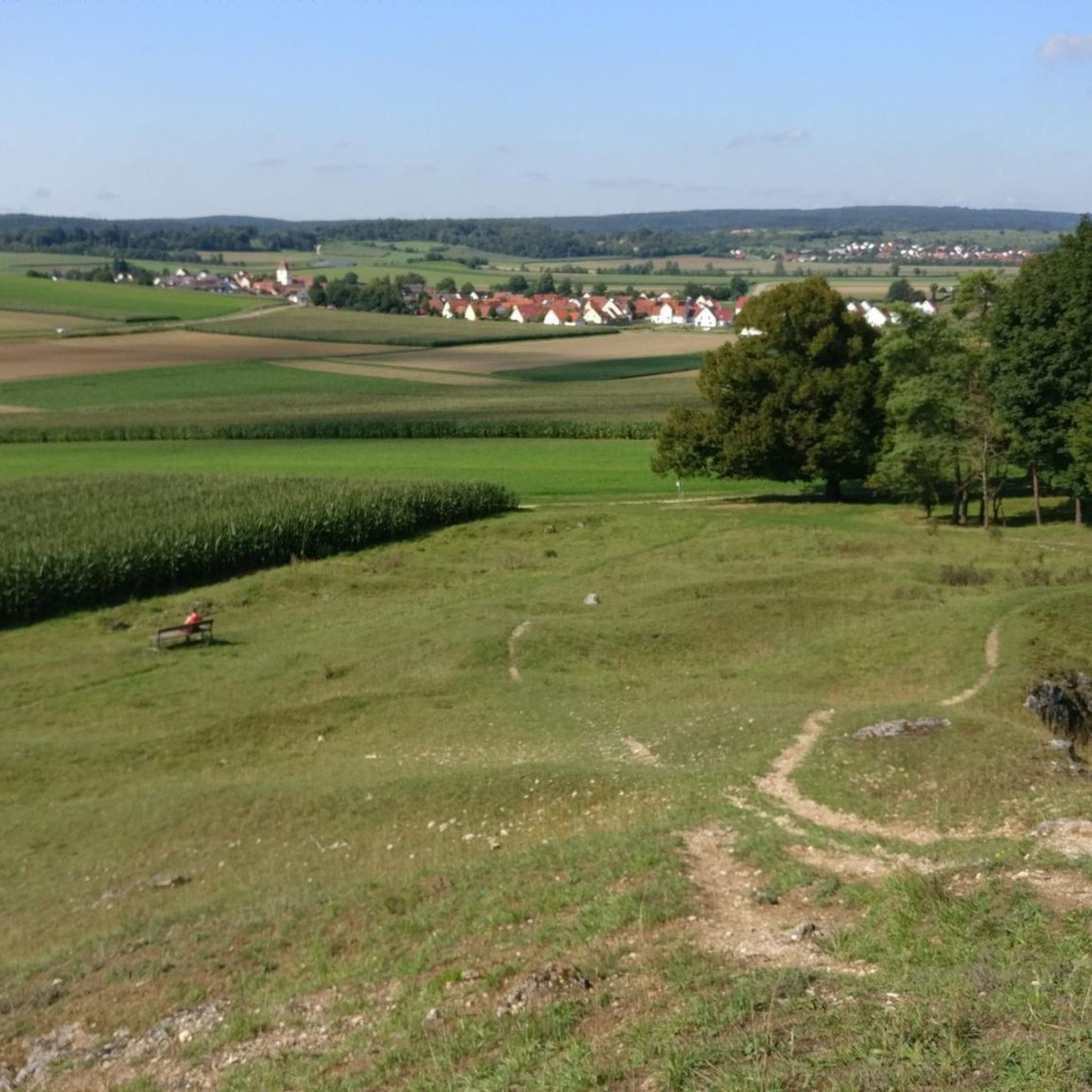
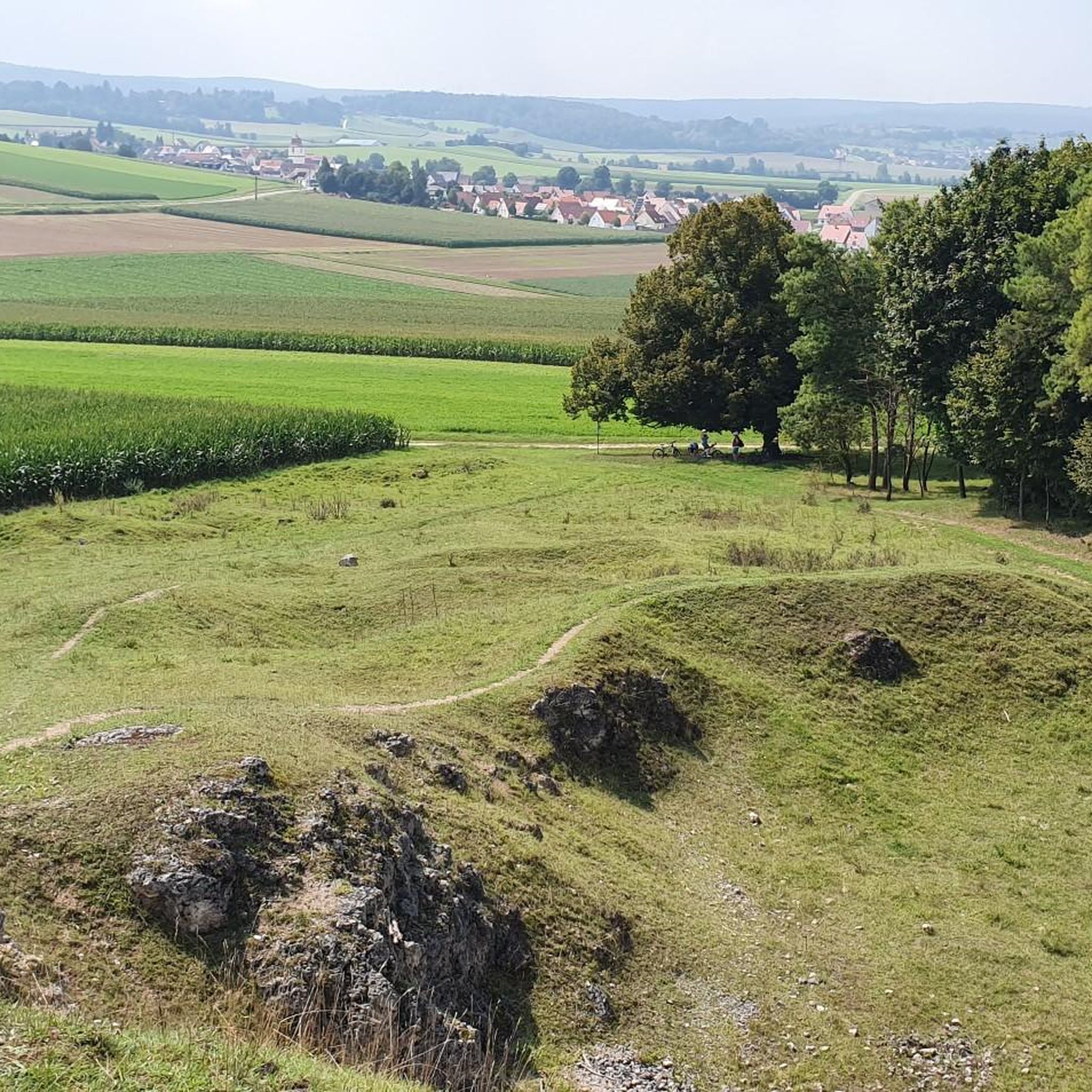
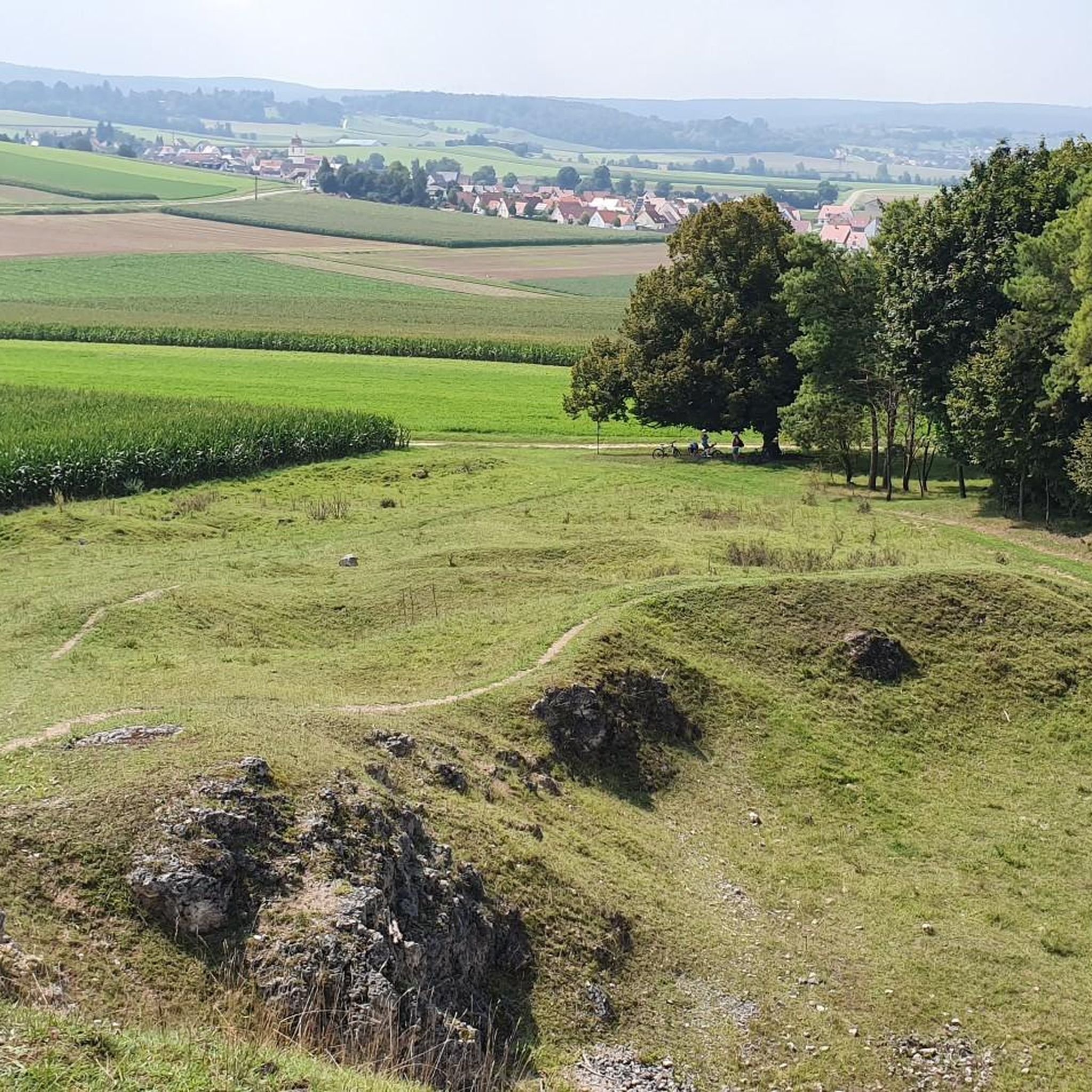
Beautiful caves on the Riegelberg with a wonderful view of a former Roman estate
2
0


Really large cave in the middle of the forest with rest benches in front of it
1
0

Very nice there to take a break. Greetings Marcus
1
0

Beautifully designed spring grotto and worth a detour.
1
0

Beautiful clear water and a shady forest around it.
3
0

Impressive source and beautiful photo motif.
0
0
Frequently Asked Questions
Are there family-friendly caves to visit near Reimlingen?
Yes, several caves in the region are suitable for families. The Hohlenstein Cave is easily accessible and offers insights into geological history. The Grotto at Ursprungsweiher is also family-friendly, featuring clear water and a shady forest. Further afield, the Wimsener Cave (Friedrichshöhle) on the Swabian Alb is Germany's only active water cave navigable by boat and includes a water playground nearby.
What is the geological significance of the caves around Reimlingen?
The region around Reimlingen is characterized by significant geological formations and a rich karst landscape, particularly influenced by the Ries crater. Caves like the Great and Small Ofnet Caves are remnants of former underground karst systems, modified by the crater. The Swabian Alb, a nearby region, is renowned for having the most caves in Central Europe, showcasing extensive karstification and diverse cave levels, as seen in the Tiefenhöhle.
What historical insights can be gained from visiting the caves?
Many caves in the area hold significant historical value. The Great and Small Ofnet Caves are famous for Stone Age finds, including tools, jewelry, and over 30 skulls of 'Homo sapiens'. The Hanseleshohl Cave is believed to have been a cult and sacrificial site in the Neolithic period, and legend says it sheltered a family during the Thirty Years' War.
What are some unique features of the caves in the broader Reimlingen region?
The broader region offers diverse cave experiences. The Wimsener Cave (Friedrichshöhle) is unique as Germany's only active water cave navigable by boat. The Tiefenhöhle in Laichingen is the deepest accessible show cave in Germany, allowing visitors to descend 55 meters. The Eberstadt Stalactite Cave boasts a rich variety of pristine, chalk-white stalactites, stalagmites, and crystals, preserved due to modern lighting from its discovery.
Are there any caves that are particularly challenging or require specific equipment?
While many caves are easily accessible, some may require sturdy footwear or a flashlight. For instance, exploring the Gerber Cave involves a varied mountain hiking trail with steep sections and stairs. The Hohlenstein Cave is easy to reach, but a detour to the 'Cave in Hell' nearby requires sure-footedness. Always check specific cave requirements before visiting.
When is the best time to visit the caves around Reimlingen?
Many caves in the region, such as the Gerber Cave and Geisterhöhle, are closed during winter months, typically from November 15th to April 15th, to protect bat populations. Therefore, the best time to visit is generally from spring through autumn. Always check specific opening times for individual caves before planning your trip.
What outdoor activities can I combine with a cave visit near Reimlingen?
The area around Reimlingen is excellent for various outdoor activities. You can find numerous hiking trails, including routes like the 'Ruins of Niederhaus Castle – Great and Small Ofnet Caves loop'. For cycling enthusiasts, there are options for gravel biking and touring, such as the 'Nördlingen Market Square – View of the Nördlinger Ries loop'. You can explore more routes on the hiking around Reimlingen, gravel biking around Reimlingen, and cycling around Reimlingen guide pages.
Are there any caves that are not freely accessible and require guided tours?
Yes, some caves have restricted access or require guided tours. The Mühlheim Rock Cave, part of the UNESCO Swabian Alb Geopark, is generally not freely accessible but can be visited on specific 'Cave Days' and Ascension Day, or through guided tours organized by the local Albverein.
What should I wear when visiting caves in the Reimlingen area?
Even in summer, cave interiors can be cool and damp, so it's advisable to wear layers. Sturdy, closed-toe footwear with good grip is recommended, especially for caves with uneven terrain, steep sections, or stairs, such as the Gerber Cave. A flashlight can also be useful for exploring darker sections.
What do visitors enjoy most about the caves around Reimlingen?
Visitors appreciate the diverse natural beauty and historical significance of the caves. Many enjoy the easy accessibility of places like the Hohlenstein Cave and the clear water and peaceful atmosphere of the Grotto at Ursprungsweiher. The historical context of sites like the Great and Small Ofnet Caves also draws considerable interest.
Are there any caves known for wildlife, particularly bats?
Yes, several caves in the region are important habitats for bats. The Gerber Cave and Geisterhöhle, for example, are closed during the winter months (typically November 15th to April 15th) specifically for bat protection. This highlights their ecological significance as winter roosts for these animals.
Most popular routes around Reimlingen
Most popular attractions around Reimlingen

Get inspired with the komoot mobile app


Explore more
Extend your search for the best caves by checking out these guides of the top ones around Reimlingen:
