Top 11 Castles around Offingen
Best castles around Offingen are found in the surrounding region, offering insights into local history and architecture. While Offingen itself features Schloss Offingen, an 18th-century noble residence now serving as a rectory, the wider area provides a variety of historical sites. These landmarks include renovated castles, former noble residences, and buildings with significant historical pasts. The landscape around Offingen, situated in Bavaria, provides a backdrop for exploring these historical structures.
Best castles around Offingen
- The most popular castles is Brenz…
Last updated: October 2, 2026
Brenz Castle
Highlight • Castle
Translated by Google •
Tip by

Harthausen Castle
Highlight • Castle
Translated by Google •
Tip by

Sign up now to discover places like this
Get recommendations on the best single tracks, peaks, & plenty of other exciting outdoor places.
Rosenschloss Gundelfingen
Highlight • Castle
Translated by Google •
Tip by

Margrave's Palace, Günzburg
Highlight • Castle
Translated by Google •
Tip by

Science Center Schloss Reisensburg
Highlight • Castle
As a conference and retreat at Ulm University, it promotes
scientific cooperation at regional, national and international level
cooperation between university and non-university institutions
Translated by Google •
Tip by

Sign up for free to discover even more castles around Offingen.
Already have an account?
Start today with a free account
Your next adventure awaits.
Popular around Offingen
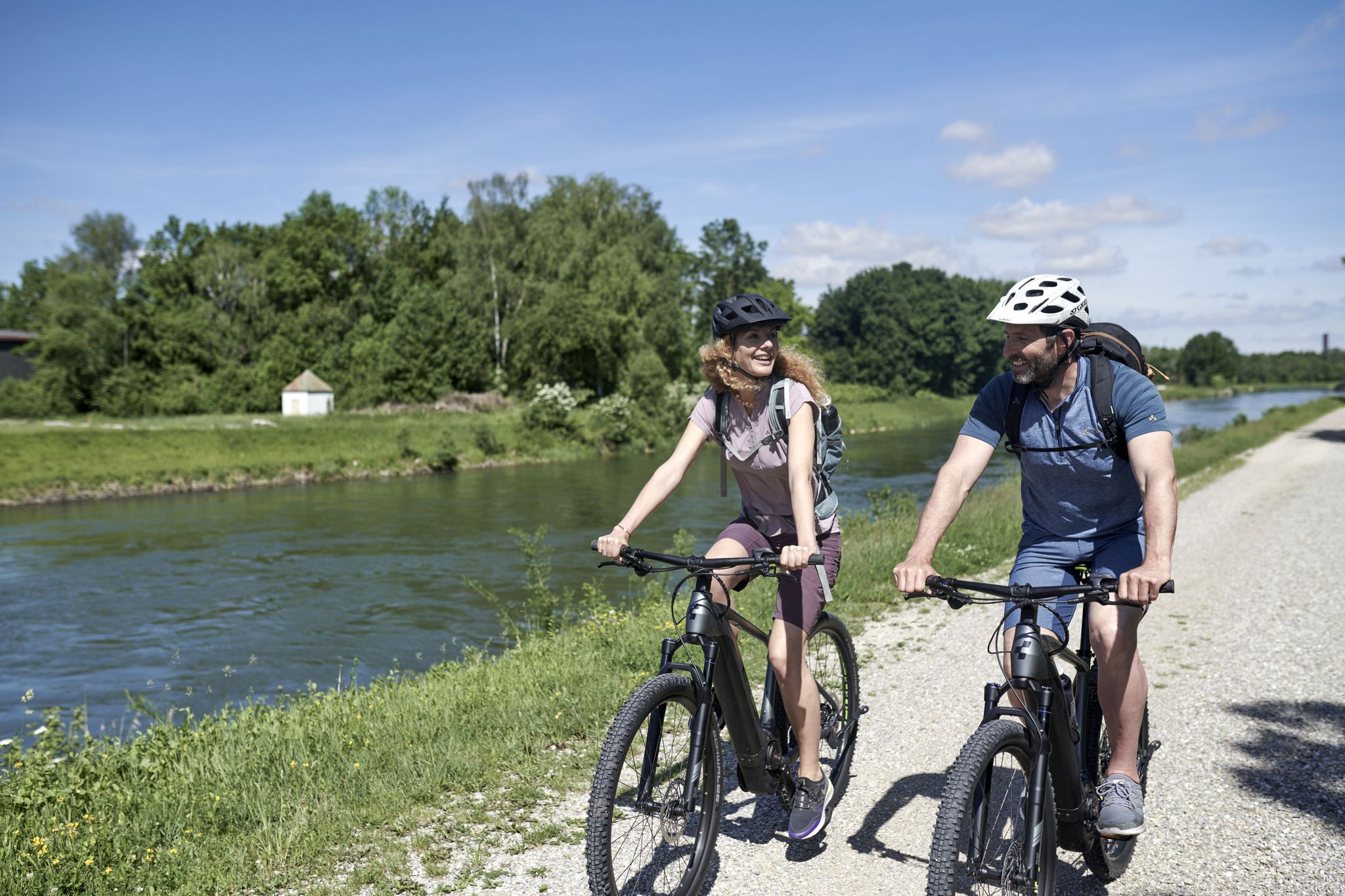
From River to River: Cycling in Bavarian Swabia
DonAUwald – Premiumwanderweg entlang der Donau
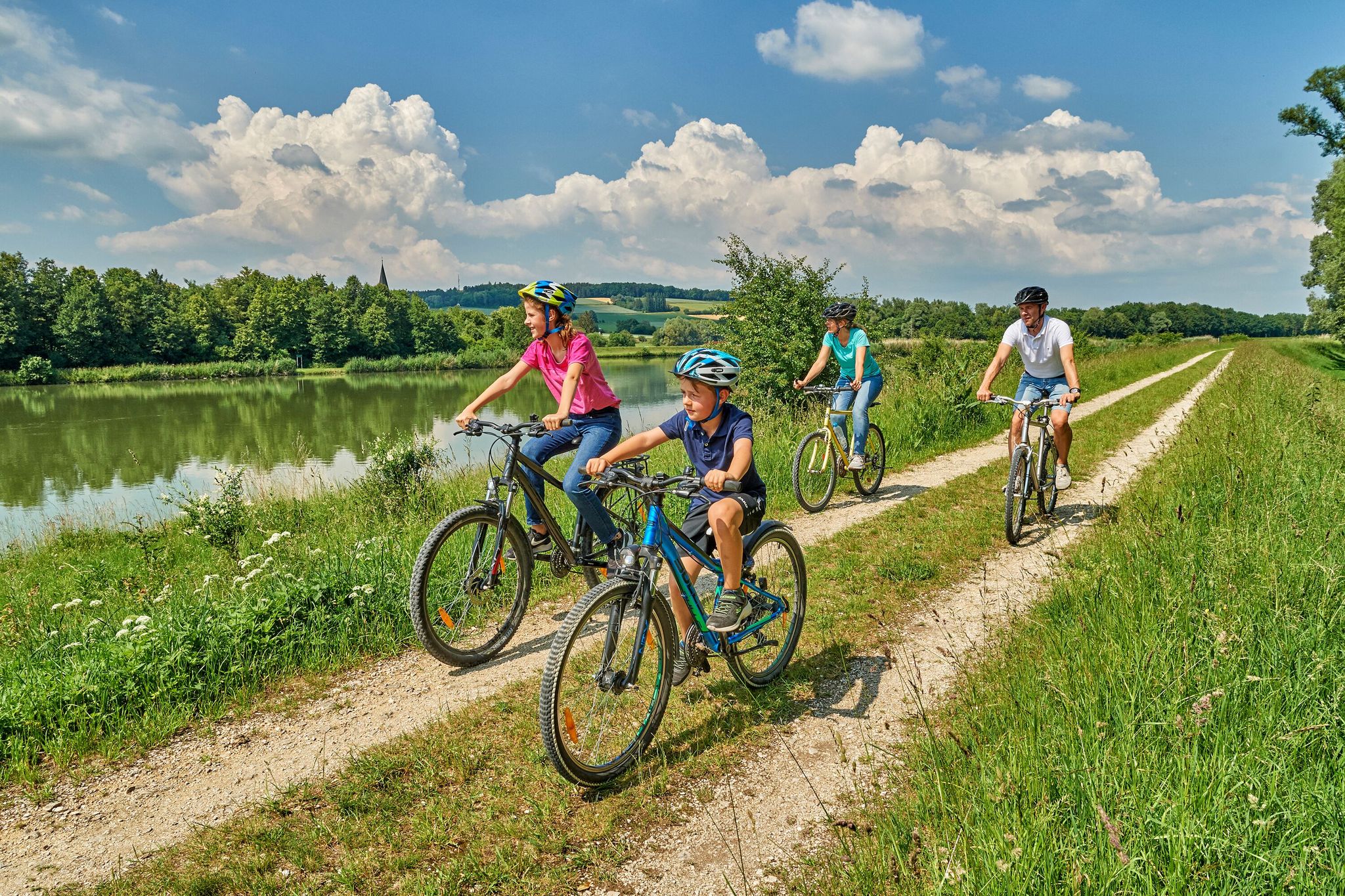
Bayerisch-Schwaben im Sommer: Wo Familien gemeinsam in die Pedale treten
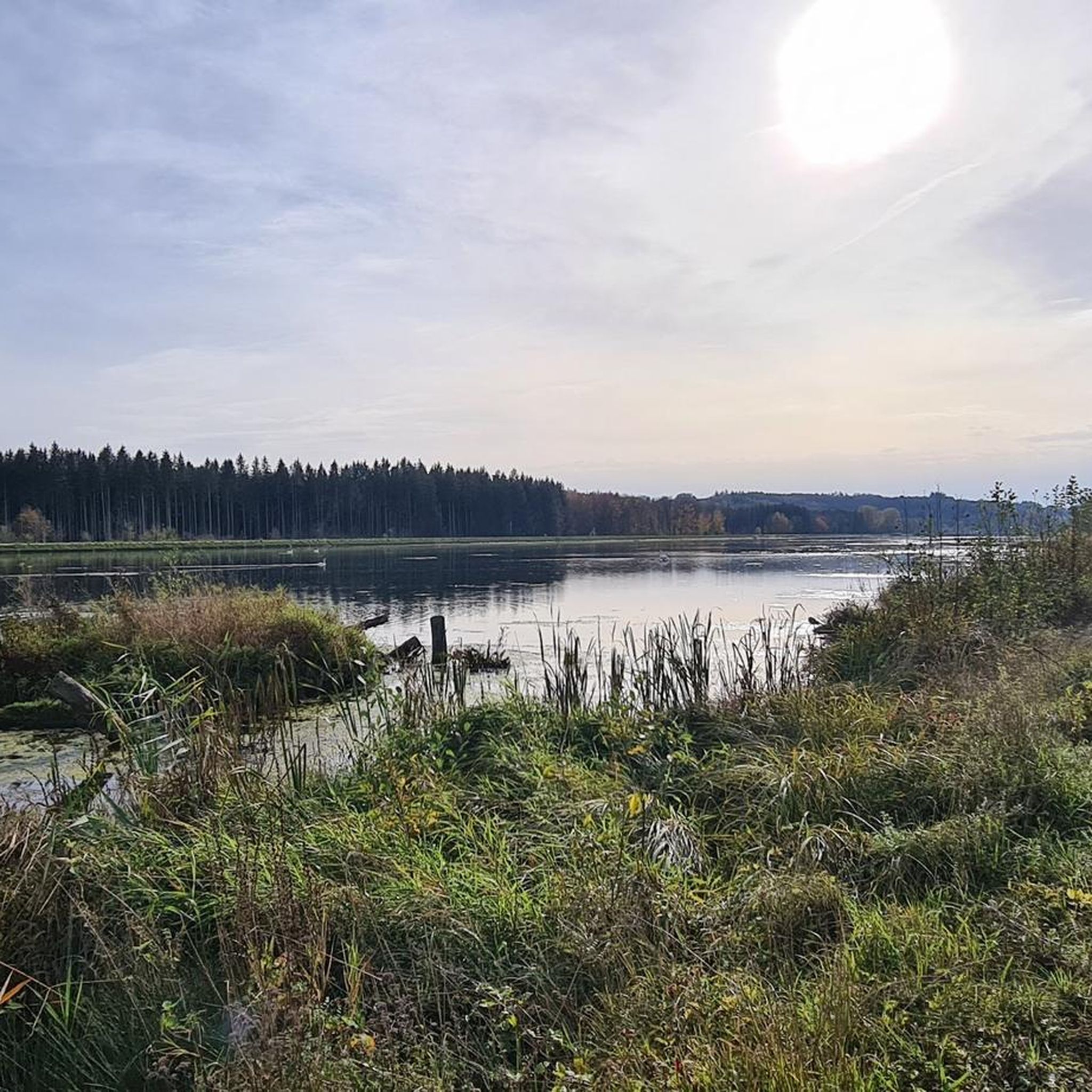
Cycling around Offingen
Hiking around Offingen
Road Cycling Routes around Offingen
Running Trails around Offingen
MTB Trails around Offingen
Gravel biking around Offingen
Other adventures around Offingen


Tips from the Community

The Margrave's Palace is a three-winged palace complex located in the center of Günzburg, featuring architectural elements from various periods. The Italian architect Alberto Lucchese oversaw the palace's reconstruction from 1577 to 1586 for Archduke Ferdinand II of Tyrol, costing 132,000 guilders. The palace remains the only surviving Habsburg residence in Germany and represents centuries of Austrian influence in Bavaria. The south wing of the palace houses a local history museum, while other areas serve as offices for the tax administration. Restoration work, completed in 2022, revitalized the facade of the south wing and preserved historical features while adapting it to modern requirements. Source: https://de.aroundus.com/p/7138487-markgrafenschloss-gunzburg
1
0
Settlement on the castle grounds dates back to the Bronze Age. An older hillfort, in which the Reisensburg Castle stands, was first mentioned in the 10th century as Castello Risinesburc. The stone castle, first indirectly mentioned in 1266 by Bruno nobilis de Risenspurch, an imperial ministerial, controlled a river crossing. In 1295, the Reisensburg Castle came into the possession of the Margraves of Burgau, but after their extinction in 1301, it fell to the Habsburgs, who pawned it thereafter. In 1457, it passed as a fief to the knight Hans vom Stain of Ronsberg, and from him to his grandson Melchior, who expanded the Reisensburg lordship. In 1633, the Swedes set fire to the castle, which at that time belonged to the Tanner von Tann family. The Giel von Gielsberg family followed in 1660, and the Barons von Eyb in 1763. They sold the Reisensburg Castle to the Barons von Riedheim in 1852. After a change of ownership in 1920, the University of Ulm acquired the castle in 1966. Since then, the Reisensburg has housed a meeting and conference center, which was transferred to a foundation of the University of Ulm in 1997. Source: https://hdbg.eu/burgen/detail/burgschloss-reisensburg/19
2
0

Built around 1450, renovated from 1972 to 1977. A four-story structure with two side wings, corner bay windows, and gables. A south wing with a late Gothic core dating from around 1450, the original north wing with four round corner towers, and arched sheds.
1
0
Gundelfingen is a small town, also known as the "Gardeners' Town." Crossed by three river branches, the town lies between the meadows and floodplain forests of the Danube Valley.
0
0


A predecessor of the castle was built in 1452. Around 1577-1586, a new building was constructed for Archduke Ferdinand II of Tyrol by the Italian architect Alberto Lucchese. Several town houses had to be bought for this. The names of the sellers have been preserved: Kaspar Kündig, Hans Gering and Jakob Böringer. The construction of the castle cost a total of 132,000 guilders. The neighboring lords asked the Innsbruck court chamber for free building materials "in honor of His Serene Highness". All the construction workers' invoices have been preserved. The castle complex forms a monumental focal point in the urban structure in the southwest corner of the city, which is complemented in the northwest by another dominant accent in the form of the pre-baroque complex of the former Franciscan monastery and its church. From 1609 to 1618, the city became the residence of Margrave Karl von Burgau, a strict Catholic and son of Ferdinand II in Tyrol, governor of Upper Austria. Karl and his wife Sybille had no children, so Günzburg fell back to the main Habsburg line. Both were buried in the Capuchin monastery founded by Karl in 1616. Severely damaged in a fire in 1703, the castle was rebuilt in the Baroque style by the master builder Valerian Brenner. In 1769/70, the castle was renovated by Joseph Dossenberger the Younger. Source: Wikipedia
4
0

The Margrave Castle of Günzburg, together with the former court church of Ss. Trinitatis and today's town hall, forms a monumental focal point in the urban structure of the Bavarian town of Günzburg. The castle is the only Habsburg residence that is located in Germany today. The building is now largely used as a tax office. https://de.wikipedia.org/wiki/Markgrafenschloss_Guenzburg
3
0

The place was first mentioned in the 12th century. In 1568 the place passed to the Riedheim family, who are still the owners of Harthausen Castle today.
3
0
Frequently Asked Questions
What are some of the most notable castles to visit around Offingen?
While Offingen itself features Schloss Offingen, which is a private residence, the surrounding region offers several historically significant castles. Highly recommended are Brenz Castle, known for its beautiful renovation and riverside location, and Leipheim Castle, a striking Renaissance-style building with a walled front garden. Another popular choice is Rosenschloss Gundelfingen, integrated into a charming old town and famous for its roses.
Are there family-friendly castles to visit near Offingen?
Yes, several castles in the area are considered family-friendly. Brenz Castle, Leipheim Castle, and Rosenschloss Gundelfingen are all noted as suitable for families. Rosenschloss Gundelfingen, in particular, offers the adjacent Schnellepark with a small stream and pond, which can be enjoyable for children.
What is the historical significance of castles in the Offingen area?
The castles around Offingen reflect centuries of regional history, from medieval fortifications to noble residences. For example, the Margrave's Palace in Günzburg is significant as the only surviving Habsburg residence in Germany, showcasing various architectural periods and once serving as a residence for Archduke Ferdinand II of Tyrol. Science Center Schloss Reisensburg, while now a conference center, stands on grounds with Bronze Age settlement history and was once a medieval hillfort.
Can I visit castles near Offingen with my dog?
While specific dog policies vary by location, many outdoor areas around castles, such as the grounds of Rosenschloss Gundelfingen and its Schnellepark, are generally accessible for walks with leashed dogs. For interior access or specific rules, it's always best to check directly with the respective castle's administration before your visit.
What outdoor activities can I combine with a castle visit near Offingen?
The region around Offingen is excellent for outdoor activities. You can combine castle visits with cycling or running. For instance, there are numerous cycling routes like the Kammeltal Cycle Path or the Danube Riverside Path, which can take you past historical sites. For running, trails like the Danube Cyclist Rest Stop loop offer scenic views. You can find detailed routes and guides for cycling and running around Offingen.
Are there any castles that offer scenic viewpoints or natural features?
Yes, several castles are situated in picturesque settings. Leipheim Castle is notably elevated on a steep mountain slope, offering commanding views. Rosenschloss Gundelfingen is integrated into a beautiful old town and features the Schnellepark with a small stream and pond, making it a pleasant natural spot.
What is the best time of year to visit castles around Offingen?
Spring and summer are generally ideal for visiting castles around Offingen, as the weather is pleasant for exploring castle grounds and nearby towns. In spring, Rosenschloss Gundelfingen is particularly vibrant with its many roses. Autumn also offers beautiful foliage. While winter visits are possible, some outdoor areas or specific attractions might have reduced hours or accessibility.
Are there cafes or pubs near the castles in the Offingen area?
Many of the castles are located near or within towns that offer dining options. For example, Rosenschloss Gundelfingen is in a very nice downtown area with ice cream parlors and other establishments. Similarly, the Margrave's Palace in Günzburg is centrally located, providing access to local cafes and pubs.
What kind of architecture can I expect to see among the castles?
The castles around Offingen showcase a range of architectural styles reflecting different historical periods. You can find Renaissance-style buildings like Leipheim Castle, which features a saddle-roof and round towers. The Margrave's Palace in Günzburg is a three-winged complex with architectural elements from various periods, including Baroque reconstructions. Brenz Castle represents a beautifully renovated historical structure, offering insights into local building styles.
Is Schloss Offingen accessible to tourists?
The Schloss Offingen, while historically significant, is not a traditional tourist attraction. It dates back to 1748 and currently serves as the pastor's residence and parish administration office for the Catholic Church Foundation. Due to its use as private residences and administrative offices, it does not offer regular public access, guided tours, or extensive museum features.
Are there any castles that also function as modern facilities?
Yes, Science Center Schloss Reisensburg is a prime example. While it has a rich history dating back to the Bronze Age and medieval times, it now functions as a conference and retreat center for Ulm University, promoting scientific cooperation and knowledge transfer.
Most popular routes around Offingen
Most popular attractions around Offingen

Get inspired with the komoot mobile app


Explore more
Looking for the best castles somewhere else? Discover other guides around Offingen:
