Top 20 Castles around Obertraubling
Best castles around Obertraubling offer a rich selection of historical fortifications in the surrounding region. While Obertraubling itself may not have many grand castles, the area features imposing palaces, evocative ruins, and moated castles. These sites provide insights into the medieval and early modern history of the Upper Palatinate, often perched on hills overlooking rivers like the Danube. Many are accessible and provide scenic views, making them suitable for historical excursions.
Best castles around Obertraubling
- The most popular castles is…
Last updated: May 9, 2026
Ruins of Donaustauf Castle
Highlight • Castle
Translated by Google •
Tip by

St. Emmeram Palace (Thurn and Taxis Palace)
Highlight • Castle
Translated by Google •
Tip by

Sign up now to discover places like this
Get recommendations on the best single tracks, peaks, & plenty of other exciting outdoor places.
Sign up for free
Heinrichsturm (keep of Abbach Castle)
Highlight • Castle
Translated by Google •
Tip by

Villapark, Regensburg
Highlight • Natural
Translated by Google •
Tip by

Höfling Castle
Highlight • Castle
Translated by Google •
Tip by

Sign up for free to discover even more castles around Obertraubling.
Sign up for free
Already have an account?
Start today with a free account
Your next adventure awaits.
Login or Signup
Tips from the Community

King Maximilian II had the Royal Villa built as a summer residence on the Ostenbastei between 1854 and 1856, designed by Ludwig Foltz. Today, it houses the Regensburg office of the Bavarian State Office for the Preservation of Historical Monuments.
2
1

Unfortunately the tower was closed
0
0

Abbach Castle Ruins Ahabach Castle was first mentioned in a document on May 6, 973. Abbach Castle is believed to have been the birthplace of Emperor Henry II, but this cannot be proven. On November 1, 1007, Emperor Henry II donated the site to the Bishopric of Bamberg, which he founded. Abbach Castle was taken over by the Wittelsbachs around 1200; at that time, the Wittelsbachs had also succeeded in gaining control of the Danube toll at Abbach. The castle was allegedly destroyed by the Bishop of Bamberg when he handed Abbach over to the Prüfening Monastery. However, Duke Ludwig I had it rebuilt in 1224 and compensated the monastery with Königswiesen near Regensburg and Matting. Subsequently, the Duke significantly expanded his holdings in the Abbach district. In 1297, Abbach was burned down during a feud between the Bavarian Dukes Otto and Stephan and the citizens of Regensburg. Afterwards, the castle, which served only as the steward's residence, was rebuilt on a smaller scale. In 1564, neglect of the surrounding wall and the castle itself was noted. A land register from 1586 contains the following note: The castle has a wide courtyard, in the center of which stands a round tower that has been roofless for many years, as well as a deep well that does not always provide water. The strong surrounding walls have partially collapsed. During the Thirty Years' War, in 1632 and 1634, the citizens of Abbach and the surrounding area fled to the castle and defended it. In 1705, during the War of the Spanish Succession, Abbach surrendered to the Austrians without a fight. Between 1740 and 1745, Abbach was repeatedly sacked as a result of the War of the Austrian Succession. Demolition work on the castle buildings began in 1803; by 1832, almost all buildings except the keep had been removed. In April 1945, the Heinrichsturm (St. Henry's Tower) was hit by bombs because it had housed a German Wehrmacht observation post. The tower, which is now accessed via a steel staircase above the old high entrance, was renovated in the early 1980s. The 27-meter-high late Romanesque tower has a four-and-a-half-meter-thick rubble masonry. Inside the tower are two stacked octagonal chambers with helmet vaults. Remains of the castle's ring wall have also been preserved. Source: Excerpts from www.wikipedia.de
3
3

The Villa Park, the eastern counterpart to the Herzogspark to the west and connected to it by the avenues surrounding the old town, owes its existence to none other than the Bavarian King Maximilian II. In 1852, he spent an extended period in Regensburg to stabilize his ailing health through supposedly healing Danube baths. At that time, he realized that there was no suitable accommodation for the royal family in the cathedral city and commissioned the architect and sculptor Ludwig Foltz to build a summer residence. The park is divided into three parts. The area to the east is still popularly known as the "Orphanage Garden" because it once served as a vegetable garden for the adjacent municipal orphanage. The park is visually divided by the former city moat. Finally, to the west is the actual front garden of the Royal Villa, which is also open to the public. The entire complex is owned by the Free State of Bavaria. The municipal gardening department maintains the park based on a 1981 agreement between the City of Regensburg and the Free State of Bavaria. Source: https://www.regensburg.de/leben/parks-in-regensburg/villapark
1
0

A hilltop castle stood here, built in 973. Between 1803 and 1832, everything except the keep was demolished.
2
1

The castle is gigantic. It is not open to the public. In winter there is a Christmas market with admission.
3
1

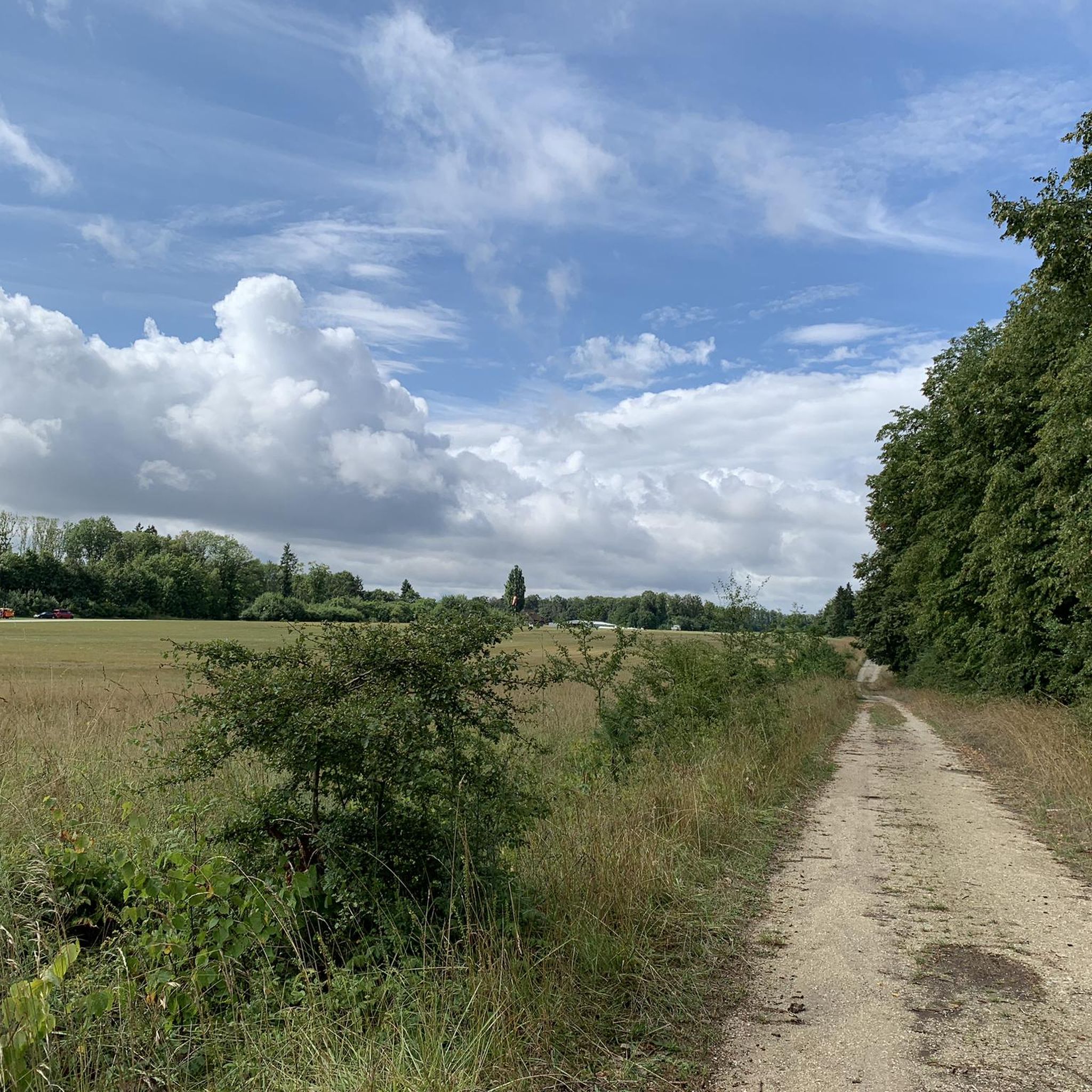
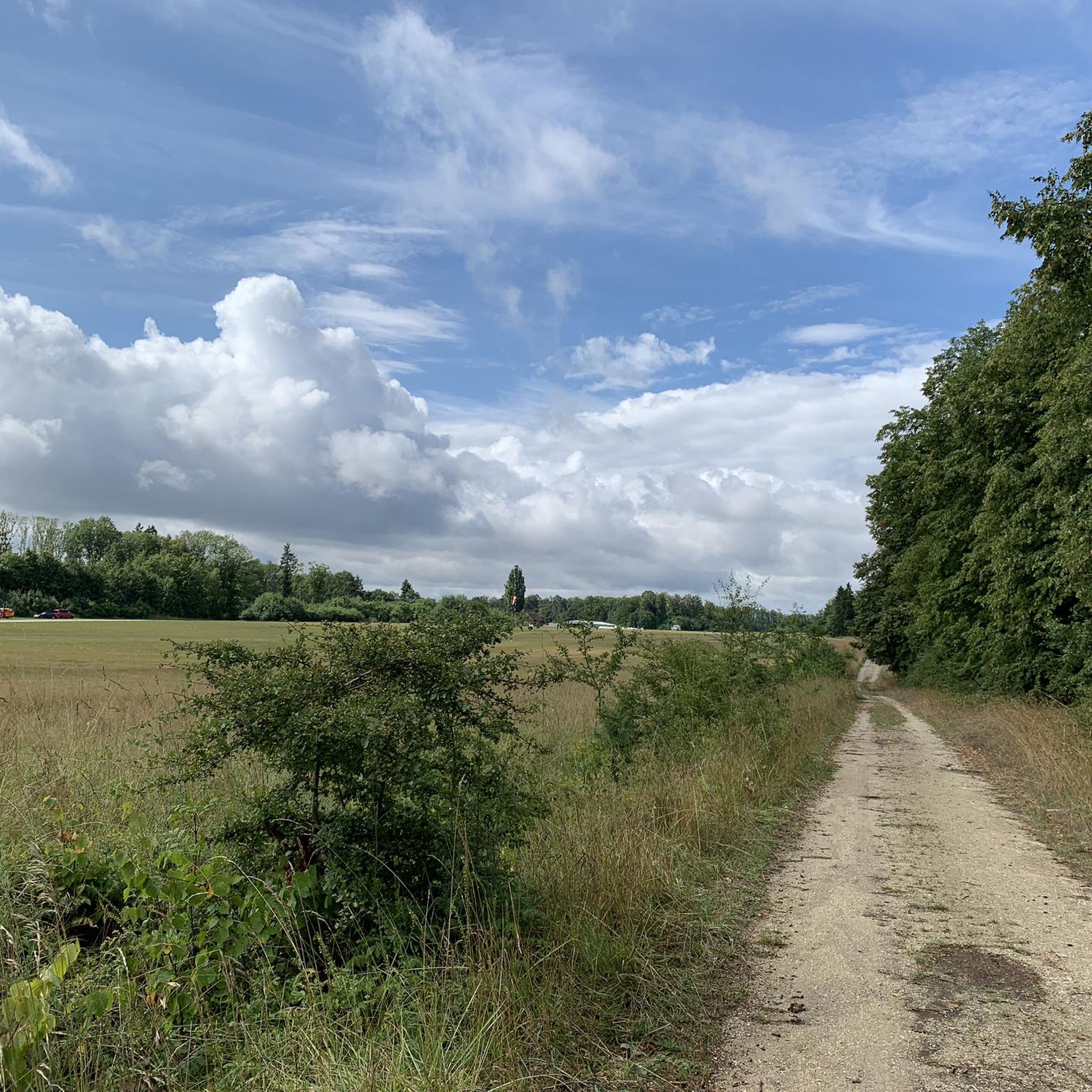
Beautiful large plain, picnic with a great view of the Heinrichsturm or towards the Danube.
1
1

Today's Höfling Castle was built by the Princely Court Marshal Xaver Ignaz Freiherr von Reichlin-Meldegg in the 18th century. His alliance coat of arms can still be found in the stairwell and in the large salon on the first floor.
0
0
Frequently Asked Questions
What historical castle ruins can I visit near Obertraubling that offer great views?
The Ruins of Donaustauf Castle are perched on a hill overlooking the Danube River, offering beautiful views and a journey through history. Another option is Burg Randeck, located southwest of Regensburg, which provides spectacular views, especially over the Rhein-Main-Donau canal.
Are there family-friendly castles to visit around Obertraubling?
Yes, several castles are suitable for families. St. Emmeram Palace (Thurn and Taxis Palace) in Regensburg is a grand complex that offers a glimpse into aristocratic life. The Ruins of Donaustauf Castle are also great for families, with visitors noting it's a dream for kids and dogs to explore. Köfering Castle, a well-preserved moated castle, also welcomes families.
Which castles near Obertraubling have unique architectural features or historical significance?
St. Emmeram Palace (Thurn and Taxis Palace) is an imposing complex often described as larger than Buckingham Palace. Wasserschloss Köfering is a historic moated castle rebuilt in an irregular, Baroque, three-story, three-wing form, featuring a White Hall with inlaid parquet and a chapel. The Heinrichsturm (keep of Abbach Castle) is an impressive 27-meter-high tower, the last remnant of a former ducal castle, with mighty masonry and two superimposed octagonal chambers inside.
What outdoor activities can I combine with a castle visit near Obertraubling?
Many castles are integrated into scenic landscapes, perfect for outdoor activities. For instance, the Ruins of Donaustauf Castle can be reached by car, bike, or on foot, and are well-integrated into hikes to the Walhalla. You can find various hiking routes in the area, such as the 'Höfling Castle – View of Obertraubling loop', by exploring the Hiking around Obertraubling guide. Cycling routes are also available, like the 'Danube Cycle Path near Zur Walba – Walhalla loop', detailed in the Cycling around Obertraubling guide.
When is the best time of year to visit castles around Obertraubling?
The castles and their surrounding areas are beautiful throughout the year. Spring and autumn offer pleasant temperatures for exploring ruins and walking castle grounds. Summer is ideal for enjoying the full greenery of castle parks, such as the stunning palace gardens at Köfering Castle. Winter visits can offer a unique, serene atmosphere, though some outdoor areas might be less accessible depending on snow conditions.
Are there any less crowded or hidden gem castles to explore near Obertraubling?
While popular sites draw crowds, you might find quieter experiences at places like Hofmarkschlossanlage Niedertraubling, which includes remnants of a demolished moated castle with a medieval core, offering a glimpse into the area's past. Schloss Alteglofsheim, now the Bavarian Music Academy, also has a beautifully designed park and a rich history, and might be less frequented by general tourists.
Is parking available at the castles near Obertraubling?
Parking availability varies by location. For the Ruins of Donaustauf Castle, you can reach them by car, and parking is generally available nearby. For other sites, it's advisable to check specific visitor information, as some, like Höfling Castle, are privately owned and may have limited or no public parking directly on site.
What is the typical duration needed to visit castles near Obertraubling?
The time needed depends on the castle and your interest. For ruins like Donaustauf Castle or the Heinrichsturm, a visit might range from 1 to 2 hours, especially if combined with a short walk. Larger complexes like St. Emmeram Palace could easily take half a day or more to explore thoroughly, including any tours or exhibitions.
Can I find cafes or restaurants near the castles?
Many castle locations are close to towns or villages where you can find dining options. For example, St. Emmeram Palace is in Regensburg, which has numerous cafes and restaurants. Smaller sites might have fewer immediate options, so it's a good idea to check local amenities in advance or pack refreshments for your visit.
Are there any castles near Obertraubling that are particularly good for photography?
Absolutely! The Ruins of Donaustauf Castle offer incredible views over the Danube, especially in good weather, making for stunning landscape shots. Wasserschloss Köfering, with its well-preserved moated setting and baroque architecture, provides picturesque opportunities. The imposing architecture of St. Emmeram Palace also makes for grand photographic subjects.
What is the history behind the castles in the Obertraubling region?
The castles around Obertraubling boast a rich and often tumultuous history, reflecting centuries of regional power struggles and architectural evolution. Sites like the Ruins of Donaustauf Castle have Celtic origins and saw a castle built as early as the 10th century to defend against invasions. Wasserschloss Köfering, dating back to the 12th century, was besieged and destroyed in 1491 and later rebuilt after the Thirty Years' War. These structures offer insights into medieval and early modern life in the Upper Palatinate.
Most popular routes around Obertraubling
Most popular attractions around Obertraubling

Get inspired with the komoot mobile app


Explore more
Looking for the best castles somewhere else? Discover other guides around Obertraubling:
