The best walks and hikes in Hajdú-Bihar
3.0
(1)
24
hikers
8
hikes
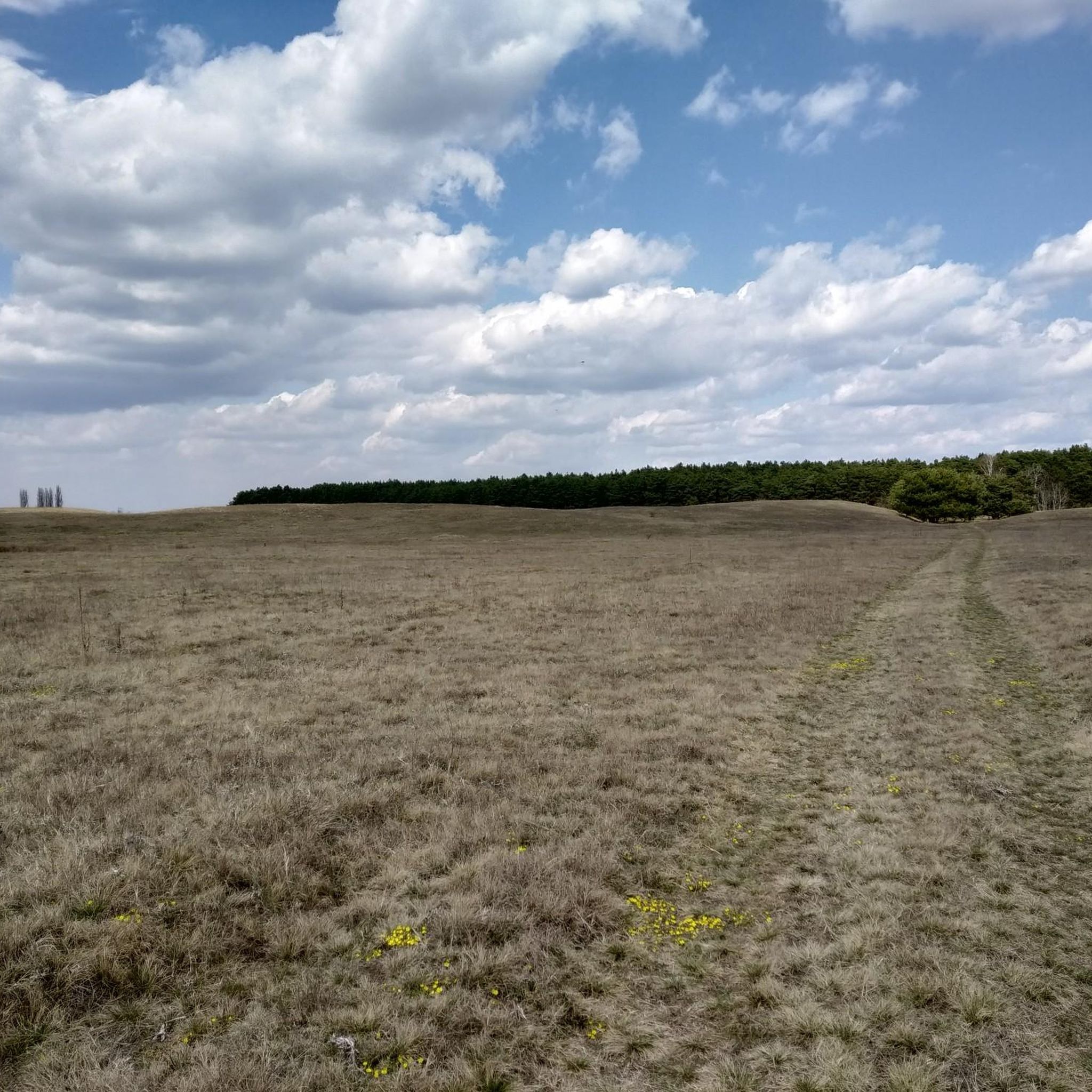
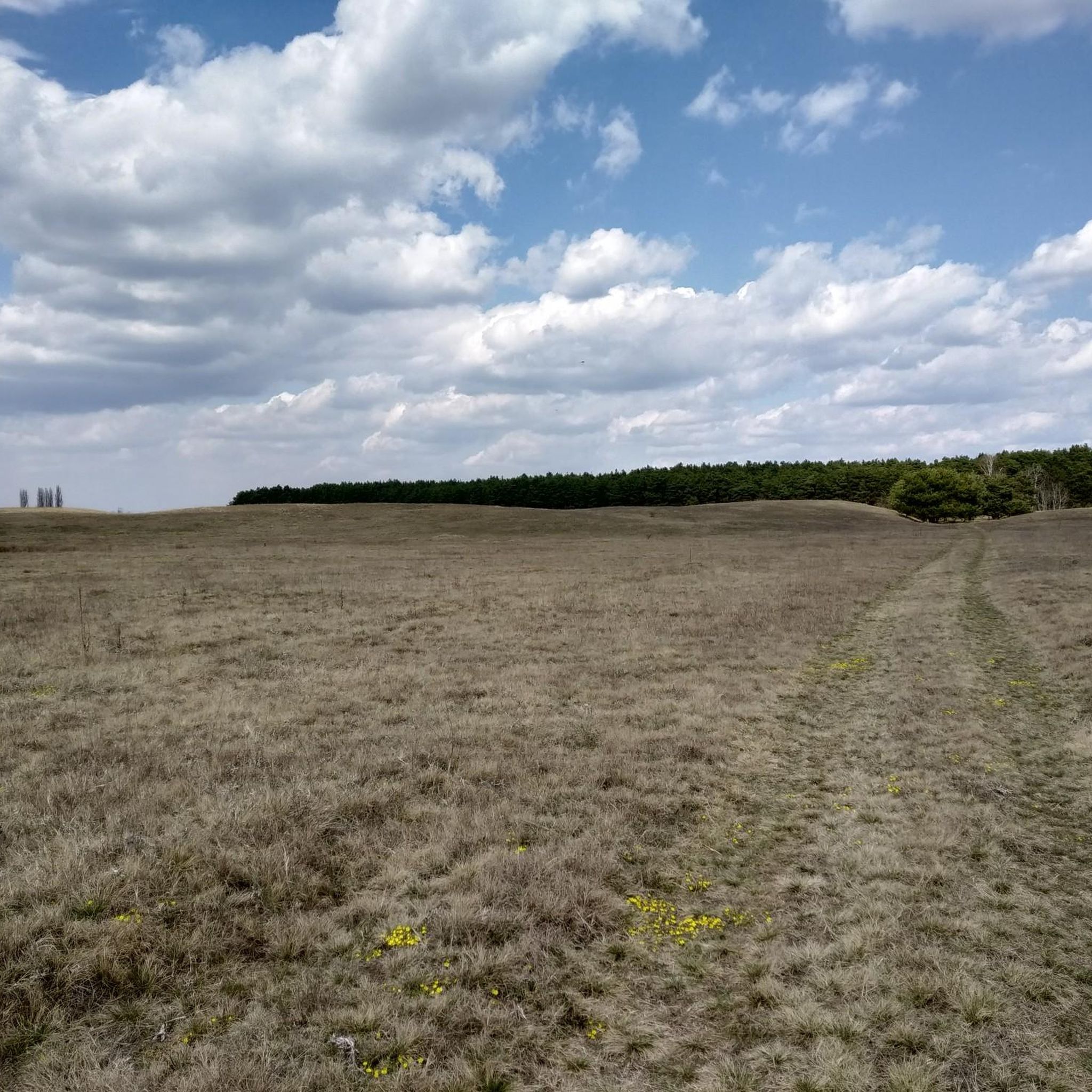
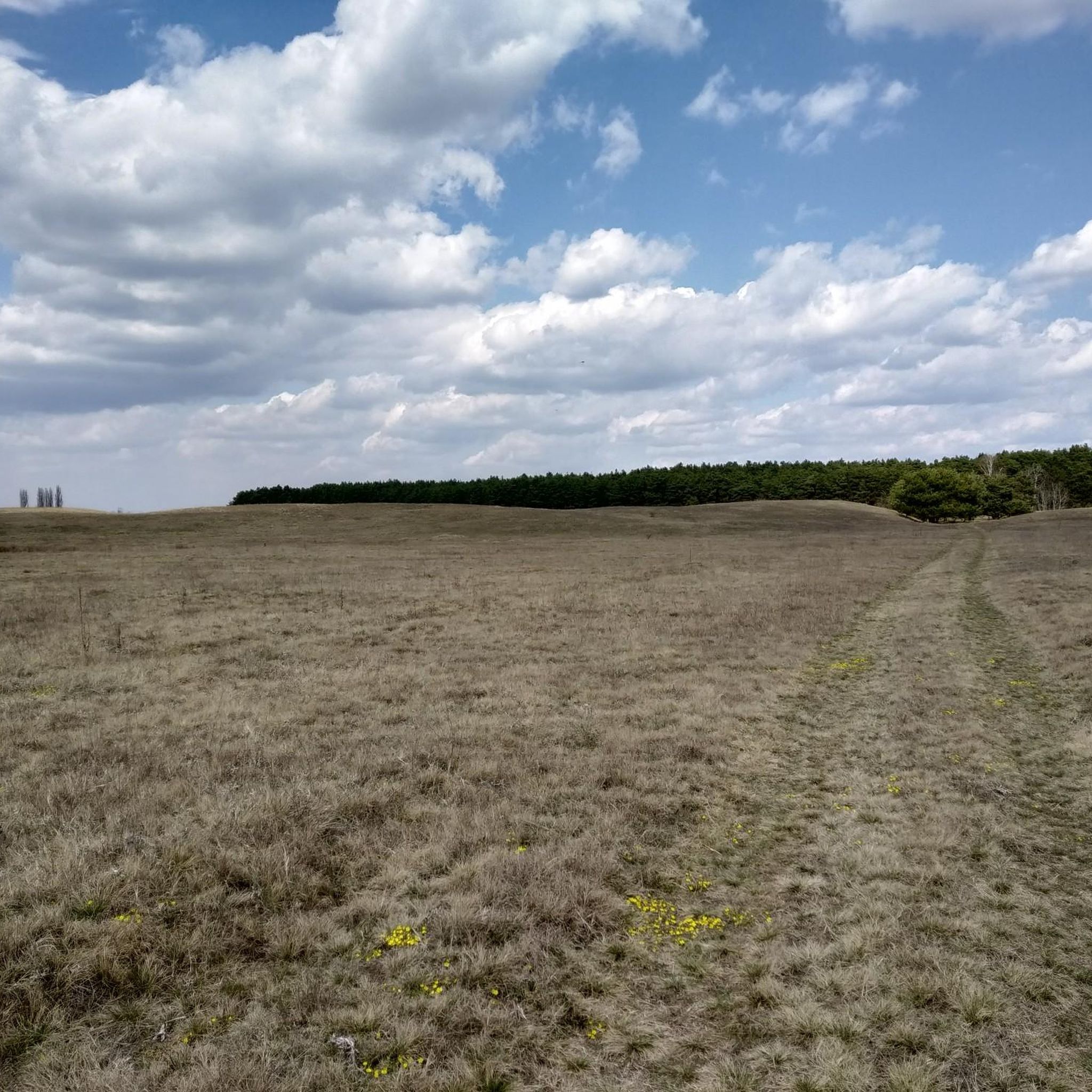
Hiking in Hajdú-Bihar offers diverse outdoor experiences across its predominantly flat terrain in eastern Hungary. The region is characterized by expansive grasslands of the Hortobágyi National Park, dense forest paths in areas like the Great Forest Park in Debrecen, and tranquil wetland environments along the Tisza River. These varied landscapes provide accessible trails suitable for a wide range of fitness levels.
Best hiking trails in Hajdú-Bihar
- The most popular hiking route is Tűzivíz tároló – Hármas-hegy loop from Haláp,…
Last updated: July 1, 2026
3.0
(1)
3
hikers
15.1km
03:50
30m
30m
Moderate hike. Good fitness required. Easily-accessible paths. Suitable for all skill levels.
3
hikers
Easy hike. Great for any fitness level. Easily-accessible paths. Suitable for all skill levels.

Sign up for free
4
hikers
Moderate hike. Good fitness required. Easily-accessible paths. Suitable for all skill levels.
5
hikers
3.20km
00:49
10m
10m
Easy hike. Great for any fitness level. Easily-accessible paths. Suitable for all skill levels.
3
hikers
4.66km
01:10
10m
10m
Easy hike. Great for any fitness level. Easily-accessible paths. Suitable for all skill levels.
Get access to more routes and recommendations from other explorers.
Sign up for free
Already have an account?
Our route recommendations are based on thousands of hikes, rides, and runs completed by other people on komoot.
Start today with a free account
Your next adventure awaits.
Login or Signup
Tips from the Community

very elaborately restored facade
0
0

Wonderfully renovated, worth a visit!
1
0

The museum is located in the monumental building of the Reformed College behind the Reformed Great Church - this originally dates from 1568 but was badly damaged in a fire in 1802 and rebuilt in the classicist style from 1802-1816 and expanded into the most important Calvinist university in Hungary. The building houses a library with the largest collection of ecclesiastical books in Hungary. see also https://www.zauberhaftes-ungarn.de/staedte/debrecen.htm
1
0
Kossuth tér is the central square in Debrecen, around which numerous historical buildings are gathered. The Great Reformed Church in the background gives the square a very monumental appearance; it owes its actual name to the Kossuth monument in front of the church. The Debrecen city coat of arms, which is carved into the ground as a mosaic, and the fountain with the statue of a phoenix bird are further attractions of one of the most beautiful places in Hungary. (Source: https://www.budapest.com/ungarn/debrecen/sehenswurdheiten/kossuth_platz.de.html)
2
0

The landmark of Debrecen. The church is considered a symbol of Protestant faith in Hungary. In this context, Debrecen is also called Calvinist Rome. The church building is Hungary's largest Reformed church in terms of area (1,500 square meters) and also houses the largest bell in a Reformed church. On the site of today's church was already in the 10th century a church that was destroyed as the subsequent church buildings by a fire. Between 1297 and 1311, the St. Andrew's Church was built in its place. That was a gothic hall church. The approximately 16 by 46 meters large church burned down in 1564 again. The urban population, who at that time already professed Protestantism, began in 1626 with the rebuilding of the Andreaskirche. With the support of György Rákóczi, the construction was completed in 1628. In 1640-42, an extraordinary tower was built, in which a 60-hundred-pound bell, cast from Austrian cannonballs, was hung. In 1707 the church was damaged during the independence struggle by the imperial troops. On June 11, 1802, the church burned down again in a conflagration. The present building was built between 1805 and 1824 in the classical style. The construction of the new Classicist church began on April 8, 1805. The original plans are by Mihály Péchy, but they were changed several times until the church was completed. The western tower was completed in 1818, the eastern on August 6, 1821. Both towers are each 61 meters high. 1823/24, the south facade was redesigned according to the plans of Károly Rábl. The tower helmets provided with clocks still bear Baroque style elements. The left tower is mountable. It also contains the old Rákóczi bell, which was re-cast after the conflagration and weighs 50 talents. Source https://de.wikipedia.org/wiki/Debreceni_Református_Nagytemplom
5
0
Frequently Asked Questions
What kind of terrain can I expect when hiking in Hajdú-Bihar?
Hajdú-Bihar is characterized by its predominantly flat terrain, making it suitable for a wide range of fitness levels. You'll find expansive grasslands, particularly in the Hortobágyi National Park, as well as dense forest paths in areas like the Great Forest Park in Debrecen. The region also features tranquil wetland environments along the Tisza River, offering diverse landscapes for exploration.
Are there easy hiking trails suitable for beginners or casual walkers in Hajdú-Bihar?
Yes, Hajdú-Bihar offers many easy trails perfect for beginners or those seeking a leisurely walk. For example, the Kossuth Square, Debrecen – Debrecen City Center loop from Debrecen is an easy 2.4-mile (3.9 km) path exploring urban green spaces. Another accessible option is the Hármas-hegy loop from Hármashegyalja, which is 3.2 km long and also rated easy.
What are the best times of year to go hiking in Hajdú-Bihar?
The best times for hiking in Hajdú-Bihar are generally spring and autumn. These seasons offer pleasant weather for exploration, with spring bringing wildflowers and autumn showcasing colorful foliage. The Hortobágy National Park, in particular, is ideal during these times for observing diverse flora and significant birdlife.
Are there any circular hiking routes in Hajdú-Bihar?
Yes, several routes in Hajdú-Bihar are designed as loops. A popular moderate option is the Tűzivíz tároló – Hármas-hegy loop from Haláp, which covers 9.4 miles (15.1 km). For an easier experience, consider the Kossuth Square, Debrecen – Debrecen City Center loop from Debrecen or the Hármas-hegy loop from Hármashegyalja.
What kind of natural features or landmarks can I see along the hiking trails?
Hajdú-Bihar offers diverse natural features. You can explore the vast grasslands of Hortobágyi National Park, observe rich birdlife along the Tisza River and Lake Tisza, or wander through the fragrant pine forests and meadows of Erdőspuszta. In Debrecen, the Great Forest Park provides an urban green oasis. For specific points of interest, you might encounter highlights like Vekeri Lake or the Park with Wooden Sculptures and Pond.
Are there any historical or cultural attractions near the hiking routes?
Yes, especially around Debrecen. You can find historical sites such as Kossuth Square, Debrecen, the University of Debrecen, and the Reformed College of Debrecen. The Déri Museum is also a notable cultural highlight in the city.
Are the hiking trails in Hajdú-Bihar suitable for families with children?
Yes, the predominantly flat terrain and numerous easy routes make Hajdú-Bihar suitable for families. Areas like the Great Forest Park in Debrecen offer well-maintained paths ideal for leisurely family strolls. The Hortobágy Great Fishponds Nature Trail also provides an engaging experience for children to observe wildlife.
Is it possible to access hiking trails in Hajdú-Bihar using public transport?
Yes, some key areas are accessible by public transport. The Great Forest Park is conveniently located just minutes from Debrecen city center, which is well-served by public transport. For Hortobágyi National Park, public transport options are available to reach the main visitor areas, though specific trailheads might require further local transport or a short walk.
What do other hikers say about their experience in Hajdú-Bihar?
The komoot community rates the routes in Hajdú-Bihar with an average score of 3.0 stars. Hikers often appreciate the region's diverse and accessible landscapes, from the unique puszta of Hortobágy to the tranquil forest paths and wetland environments. The variety of trails caters to different ability levels, making it enjoyable for many.
Are there any trails that offer a mix of urban exploration and nature?
Yes, the Kossuth Square, Debrecen – Debrecen City Center loop from Debrecen is an excellent example. This easy route allows you to explore the urban green spaces and city center of Debrecen, providing a blend of city sights and natural surroundings within the Great Forest Park area.
Can I find trails with water features like lakes or rivers?
Absolutely. The region is home to the Tisza River and Lake Tisza, which offer unique wetland environments. The Lake Tisza Water Walk and Nature Trail, for instance, features a boardwalk through thickets and reed beds, providing excellent opportunities for birdwatching and experiencing the aquatic ecosystem. You can also find Vekeri Lake in the area.
Most popular routes in Hajdú-Bihar
Most popular attractions in Hajdú-Bihar

Get inspired with the komoot mobile app


Explore more
Browse the best Hikes in other regions.
