Top 11 Castles around Schierling
Castles around Schierling offer a glimpse into the region's rich history and architectural evolution. Located in the Regensburg district, the area features a variety of historical structures, from medieval lowland castles to Baroque alterations. These sites provide opportunities to explore historical landmarks within a diverse landscape. The guide features 11 castles around Schierling.
Best castles around Schierling
- The most popular castles is Heinrichsturm (keep of Abbach Castle), a castle that is a 27-meter high keep, bearing witness to a former ducal castle. The tower itself cannot be entered, but it is an impressive piece of history visible from the outside.
- Another must-see spot is Alteglofsheim Castle, a historical site. This former mansion, dating back to the 10th century, features elaborate ceiling frescoes by the Asam brothers and elegant stucco ceilings.
- Visitors also love Neufahrn Castle Hotel, a castle hotel with beautifully landscaped gardens. It is possible to book a knight's meal or stay overnight here.
- Schierling is known for lowland castles, moated castles, and castle keeps. The region offers a variety of historical structures to see and explore.
- The castles around Schierling are appreciated by the komoot community, with more than 100 upvotes and over 270 photos shared.
Last updated: May 10, 2026
Heinrichsturm (keep of Abbach Castle)
Highlight • Castle
Translated by Google •
Tip by

Neufahrn Castle Hotel
Highlight • Castle
Translated by Google •
Tip by

Sign up now to discover places like this
Get recommendations on the best single tracks, peaks, & plenty of other exciting outdoor places.
Sign up for free
Köfering Castle
Highlight • Castle
The first moated castle on the Pfatter was probably built in the 12th century. The Köfering family was first mentioned in the middle of the 12th century. Around 1300, the castle was owned by Eckprecht von Haidau, who gave it to the Bishopric of Regensburg in 1307 in order to receive it as a fief from the bishop. Other owners of the castle were Otto Zenger, Albrecht von Abensberg, Heinrich Nothaft von Mangolding and Scheuer. In 1427, Dietrich von Stauf took over the castle in Köfering by exchange. On December 26, 1491, the Köfering fortress was besieged and destroyed by the Bavarian Duke Albrecht IV with 1,000 soldiers during the Löwler League uprising, in which the castle owner Hieronymus von Stauf took part.
The Counts of Lerchenfeld have owned the moated castle since 1569. The castle was damaged in the Thirty Years' War and rebuilt in its current form from 1680 to 1720. Renovation began in 1980/81.
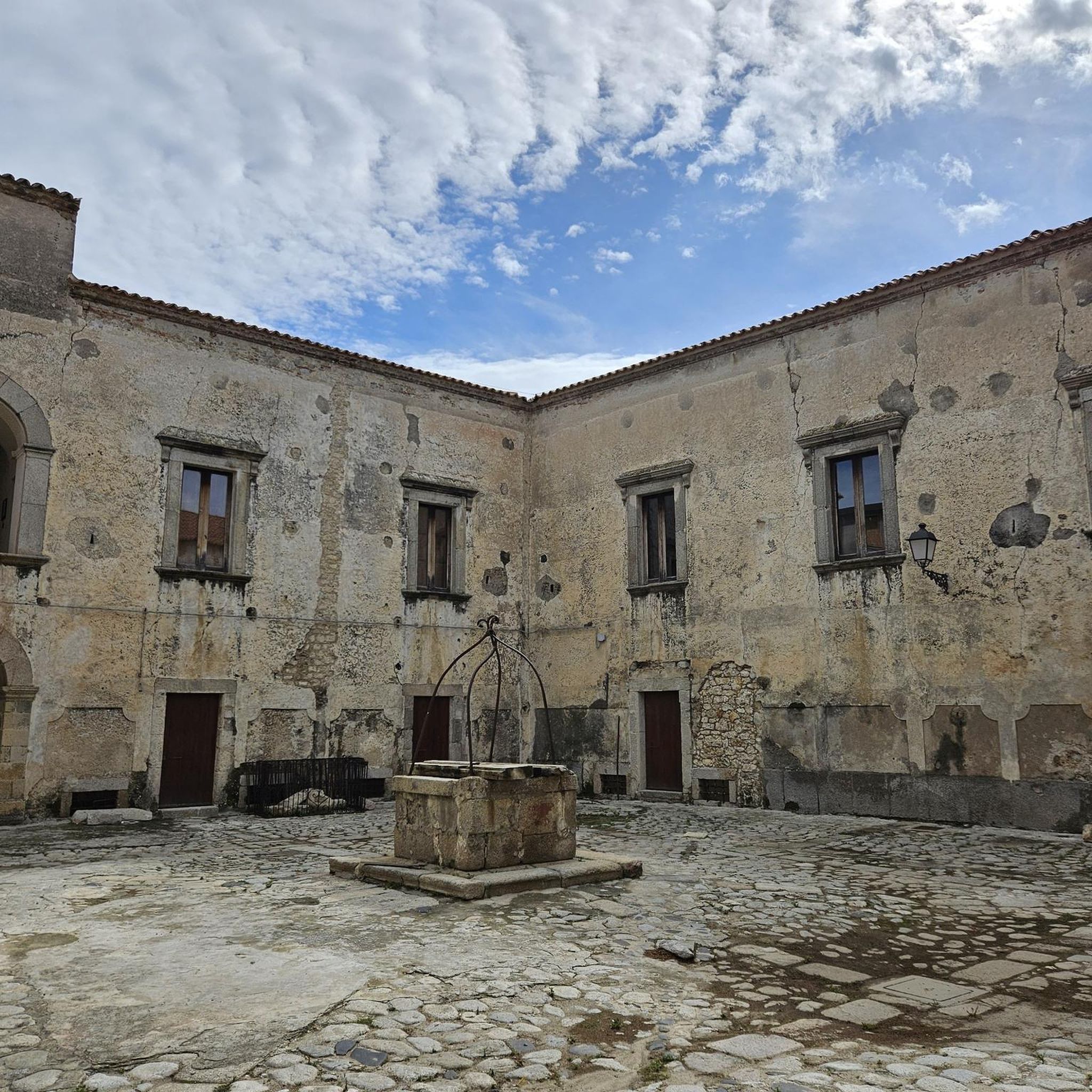
The moated castle is an irregular, baroque, three-storey three-wing complex with mansard hipped roofs, an entrance projection with portal, ground floor arcades and a staircase with a mansard hipped roof. The White Hall with inlaid parquet and the chapel are worth seeing. The castle complex consists of a central projection, to which only a north wing is connected. To the west there is another wing with protruding corner projections, and to the south the one-storey former stable building is attached. A three-arched stone bridge leads over the walled moat, which is still preserved, and is the only access to the castle.
Source: Excerpts from wikipedia.de
Translated by Google •
Tip by

Alteglofsheim Castle
Highlight • Castle
Translated by Google •
Tip by

Gebelkofen Moated Castle
Highlight • Castle
The moated castle was built as a moated castle by the Lords of Gebelkofen. The castle was first mentioned in 1200. At the end of the 14th century it became the property of the Auer von Brennberg. In 1553 it was purchased by Kaspar Lerchenfelder von Straubing and has been privately owned by the Lerchenfelder family ever since.
The castle was damaged in the Thirty Years' War, destroyed in the 17th century and rebuilt in 1750. In 1934 a roof fire damaged the castle. In the 1990s the castle was extensively renovated and now serves as a residential building.
The moated castle is a four-winged pond house with three floors, hipped roofs and a rectangular courtyard. The medieval castle chapel of St. Barbara on the ground floor of the north wing dates from 1750. The entrance, consisting of two gate pillars with a gable roof, dates from the 18th century.
Source: wikipedia.de
Translated by Google •
Tip by
Sign up for free to discover even more castles around Schierling.
Sign up for free
Already have an account?
Start today with a free account
Your next adventure awaits.
Login or Signup
Tips from the Community


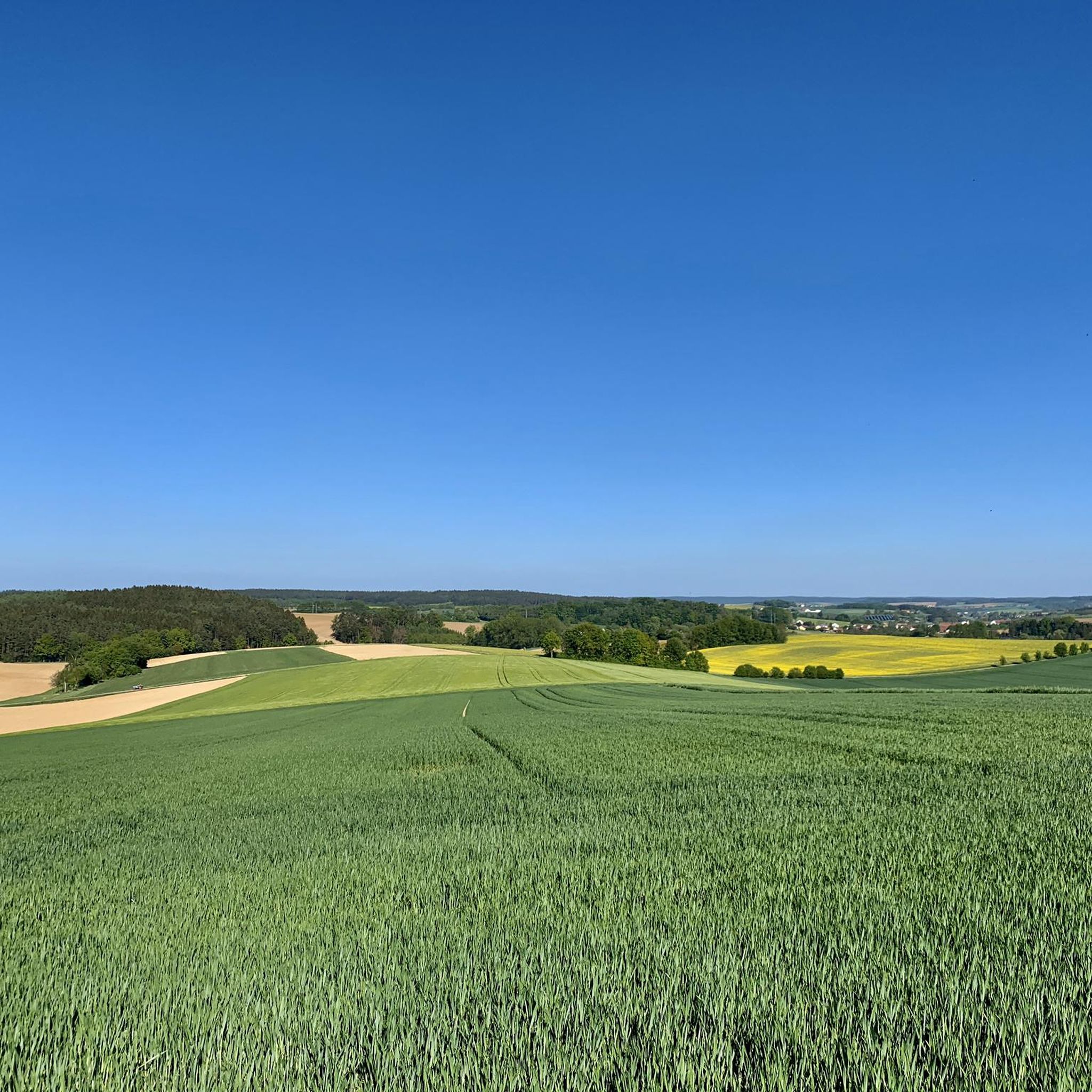
In addition to the hotel, there is also a restaurant with a garden. Events are held regularly (e.g., garden days, medieval festivals). The castle is also popular for weddings and family celebrations.
0
0

Unfortunately the tower was closed
0
0

Abbach Castle Ruins Ahabach Castle was first mentioned in a document on May 6, 973. Abbach Castle is believed to have been the birthplace of Emperor Henry II, but this cannot be proven. On November 1, 1007, Emperor Henry II donated the site to the Bishopric of Bamberg, which he founded. Abbach Castle was taken over by the Wittelsbachs around 1200; at that time, the Wittelsbachs had also succeeded in gaining control of the Danube toll at Abbach. The castle was allegedly destroyed by the Bishop of Bamberg when he handed Abbach over to the Prüfening Monastery. However, Duke Ludwig I had it rebuilt in 1224 and compensated the monastery with Königswiesen near Regensburg and Matting. Subsequently, the Duke significantly expanded his holdings in the Abbach district. In 1297, Abbach was burned down during a feud between the Bavarian Dukes Otto and Stephan and the citizens of Regensburg. Afterwards, the castle, which served only as the steward's residence, was rebuilt on a smaller scale. In 1564, neglect of the surrounding wall and the castle itself was noted. A land register from 1586 contains the following note: The castle has a wide courtyard, in the center of which stands a round tower that has been roofless for many years, as well as a deep well that does not always provide water. The strong surrounding walls have partially collapsed. During the Thirty Years' War, in 1632 and 1634, the citizens of Abbach and the surrounding area fled to the castle and defended it. In 1705, during the War of the Spanish Succession, Abbach surrendered to the Austrians without a fight. Between 1740 and 1745, Abbach was repeatedly sacked as a result of the War of the Austrian Succession. Demolition work on the castle buildings began in 1803; by 1832, almost all buildings except the keep had been removed. In April 1945, the Heinrichsturm (St. Henry's Tower) was hit by bombs because it had housed a German Wehrmacht observation post. The tower, which is now accessed via a steel staircase above the old high entrance, was renovated in the early 1980s. The 27-meter-high late Romanesque tower has a four-and-a-half-meter-thick rubble masonry. Inside the tower are two stacked octagonal chambers with helmet vaults. Remains of the castle's ring wall have also been preserved. Source: Excerpts from www.wikipedia.de
3
3

A hilltop castle stood here, built in 973. Between 1803 and 1832, everything except the keep was demolished.
2
1

Beautifully designed castle park in Eglofsheim
1
0

Nice place, would love to come back.
0
0
Alteglofsheim Castle The name comes from the Eglofsheim family. Since the 10th century there has been a moated castle here with an associated manor. The castle was rebuilt and expanded several times over the centuries. From 1480 to 1573 the Barons of Parsberg owned the castle and manor. In 1659 Johann Georg Baron von Königsfeld bought the Alteglofsheim estate. In 1685 he became an Imperial Count. In his will in 1694 he left the estate to his grandson Hans Georg Graf von Königsfeld. He was the Minister of State and Conference of Elector Karl Albrecht and First Minister during his time as Emperor. From 1728 to 1734 he had the castle significantly expanded and refurbished. His successor Count Christian Johann August von Königsfeld, Elector's ambassador in Vienna, added the north wing of the castle with the magnificent dining room in 1780. In 1810 the Königsfelder family died out. The Barons of Cetto followed as owners, and in 1835 Prince Maximilian Karl von Thurn und Taxis acquired the castle. The Princes of Thurn und Taxis sold it to a priest in 1939, and it later went to his housekeeper. The war and post-war period led to the castle being used for other purposes, and it fell into increasing disrepair. In 1973 the Free State of Bavaria acquired it and made it available to the University of Regensburg in 1980. In 1989 the castle was designated as the location for the third Bavarian Music Academy. Construction work began in 1992. The Music Academy began operations here in June 1999. After extensive renovations and refurbishments the castle was handed over to its new purpose in September 2000. The late Gothic core of the complex with the 35-meter-high keep in the west dates from the beginning of the 14th century. It towers over the high gable of a building with two round flanking towers from the early 17th century. Around 1680, a wing with a two-aisled chapel in the basement was leaning against it in the south. Around 1730, it was extended to the west after the south-north wing had been started at a right angle to it. Elaborate ceiling frescoes by the Asam brothers and elegant stucco ceilings created by Johann Baptist Zimmermann adorn the castle. Tours of the castle are only possible for groups by prior arrangement. Source: Excerpts from www.wikipedia.de
2
0
Frequently Asked Questions
Which castles around Schierling are open to the public for visits?
While many historical sites exist, some are privately owned or have specific access conditions. Neufahrn Castle Hotel is open for guests and offers knight's meals. Alteglofsheim Castle houses a Music Academy, and its gardens are publicly accessible, though castle tours are by appointment only. Köfering Castle, a well-preserved moated castle, has beautiful grounds that can be appreciated. Schloss Eggmühl, while now a senior care home, hosts diverse events open to the public. Schloss Schierling is privately owned and not accessible due to its condition.
Are there family-friendly castles to visit near Schierling?
Yes, several castles are suitable for families. Neufahrn Castle Hotel is listed as family-friendly and offers unique experiences like knight's meals. The grounds of Alteglofsheim Castle and Köfering Castle also provide pleasant environments for family outings.
Can I go hiking or cycling near the castles around Schierling?
Absolutely! The region offers various outdoor activities. For cycling, you can explore routes like the 'Oberbirnbach Chapel – Schloss Adlhausen loop from Schierling' or the 'Vogelhotel Observation Tower – Neueglofsheim Castle loop from Schierling'. If you prefer running, there are several running loops available, such as the 'Schierling Castle loop from Schierling'. You can find more details on these and other routes in the Road Cycling Routes around Schierling, Cycling around Schierling, and Running Trails around Schierling guides.
What historical insights can I gain from visiting castles in the Schierling area?
The castles offer a deep dive into the region's history. For instance, the Heinrichsturm (keep of Abbach Castle) is a 27-meter high keep, a remnant of a ducal castle from 1220-1229. Köfering Castle, originally a moated castle from the 12th century, showcases Baroque reconstruction after the Thirty Years' War. Alteglofsheim Castle, dating back to the 10th century, features elaborate ceiling frescoes by the Asam brothers and elegant stucco ceilings, reflecting centuries of architectural evolution.
Are there any castles near Schierling with notable architectural features?
Yes, the region boasts castles with significant architectural details. Alteglofsheim Castle is renowned for its ceiling frescoes by the Asam brothers and elegant stucco ceilings. Köfering Castle is an irregular, Baroque three-storey complex with mansard hipped roofs and a preserved moated structure. Even the privately owned Schloss Schierling, though inaccessible, is historically significant for its evolution from a medieval lowland castle to Baroque alterations.
What is the best time of year to visit the castles around Schierling?
The best time to visit depends on your preferences. Spring and autumn offer pleasant temperatures for exploring castle grounds and nearby hiking trails, with beautiful foliage in autumn. Summer allows for full enjoyment of castle gardens and outdoor events. Winter visits can offer a unique, serene atmosphere, though some facilities or access might be limited.
Are there any castles near Schierling that offer accommodation or dining options?
Yes, Neufahrn Castle Hotel provides both accommodation and catering, including the option to book a knight's meal. This offers a unique opportunity to stay within a historical setting.
What kind of views can I expect from castles in the Schierling area?
Many castles offer picturesque views of the surrounding landscape. While the Heinrichsturm (keep of Abbach Castle) itself cannot be entered, it stands as an impressive landmark. The grounds of castles like Köfering Castle and Alteglofsheim Castle often feature well-maintained gardens and offer scenic perspectives of the historical structures and their natural surroundings.
Are there any moated castles in the Schierling region?
Yes, the Schierling area is known for its moated castles. Köfering Castle is a prominent example, with its well-preserved moated structure and a three-arched stone bridge providing access. Gebelkofen Moated Castle is another, first mentioned in 1200, and known for its reflection in the surrounding water.
What is the current status of Schloss Schierling and Schloss Eggmühl?
Schloss Schierling is currently privately owned and not accessible to the public due to its dilapidated condition, though it holds significant historical value. Schloss Eggmühl, located very close to Schierling, now serves as a senior care home by the BRK but still hosts various events that interested individuals are welcome to attend, allowing for engagement with the historic building.
Are there any castles near Schierling that were affected by the Thirty Years' War?
Yes, several castles in the region bear the marks of the Thirty Years' War. Köfering Castle was damaged during this period and subsequently rebuilt in its current Baroque form between 1680 and 1720. Similarly, Gebelkofen Moated Castle was also damaged and destroyed in the 17th century before being rebuilt around 1750.
Most popular routes around Schierling
Most popular attractions around Schierling

Get inspired with the komoot mobile app


Explore more
Looking for the best castles somewhere else? Discover other guides around Schierling:
