The best MTB trails around Daun
4.6
(1072)
4,023
riders
203
rides
Mountain biking around Daun offers diverse terrain within the Vulkaneifel region, characterized by its unique volcanic landscape. The area features numerous maars (volcanic crater lakes), dense forests, and rolling hills, providing varied challenges for mountain bikers. Trails often navigate through ancient volcanic craters and offer scenic viewpoints across the Eifel. The landscape provides a mix of technical singletrack and flowing forest paths.
Best mountain bike trails around Daun
- The most popular mountain bike trail is View of the Weinfelder Maar – Großes Schlitzohr Tunnel loop from Daun, a moderate 18.0 miles (28.9 km) trail that takes 2 hours 31 minutes to complete. This route offers expansive views of the Weinfelder Maar and passes through the Großes Schlitzohr Tunnel.
- Another top favourite among local mountain bikers is Meerfelder Maar – Großes Schlitzohr Tunnel loop from Daun, a moderate 30.7 miles (49.4 km) path. This trail features the Meerfelder Maar and the Großes Schlitzohr Tunnel.
- Local mountain bikers also love the Dietzenley Observation Tower – Forest Nature Trail loop from Daun, a difficult 25.6 miles (41.2 km) trail leading through forests and past the Dietzenley Observation Tower, often completed in about 3 hours 48 minutes.
- Mountain biking around Daun is defined by volcanic maars, dense forests, and rolling hills. The network offers options for different ability levels, from moderate forest paths to more challenging routes with significant elevation changes.
- The routes in Daun are highly rated by the komoot community with an average score of 4.6 stars from over 750 reviews. More than 3,000 mountain bikers have used komoot to explore Daun's varied terrain.
Last updated: October 3, 2026
5.0
(5)
294
riders
84.3km
08:06
1,680m
1,680m
Hard mountain bike ride. Very good fitness required. Advanced riding skills necessary.
4.8
(81)
236
riders
49.4km
03:24
770m
770m
Moderate mountain bike ride. Good fitness required. Advanced riding skills necessary.

4.8
(35)
136
riders
59.7km
05:54
1,060m
1,060m
Hard mountain bike ride. Very good fitness required. Advanced riding skills necessary. Some portions of the route may require you to push your bike.
4.6
(33)
141
riders
24.2km
02:03
430m
440m
Moderate mountain bike ride. Good fitness required. Suitable for all skill levels.
4.6
(21)
98
riders
42.9km
03:59
960m
960m
Hard mountain bike ride. Very good fitness required. Advanced riding skills necessary.
Get access to more routes and recommendations from other explorers.
Already have an account?
Our route recommendations are based on thousands of hikes, rides, and runs completed by other people on komoot.
Start today with a free account
Your next adventure awaits.
Popular around Daun
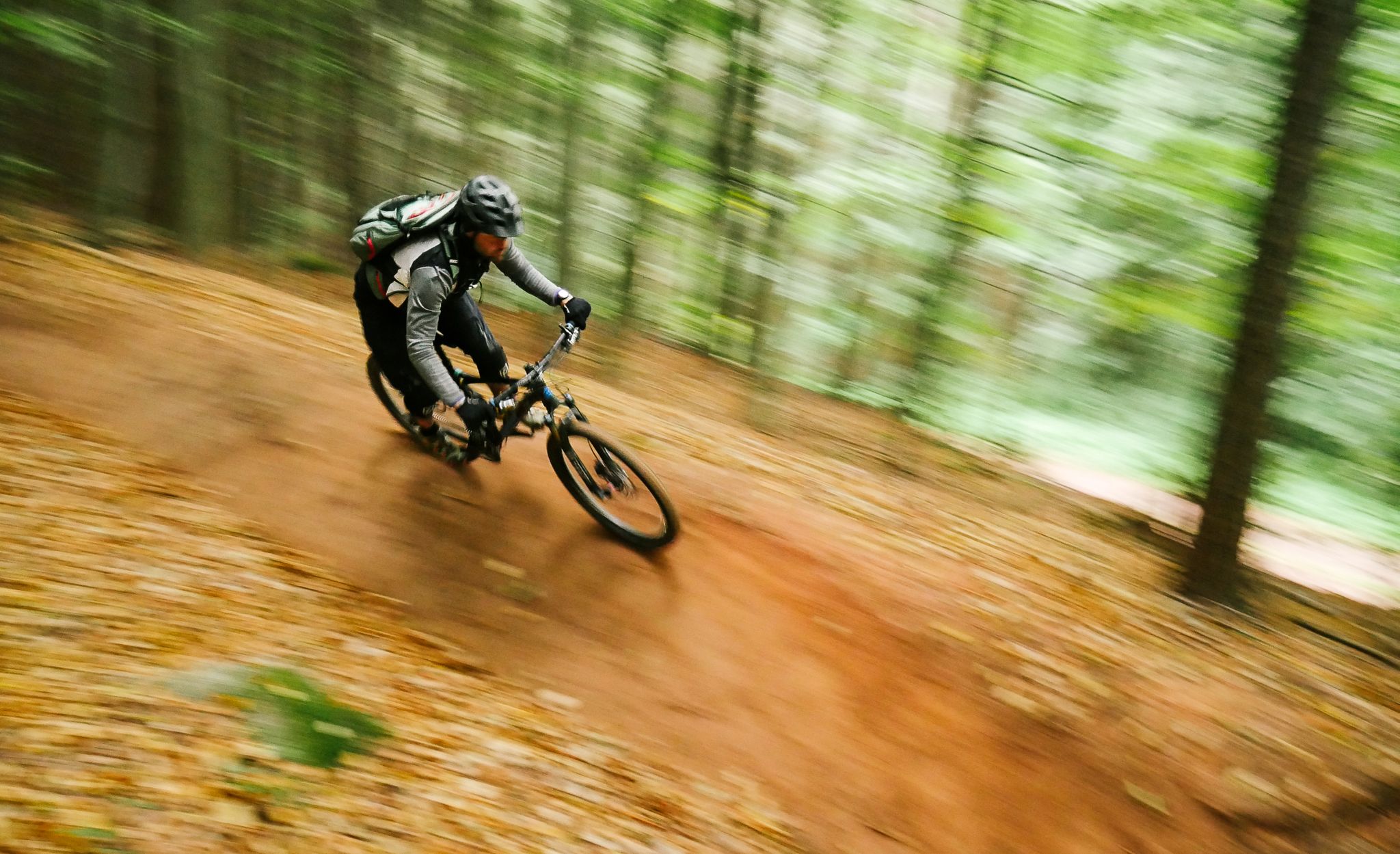
There is no off-season — Germany's low mountain ranges
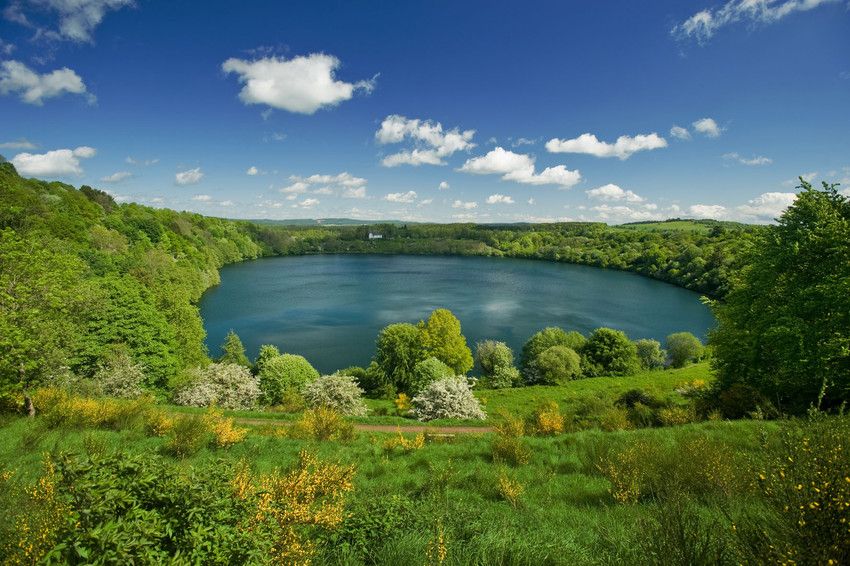
Vulkan Eifel — bike and hike
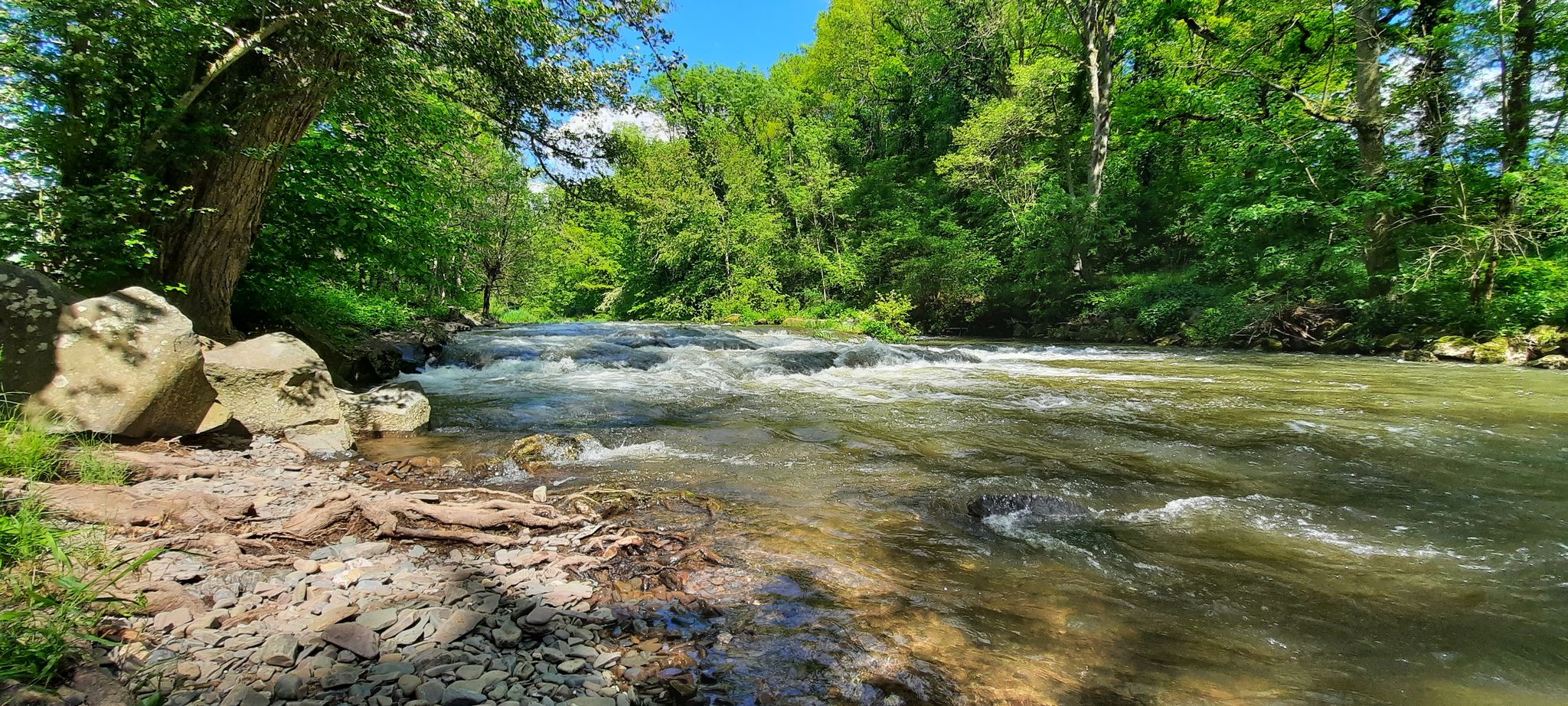
Lieserpfad between the Eifel and the Moselle rivers – Wild forests, wild water
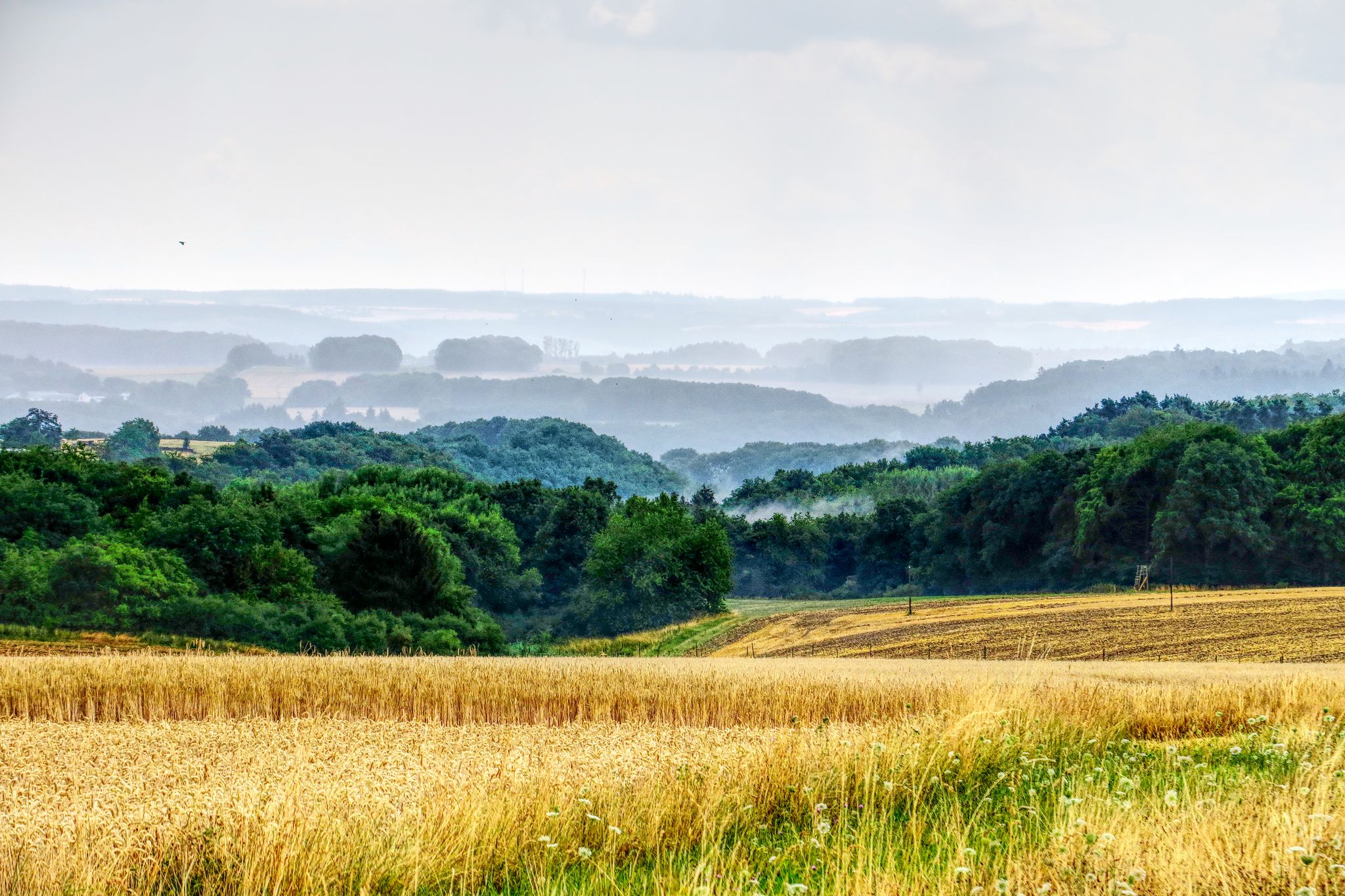
The National Natural Landscapes in Rheinland-Pfalz
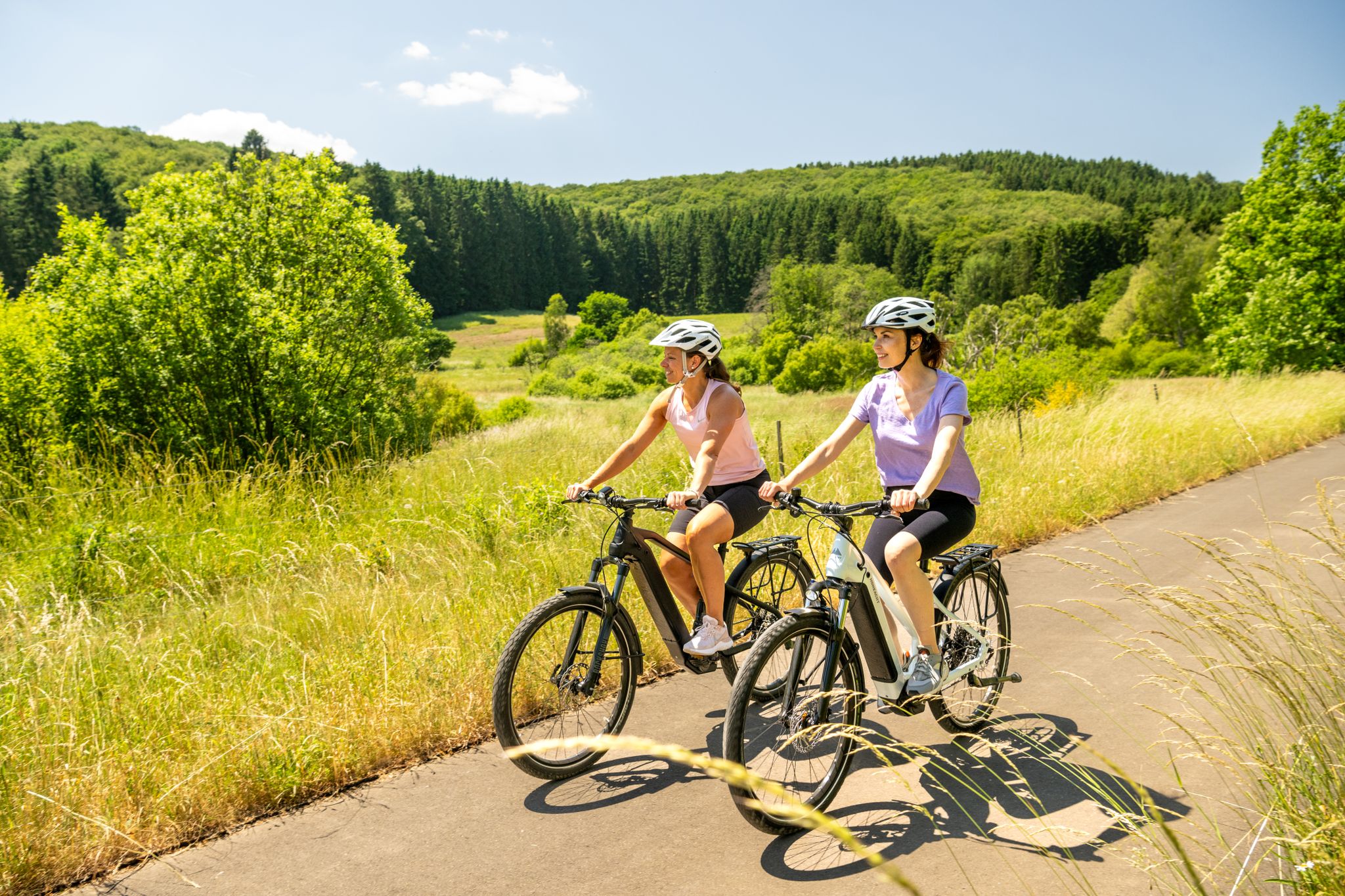
E-biking through the Volcanic Eifel
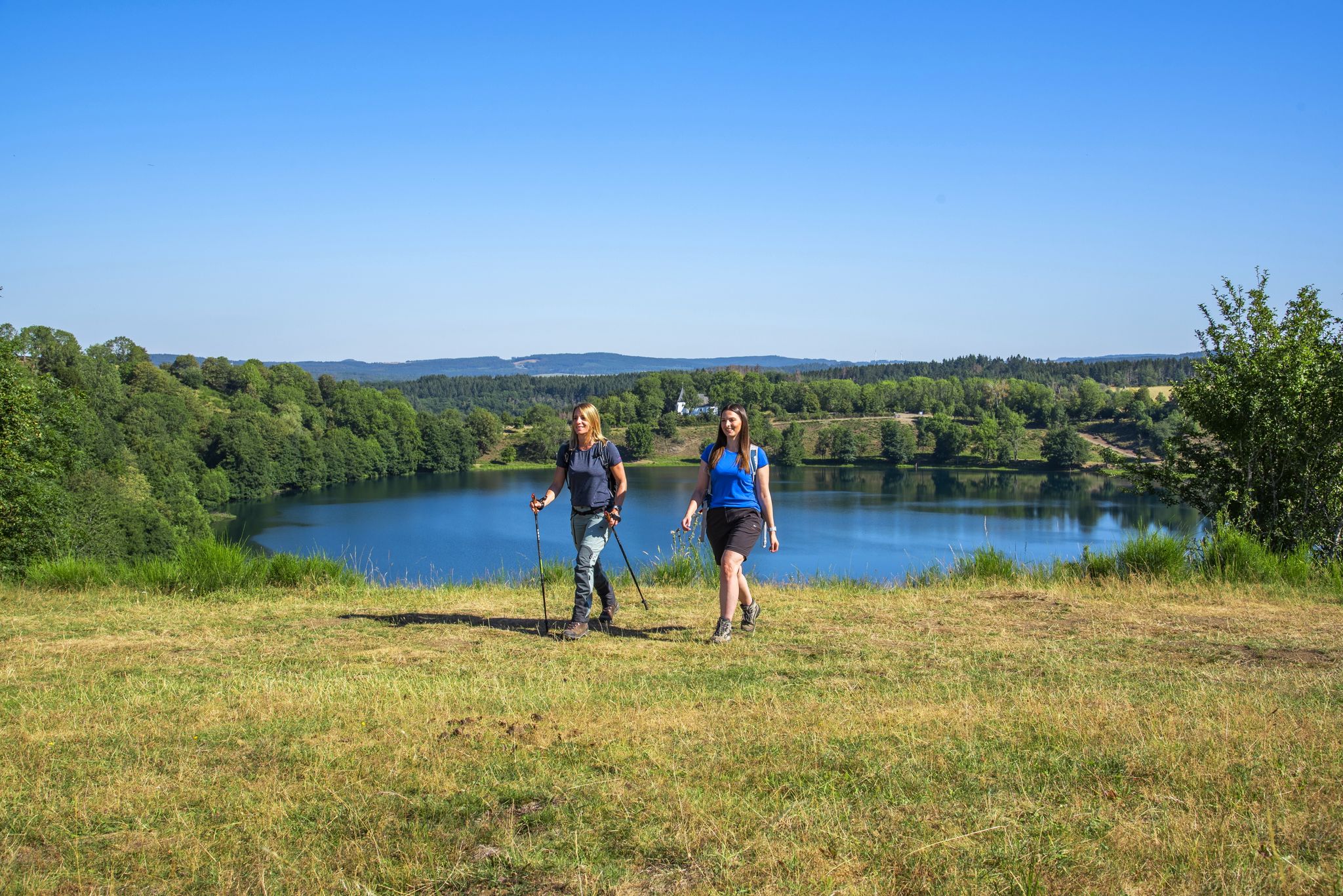
Excellent paths in the Vulkaneifel – Explore the HeimatSpuren
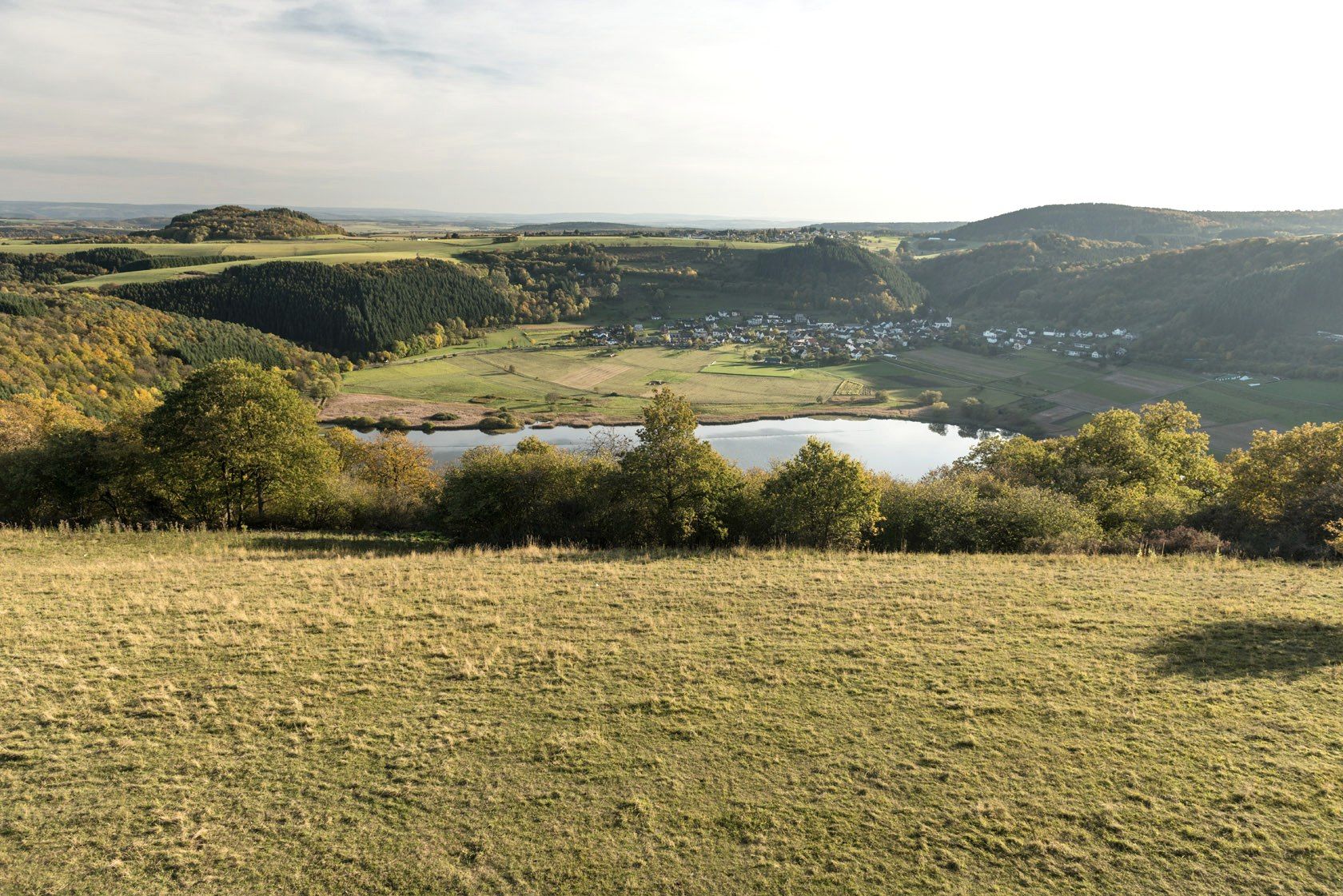
Crater lakes and lava rock – hiking in Germany’s Volcanic Eifel
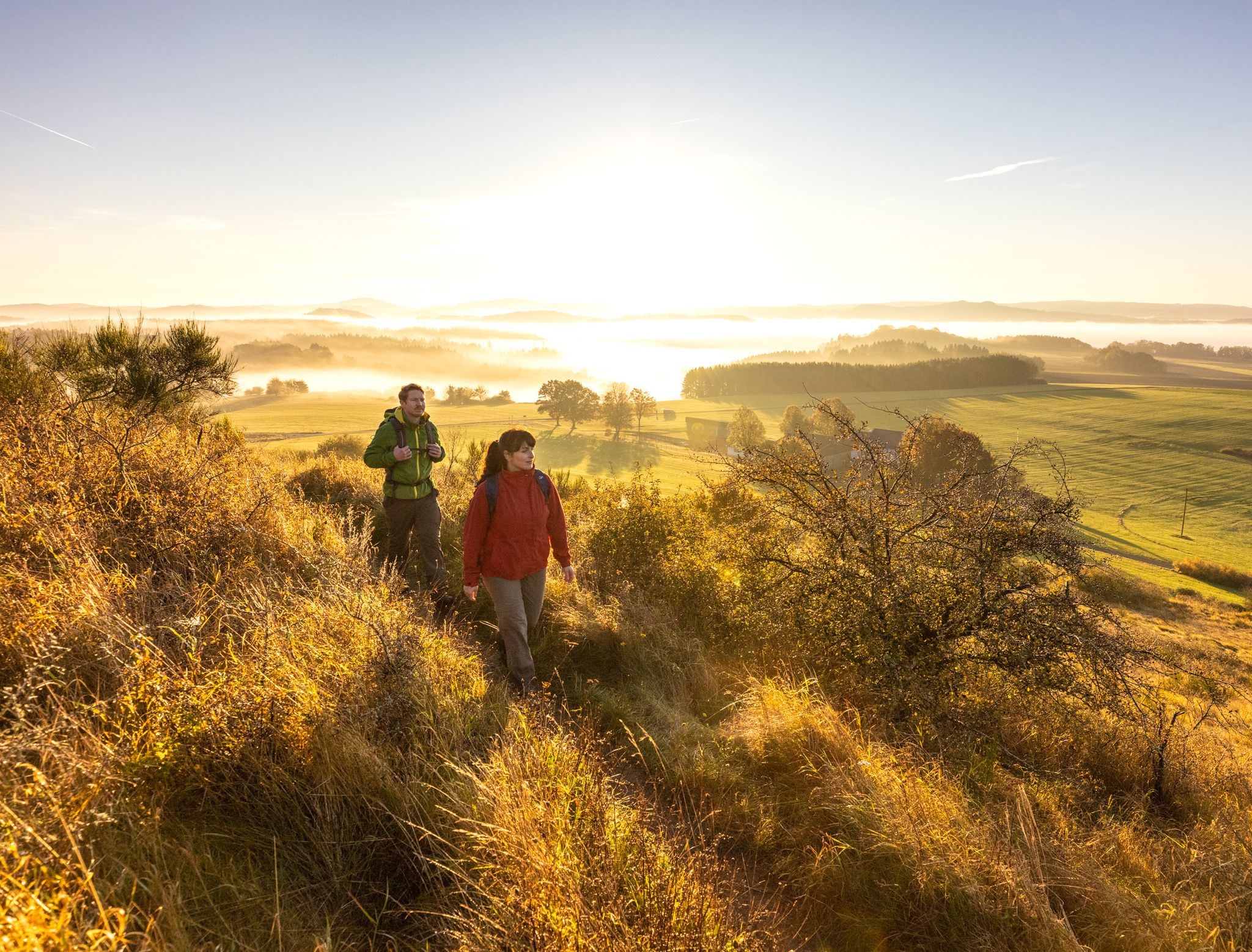
The 15 stages of the Eifelsteig Trail — Between rocks and water
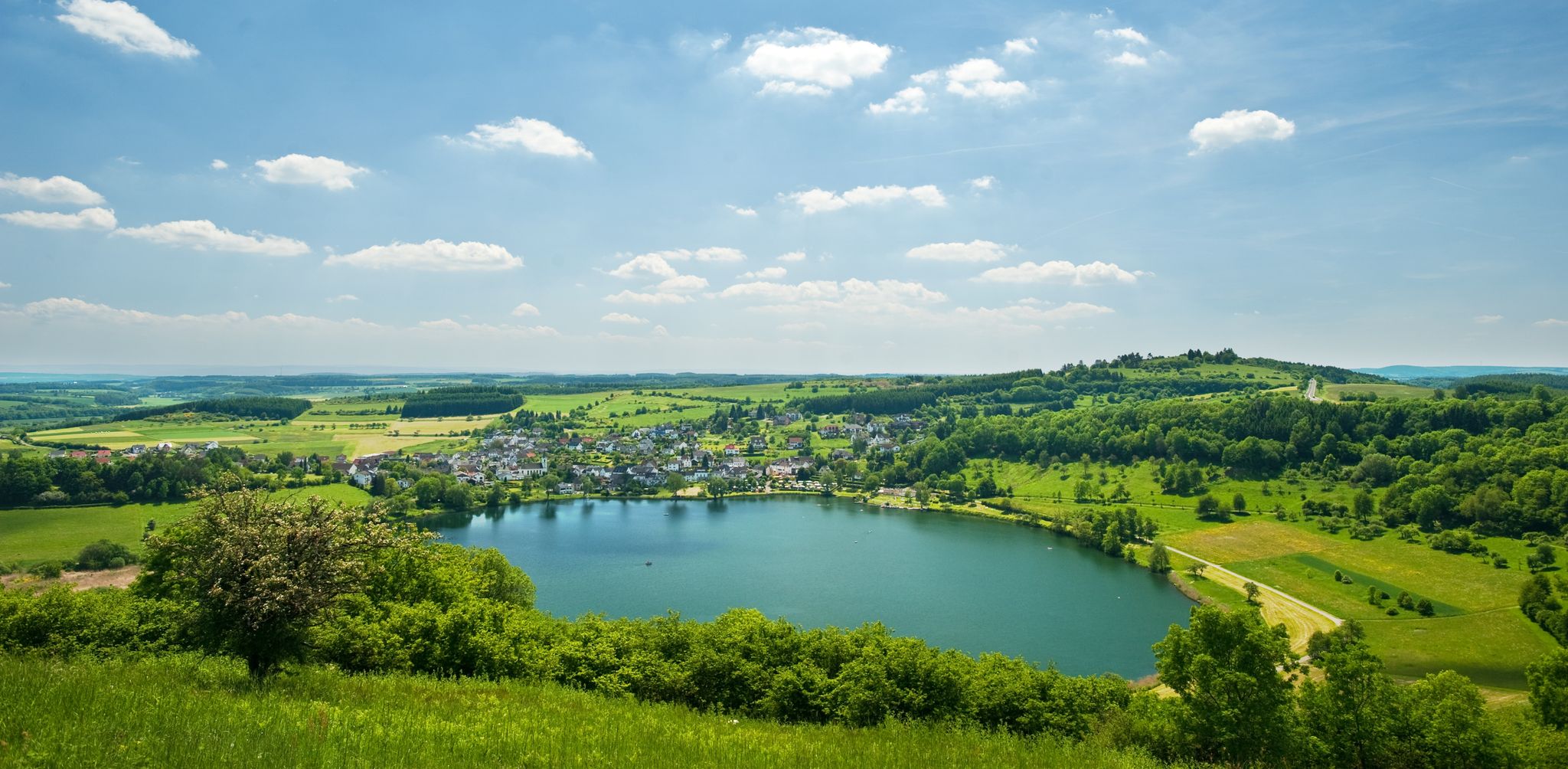
Lava pits & fairytale lakes – hiking through Vulkaneifel in Germany
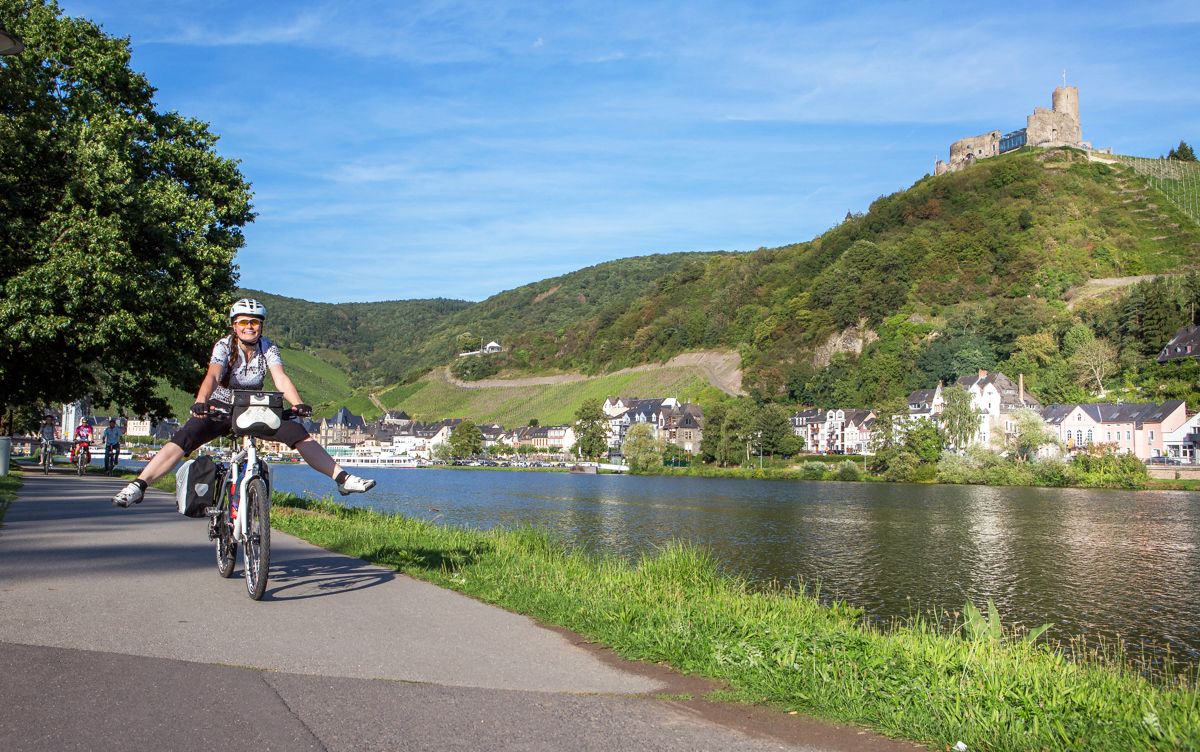
Cycling along the River Moselle in Germany – vineyards, forests & culture
Other adventures around Daun


Tips from the Community

Not possible to see the lake anymore in 2026 due to growth of the bushes
0
0

When the forester and forestry scientist Otto Feucht (1879–1971) spoke of the 'evil signs of the times' in the lines quoted below, we people of the 21st century can certainly take his words to heart as still relevant: „That respect and awe for old trees have disappeared from us is an evil sign of the times. We only value the great, the mighty, where we have created it ourselves, in the constructed, the made; but no longer in the grown, the become; only in the work of man, no longer in that of the Creator.“
2
0

A great river with lots of nature and a lot of (earth) history.
0
0

Impressive spruce + resting place for a quiet break :)
0
0


A lovely hike, mindfulness trail, small Kyle, bridge, and then on to Heidsmühle for a wheat beer. Wonderful in summer, also a great way to cool off!
1
0

"Old Station" Schalkenmehren Passenger service between Daun and Wittlich was discontinued on November 1, 1981. Schalkenmehren. Approaching the Old Station in Schalkenmehren on the former railway line, today's Maare-Mosel cycle path, and seeing the station building, it's hard to believe that it was opened as a fourth-class railway station exactly 100 years ago. But how did it all begin 100 years ago? Surveying for the Daun-Wittlich railway line began as early as 1897. General preparatory work for the single-track line began in 1907. But it would take some time before the Daun-Schalkenmehren-Gillenfeld section opened on December 1, 1909, with the line running over the 28-meter-high Daun viaduct and through the 560-meter-long Schalkenmehren railway tunnel, "Großes Schlitzohr" (Great Sly Fox). The extension from Gillenfeld to Manderscheid to Pantenburg was completed on May 1, 1910, and the extension from Manderscheid-Pantenburg to Wittlich, signifying the completion of the entire line, was completed on July 1, 1910. The completion of the Daun-Wittlich railway line brought rapid development to the village of Schalkenmehren. In the first year of the line's existence (1910), 18,968 tickets were sold in Schalkenmehren, followed by 25,057 in 1913, 27,969 in 1919, and even 30,279 in 1922. In addition, Schalkenmehren station was designed for general cargo traffic and the receipt and dispatch of wagonloads. Text / Source: www.volksfreund.de/ https://www.volksfreund.de/region/vulkaneifel/ein-schmuckstueck-fuer-nostalgiker_aid-5712448
15
0
Frequently Asked Questions
How many mountain bike trails are available around Daun?
There are over 200 mountain bike trails around Daun, offering a wide range of options for different skill levels. The region's unique volcanic landscape, with its maars, dense forests, and rolling hills, provides varied challenges and scenic routes.
Are there mountain bike trails suitable for beginners or families in Daun?
Yes, Daun offers trails suitable for beginners and families. While many routes involve elevation changes due to the volcanic terrain, there are 31 easy and 142 moderate trails. These often follow less technical forest paths, allowing for a more relaxed experience. For example, the area around the maars often has gentler sections.
What kind of terrain can I expect on mountain bike trails in the Vulkaneifel region?
The Vulkaneifel region around Daun is characterized by its unique volcanic landscape. You can expect a mix of terrain including paths through ancient volcanic craters (maars), dense forests, and rolling hills. Trails range from technical singletrack to flowing forest paths, often with significant elevation changes and rewarding scenic viewpoints.
What are some scenic viewpoints or natural attractions accessible by mountain bike in Daun?
Many trails in Daun offer stunning views and pass by natural attractions. You can find routes with expansive views of the maars, such as the Weinfelder Maar and Schalkenmehrener Maar. Notable viewpoints include the Dronke Tower on the Mäuseberg and various spots offering panoramic vistas of the Eifel landscape. The Dreimühlen Waterfall is another beautiful natural monument that can be incorporated into longer rides.
Are there any mountain bike routes that feature historical or unique landmarks?
Yes, several routes incorporate unique landmarks. For instance, the Großes Schlitzohr Tunnel – View of Daun from Daun Viaduct loop from Waldkönigen features the Großes Schlitzohr Tunnel and provides views of Daun from the viaduct. Another route, View of the Weinfelder Maar – Dronketurm tower loop from Pützborn, passes the historic Dronketurm tower.
What is the best time of year for mountain biking in Daun?
The best time for mountain biking in Daun is generally from spring to autumn (April to October). During these months, the weather is typically mild, and the trails are in good condition. Spring offers lush greenery, while autumn provides beautiful foliage. Winter riding is possible, but trails can be muddy or icy, and some services might be limited.
Are there any long-distance or challenging mountain bike routes for experienced riders?
Absolutely. For experienced riders seeking a challenge, Daun offers 37 difficult trails. These routes often feature significant elevation gains and technical sections. An example is the Windsborn Crater summit – Lieserpfad Trail loop from Daun, which is a demanding 53.3 km route with over 1200 meters of elevation gain.
Are there mountain bike trails around Daun that are loop routes?
Yes, many mountain bike trails around Daun are designed as loops, allowing you to start and end at the same point. This is convenient for parking and logistics. Examples include the popular View of the Weinfelder Maar – Dronketurm tower loop from Pützborn and the Meerfelder Maar – Großes Schlitzohr Tunnel loop from Daun.
What do other mountain bikers say about the trails in Daun?
The mountain bike trails in Daun are highly rated by the komoot community, with an average score of 4.6 stars from over 880 reviews. Riders frequently praise the diverse volcanic landscape, the variety of trails for all skill levels, and the stunning views of the maars and forests. Many appreciate the well-maintained paths and the challenging climbs followed by rewarding descents.
Are there places to eat or get refreshments along the mountain bike trails?
The Daun region has various huts, restaurants, and cafes, especially in and around the towns and villages. While not every trail will have a direct cafe stop, many routes pass through or near places where you can find refreshments. For example, the Heidsmühle Hotel & Restaurant is a well-known spot, and there are several huts like the Balduin Hut and Ruland hut that can be found along or near trails.
Is parking readily available at the trailheads in Daun?
Yes, parking is generally available at common starting points for mountain bike trails in and around Daun, particularly in the town itself and at popular maar locations. Many routes are designed as loops, making it convenient to park your vehicle and start your ride. Specific parking information can often be found on individual route pages.
Can I reach mountain bike trails in Daun using public transport?
While Daun is well-connected by road, public transport options for reaching specific trailheads might be more limited compared to car access. However, regional bus services connect Daun with surrounding villages. It's advisable to check local bus schedules and routes in advance if you plan to rely on public transport to access more remote trail starting points.
Most popular routes around Daun
Most popular attractions around Daun

Get inspired with the komoot mobile app


Explore more
Browse the best MTB trails in other regions.
