Top 15 Castles around Fuchsmühl
Best castles around Fuchsmühl, located on the eastern edge of the Steinwald in the Upper Palatinate, Bavaria, offers a rich historical landscape. The market town is home to Schloss Fuchsmühl, a historical castle recognized as an archaeological and protected architectural monument. The region features a blend of historical sites and natural beauty, including the Steinwald Nature Park. Visitors can explore centuries of architectural development and enjoy tranquil environments.
Best castles around Fuchsmühl
- The most popular castles is Weißenstein Castle Ruins…
Last updated: November 20, 2026
Weißenstein Castle Ruins
Highlight • Castle
Translated by Google •
Tip by

Falkenberg Castle
Highlight • Castle
Translated by Google •
Tip by

Sign up now to discover places like this
Get recommendations on the best single tracks, peaks, & plenty of other exciting outdoor places.
Schlossfelsen (Steinwald Nature Park)
Highlight • Natural Monument
The existence of a castle …
Translated by Google •
Tip by

Altneuhaus Castle Site
Highlight • Historical Site
Tuesday
Translated by Google •
Tip by

Brand Castle
Highlight • Castle
Showing Translation
Tip by

Sign up for free to discover even more castles around Fuchsmühl.
Already have an account?
Start today with a free account
Your next adventure awaits.
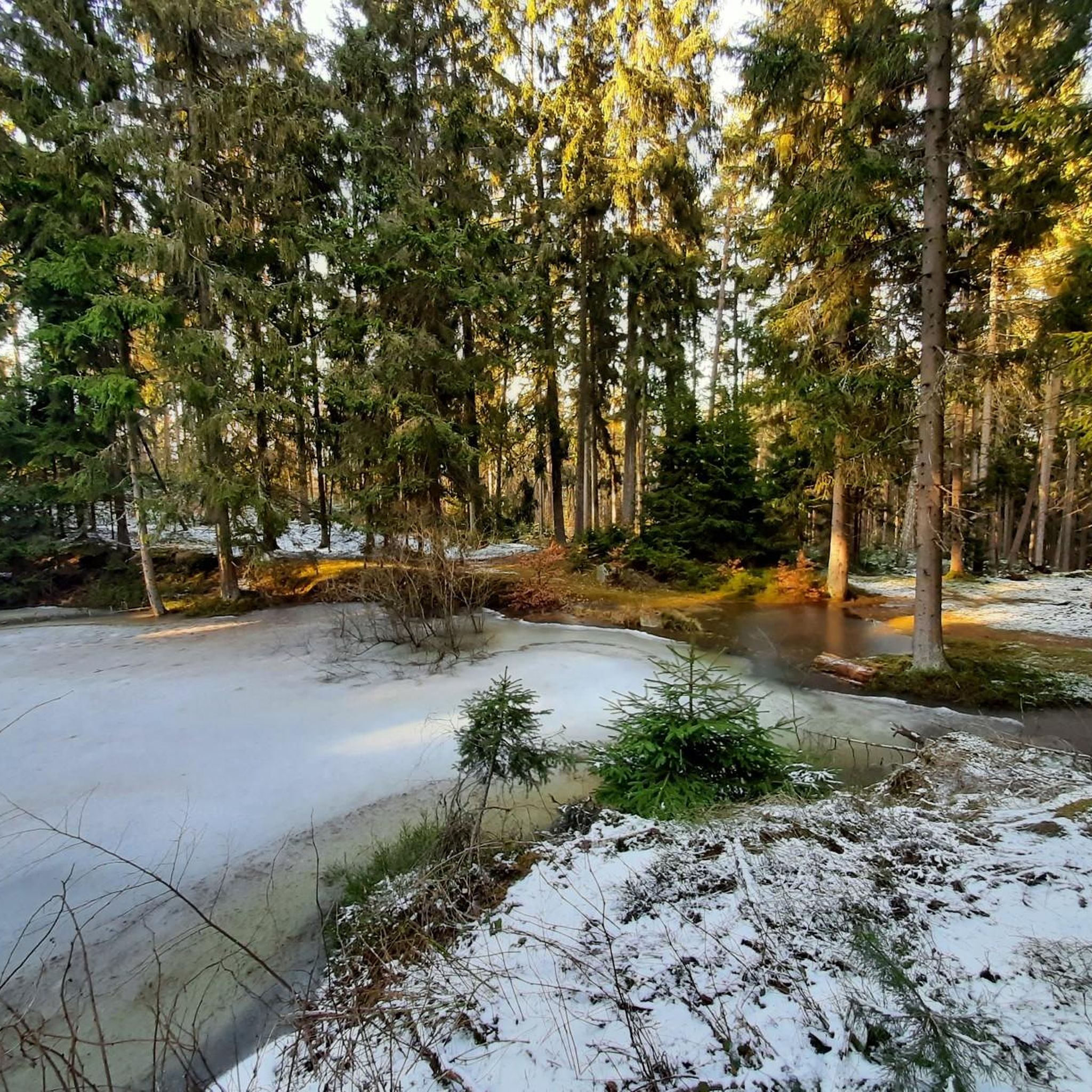
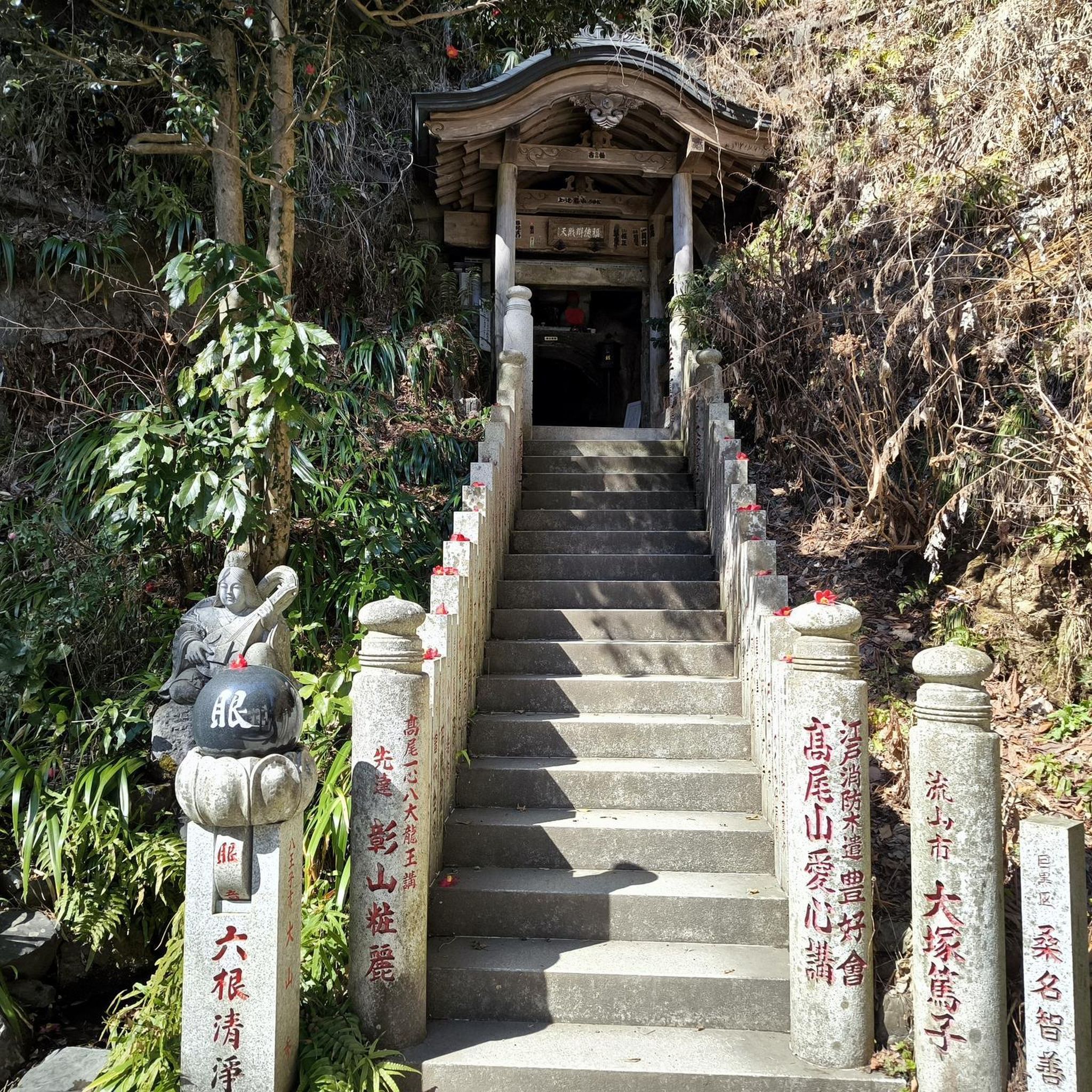
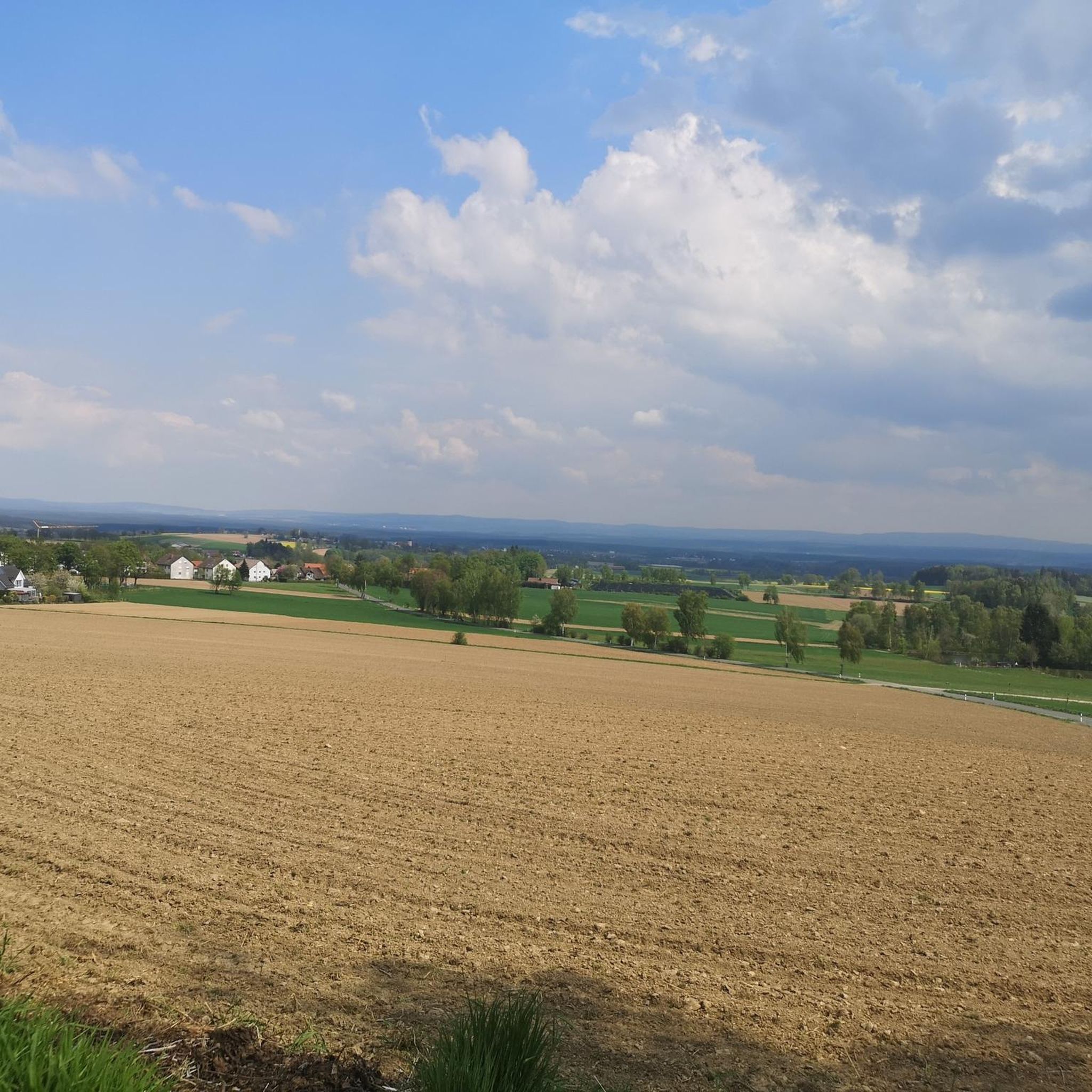
Other adventures around Fuchsmühl

Tips from the Community

Really beautiful buildings and churches to see there.
0
1

During the time of National Socialism, the castle was first used by agricultural officials, until 1943 when a rather unknown chapter in the castle's history was opened: Due to the increasing bombing raids on German major cities, it was decided to relocate Germany's leading chemists, physicists, and atomic scientists with their research units to the south of Germany. The working group for nuclear physics, which was also called the "Uranverein", began its work in Brander Schloss in the autumn of 1943. Among the scientists who secretly contemplated the technical use of atomic energy and assessed the possibility of building a nuclear weapon was, among others, the chemist Otto Hahn. What exactly was researched behind the castle walls remained hidden from the public to this day. In 1969, the Marktredwitz grammar school was named after the castle's guest and Nobel laureate Otto Hahn.
17
0
In its over 800-year history, it has had to endure much, and it will certainly take some time before the once-beautiful castle will be presentable again, both inside and out. The estate, first documented in 1221, changed hands several times. In 1690, it fell victim to a fire disaster. Reconstruction was followed by several conversions. The most striking change occurred at the end of the 19th century, when the then owner, Admiral Albert von Seckendorff, had the five-story castle tower built in the neo-romantic style of the time. After Seckendorff's death, the castle passed to the state of Bavaria in 1937.
19
0

Great castle. Viewed from the outside. There is a great path along the left side of the castle, where you come out at the top and go back down via the stairs.
17
0
Very beautiful castle. Unfortunately, a tour is only possible on Sundays at 3:30 p.m. as part of a guided tour. Unfortunately, this is not so practical with a small child. The beer garden also only opens on Sundays, but already at 2 p.m.
16
1

In addition to the castle stables in the field with a memorial plaque along the path, there is also a kind of war memorial of the Waldnaabtal Association.
4
0

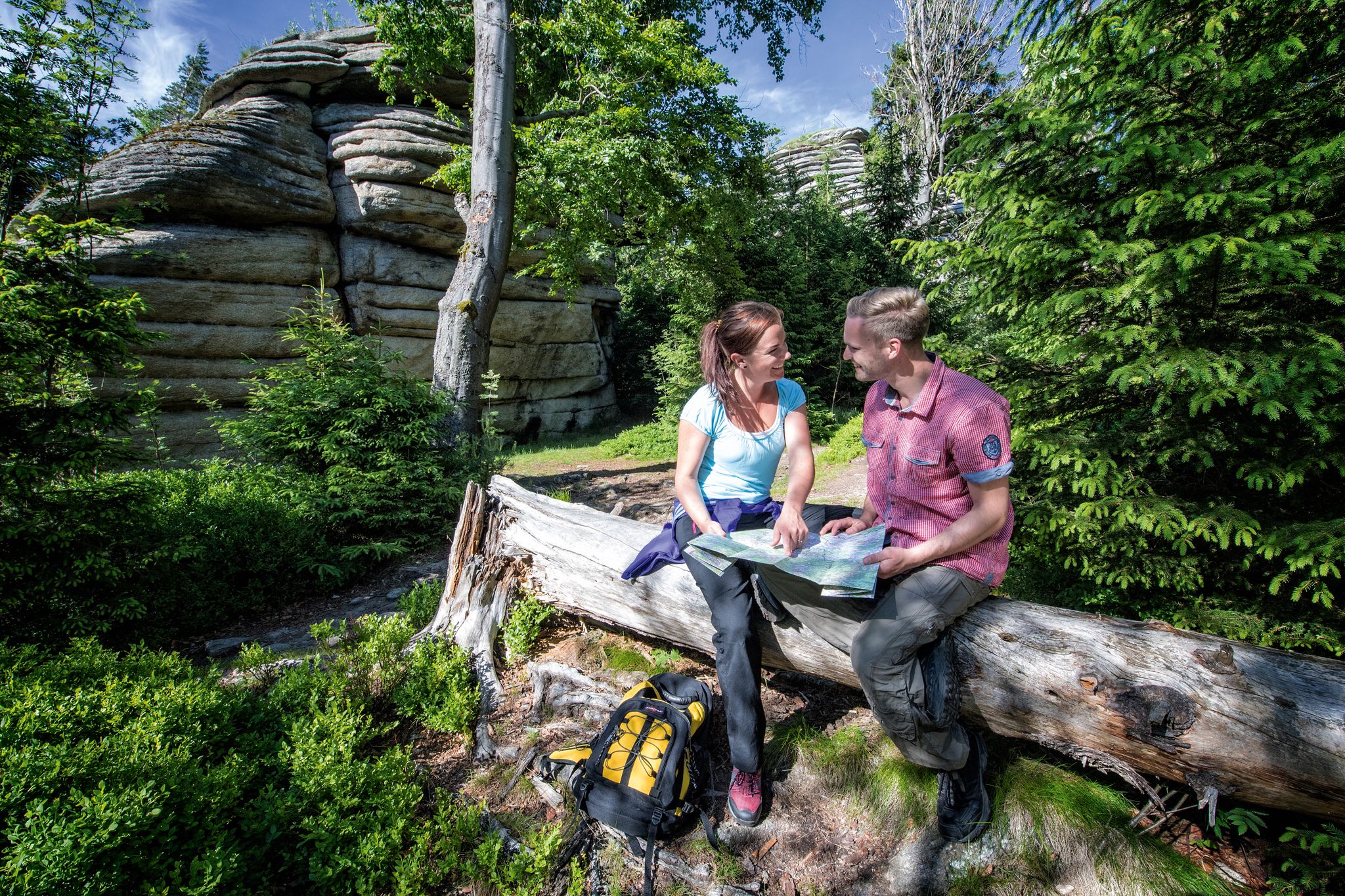
Jagged rocks that invite easy climbing. Since they are a bit off the trail, it's easy to miss them. Two narrow paths lead from the hiking trail to the rocks
5
0

A little off the path is this stone formation.
3
0
Frequently Asked Questions
What are some notable castles to visit in the Fuchsmühl region?
Beyond Schloss Fuchsmühl itself, you can explore the well-preserved ruins of Weißenstein Castle Ruins, offering panoramic views over the Steinwald Forest. Another significant site is Falkenberg Castle, which combines modern renovation with medieval charm and includes a hotel and museum. Don't miss Waldershof Castle, a former moated castle that, while privately owned, can be admired from the outside.
Are there any castle ruins to explore near Fuchsmühl?
Yes, the region is rich in historical ruins. The Weißenstein Castle Ruins are a popular choice, featuring a restored keep with excellent views. You can also visit the Altneuhaus Castle Site, located on a granite rock, which is the namesake for the 'Altneihauser Feierwehrkappele'.
What natural features can I see near the castles in Fuchsmühl?
The Fuchsmühl area, particularly within the Steinwald Nature Park, offers impressive natural landmarks. The Schlossfelsen (Steinwald Nature Park) is a striking granite rock formation over 20 meters high, providing a habitat for rare animal species. Many castles, like Weißenstein, are situated on rocky outcrops, offering scenic viewpoints over the surrounding forests and landscape.
Are there family-friendly castles or activities in the Fuchsmühl area?
Several castles in the region are considered family-friendly. Weißenstein Castle Ruins and Falkenberg Castle are both listed as family-friendly. The surrounding Steinwald Nature Park also offers various outdoor activities suitable for families, such as hiking trails.
Can I bring my dog to the castles or trails around Fuchsmühl?
While specific dog policies for individual castles like Schloss Fuchsmühl may vary, the general outdoor areas and hiking trails in the Steinwald Nature Park are often dog-friendly. It's always advisable to keep dogs on a leash and clean up after them. Check local signage at specific castle sites for any restrictions.
What is the best time to visit the castles in Fuchsmühl?
The castles and surrounding nature are enjoyable throughout the warmer months, typically from spring to autumn. During these seasons, the weather is pleasant for exploring ruins and hiking. Visiting in late spring or early autumn can offer comfortable temperatures and beautiful scenery. Winter visits are possible, but some facilities or trails might have limited access due to snow or ice.
Are there hiking trails near the castles in Fuchsmühl?
Yes, the Fuchsmühl area is excellent for hiking, often connecting to castle sites. You can find numerous trails, including those around the Weißenstein Castle Ruins and through the Steinwald Nature Park. For more detailed routes, explore the Running Trails around Fuchsmühl guide, which includes routes like the 'Weißenstein Castle Ruins – Oberpfalzturm Observation Tower on Platte loop'.
What other outdoor activities can I do near these castles?
Besides hiking, the Fuchsmühl region offers excellent opportunities for cycling. You can find various routes for different skill levels. For cycling enthusiasts, check out the Cycling around Fuchsmühl guide or the Road Cycling Routes around Fuchsmühl guide for routes that might pass by or near some of the castles.
How can I reach Schloss Fuchsmühl or other castles by public transport?
Public transportation options in the Fuchsmühl area may include local bus routes. For specific schedules and connections to Schloss Fuchsmühl or other castle locations, it is recommended to check local transport services. The 'Baxi' service might also be available for tourists, offering flexible on-demand transport in the region.
Are there any permits required to visit Schloss Fuchsmühl or hike in the Steinwald Nature Park?
Schloss Fuchsmühl is a protected architectural monument. While general access to view the exterior is usually unrestricted, specific visitor information or permits for interior access would depend on the current use of the castle. For hiking in the Steinwald Nature Park, general access is usually free, but it's always good practice to respect nature park rules and check for any specific regulations regarding certain areas or activities.
Where can I find accommodation or places to eat near the castles?
The market town of Fuchsmühl and surrounding villages offer various options for accommodation, including hotels. You can also find cafes, pubs, and restaurants in Fuchsmühl, some of which may offer local specialties or outdoor seating. It's advisable to check in advance for specific opening hours and availability, especially in smaller villages.
What makes Schloss Fuchsmühl historically significant?
Schloss Fuchsmühl dates back to the 14th century and has undergone significant architectural transformations over the centuries. It features a classicist main building, a manor house, and the Schlosskapelle Mariä Opferung (Castle Chapel of the Presentation of Mary) with Rococo elements and historical tombs. Its rich history of changing ownership and medieval archaeological findings make it a significant cultural heritage site in the Upper Palatinate.
Most popular routes around Fuchsmühl
Most popular attractions around Fuchsmühl

Get inspired with the komoot mobile app


Explore more
Looking for the best castles somewhere else? Discover other guides around Fuchsmühl:
