Top 17 Castles around Großenseebach
Castles around Großenseebach are found in the broader region, as Großenseebach itself is a modern residential community with no historical records of castles within its immediate boundaries. The area is characterized by its historical development, including its mention in 1348 and reconstruction after the Thirty Years' War. Exploring the surrounding districts reveals various historical castle sites. These locations offer insights into regional history and architectural heritage.
Best castles around Großenseebach
- The most popular castles is Neuhaus Moated Castle, a…
Last updated: November 19, 2026
Margrave's Palace
Highlight • Castle
Translated by Google •
Tip by

Neuhaus Moated Castle
Highlight • Castle
Translated by Google •
Tip by

Sign up now to discover places like this
Get recommendations on the best single tracks, peaks, & plenty of other exciting outdoor places.
Höchstadt Castle
Highlight • Castle
Translated by Google •
Tip by

Hemhofen Castle
Highlight • Castle
Translated by Google •
Tip by

Adelsdorf Castle Garden
Highlight • Historical Site
Translated by Google •
Tip by

Sign up for free to discover even more castles around Großenseebach.
Already have an account?
Start today with a free account
Your next adventure awaits.
Tips from the Community

The margravial palace, 65 meters wide and 21 meters high, with its palace garden, orangery, and Concordienkirche, was built from 1700 onwards in Erlangen as the first self-contained Baroque ensemble in Franconia, commissioned by Georg Wilhelm, Hereditary Prince of Brandenburg-Bayreuth and later Margrave of Bayreuth. Antonio della Porta and Jaques Bourdin de la Fond adopted the Baroque style under the influence of French Classicism. In 1703, Georg Wilhelm's father, Margrave Christian Ernst, bought the still unfinished palace to gift it to his third wife, Elisabeth Sophie. After Christian Ernst's death in 1712, it served as a widow's residence for Elisabeth Sophie, then for Sophia of Saxe-Weissenfels. In 1764, the widowed Margravine Sophie Caroline Marie moved into Erlangen Palace and lived there with her court of around 40 people for almost 50 years. She received numerous guests at the palace, including King Frederick William of Prussia twice. Erlangen society met at the palace: above all the professors, who presented their latest scientific findings to Sophie. In her will, the Margravine bequeathed the palace with its outbuildings to the university. Since 1945, it has served exclusively for the university administration.
4
0

Along the Aisch river, along the old city wall.
1
0


Behind the castle, a 280-meter-wide and 550-meter-long castle garden was created with an orangery (completed in 1706), Concordia Church (1706; now the Geological Institute), Huguenot fountain, equestrian statue and the now-defunct Hedge Theatre. The first self-contained, baroque courtly building ensemble in Franconia was created here. (Wikipedia)
3
0

Unfortunately currently partially scaffolded.
5
0

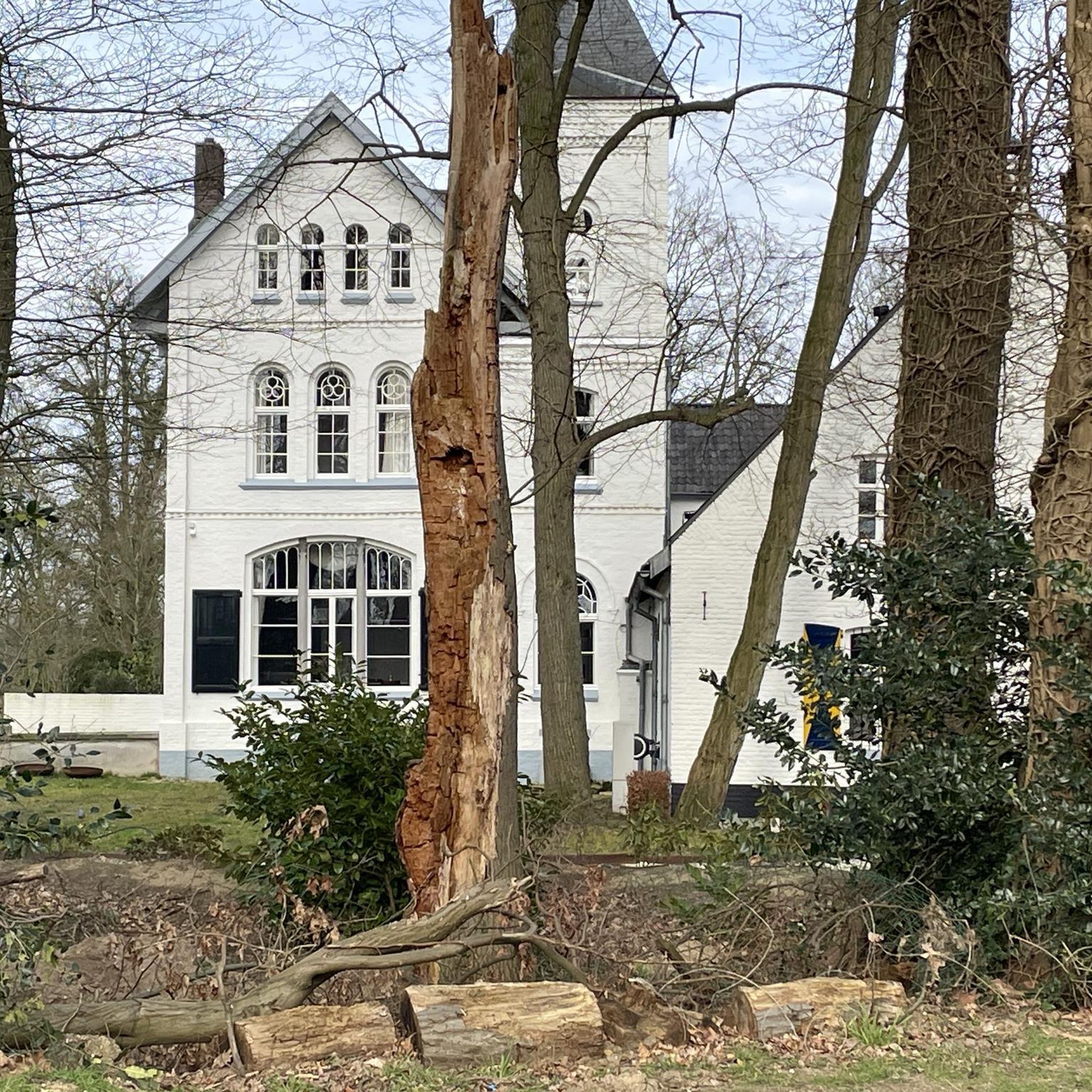
At the end of the axis of the castle park, you will of course find the castle. Renovation work is currently taking place. Nevertheless, it is an eye-catcher
4
0

Beautiful baroque castle with a lovely courtyard that invites you to take a short break.
0
0

Beautiful castle in the middle of the old town with a wonderful adjacent park to relax and linger
10
0
Frequently Asked Questions
Are there any castles directly in Großenseebach?
No, Großenseebach itself is a modern residential community and historical records do not indicate the presence of any castles within its immediate boundaries. However, the broader region offers a variety of historical castle sites to explore.
Which castles are considered must-see attractions in the area?
Visitors frequently enjoy Neuhaus Moated Castle, known for its enchanting setting between ponds and its visible-from-afar presence. Another highly regarded site is Margrave's Palace, a Baroque castle in the heart of an old town with a beautiful adjacent park. Höchstadt an der Aisch Castle, a Baroque castle of the Bamberg prince bishops, also offers picturesque views of the Aisch river.
What kind of historical and architectural styles can I expect from castles around Großenseebach?
The castles in the region showcase a range of historical and architectural styles. You can find structures like the Baroque Margrave's Palace, built in the early 18th century, and the Renaissance-era Neuhaus Moated Castle, which incorporates even older medieval elements. The area features historical castles, moated castles, and Baroque palaces, reflecting centuries of regional history.
Are there any castles with public access or amenities like cafes?
While some castles like Hemhofen Castle are part of estates that host private events and may have restaurant facilities, others like Rathsberg Castle are privately owned and cannot be visited internally. For those seeking a romantic setting with a cafe, Zuckerberg Castle in Kappelrodeck (mentioned in regional research) is known for its beautiful garden and cafe, though it's further afield.
What outdoor activities can I do near these castles?
The region around Großenseebach offers various outdoor activities. You can find numerous hiking trails, such as those detailed in the Hiking around Großenseebach guide, including routes like the 'Forest Pond – Gasthaus Gumbrecht loop'. For runners, there are dedicated Running Trails around Großenseebach, and gravel biking enthusiasts can explore routes like the 'Small Bishop's Pond – Dechsendorfer Weiher loop' from the Gravel biking around Großenseebach guide.
Are there family-friendly castles or activities in the area?
Yes, several castles are noted as family-friendly. Margrave's Palace, with its adjacent park, offers a pleasant environment for families to relax and linger. Neuhaus Moated Castle is also categorized as family-friendly, providing an interesting historical site visible from afar.
Can I find castle ruins to explore near Großenseebach?
Yes, the broader region includes several castle ruins. For example, the Brigittenschloss (Hohenrode Castle) Ruins offer wonderful views and a chance for a snack break. The Schauenburg Castle Ruins, located above Oberkirch, are free to enter and provide historical insights with a plaque detailing the castle's past, along with notable views.
What do visitors appreciate most about the castles around Großenseebach?
Visitors frequently highlight the historical significance and architectural beauty of the castles. Many enjoy the picturesque settings, such as the idyllic location of Neuhaus Moated Castle amidst ponds, or the relaxing atmosphere of the park adjacent to Margrave's Palace. The views, like those of the Aisch river from Höchstadt an der Aisch Castle, are also a popular draw.
Are there hiking trails that lead to or past castles in the area?
Yes, many hiking routes in the region incorporate historical sites. While specific trails directly to every castle aren't always available, you can find routes that pass by or offer views of these landmarks. For instance, the Hiking around Großenseebach guide provides various trails, some of which might offer glimpses of the regional architecture and historical sites.
What is the best time to visit the castles around Großenseebach?
The castles and their surrounding areas can be enjoyed throughout the year. Spring and autumn offer pleasant temperatures for exploring the grounds and nearby hiking trails, with vibrant foliage or blooming nature. Summer is ideal for enjoying the adjacent parks and outdoor cafes, while winter can provide a unique, serene atmosphere, especially for castles like Neuhaus Moated Castle set amidst frozen ponds.
Are there any notable historical sites beyond castles, such as abbey ruins?
Yes, the region also features significant religious historical sites. The All Saints' Abbey ruins are particularly impressive, with the remains of the monastery church showcasing architectural styles from late Romanesque to late Gothic. Its cross-shaped floor plan is still visible in the standing walls, offering a glimpse into the area's rich past.
Most popular routes around Großenseebach
Most popular attractions around Großenseebach

Get inspired with the komoot mobile app


Explore more
Looking for the best castles somewhere else? Discover other guides around Großenseebach:
