Top 20 Castles around Leuchtenberg
Best castles around Leuchtenberg are found in the Upper Palatinate region of Germany, characterized by its granite hilltops and views over the Upper Palatinate Forest. The area is home to significant historical sites, including well-preserved castle ruins that offer insights into medieval times. Leuchtenberg features a landscape that combines historical architecture with natural vistas, providing a setting for exploration. The region's castles are often situated on elevated positions, offering panoramic views of the surrounding area.
Best castles around Leuchtenberg
- The…
Last updated: November 20, 2026
Leuchtenberg Castle Ruins
Highlight • Castle
Translated by Google •
Tip by

Unterwildenau Castle
Highlight • Castle
Translated by Google •
Tip by

Sign up now to discover places like this
Get recommendations on the best single tracks, peaks, & plenty of other exciting outdoor places.
Trausnitz Castle in the Valley
Highlight • Castle
Translated by Google •
Tip by

Thonmühle Ruins
Highlight • Historical Site
Translated by Google •
Tip by
Friedrichsburg Castle
Highlight • Castle
Translated by Google •
Tip by
Sign up for free to discover even more castles around Leuchtenberg.
Already have an account?
Start today with a free account
Your next adventure awaits.
Popular around Leuchtenberg
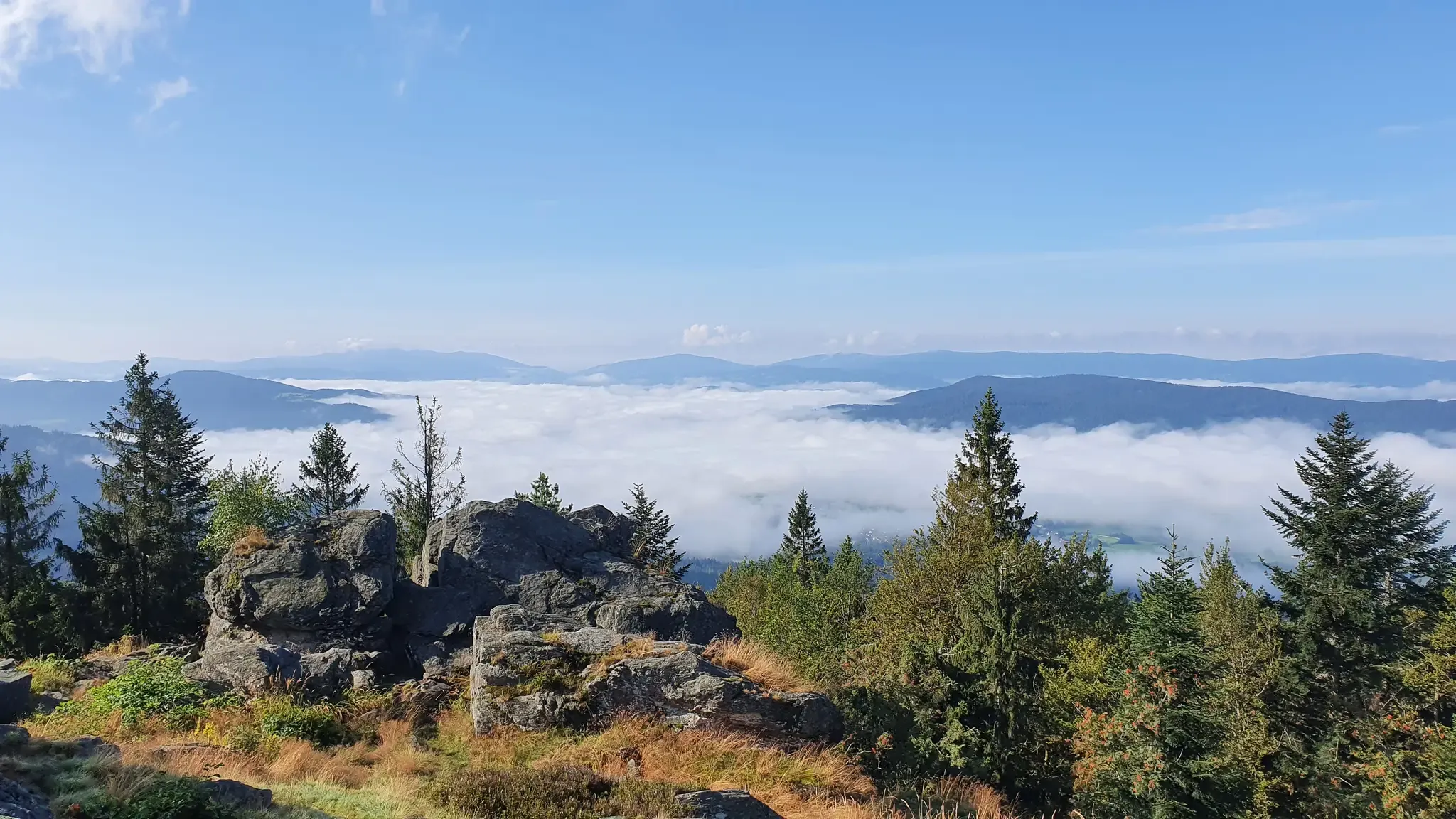
The Goldsteig – 38 stages between Upper Palatinate and Passau
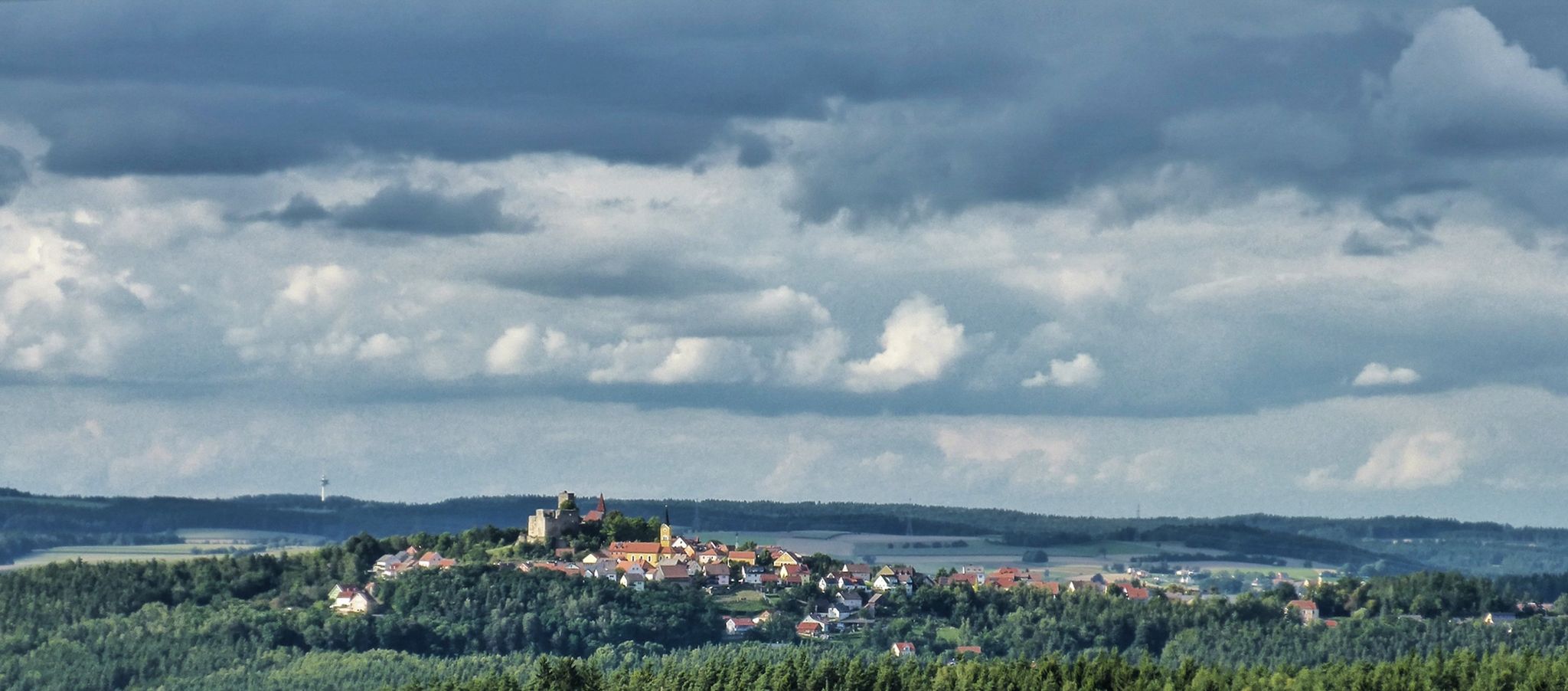
The Upper Palatinate Castle Trail — 9 days in picturesque northern Bavaria
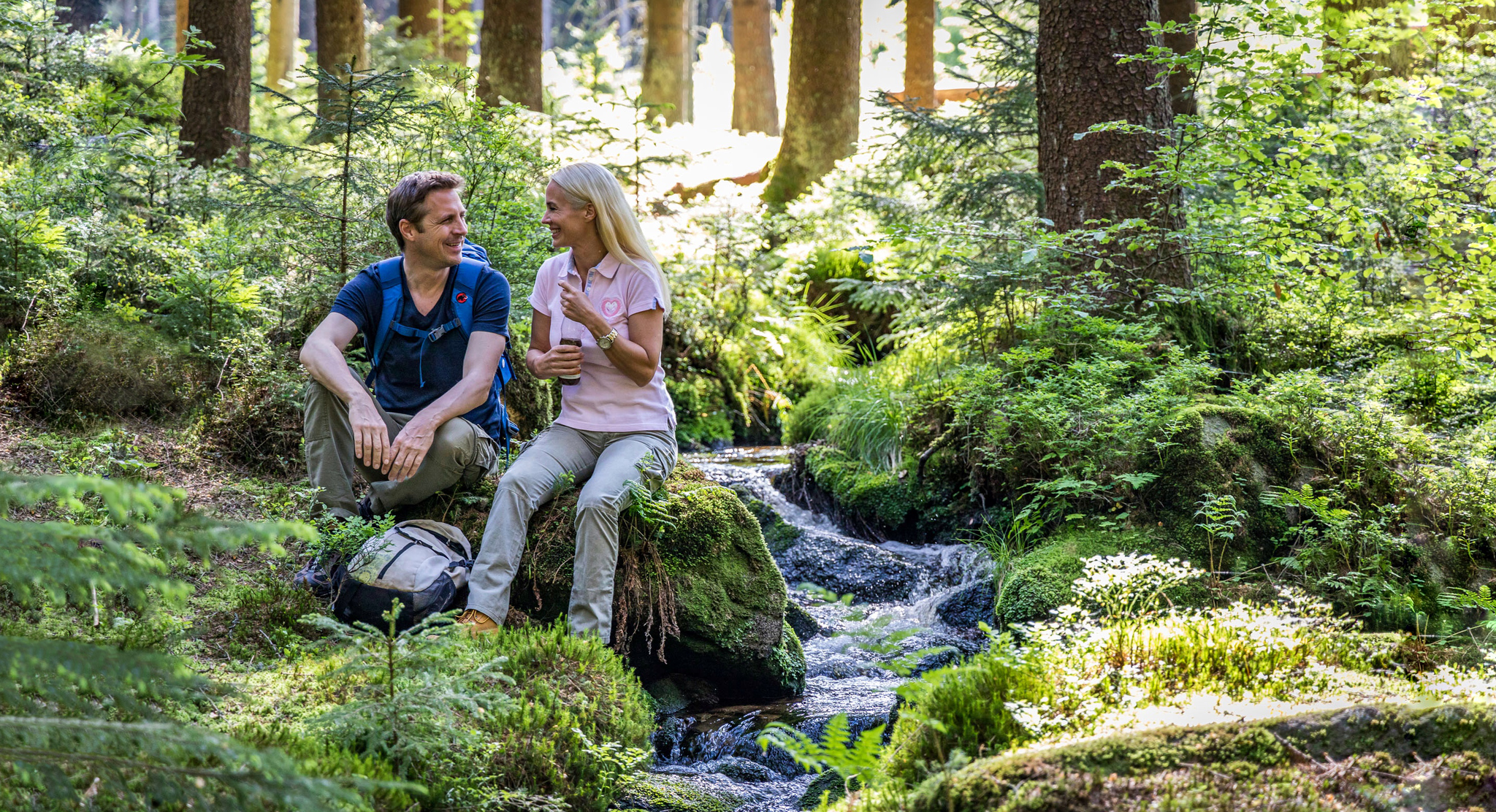
Hiking in Bavaria’s Upper Palatinate Forest – unspoilt forests & green hills
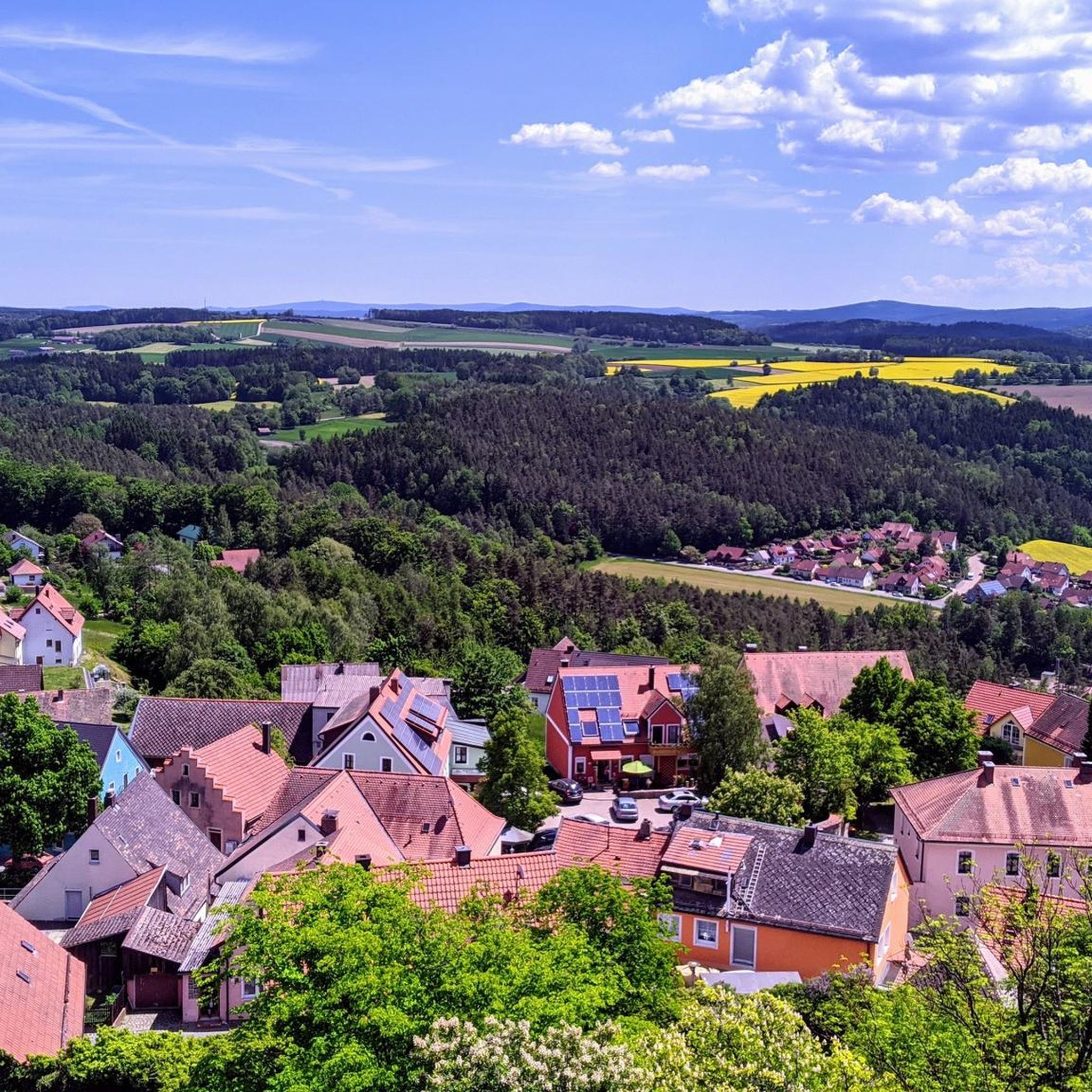
Hiking around Leuchtenberg
MTB Trails around Leuchtenberg
Road Cycling Routes around Leuchtenberg
Cycling around Leuchtenberg
Running Trails around Leuchtenberg

Gravel biking around Leuchtenberg
Other adventures around Leuchtenberg


Tips from the Community

Schloß Friedrichsburg Friedrichsburg was built between 1586 and 1593. The construction was carried out by the master builder Leonhardt Greineisen from Burglengenfeld and the Weiden master mason Hanss Reicholt; after his death in 1589, the Italian master mason Hans Meria completed the work. Originally, Count Palatine Friedrich wanted to expand his residence in Weiden in a representative manner; after this failed, the decision fell on Vohenstrauß. In 1593, Count Palatine Friedrich moved with his wife Katharina-Sophia from Weiden to Vohenstrauß to reside in Friedrichsburg. After Friedrich died on December 17, 1597, the castle served as a widow's seat for the Countess Palatine until her death on May 10, 1608. The sovereign rights passed to Palatinate-Neuburg. In the following period, Friedrichsburg was used as a residence for the administrators of Floß and Vohenstrauß. The first renovation of the castle took place in the years 1659 and 1661. When it was built, Schloß Friedrichsburg was located in the south of Vohenstrauß and outside the city walls. The castle is a three-story, rectangular box-like building with a high and steep gable roof, built in the style of the German Renaissance. At the four corners, it has four round towers with pointed helmets that rise in tiers. In the middle of the north-facing main front is a fifth, also round, main entrance tower that is one story higher. On the south facade stands a sixth round tower, which was added in 1903. The east and west sides are equipped with wavy gables, and belt courses made of granite mark the individual floors. Around 1600, there was a rectangular wall with loopholes around the castle. The castle is 40.84 meters long, 18.57 meters wide, and has a net floor area of 2225 square meters. Various offices used the castle in the 19th century. For example, in 1809, the district court from Burgtreswitz was moved into the castle, and from 1842, the tax office was also housed in the castle. In 1862, the district office followed, later the surveying office, and until 1972, the castle served as the district administration office for the Vohenstrauß district. On May 24, 1989, renovation work began on the castle, and by 2001, Friedrichsburg had been completely renovated on the outside. Today, the castle serves, among other things, as a venue for exhibitions, concerts, and theater as part of the Burgfestspiele Leuchtenberg. Source: Excerpts from www.wikipedia.de
4
0

It's a shame there's nothing to see. The information in the entrance area states "visits not possible" and advises you to contact the tourist information office, but there's no information about where it's located.
2
0

The restaurant and beer garden are permanently closed
1
0

Unfortunately the beer garden is no longer open 😢
1
0

This castle is worth a visit.
3
0

Idyllic place on the Pfreimd, an information board provides information about the former clay mill.
7
0

Beautiful beer garden that always invites you to take a break and have a snack
1
0

Always a nice highlight to ride a mountain bike here and to explore the beautiful area
3
0
Frequently Asked Questions
Which are the most historically significant castles to visit around Leuchtenberg?
The most significant is the Leuchtenberg Castle Ruins, first mentioned in 1124 and the ancestral seat of the Landgraves of Leuchtenberg. It's one of the most important and well-preserved castle complexes in the Upper Palatinate. Another notable site is Friedrichsburg Castle, a Renaissance castle from the late 16th century.
Do any of the castles offer panoramic views of the region?
Yes, the Leuchtenberg Castle Ruins are situated on a 585-meter high granite hilltop, providing breathtaking panoramic views over the Upper Palatinate Forest, extending to the Jura and Fichtelgebirge mountains. It's recognized as one of the region's most famous viewpoints.
Are there family-friendly castles or activities for children in the area?
The Leuchtenberg Castle Ruins offer special activities like birthday parties and fairy tale evenings for children, allowing younger visitors to experience the time of knights and damsels. Friedrichsburg Castle and Unterwildenau Castle are also considered family-friendly.
What cultural events or festivals are hosted at the castles?
The Leuchtenberg Castle Ruins serve as an open-air stage for the annual Leuchtenberg castle festival, Eastern Bavaria's largest open-air theater, which runs from May to August. Friedrichsburg Castle is also used for various cultural events, concerts, and performances.
What is the best time of year to visit the castles around Leuchtenberg?
The period from **April 1st to October 31st** is ideal, as the Leuchtenberg Castle Ruins are open during these months. Visiting between May and August allows you to experience the annual open-air castle festival.
Are there any accessible castles for visitors with wheelchairs?
While specific wheelchair accessibility details for all areas are not provided, the Leuchtenberg Castle Ruins are generally accessible to visitors, and an audio guide is available. For detailed accessibility information, it's recommended to check directly with the castle administration.
What outdoor activities can I do near the castles in Leuchtenberg?
The region offers various outdoor activities. You can find numerous running trails, road cycling routes, and general cycling routes around Leuchtenberg. Many of these routes pass by historical sites and offer scenic views.
Are there any unique historical sites besides castles to explore?
Yes, the Thonmühle Ruins offer a glimpse into the region's industrial past. This idyllic spot on the Pfreimd river features an information board detailing the former clay mill, which was a grinding mill with a cutting saw and oil beating, dating back to 1572.
What are the opening hours for Leuchtenberg Castle Ruins?
The Leuchtenberg Castle Ruins can typically be visited from **April 1st to October 31st**, Wednesday to Sunday, from 10:30 a.m. to 5 p.m. It's always a good idea to check the official website for the most current opening times before your visit, for example, on Ostbayern Tourismus.
Where can I find refreshments or accommodation near the castles?
Near Unterwildenau Castle, there is a rustic beer garden with a cozy dining room offering good, plentiful snacks. The Wernberg Town Square also features nice restaurants. For accommodation, you'll find options in the surrounding towns and villages.
What makes the Leuchtenberg Castle Ruins particularly well-preserved?
Despite a period of decay starting in 1714 and a major fire in 1842, the Leuchtenberg Castle Ruins underwent significant restoration in the 20th century. This effort has allowed visitors to clearly discern its former grandeur, with many noteworthy individual features like the castle chapel and the knight's hall still visible today.
Most popular routes around Leuchtenberg
Most popular attractions around Leuchtenberg

Get inspired with the komoot mobile app


Explore more
Looking for the best castles somewhere else? Discover other guides around Leuchtenberg:
