Attractions and Places To See around Parkstein - Top 20
Best attractions and places to see around Parkstein include a blend of geological formations, historical sites, and natural landscapes. The region is known for its volcanic origins, particularly the Hoher Parkstein basalt cone, which has shaped its unique environment. Visitors can explore ancient castles, delve into volcanic history, and discover diverse natural areas. This area offers a range of experiences for those interested in geology, history, and outdoor exploration.
Best attractions and places to see around Parkstein
- The most popular attractions is Devil's Butter Churn, a natural monument located within a wild and romantic valley. This site is associated with local legends and features polished granite rocks.
- Another must-see spot is Doost Granite Boulder Field, a natural monument characterized by large, rounded granite boulders along the Girnitz stream. It is a popular destination for nature lovers and hikers, showcasing an impressive example of erosion.
- Visitors also love Mantel bathing pond, a lake that offers a beautiful, shady lawn. This idyllic spot is free of charge and provides a swim spot.
- Parkstein is known for its geological features, historical sites, and natural monuments. The area offers a variety of attractions to see and explore, from volcanic cones to ancient rock formations and serene bathing ponds.
- The attractions around Parkstein are appreciated by the komoot community, with over 435 upvotes and 700 photos shared by visitors.
Last updated: September 26, 2026
Doost Granite Boulder Field
Highlight • Natural Monument
Translated by Google •
Tip by

Old Town Hall, Weiden
Highlight • Monument
Twice a day - namely at 11.35 a.m. and at 4.35 p.m. - you can also listen to the carillon of the town hall.
Translated by Google •
Tip by

Sign up now to discover places like this
Get recommendations on the best single tracks, peaks, & plenty of other exciting outdoor places.
Waldnaab Bike Path
Highlight (Segment) • Cycleway
Translated by Google •
Tip by

Mantel bathing pond
Highlight • Lake
Translated by Google •
Tip by

Girnitz Stream in the Doost Nature Reserve
Highlight • Natural Monument
Translated by Google •
Tip by

Sign up for free to discover even more attractions around Parkstein.
Already have an account?
Start today with a free account
Your next adventure awaits.
Popular around Parkstein
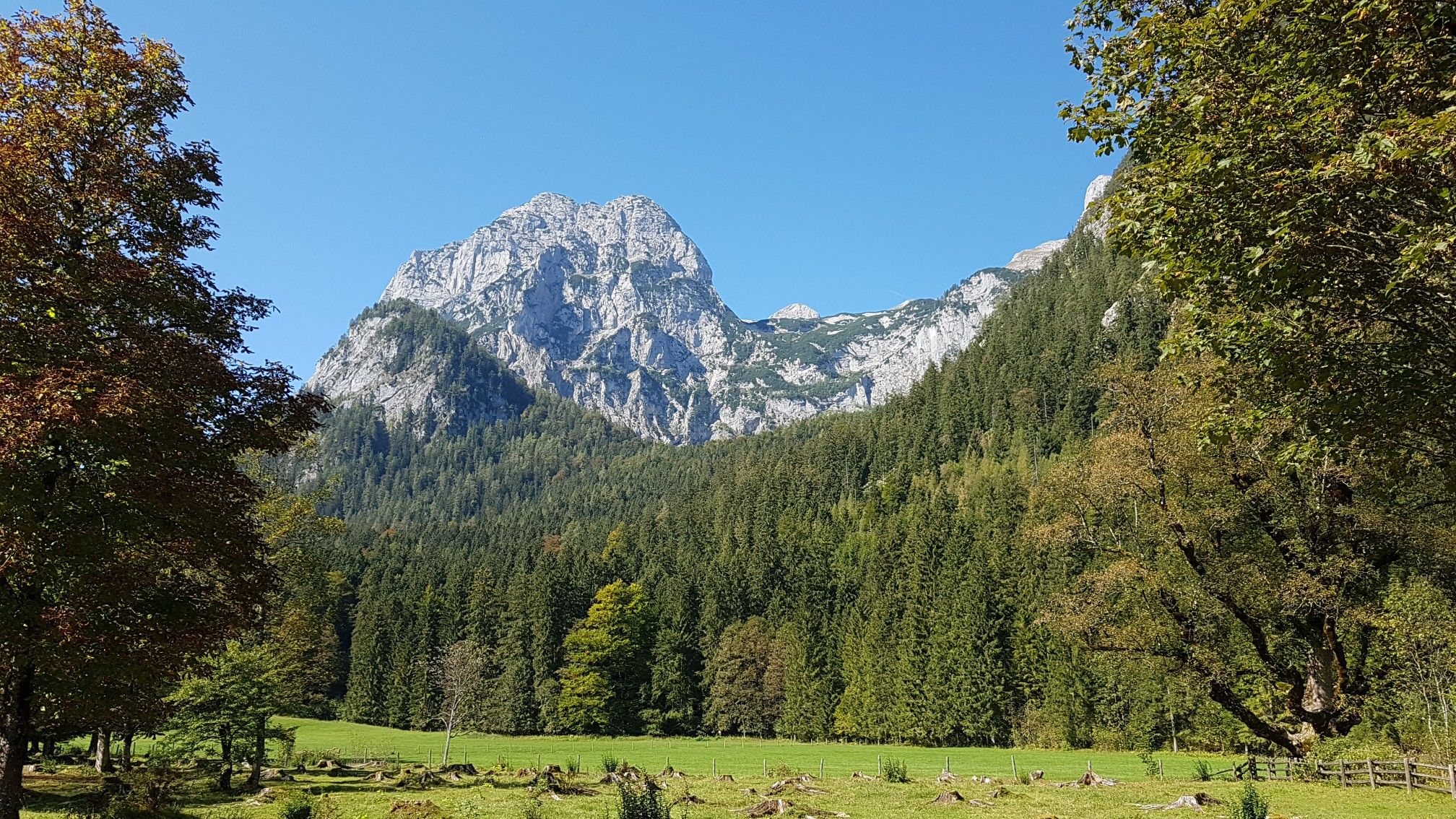
The National Natural Landscapes in Bavaria
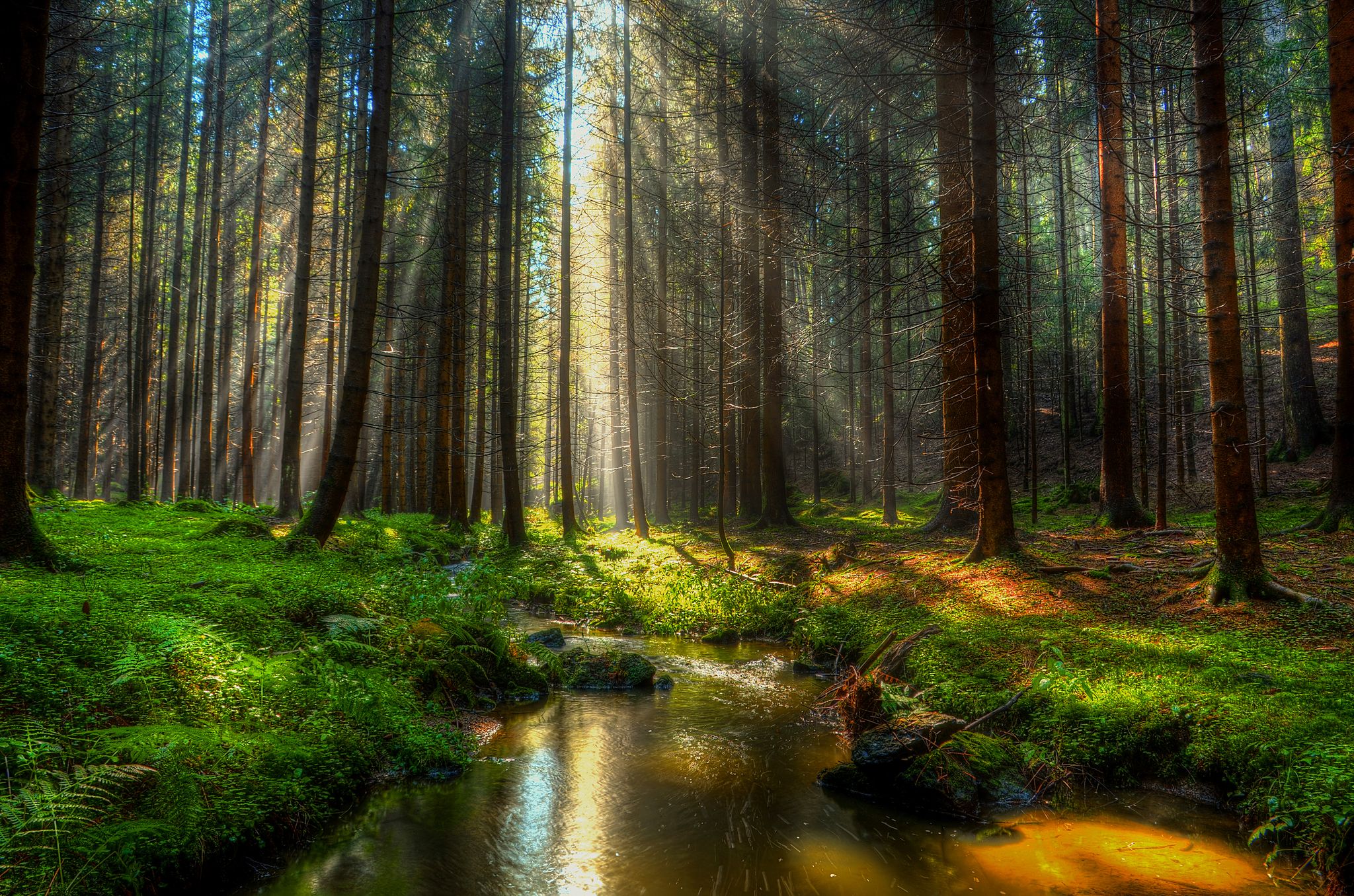
Experience nature at every turn – Forest Sea Trails in the Upper Palatinate Forest
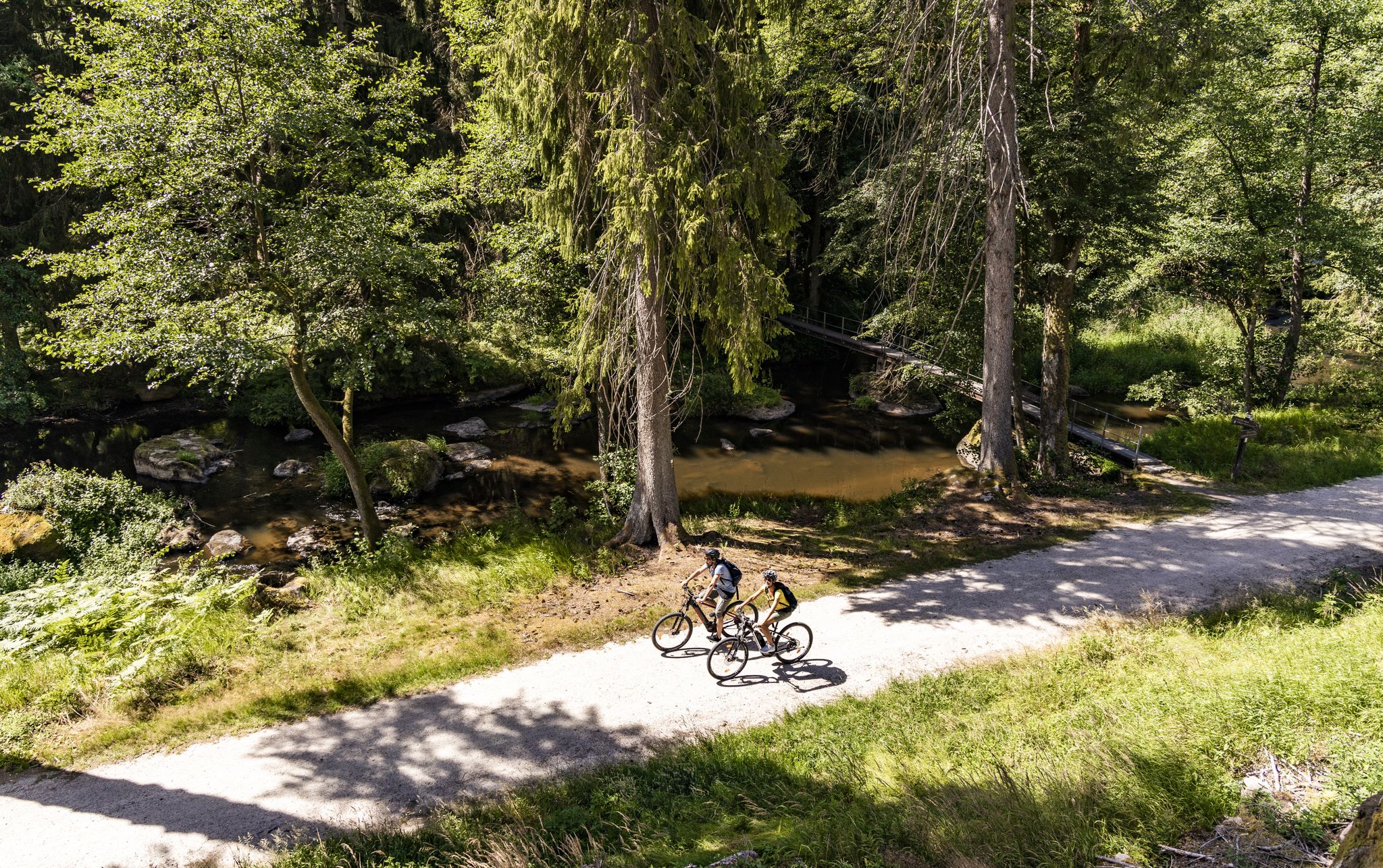
Your cycling adventure in the Upper Palatinate – Oberpfälzer Radl-Welt
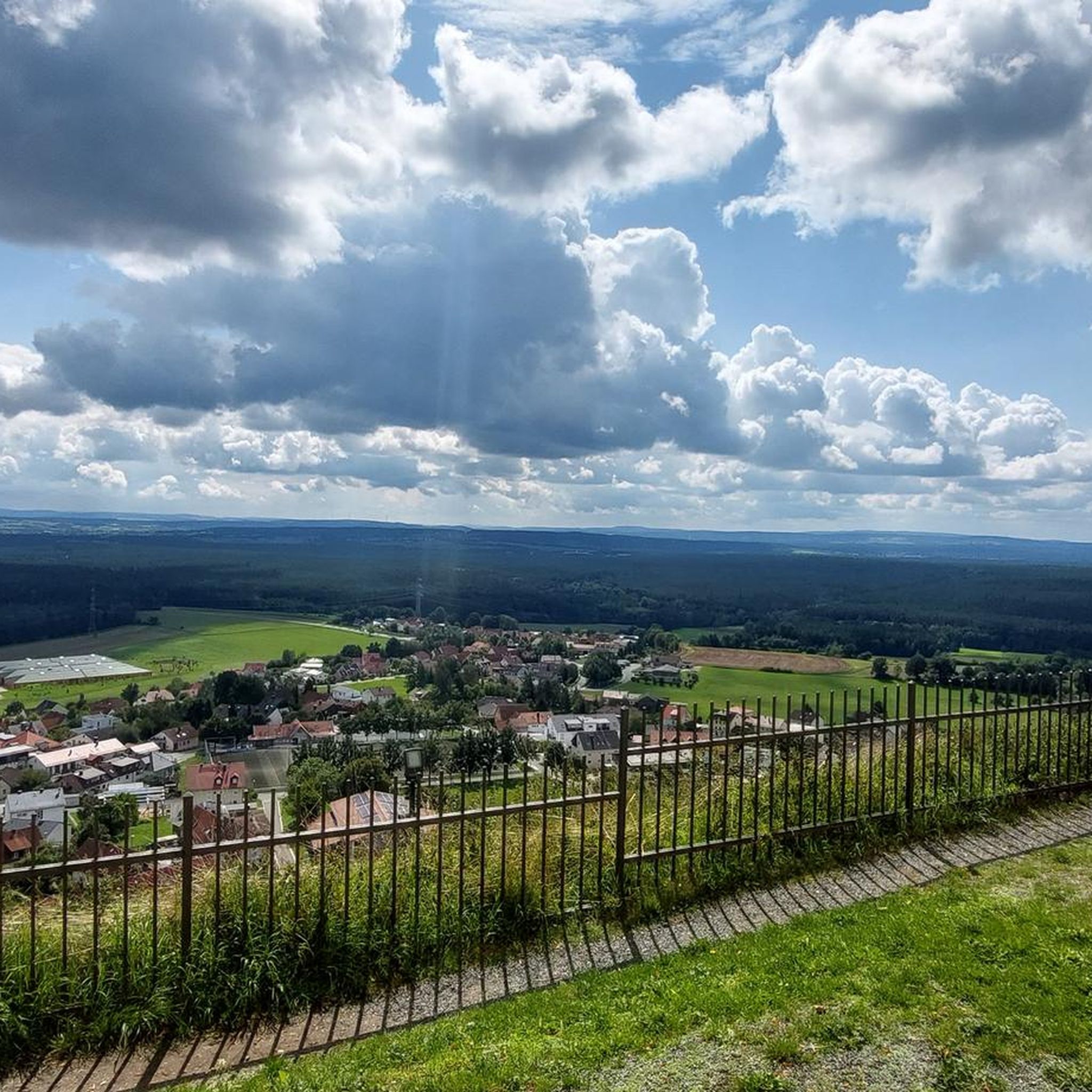
Hiking around Parkstein
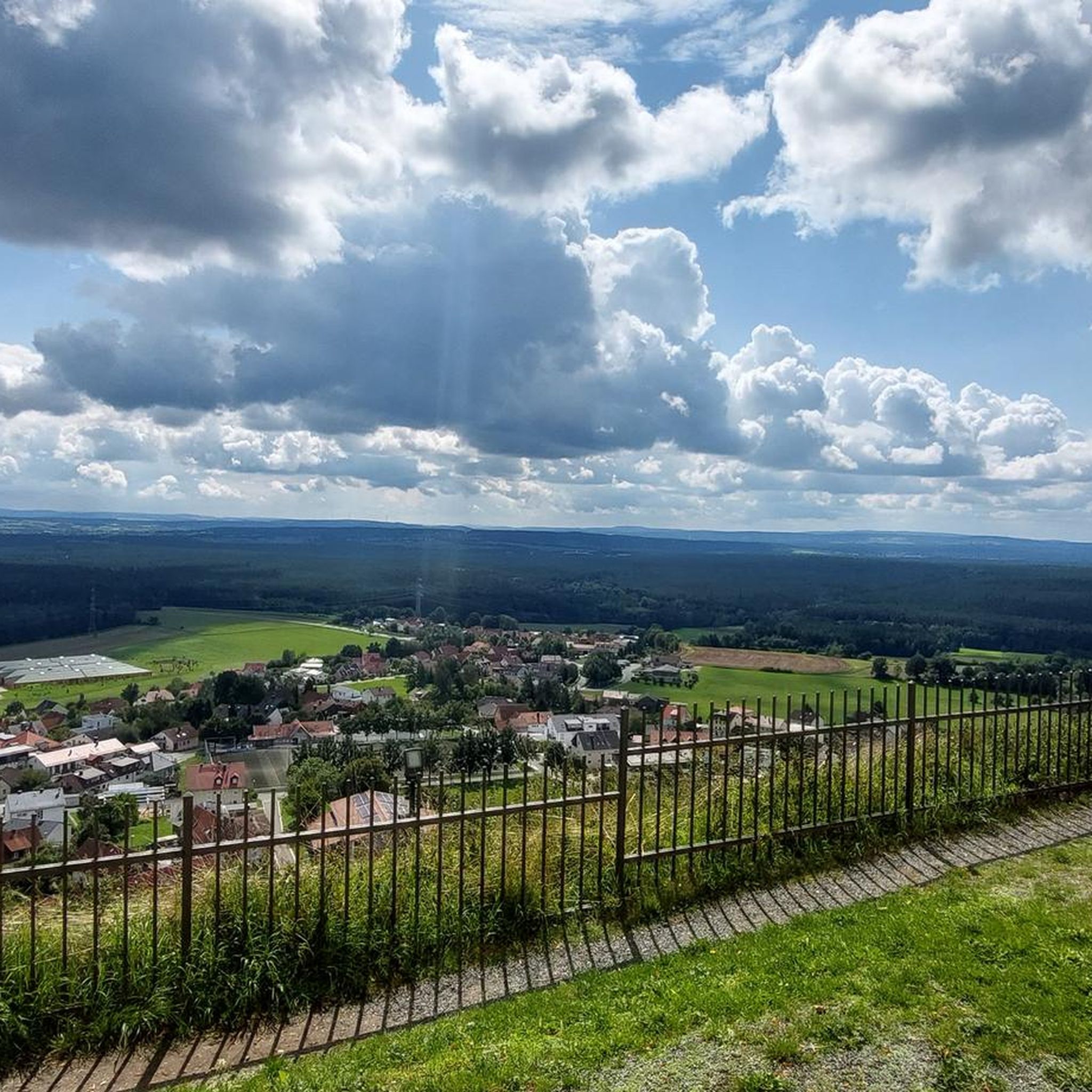
Cycling around Parkstein
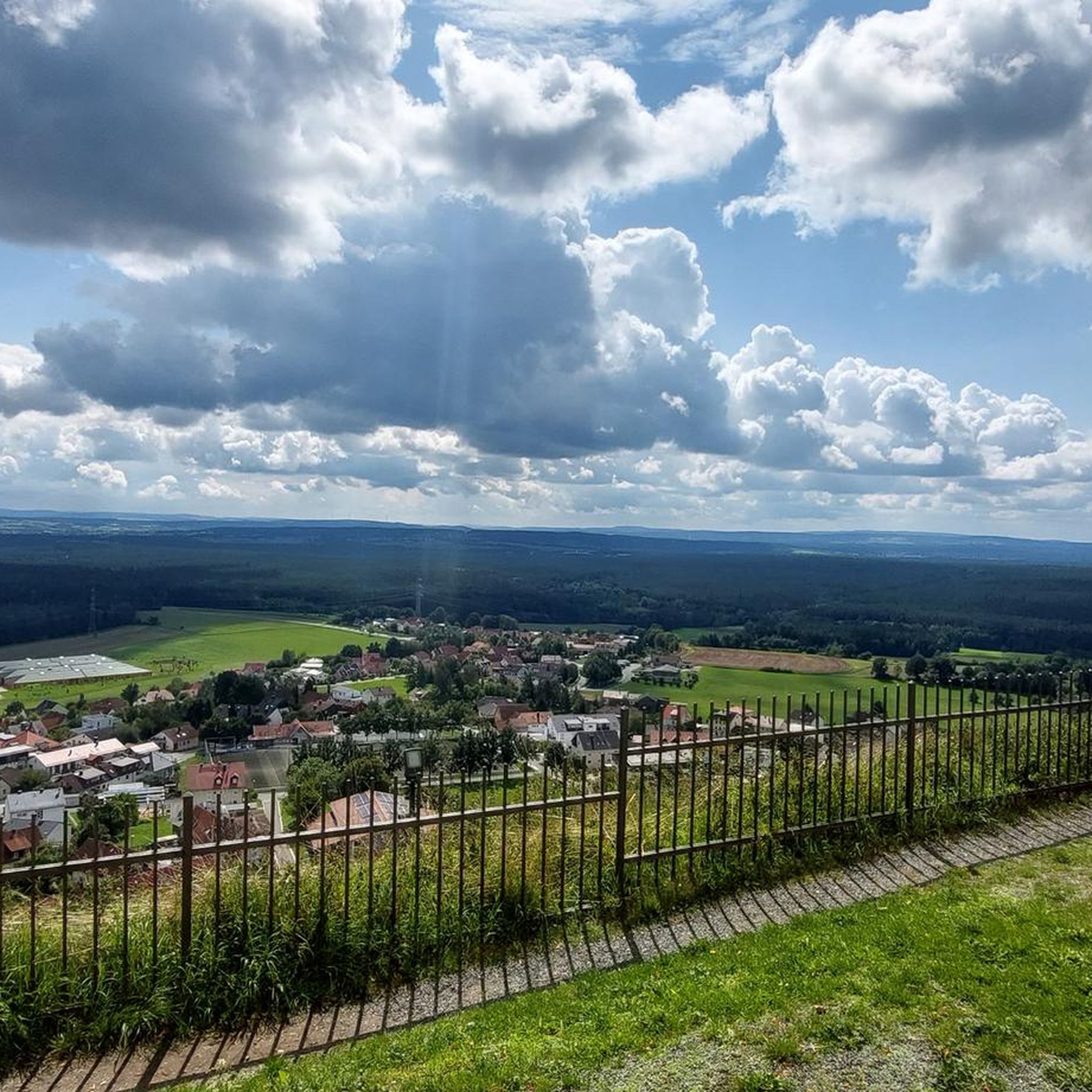
Road Cycling Routes around Parkstein
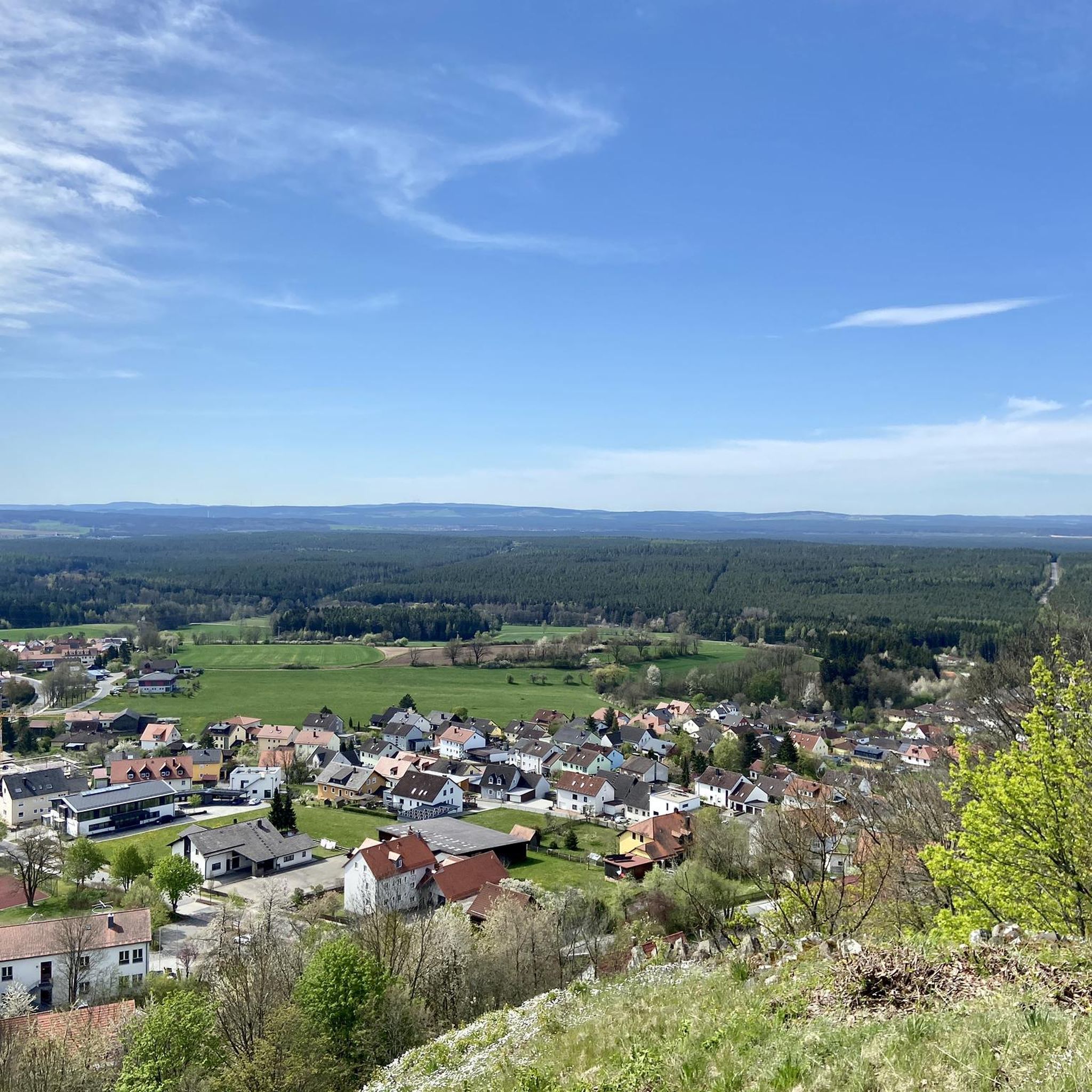
MTB Trails around Parkstein
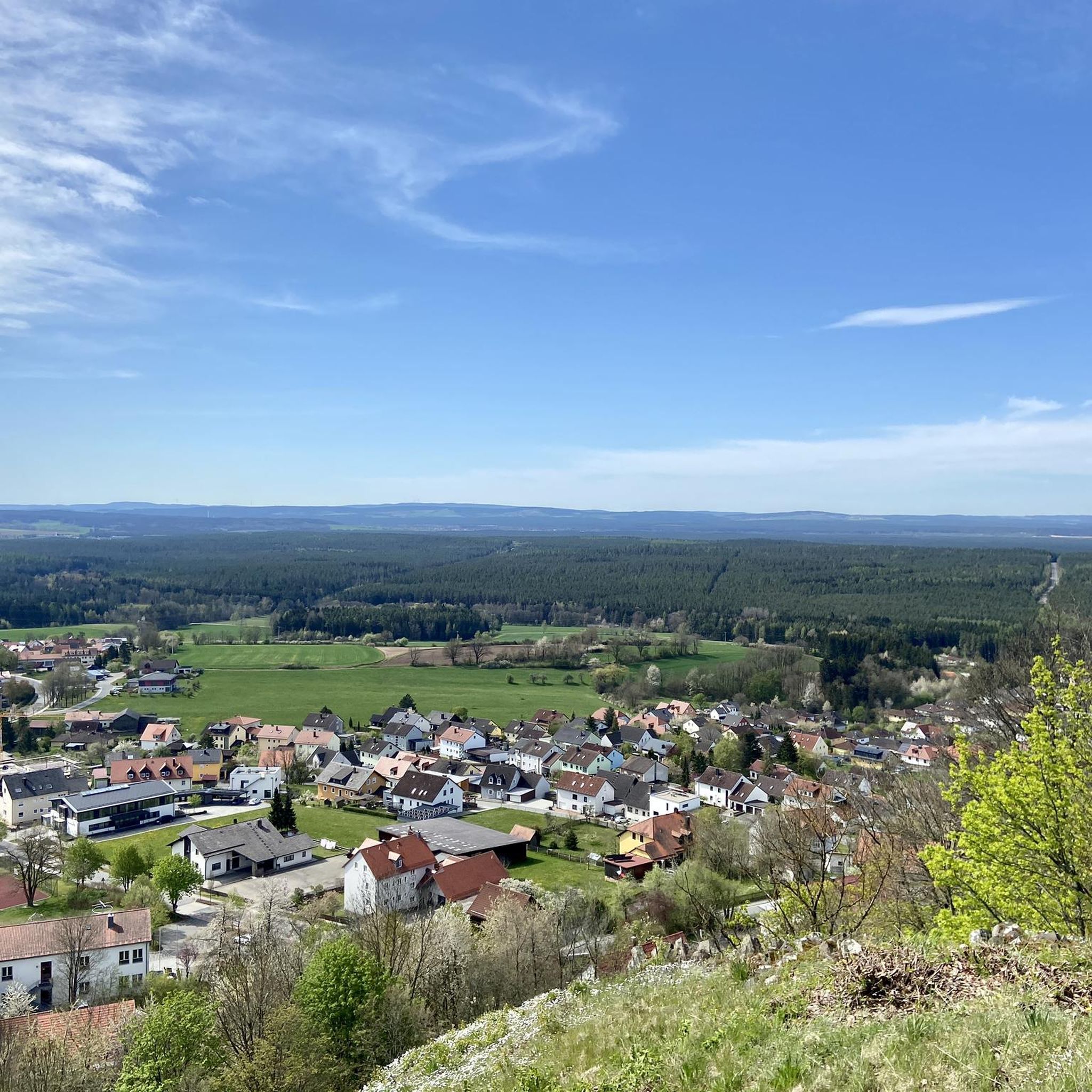
Running Trails around Parkstein

Gravel biking around Parkstein
Other adventures around Parkstein


Tips from the Community

Wonderful stretches of trail in a magnificent landscape
0
0

Free bathing pond with a shaded sunbathing area and toilets. Clean, clear water ensures enjoyable swimming for children and adults.
8
0
A beautiful and clean bathing pond with clear water, and the lawn offers plenty of space and shade for resting and relaxing.
7
0

The route from Neustadt to Hammerharlesberg follows the historic traces of the Old Magdeburg Road: https://www.wikiwand.com/de/articles/Magdeburger_Stra%C3%9Fe_(Altstra%C3%9Fe)
0
0

A wonderful cycle path, highly recommended.
3
0

Built in the early Renaissance period between 1539 and 1543, the Old Town Hall is today the landmark of the city of Weiden. A town hall stood here as early as 1400, but burned down to its foundations in 1536. While the new town hall, subsequently constructed by master builder Hans Nopl, served the administration on the upper floors, the ground floor housed sixteen shops. Since the construction of the New Town Hall in 1978, a city council meeting has been held here only once a year. It is also used for weddings and special receptions. Shops still house the ground floor today. A remarkable carillon chimes daily at 11:35 a.m. and 4:35 p.m.
11
0
The old wheel house is a feast for the eyes.
5
0
There's still something going on here.
5
0
Frequently Asked Questions
What unique geological features can I explore in Parkstein?
Parkstein is renowned for its volcanic origins. The most prominent feature is the Hoher Parkstein, a basalt formation described as the 'most beautiful basalt cone in Europe'. You can observe impressive pentagonal and hexagonal basalt columns. Another significant natural attraction is the Doost Granite Boulder Field, a 'sea of boulders' along the Girnitz stream, showcasing large, rounded granite formations and an impressive example of erosion.
What historical sites are there to visit in Parkstein?
You can explore the remains of Parkstein Castle, perched on the summit of the Hoher Parkstein, which has a history dating back to around 1000 AD. Additionally, the Old Town Hall, Weiden, built in the early Renaissance, is a notable historical landmark nearby, known for its carillon and architectural significance.
Are there family-friendly attractions around Parkstein?
Yes, several attractions are suitable for families. The Doost Granite Boulder Field offers an engaging natural environment for exploration. For a relaxing day, the Mantel bathing pond provides a beautiful, shady lawn and a free swim spot. The Vulkanmuseum also offers interactive exhibits about the region's volcanic history, including a simulated volcanic eruption, which can be fascinating for children.
Where can I find good hiking trails near Parkstein?
Parkstein offers a variety of hiking trails. You can explore routes like the 'Basalt Wall of Parkstein – Basaltron Wind Sound Sculpture loop' or the 'Hoher Parkstein Basalt Cone loop'. For more options and detailed route information, you can check the Hiking around Parkstein guide.
Are there cycling or gravel biking routes available?
Yes, the area around Parkstein is great for cycling. You can find gravel biking routes such as the 'Waldnaab Bike Path – Bocklweg loop from Parkstein' or the 'Owy Mantel Singletrack – View of Luhe loop'. For a comprehensive list of routes, refer to the Gravel biking around Parkstein guide.
Can I learn more about Parkstein's volcanic past?
Absolutely. The Vulkanerlebnis Parkstein (Volcanic Experience Parkstein) is dedicated to this. It includes the Vulkanmuseum, which details the volcano's formation and local history, featuring a volcanic chimney that simulates eruptions. You can also explore the Hoher Parkstein basalt cone itself and the Parkstein rock cellars, which offer a unique perspective on the volcanic forces from within the rock.
What do visitors particularly enjoy about the natural attractions in Parkstein?
Visitors frequently praise the wild and romantic atmosphere of sites like the Devil's Butter Churn and the Doost Granite Boulder Field. The impressive granite formations and the sound of the Girnitz Stream are often highlighted. Many appreciate the opportunity to connect with nature and discover the geological history firsthand.
Is there a place to swim or relax by the water?
Yes, the Mantel bathing pond is an idyllic spot offering a beautiful, shady lawn and a free swim area. It's a popular choice for those looking to cool off and relax by the water.
Are there any local legends associated with the natural sites?
Indeed, the Devil's Butter Churn within the Doost Nature Reserve is steeped in local folklore. Legends suggest the devil himself churned butter on this stone, and the area is described as a wild, romantic wilderness with many tales surrounding its polished granite rocks.
When is the best time to visit Parkstein's attractions?
The best time to visit Parkstein's attractions, especially for outdoor activities and exploring the natural and historical sites, is typically during the warmer months from late spring to early autumn (May to October). This period offers pleasant weather for hiking, cycling, and enjoying the bathing pond. The Vulkanmuseum and rock cellars can be visited year-round.
What is the significance of Parkstein Castle?
Parkstein Castle, though now in ruins, holds significant historical importance. First documented around 1000 AD, it famously withstood a Swedish siege during the Thirty Years' War, showcasing its strategic importance and resilience in the region's history.
Is there a way to learn about the geology while exploring outdoors?
Yes, the Vulkanerlebnis Parkstein includes a dedicated geological trail. This trail provides explanations about various aspects of the Variscan Mountains, magma, minerals, and the regional geology, allowing you to learn about the area's geological history as you explore the landscape.
Are there any running trails in the Parkstein area?
Yes, there are several running trails available. You can find routes like the 'Beaver dam on the Schweinenaab – Gemeindeweiher Single Trail loop' or the 'Wirts-Weiher loop'. For more detailed running options, consult the Running Trails around Parkstein guide.
Most popular routes around Parkstein
Most popular attractions around Parkstein

Get inspired with the komoot mobile app


Explore more
Still not found the Highlight you’re looking for? See guides of the top attractions in other regions:
