Top 15 Caves around Landkreis Neustadt an der Waldnaab
Best caves around Landkreis Neustadt an der Waldnaab offer a diverse range of underground experiences within the northern Upper Palatinate. This region features various natural and historical cave formations, from ancient rock shelters to man-made cellars. Visitors can explore geological wonders and sites with historical significance, providing insights into the area's natural and cultural heritage. The landscape around Landkreis Neustadt an der Waldnaab is characterized by its unique rock formations and forested areas, making it a destination for those interested…
Last updated: May 3, 2026
Parkstein Basalt Cone
Highlight • Volcano
Translated by Google •
Tip by

Marian Grotto Am Spitzwold
Highlight • Religious Site
Recover the Spirit
Translated by Google •
Tip by

Sign up now to discover places like this
Get recommendations on the best single tracks, peaks, & plenty of other exciting outdoor places.
Sign up for free
Kraute-Bühler Robber’s Cave
Highlight • Cave
Translated by Google •
Tip by

Crypt of Waldheim Castle
Highlight • Castle
The tomb was opened violently by unknown and then no longer closed. The …
Translated by Google •
Tip by
Rock cellar – winter habitat for bats
Highlight • Cave
Translated by Google •
Tip by

Großes Bauernloch Cave
Highlight • Cave
Ground monument number D-3-6335-0037, cave register number A 133.
The cave is approx. 50 m deep.
Translated by Google •
Tip by

Felsenkeller Rock Cellars
Highlight • Cave
Opening hours from 8 a.m. to 8 p.m. Admission is free.
Translated by Google •
Tip by

Hutstein Cave
Highlight • Cave
Translated by Google •
Tip by

Tomb and Grotto 'Christ in Chains'
Highlight • Religious Site
Translated by Google •
Tip by
Translated by Google •
Tip by

Sign up for free to discover even more caves around Landkreis Neustadt an der Waldnaab.
Sign up for free
Already have an account?
Start today with a free account
Your next adventure awaits.
Login or Signup
Popular around Landkreis Neustadt an der Waldnaab
Nurtschweg – Hiking along the German-Czech border
Bikepacking in the Upper Palatinate Forest
The Goldsteig – 38 stages between Upper Palatinate and Passau
The Upper Palatinate Castle Trail — 9 days in picturesque northern Bavaria
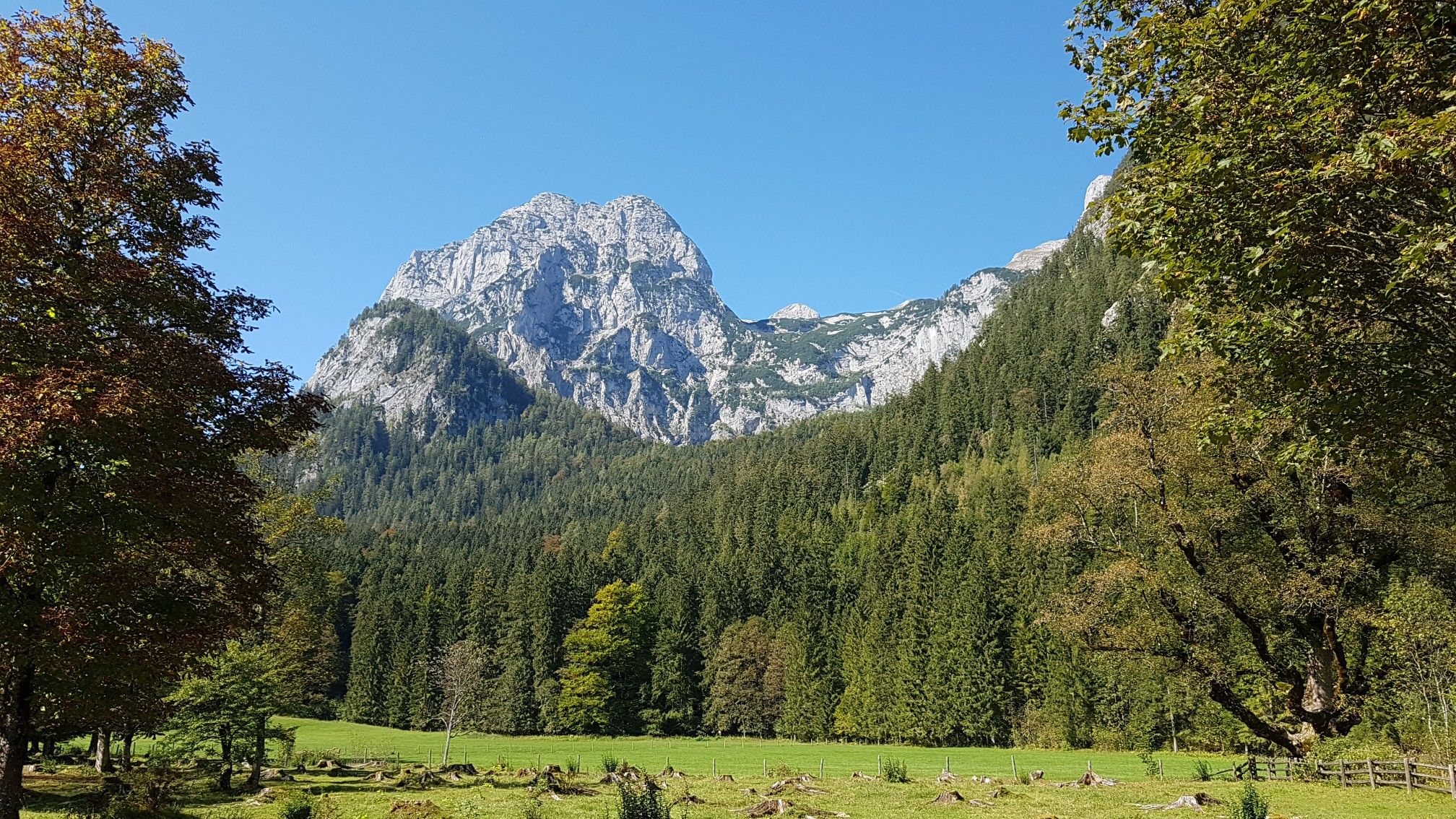
The National Natural Landscapes in Bavaria
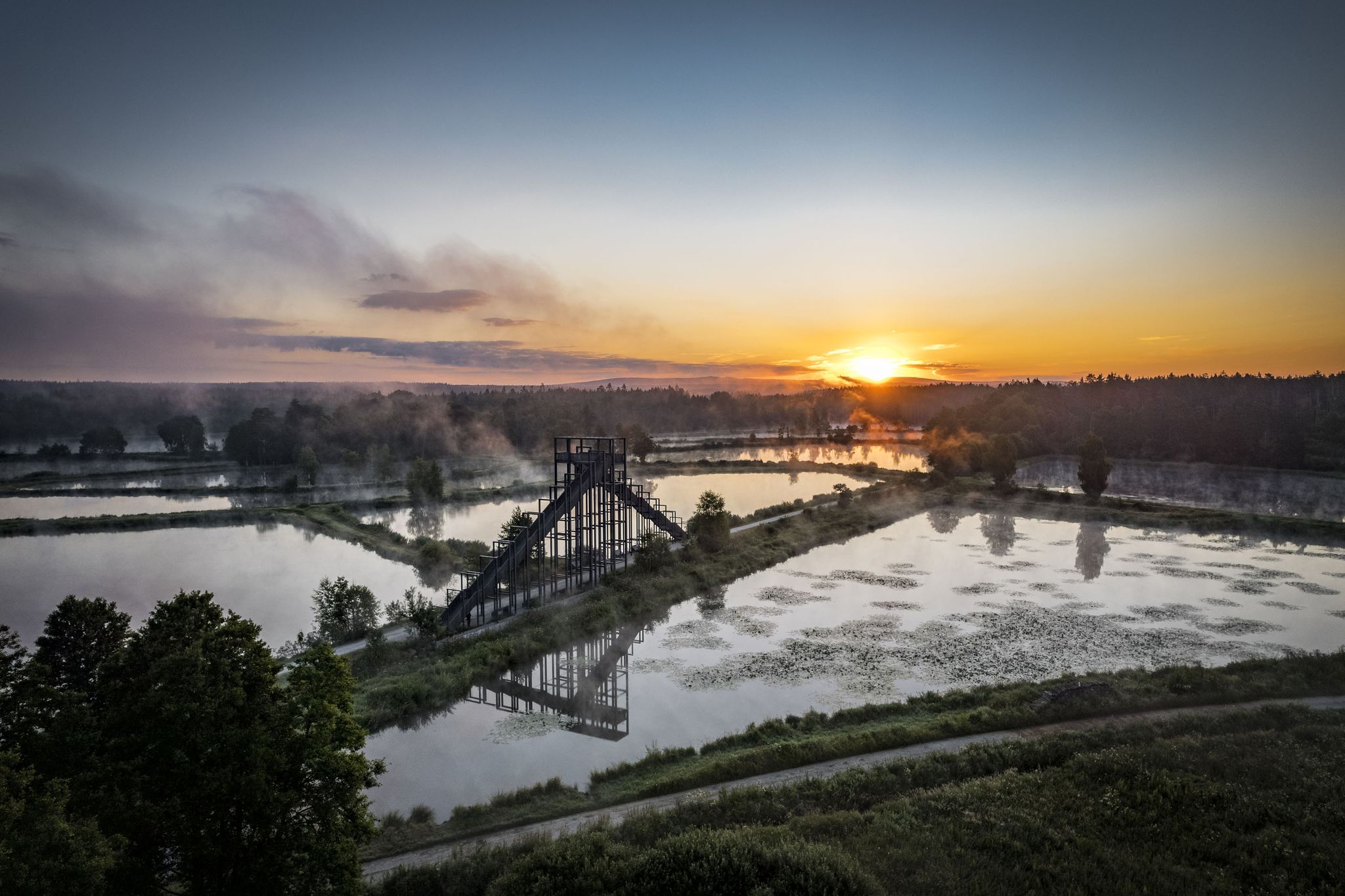
How refreshing! Trails by the water in the Upper Palatinate Forest
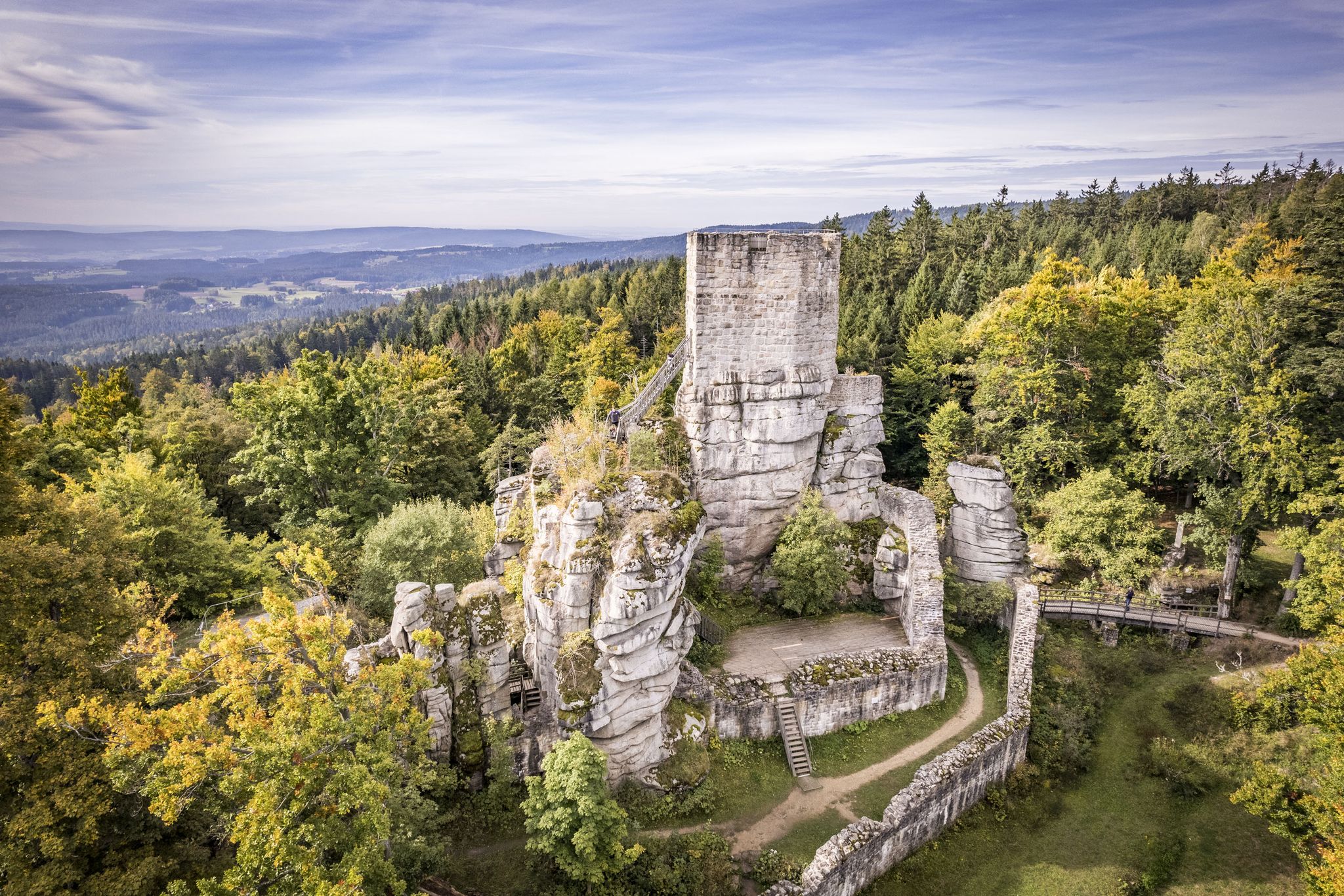
On the 'Kultouren' through the Upper Palatine Forest
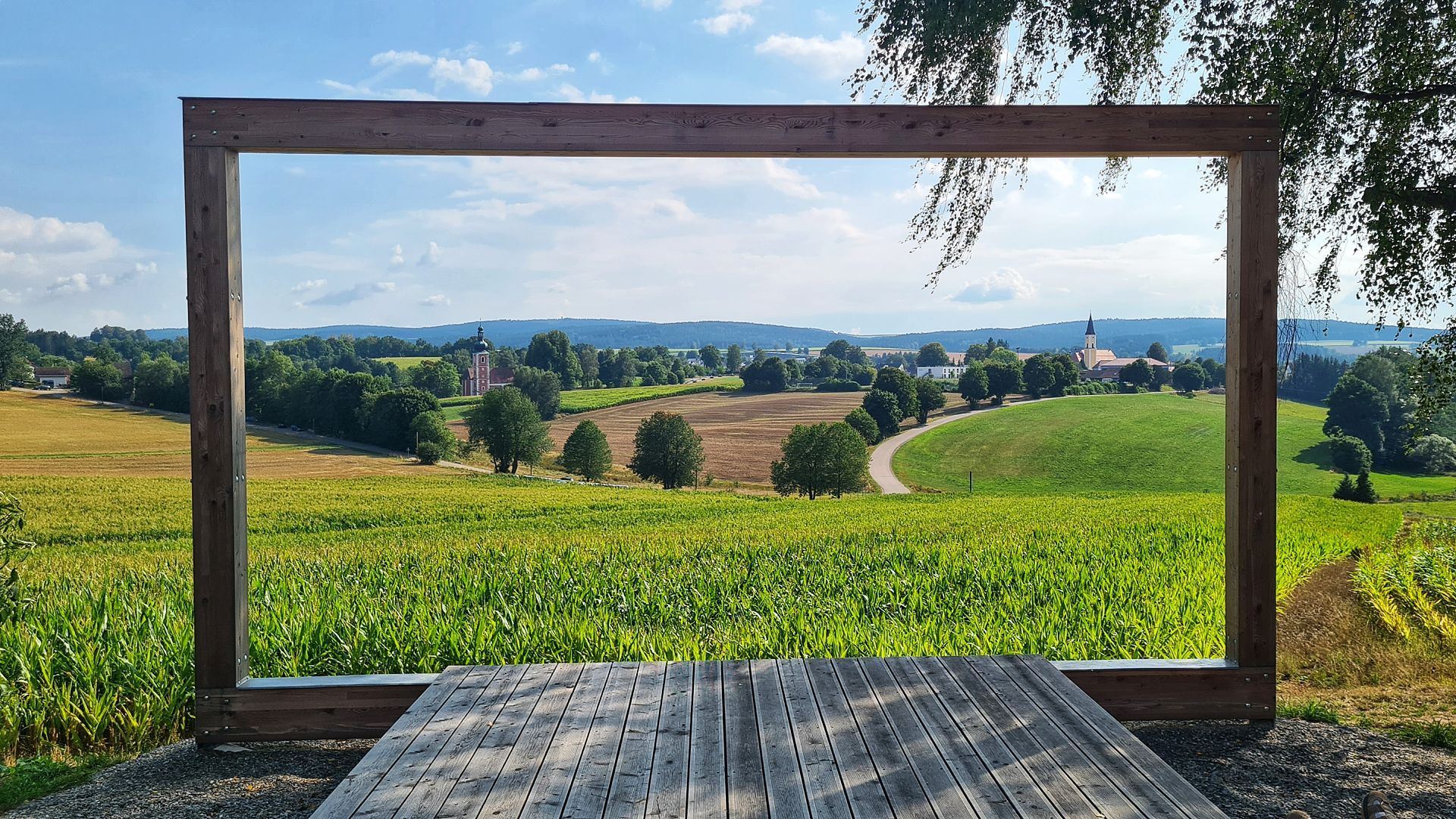
Hike the Glass Cutter Trail through the Upper Palatinate Forest
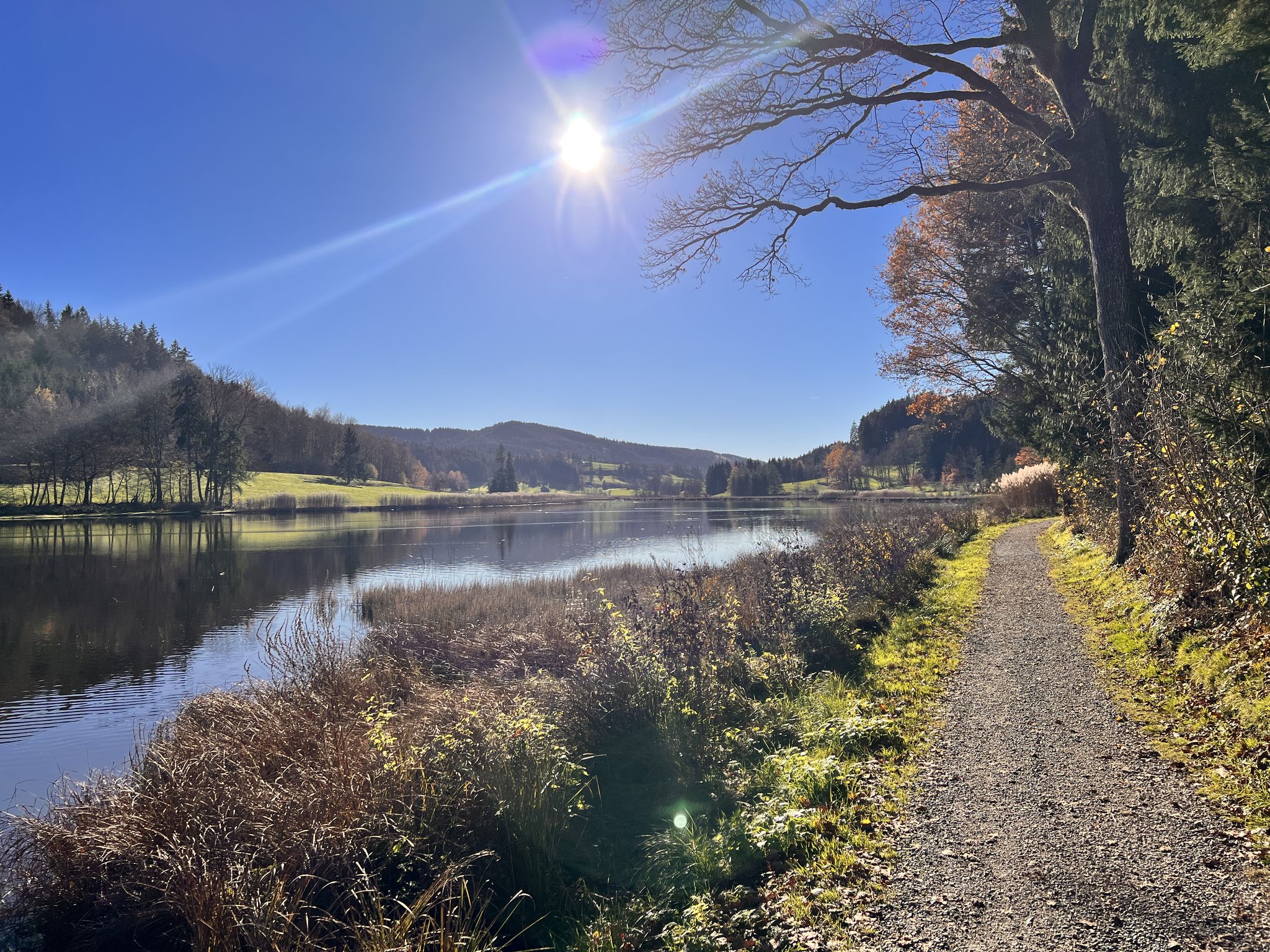
Run Wild – trail running routes throughout Germany
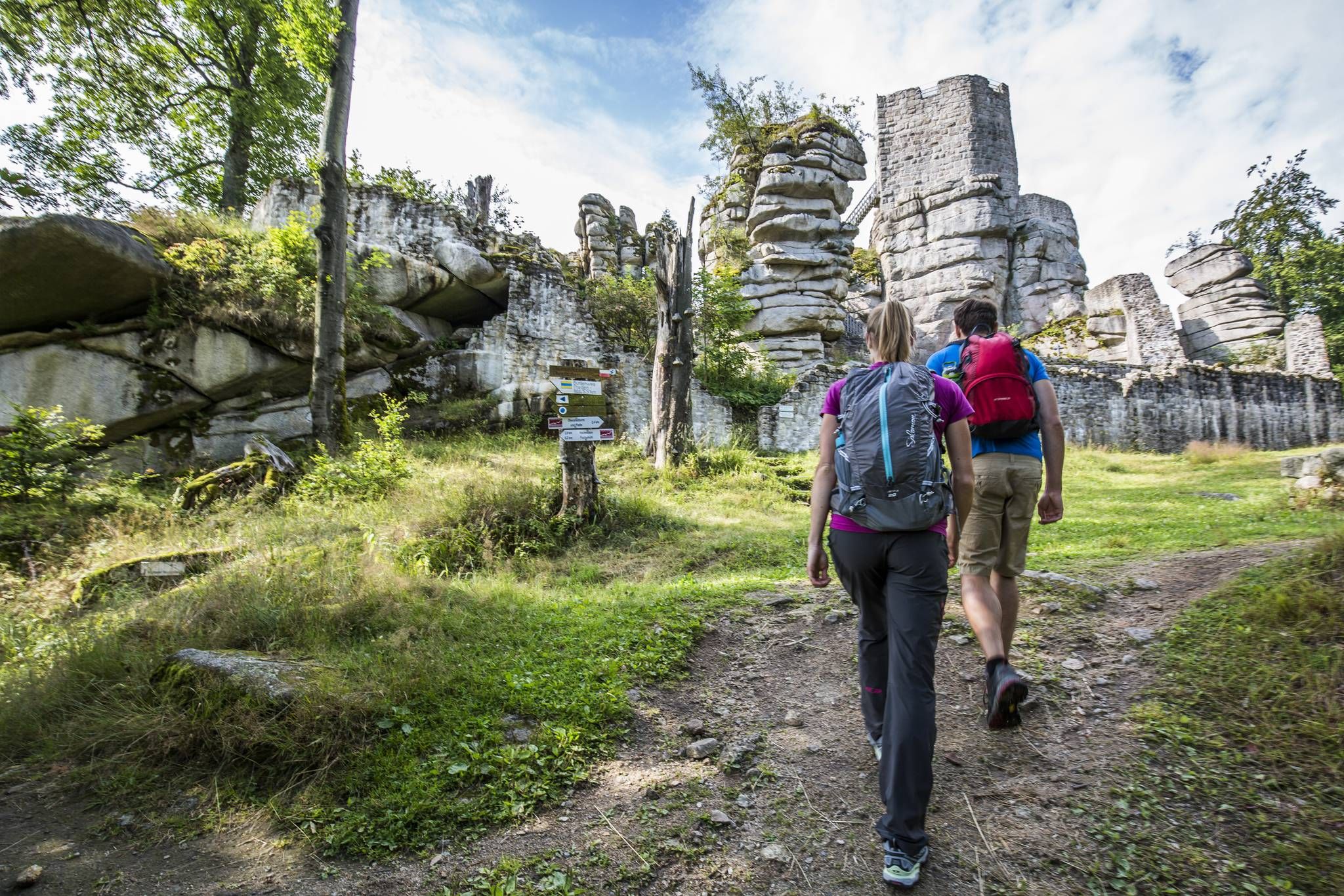
Thousands of kilometres of hiking fun – long-distance hiking trails in Bavaria
Other adventures around Landkreis Neustadt an der Waldnaab


Tips from the Community

Here, a clearing in the forest was used to create a small "sacred area" in the middle of nature, one that cyclists shouldn't pass by unnoticed. A small hill constructed of natural stone—one could also call it a grotto—rises in the middle of the forest clearing. It is crowned by a cross with the Corpus Christi. The centerpiece of this small sacred monument, however, is a depiction of the Virgin Mary, with a votive tablet on either side of her image. Seating and tables complete the ensemble.
0
0

Something hidden, you have to find it first
1
0

Please stay off the trail. This is a nature reserve!
1
0

The cave is located directly on a hiking trail and is impossible to miss because of its mighty entrance. A fairly long and wide passage literally bores into the slope. Everything can be walked upright except for the last 15m. From here you have to crouch down and you get to see really great walls and stalactites. You can also see the "water level edges" very well. Unfortunately you can also see that some sinter plumes have been "defused".
0
0

It's enough to take shelter from the rain.
0
0

From 1884 onwards, the castle fell into disrepair, with the last burial in the crypt not taking place until 1902. In 1919, the crypt was forcibly opened by unknown persons and was not closed again after that. The mortal remains that were still there were finally buried in the Neulosimthal cemetery in 1942 - this is stated on an information board that the OWV Georgenberg put up next to the ruins in 2013.
0
0

The basalt cone in Parkstein with the mountain church built above is worth seeing at any time of the year. When the weather is nice, you have a wonderful view of the extinct volcano with a height of 595 m around Parkstein.
8
0

The Hoher Parkstein geotope is the vent of a former volcano. You can read everything on an information board on site. Absolutely impressive!
6
0
Frequently Asked Questions
What are the most significant caves in the wider region of Landkreis Neustadt an der Waldnaab?
While there are no major publicly accessible show caves directly within Landkreis Neustadt an der Waldnaab, the surrounding northern Upper Palatinate region features two impressive caves: the Maximiliansgrotte and the Osterhöhle. The Maximiliansgrotte is known for its colossal "Eisberg" stalagmite and diverse formations, while the Osterhöhle offers a unique, less artificially lit experience with dark walls and dripstone formations.
Are there any caves with historical significance in the area?
Yes, several caves and sites have historical importance. The Crypt of Waldheim Castle is a historical castle site with a documented past of decay and reburial. The Kraute-Bühler Robber’s Cave is a natural monument with a name suggesting historical intrigue. The Maximiliansgrotte has a rich history, including mentions from 1596 and findings from the Hallstatt age. The Osterhöhle also has prehistoric connections, with vessel shards from the Hallstatt period found within. Additionally, the Großes Bauernloch Cave is a passage cave with prehistoric finds, and the Felsenkeller Rock Cellars and Historic Cellars at Koppelberg are historical man-made structures.
Which caves are suitable for families?
Several locations are family-friendly. The Maximiliansgrotte and Osterhöhle both offer guided tours lasting about 30 minutes, making them suitable for families. Within the Landkreis, the Rock cellar – winter habitat for bats, Felsenkeller Rock Cellars, and Rock Shelter with Staircase are noted as family-friendly. The Marian Grotto Am Spitzwold also offers a peaceful, accessible spot for reflection.
What kind of natural formations can I expect to see in the caves?
The Maximiliansgrotte is renowned for its vast array of stalactites and stalagmites, including the six-meter-high "Eisberg." It also features the impressive Leißnerdom chamber and the historic "Windloch." The Osterhöhle showcases well-formed dripstone formations, beautiful solutional features, and "Kolken" (kettle-like depressions). The Großes Bauernloch Cave also features great walls and stalactites.
What is the <a href="https://www.komoot.com/highlight/168873" target="_blank" rel="noopener">Kraute-Bühler Robber’s Cave</a> like?
The Kraute-Bühler Robber’s Cave is a natural monument known for its small and narrow access. Visitors describe the climb as a bit tedious at the beginning, but it's considered a unique point of interest for those exploring the area.
Can I visit the <a href="https://www.komoot.com/highlight/3028593" target="_blank" rel="noopener">Rock cellar – winter habitat for bats</a>?
The Rock cellar – winter habitat for bats is listed as a natural monument and a family-friendly site. However, as it serves as a winter habitat for bats, access might be restricted during certain months (typically November to March) to protect the animals. It's advisable to check local regulations or signage before planning a visit during these times.
What is the best time of year to visit the caves?
The Maximiliansgrotte is typically open from April to October, while the Osterhöhle is open from Easter until the end of October. These periods are generally the best times to visit, as the caves are closed during winter months (November to March) when they serve as bat roosts. Visiting during warmer months also provides a refreshing escape into the constant cool temperature of about 8 degrees Celsius inside the caves.
What should I wear when visiting caves in this region?
Caves maintain a constant cool temperature, often around 8 degrees Celsius, regardless of the outside weather. It's recommended to wear warm clothing, even in summer, and sturdy, closed-toe shoes with good grip, as surfaces can be uneven and damp. Some caves, like the Osterhöhle, rely on handheld lamps for tours, so comfortable clothing that allows for movement is also beneficial.
Are there any religious or spiritual cave sites?
Yes, the region offers a few such sites. The Marian Grotto Am Spitzwold is a well-maintained Marian grotto offering a peaceful place for reflection. Additionally, the Tomb and Grotto 'Christ in Chains' is a beautiful crypt located on a castle hill, part of a Calvary with Stations of the Cross.
What outdoor activities can I combine with a cave visit?
The region around Landkreis Neustadt an der Waldnaab offers various outdoor activities. You can find numerous hiking trails, including those around the Maximiliansgrotte in the "Erlebniswelt Jurahöhle" karst landscape. For more structured routes, consider exploring the Mountain Hikes, MTB Trails, or Gravel biking routes available in the area.
How long do cave tours typically last?
Guided tours for both the Maximiliansgrotte and the Osterhöhle typically last about 30 minutes. This duration provides an immersive experience without being overly long, making them suitable for most visitors, including families.
Are there any caves that offer a more natural, less artificially lit experience?
Yes, the Osterhöhle near Trondorf is notable for being one of the last show caves in Germany that relies on handheld lamps for tours. This creates a special, less artificially lit experience, allowing visitors to appreciate the cave's natural ambiance and dark black walls, primarily due to manganese deposits.
Where can I find refreshments or food near the caves?
Near the Osterhöhle, there is a romantic Waldschänke (forest tavern) with a large beer garden located directly at the cave's entrance. It offers regional specialties, providing a convenient option for refreshments after a tour.
Most popular routes around Landkreis Neustadt an der Waldnaab
Most popular attractions around Landkreis Neustadt an der Waldnaab

Get inspired with the komoot mobile app


Didn’t find what you were looking for?
Discover more caves around Landkreis Neustadt an der Waldnaab region by region:
Explore more
Extend your search for the best caves by checking out these guides of the top ones around Landkreis Neustadt an der Waldnaab:
