Top 20 Castles around Tännesberg
Best castles around Tännesberg are situated in a region defined by rolling hills and the Northern Upper Palatinate Forest Nature Park. Tännesberg itself is home to the Schlossberg, the historical site of the former Burg Tännesberg, where only foundation remnants are visible today. This highest point in Tännesberg, at 692 m above sea level, provides panoramic views of the surrounding landscape. The broader area offers a rich medieval history with several notable castle experiences.
Best castles around Tännesberg
- The most…
Last updated: July 7, 2026
Leuchtenberg Castle Ruins
Highlight • Castle
Translated by Google •
Tip by

Wildstein Castle Ruins
Highlight • Castle
Translated by Google •
Tip by

Sign up now to discover places like this
Get recommendations on the best single tracks, peaks, & plenty of other exciting outdoor places.
Sign up for free
Trausnitz Castle in the Valley
Highlight • Castle
Translated by Google •
Tip by

Thonmühle Ruins
Highlight • Historical Site
Translated by Google •
Tip by
Murach Castle
Highlight • Castle
Translated by Google •
Tip by

Sign up for free to discover even more castles around Tännesberg.
Sign up for free
Already have an account?
Start today with a free account
Your next adventure awaits.
Login or Signup
Popular around Tännesberg
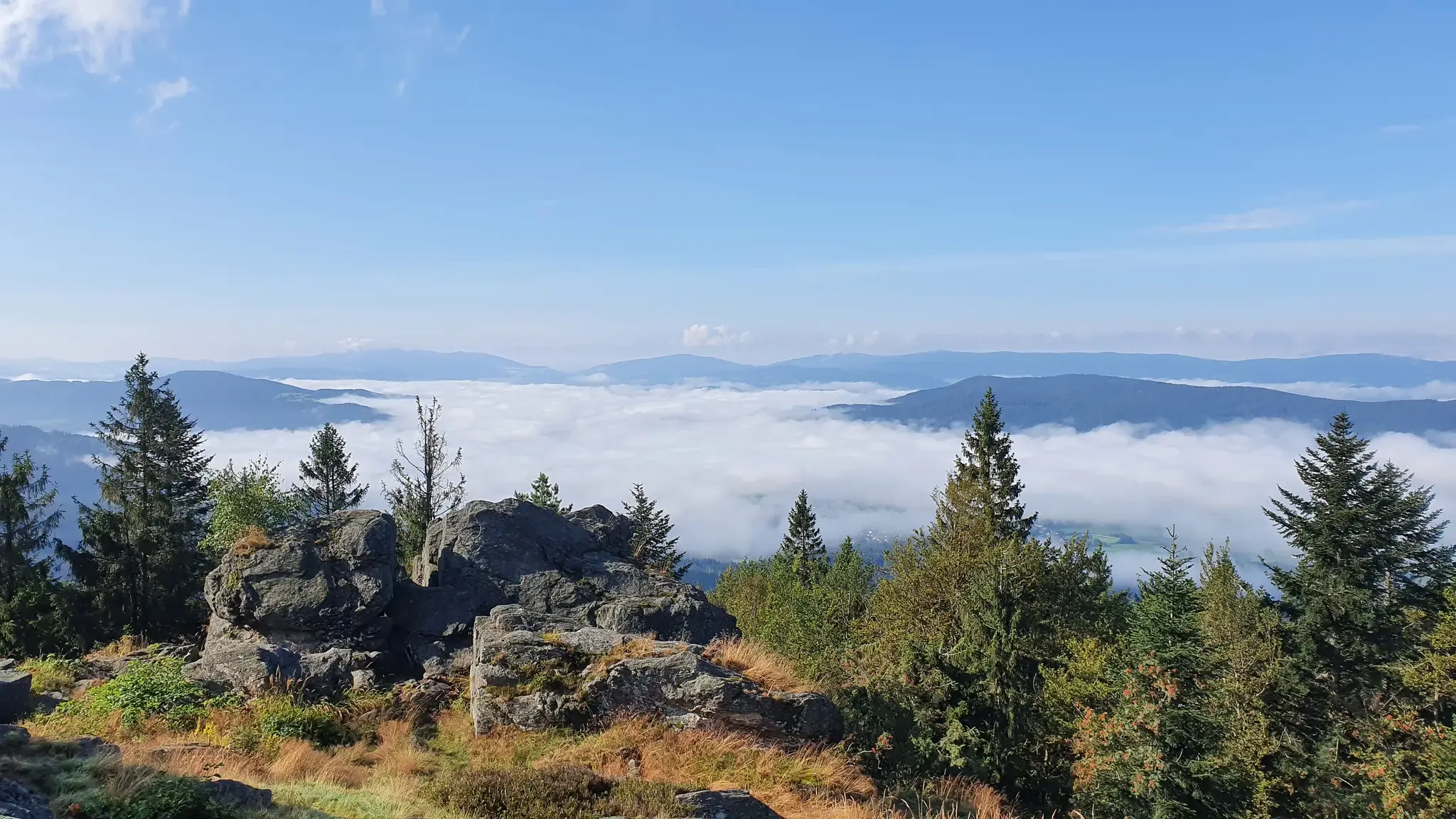
The Goldsteig – 38 stages between Upper Palatinate and Passau
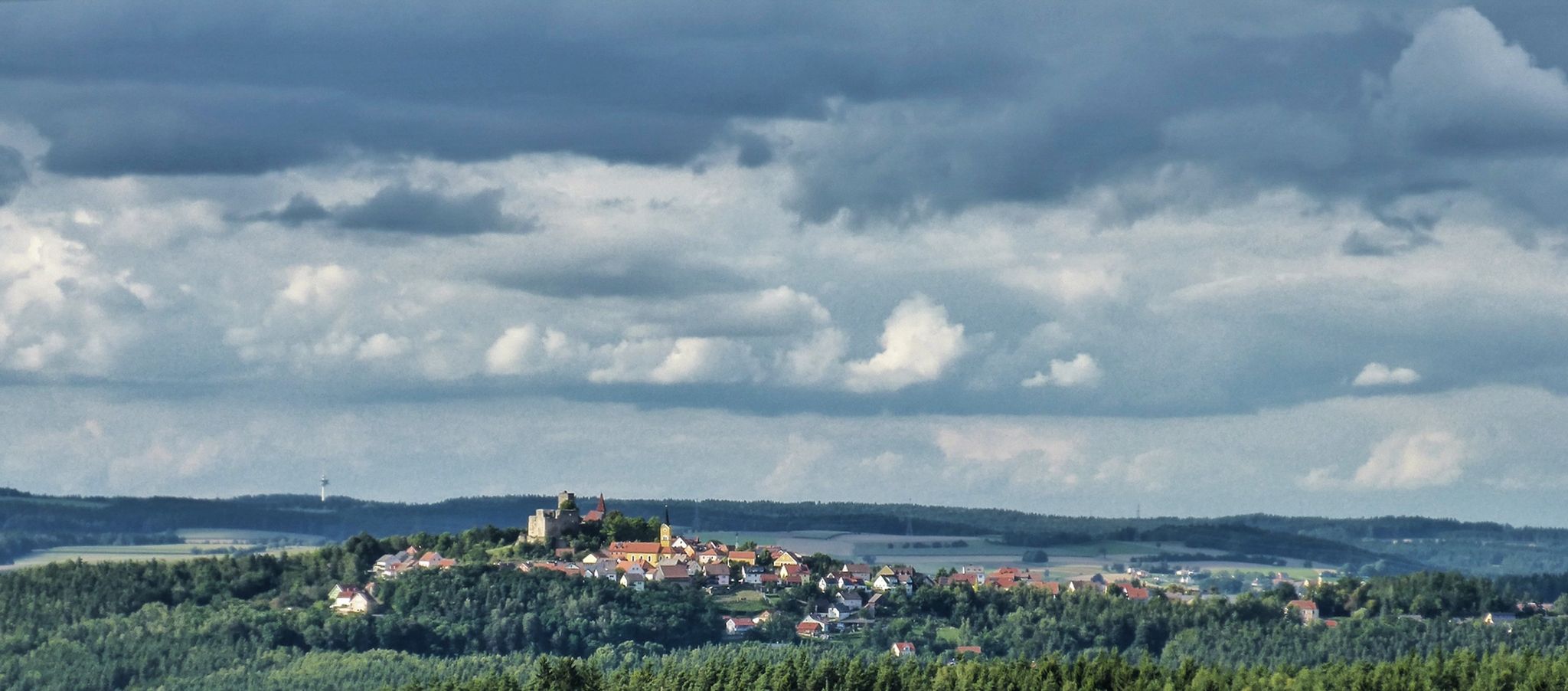
The Upper Palatinate Castle Trail — 9 days in picturesque northern Bavaria
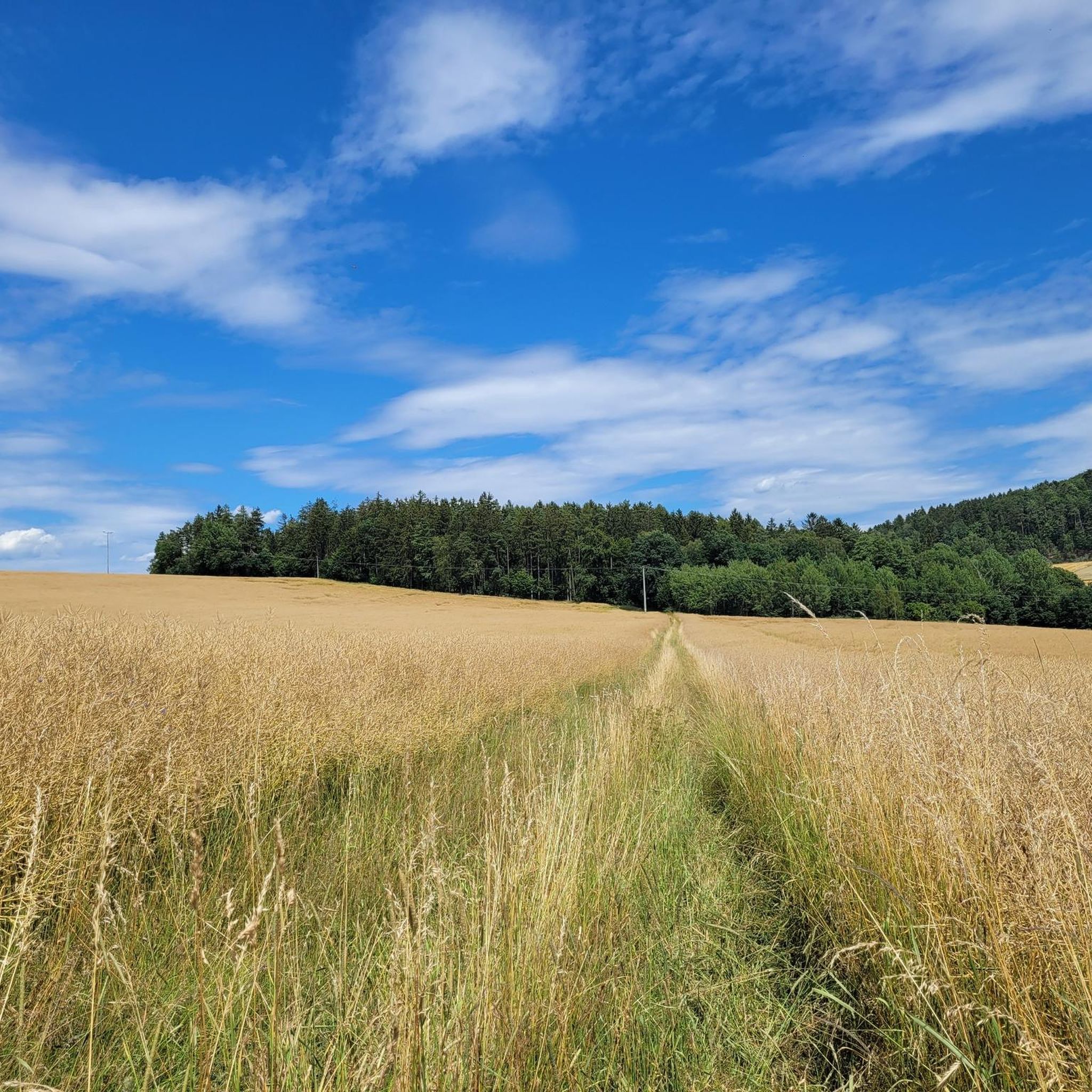
Hiking around Tännesberg
Road Cycling Routes around Tännesberg
Cycling around Tännesberg
MTB Trails around Tännesberg

Gravel biking around Tännesberg
Running Trails around Tännesberg

Tips from the Community

Castle ruins Haus Murach "Gerunc de Mourach" appears for the first time in a document in 1110. At that time he accompanied his feudal lord, the powerful Count Berengar II of Sulzbach, on the Italian campaign of Berengar's protégé, King Henry V. After the male line of the Sulzbach family died out, the Counts of Ortenburg inherited part of their dominion with the main towns of Warberg (Burgstall near Neunburg) and Murach in 1188. Later, the Ortenburgers even called themselves Counts of Murach. The ministerial family with the leading name Gerunc remained present in Obermurach. From 1268 to 1272, Obermurach was sold to the Upper Bavarian Duke Ludwig in a series of contracts. The castle was continually expanded and became famous for its stability; the Hussites besieged it in 1428 and 1433, but were unable to take it. During the course of the 14th century, the Murachers spread out to several castles in the Upper Palatinate region, for example to Thanstein or to Flügelsberg in the Altmühl valley. In 1489, Albrecht von Murach was a member of the Löwler uprising against the Bavarian duke. Obermurach survived these turbulences and even the Thirty Years' War relatively unscathed, but this can be explained by the fact that it had lost its military importance by then. In 1805, Obermurach, which was still well preserved at the time, was partially demolished and the stones used to build houses in the village. It was only secured from 1842 by the Oberviechtach district court; today it belongs to the Free State of Bavaria. You enter the extensive outer bailey through a simple gate, which is surrounded by a still well-preserved, high ring wall. It was mainly used for utility and residential buildings. The older inner bailey, which is located a little higher up, is on the east side of the complex. A 2 m thick shield wall shields it from the attack side in the south. The main castle is dominated by the 20 m high, square keep and a large tower-like residential building. The keep, with an entrance at a height of 8.5 m, was built in the lower part from large, regular granite blocks and probably dates from the 13th century. The castle chapel was probably located to the southwest of the keep, and the remains of a semicircular wall tower can be seen to the west. Source: Extracts from www.burgenseite.de
3
0


Only a ruin remains of the once impressive Murach Castle, first mentioned in documents in 1110. The keep, built around 1250, is the best preserved part of the complex to date. On the 20-meter-high tower there is a viewing platform from which you can enjoy a wonderful panoramic view of the surrounding area. The former castle is one of the largest and most impressive castles along the Bohemian border. !Attention! The key to the keep must be picked up in advance from the castle warden, Obermurach 58, Tel. 09671/91234.
4
1
Beautiful rock formation and a great view, a trip to the Burgstall is worth it.
6
0
Idyllic place on the Pfreimd, an information board provides information about the former clay mill.
6
0
Always a nice highlight to ride a mountain bike here and to explore the beautiful area
3
0

Unfortunately, the castle is closed due to vandalism incidents. You have to get the key from the castle warden. (See picture)
3
0

Once again enjoyed the Wildstein. Very beautiful
5
0
Frequently Asked Questions
What are the most historically significant castles near Tännesberg?
The region boasts several historically significant castles. The Leuchtenberg Castle Ruins are considered one of the most significant and well-preserved complexes in the Upper Palatinate, first mentioned in 1124. Wildstein Castle Ruins, documented in the early 14th century, played a role in administering the region and protecting trade routes. Murach Castle, first mentioned in 1110, was also crucial for protecting the trade route to Prague.
Which castles offer the best panoramic views?
For breathtaking vistas, the Schlossberg in Tännesberg, the site of the former Burg Tännesberg, offers a panoramic view over the rolling hills of the central Upper Palatinate. The Wildstein Castle Ruins provide magnificent panoramic views over the 'Waldbuckel' (forested hills) of the Upper Palatinate Forest. Additionally, the 20-meter-high keep at Murach Castle features a viewing platform with impressive views of the Upper Palatinate Forest.
Are there family-friendly castle ruins to visit around Tännesberg?
Yes, several castle ruins are suitable for families. Both Leuchtenberg Castle Ruins and Wildstein Castle Ruins are categorized as family-friendly. Leuchtenberg, in particular, hosts the largest open-air theater in Eastern Bavaria during the summer, which can be an exciting experience for all ages. Friedrichsburg Castle is also listed as family-friendly.
What kind of outdoor activities can I do near these castles?
The area around Tännesberg and its castles is excellent for outdoor activities. You can find numerous routes for cycling, gravel biking, and mountain biking. For example, there are gravel biking routes like the 'Schwarzachtal Cycle Path' and cycling routes such as the 'View of Pleystein – Kreuzberg Church in Pleystein loop'. Mountain biking enthusiasts can explore trails like the 'Pfreimd Dam – Schlossberg Tännesberg (692 m) loop'. You can find more details on these activities in the Gravel biking around Tännesberg, Cycling around Tännesberg, and MTB Trails around Tännesberg guides.
Is there a castle in Tännesberg itself?
Tännesberg is home to the historical site of the former Burg Tännesberg on the Schlossberg. While only foundation remnants of this medieval high castle remain today, the Schlossberg itself is the highest point in Tännesberg (692 m above sea level) and offers a panoramic view. The original castle was destroyed during the Thirty Years' War, and the ruins were largely dismantled in the early 19th century.
When is the best time of year to visit the castles in the Upper Palatinate?
The summer months are particularly appealing, especially for Leuchtenberg Castle Ruins, where the largest open-air theater in Eastern Bavaria takes place. Generally, spring and autumn offer pleasant weather for exploring the ruins and enjoying the scenic views without the peak summer crowds. Clear days in any season will enhance the panoramic views from sites like Wildstein and Murach.
Are there any castles with unique features or events?
Yes, Leuchtenberg Castle Ruins are known for hosting the largest open-air theater in Eastern Bavaria during the summer in its romantic courtyard. Murach Castle features a 20-meter-high keep with a viewing platform, and an annual castle festival takes place there on the first Sunday in August.
Can I find less crowded castle experiences in the region?
While popular sites like Leuchtenberg can attract visitors, exploring places like the Wildstein Castle Ruins or the remnants on the Schlossberg in Tännesberg might offer a more tranquil experience, especially outside of peak season or early in the morning. These sites still provide rich history and stunning views without the larger crowds.
What are the accessibility options for castles near Tännesberg?
Many castle ruins in the region involve walking on uneven terrain, paths, or climbing to reach viewpoints. For example, a ten-minute walk from the village leads to the Wildstein Castle Ruins. The keep at Murach Castle requires climbing to access the viewing platform. It is advisable to check specific site conditions if accessibility is a primary concern, as many are historical ruins and may not be fully wheelchair accessible.
Are dogs allowed at the castle ruins?
While specific rules can vary, many outdoor historical sites and ruins in Germany are dog-friendly, especially if dogs are kept on a leash. For example, the walks around Wildstein Castle Ruins are generally suitable for dogs. It's always best to check local signage or official websites for each specific castle to confirm their pet policies before your visit.
What should I bring for a visit to the castle ruins?
When visiting the castle ruins, it's recommended to wear sturdy footwear suitable for uneven paths and potentially steep climbs. Bringing water, especially on warmer days, is advisable. A camera will be useful to capture the impressive views. For sites like Murach Castle, where the key to the keep is available locally, you might need to arrange access in advance.
Are there cafes or pubs near the castles for refreshments?
The castles are often located near small towns or villages where you can find local eateries. For example, Leuchtenberg Castle Ruins are near the market town of Leuchtenberg. It's a good idea to check for local cafes or pubs in the nearest village before or after your visit to a specific ruin.
How can I reach the castles near Tännesberg using public transport?
While Tännesberg and the surrounding villages have some public transport connections, reaching the castle ruins often requires a combination of bus travel and walking. For instance, Wildstein Castle Ruins are a ten-minute walk from the village of Wildstein. It's recommended to plan your journey using regional public transport websites or apps, as direct access to all ruins by public transport might be limited.
Most popular routes around Tännesberg
Most popular attractions around Tännesberg

Get inspired with the komoot mobile app


Explore more
Looking for the best castles somewhere else? Discover other guides around Tännesberg:
