Top 7 Castles around Wimbach
Castles around Wimbach, located in Rhineland-Palatinate, offer insights into medieval architecture and regional history. The area is characterized by its natural landscape, providing a setting for historical exploration. Visitors can explore various historically significant castles and castle ruins. These sites collectively provide a journey through centuries of regional history.
Best castles around Wimbach
- The most popular castles is Nürburg Castle, a castle that is the highest castle complex in Rhineland-Palatinate. Its imposing 20-meter-high keep offers panoramic views over the…
Last updated: October 18, 2026
View of Nürburg Castle
Highlight • Viewpoint
Translated by Google •
Tip by

Aremberg Castle Tower
Highlight • Castle
Translated by Google •
Tip by

Sign up now to discover places like this
Get recommendations on the best single tracks, peaks, & plenty of other exciting outdoor places.
Ruins of Neublankenheim Castle
Highlight • Castle
Freely accessible.
Had our snack here 🥪🥐🥖
🏰The castle stands on an elevation approx. 355 meters above NHN and thus …
Translated by Google •
Tip by

View of Nürburg Castle
Highlight • Viewpoint
Translated by Google •
Tip by

View of Nürburg Castle and former airfield
Highlight • Viewpoint
Translated by Google •
Tip by

Sign up for free to discover even more castles around Wimbach.
Already have an account?
Start today with a free account
Your next adventure awaits.
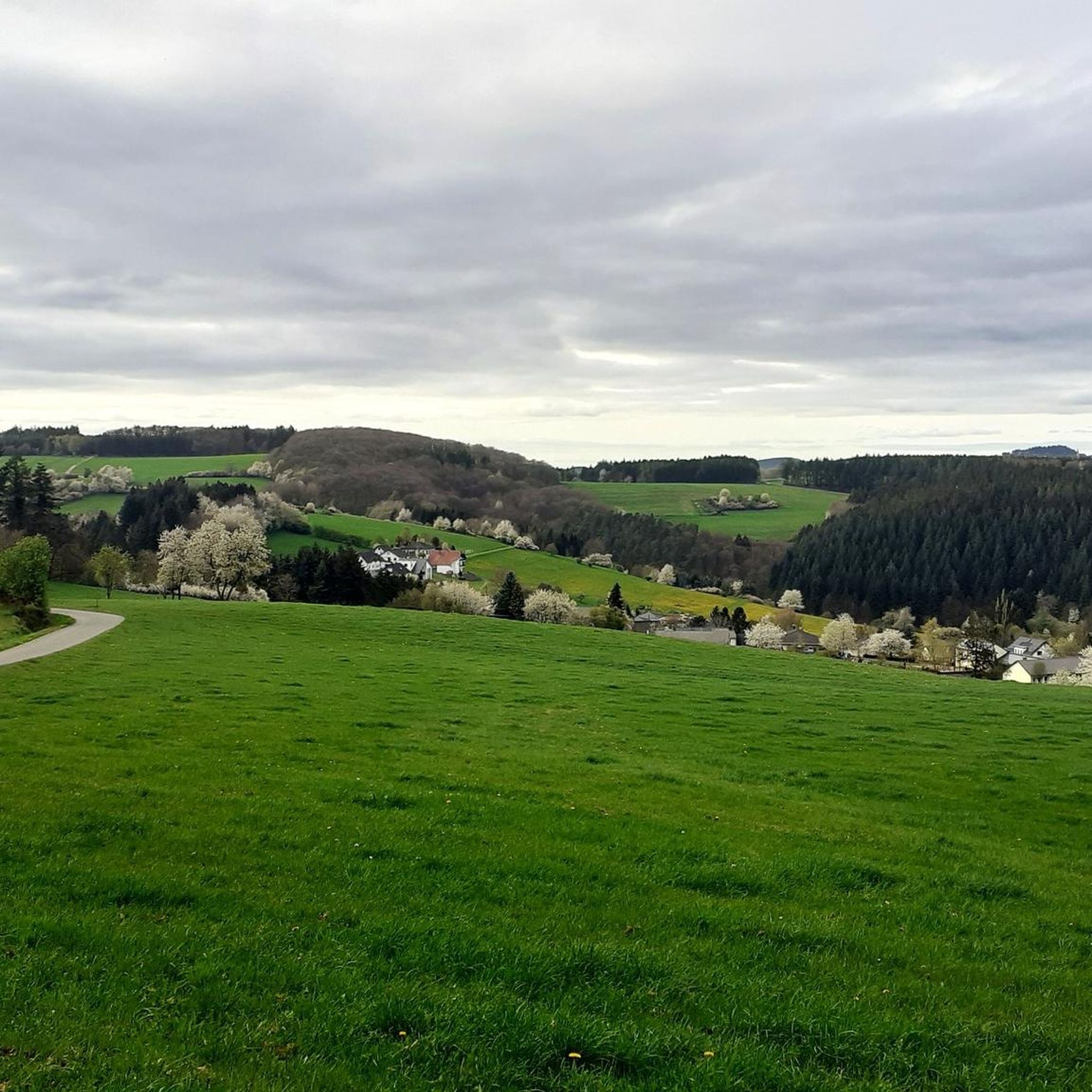

Tips from the Community

The historical origins of the castle are obscure, which is due on the one hand to the fact that no excavations have been carried out so far, and on the other hand, a confusion with Blankenheim Castle in documentary mentions cannot be ruled out. A first mention in a deed of donation from 1272 is therefore considered controversial for this castle. Rather, a document from 1341 is regarded as the oldest source for the castle, in which Margrave Wilhelm I of Jülich transferred "sine nuwe burch Blankenheym" to Gerhard V of Blankenheim as an hereditary fief. From then on, the castle (predominantly as a fief) remained in the possession of the Lords of Blankenheim and was administered, among others, by Friedrich von Blankenheim. In 1470, after several changes of ownership and inheritance disputes, the County of Blankenheim passed to Count Dietrich III of Manderscheid, while the castle was transferred to the Lords of Mirbach in the meantime. In 1521, Dietrich von Mirbach described Neublankenheim Castle as "destroyed" and asked his liege lord, Count Johann von Manderscheid, for help with the reconstruction. In the following years, the castle (apparently, no secure source findings) was not rebuilt due to its secluded location and the resulting lack of strategic importance. Around 1770, Duke Karl Maria Raimund von Arenberg acquired surrounding lands and also the castle ruins, so that the estate passed to the Duchy of Arenberg. After the occupation of the left-bank territories of the Rhine in 1794 by French revolutionary troops, the possessions of the Duchy of Arenberg also passed to the French state due to the provisions of the Peace of Lunéville. Neublankenheim Castle was auctioned and was subsequently in private ownership. The current owner is the Vulkaneifel district (formerly Daun district). Source: Wikipedia
4
0

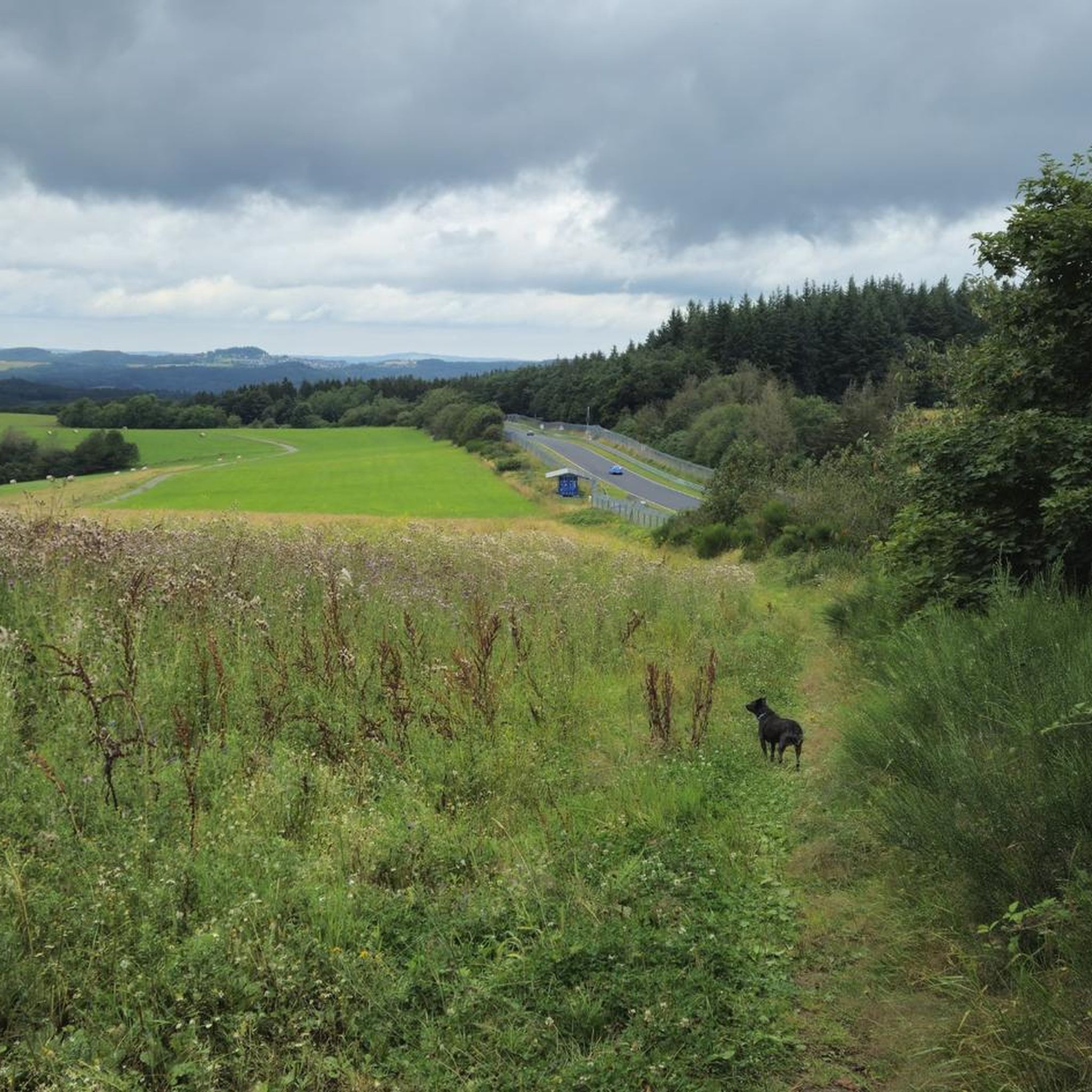
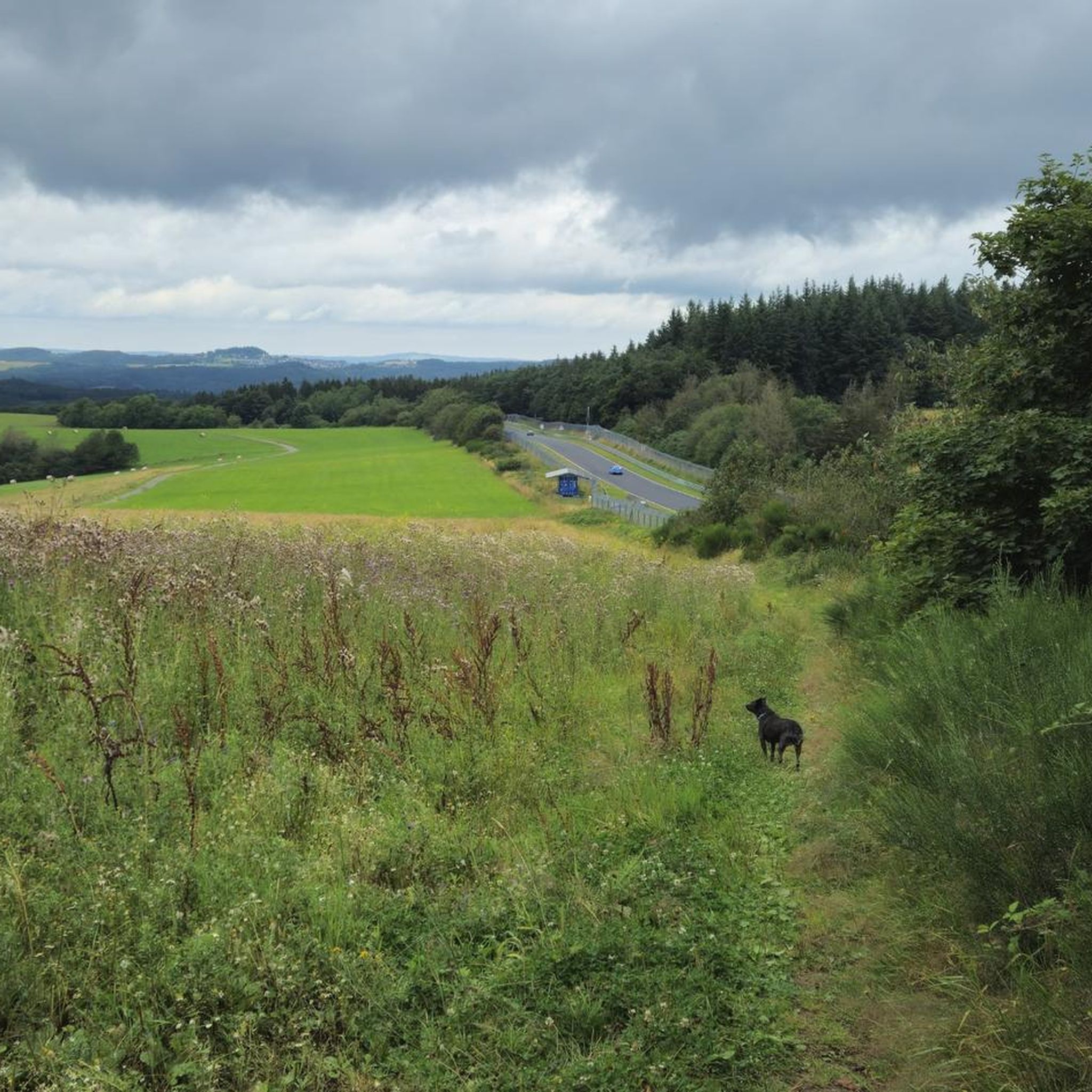
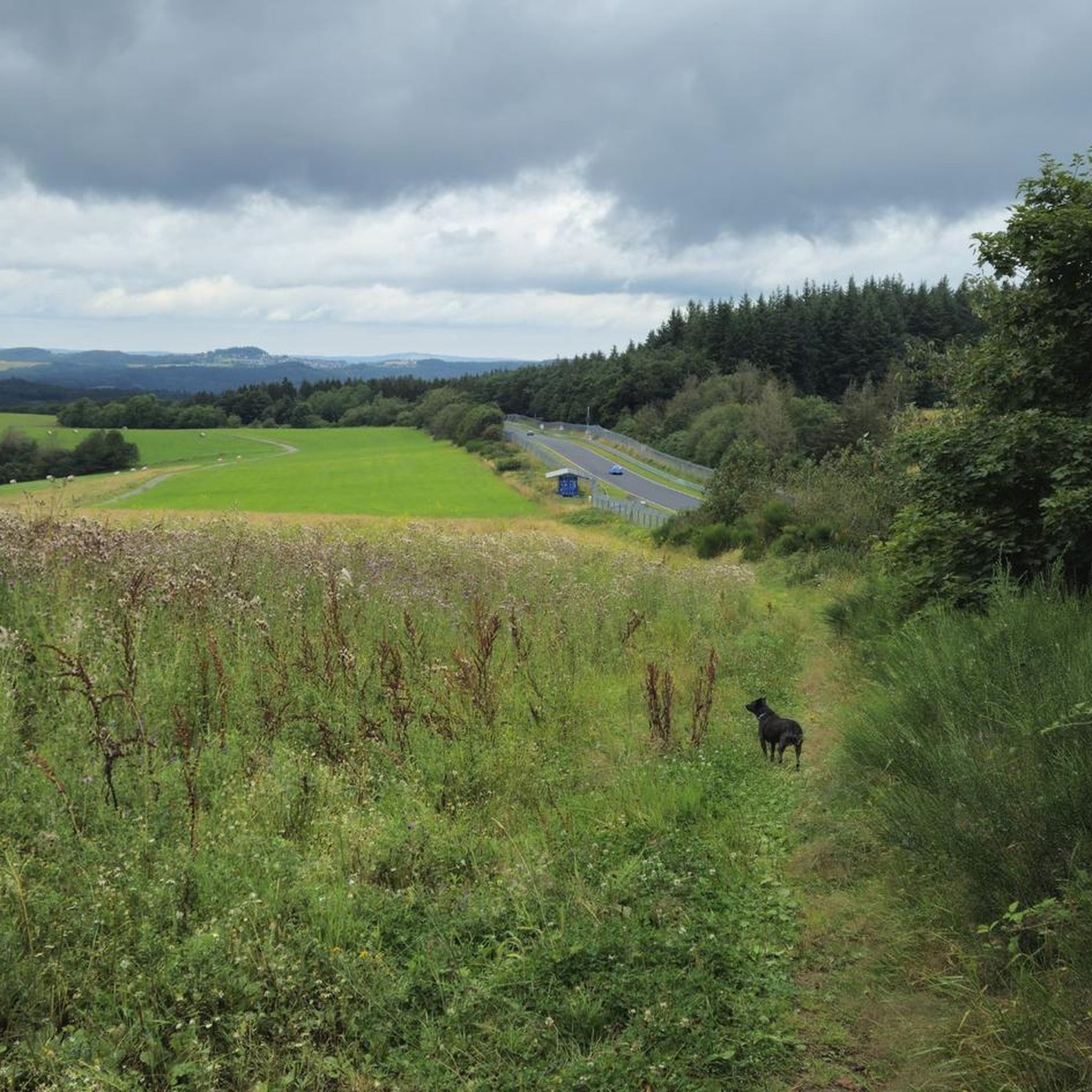
Former airfield located on the Nordschleife, great paths with a view of the Nürburgring
2
0
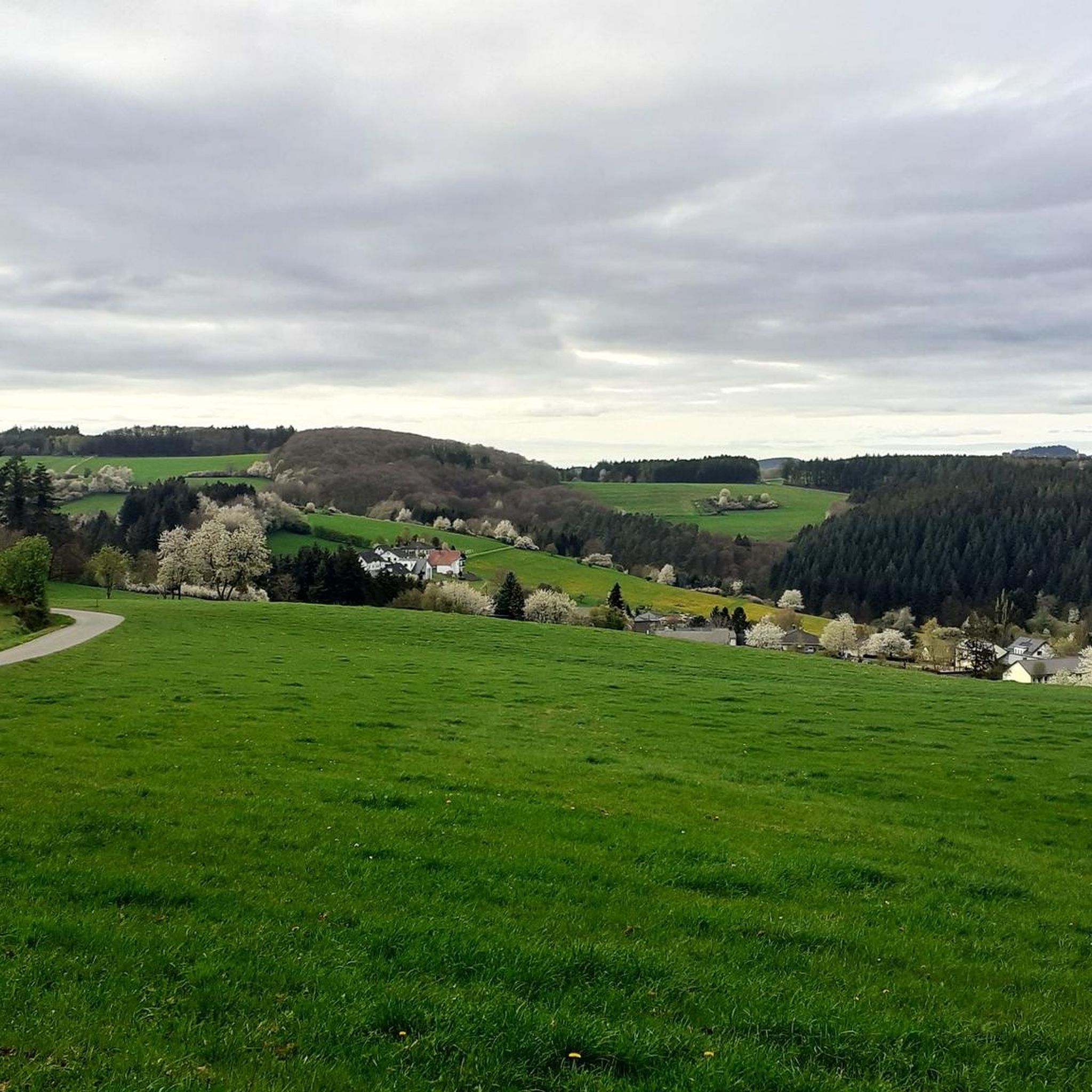
From here you have a beautiful view of the impressive Nürburg.
2
0
Nice view of the Nürburg, great track
1
0


🌲Nice photo motif in the middle of beautiful nature 🌳🎨📸 Freely accessible. Had our snack here 🥪🥐🥖 🏰The castle stands on an elevation approx. 355 meters above NHN and thus a good 20 meters above the valley floor of the Ahbach, which runs a few meters further east 🌊 near the state road 70. Extensive renovation work took place in 2004-2006.
9
0


A historic castle ruin whose origins are unknown. Only a document from the year 1341 confirms its proven age. I found this ruin very impressive.
7
0
Frequently Asked Questions
What kind of castles can I expect to see around Wimbach?
The Wimbach area in Rhineland-Palatinate features a variety of historically significant castles and castle ruins. You'll find impressive ruined hilltop castles like Nürburg Castle, historical sites nestled in forests such as the Ruins of Neublankenheim Castle, and unique structures like the Aremberg Castle Tower, which stands on the grounds of a former medieval fortress.
What is the historical significance of the castles in the Wimbach region?
The castles around Wimbach offer a fascinating journey through centuries of regional history. They provide insights into medieval life, warfare, and architectural development in the Rhineland-Palatinate area. For instance, Nürburg Castle dates back to the 12th century, while the Aremberg Castle Tower stands on the site of a powerful 12th-century fortress.
Can I climb the towers at these castles for views?
Yes, at Nürburg Castle, you can climb its imposing 20-meter-high keep, known as the 'Gray Tower,' for spectacular panoramic views over the High Eifel region and the Nürburgring racetrack. The Aremberg Castle Tower, while a viewing tower built from original castle stones, no longer offers views due to surrounding tree growth.
What are the opening hours and entrance fees for the castles?
For Nürburg Castle, opening hours vary seasonally. From April 1st to October 31st, it's generally open daily from 10 a.m. to 6 p.m., closed on Tuesdays. In November, March, December, and January, hours are more limited or closed. The entrance fee is 3 euros. The Ruins of Neublankenheim Castle are freely accessible.
Are there hiking trails near the castles around Wimbach?
Yes, the castles are often integrated into hiking routes. Nürburg Castle serves as a starting point for trails like 'In the Footsteps of the Knights' and the 'Hocheifel Circular Route.' The Ruins of Neublankenheim Castle are a station on the Eifelkrimi hiking trail. You can find more hiking options in the region by exploring nearby routes.
What can I expect to see at the Ruins of Neublankenheim Castle?
The Ruins of Neublankenheim Castle are nestled in a forest and are freely accessible. Key features include a 24-meter-high, D-shaped keep and remnants of its rectangular plan with walls up to 3 meters thick. Extensive renovation work was carried out between 2004 and 2006 to consolidate the ruins, offering a glimpse into medieval defensive architecture.
What remains of Aremberg Castle today?
The original Aremberg Castle was largely destroyed, but today you can visit the Aremberg Castle Tower, a 17-meter-high viewing tower constructed in 1854 using stones from the original castle. The site also features remains of the moat, walls, and bastions of the once-impressive fortifications, situated on the Aremberg mountain, one of the largest Tertiary volcanoes in the Eifel region.
Where can I park when visiting Nürburg Castle?
Parking for Nürburg Castle is available at the foot of the castle hill. From there, it's approximately a 10-minute walk up to the castle.
Are there places to eat near the castles?
Near Nürburg Castle, you'll find a restaurant called 'Zur Nürburg' located directly at the castle square, which offers regional cuisine with castle views.
What outdoor activities are available near the castles around Wimbach besides hiking?
The region around Wimbach offers various outdoor activities. You can explore MTB Trails, go Gravel biking, or enjoy Road Cycling Routes. Many of these routes pass by or offer views of the castles, such as the 'View of Nürburg Castle' route for gravel biking.
What is the best time of year to visit the castles around Wimbach?
The best time to visit the castles around Wimbach is generally from April to October when the weather is milder and opening hours are extended. For instance, Nürburg Castle is open daily during this period. Visiting during these months allows for comfortable exploration of the ruins and enjoyment of the surrounding natural landscape.
Are there any less crowded castles to visit in the Wimbach area?
If you're looking for a quieter experience, the Ruins of Neublankenheim Castle might be a good option. Nestled in a forest and freely accessible, it offers a chance to explore historical remnants amidst nature, away from potentially larger crowds.
Most popular routes around Wimbach
Most popular attractions around Wimbach

Get inspired with the komoot mobile app


Explore more
Looking for the best castles somewhere else? Discover other guides around Wimbach:
