Top 20 Caves around Schnabelwaid
Best caves around Schnabelwaid are found in the surrounding region, particularly the Landkreis Bayreuth and Franconian Switzerland. This area is characterized by its karst landscapes, which have led to the formation of numerous underground caverns. Visitors can explore a variety of geological features, including dripstone caves and historical rock cellars. The region offers diverse natural features for outdoor enthusiasts.
Best caves around Schnabelwaid
- The most popular caves is Weiherfelsen Sandstone Cave, a cave that is a natural monument. This…
Last updated: July 1, 2026
Singletrack at the Zwergenhöhle near Hollenberg
Highlight (Segment) • Trail
Translated by Google •
Tip by

The Dwarf Cave
Highlight • Cave
Translated by Google •
Tip by
Sign up now to discover places like this
Get recommendations on the best single tracks, peaks, & plenty of other exciting outdoor places.
Sign up for free
Weiherfelsen Sandstone Cave
Highlight • Cave
Translated by Google •
Tip by

Gnomenbrünnlein
Highlight • Cave
Translated by Google •
Tip by
Elbersberger Windloch
Highlight • Cave
Translated by Google •
Tip by

Sign up for free to discover even more caves around Schnabelwaid.
Sign up for free
Already have an account?
Start today with a free account
Your next adventure awaits.
Login or Signup

Tips from the Community

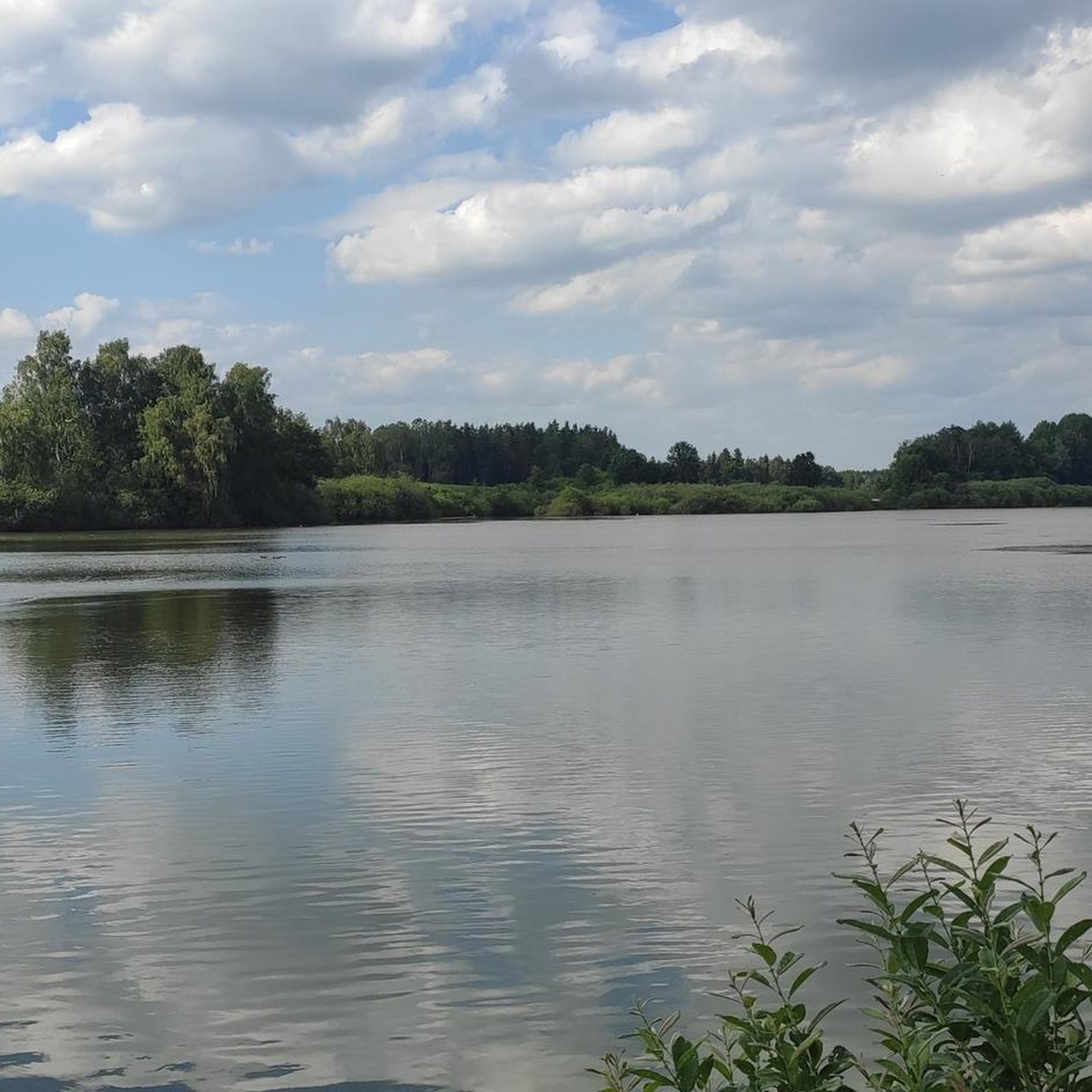
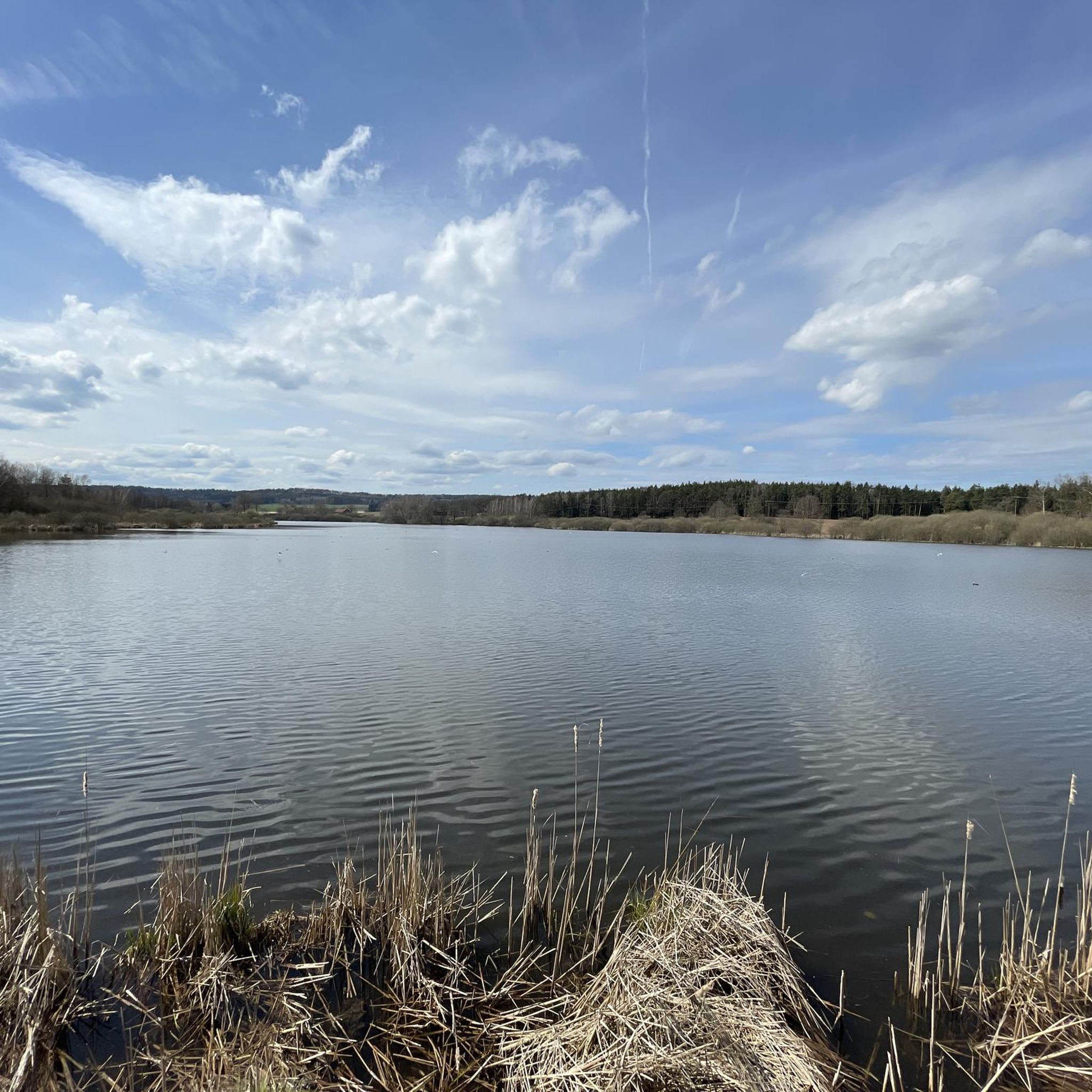
The bizarre shape of the rock and the large cave make this natural monument so special. There's a bench on the sandstone cliff where you can take a break and enjoy the view of the pond landscape.
12
0
After the Bockmühle, but before the Weiherfelsen, there are further rock formations and smaller caves, somewhat hidden in the undergrowth.
12
0

Great sandstone cave with a bench for a rest in front.
3
1

The wind hole is surprisingly deep and definitely a highlight When you stand in front of it you should have no fear of heights 😬
1
0

Not to be confused with the easily accessible Weiherfelsen with a large cave.
3
2

The bike has to wait, but the climb is worth it 😉
1
0

Frequently Asked Questions
What are some of the most impressive dripstone caves in the region around Schnabelwaid?
The region is home to several remarkable dripstone caves. The Teufelshöhle (Devil's Cave) near Pottenstein is known for its extensive corridors and large halls with impressive stalactites. The Sophienhöhle Cave near Rabenstein boasts fantastic stalactites in various sizes and colors. Further afield, the König-Otto-Tropfsteinhöhle is considered one of Germany's most beautiful, featuring stalactites, stalagmites, stalagnates, and sinter pools.
Are there any caves around Schnabelwaid with historical or archaeological significance?
Yes, the region offers caves with historical importance. The Great Hasenloch holds significant historical value as a station for Stone Age hunters, with extensive Paleolithic material found there. The Sophienhöhle Cave also shows evidence of prehistoric human activity, including pottery finds, with its antechamber mentioned in documents as early as 1490.
What kind of natural rock formations can I explore in the area?
Beyond traditional caves, you can explore unique rock formations. The Weiherfelsen Sandstone Cave is a natural monument known for its bizarre rock shape and large interior. The Dwarf Cave features interesting rock formations and cross connections. The Schlupflochfelsen Walk-through Cave is a passage cave that also serves as a climbing rock, located on a hiking trail in the Ailsbach valley. The Ludwig Cave is a large, freely accessible karst cave with an imposing hall.
Are there family-friendly caves or activities suitable for children near Schnabelwaid?
Many of the developed dripstone caves like Teufelshöhle and Sophienhöhle are generally family-friendly, offering guided tours that are accessible for most ages. For a more adventurous, self-guided experience, the Dwarf Cave is popular, though a torch is recommended for exploring its rock formations. Always check specific cave websites for age recommendations and accessibility details.
What is the best time to visit the caves around Schnabelwaid?
The best time to visit depends on the cave. Many show caves are open seasonally, typically from spring to autumn. However, some caves, like the Dwarf Cave, serve as winter quarters for bats, and exploration should be avoided from October to the end of March to protect these animals. For outdoor rock formations and walk-through caves, spring and autumn offer pleasant hiking weather.
What should I wear when visiting caves in this region?
Even in summer, temperatures inside caves are consistently cool, often around 8-10°C (46-50°F). It's advisable to wear warm layers, sturdy shoes with good grip, and potentially a light jacket. For undeveloped caves or those with uneven terrain, a headlamp or torch is essential, and gloves might be useful for scrambling.
Are there any caves around Schnabelwaid that are freely accessible without a guide or entrance fee?
Yes, some natural rock formations and smaller caves are freely accessible. The Weiherfelsen Sandstone Cave and Gnomenbrünnlein are examples of natural monuments you can visit without a fee. The Ludwig Cave is also a large, freely accessible karst cave. For these, sturdy shoes and a torch are recommended.
What outdoor activities can I combine with a visit to the caves near Schnabelwaid?
The region offers excellent opportunities for outdoor activities. You can find numerous hiking trails, such as those around the Craimoosweiher Lake or leading to the Thurndorf Observation Tower. Mountain biking and gravel biking are also popular, with routes like the Weiherfelsen loop from Emtmannsberg or MTB trails around the Weiherfelsen Cave. Many caves are located along or near these routes, making it easy to combine activities.
Are there any challenging or adventurous cave experiences in the area?
For those seeking a challenge, the Dwarf Cave involves a somewhat arduous ascent, and the last part can be steep and craggy. The Elbersberger Windloch is a deep natural shaft that requires extreme caution due to its hidden nature and significant depth, making it suitable only for experienced explorers aware of the risks.
What do visitors enjoy most about the caves and rock formations around Schnabelwaid?
Visitors frequently appreciate the unique geological shapes and the natural beauty of the rock formations. The opportunity to explore accessible interiors, discover hidden caves, and enjoy scenic views, such as from the bench at the Weiherfelsen Sandstone Cave overlooking the pond landscape, are often highlighted. The sense of adventure in exploring places like the Dwarf Cave is also a strong draw.
Are there any caves that are particularly good for photography?
Many of the dripstone caves, such as Teufelshöhle, Sophienhöhle, and König-Otto-Tropfsteinhöhle, offer stunning photographic opportunities with their intricate stalactite and stalagmite formations. The unique rock shapes of the Weiherfelsen Sandstone Cave and the light openings in the ceiling of Gnomenbrünnlein also provide interesting subjects for photographers.
Most popular routes around Schnabelwaid
Most popular attractions around Schnabelwaid

Get inspired with the komoot mobile app


Explore more
Extend your search for the best caves by checking out these guides of the top ones around Schnabelwaid:
